
Byron Ledge Trail
Experience the Byron Ledge Trail (Uēaloha) in Hawaiʻi Volcanoes National Park, a moderate hike offering dynamic volcanic landscapes and transition into misty rainforest, with views of Kīlauea caldera.

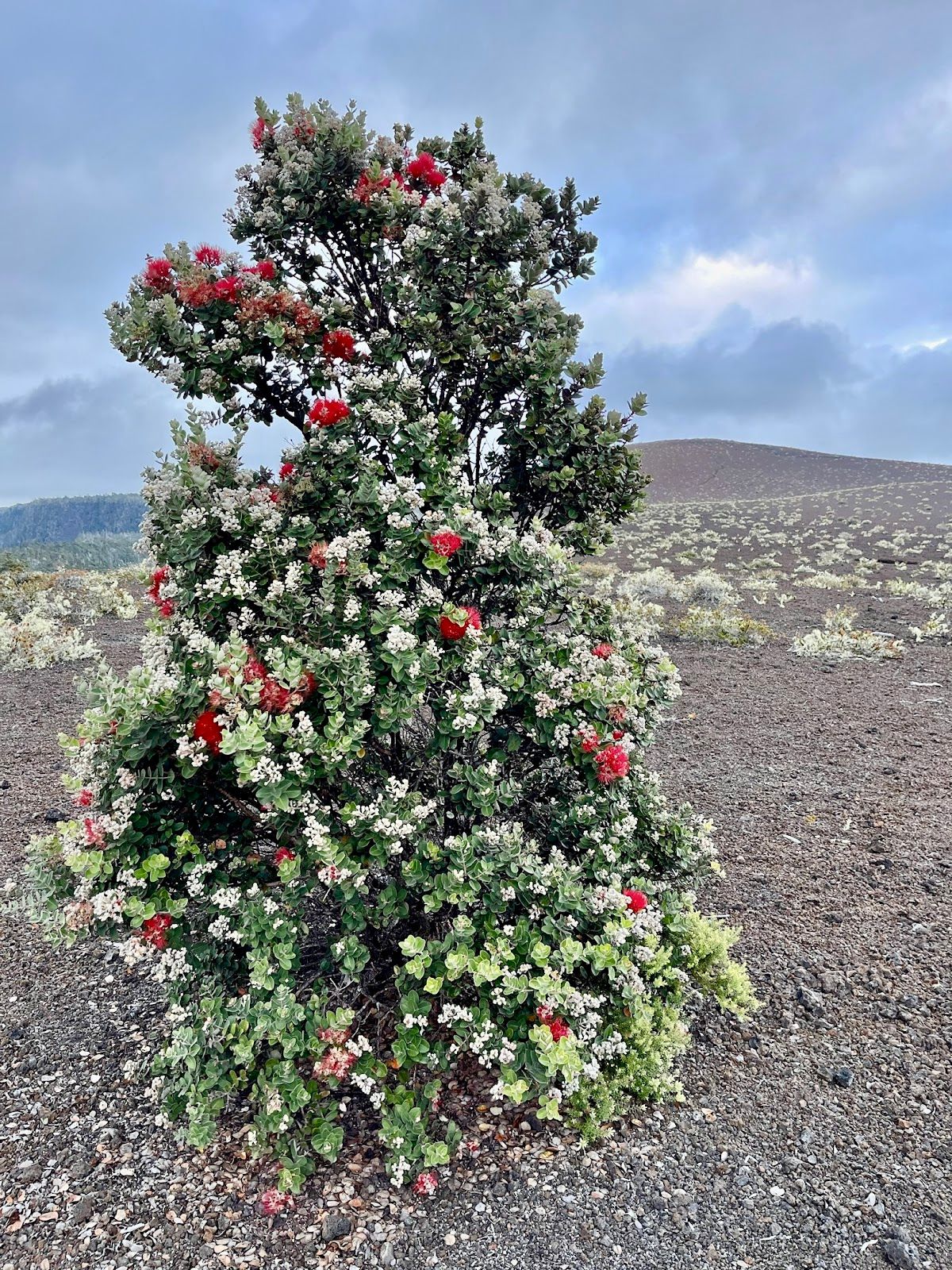
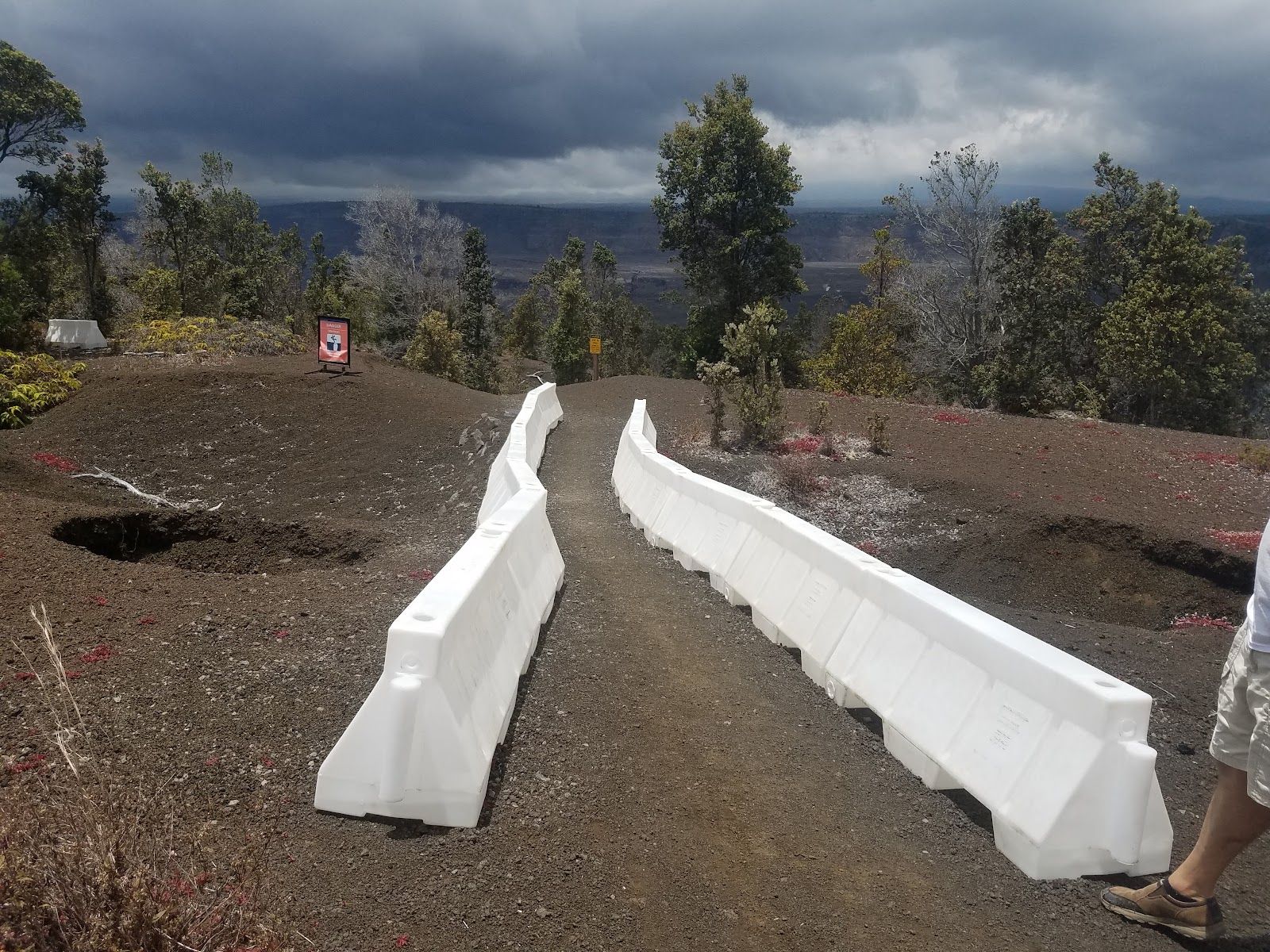
- Volcanic landscapes
- Rainforest sections
- Views of Kīlauea caldera
- Views of Puʻupuaʻi cinder cone
Byron Ledge Trail is a compact but rewarding hike in Hawaiʻi Volcanoes National Park, set in the Volcano area of the Big Island’s Kaʻū region. It stands out because it gives travelers a lot of the park’s character in one walk: fresh volcanic terrain, stretches of misty rainforest, and occasional wide-angle views into the Kīlauea caldera. For visitors building a park day around one meaningful hike rather than a marathon, it works well as a flexible middle-distance option.
A rim walk that shifts from cinder to rainforest
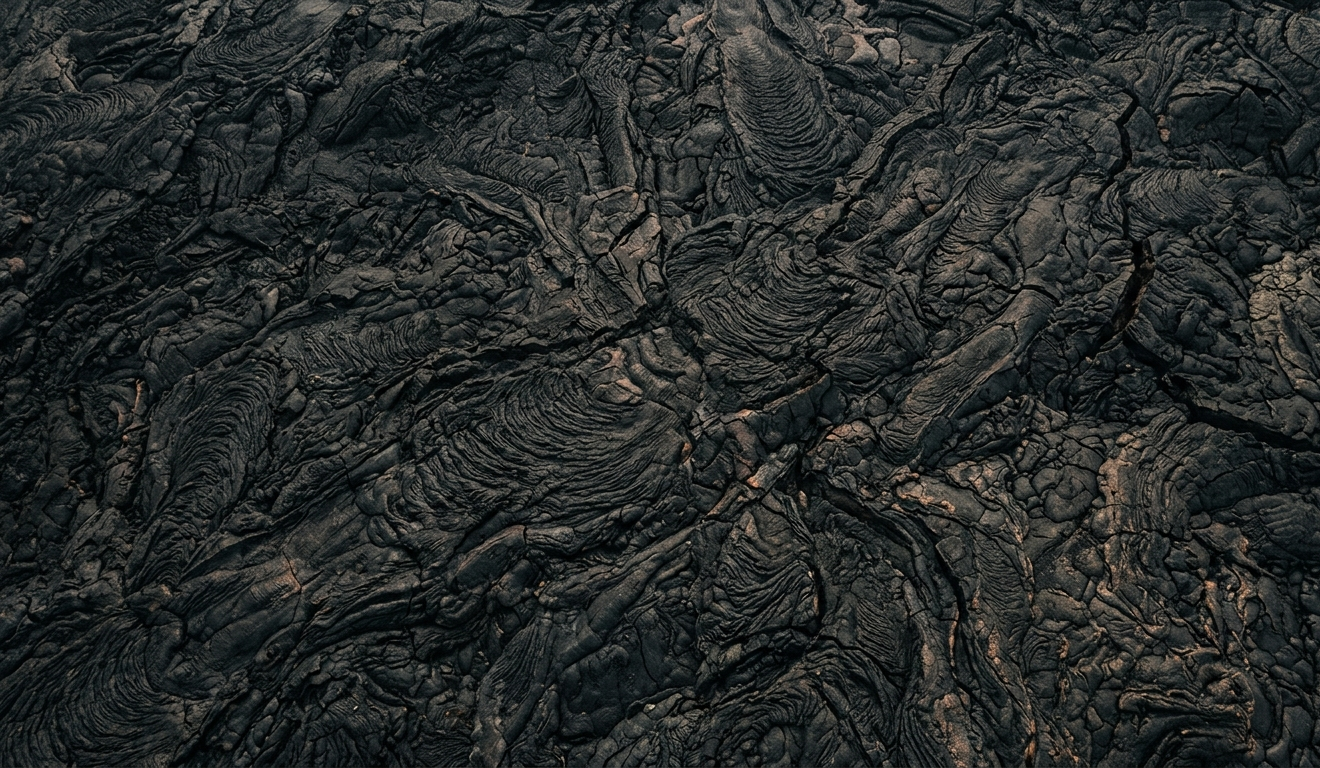
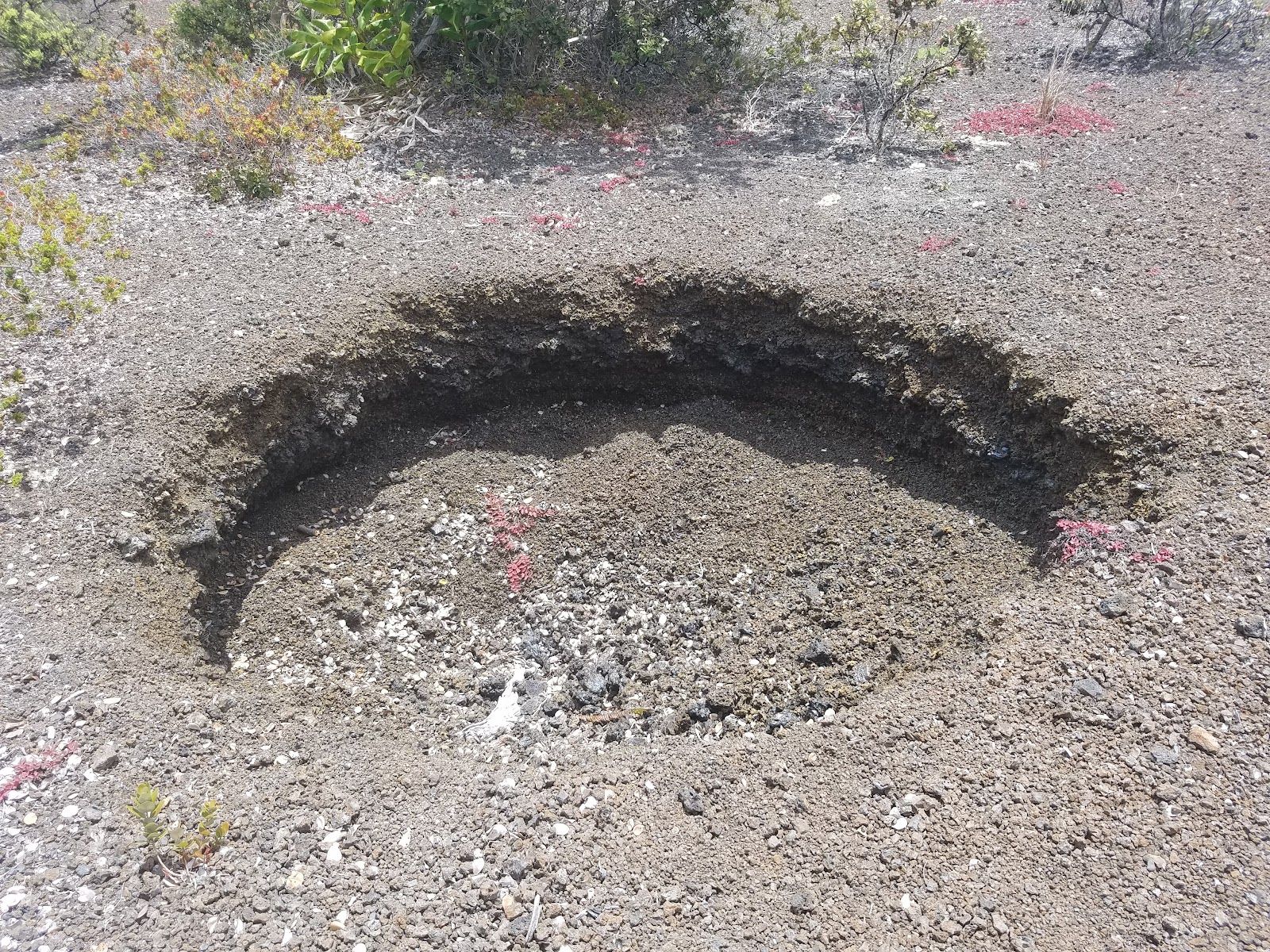
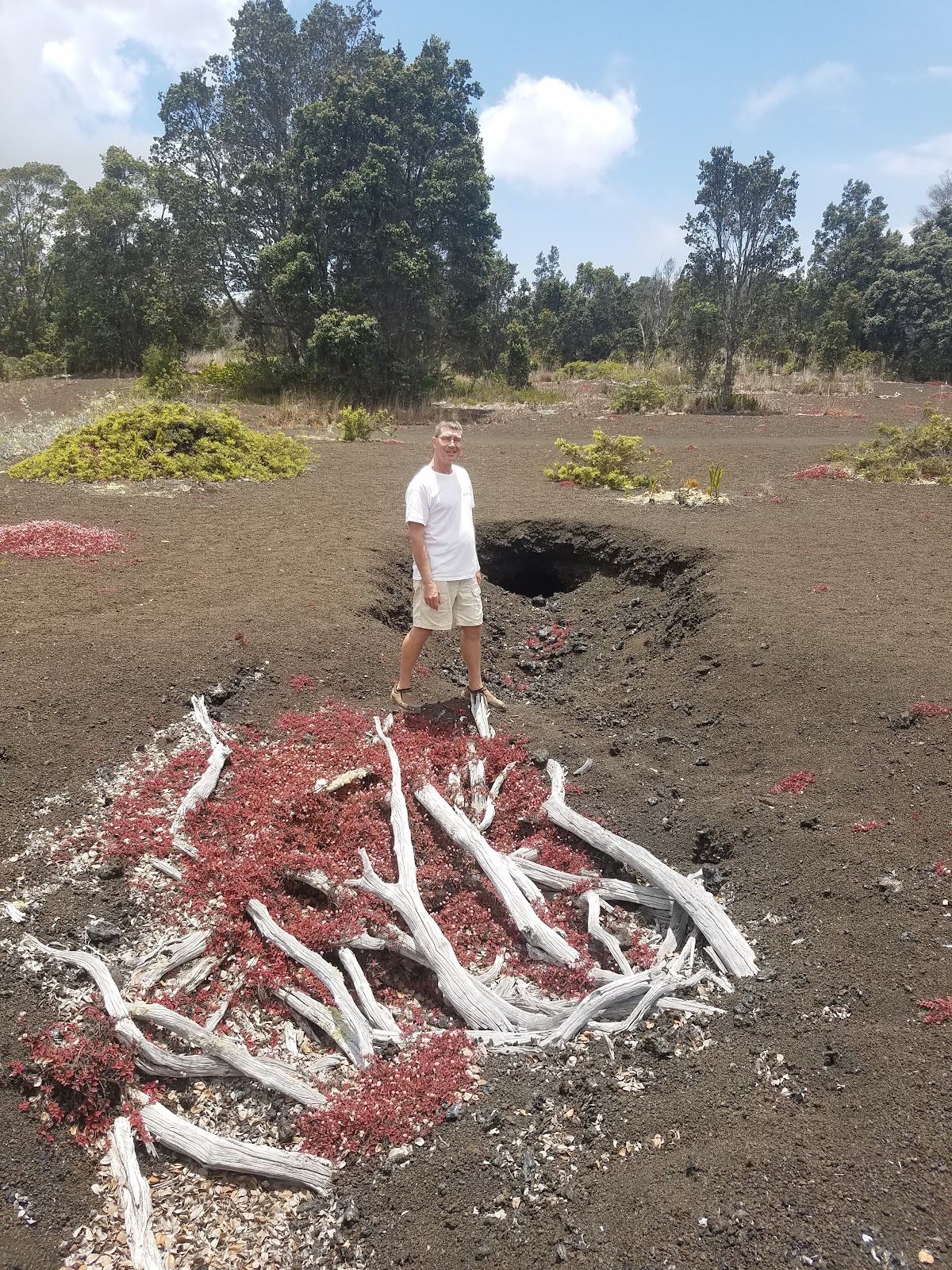
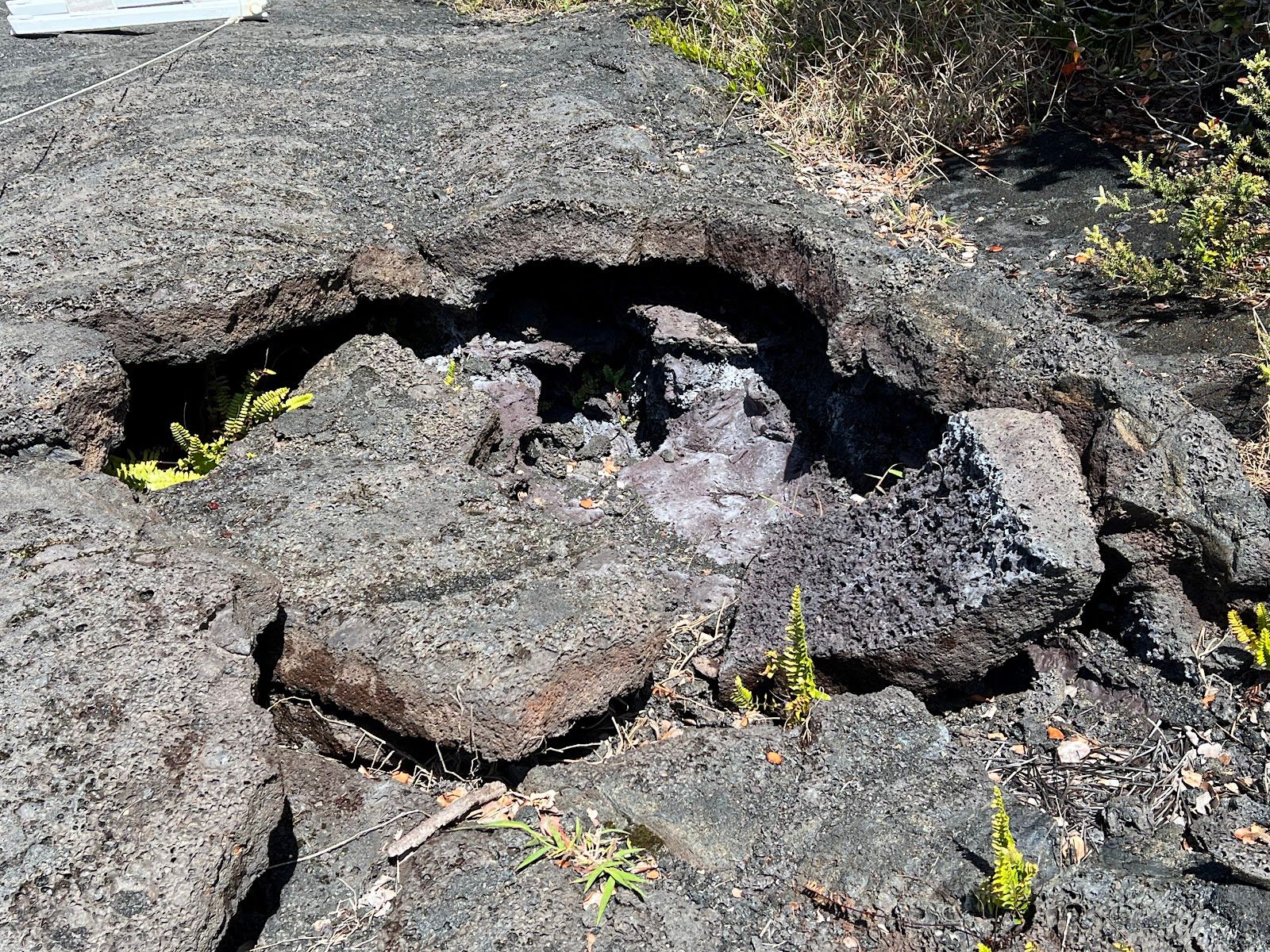
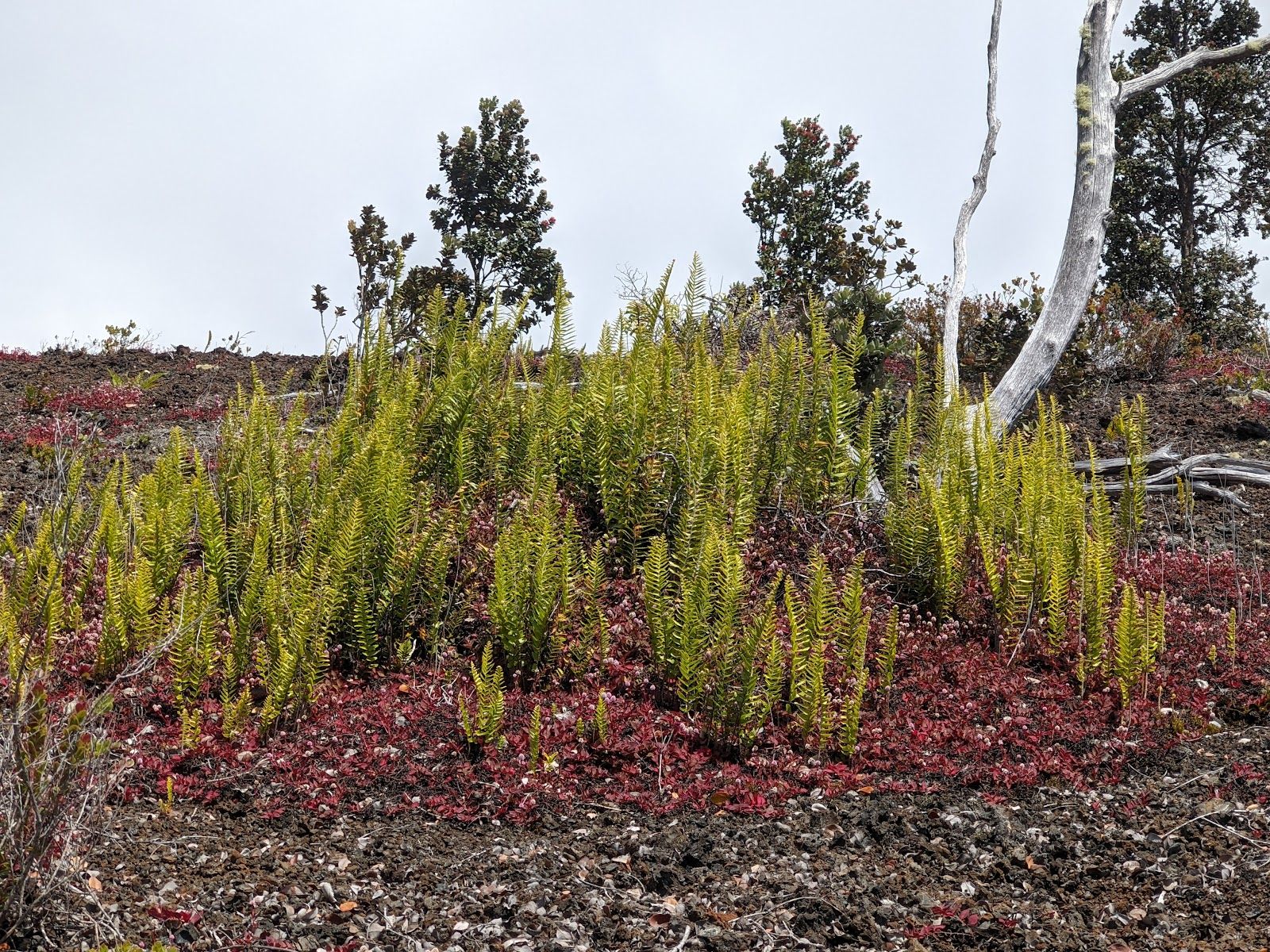
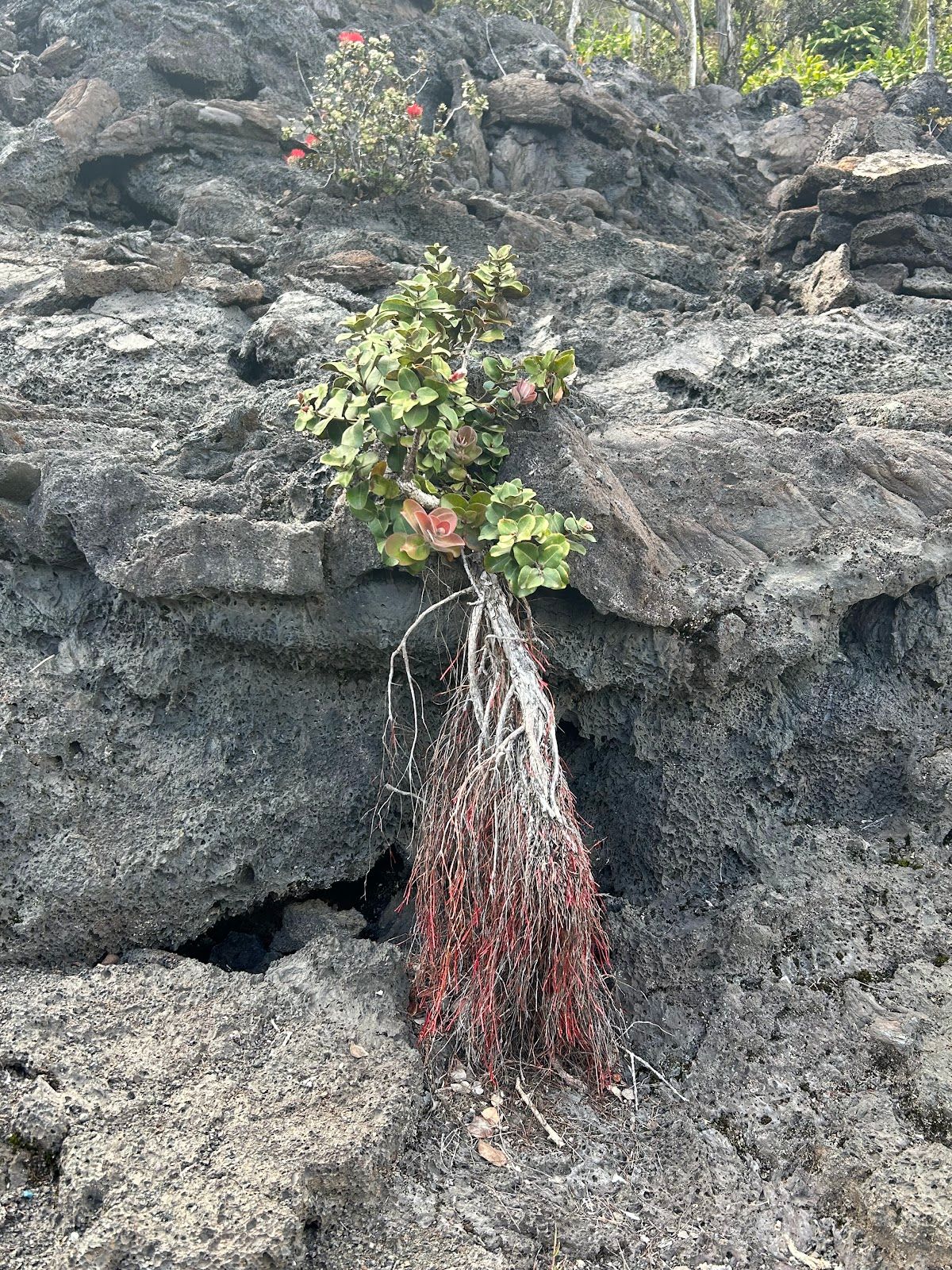
The trail’s personality comes from contrast. Parts of Byron Ledge feel open and exposed, with cinder underfoot and the stark textures that come with a still-young volcanic landscape. In other sections, the route slips into a cooler, shaded forest where the atmosphere changes quickly. That transition is one of the trail’s strengths: it shows not just the geology of Kīlauea, but also the way life gradually returns to the landscape.
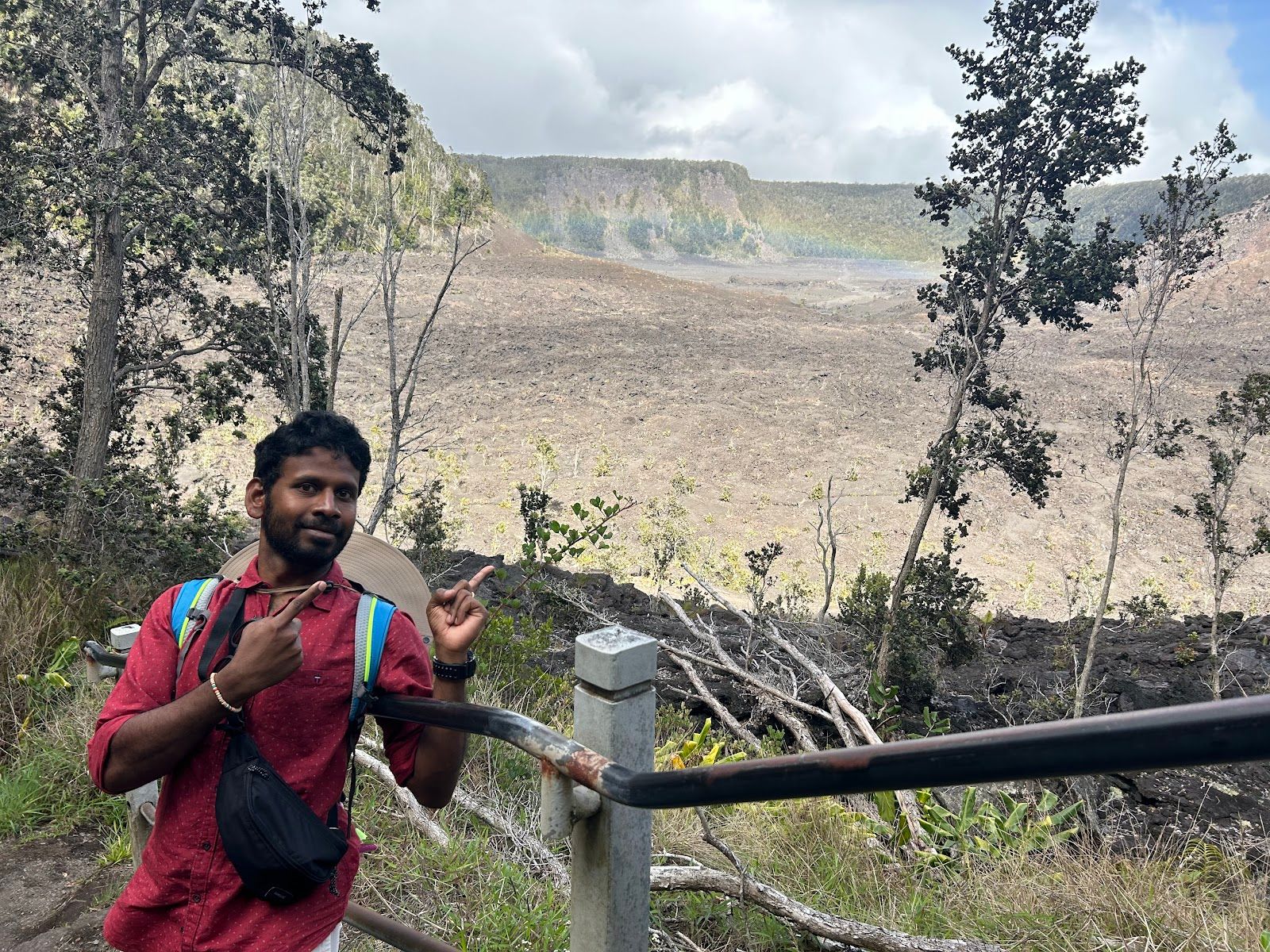
Along the way, interpretive signs add context about native plants and the volcanic history around the route. Views can be a highlight when conditions cooperate, especially toward Puʻupuaʻi cinder cone and into the caldera. Those openings are not guaranteed the entire way, though. Vegetation can screen the rim in places, so the hike is less about continuous panorama and more about a sequence of rewarding glimpses.
Where it fits in a Volcano day
Byron Ledge Trail fits neatly into a Hawaiʻi Volcanoes National Park itinerary. It is strong as a standalone hike, but it becomes even more useful when paired with nearby routes such as Devastation Trail or Kīlauea Iki. That makes it an efficient way to build a half-day without overcommitting to a long backcountry outing.
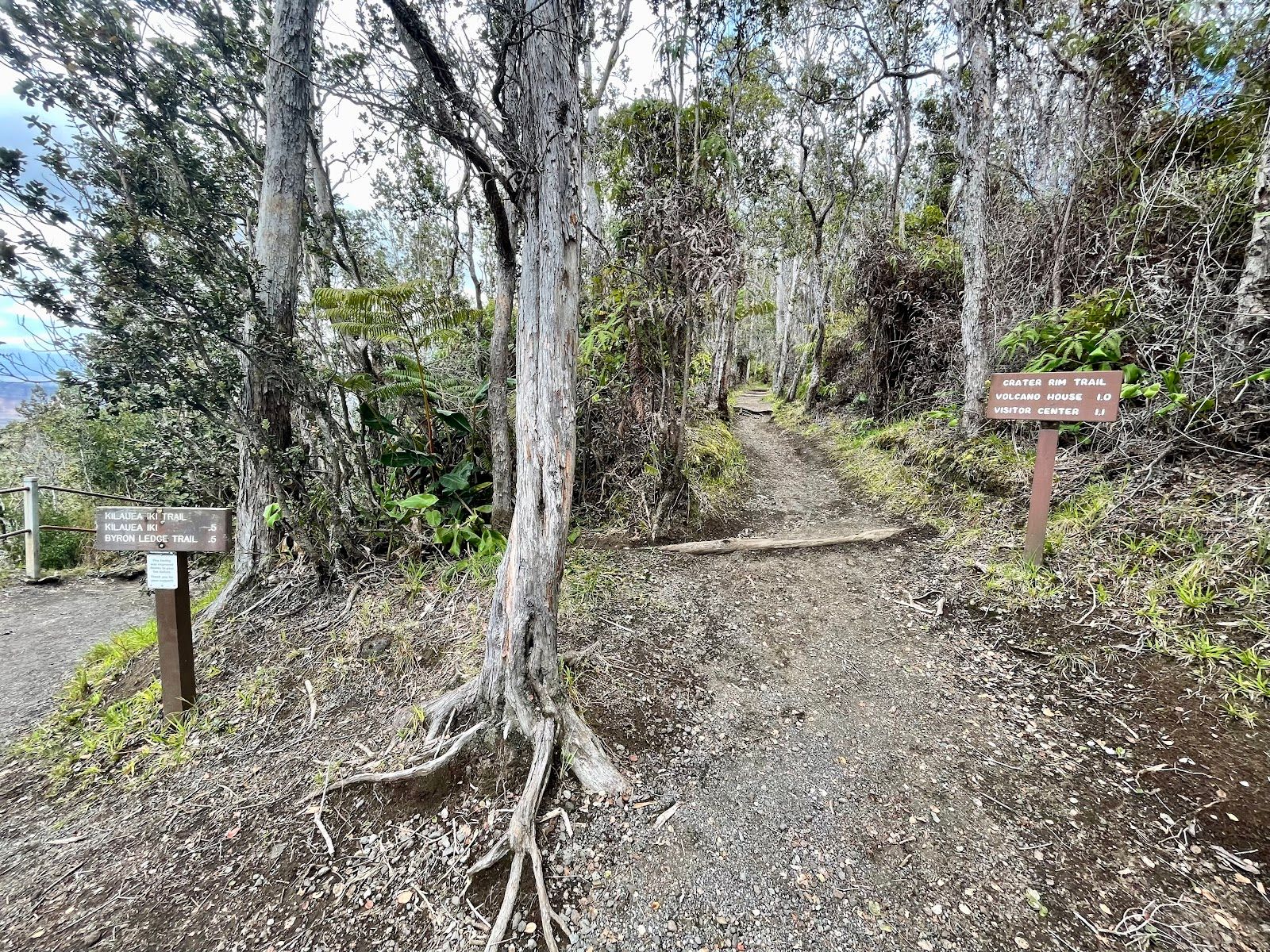
Access commonly runs from the Devastation Trail parking area, with another connection near Halemaʻumaʻu Trail by Volcano House. Because the park is an active volcanic landscape, the trail’s status can change, and longer portions of the route have been affected by eruptions, gas, and earthquake damage in the past. That makes it a good fit for travelers who appreciate flexibility and are comfortable checking current park conditions before heading out.
The best kind of stop for this trail
This is a smart choice for hikers who want a moderate walk with real scenery, but not a punishing climb or a full-day commitment. The benches along the route help make it approachable for people who like to pause, look around, and take in the park at a slower pace. The trail also suits travelers who enjoy learning as they go, since the route’s interpretive elements give the landscape more meaning than a simple out-and-back stroll.
It is less ideal for anyone seeking a long uninterrupted wilderness hike. The most memorable sections are connected to the park’s trail network and to the changing volcanic setting itself, so the experience is strongest when viewed as part of a broader Volcano visit. Those expecting constant crater-edge drama may be disappointed if forest cover obscures the view for stretches.
For travelers who want one hike in Volcano that balances scenery, geology, and practicality, Byron Ledge Trail is a strong pick. It delivers enough variety to feel like a proper outing, while still leaving room in the day for other park highlights.