

Captain Cook Monument Trail
Embark on a challenging hike down to historic Kealakekua Bay for world-class snorkeling, where vibrant coral reefs and abundant marine life await by the Captain Cook Monument.


- Challenging 3.7 to 4-mile round-trip hike
- Steep descent to Kealakekua Bay
- World-class snorkeling opportunities
- Historic Captain Cook Monument site
The Captain Cook Monument Trail is one of South Kona’s most memorable active outings: a steep out-and-back hike down to Kealakekua Bay, followed by time at one of the Big Island’s best-known snorkeling waters. It combines a demanding descent, a serious uphill return, and a destination that carries both historical weight and real natural payoff. For travelers who want more than a scenic overlook, this is a route that folds exercise, ocean time, and place-specific meaning into one half-day or longer outing.
The descent to Kealakekua Bay
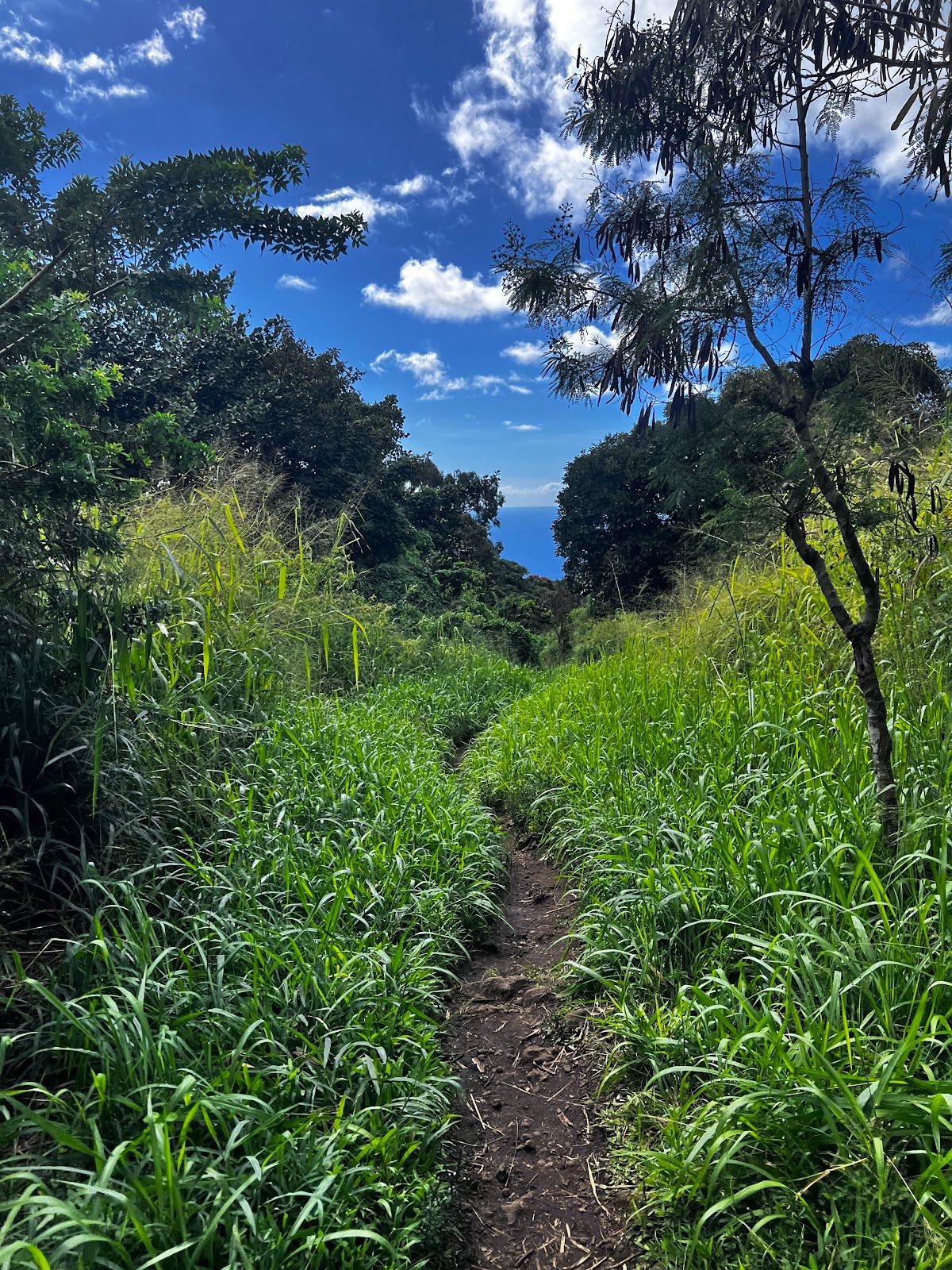
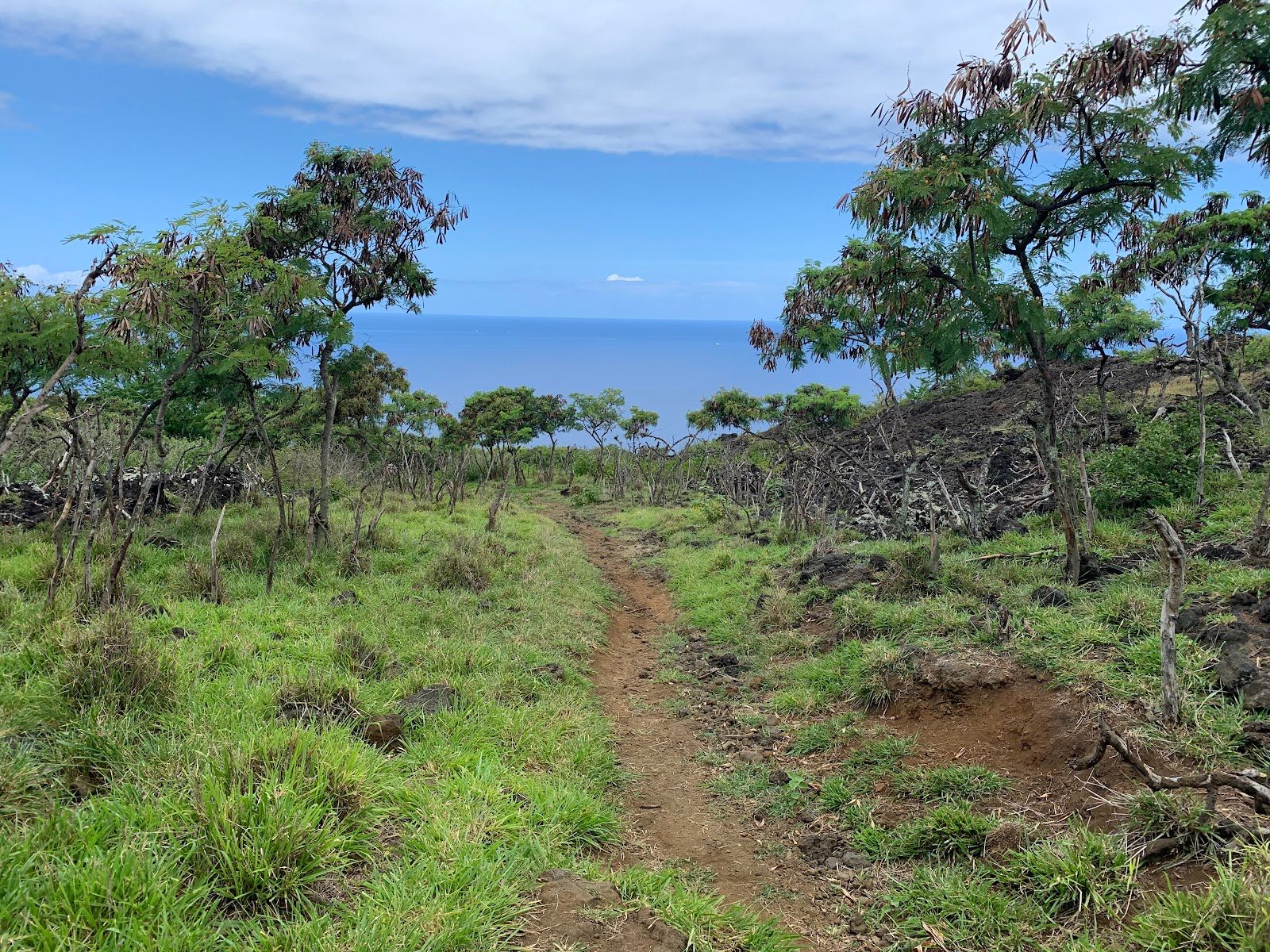
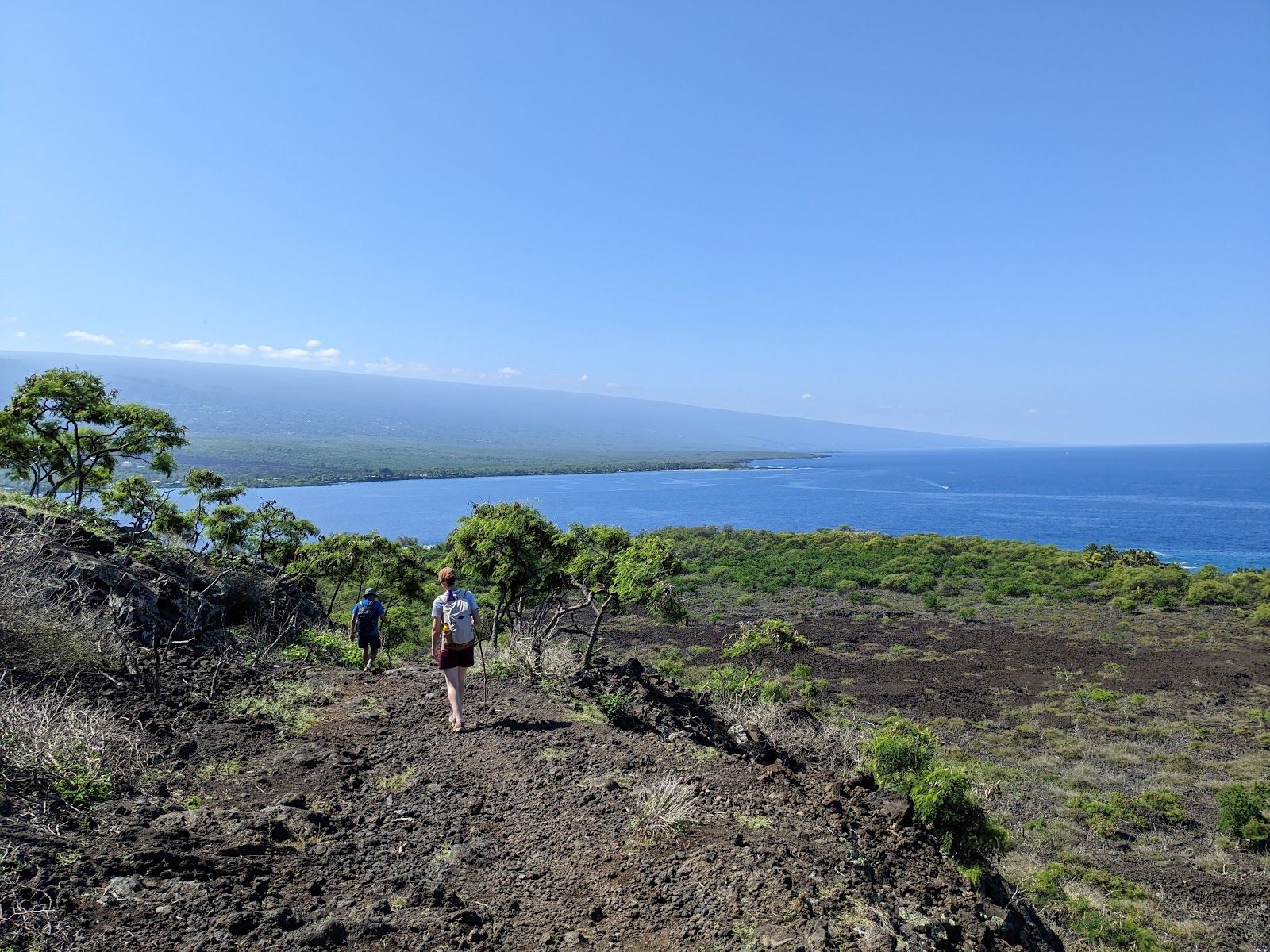
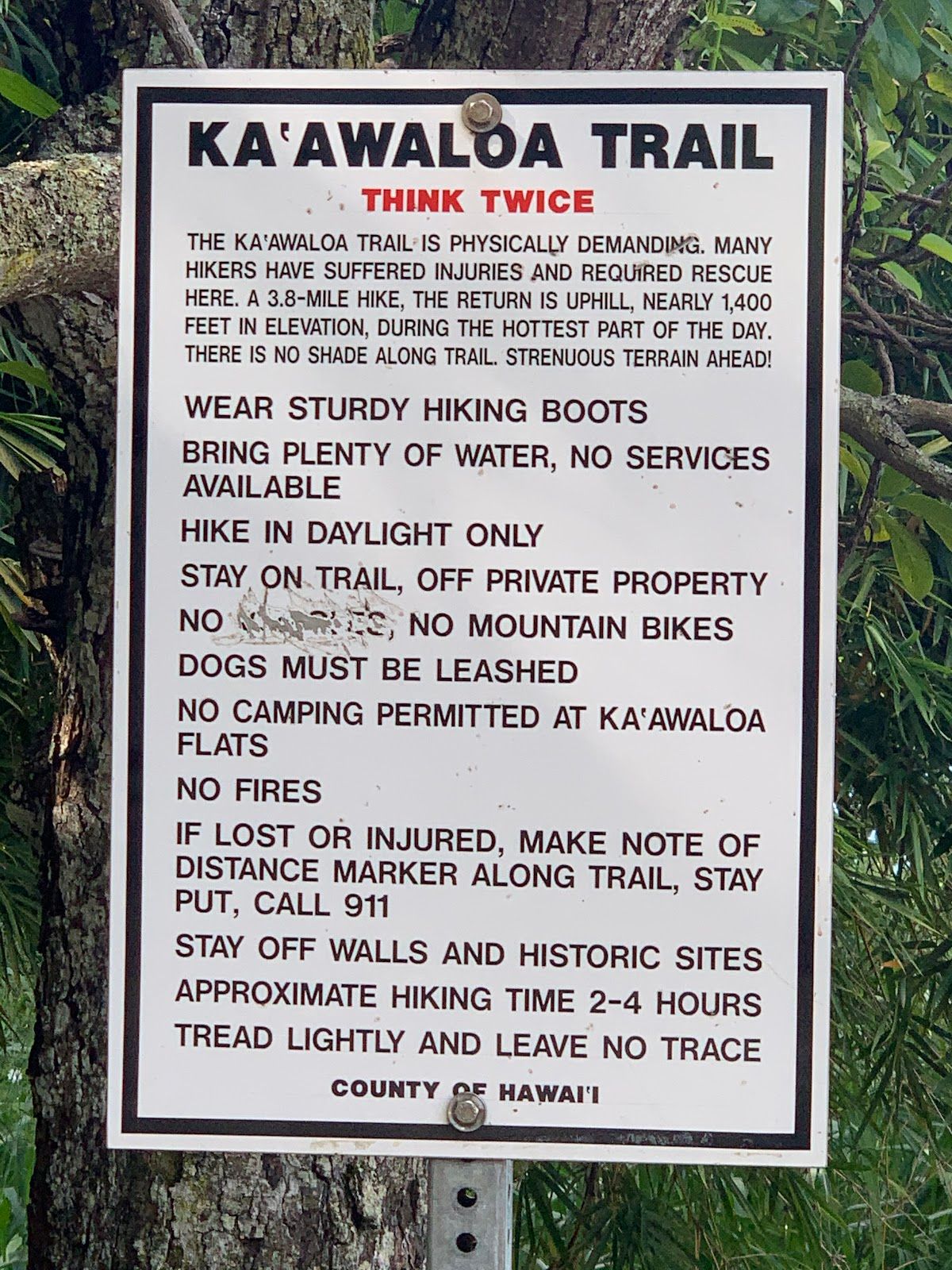
The trail, also called the Kaʻawaloa Trail, drops roughly 1,256 to 1,300 feet over about 3.7 to 4 miles round trip. That makes the first half feel deceptively manageable at the outset and the second half unmistakably earned. The path moves from dry, open country into a rougher volcanic landscape as it descends toward the bay, with wide ocean views and, on clearer days, Mauna Loa rising in the distance.
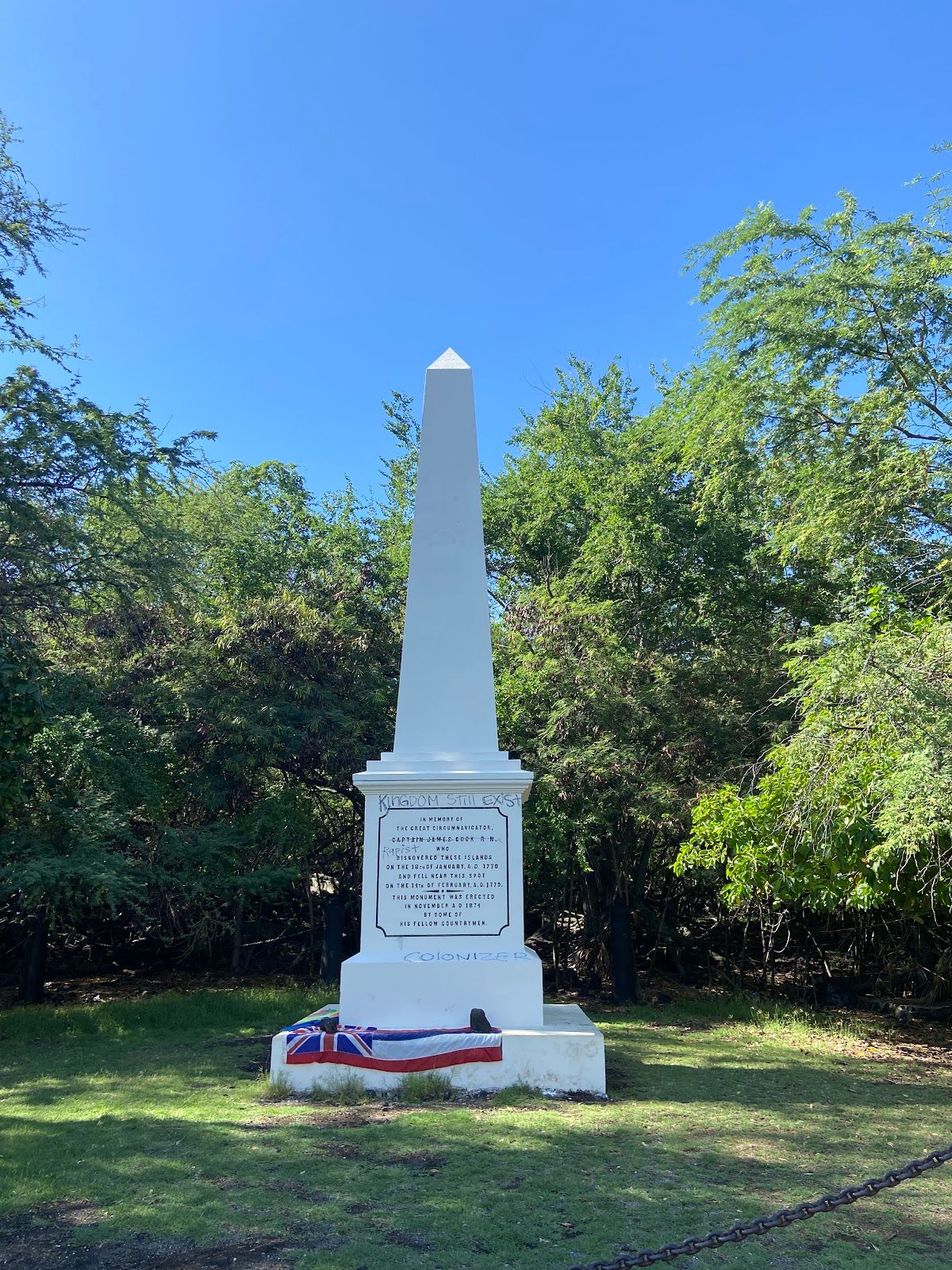
What makes this route stand out is that it is not just a walk to the water. The trail itself is the experience. The descent gives way to a sense of remoteness and arrival that is hard to replicate from a boat or roadside stop. At the bottom sits the Captain Cook Monument, a 27-foot white obelisk marking the approximate site where Captain James Cook was killed in 1779. The monument and the surrounding shoreline are deeply tied to Hawaiian history, and the setting asks for the same respect a cultural site of that significance deserves.
Snorkeling at the monument and bay
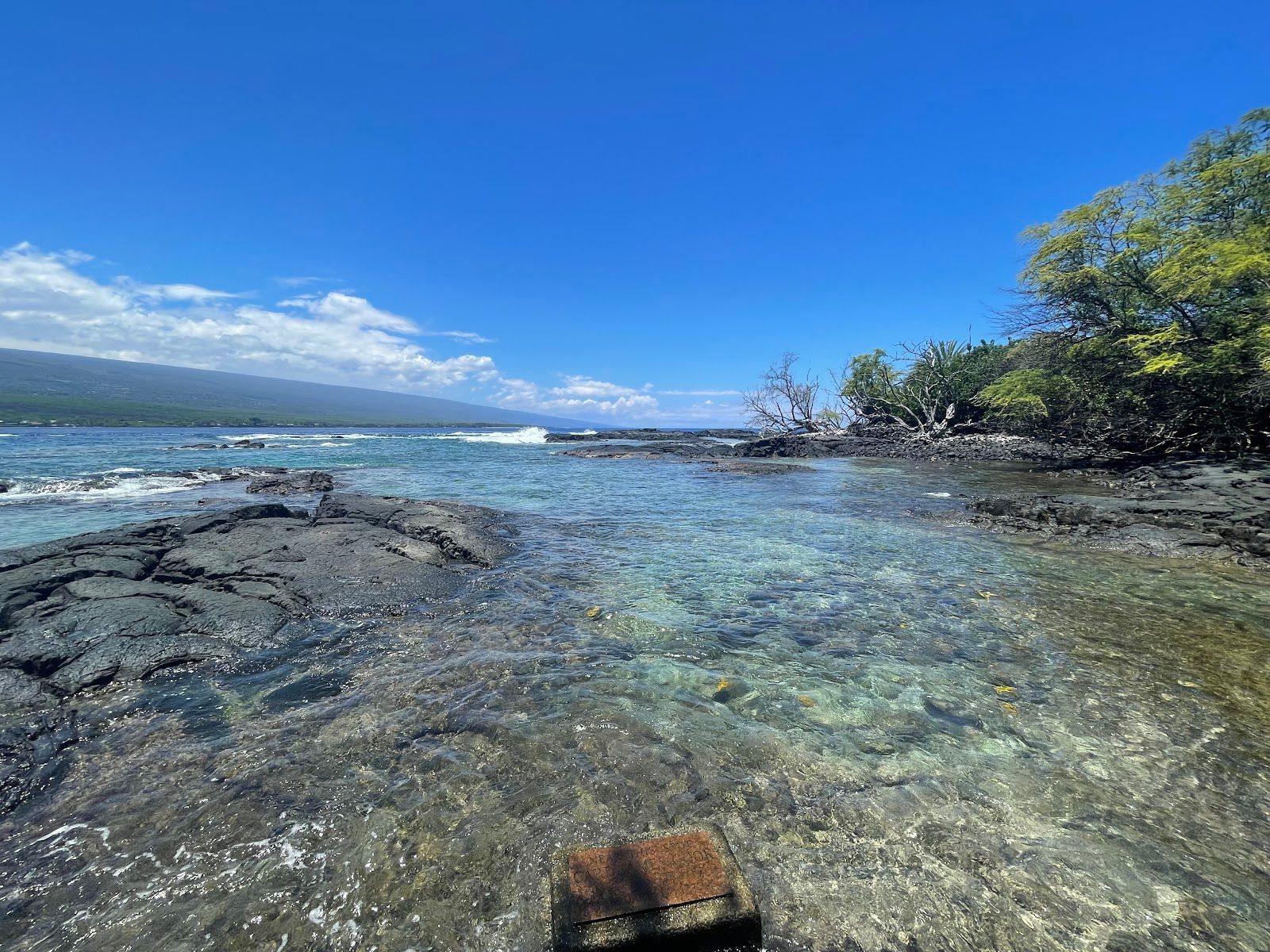
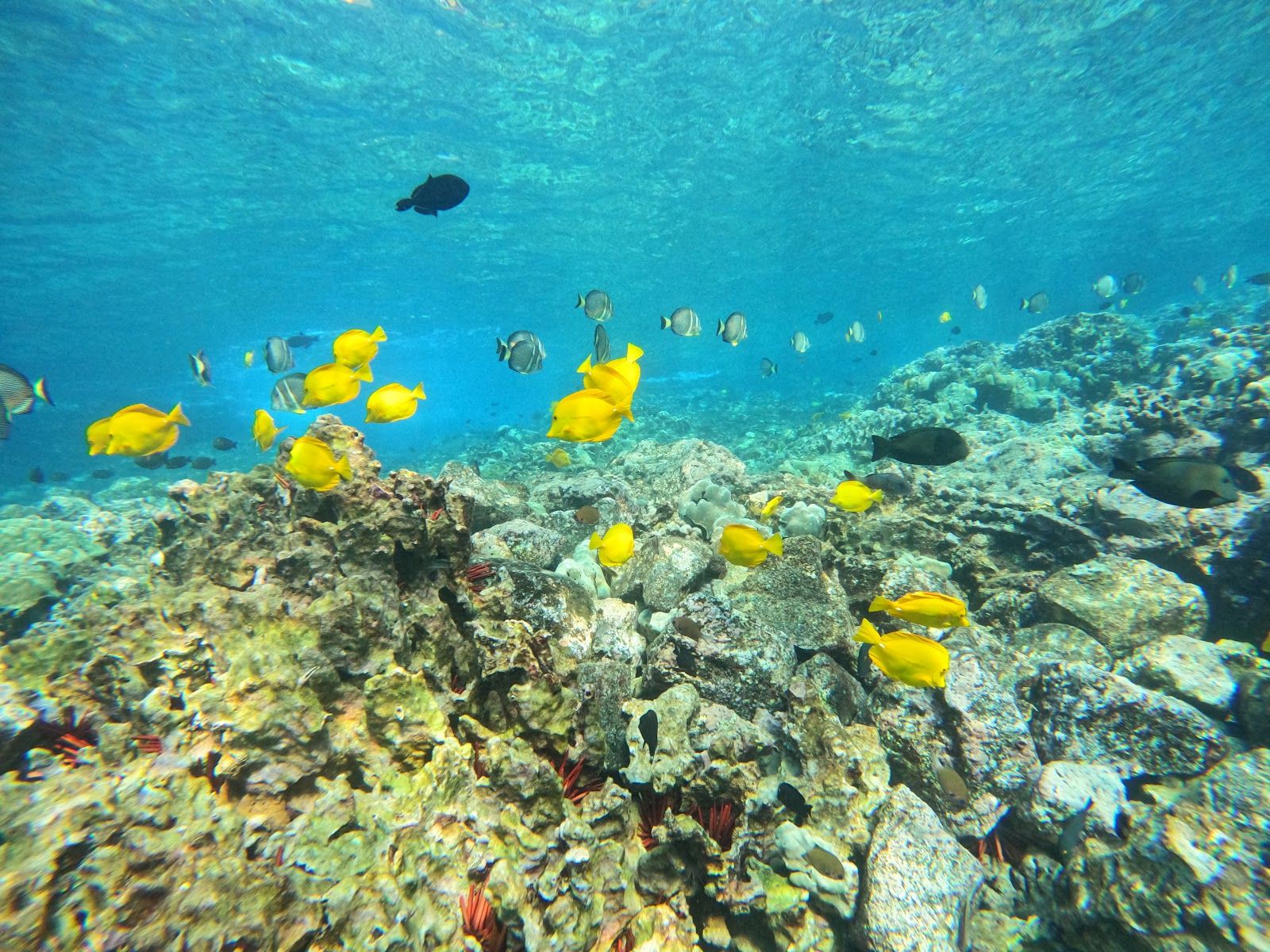
Kealakekua Bay is the reward that keeps this trail on traveler shortlists. The bay is a Marine Life Conservation District, and the water here is known for clarity, coral, and dense fish life. Snorkeling directly in front of the monument is the signature move, and this is where the trail’s effort pays off in a very literal way. The bay can also offer sea turtle encounters, and spinner dolphins are known to use the area, though wildlife should always be observed from a respectful distance.
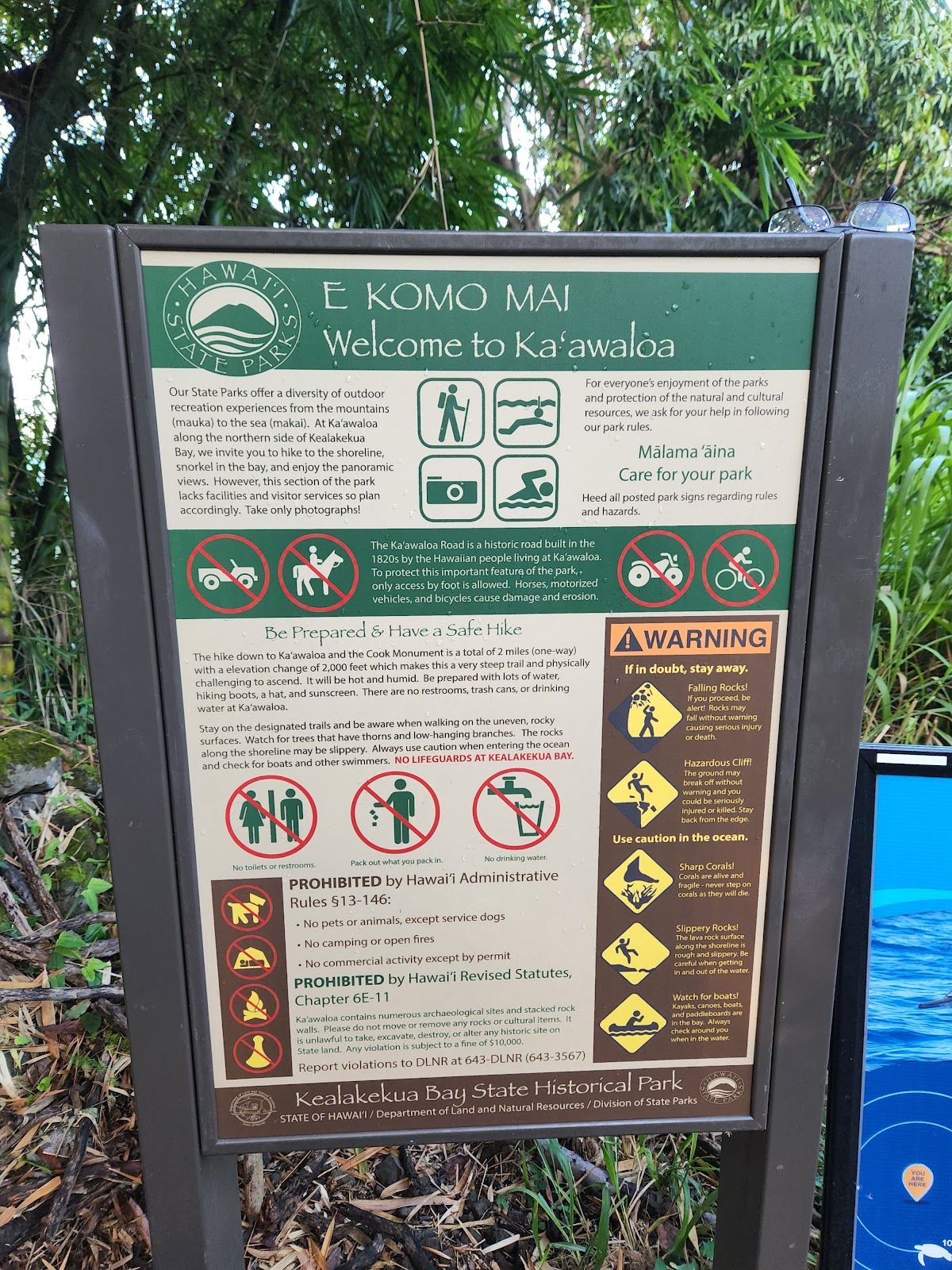
The underwater appeal is the main reason this hike functions so well as an itinerary block. It is not a quick detour; it is a destination that can easily absorb an hour or more in the water once hikers arrive. Reef-safe sunscreen matters here, as does care around coral and rocky entry points. Good footing at the shoreline can be tricky, so sturdy shoes for the hike and appropriate water footwear are wise.
Why timing matters on this trail
This is a route best handled early in the day. South Kona heat, sun exposure, and humidity make the uphill return much harder than the descent, and there is no easy way to soften that final climb. The trail is also exposed enough that the return can feel punishing if it is pushed into the hotter hours. Limited roadside parking near the trailhead is another reason to start early rather than casually.
For itinerary planning, think of this as a major morning or half-day anchor rather than a filler activity. It fits well for travelers based in Kona or South Kona who want one strong active experience and are comfortable building the rest of the day around recovery, a late lunch, or a slower coastal stop afterward.
Best fit for the Big Island traveler
The Captain Cook Monument Trail is best for strong hikers, confident snorkelers, and visitors who want a route with substance rather than convenience. It suits travelers who are happy to earn their swim with a steep climb and who appreciate history and cultural context as part of the outing. It is less suitable for casual walkers, anyone avoiding sustained uphill effort, or travelers who want easy beach access without the return grind.
There is no need to overcomplicate the appeal: this is one of South Kona’s clearest examples of a route where the journey and the destination are equally important.