
Captain James Cook Monument
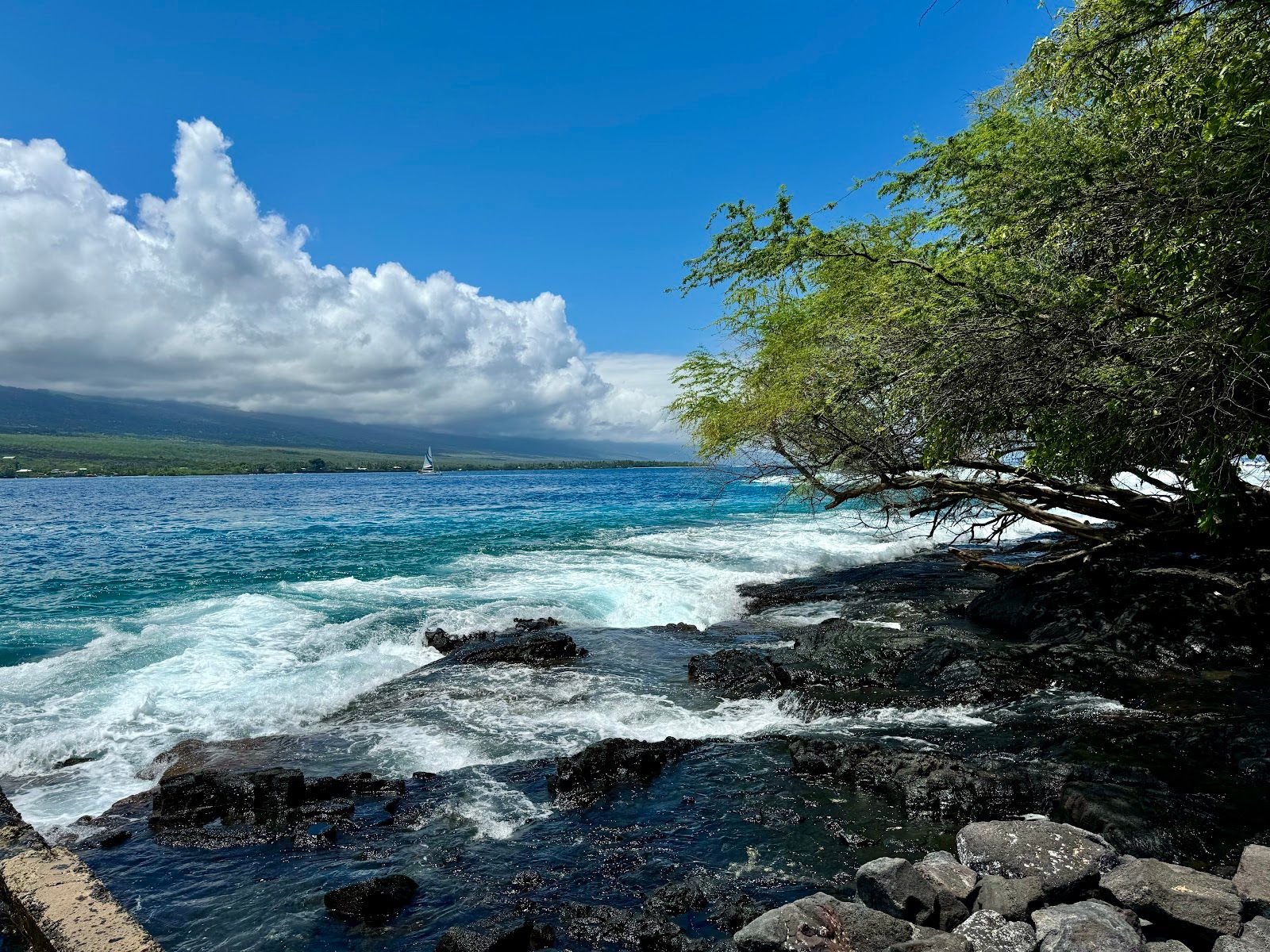
Visit the Captain James Cook Monument on Kealakekua Bay for unparalleled snorkeling in a Marine Life Conservation District and a journey back to Hawaii's rich historical past.
- Unparalleled snorkeling and diving
- Rich historical site marking Captain Cook's demise
- Access by guided boat tour, challenging hike, or permitted kayak
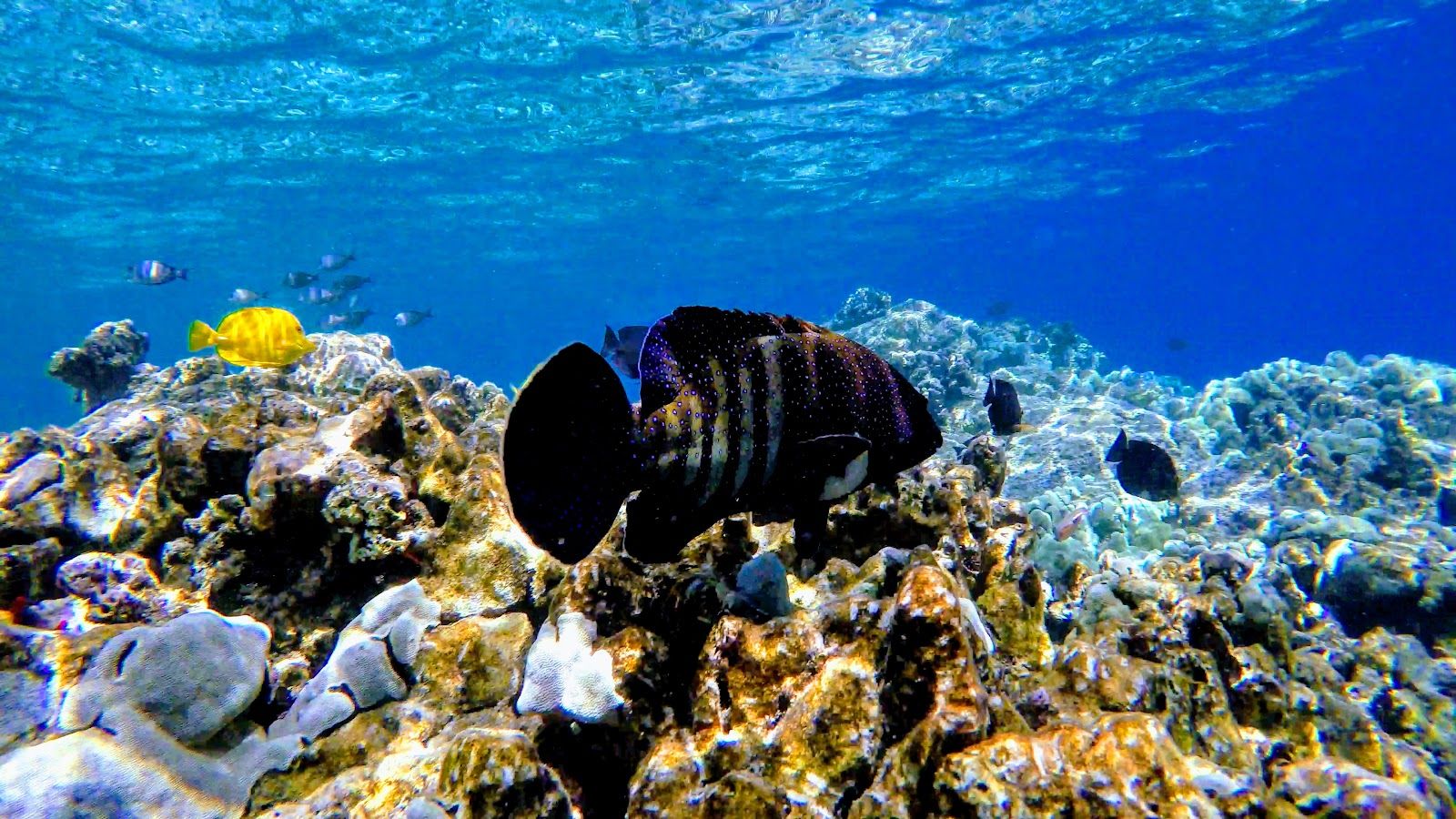
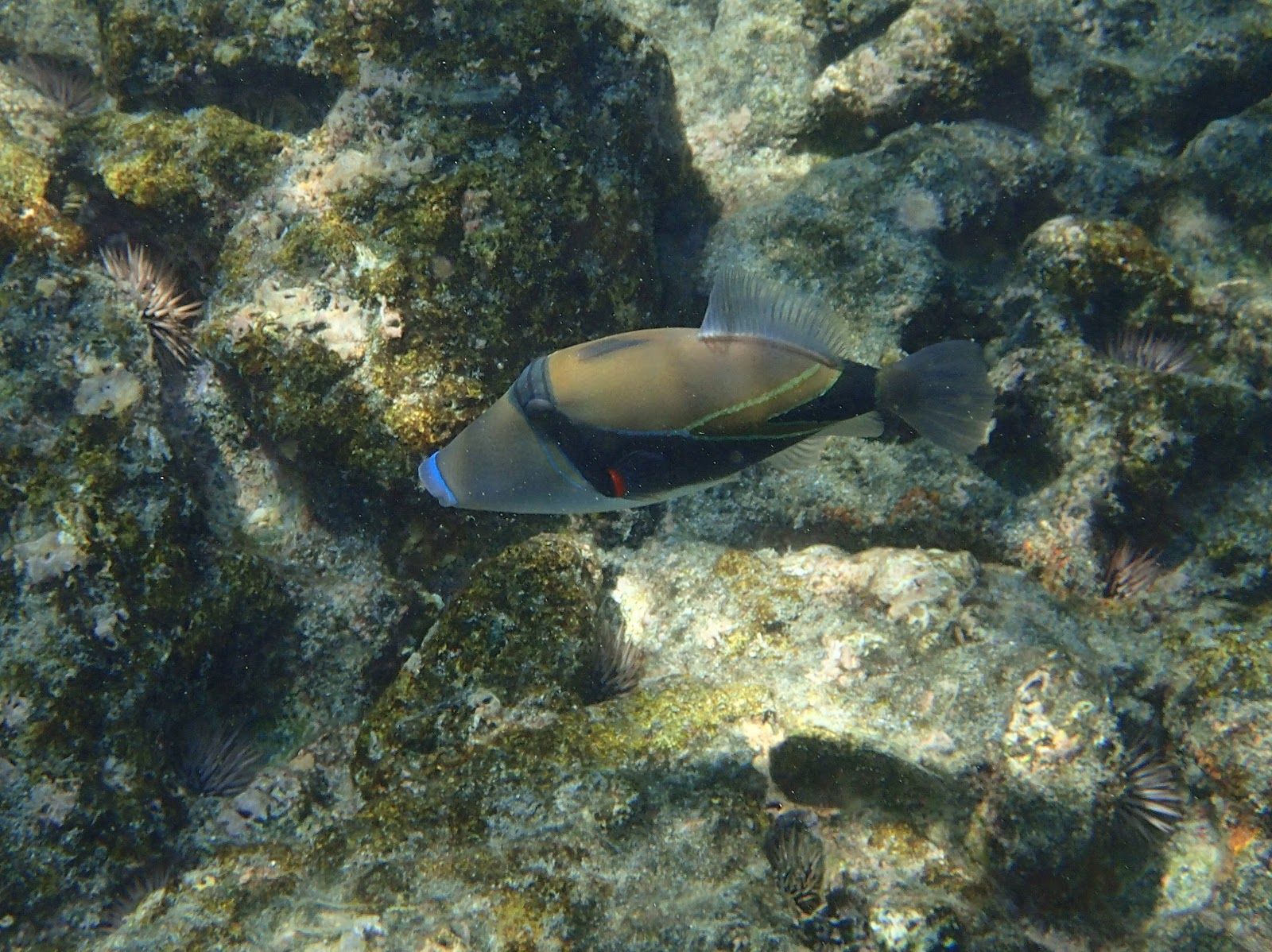
- Abundant marine life including colorful coral and fish
The Captain James Cook Monument is one of South Kona’s signature outings: part historic landmark, part backcountry access point, and part gateway to some of the Big Island’s most rewarding snorkeling. Set on the north shore of Kealakekua Bay, it stands out because the real draw is not just the monument itself, but the bay below it — a protected marine setting with clear water, reef life, and a strong sense of place. It works best as a half-day or longer anchor, especially for travelers who want one outing to combine history, ocean time, and a little effort getting there.
Kealakekua Bay is the real prize
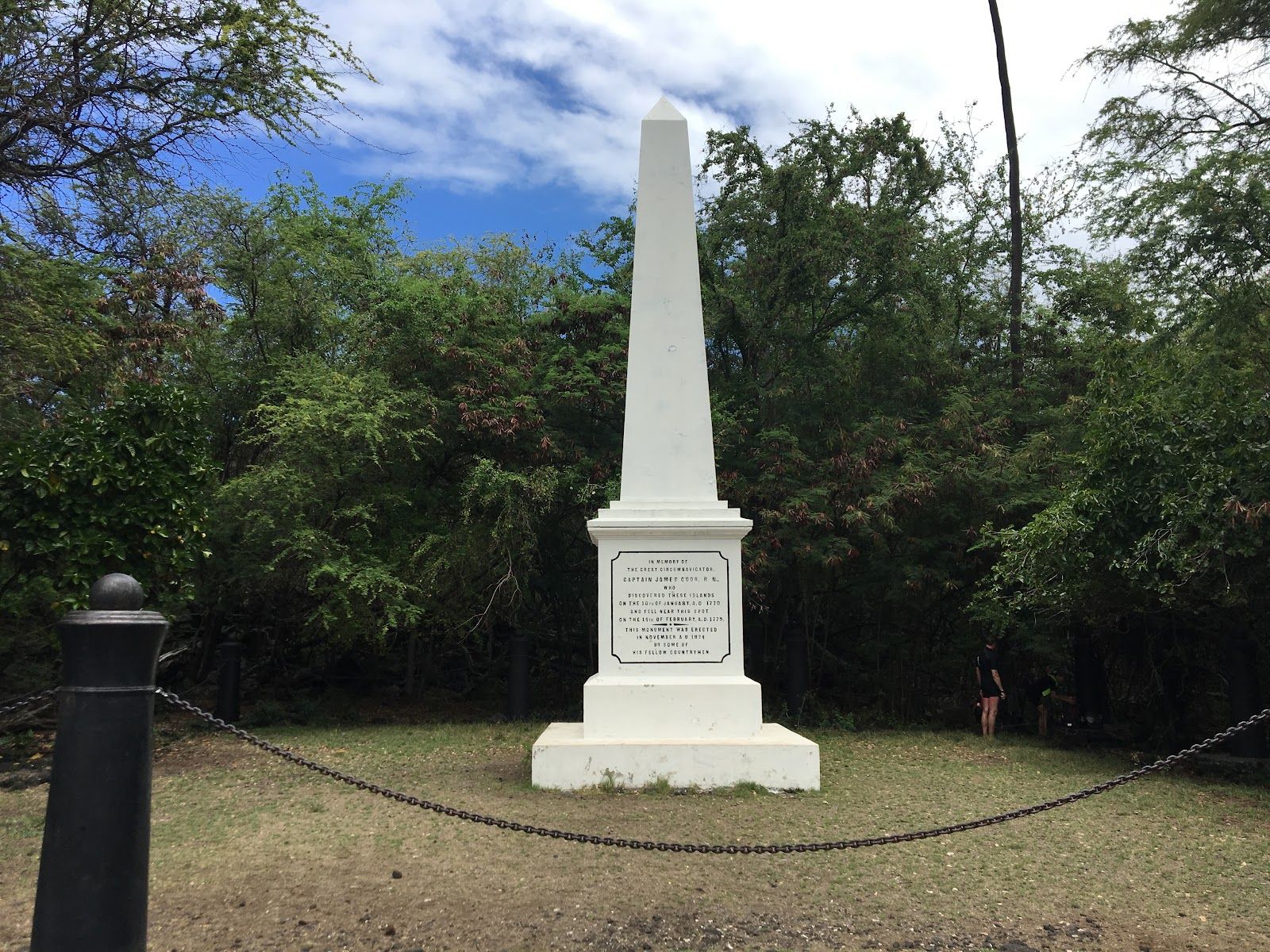
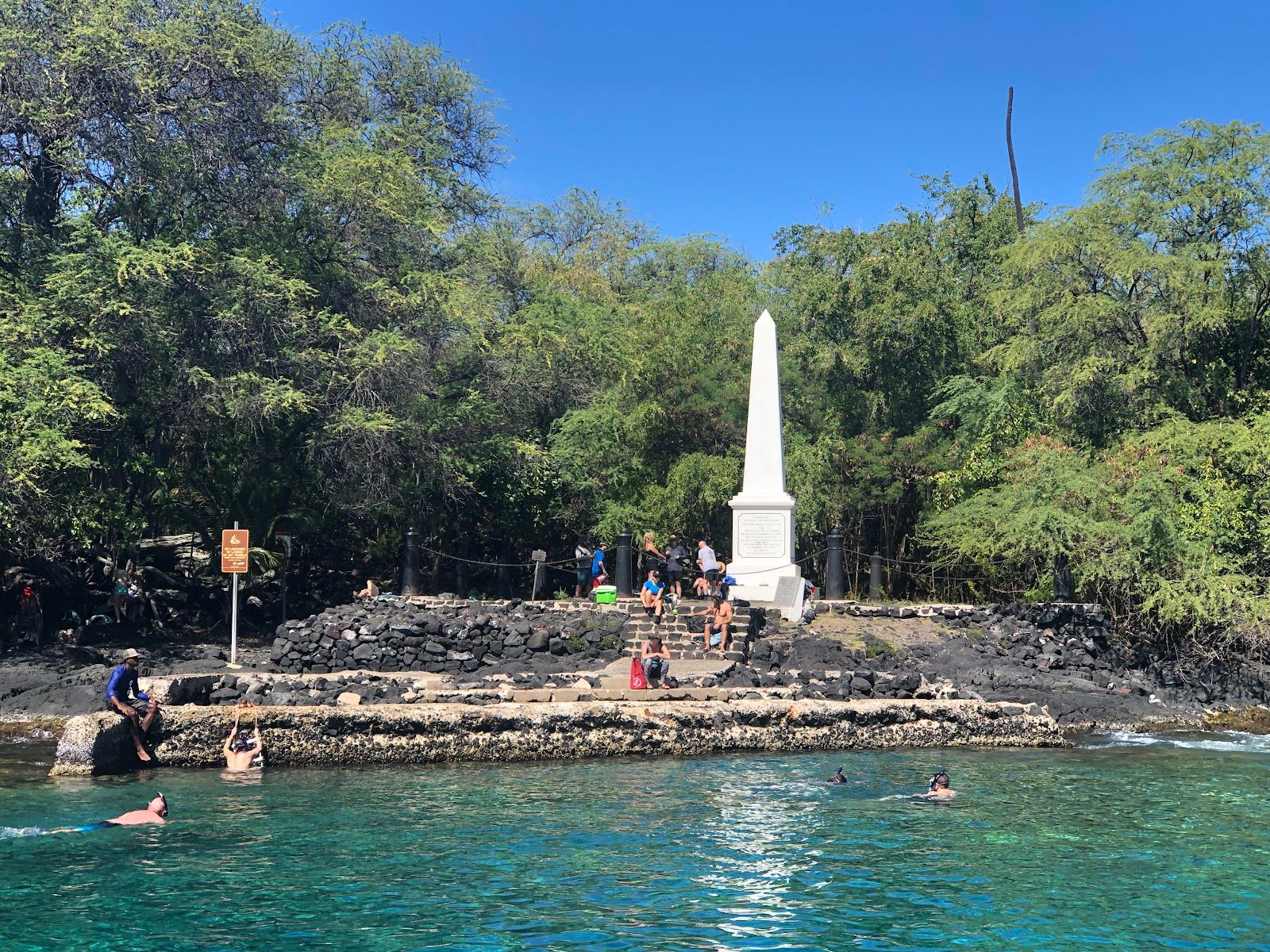
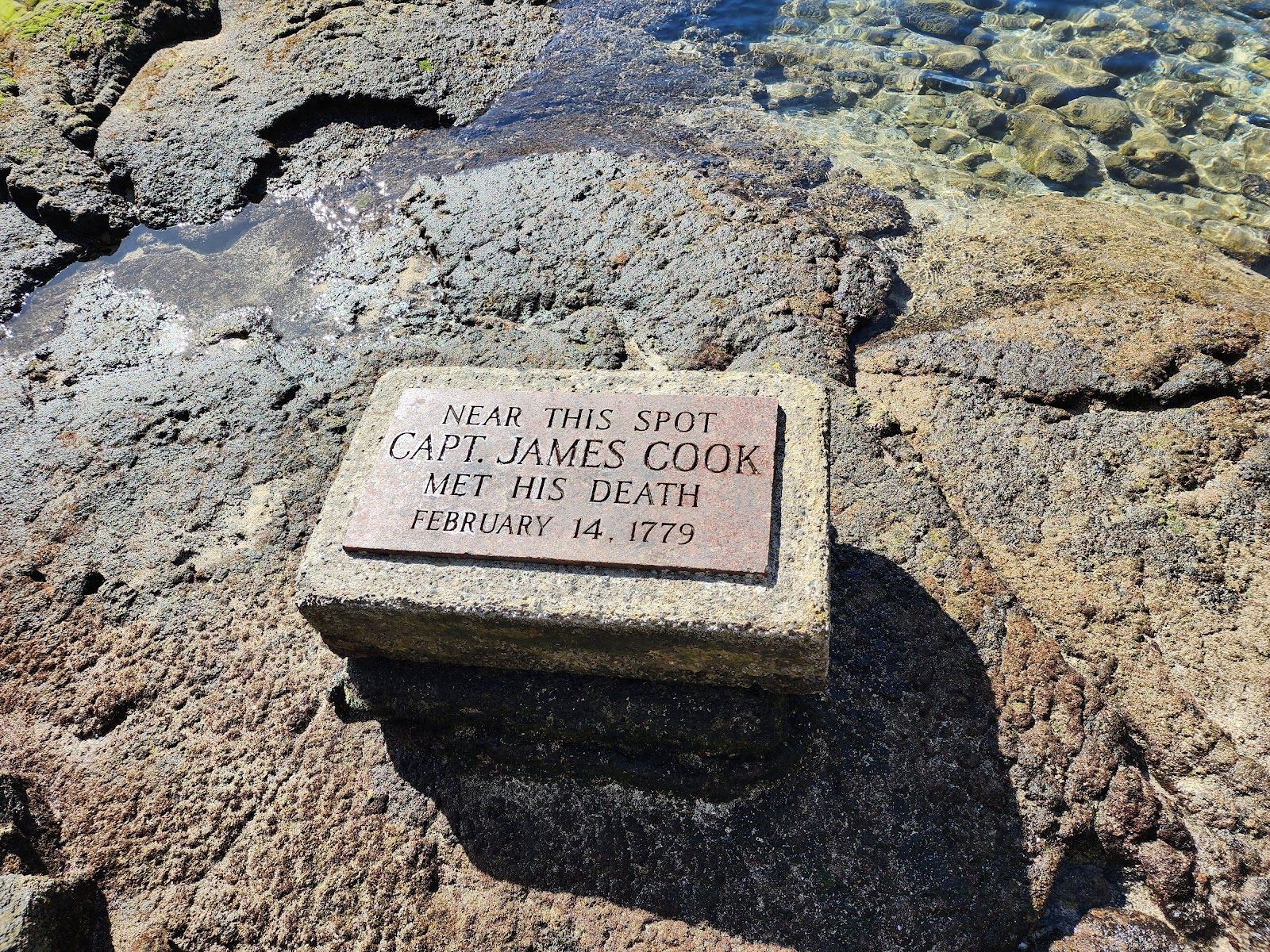
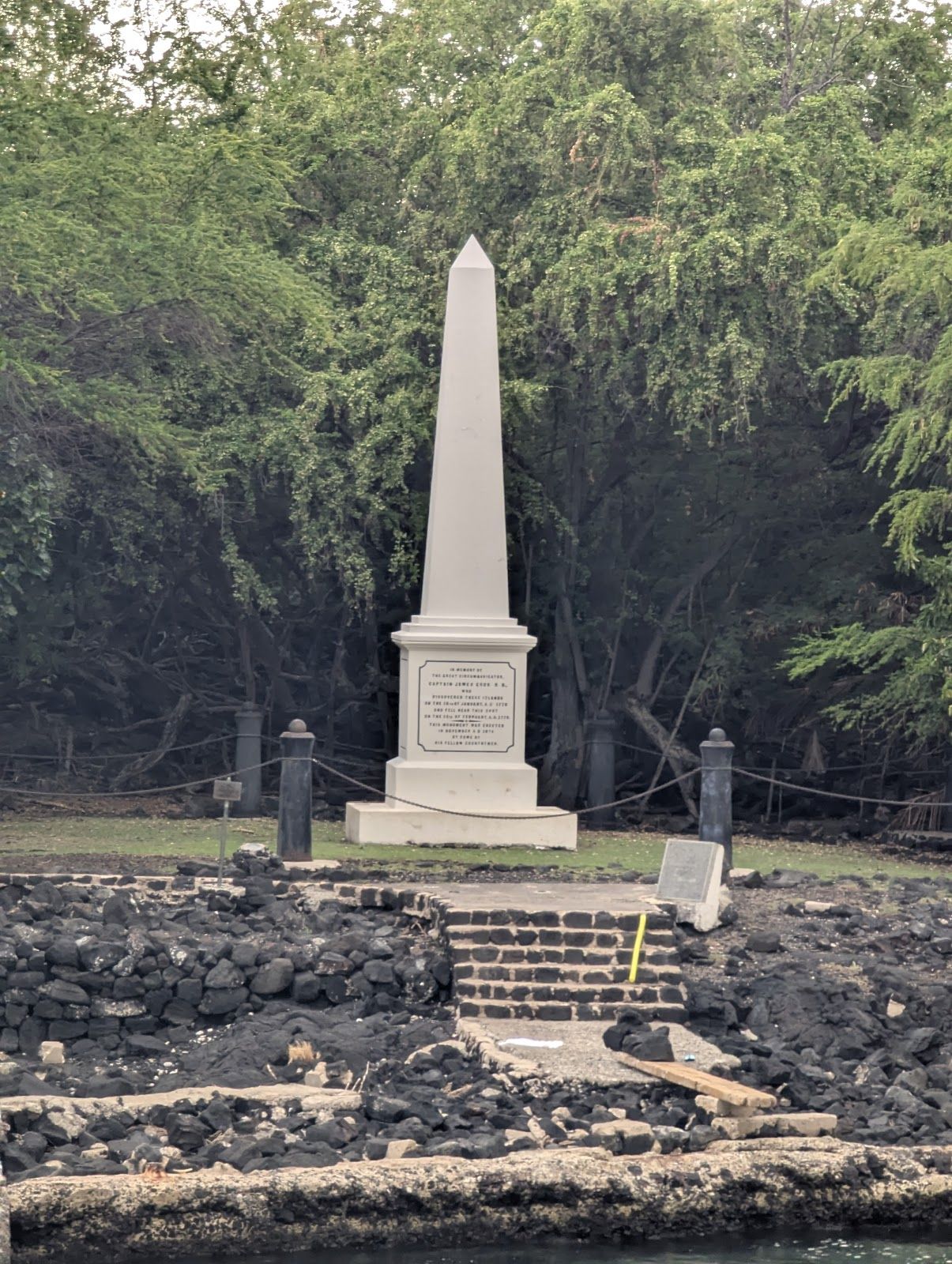
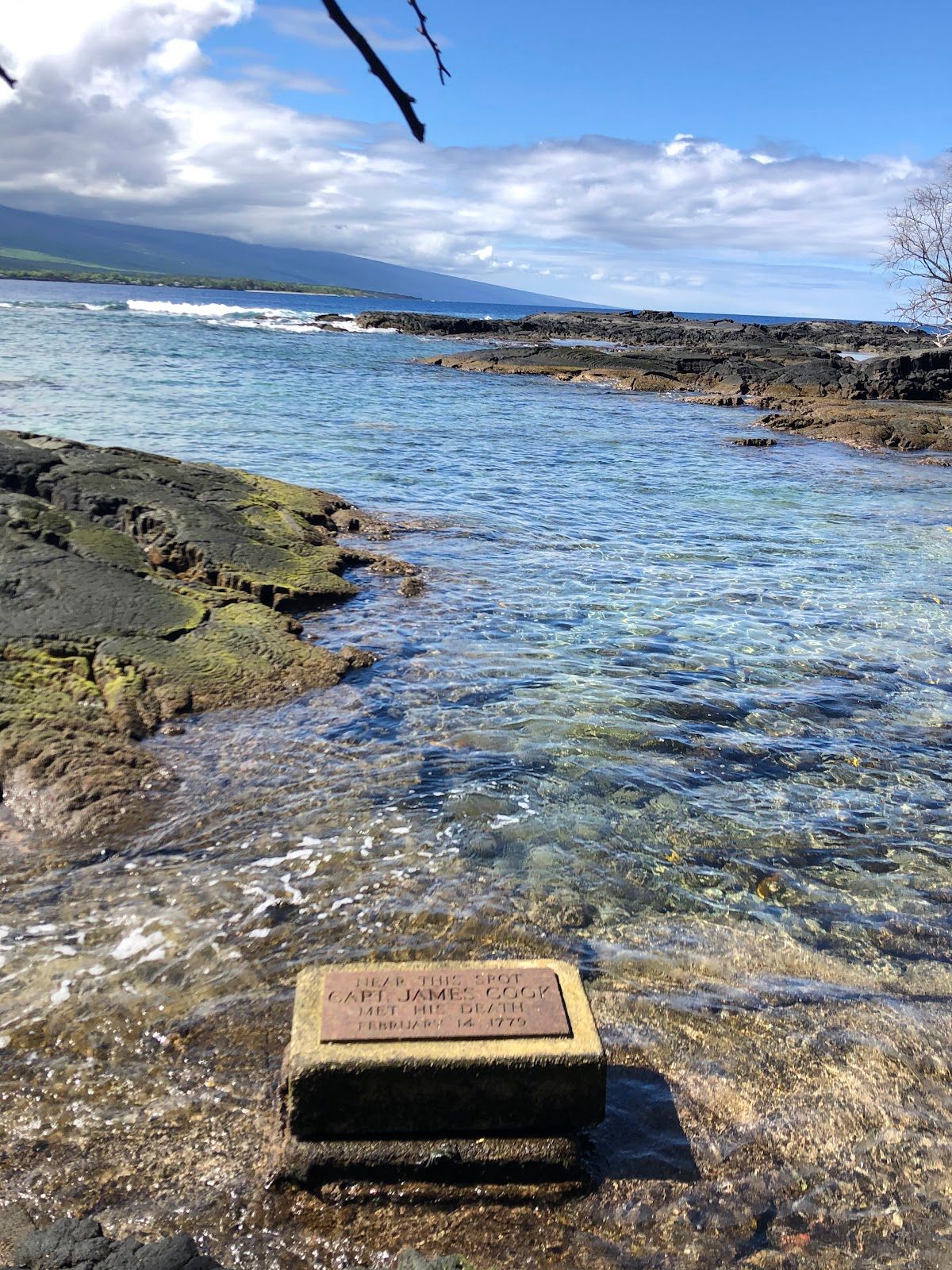
The monument is a white obelisk marking the site associated with Captain Cook’s death in 1779, and the surrounding bay carries deep historical and cultural significance far beyond that single event. But for most visitors, the memorable part is the water. Kealakekua Bay is a Marine Life Conservation District, which helps explain why snorkeling here has such a strong reputation: the reef is lively, the water is often very clear, and the setting feels more remote and protected than many easy-access Kona snorkeling stops.
That protected status also comes with responsibility. Reef etiquette matters here. Stay off coral, keep a respectful distance from marine life, and treat the site as more than a photo stop. The monument area itself is relatively spare, so the appeal is really the bay, the shoreline, and the sense of arriving somewhere that feels earned.
Three ways in, and none of them is a casual walk-up
There is no direct drive to the monument. Access is by boat tour, strenuous hike, or permitted kayak. The easiest option is a guided boat trip, which usually handles the logistics and often adds gear and historical context. That makes it the best choice for most visitors who want the snorkeling without the physical grind.
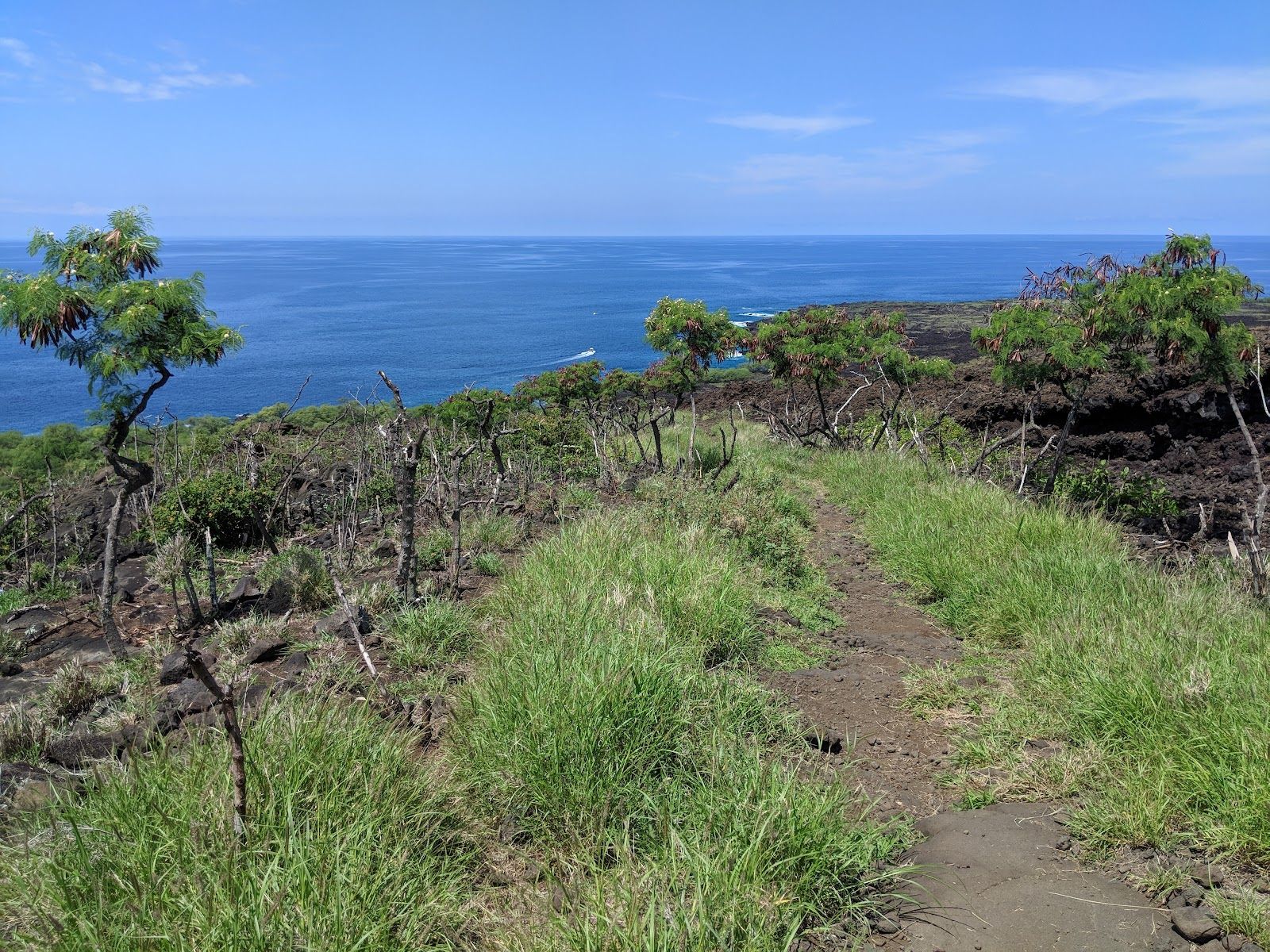
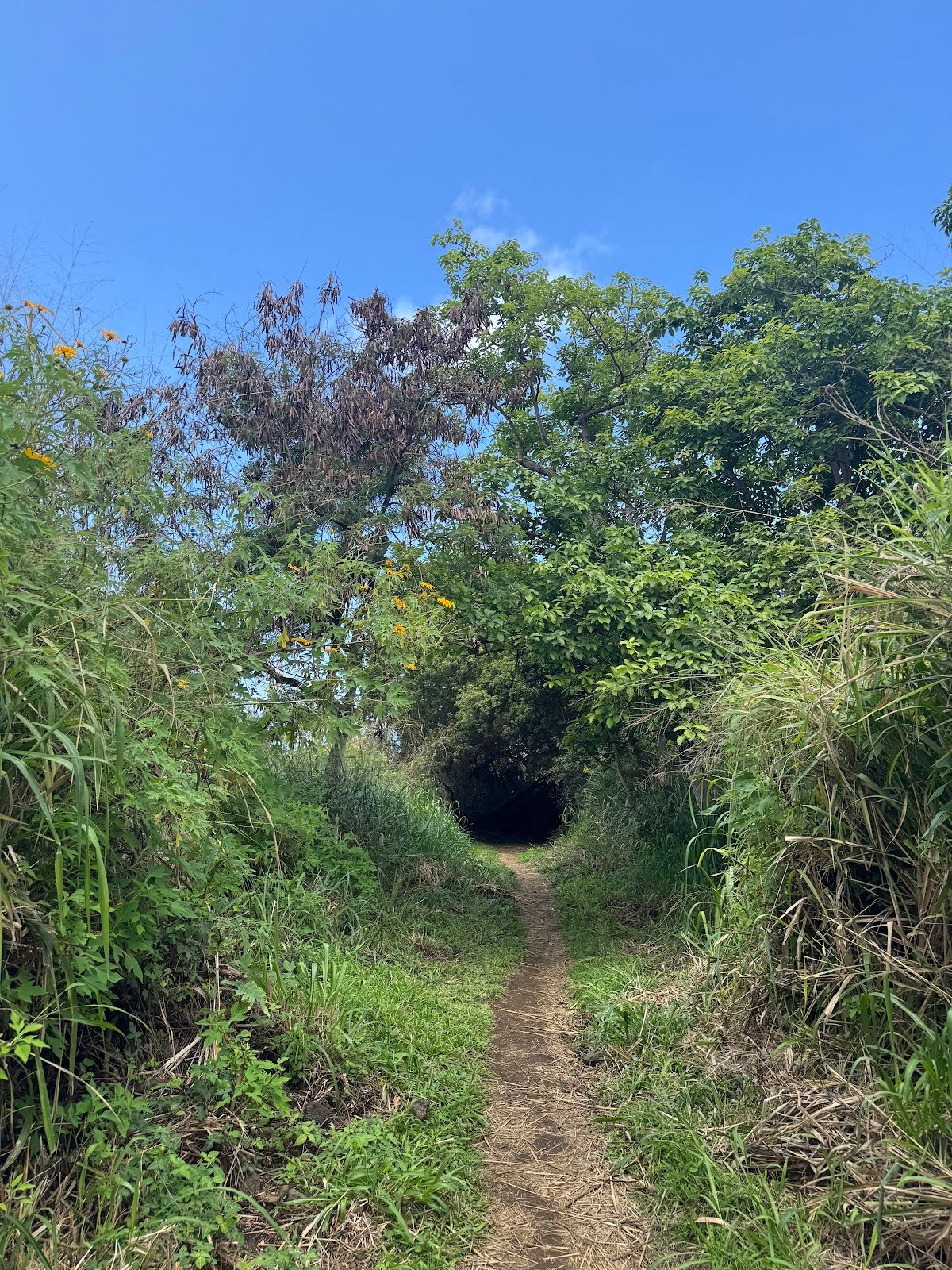
The Kaʻawaloa Trail, also known as the Captain Cook Monument Trail, is a very different proposition: steep, rocky, and exposed, with a punishing uphill return. It’s a real hike, not a scenic stroll, and it rewards strong hikers who are comfortable carrying water and sun protection. Kayaking is another option, but landing at the monument area is tightly controlled; not every rental setup allows shore access there, so this is a case where the permit and operator details matter.
Why it fits a Kona itinerary
This is an especially good South Kona day if the goal is to pair a historically significant site with a genuine water experience. Morning is the best window for calmer conditions, and that matters whether the plan is snorkeling by boat, paddling in, or hiking down and back out. Because the site has limited amenities and no easy car-based access, it works best when built around the outing itself rather than treated as a quick roadside stop.
Best for strong swimmers, history-minded travelers, and planners
The Captain James Cook Monument suits travelers who want one of the Big Island’s classic ocean outings and don’t mind advance planning. It is especially good for confident snorkelers, active visitors, and anyone who likes a destination with both natural and historical weight. It is less appealing for travelers who want a simple, low-effort scenic pull-off, or for anyone who is not planning to get in the water.