
Hikiau Heiau
Explore Hikiau Heiau, an ancient luakini (temple) at Napo'opo'o Beach, offering profound historical and cultural insights into early Hawaiian practices and Captain Cook's arrival.
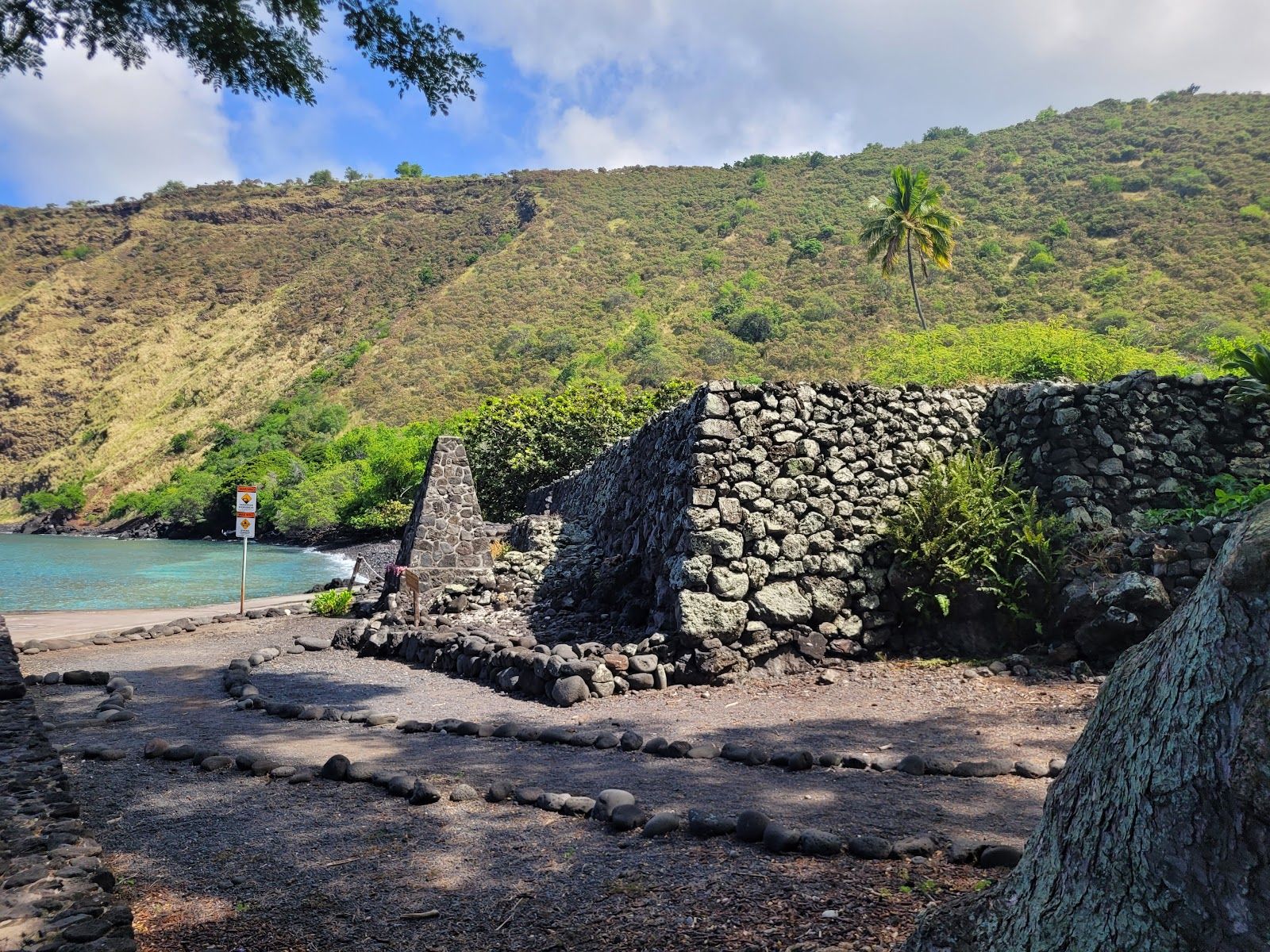

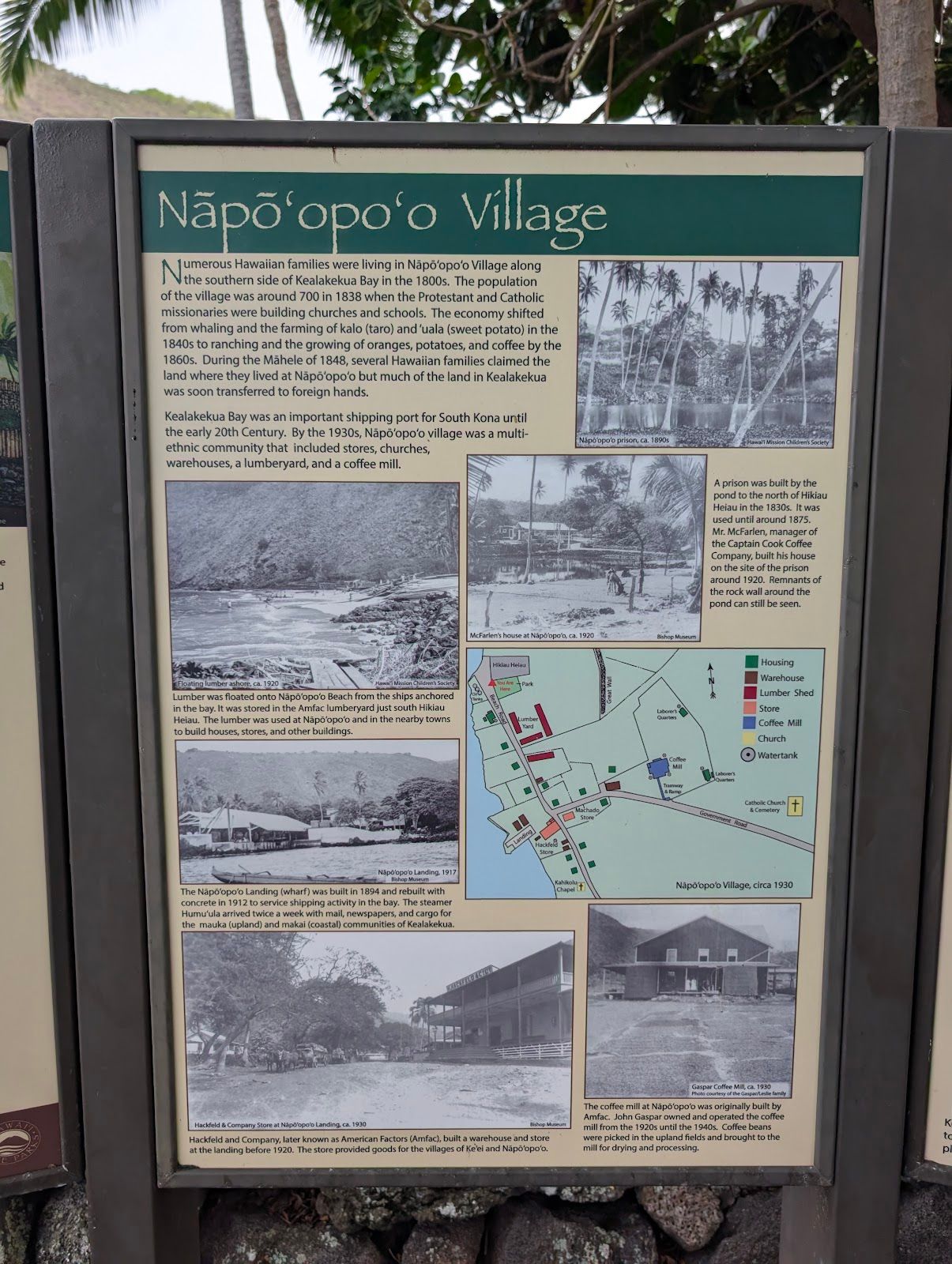
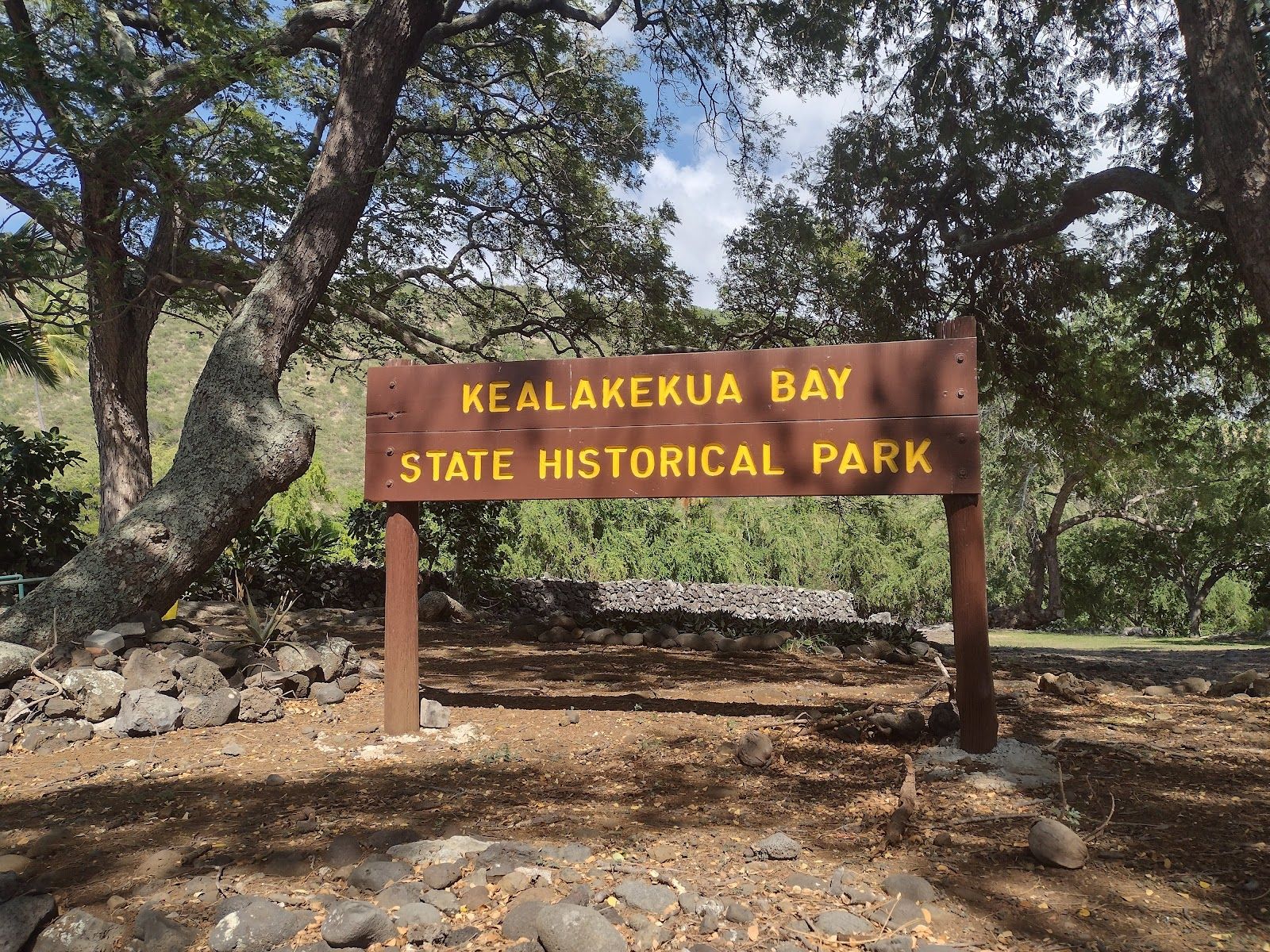
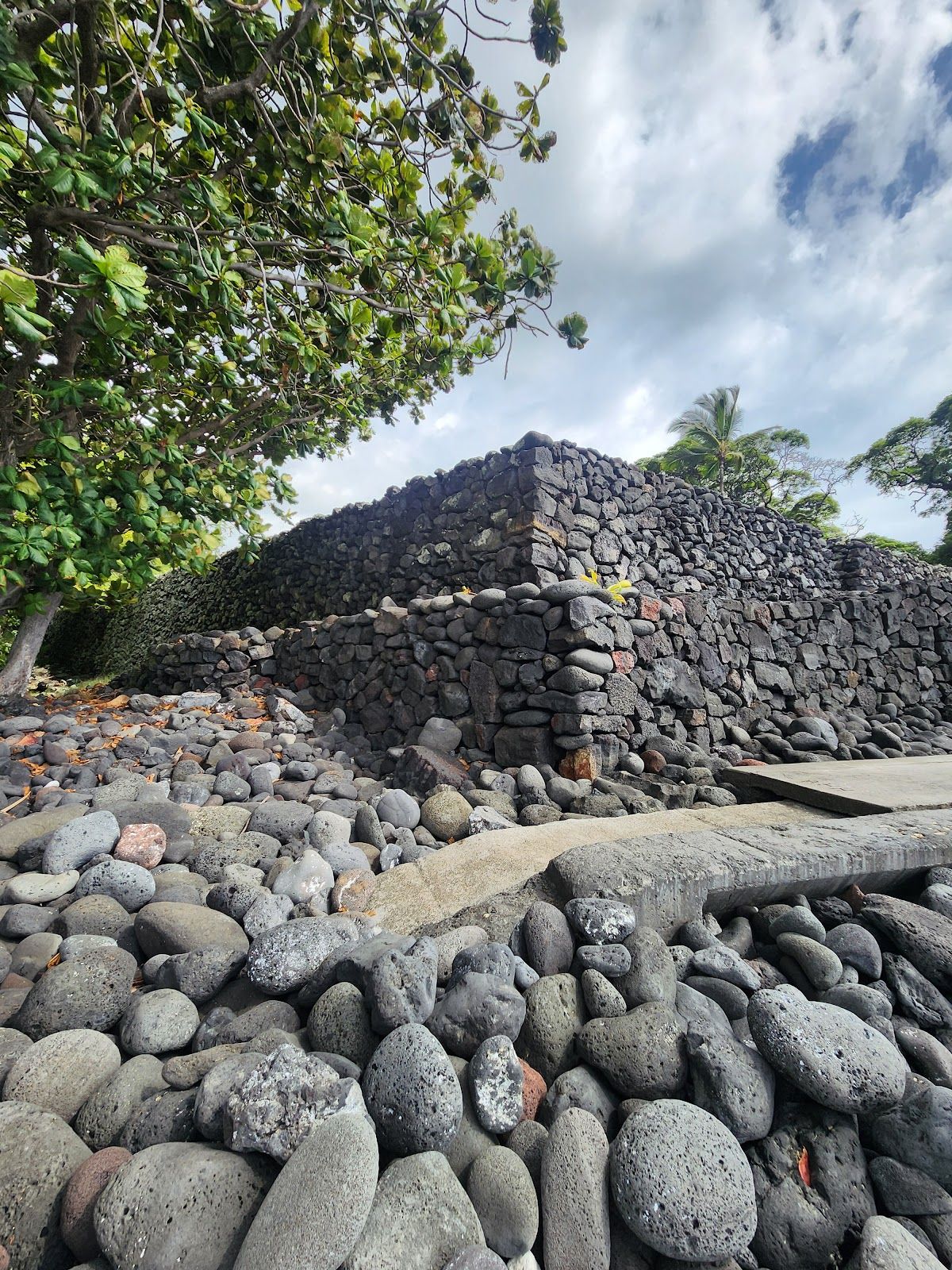
- Ancient Hawaiian temple
- Historical landmark
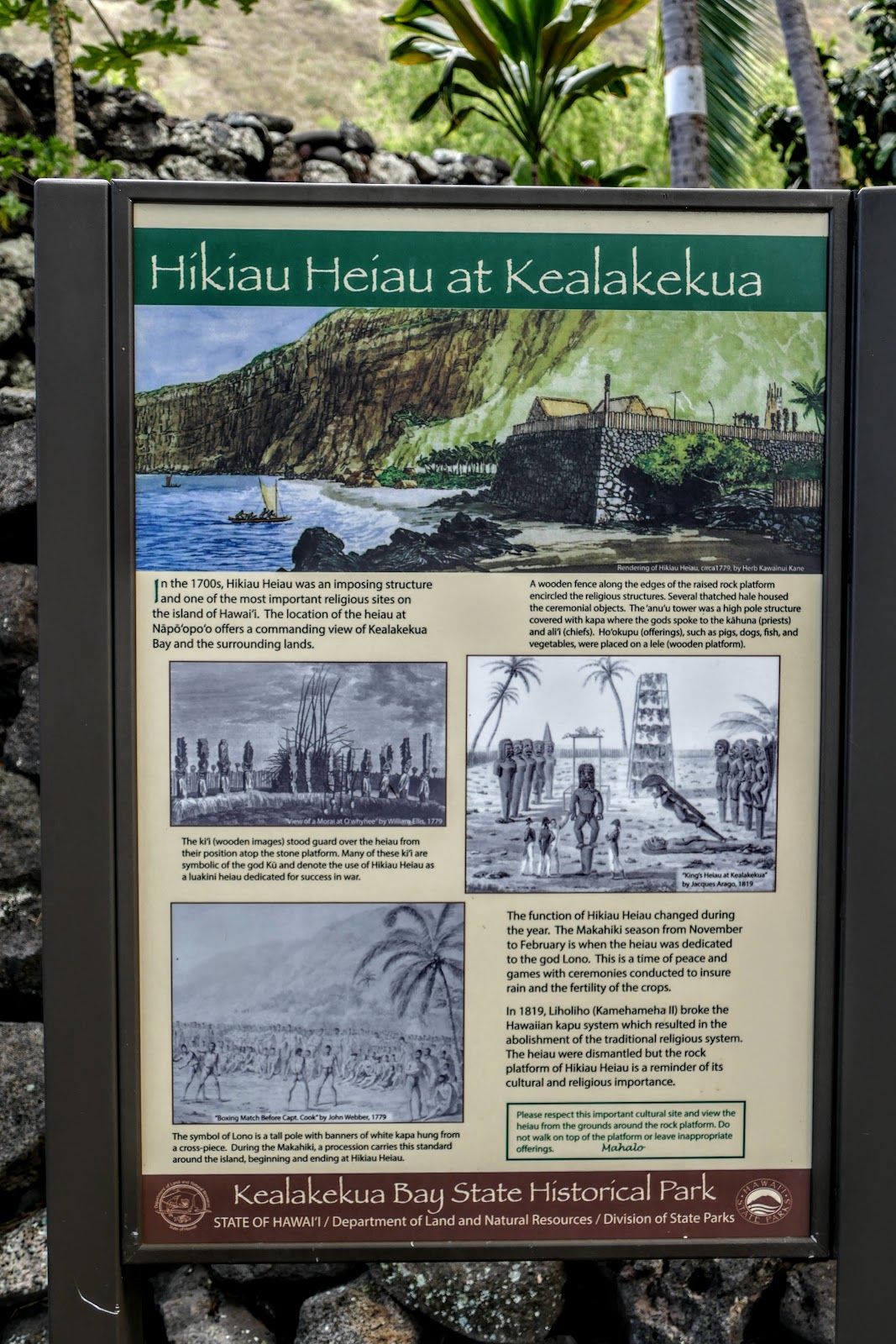
- Interpretive signs on site
- Views of Kealakekua Bay
Hikiau Heiau is one of South Kona’s most important cultural stops: an ancient Hawaiian temple beside Kealakekua Bay, where history, ceremony, and a striking coastal setting come together in a compact visit. It works best as a thoughtful add-on to a day in Captain Cook or Kealakekua rather than a standalone outing, and it stands out because it is not just “something old to look at” — it is a sacred place tied to Hawaiian religious practice, chiefly power, and the early contact era.
The site itself: a sacred stone platform by the bay
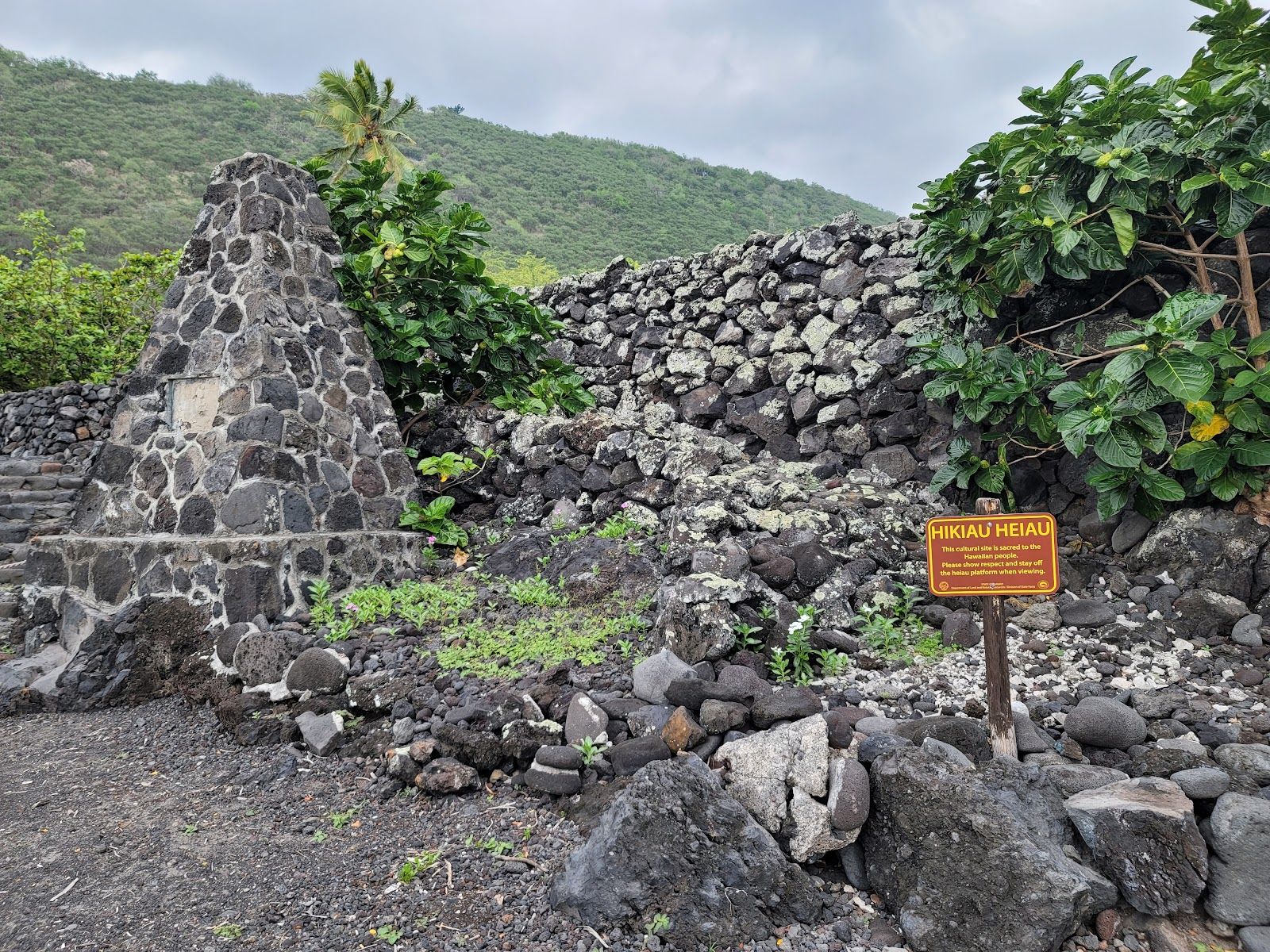
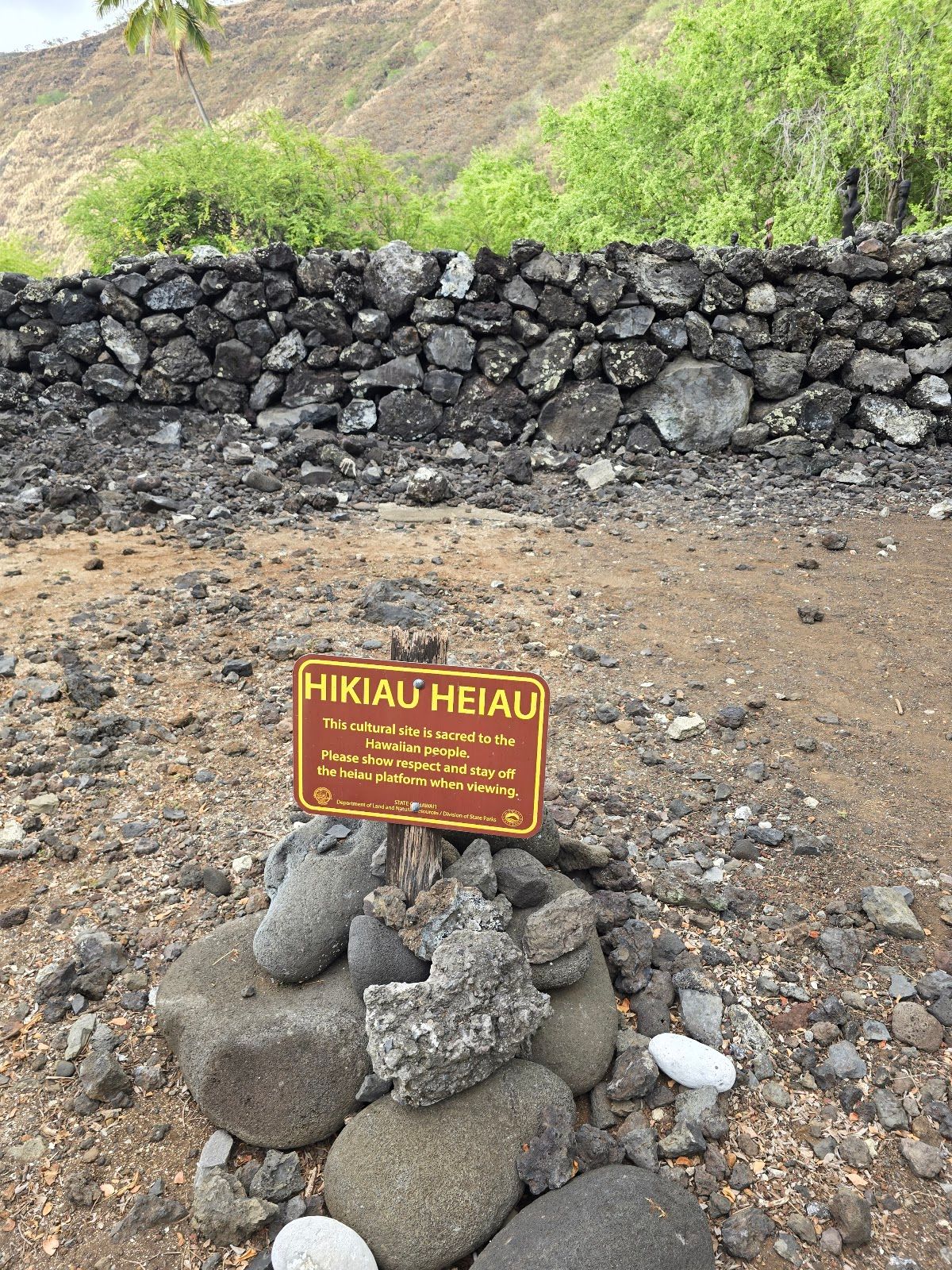
The main draw is the preserved stone platform of the heiau, set near Napoʻopoʻo Beach with open views toward Kealakekua Bay. Hikiau Heiau was a luakini, an important temple associated with major ceremonial and political life in the 18th century. Today, the remains are visible from the perimeter, with interpretive signs helping explain the site’s role and its connection to events surrounding Captain Cook’s arrival in 1779.
The setting gives the place much of its power. The bay is calm and luminous on many days, and the Captain Cook Monument sits across the water as a visual reminder of how much history is layered into this landscape. Even a short visit can feel substantial because the site encourages a slower pace and a more respectful kind of attention than a typical roadside stop.
How to visit without rushing the meaning
Hikiau Heiau fits neatly into a South Kona day. It is easy to combine with other Kealakekua Bay stops, time at nearby Napoʻopoʻo Beach, or a broader cultural route through the district. Most visitors only need a brief window here — roughly 10 to 45 minutes is enough to walk the area, read the signs, and take in the view.
That said, this is not a place to treat casually. The heiau itself should not be entered or climbed on, and the cultural protocol around the site matters. Keep noise low, stay off the stonework, and avoid leaving anything behind. The respect shown here is part of the visit, not an optional extra.
Parking is available in the area, but the immediate surroundings can be shared with beach users and people accessing the bay, so arriving with a little flexibility is wise. Restrooms and picnic tables are nearby, which makes the stop easier to fold into a longer South Kona loop.
Tradeoffs to know before you go
Hikiau Heiau is especially rewarding for travelers drawn to Hawaiian history, archaeology, and cultural landmarks. It is less compelling for anyone looking for a beach day in the usual sense. The nearby water access and bay scenery are appealing, but the site’s primary value is historical and spiritual rather than recreational.
Ocean conditions also matter here. The shoreline can be rocky, and shore break can become hazardous when swells pick up, so any water time near Napoʻopoʻo deserves caution and a close read of the day’s conditions. The experience is strongest when approached as a cultural stop with optional beach-and-bay time nearby, not as a guaranteed swimming destination.
Best fit for a South Kona itinerary
This is a strong match for travelers who want more than scenic coastline and are interested in the stories that shaped the island. It pairs well with other South Kona or Kealakekua Bay activities, especially for people building a day around heritage sites, bay viewpoints, and place-based history.
Those looking for a more active adventure, a full museum experience, or a conventional beach outing may prefer something else. But for a short, meaningful stop with real weight, Hikiau Heiau is one of the most memorable cultural places on the Big Island.