
What it is
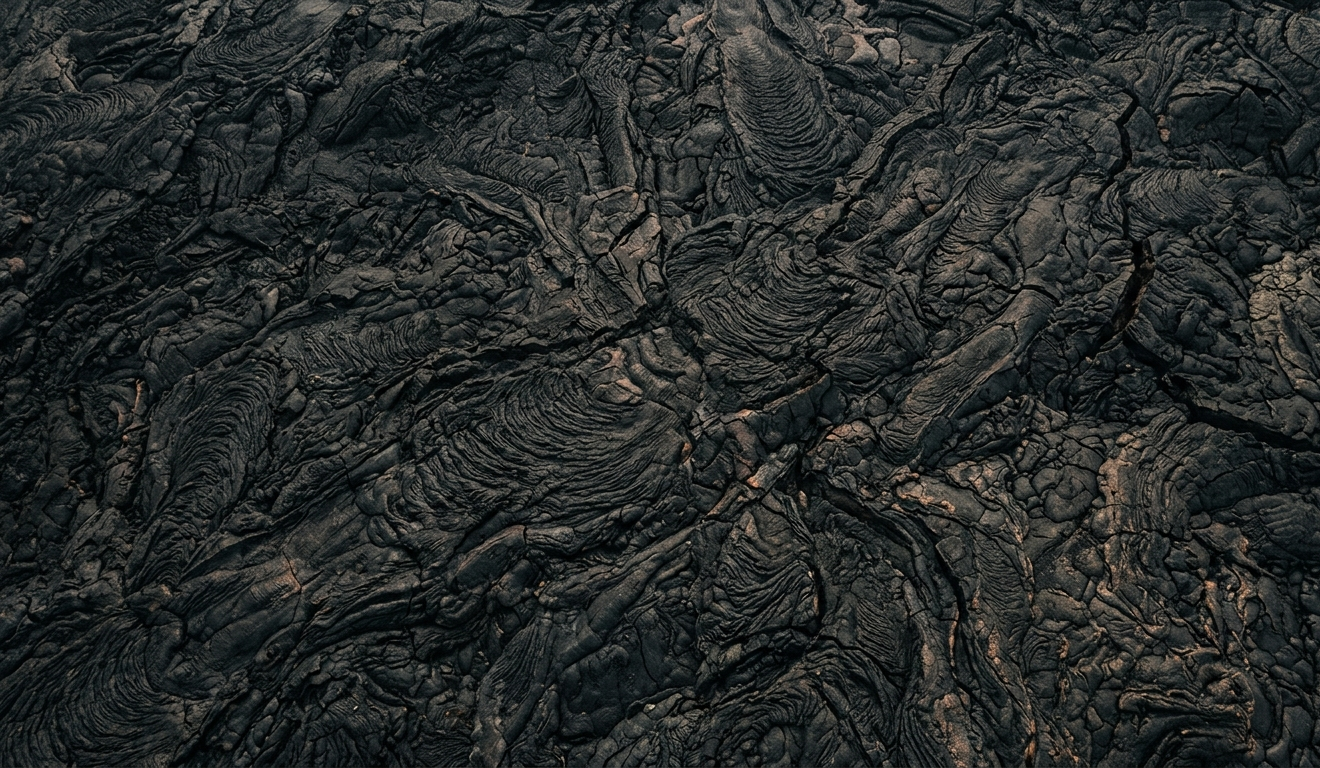
Honaunau Bay, also widely known as "Two Step" or "Pae'a" by locals, is a renowned snorkeling and scuba diving destination located on the western coast of the Big Island, within the South Kona district. It is characterized by its exceptionally clear, calm waters, vibrant coral reefs, and abundant marine life. The "Two Step" name comes from a natural lava rock formation that provides an easy entry and exit point into the ocean. While there isn't a traditional sandy beach, a smooth pahoehoe lava rock ledge offers space for visitors to set up towels and gear.
Honaunau Bay is directly adjacent to Puʻuhonua o Hōnaunau National Historical Park, a significant ancient Hawaiian sanctuary known as the "City of Refuge," which was once a sacred place for those who broke ancient laws to seek absolution.
Visitor experience
Travelers primarily choose Honaunau Bay for its world-class snorkeling and diving opportunities. The clear, protected waters allow for excellent visibility (up to 100 feet in deeper areas) and a chance to observe a diverse array of marine life, including colorful tropical fish, healthy coral, Hawaiian green sea turtles (honu), and occasionally Hawaiian spinner dolphins in the early morning. The "Two Step" entry method is considered one of the easiest water entries in Hawaii, appealing to both beginners and experienced snorkelers. Divers also utilize the bay, with deeper waters featuring coral gardens, lava tubes, and drop-offs.
Beyond water activities, the close proximity to Puʻuhonua o Hōnaunau National Historical Park offers a rich cultural and historical experience, making it possible to combine a visit to the bay with an exploration of ancient Hawaiian traditions and sites. Visitors can walk through royal grounds, see ancient temples (heiau), and learn about the kapu system.
Logistics
- Area: Honaunau Bay is located in the South Kona region of the Big Island, approximately 20-40 minutes south of Kailua-Kona.
- Access: From Highway 11 (Hawaii Belt Road), turn right onto Highway 160 (Keala O Keawe Road), follow it towards the ocean, and then turn left at the Pu'uhonua O Honaunau National Historical Park sign. For snorkeling access at Two Step, make a right turn on a small one-way street just before the National Park gate and head towards the ocean.
- Reservations/Permits: No reservations or permits are required for access to Honaunau Bay itself.
- Timing: The best time to visit for snorkeling is generally in the early morning (around 7 AM) when the ocean is calmest, visibility is best, and crowds are smaller. Afternoon hours can bring more wind, cloudier water, and increased crowds. Weekdays are typically less crowded than weekends.
- Parking: Parking at Honaunau Bay can be challenging and limited. There are a few free spots along the residential road leading to the bay, but these fill up quickly. A paid parking lot is available for approximately $5. Alternatively, visitors can park in the Puʻuhonua o Hōnaunau National Historical Park lot (which has an entrance fee of $20 per vehicle, good for 7 days) and walk to Two Step.
- Likely Duration: A visit solely for snorkeling could be a quick stop or a half-day activity, depending on how long one wishes to stay in the water. Combining snorkeling with a visit to the adjacent Puʻuhonua o Hōnaunau National Historical Park could easily make it an anchor activity for a half to full day.
- Amenities: There are portable toilets and picnic tables available near the bay. There are no public showers or fresh water available directly at Two Step.
- Gear: Snorkel gear rentals are not available on-site, so visitors should bring their own. Water shoes are recommended for navigating the lava rock shoreline.
Safety and cautions
- Ocean Conditions: While generally sheltered, if there is a strong ocean surge or high surf, entering and exiting the water at "Two Step" can be dangerous. Always check ocean conditions before entering the water and be aware of incoming waves.
- Entry/Exit: When entering or exiting the water via the lava steps, be cautious of sea urchins in the rock holes. Placing hands flat on the steps and coordinating with waves can help.
- Reef Protection: It is crucial to use reef-safe sunscreen or wear sun protective clothing to protect the delicate coral reefs. Do not touch or step on coral, as it can be easily damaged and can also cause cuts. Some coral is estimated to be 1000 years old.
- Marine Life: Maintain a safe distance from all marine wildlife, especially Hawaiian green sea turtles (at least 10 feet) and Hawaiian spinner dolphins (at least 50 yards, per NOAA guidelines), as they are protected species. Do not chase or attempt to touch them.
- Cultural Sensitivity: The area adjacent to the bay, Puʻuhonua o Hōnaunau National Historical Park, is a sacred historical site. Visitors should be respectful, wear appropriate cover-ups over swimwear when visiting the park, and avoid dripping wet swimwear. Practice "Leave No Trace" principles.
- Sun Exposure: There is limited shade, so bring sun protection like hats, sunglasses, and reef-safe sunscreen.
- Footwear: Sturdy footwear is recommended for walking on the uneven, loose, and sometimes slippery lava rocks.
- Valuables: As with any popular visitor area, secure valuables. Some suggest leaving minimal possessions or locking them discreetly.
Editorial take
Honaunau Bay, or "Two Step," is a premier Big Island activity and a must-do for visitors seeking exceptional snorkeling or diving from shore. Its easy water access and vibrant marine life make it particularly appealing.
Who should prioritize it: Snorkelers and divers of all experience levels will find Honaunau Bay highly rewarding due to its clear waters and abundant sea life, including turtles and diverse fish. History and culture enthusiasts will appreciate its proximity to Puʻuhonua o Hōnaunau National Historical Park, offering a meaningful combined experience.
Who should skip it: Travelers looking for a traditional sandy beach experience for sunbathing or small children might find the lava rock entry and lack of soft sand less appealing. Those who prefer guided tours might opt for boat-based snorkeling excursions to other sites, although some operators do offer tours that visit the bay.
Nearby/overlapping entities not to be confused with it:
- Puʻuhonua o Hōnaunau National Historical Park: While immediately adjacent and sharing the bay, the National Historical Park is a distinct entity focused on Hawaiian history and culture, with an entrance fee and restrictions on water activities within its boundaries. Snorkeling is primarily done just outside the park at "Two Step."
- Hanauma Bay (Oahu): Do not confuse Honaunau Bay with Oahu's Hanauma Bay, which is also a famous snorkeling spot but has different entry requirements, reservation systems, and fees.
Source notes
- Big Island Guide: Two Step Beach at Honaunau Bay. https://www.bigislandguide.com/two-step-beach-honaunau-bay
- Hawaii Travel Guide: Honaunau Bay. https://www.hawaiitravelguide.com/big-island/honaunau-bay
- Utah's Adventure Family: Two Step Beach at Honaunau Bay | Big Island, Hawaii. https://utahsadventurefamily.com/two-step-beach-honaunau-bay/
- Sea Quest Hawaii: Honaunau Bay Snorkeling (aka “Two Step”). https://www.seaquesthawaii.com/honaunau-bay-snorkeling-two-step
- Boss Frog's Hawaii: Honaunau Bay - Two Step. https://www.bossfrogs.com/big-island/honaunau-bay/
- Snorkeling Safely Two Step at Honaunau Bay. https://www.lovethesnorkel.com/snorkeling-safely-two-step-at-honaunau-bay/
- Kahalu'u Bay Surf & Sea: Snorkel Two Step Beach on the Big Island of Hawaii. https://www.kahaluubaysurfandsea.com/blog/snorkel-two-step-beach-big-island-hawaii/
- KONASTYLE: Two Step Beach At Honaunau Bay: A Full Guide. https://konastyle.com/two-step-beach-at-honaunau-bay/
- Puʻuhonua o Hōnaunau National Historical Park (U.S. National Park Service): Fees & Passes. https://www.nps.gov/puho/planyourvisit/fees.htm