
What it is
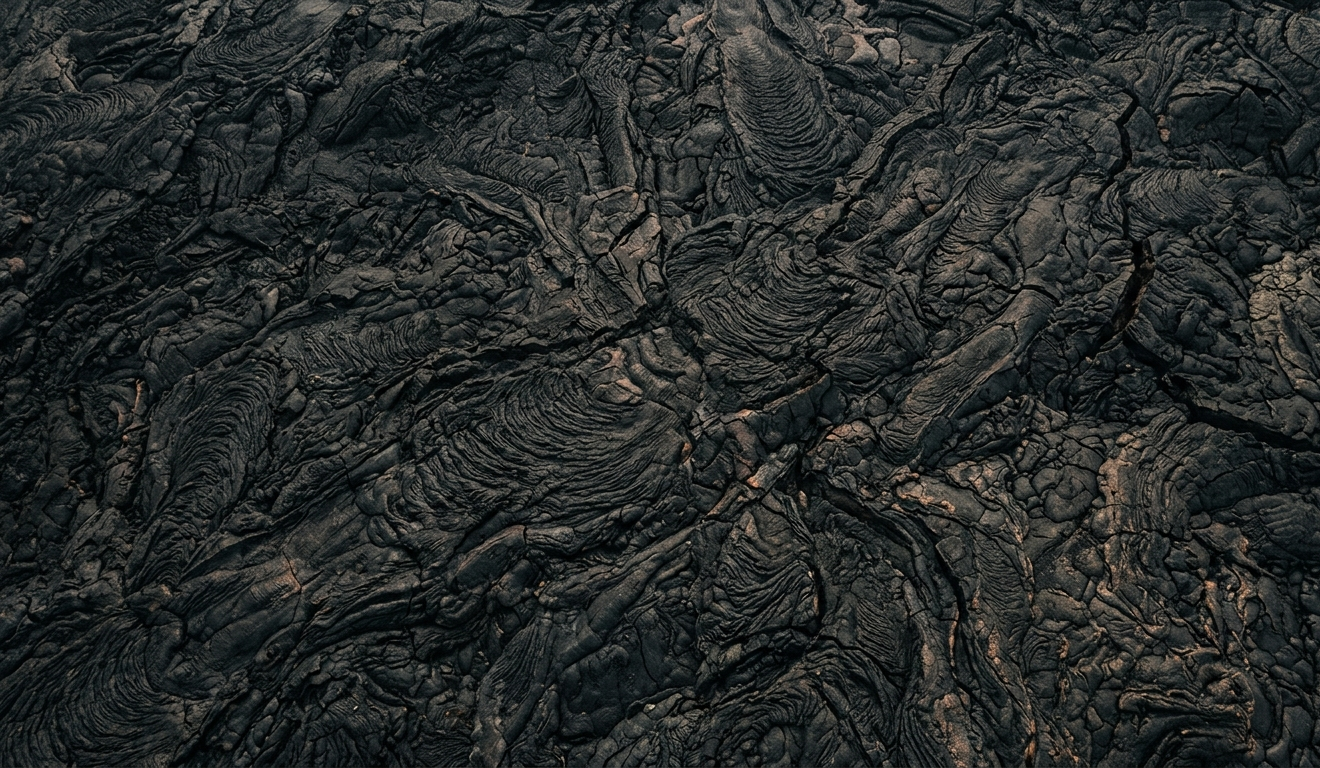
Honokohau Beach is a long stretch of "salt-and-pepper" sand, a mix of black lava rock, white coral, and crushed seashells, located on the west coast of the Big Island, just north of Kailua-Kona. It is an integral part of the 1,160-acre Kaloko-Honokohau National Historical Park, which preserves significant Hawaiian archaeological sites and artifacts, including ancient fishponds, petroglyphs, trails, and heiau (Hawaiian temples). The beach is protected by an offshore reef, which contributes to calmer waters, making it suitable for swimming and snorkeling.
Visitor experience
Travelers choose Honokohau Beach primarily for its serene atmosphere, snorkeling opportunities, and connection to significant Hawaiian history. The calm, shallow, and somewhat rocky waters, sheltered by an outer reef, make it an excellent spot for snorkeling, where visitors can see a variety of tropical fish, sea turtles, and occasionally even dolphins or rays. Green sea turtles are frequently observed feeding on algae and basking on the shore, offering a chance for wildlife viewing (from a respectful distance).
Beyond beach activities, the surrounding Kaloko-Honokohau National Historical Park provides opportunities for exploring ancient Hawaiian settlements, including the 'Aiʻōpio Fishtrap, Aimakapa fishpond, and petroglyph sites. There are trails for walking and jogging, offering a chance to combine a beach day with cultural exploration. Inland from the northern end of the beach, visitors can find Queen's Bath (also known as Kahinihiniula), a spring-fed brackish lava pool often used for rinsing off after a swim.
Logistics
Honokohau Beach is situated approximately 3.7 miles north of Kailua-Kona and 4.2 miles south of Kona International Airport, off Highway 19.
Access and Parking: There are two main ways to access the beach.
- Honokohau Small Boat Harbor: This is often cited as the shortest and easiest access point. Turn left onto Kealakehe Parkway from Highway 19 (between mile marker 97 and 98), then take the first right and continue to the Kona Sailing Club. Visitors can park in the lava lot near the harbor or go through a yellow gate if that lot is full. From here, a short path (under a quarter-mile) leads to Honokohau Beach.
- Kaloko-Honokohau National Historical Park Visitor Center: Located off Highway 19 between mile markers 96 and 97, the visitor center has restrooms and parking. From the visitor center, it's about a one-mile hike over lava rock trails (like the Ala Mauka Makai trail) to reach Honokohau Beach, offering historical information and petroglyphs along the way.
Facilities: There are no facilities directly on Honokohau Beach itself. However, restrooms and additional parking are available at the Kaloko-Honokohau National Park visitor center and near Honokohau Harbor.
Timing and Duration: The park grounds and beaches are open during daylight hours. A visit can range from a quick stop for a short walk and view to a half-day or anchor activity, especially if combining beach time with exploring the historical park trails, fishponds, and petroglyphs. To avoid crowds, especially during peak summer months, arriving early is recommended.
Permits: No fees or permits are required to access Honokohau Beach or the Kaloko-Honokohau National Historical Park.
Safety and cautions
Ocean Conditions: While generally calm due to the offshore reef, conditions can become rough or choppy, especially with strong currents further out or during occasional large north and northwest swells in winter months. Always check current ocean conditions and heed any posted warnings. If the water appears brown or murky after heavy rain, it's recommended to stay out for at least 72 hours due to potential runoff contamination.
Entry: The beach entry can be rocky in some areas, so wearing reef shoes is advisable, particularly for snorkeling and swimming. The seafloor in snorkeling areas is often covered with boulders, stones, and coral rubble, with limited safe standing areas.
Marine Life: Green sea turtles frequent the area; remember that they are an endangered species and should not be approached (maintain a distance of at least 30 feet). Tiger sharks are occasionally sighted near the harbor entrance, attracted by scavenged fish carcasses; exercise caution and never feed them.
Sun Exposure: The area has an arid, hot desert climate. Pack plenty of water and use sunscreen, especially when walking the trails, as some areas offer little shade.
Hiking: The trails within the national park can involve walking over uneven lava rock. Wear appropriate footwear.
No Lifeguard: There are no lifeguards at Honokohau Beach. Visitors should know their limits when swimming or snorkeling.
Editorial take
Honokohau Beach is an excellent choice for travelers interested in a combination of relaxed beach activities and cultural exploration on the Big Island. It particularly appeals to those who appreciate uncrowded natural settings and enjoy snorkeling with potential encounters with sea turtles. The "salt-and-pepper" sand offers a unique visual, and the calm, reef-protected waters are good for swimming.
Prioritize it if: You are seeking a quieter beach experience away from major crowds, enjoy snorkeling, and have an interest in Hawaiian history and culture, as it's part of a National Historical Park with walking trails and ancient sites. Families with older children who are strong swimmers might also enjoy the snorkeling and exploration, but note the rocky entry.
Skip it if: You are looking for a beach with amenities (restrooms, showers, concessions) directly on the sand, desire easily accessible sandy entry for young children, or prefer a beach solely for vigorous ocean activities like surfing (though some bays with similar names on Maui are known for surfing, this Big Island beach is mostly calm). Those with mobility issues might find the trail access challenging.
Do not confuse with: There are other locations with similar names. Notably, there is a Honokohau Bay on Maui (also referred to as Honokohau Beach) that is known for surfing during winter swells and has a black sand beach, picnic tables, and restrooms. The Honokohau Beach on the Big Island is a different location, distinct in its geography, activities, and historical significance within the Kaloko-Honokohau National Historical Park. Also, be aware that within the Kaloko-Honokohau National Historical Park, there are other beaches like Ai'opio Beach (often favored for children due to a protected cove) and Alula Beach.
Source notes
- Big Island Guide: Honokohau Beach and Aiopio Fish Trap. https://www.bigislandguide.com/honokohau-beach
- I Love Hawaii: Honokohau Beach. https://www.ilovehawaii.com/honokohau-beach/
- Hawaiian Planner: Honokohau Beach. https://hawaiianplanner.com/big-island/beaches/honokohau-beach/
- To-Hawaii.com: Honokohau Beach, Big Island. https://www.to-hawaii.com/big-island/beaches/honokohau.php
- Hawaii Life Vacations: Honokohau Beach. https://www.hawaiilife.com/vacations/big-island/honokohau-beach
- Boss Frog's Hawaii: Honokohau Beach / "Kona Dog". https://bossfrogs.com/snorkel-guide/honokohau-beach-kona-dog/
- National Park Service: Kaloko-Honokōhau National Historical Park, Honokōhau Beach. https://www.nps.gov/kaho/learn/nature/honokohau-beach.htm
- Obligatory Traveler: Visiting Kaloko-Honokohau National Historical Park. https://obligatorytraveler.com/visiting-kaloko-honokohau-national-historical-park-hawaii/