
What it is
Kalalea Heiau is an ancient Hawaiian fishing shrine (koʻa) located at Ka Lae, also known as South Point, on the Big Island of Hawaiʻi. It is part of the South Point Complex, which is a designated National Historic Landmark District. The heiau, dedicated to Kū'ula, the god of fishing, features stone walls forming a nearly square shape, approximately 42 by 38 feet, with varying wall heights. Adjacent to the main structure is a 20 by 20-foot stone-paved platform, believed to have been used for preparing fish for meals or sacrifices. The entire South Point area is considered one of the earliest known Hawaiian settlement sites, with archaeological evidence suggesting continuous use for over a thousand years.
Visitor experience
Visitors to Kalalea Heiau can experience a profound connection to ancient Hawaiian culture and history. The site allows for contemplation of early Polynesian life and practices, particularly their sophisticated fishing techniques and spiritual beliefs. You can observe the stone walls of the heiau and the nearby stone platform. In the vicinity, visitors can also find sacred standing stones, including one named Hina (female) and another called Ku'ulakai (male), associated with Kanaloa, the god of the ocean. Mooring holes drilled into the rock ledges, used by ancient Hawaiians to secure their canoes against strong currents for deep-water fishing, are also visible. Local fishermen still visit Kalalea Heiau to leave offerings. The area offers stunning ocean views from the cliffs of the southernmost point of the United States.
Logistics
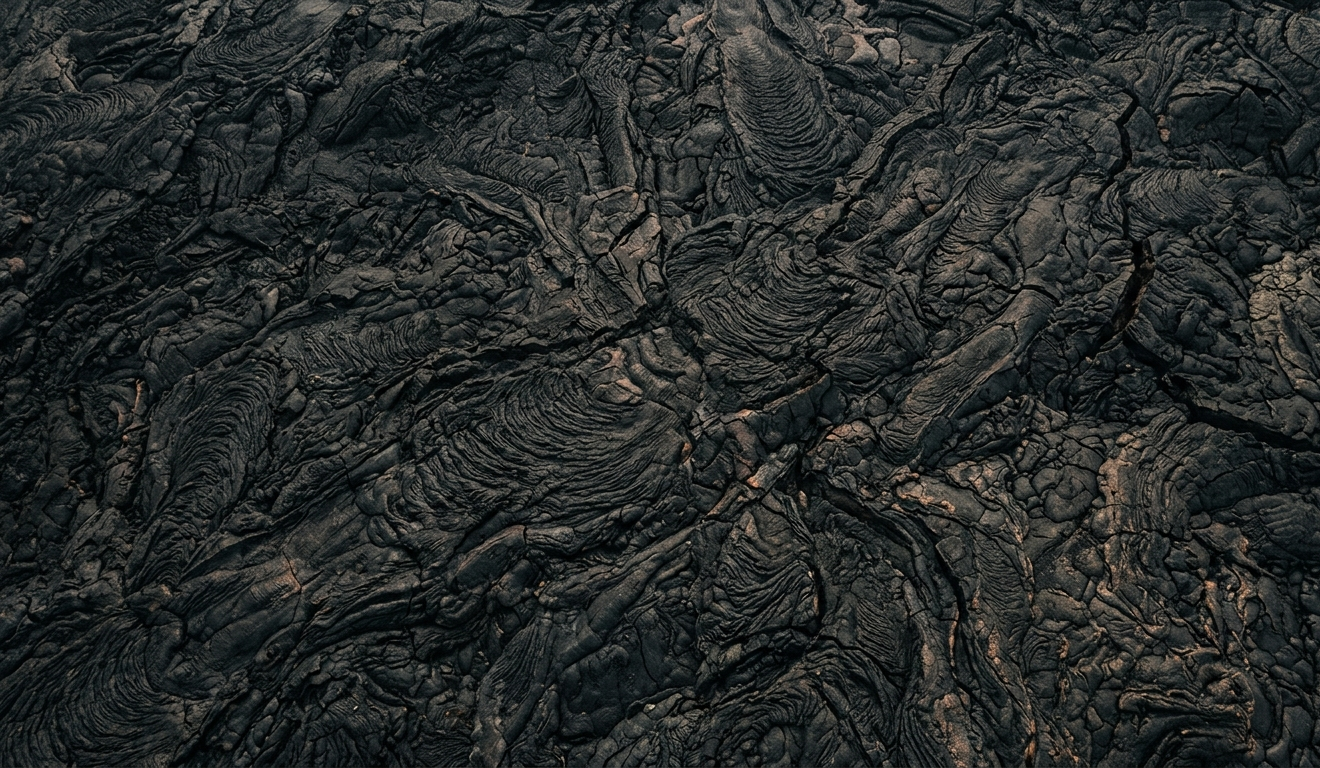
Kalalea Heiau is located at Ka Lae (South Point) on the southern tip of the Island of Hawai'i, approximately 16 miles south of Naalehu. To reach the site, travelers take South Point Road, a 12-mile paved road branching off from Hawai'i Route 11 (Hawaii Belt Road) between mile markers 69 and 70. The drive passes through macadamia nut groves, pasturelands, and ancient lava flows, becoming windier and drier closer to the coast.
There is parking available at the end of South Point Road. No fees or permits are mentioned for visiting Kalalea Heiau itself. The area is a quick stop, typically requiring at least an hour to explore the heiau and enjoy the views. If combining with a hike to Papakolea Green Sand Beach, it becomes a half-day activity. There are no visitor centers, signs, or amenities at the immediate site, so visitors should bring their own water and sunscreen.
Safety and cautions
The South Point area is known for extremely strong and dangerous ocean currents, and swimming in the waters off the point is not advised. The cliffs at South Point are high, and there are no railings, so visitors should exercise extreme caution, especially with children, to avoid falling. Strong trade winds are common, making the area very windy.
Culturally, Kalalea Heiau is a sacred site. Visitors are advised not to touch or sit on the stones of the heiau. Respect for the historical and cultural significance of the site is paramount. Leaving valuables in your car is not recommended due to possible theft.
Editorial take
Kalalea Heiau is a must-visit for travelers interested in Hawaiian history, ancient cultures, and archaeological sites. It offers a unique glimpse into early Polynesian settlement and traditional fishing practices at the southernmost point of the United States. It's a powerful place to reflect on Hawaii's origins and the ingenuity of its first inhabitants.
Travelers who prioritize relaxation or traditional beach activities might find the rugged, windy, and historically focused environment less appealing, especially given the dangers of swimming. Those looking for extensive interpretive displays or modern visitor amenities should also adjust expectations, as the site is largely undeveloped.
Do not confuse Kalalea Heiau with other significant Hawaiian cultural sites like the Pu'u Loa Petroglyph Field, which is located within Hawaiʻi Volcanoes National Park and features thousands of rock carvings, primarily cupules related to birth rituals, rather than a fishing shrine. While both are important historical sites, their specific purposes and locations are distinct.
Source notes
- South Point Complex (U.S. National Park Service): https://www.nps.gov/places/south-point-complex.htm
- A visit to South Point at Ka Lae - This Hawaii Life: https://www.thishawaiilife.com/ka-lae-south-point-big-island/
- Ka Lae (South Point) — Southernmost Big Island Guide: https://www.bigislandhikes.com/ka-lae-south-point
- South Point Park Hawaii | Big Island - Utah's Adventure Family: https://utahsadventurefamily.com/south-point-park-hawaii/
- Kalalea Heiau | Hawaiʻi the Big Island, Hawaii | Attractions - Lonely Planet: https://www.lonelyplanet.com/hawaii/hawaii-the-big-island/attractions/kalalea-heiau/a/pa/7a828941-118c-4f51-b844-48601662fb52/360050