
Kaloko-Honokōhau National Historical Park
Explore Kaloko-Honokōhau National Historical Park to discover ancient Hawaiian culture, archaeological sites, and abundant wildlife, including green sea turtles, along the scenic Kona coast.
- Explore ancient Hawaiian archaeological sites
- View petroglyphs and traditional fishponds
- Observe green sea turtles and Hawaiian monk seals
- Access coastal trails for hiking
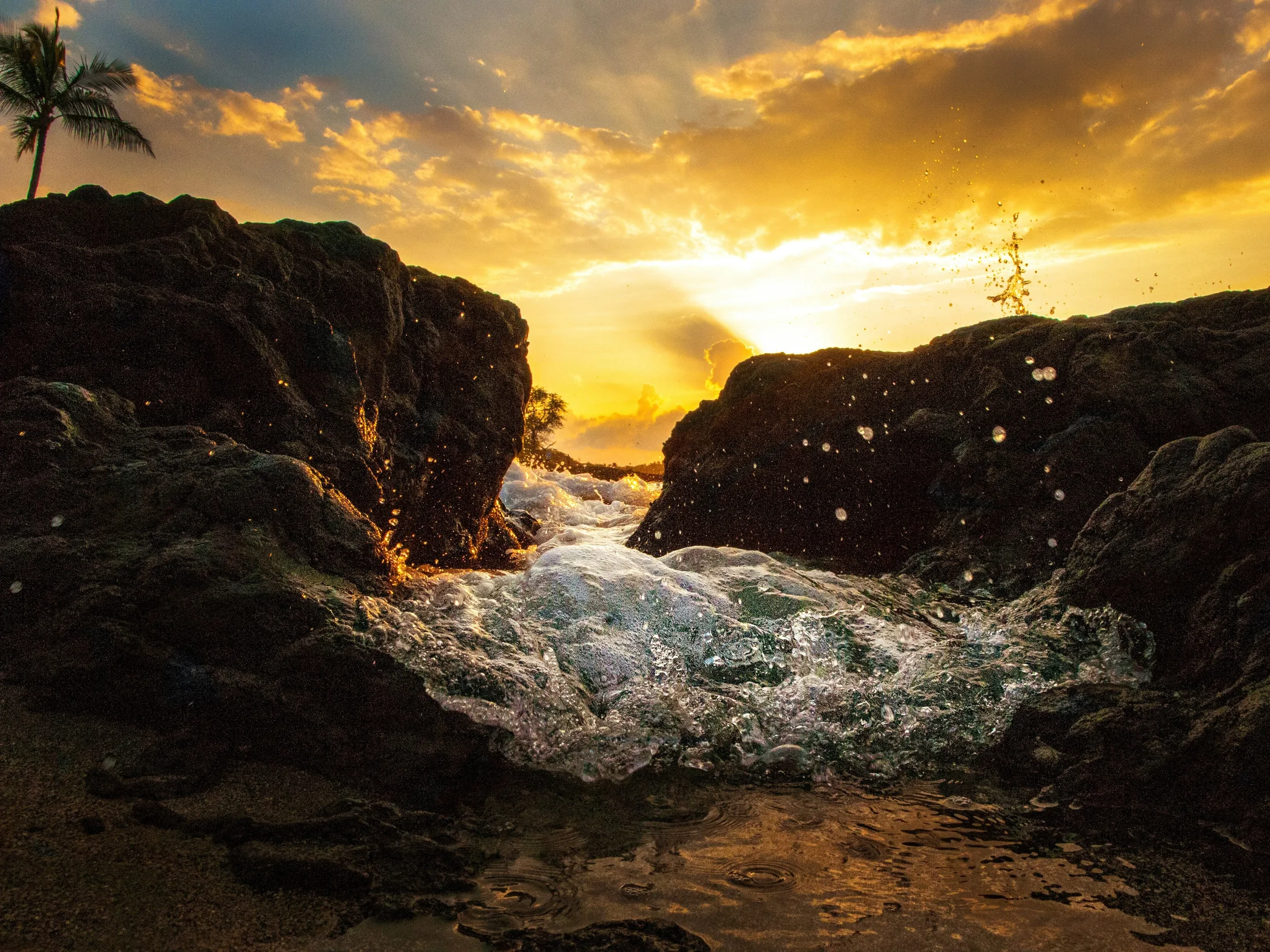
Kaloko-Honokōhau National Historical Park is one of Kona’s most rewarding low-key stops: part cultural landscape, part coastal refuge, part easygoing place to slow the pace between bigger Big Island outings. On the west side of the island, just north of Kailua-Kona, it gives travelers a rare chance to see how Native Hawaiian history, shoreline ecology, and everyday ocean life overlap in one protected place. It stands out because it is not a polished sightseeing park; it feels rooted in the land it preserves, with archaeological sites, fishponds, turtle habitat, and rough coastal terrain all sharing the same shoreline.
Fishponds, petroglyphs, and a landscape shaped by Hawaiian life
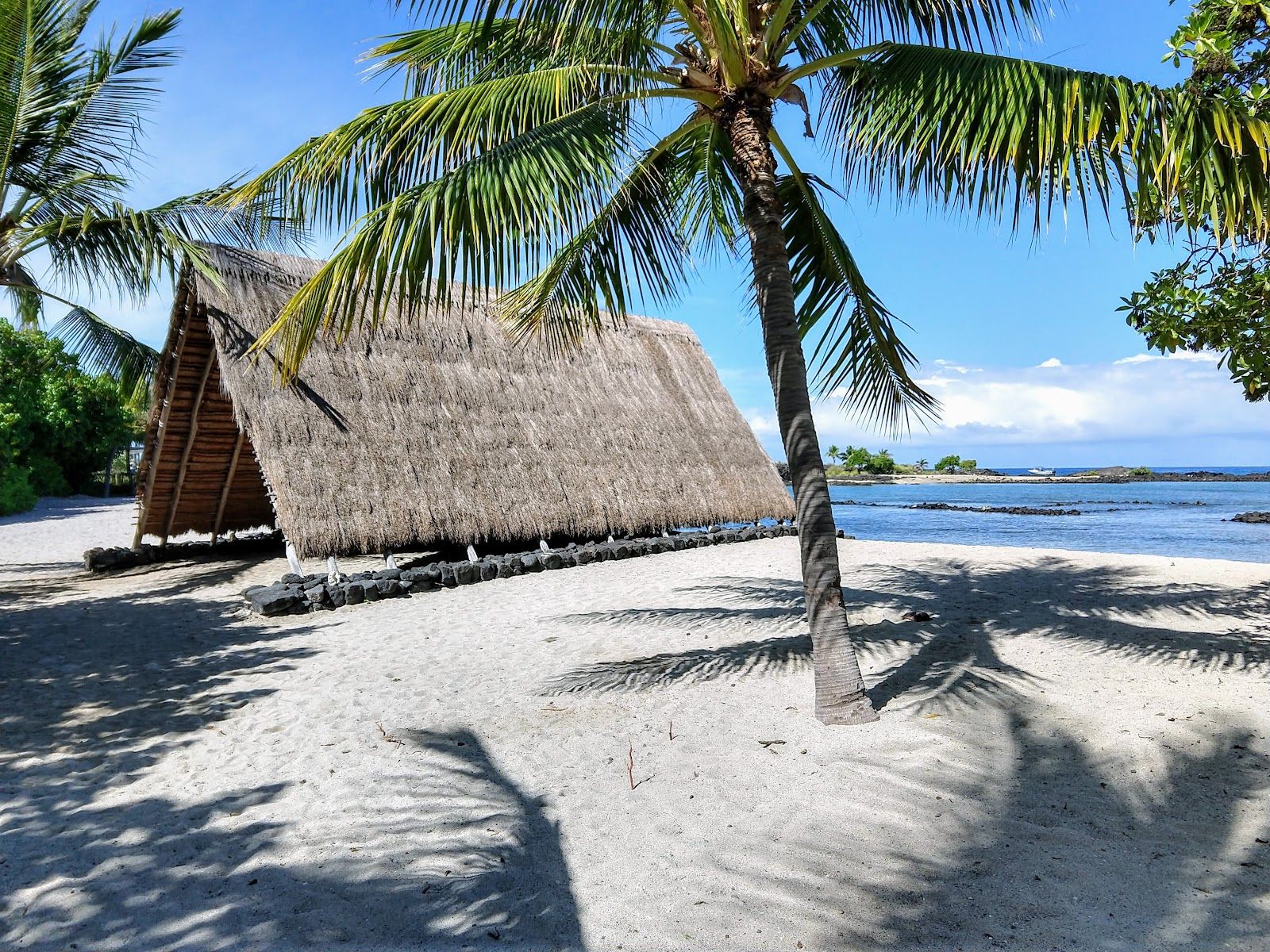
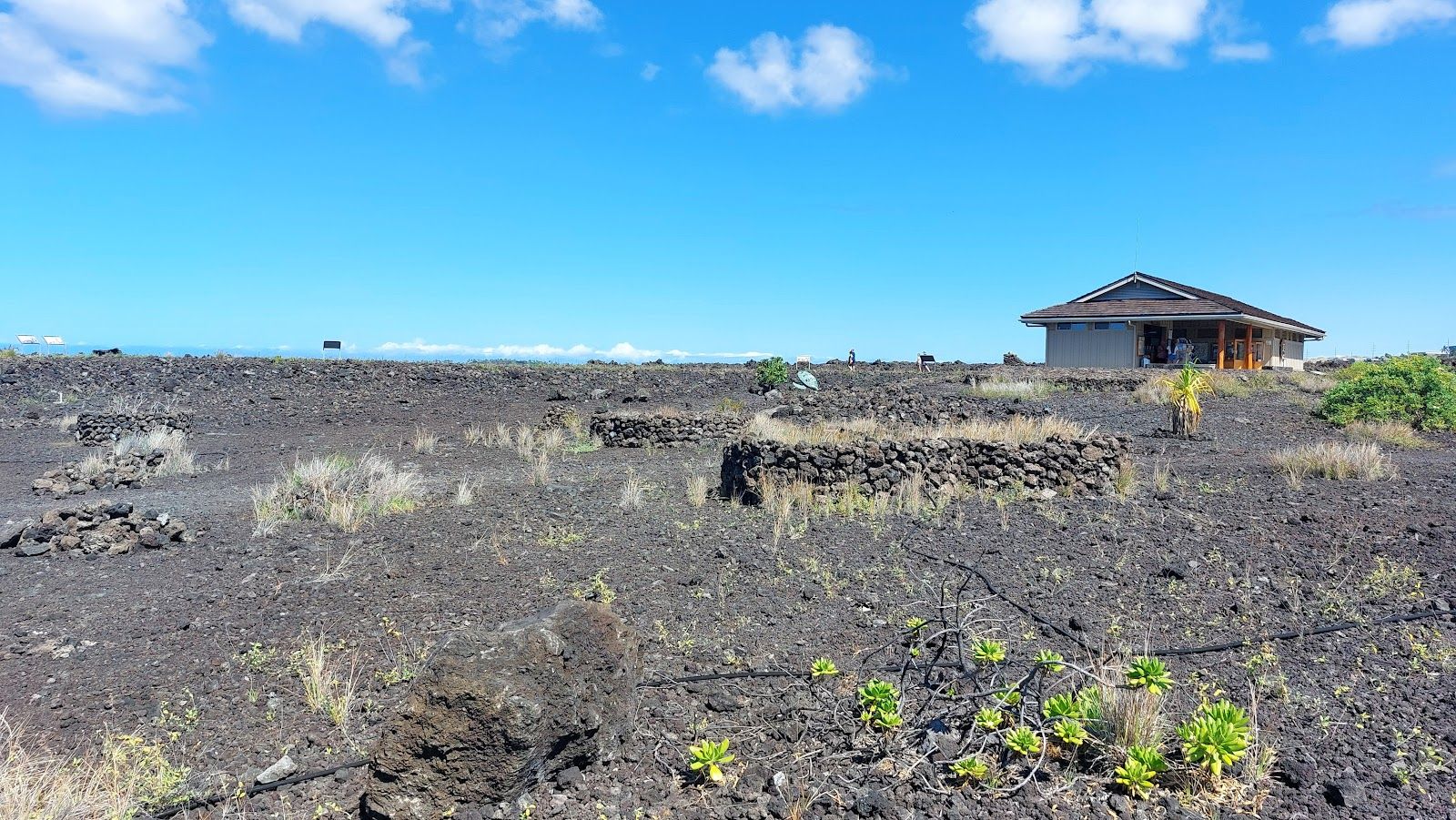
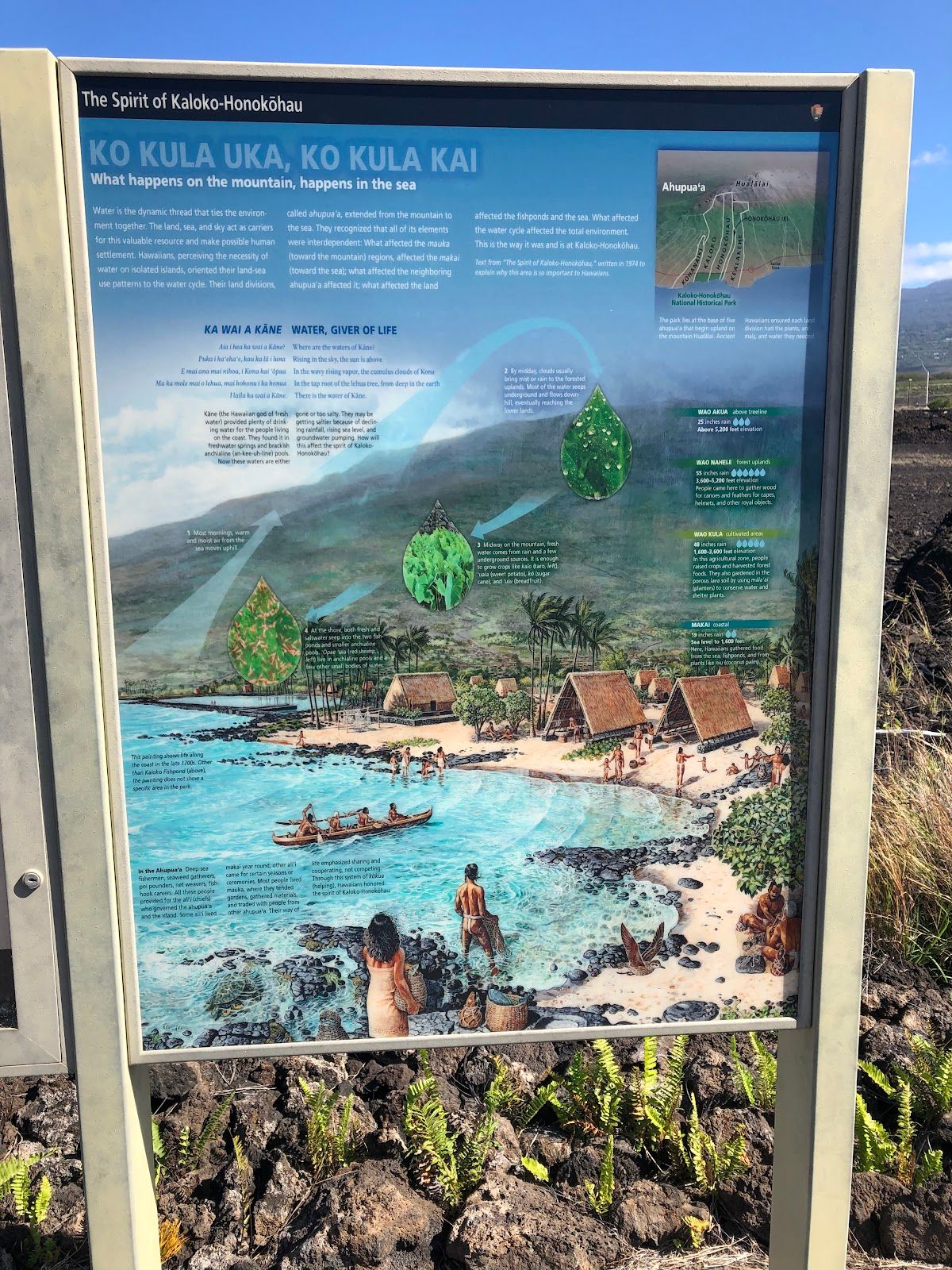
The heart of the park is its cultural landscape. Kaloko-Honokōhau preserves the remains of ancient Hawaiian settlements, including fishponds, house platforms, religious sites, petroglyphs, and traditional trails. The large Kaloko fishpond, with its massive seawall, is especially important for understanding Hawaiian aquaculture and the engineering skill behind it. The ʻAimakapā fishpond and ʻAiʻōpio fishtrap add more of that story, while boardwalks and marked paths make it possible to see some of the archaeological features without trampling fragile ground.
That balance matters here. This is not a place for wandering freely wherever the shoreline looks inviting. It is a living cultural site as much as a scenic one, and the best visit is the one that stays on designated trails and treats walls, carvings, and rock features as protected heritage, not scenery to climb on.
Coastal walking with lava underfoot
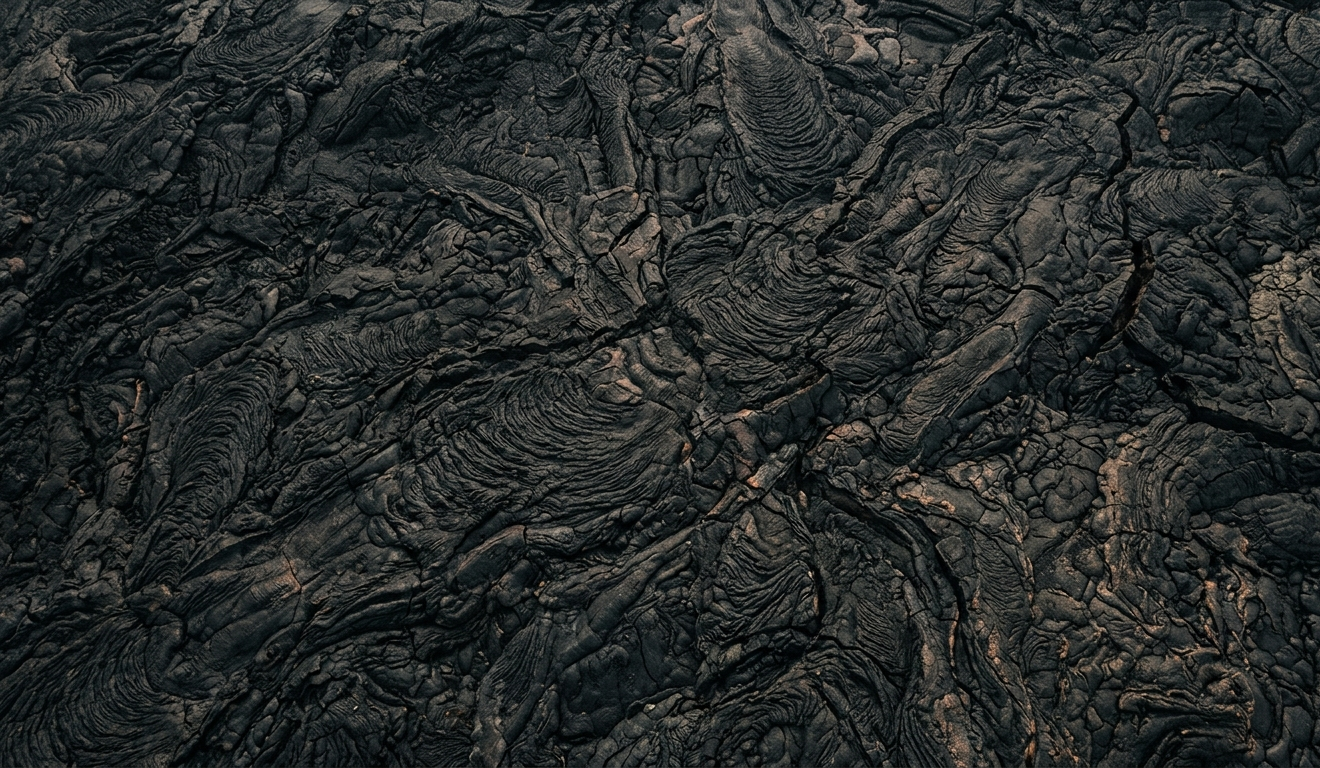
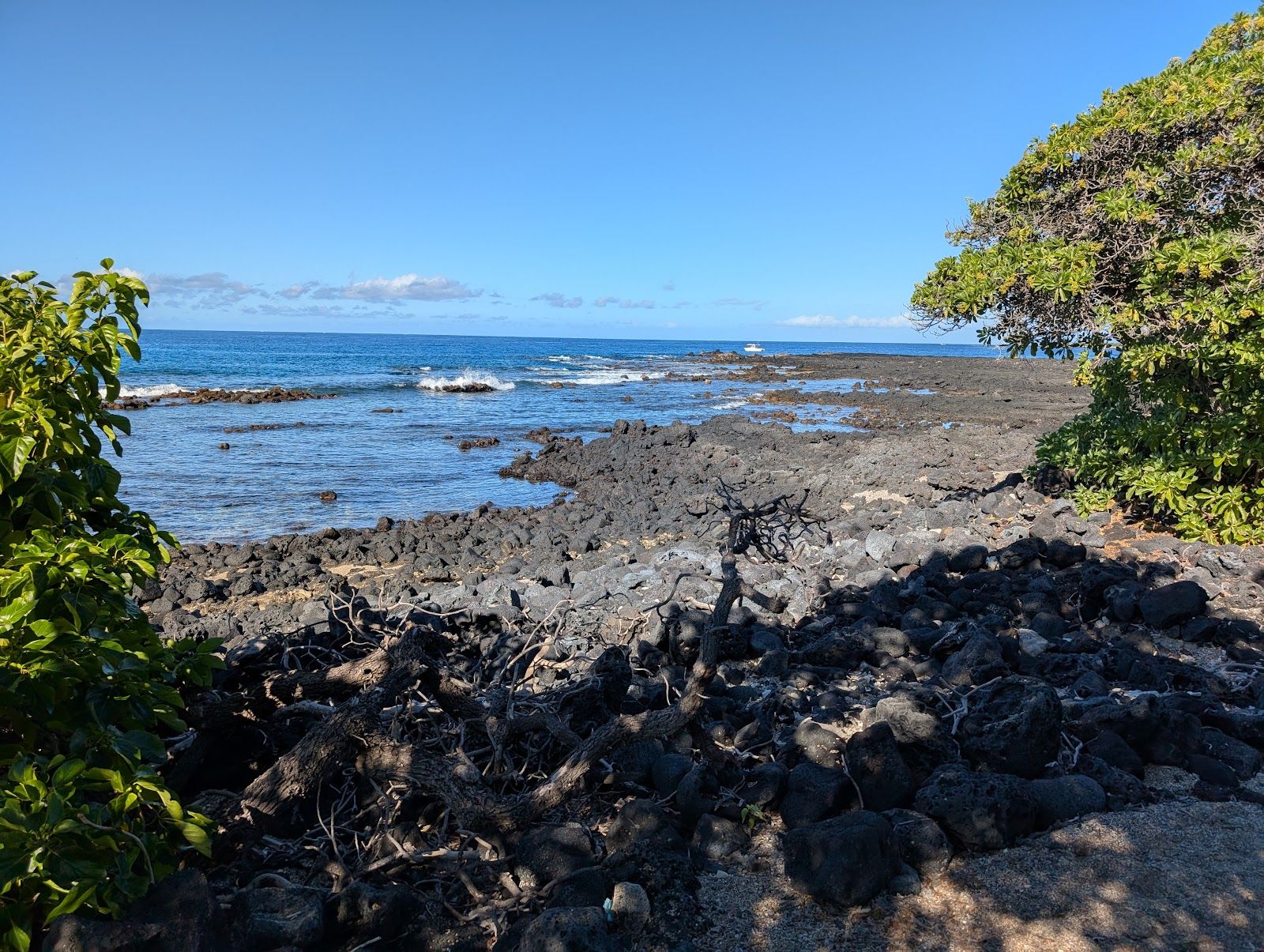
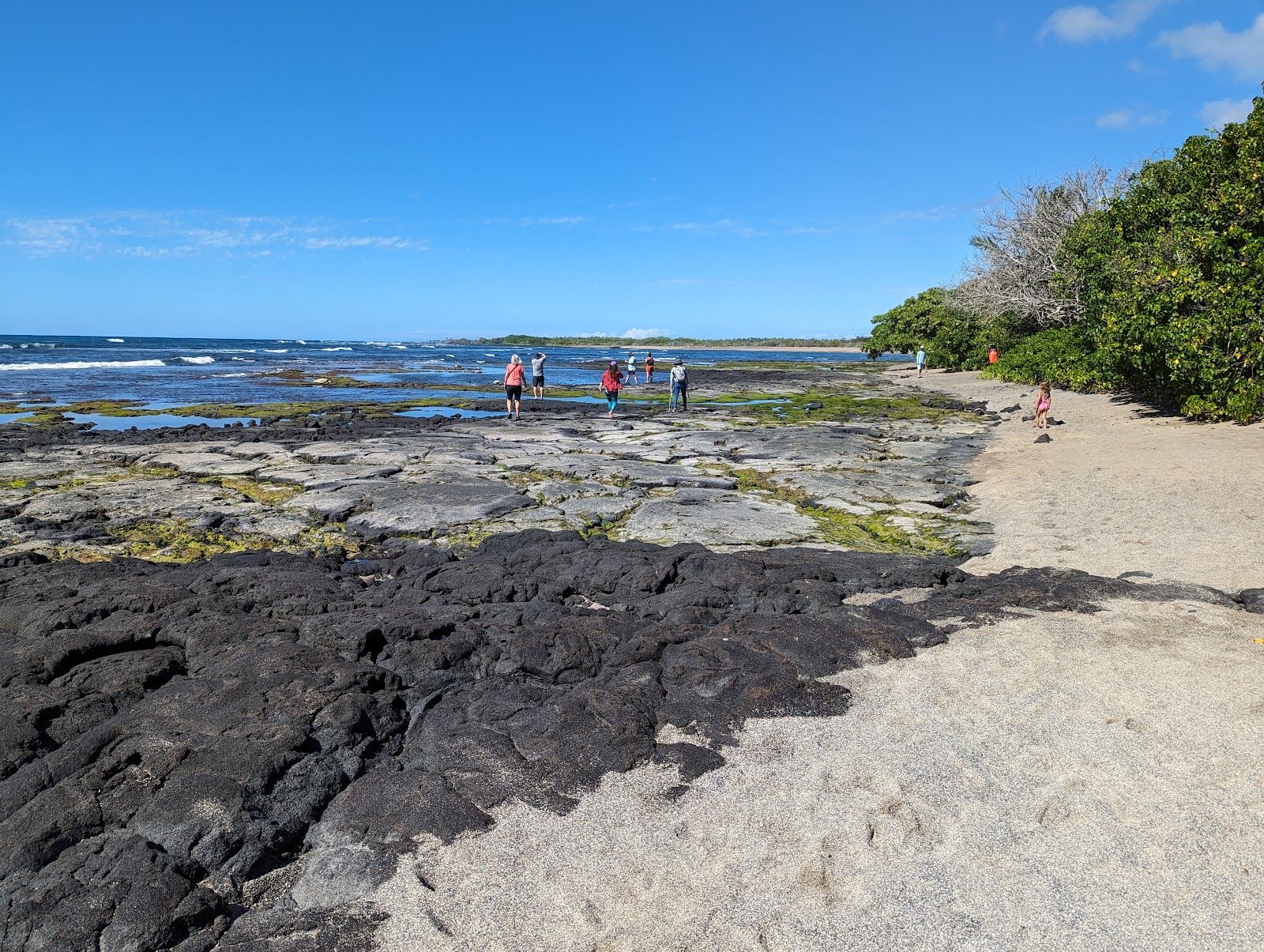
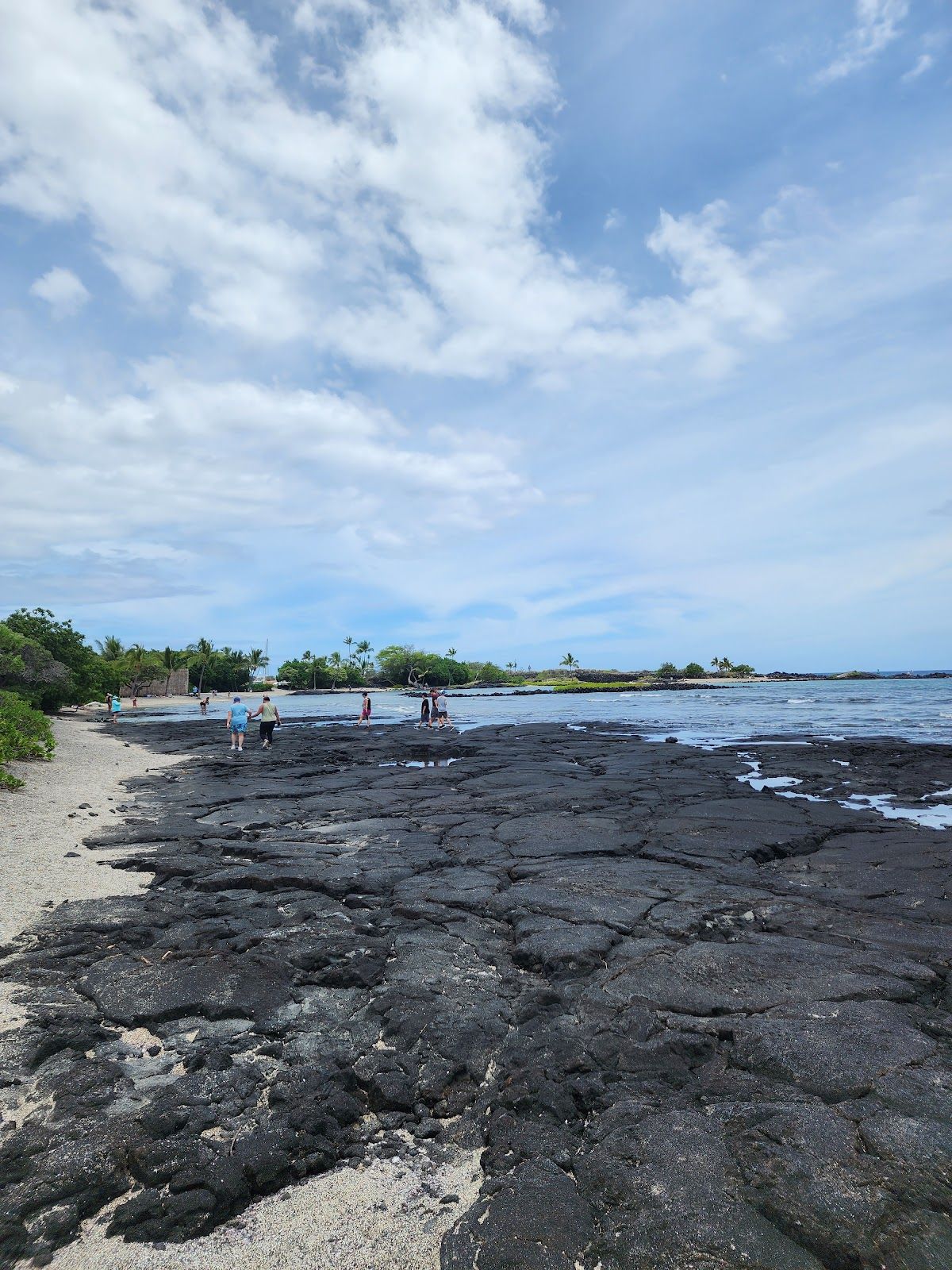
The park works well as a short hike or a half-day coastal ramble, depending on how much ground you want to cover. The walks are straightforward in concept but not uniformly easy in feel: expect unpaved paths, exposed lava, patches of soft sand, and rough ʻaʻā that can be awkward underfoot. Good shoes make a real difference.
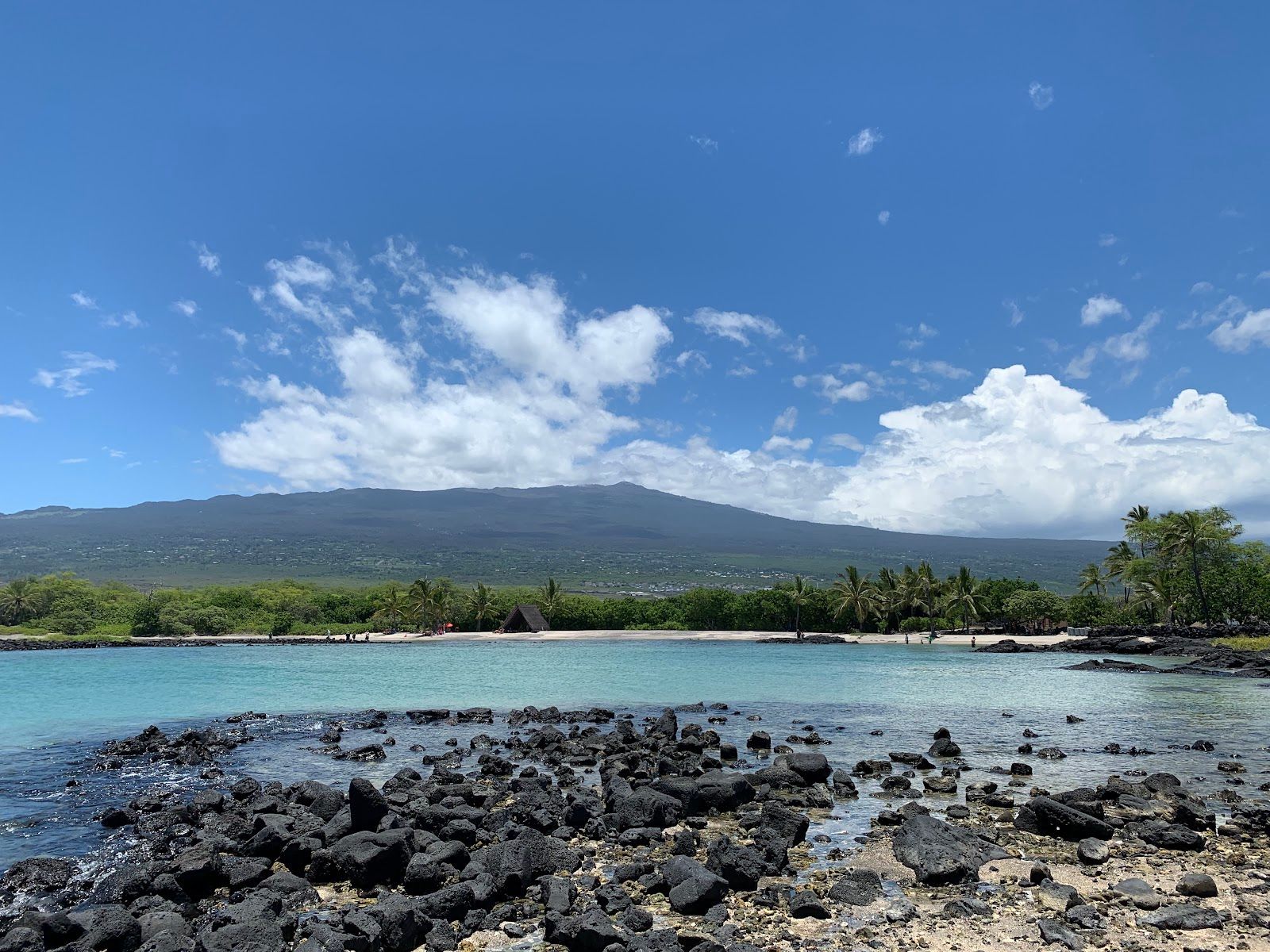
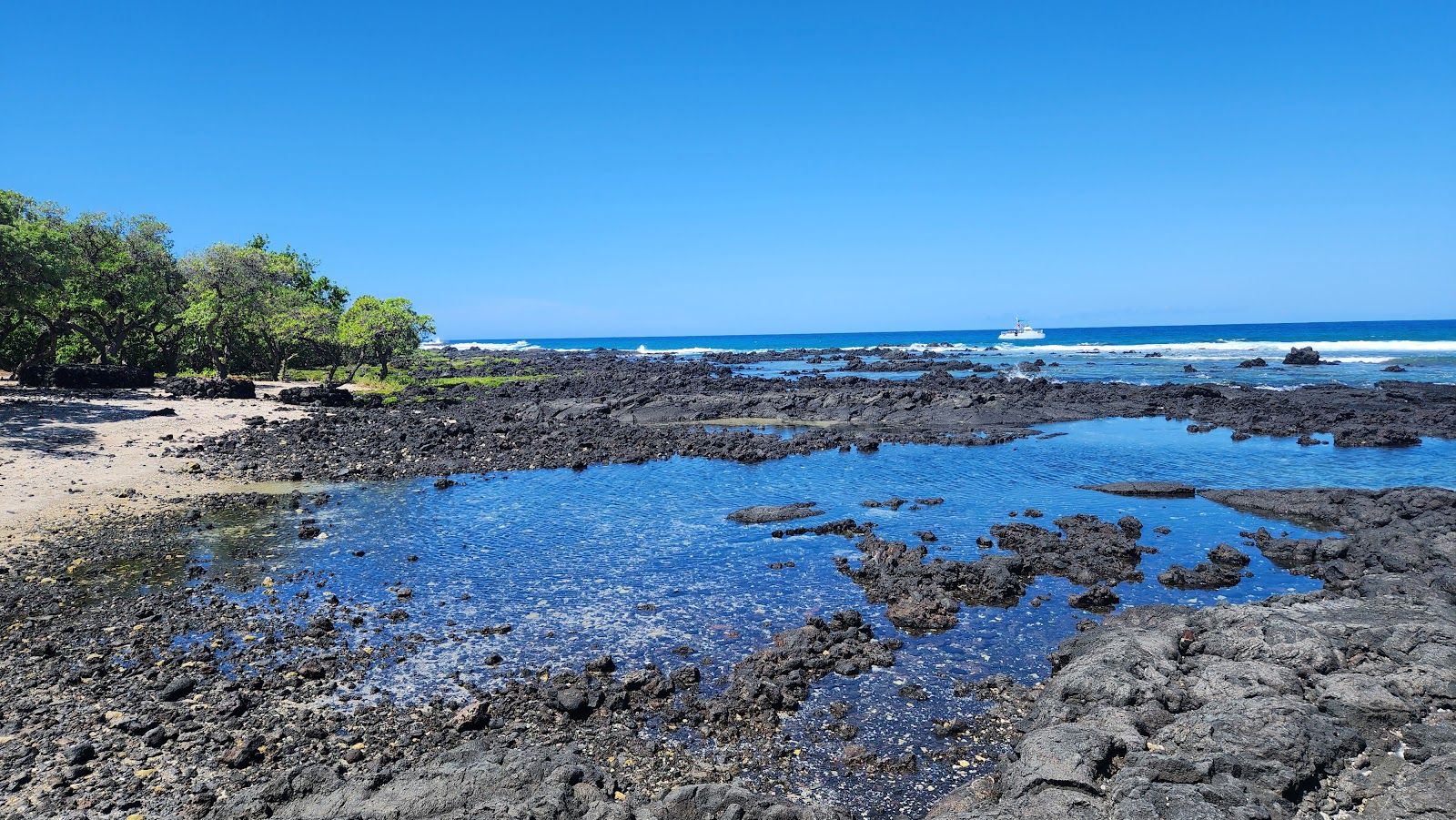
The coastal setting gives the routes their appeal. Parts of the park look straight out over the ocean, while others thread through lava field and native vegetation. The terrain is rugged enough to keep the experience grounded, but not so demanding that it belongs only on an ambitious hiking day. That makes Kaloko-Honokōhau a useful fit for travelers who want something meaningful between beach time and a Kona meal, or for anyone looking to break up a driving day with a shorter, more contemplative outing.
Turtles, monk seals, and a shoreline that asks for patience
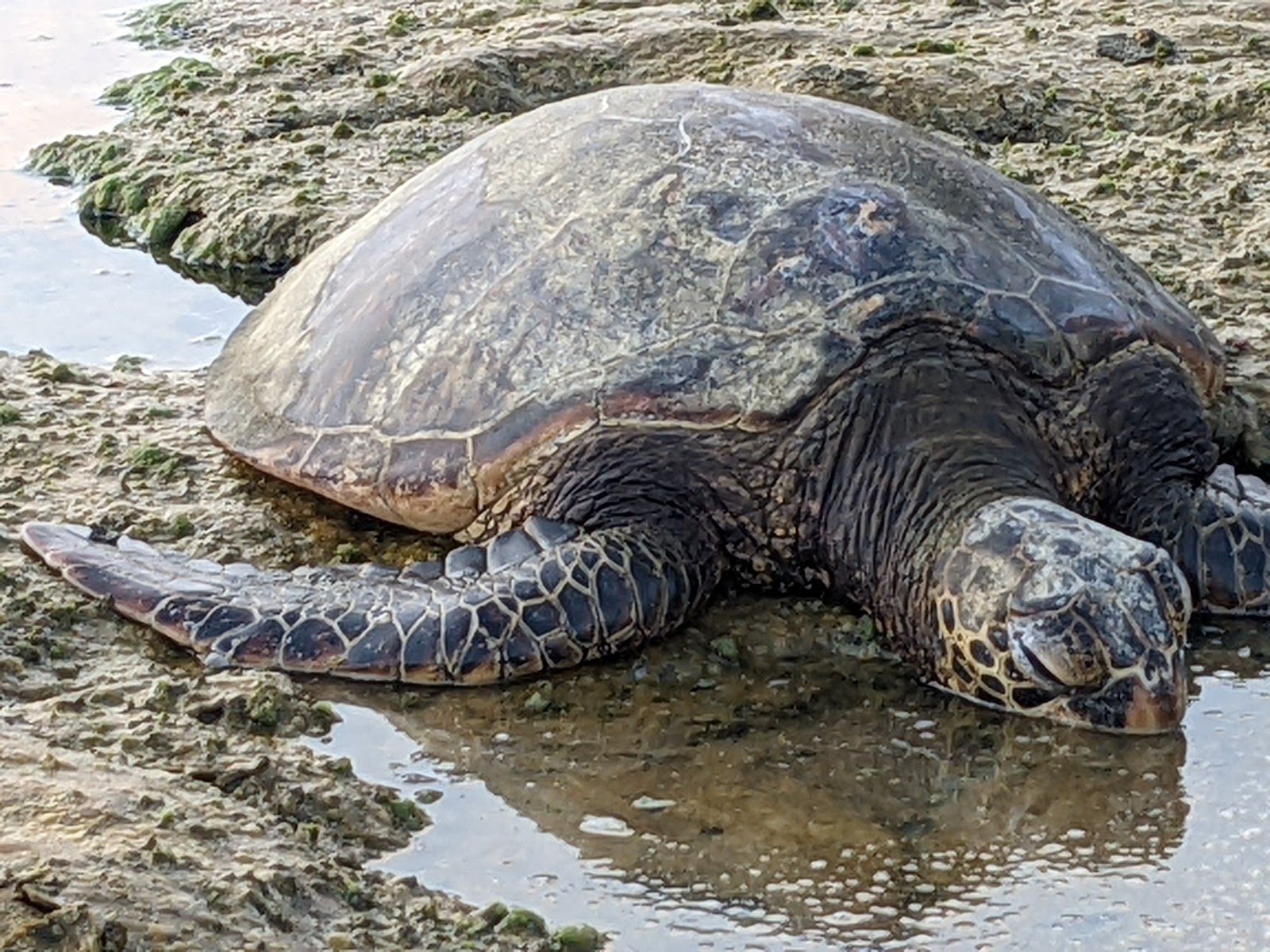
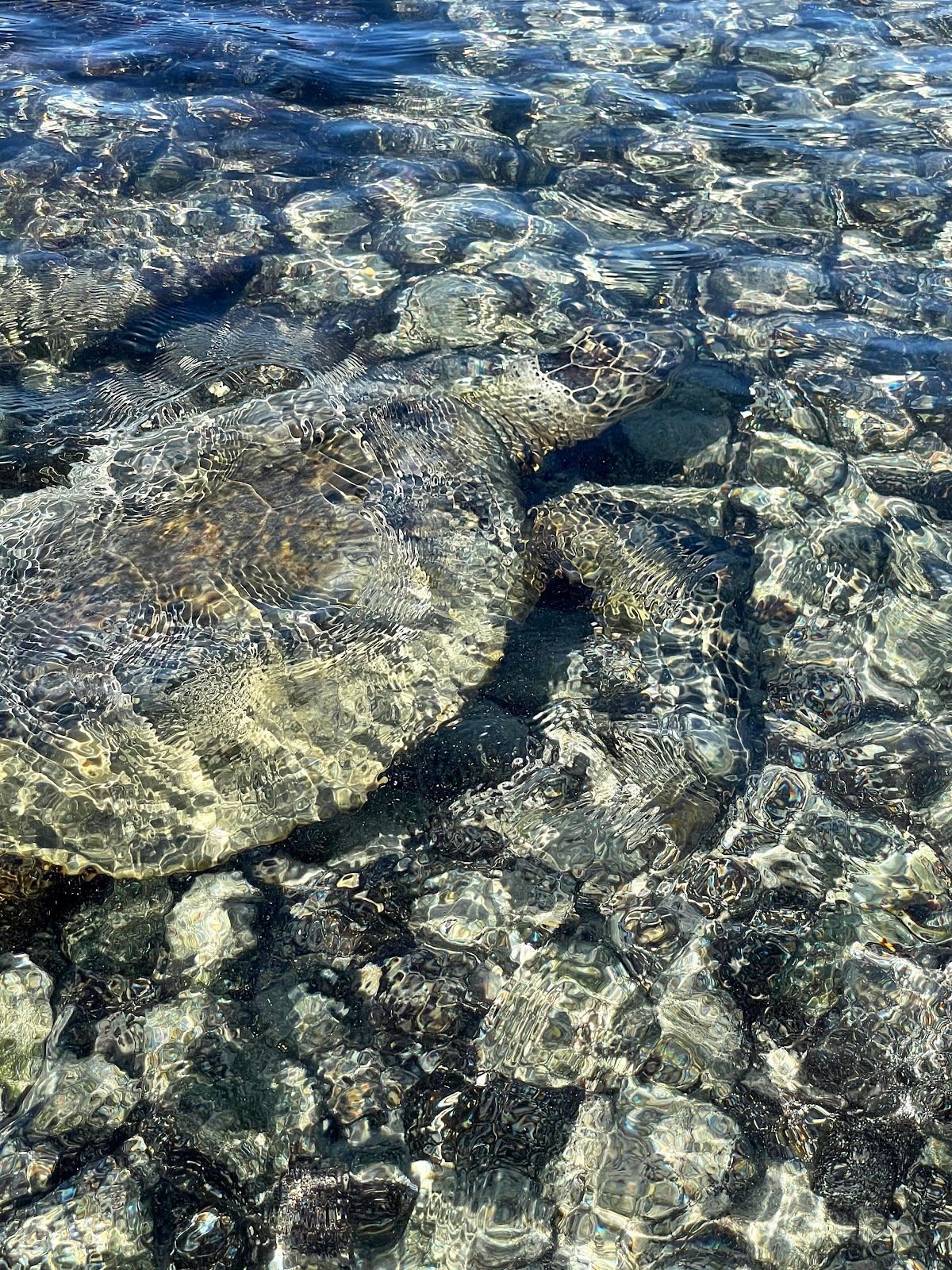
Wildlife is a major part of the park’s draw, especially along the beach and harbor access areas. Green sea turtles commonly rest on shore, and Hawaiian monk seals may also be present. Offshore, the water can be clear enough for snorkeling when conditions cooperate, though the park should be approached as a coastal wildlife and culture stop first, not as a guaranteed swim beach.
That comes with the usual ocean-side cautions. Surf and current conditions matter, and visitors should never assume the water is calm just because the shoreline looks inviting. The park also has little shade and no dependable on-site water, so sun protection and extra hydration are essential. For anyone entering the ocean, reef-safe sunscreen is the better choice.
Best fit for a Kona itinerary
Kaloko-Honokōhau is best for travelers who value culture, shoreline ecology, and a place that rewards slowing down. It is especially strong for families, history-minded visitors, birdwatchers, and anyone who likes combining a short walk with a deeper sense of place. It is also a good value stop: entry is free, and the park fits neatly into a Kona-area day without requiring a big time commitment.
It is less ideal for travelers wanting manicured paths, plentiful amenities, or a simple beach day with easy sand-and-swim access. The park’s rough edges are part of its character. Go expecting a protected coastal landscape with real historical weight, and it becomes one of the more distinctive and memorable stops on the Big Island’s west side.