
Kalopa Native Forest Trail
Explore the tranquil Kalopa Native Forest Trail, an easy 0.7-mile loop through a lush native rainforest, perfect for families and birdwatchers seeking an educational and serene experience.
- Easy 0.7-mile loop trail
- Native Hawaiian rainforest
- Interpretive educational stations
- Birdwatching opportunities
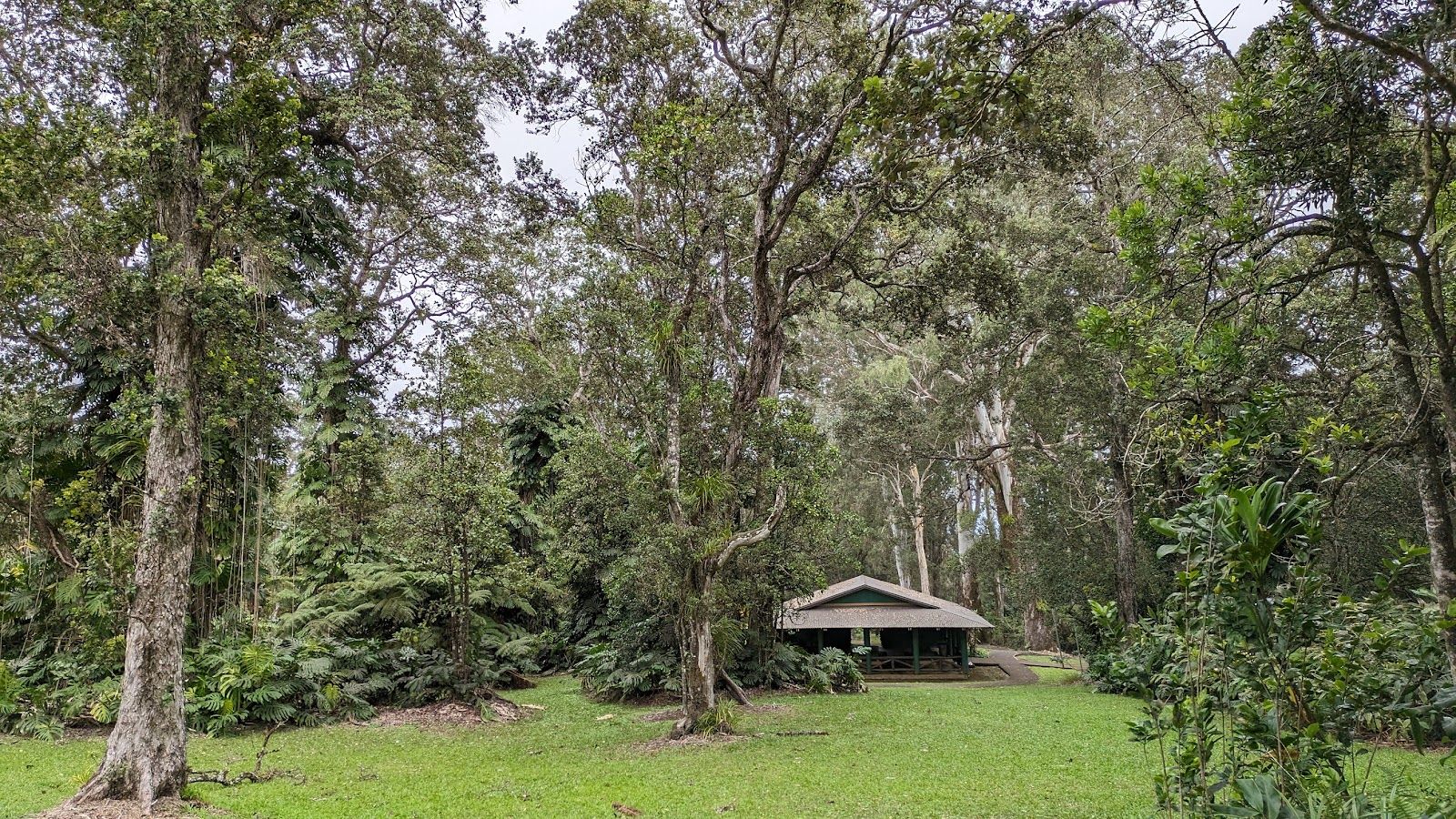
The Kalopa Native Forest Trail is an easy loop hike in Kalopa State Recreation Area, set inland on the Hāmākua Coast above Honokaʻa. It stands out as one of the Big Island’s quieter nature walks: a short, shaded route through cool native rainforest rather than a lava-field trek or a waterfall chase. For travelers who want a restorative stop with a strong sense of place, it delivers a compact but memorable look at Hawaiʻi’s upland forest.
A small loop with a lot of character
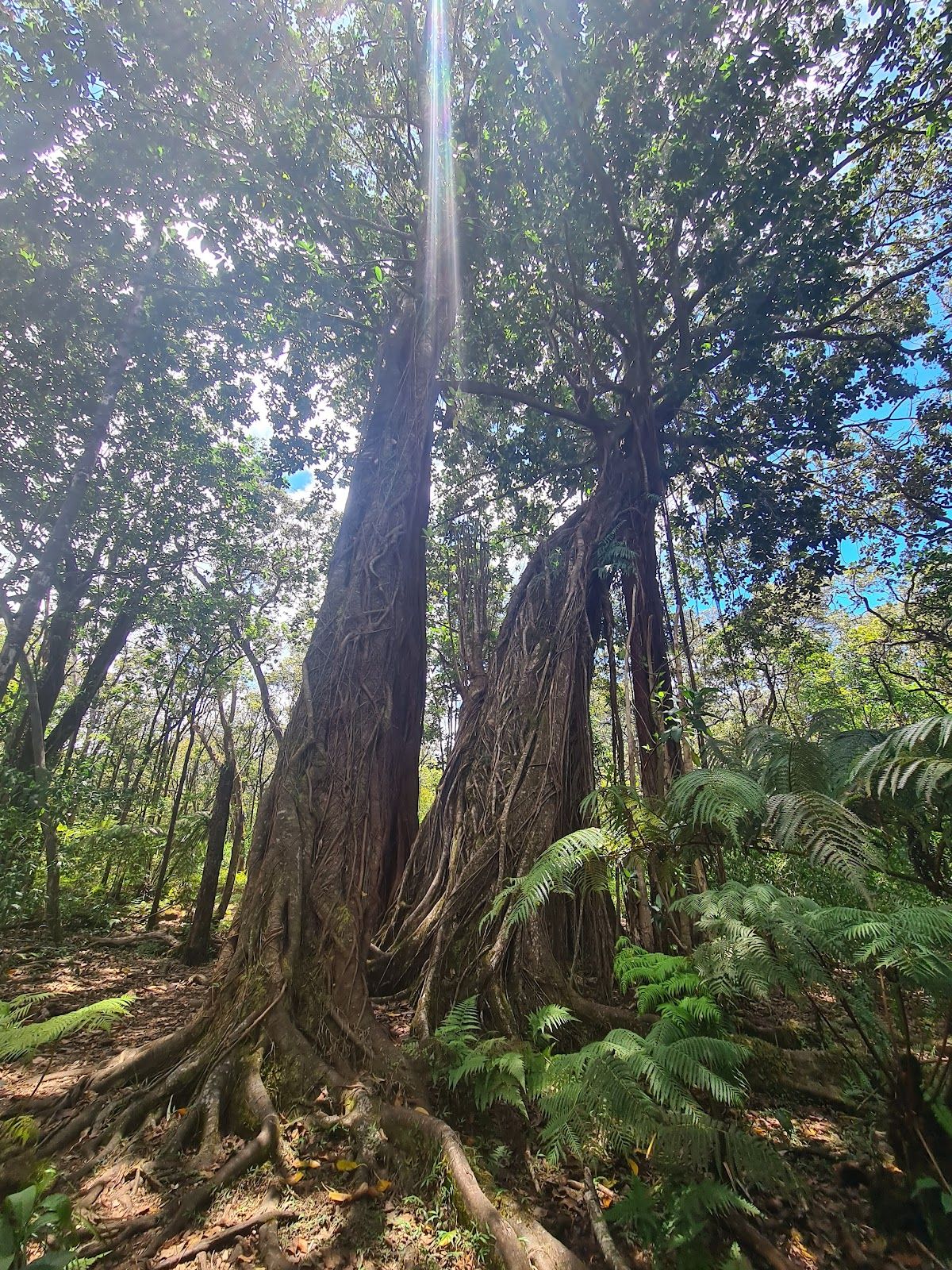
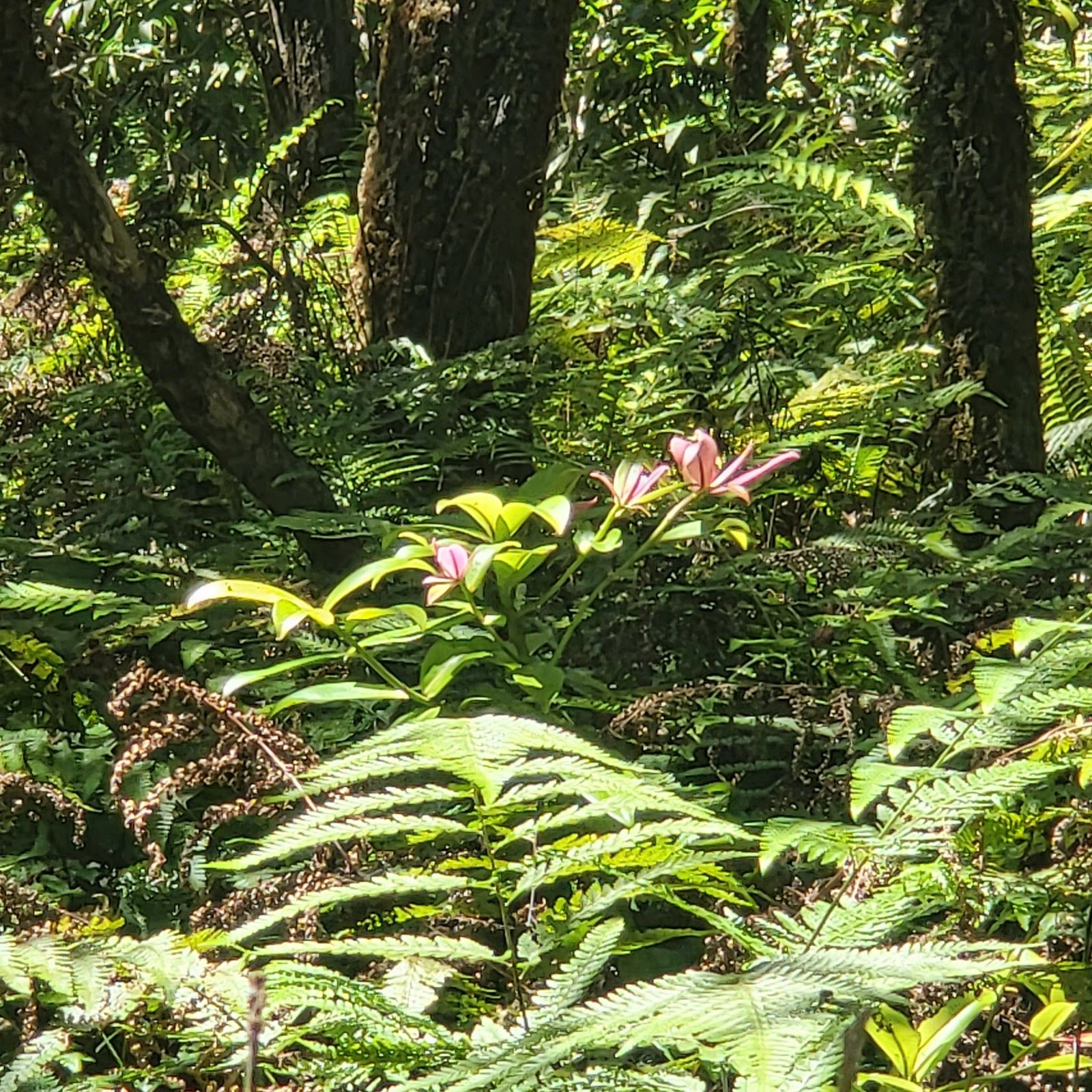
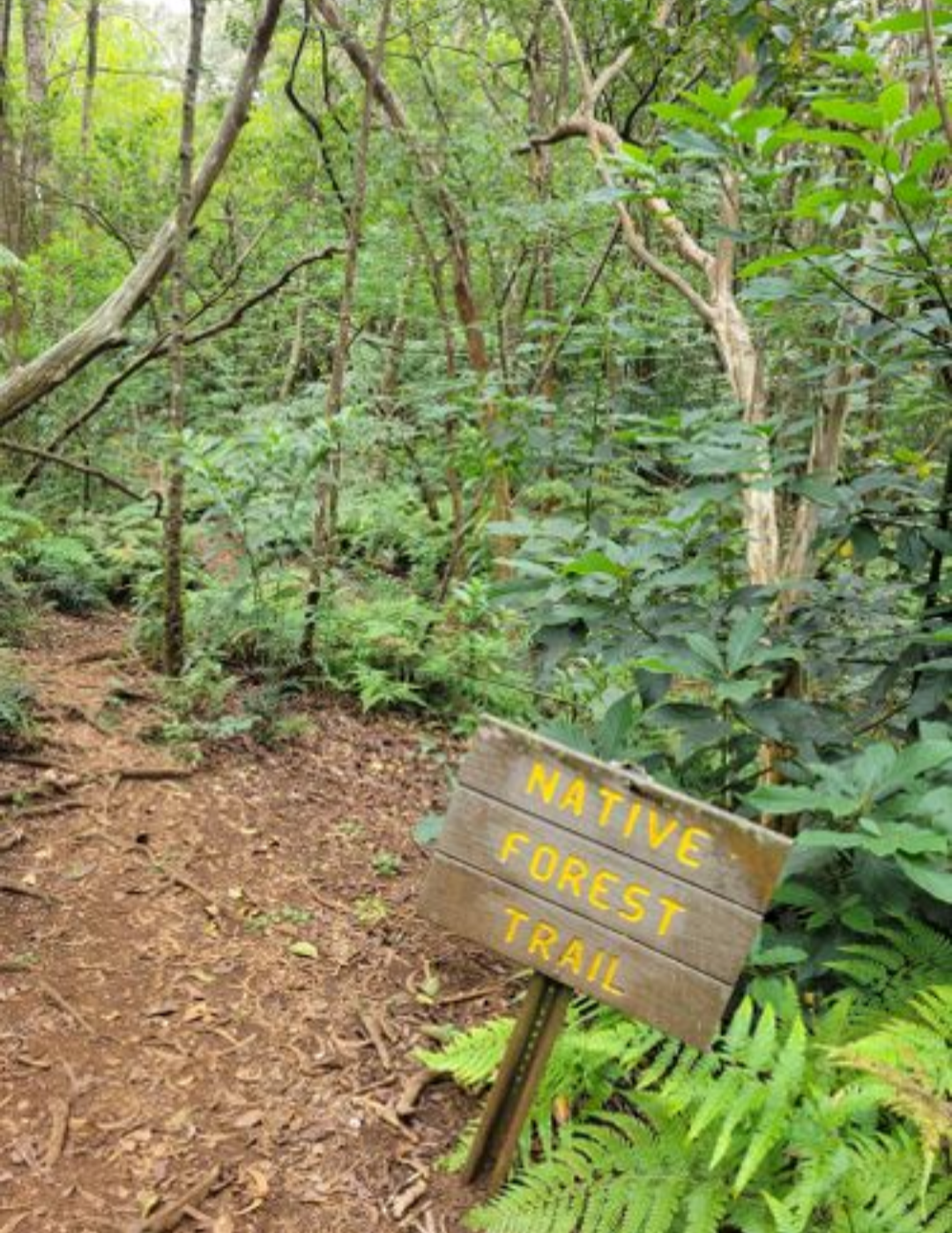
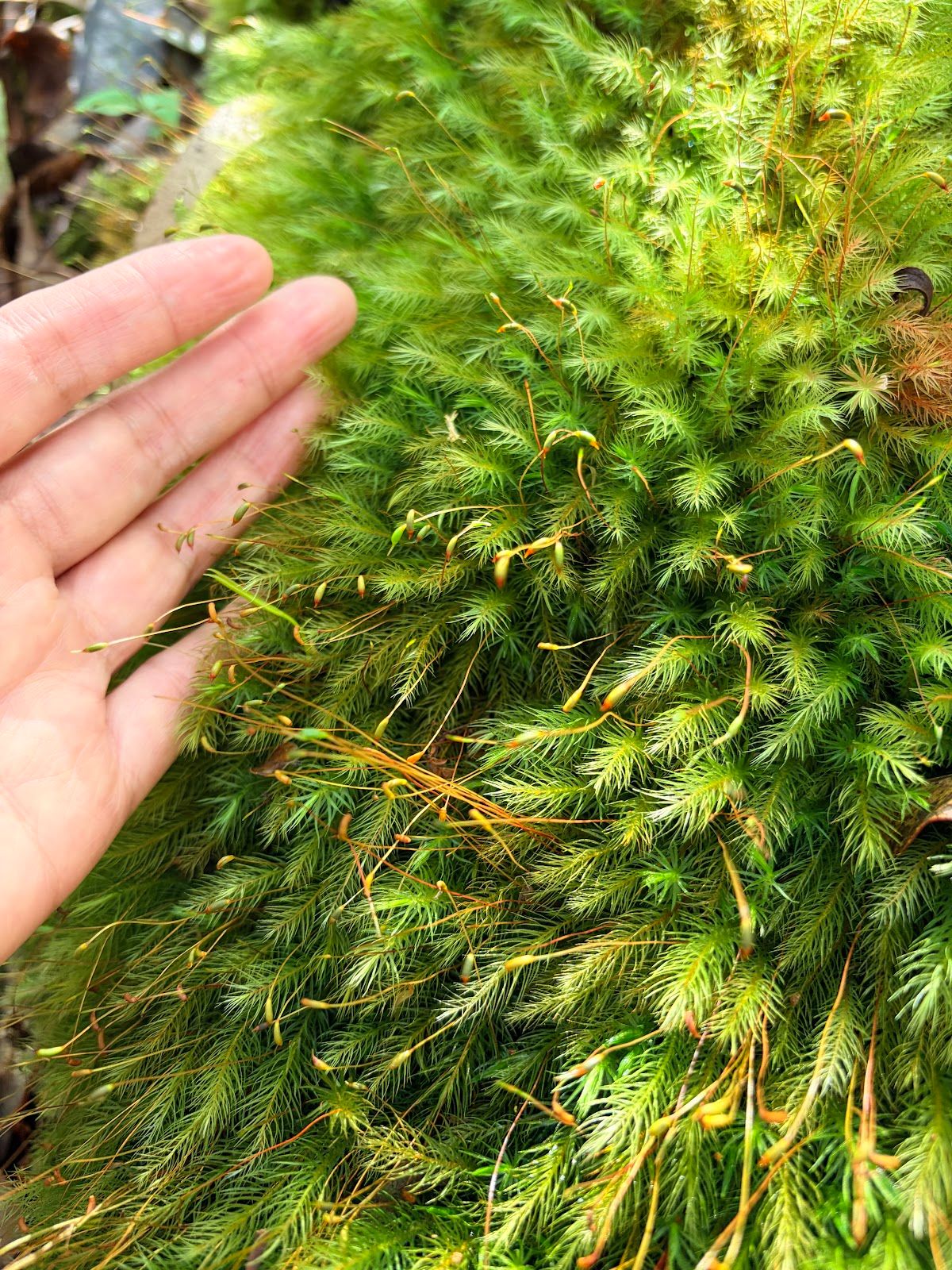
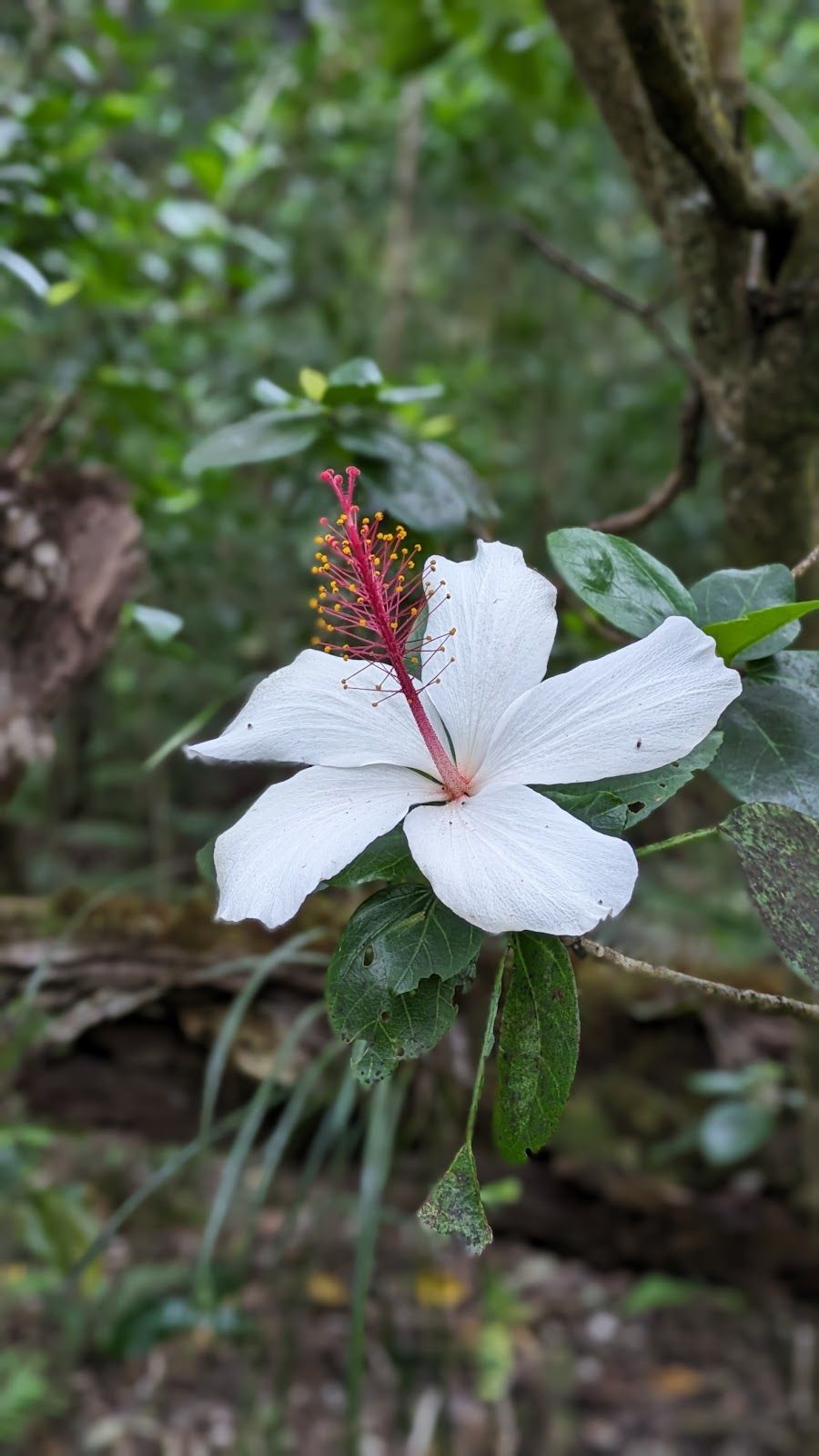
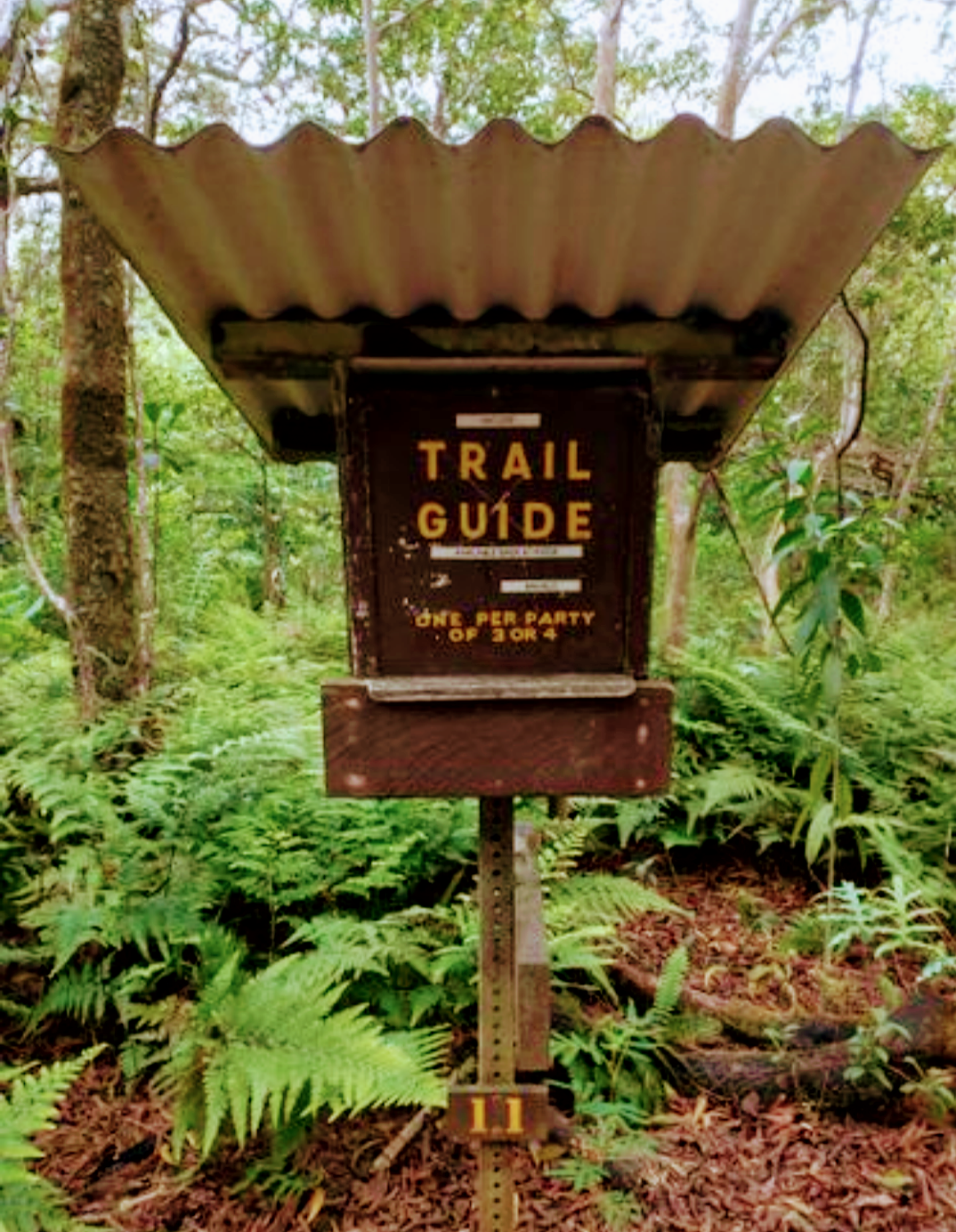
At just 0.7 mile, the Kalopa Native Forest Trail is built for a slow, observant walk. The path threads through ʻōhiʻa, hapuʻu ferns, and a dense understory that gives the area its lush, damp, almost old-world feel. The trail’s interpretive stations make it more than a simple stroll: it functions like a living classroom, with numbered stops tied to a brochure at the trailhead that helps explain the native plants around you.
That educational angle is part of the trail’s appeal. It offers an accessible way to understand what a healthy Hawaiian rainforest looks like, especially for visitors who want more than scenery alone. The forest is cool, green, and quiet, with a mood that is very different from the island’s coastlines and volcanic landscapes.
Birdwatchers also have a reason to linger. Native forest birds such as ʻapapane and ʻamakihi are associated with this kind of setting, and the area is known as a place to listen as much as look. Even without a long hike, there is enough depth here to reward unhurried attention.
Where it fits in a Hāmākua Coast day
Kalopa works best as a short inland detour while exploring Honokaʻa and the Hāmākua Coast. It is close enough to the main north-south travel corridor to fit into a day with a scenic drive, a town stop, or other coastal sightseeing, but far enough inland to feel like a true change of pace. Because the loop is brief and relatively gentle, it can anchor a morning stretch, a mid-day reset, or an easy afternoon add-on without taking over the itinerary.
This is also the kind of activity that makes sense when conditions elsewhere on the island feel too hot, too exposed, or too busy. The higher elevation brings cooler air and more shade, which can be a welcome break after coastal driving. The tradeoff is that the forest setting also brings dampness: rain, mist, and muddy footing are part of the package, so the walk is better approached with shoes that can handle slick ground and a light rain layer.
The practical tradeoffs
Kalopa is easy, but it is not polished in a manicured-park sense. Conditions can be wet and overgrown, and the trail may feel muddy after rain. Mosquitoes can also be an issue in rainforest environments. Staying on the marked route matters both for safety and for protecting the fragile native ecosystem, especially the ʻōhiʻa forest that defines the area.
The park itself is straightforward to use for day visits, with parking and restroom access that make the stop convenient. There is no need to plan around a big logistical commitment for the trail hike itself, though the broader recreation area does have camping and cabin use that follow separate rules and reservations.
Best for an easy, meaningful nature stop
Kalopa Native Forest Trail is best for families, casual hikers, birdwatchers, and anyone who wants a short walk with substance. It is a strong choice for travelers who value quiet over spectacle and who are interested in Hawaiʻi’s native forest rather than a high-adrenaline hike. Those looking for longer mileage, dramatic elevation gain, or iconic waterfall views will probably find better fits elsewhere on the island.
For the right traveler, though, Kalopa is exactly the kind of stop that gives a Big Island itinerary texture: simple, shaded, educational, and grounded in a landscape that feels distinctly Hawaiian.