
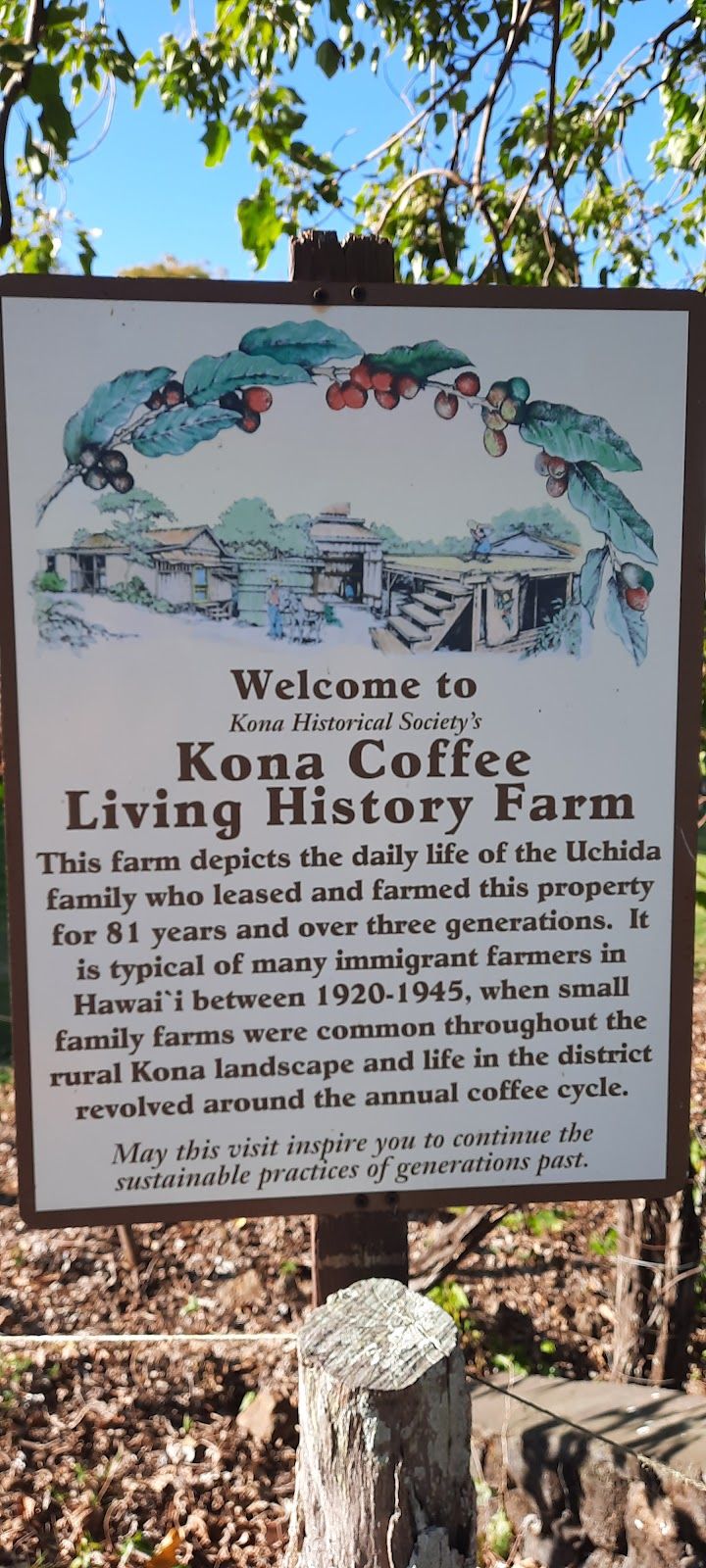
Kona Coffee Living History Farm
Step back in time at this award-winning living history farm, exploring the daily lives of Japanese immigrant coffee pioneers from the early 20th century.
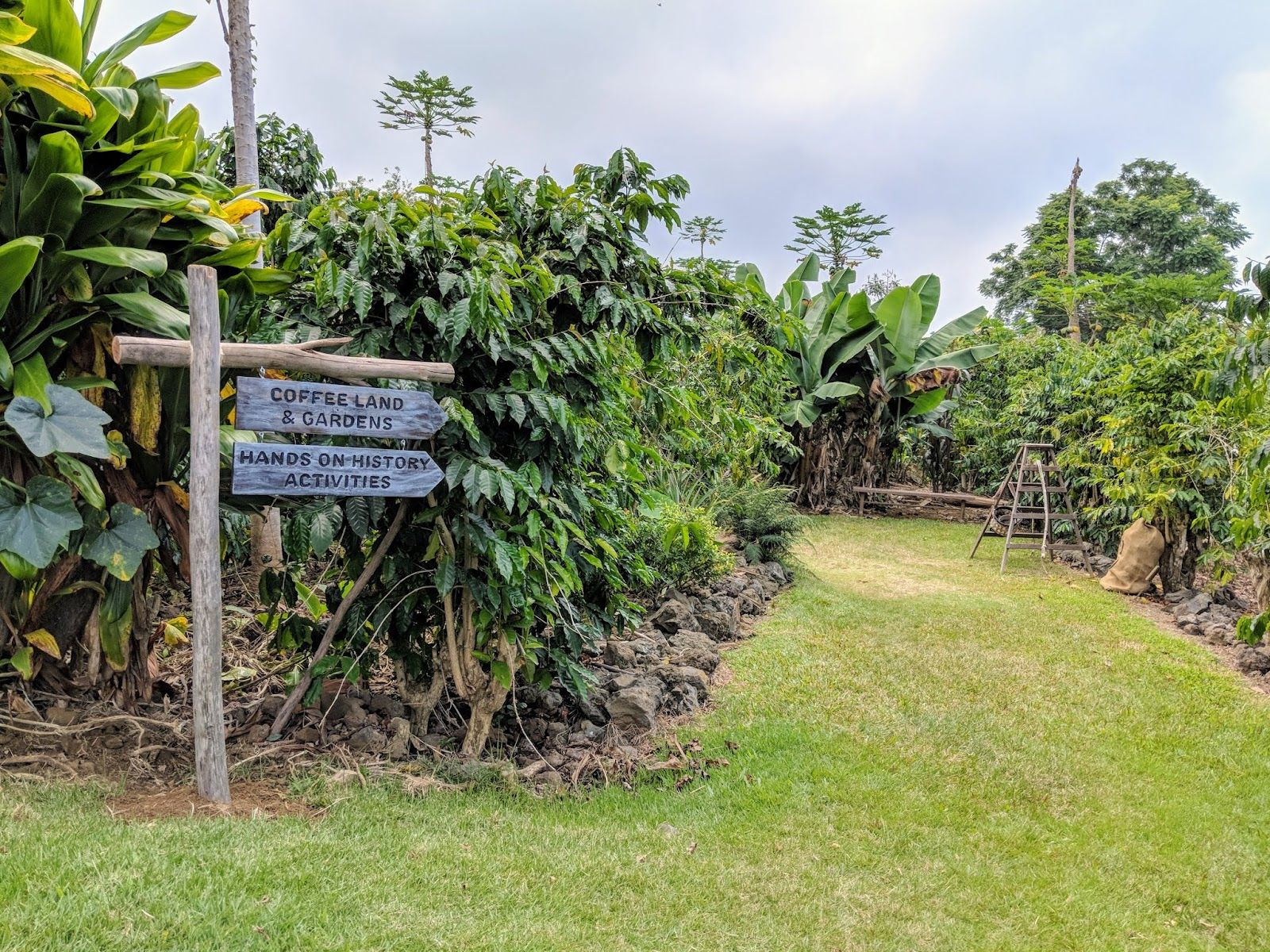
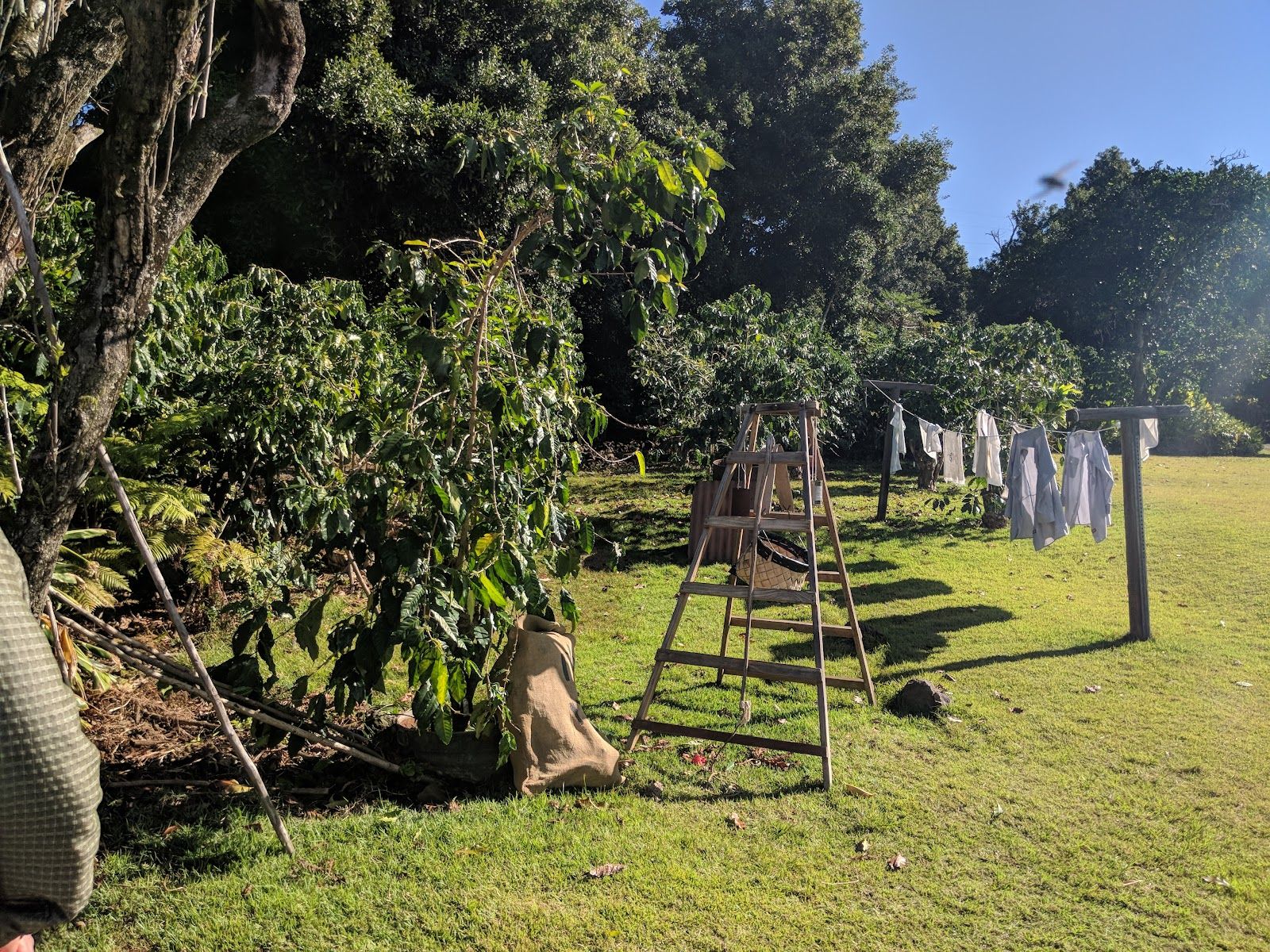
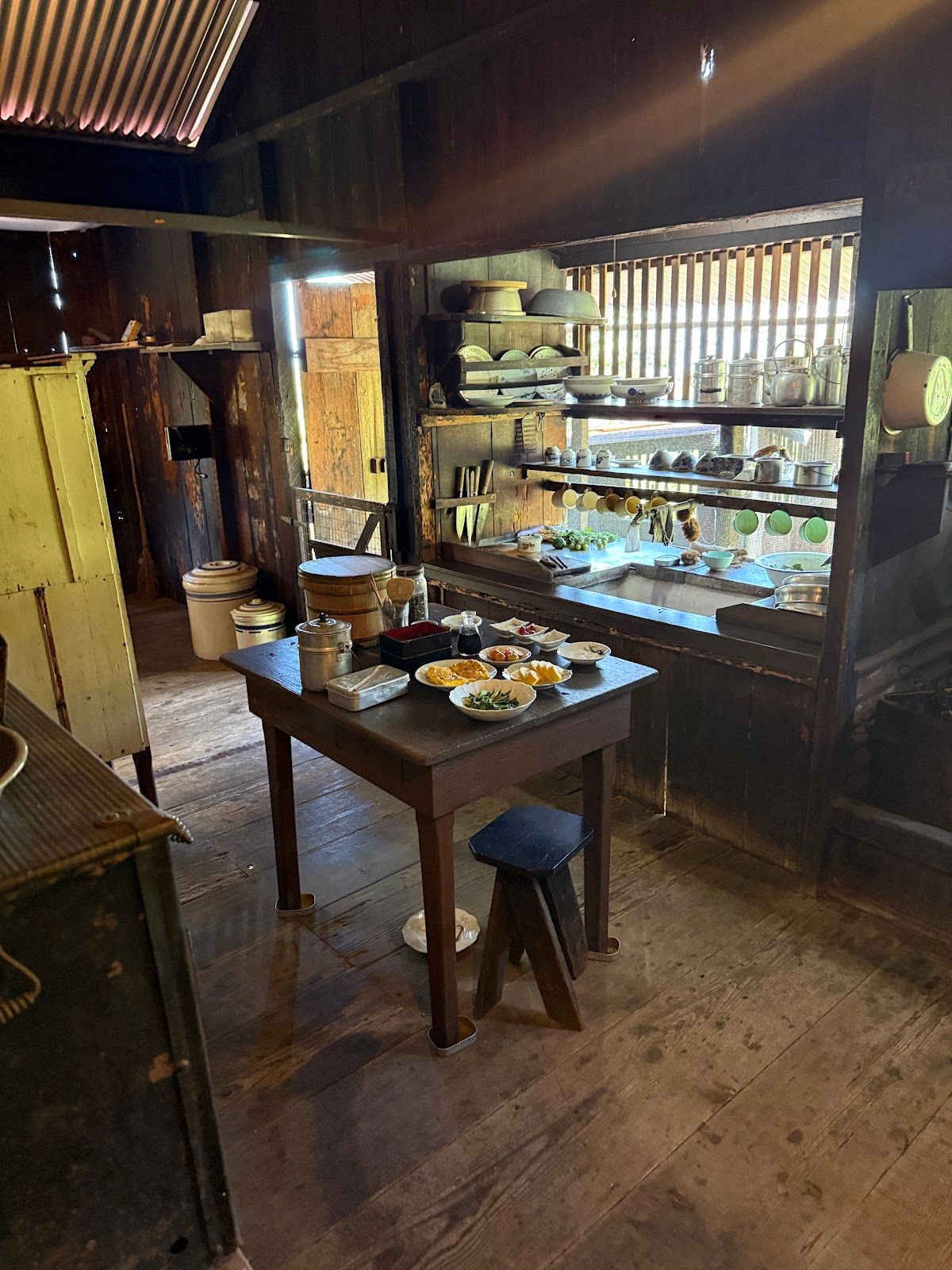
- Self-guided tour available
- Costumed interpreters present
- Learn about Kona coffee history
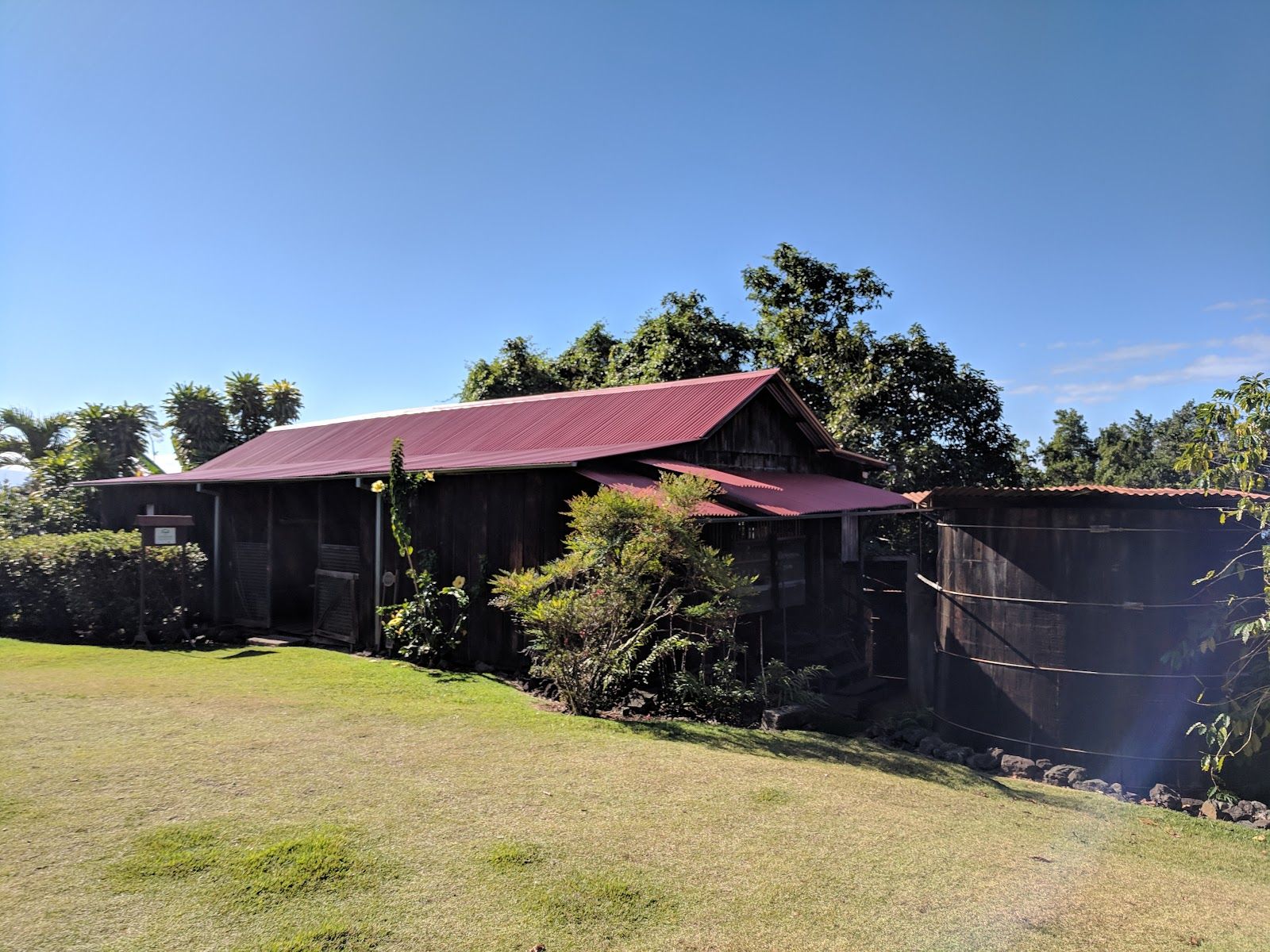
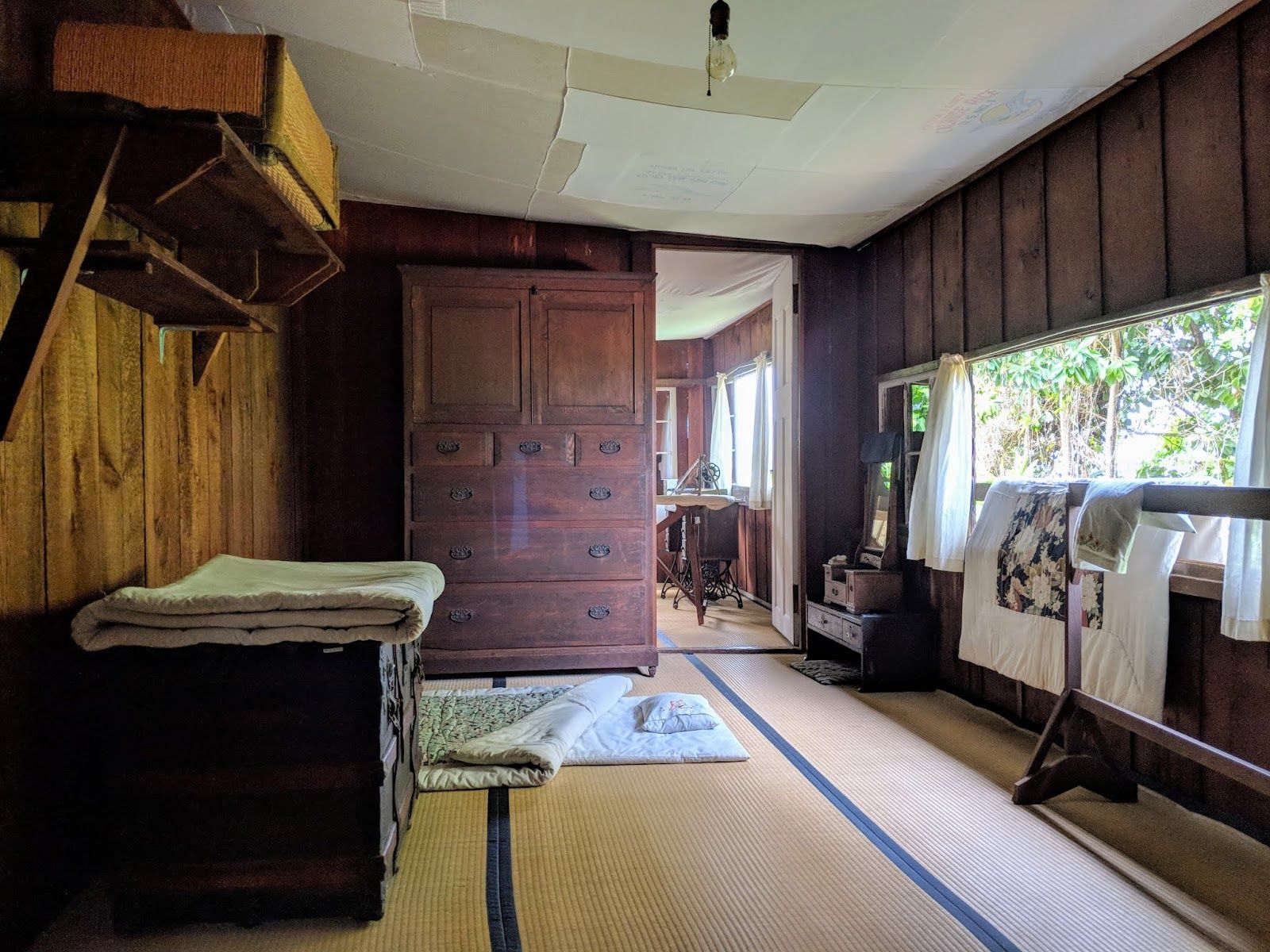
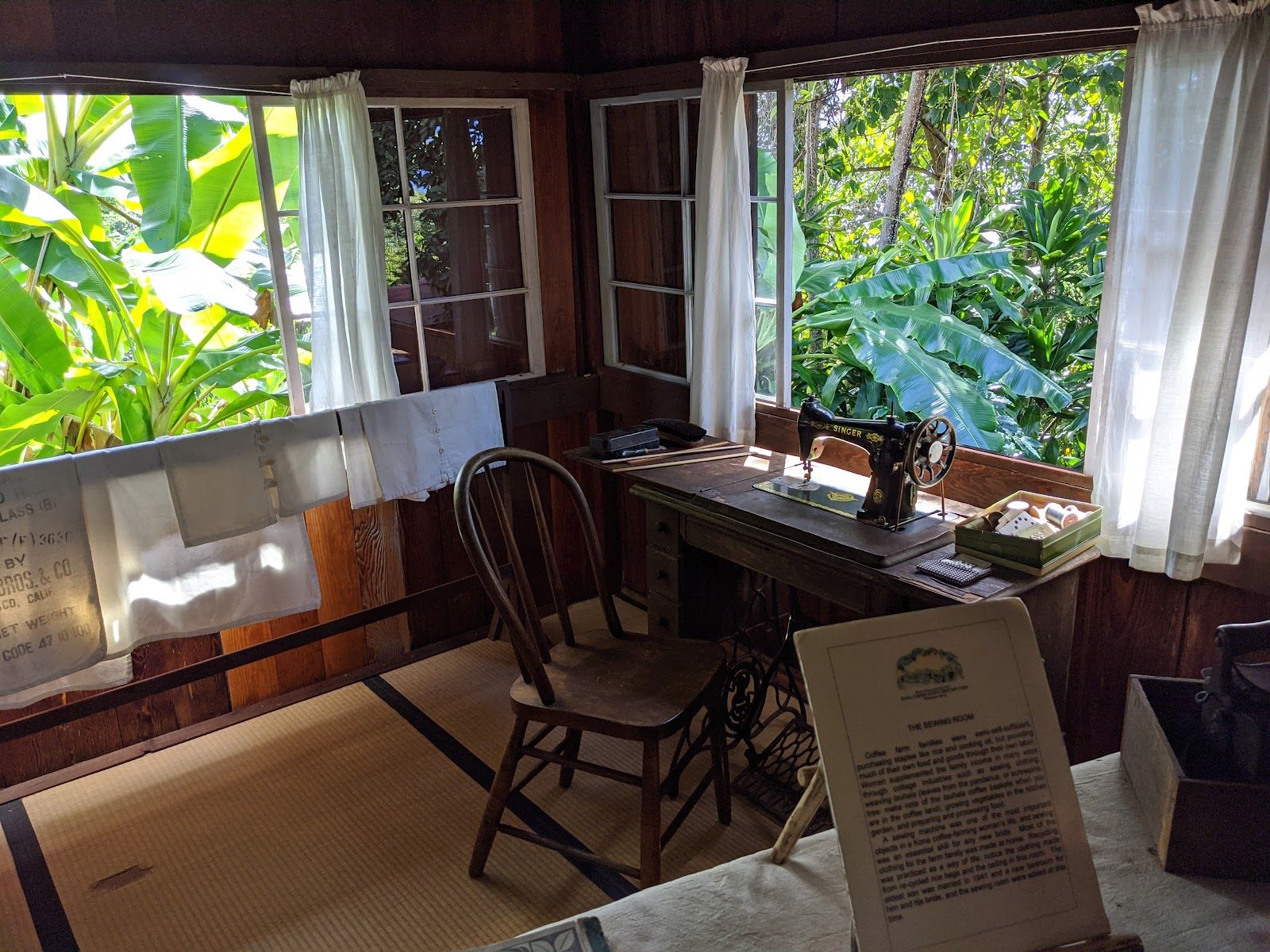
- Historic 1920s Japanese farmhouse
Kona Coffee Living History Farm is a South Kona cultural stop that fits neatly between Kona’s scenic highway and its coffee country backroads. Set in Captain Cook, it stands out because this is not a glossy tasting room or a quick plantation photo op; it is a working-style living history museum that explains how Kona coffee was grown and processed by Japanese immigrant families in the early 20th century. For travelers trying to understand the island beyond beaches and volcano views, it adds useful depth to a day in the coffee belt.
A walk through Kona’s coffee-pioneer past
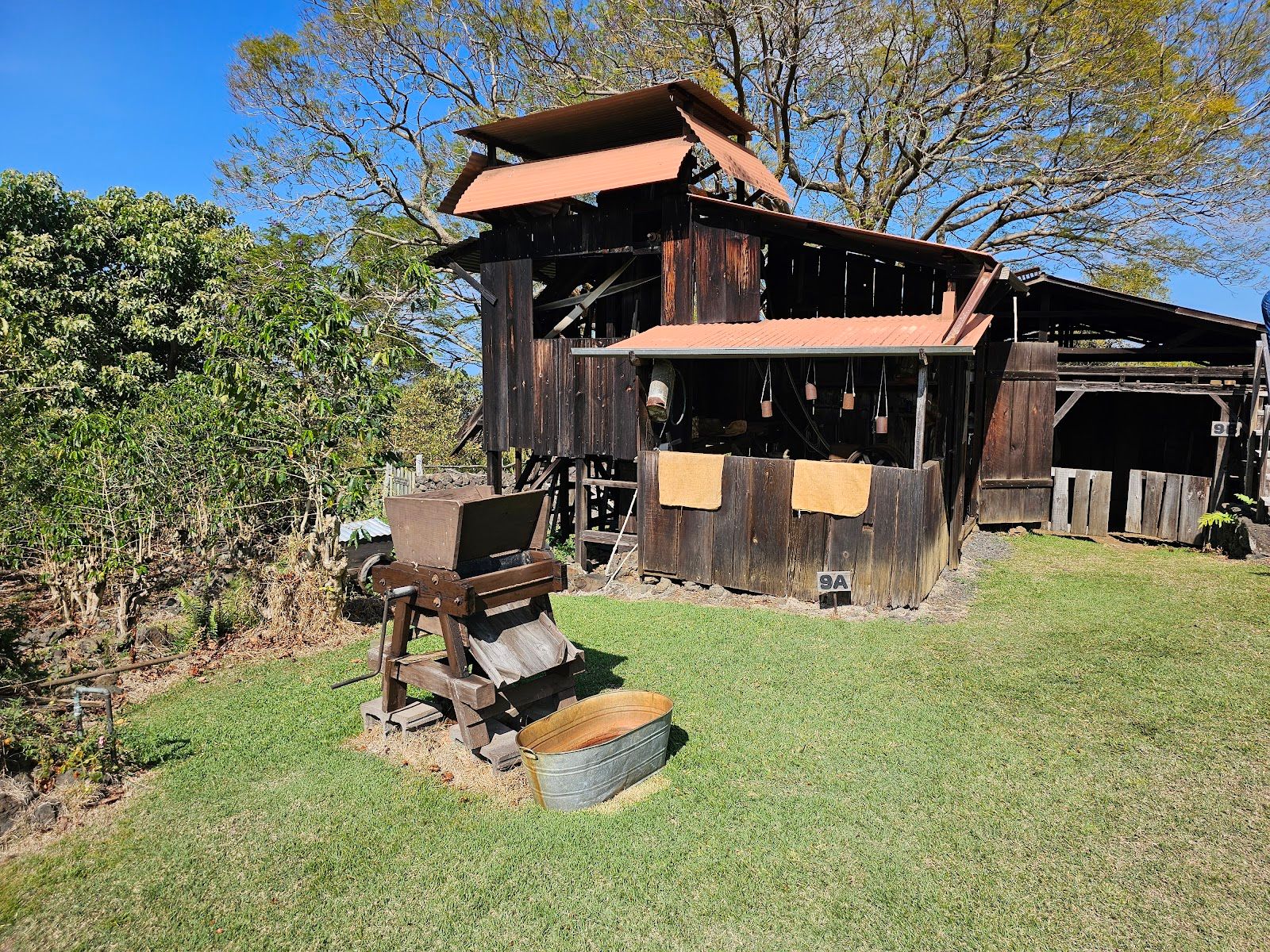
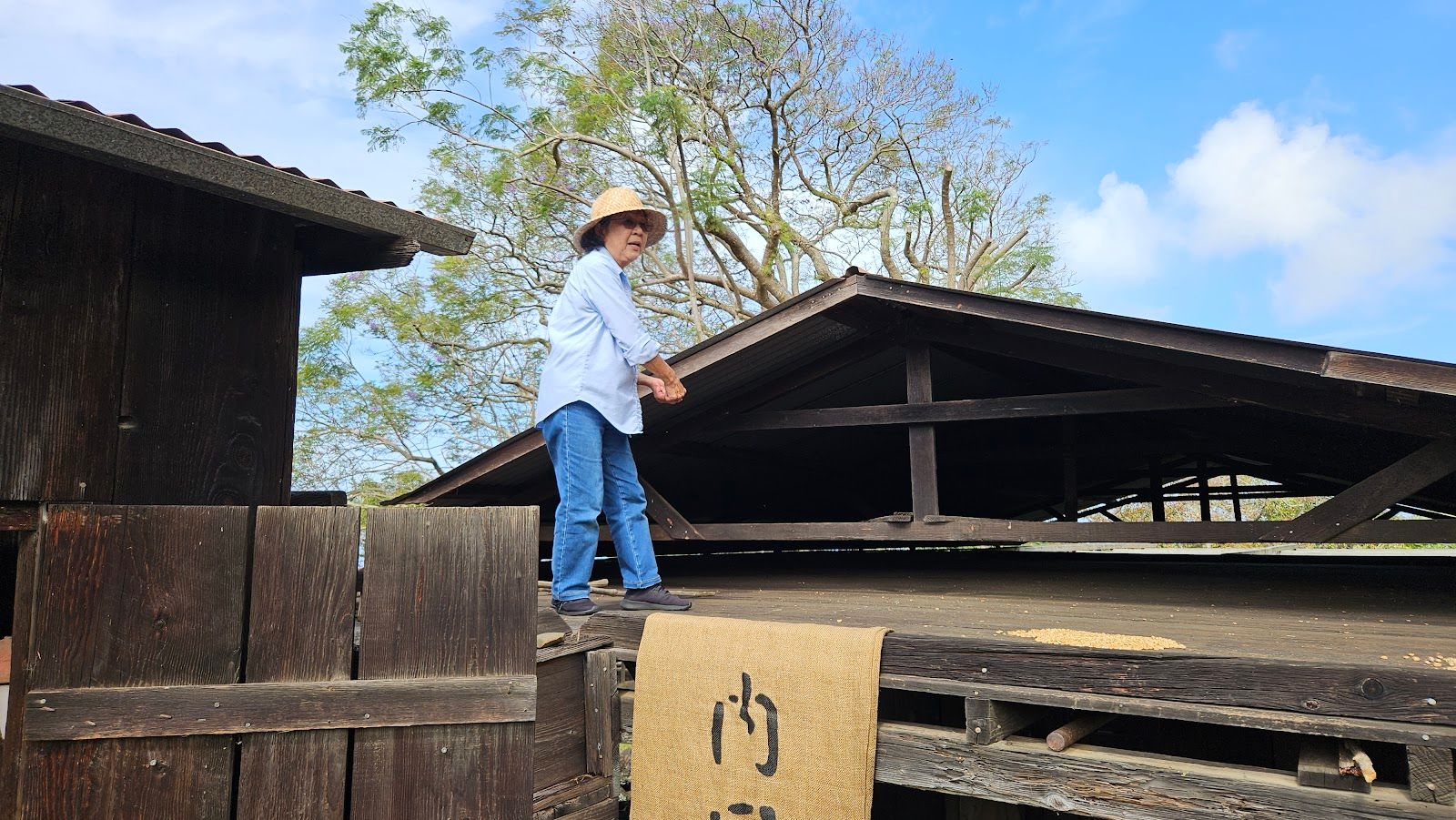
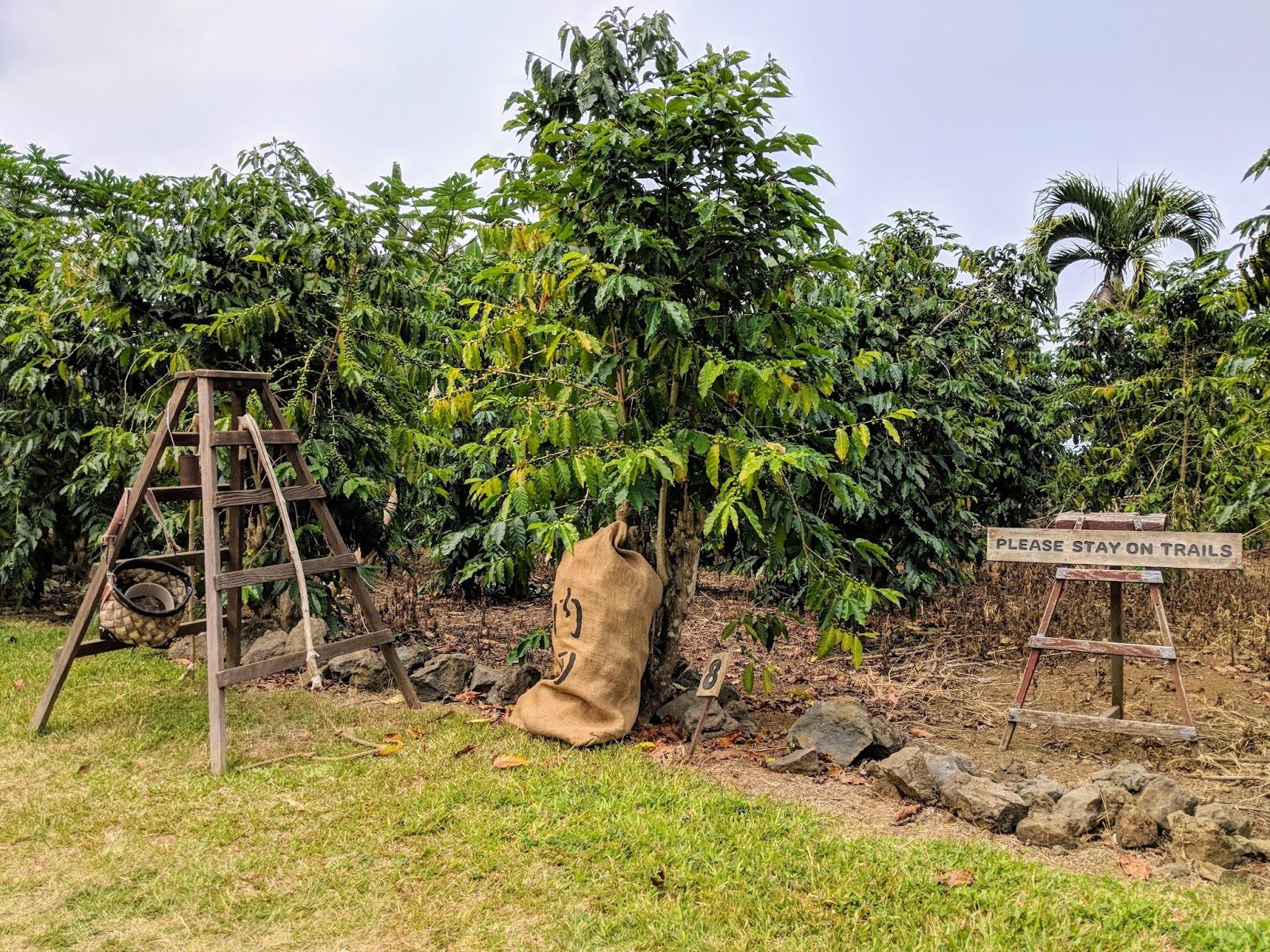
The experience is structured as a self-guided visit through orchard, farmhouse, and coffee-processing spaces, with costumed interpreters helping the place feel lived-in rather than staged. The historic structures are the real draw: a 1920s Japanese farmhouse, an original coffee mill, and a drying platform that show how labor-intensive Kona coffee once was.
That setting gives the visit its character. The farm focuses on daily life, not just agriculture, so it tells a broader story about immigrant work, household routines, and the rhythms of rural Kona. Guests can move at an easy pace, linger over details, and “talk story” with interpreters rather than rush through on a fixed group tour. The result is a stop that feels both educational and human-scale.
The farm is also home to donkeys and free-range chickens, which adds a little farmyard charm without turning the site into a petting zoo. A small gift shop offers Kona coffee and locally made gifts, making it easy to leave with something that connects back to the visit.
Why it works so well in South Kona
This is one of the better itinerary blocks in South Kona because it pairs naturally with the drive itself. The farm sits along Hawaiʻi Belt Road in Captain Cook, south of Kailua-Kona, so it can be folded into a morning or early afternoon of coffee-country exploring without requiring a long detour. That makes it a strong fit alongside other South Kona stops, whether the day centers on coffee, heritage sites, or the scenic push toward the ocean-facing stretches of the district.
It also functions well as a rainy-day or mixed-weather stop. Much of the appeal comes from the blend of indoor and outdoor spaces, so the visit remains worthwhile even when conditions are less ideal for a beach day or a longer hike. Because the site is compact, it does not demand a huge time commitment; many travelers will find it best as a focused side trip rather than the anchor of an entire day.
The main tradeoffs: limited hours and a slower pace
The biggest planning issue is simply that the farm keeps limited operating hours. It is not the kind of place to wander into casually whenever you pass by, so timing matters. Travelers should check current hours before building the day around it, especially if they are combining several South Kona stops.
Access is generally straightforward, with on-site parking and an easygoing pace, but the experience is not fully universal for all mobility needs. Some areas are more accessible than others, so travelers with mobility concerns should plan accordingly. Since the site is built around preserved historic structures and paths rather than a modern museum layout, a little flexibility helps.
Best for history lovers, coffee fans, and families
Kona Coffee Living History Farm is at its best for travelers who want context behind Kona coffee, not just a cup at the end of a tour. It is especially rewarding for visitors interested in Hawaiian history, Japanese immigrant heritage, agriculture, and culture. Families often do well here too, since the interpreters, farm setting, and animals keep it engaging without making it feel overly formal.
Travelers who want a fast, modern coffee tasting or a more commercial plantation experience may prefer another stop. But for anyone who wants to understand how Kona coffee became part of the island’s identity, this farm earns its place on a South Kona itinerary.