
Kona Honu Divers
Kona Honu Divers offers world-class scuba diving tours, including the renowned Manta Ray Night Dive and unique Blackwater Dive, alongside PADI certifications on the Big Island.
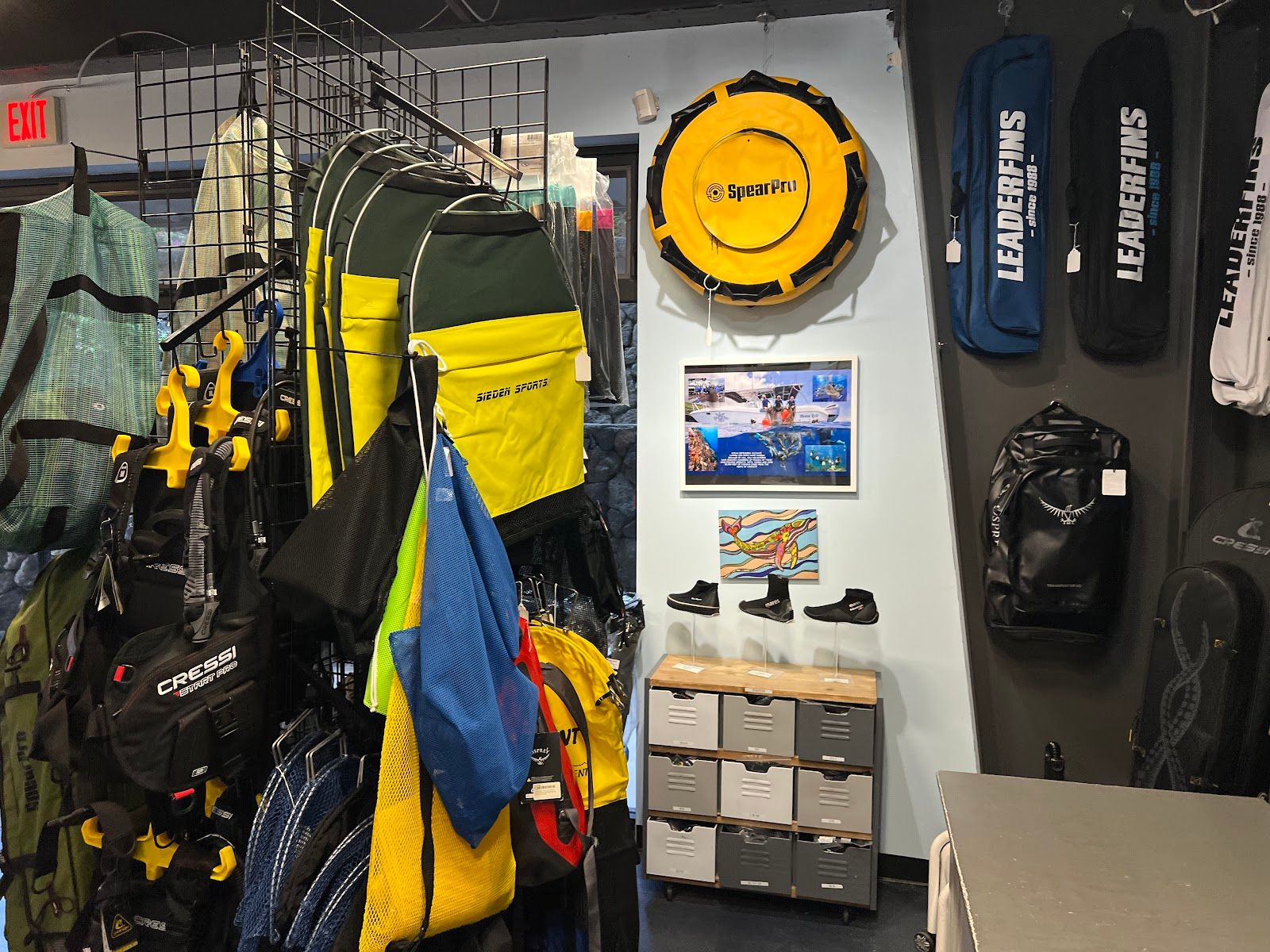
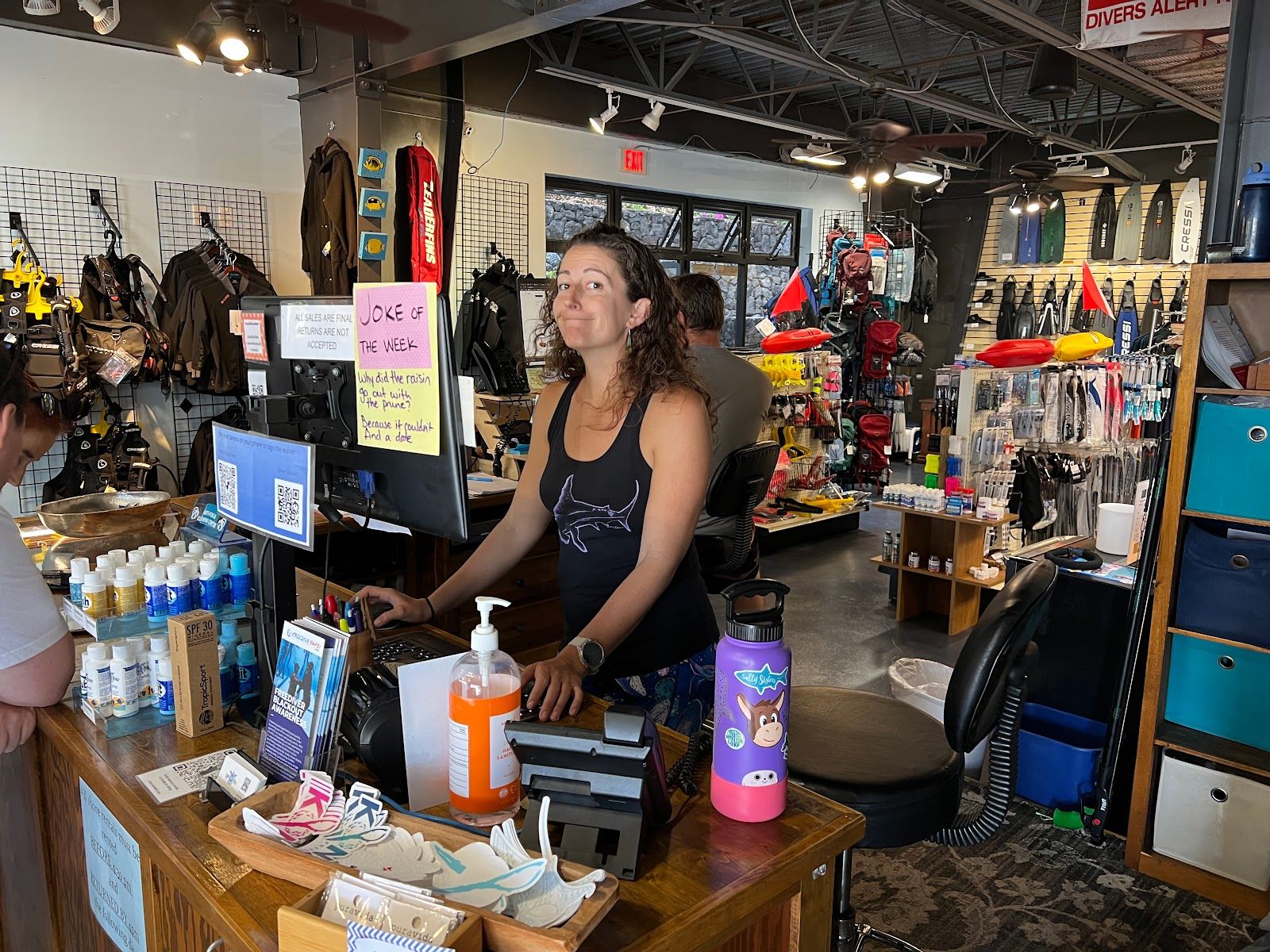
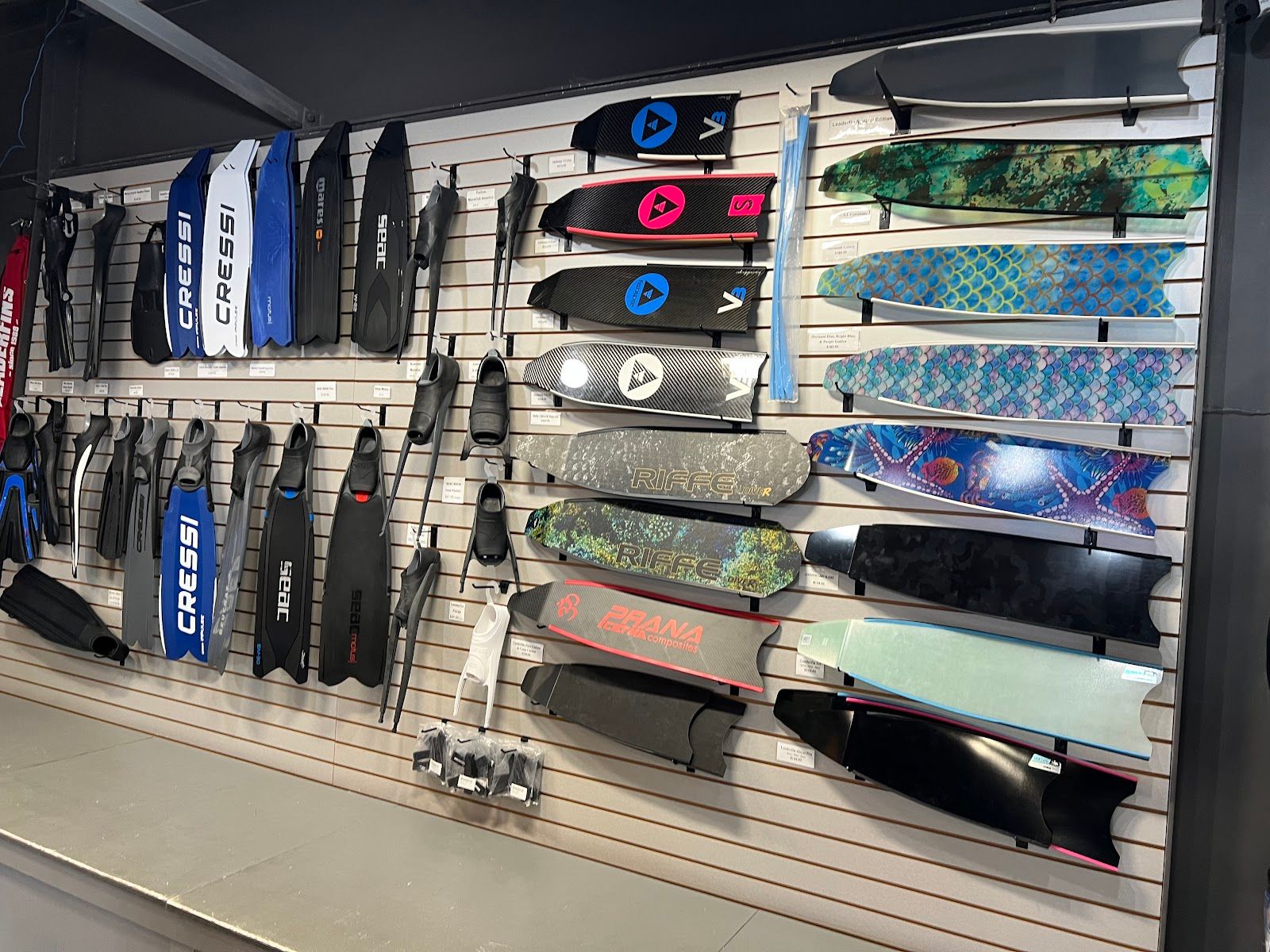
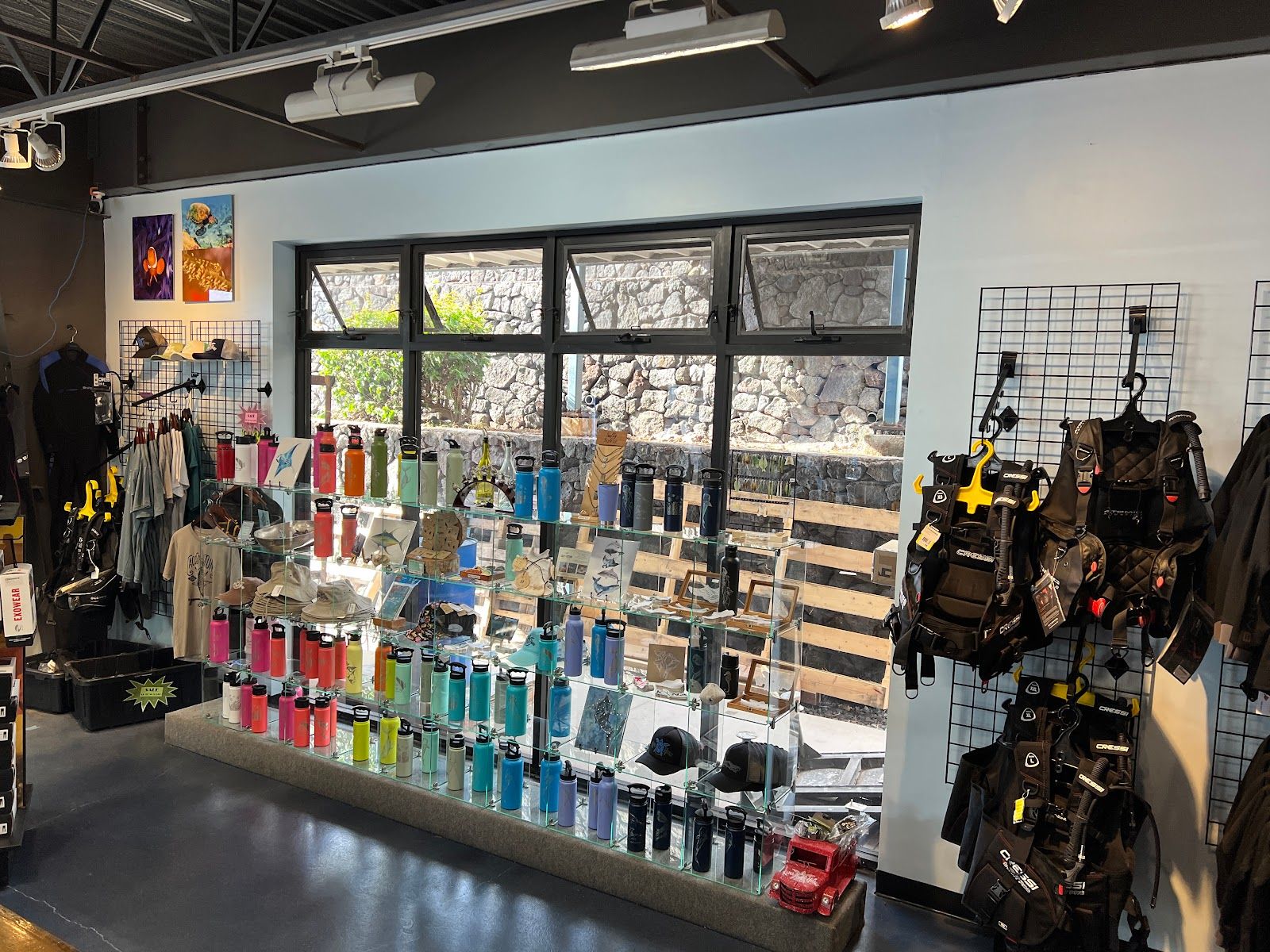
- Guided scuba diving tours
- World-famous Manta Ray Night Dive
- Unique Blackwater Night Dive experience
- Full range of PADI certifications
Kona Honu Divers is a Kailua-Kona dive operator built for travelers who want one of the Big Island’s most memorable underwater outings without sacrificing organization or comfort. It sits in the heart of Kona’s dive corridor, but the real draw is offshore: this is the kind of operator that turns a half-day in the water into a signature island experience, especially for certified divers chasing Kona’s famous manta ray night dive or the more specialized blackwater dive.
Kona’s most distinctive dives, led from Honokohau Marina
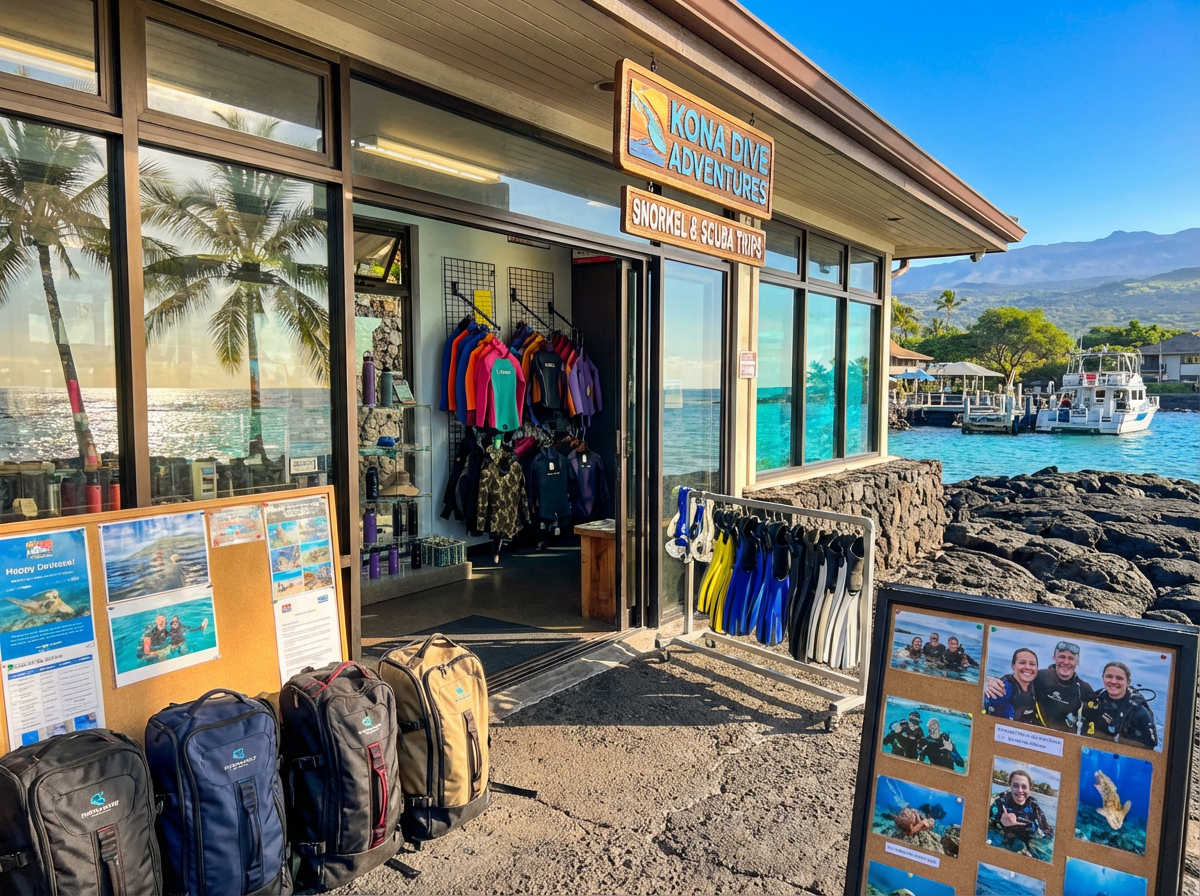
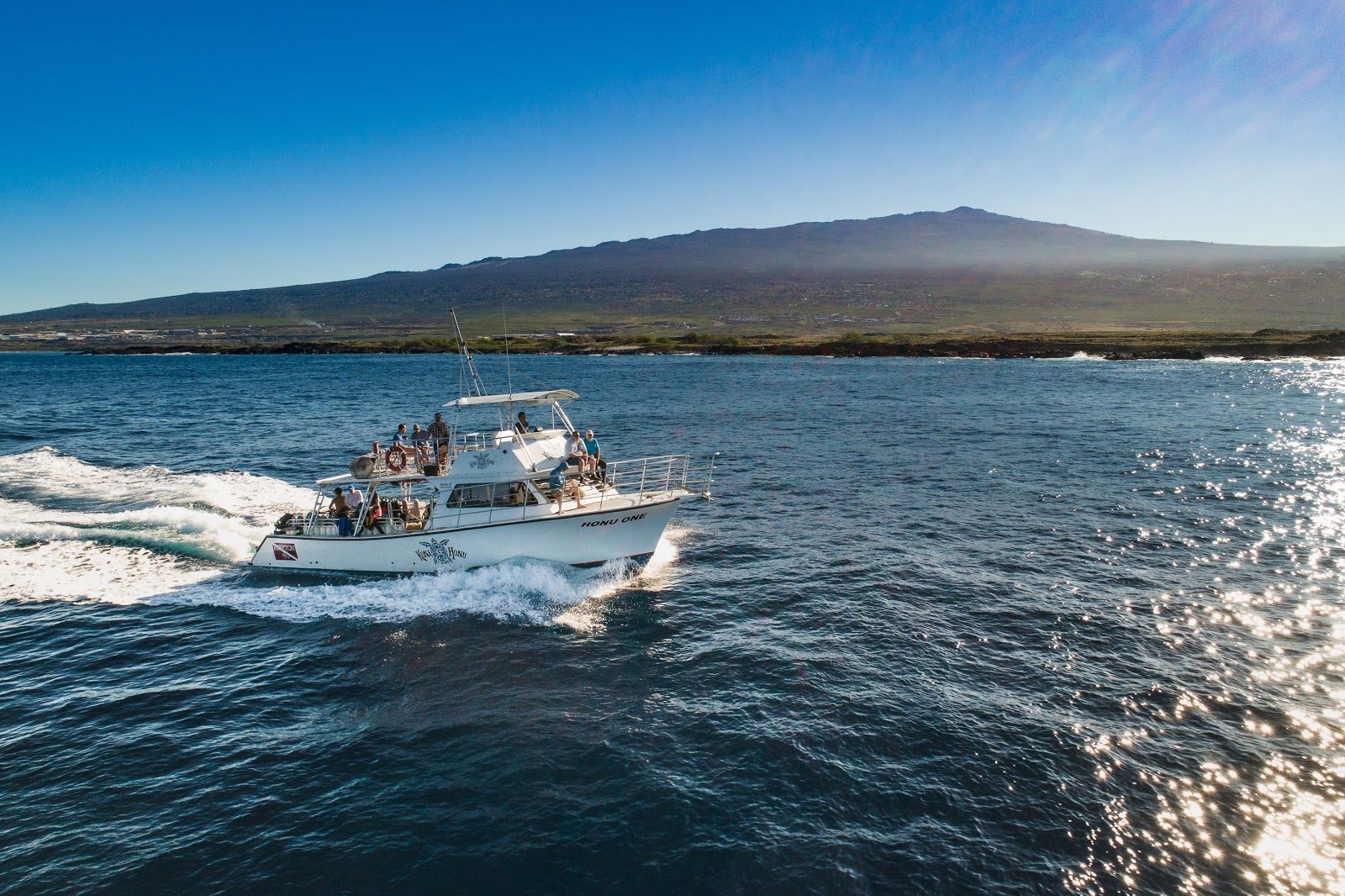
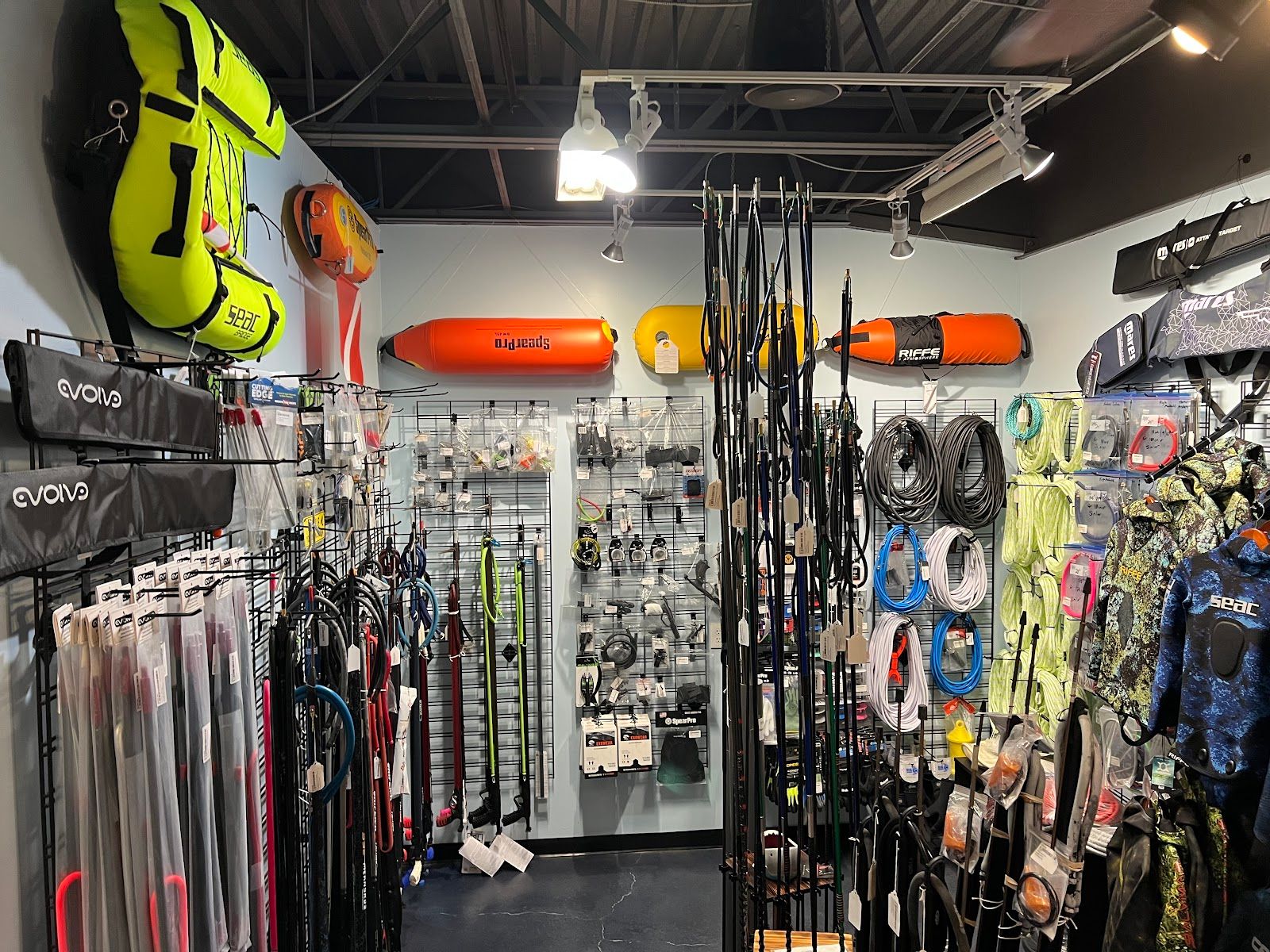
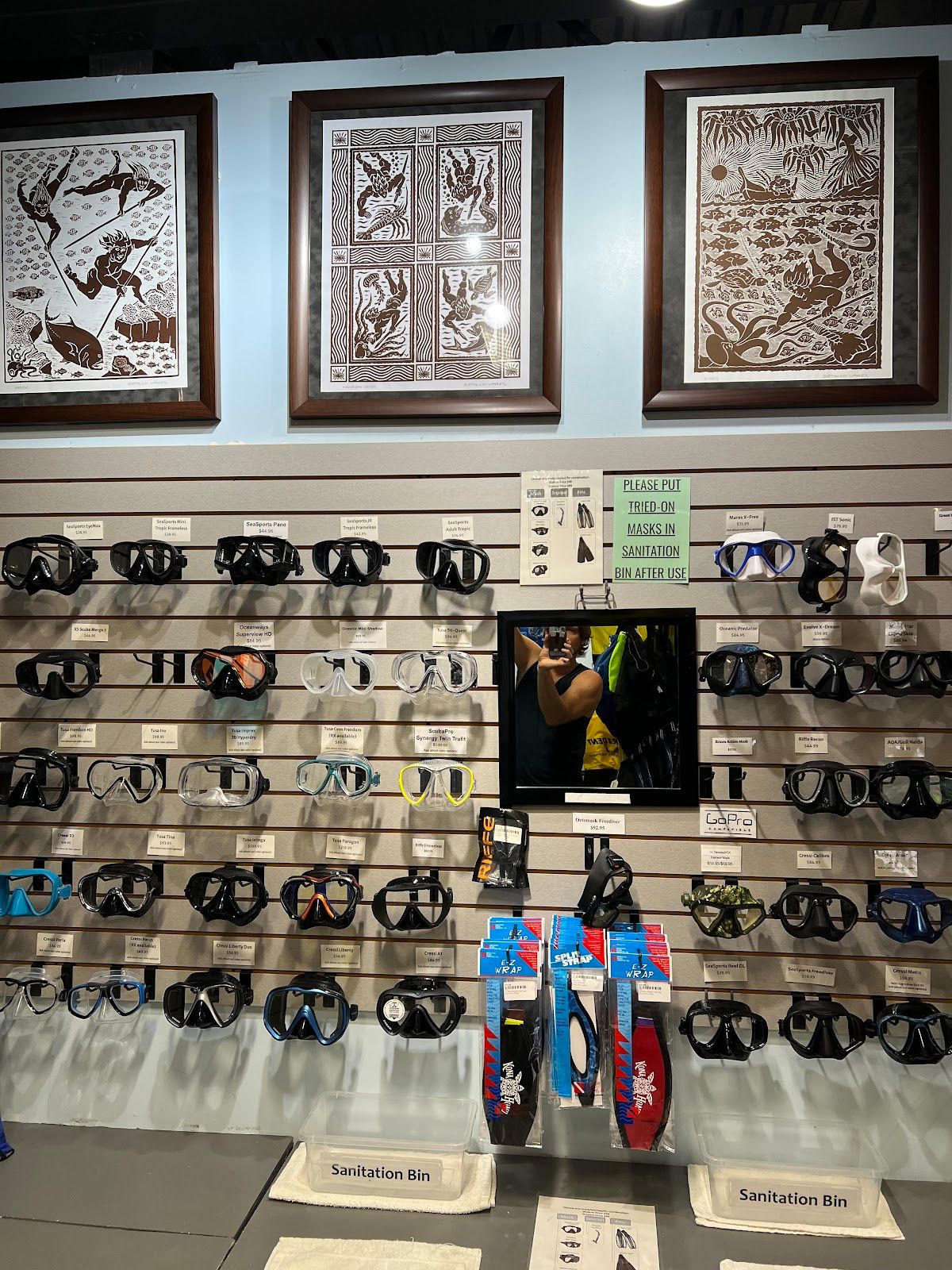
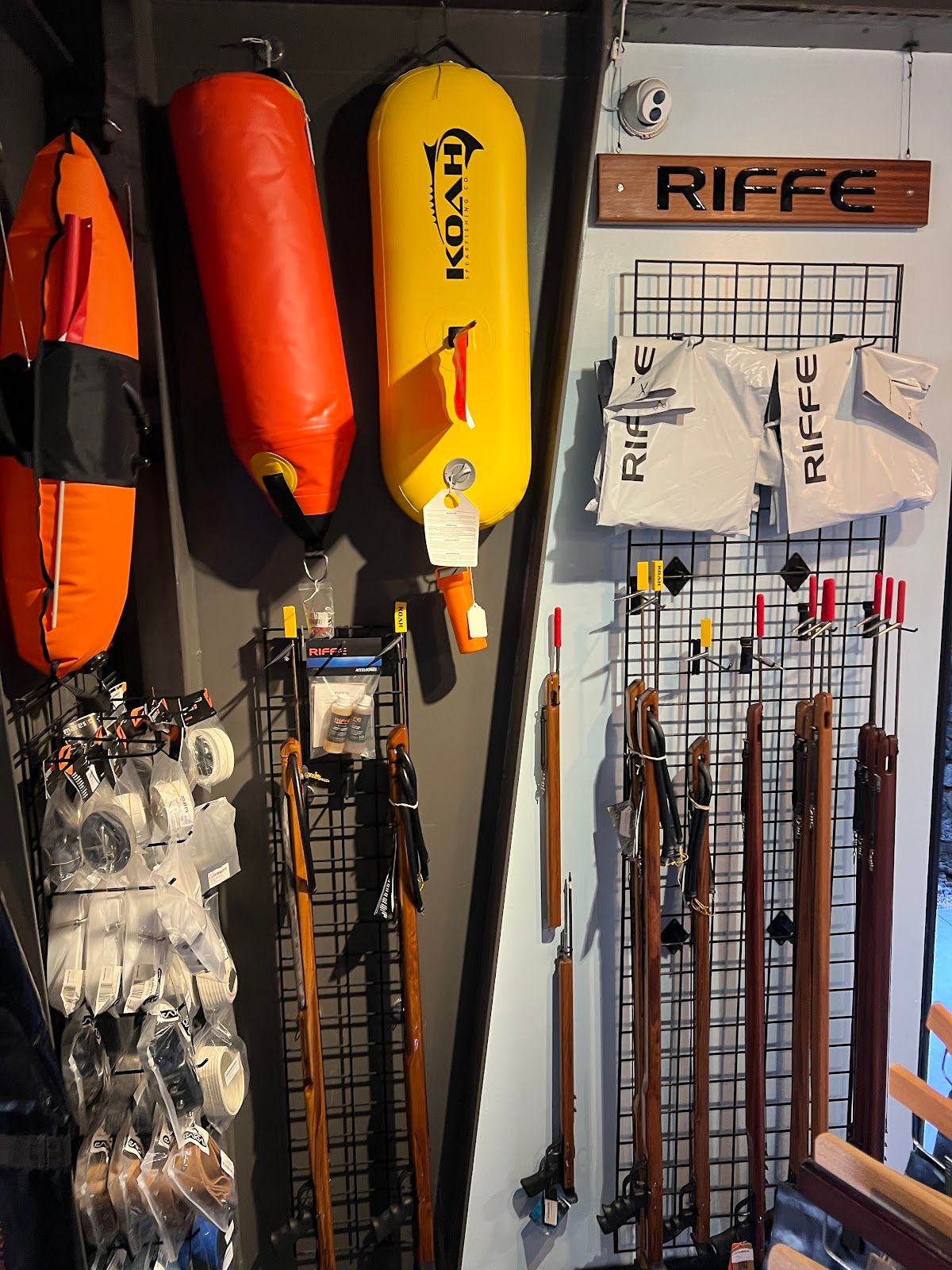
The experience centers on boat diving, not a casual harbor cruise. Trips depart from Honokohau Marina, even though the shop itself is in Kailua-Kona, so it helps to think of the storefront as the check-in point rather than the launch point. That matters for planning, parking, and timing. Once aboard, the operation is known for a polished, guide-led style and for taking gear handling seriously, which is useful on dive days when you want the logistics to disappear into the background.
The signature outing is the Manta Ray Night Dive, one of Kona’s best-known underwater experiences. It is structured for calm, controlled viewing rather than excitement for its own sake: divers settle in and watch manta rays feed overhead in the light. The blackwater dive is a very different proposition—more remote, more technical, and aimed at experienced divers comfortable with buoyancy and night conditions. Day reef dives round out the menu and give a more classic Kona-coast look at volcanic structure, lava formations, and reef life.
How it fits into a Big Island day
This works best as a dedicated activity block rather than a casual add-on. A standard dive charter can take roughly half a day, and some longer or more advanced trips stretch further. The manta night dive is especially easy to anchor into an evening itinerary: it leaves the daylight hours open for Kailua-Kona, a beach stop, or a slower lunch-and-relax day before heading back out after dark.
Because demand is strong, particularly for the manta dive, advance planning is smart. That is less a nicety than a practical necessity if the trip is high on the list. Travelers should also expect to organize around certification level, rather than assuming every outing is open to everyone. Some experiences are accessible to beginners through Discover Scuba Diving, while others are better suited to certified divers with solid comfort in the water.
Gear, conditions, and the fine print that matters
Kona’s water is part of the appeal: warm, clear conditions are common, and the coast’s underwater terrain is one of the Big Island’s strongest marine assets. Still, this is ocean travel, not a controlled attraction. Weather, swell, and operational conditions can change plans, and dive operators need room to reschedule or cancel when safety demands it.
Certification and buoyancy control matter here more than they do on a typical sightseeing boat. The blackwater dive and some night or advanced trips are not casual entries into the sport. If it has been a while since the last dive, a refresher is a good idea before committing to a more technical outing. Travelers should also expect standard dive-health paperwork and should bring the certification card they need for the trip they booked.
Best for divers who want Kona’s marquee underwater experience
Kona Honu Divers makes the most sense for certified divers, travelers pursuing PADI training, and anyone specifically building a Big Island itinerary around manta rays or other high-signal underwater experiences. It is also a strong fit for visitors who value an organized, equipment-forward operation and do not mind paying more attention to logistics in exchange for a more polished dive day.
It is less compelling for travelers who want a cheap, loose, or purely spontaneous outing. It is also not the best match for visitors who are snorkel-first and do not plan to dive at all, even though non-diver options exist. For the right traveler, though, it is one of Kailua-Kona’s most compelling activity anchors: a serious dive shop with access to some of the island’s most distinctive water.