
Laupāhoehoe Lookout
Laupāhoehoe Lookout offers stunning ocean views, a poignant tsunami memorial, and a tranquil setting for picnics along the rugged Hāmākua Coast of the Big Island.
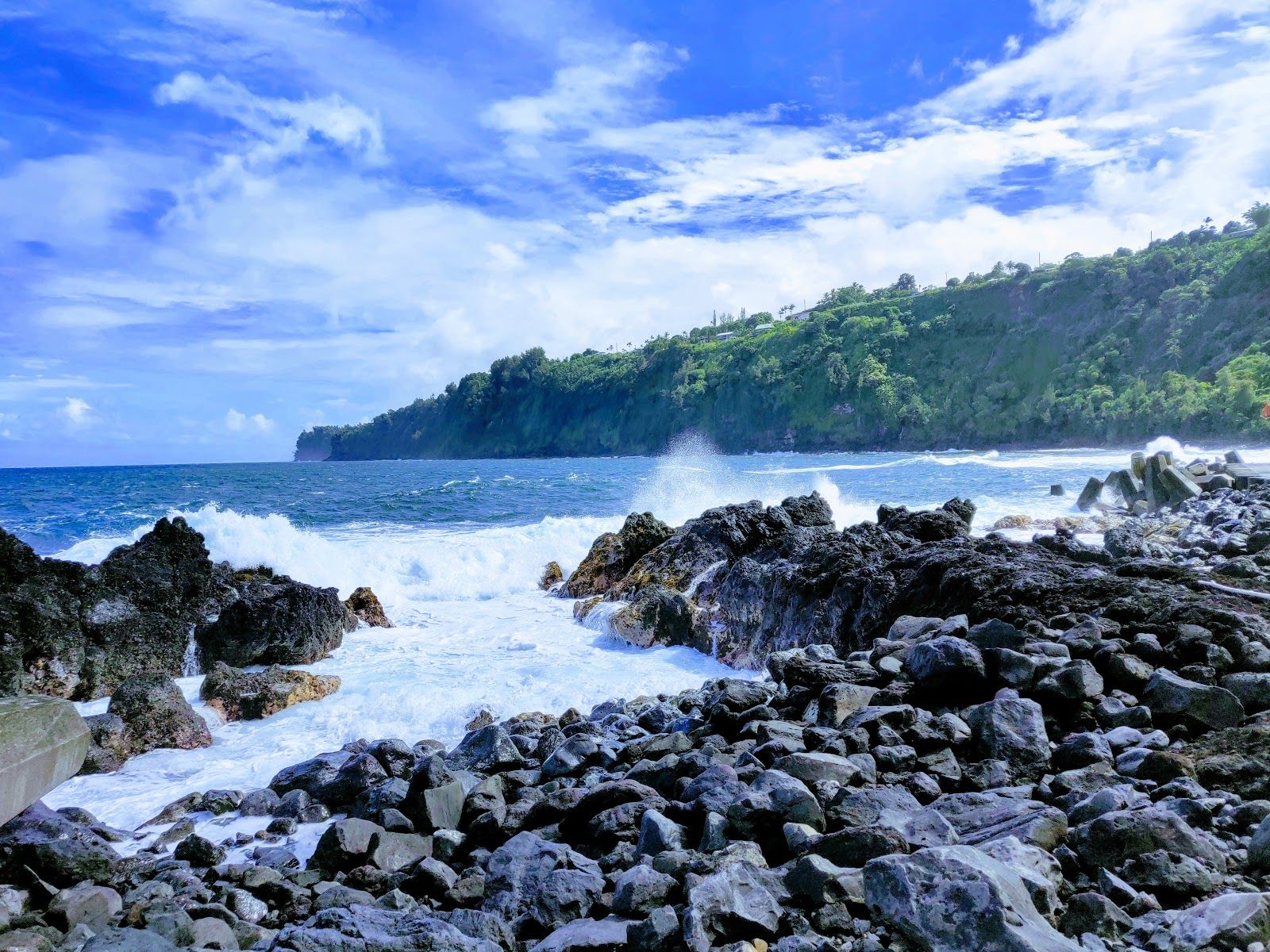
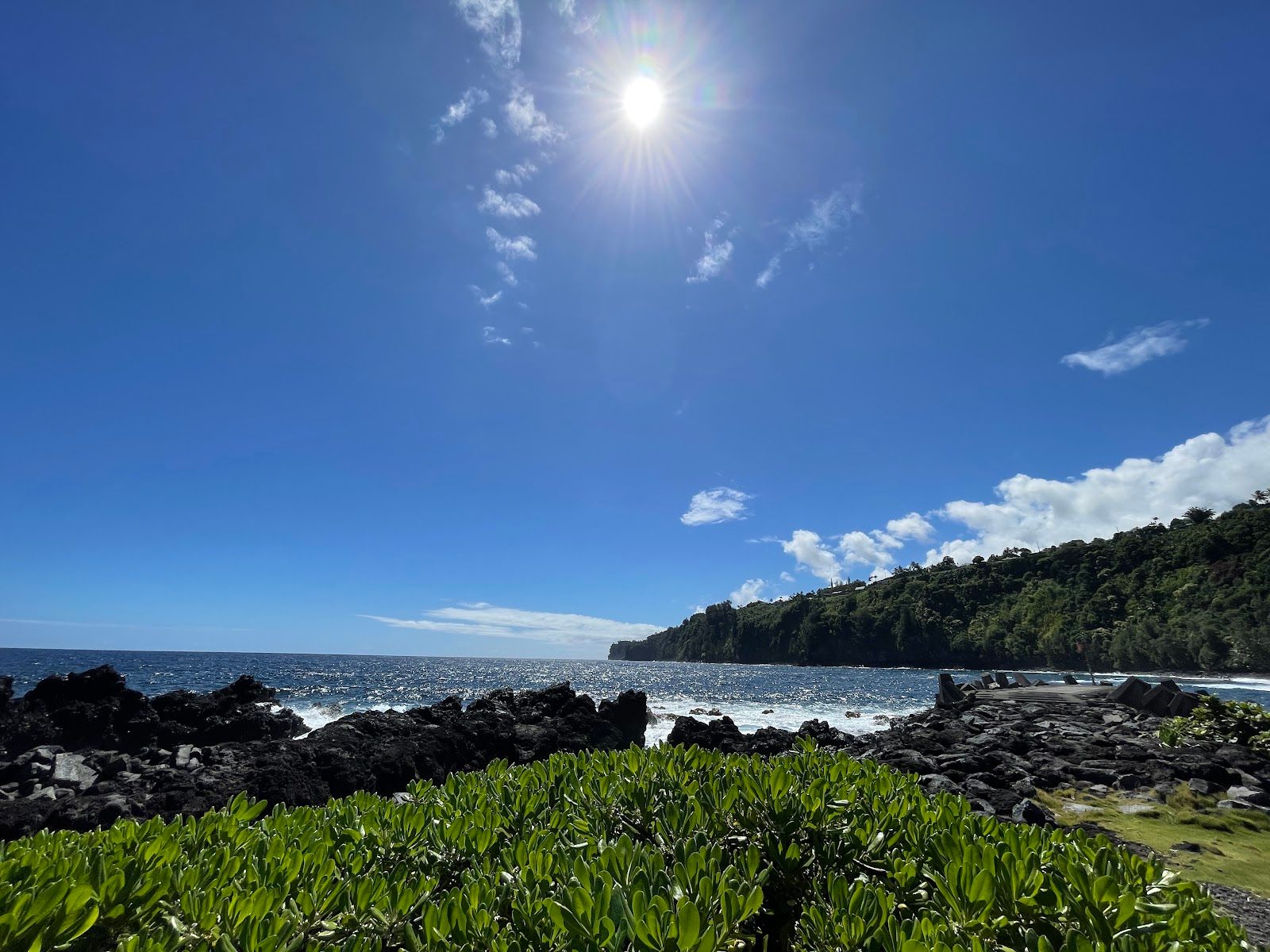
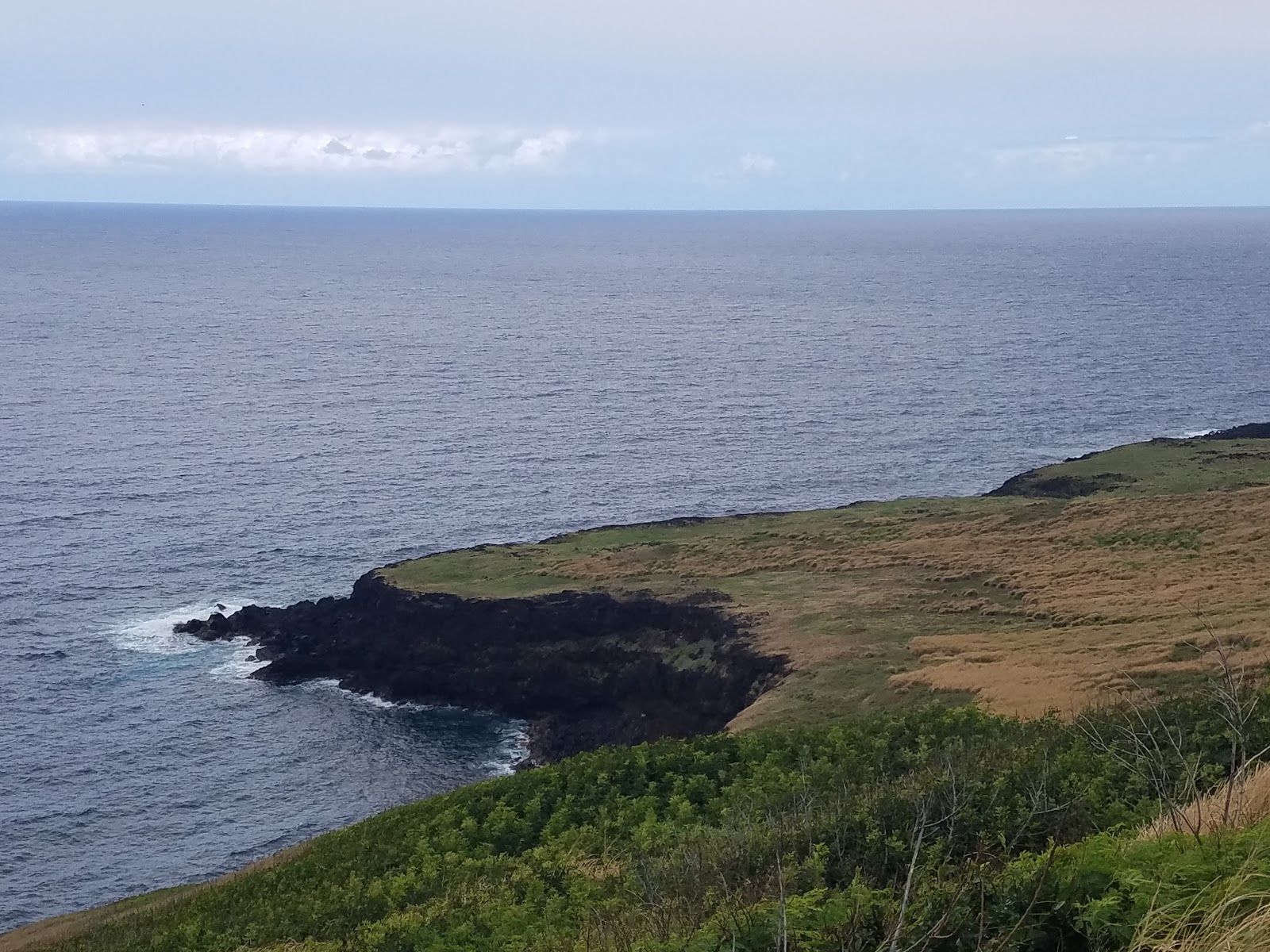
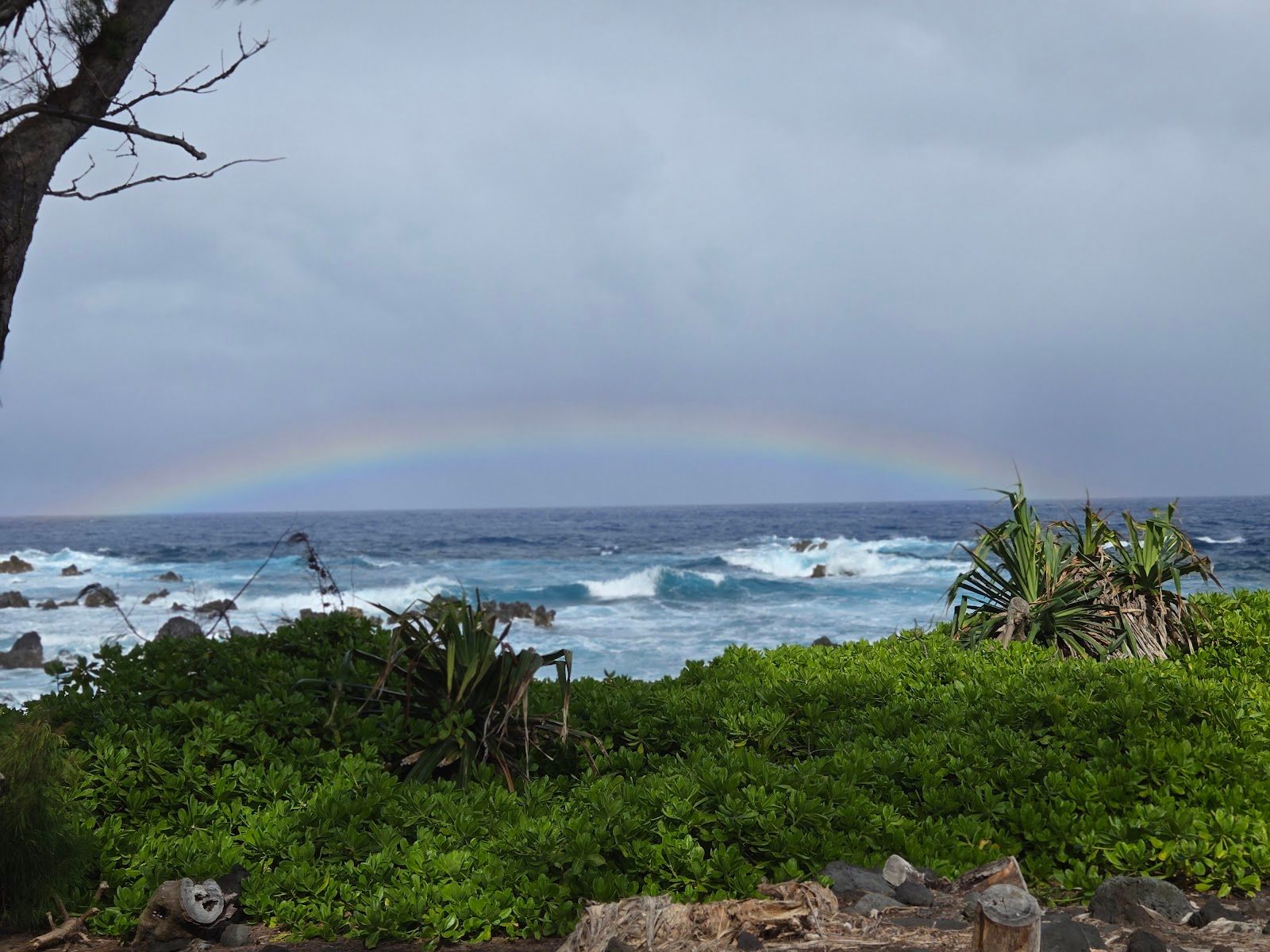
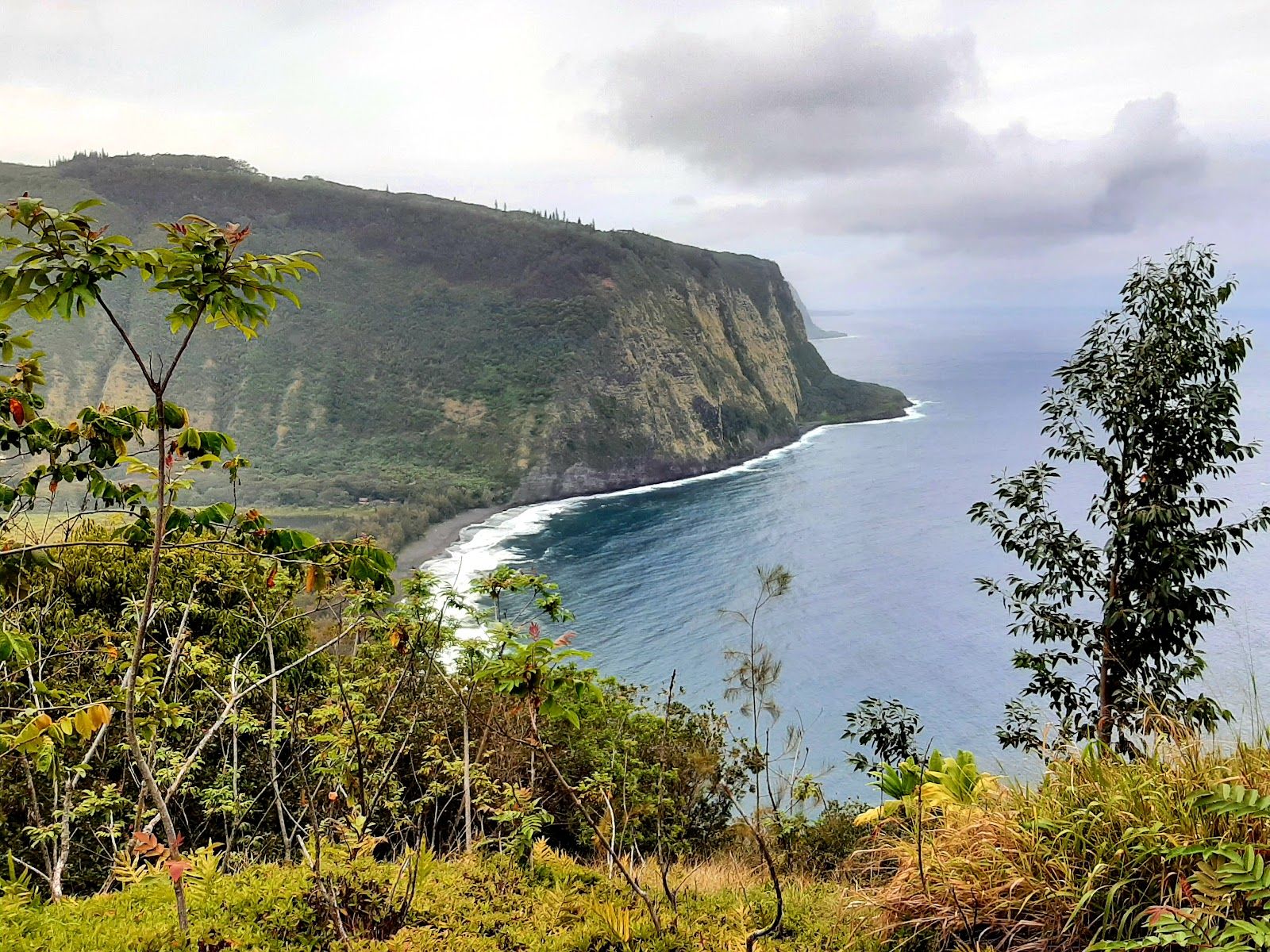

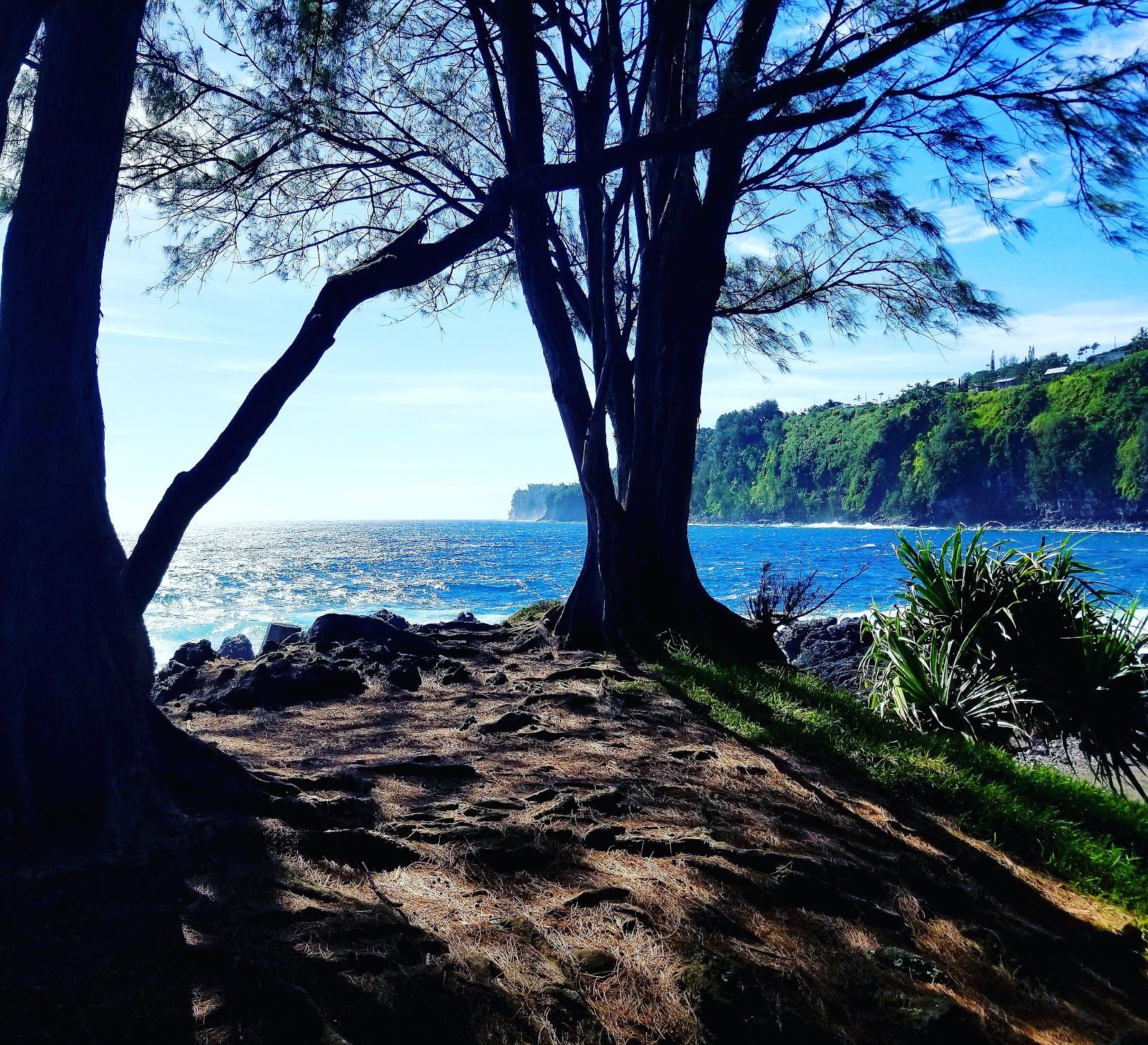
- Dramatic coastal views
- Historical tsunami memorial
- Picnic areas and pavilions
- Public restrooms and showers
Laupāhoehoe Lookout is a scenic stop on the Big Island’s Hāmākua Coast, but it earns more than a quick photo pullout. Set within Laupāhoehoe Point Beach Park, it combines rugged ocean views, a quiet picnic-friendly park setting, and a memorial site tied to one of Hawaiʻi’s most tragic tsunami events. That mix of beauty, reflection, and easy access makes it a strong itinerary fit for travelers driving the Hāmākua Coast between Hilo and Honokaʻa.
Black lava, white surf, and a coastline with texture
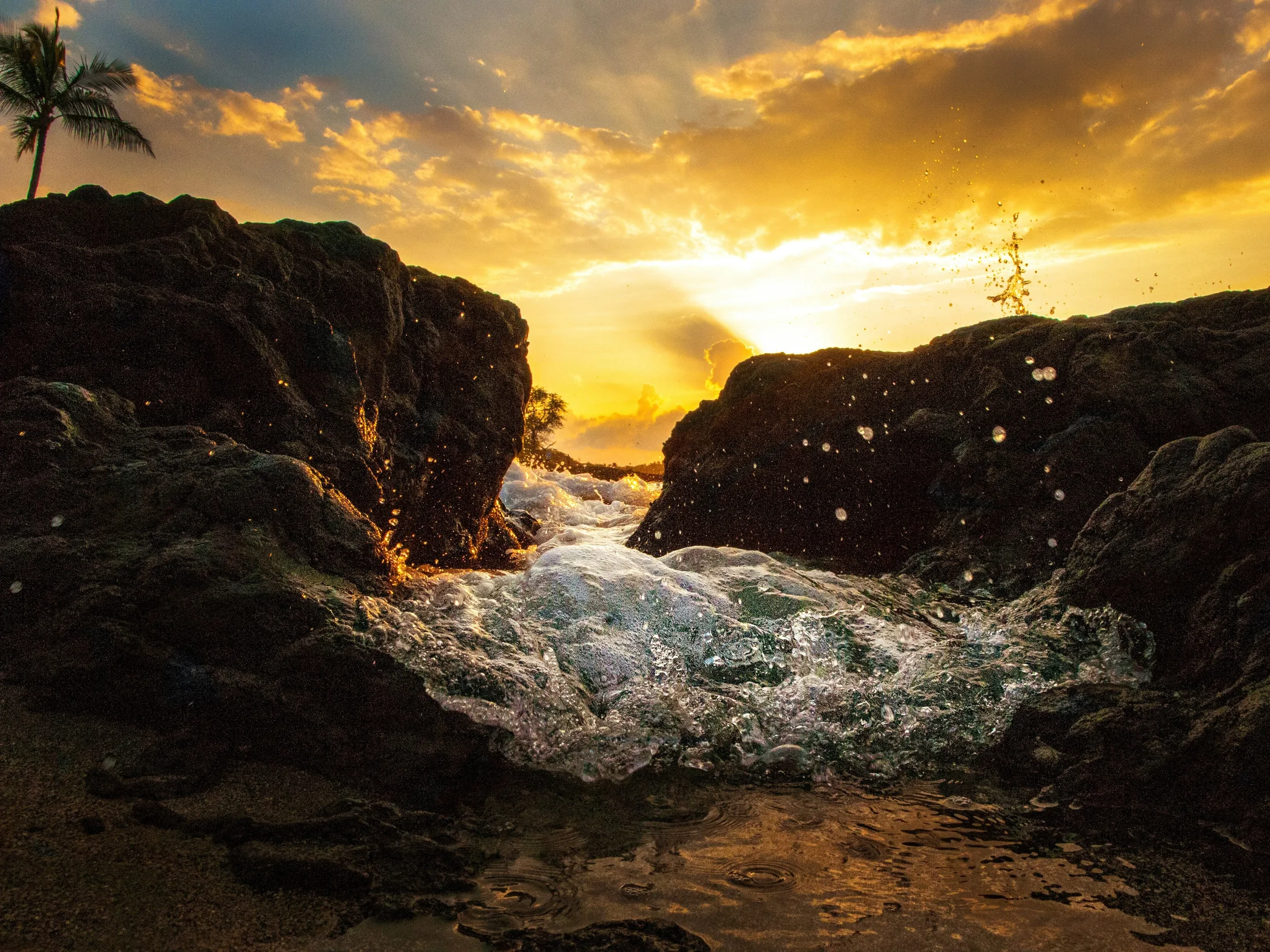
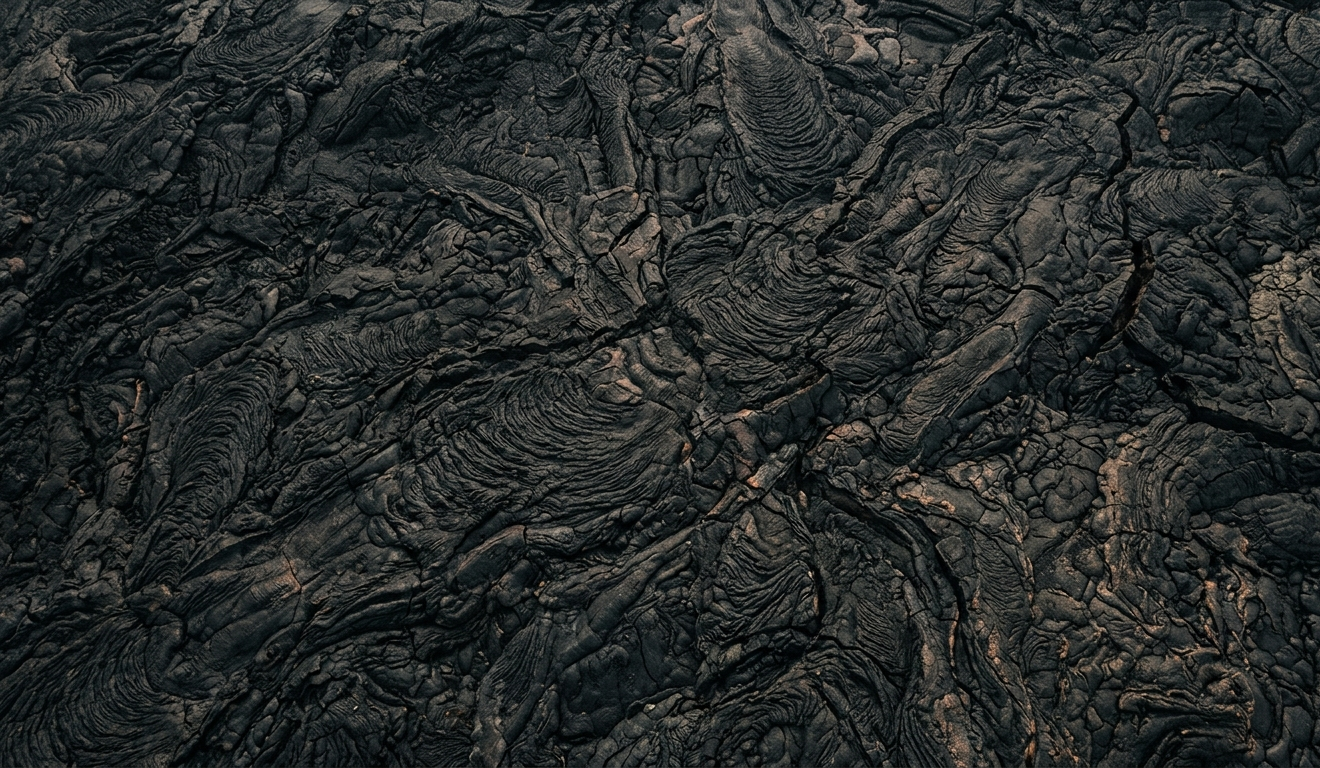
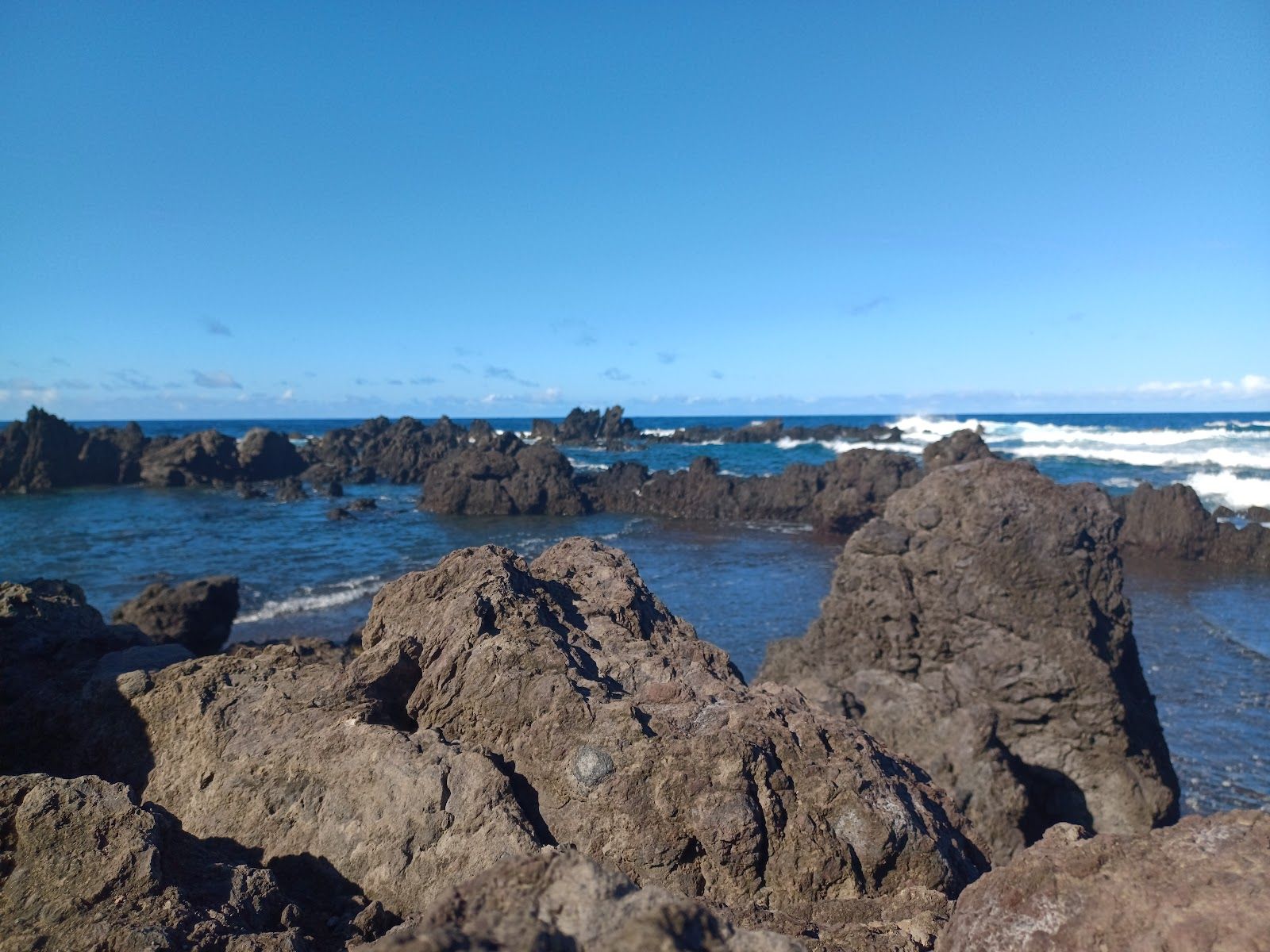
The look here is classic north-Hāmākua: dark pāhoehoe lava, jagged shoreline, bright spray, and deep Pacific water moving with real force. The peninsula itself is part of what gives Laupāhoehoe its character. The name means “leaf of lava,” a reference to the smooth lava flows that shaped this point and pushed it into the sea.
For photographers, it is especially compelling in side light or at sunrise, when the contrast between black rock, green vegetation, and blue water feels sharp and saturated. Even without a camera, it is a place that rewards lingering. The coastline feels raw and open rather than polished, and the waves are a big part of the appeal.
The memorial changes the tone
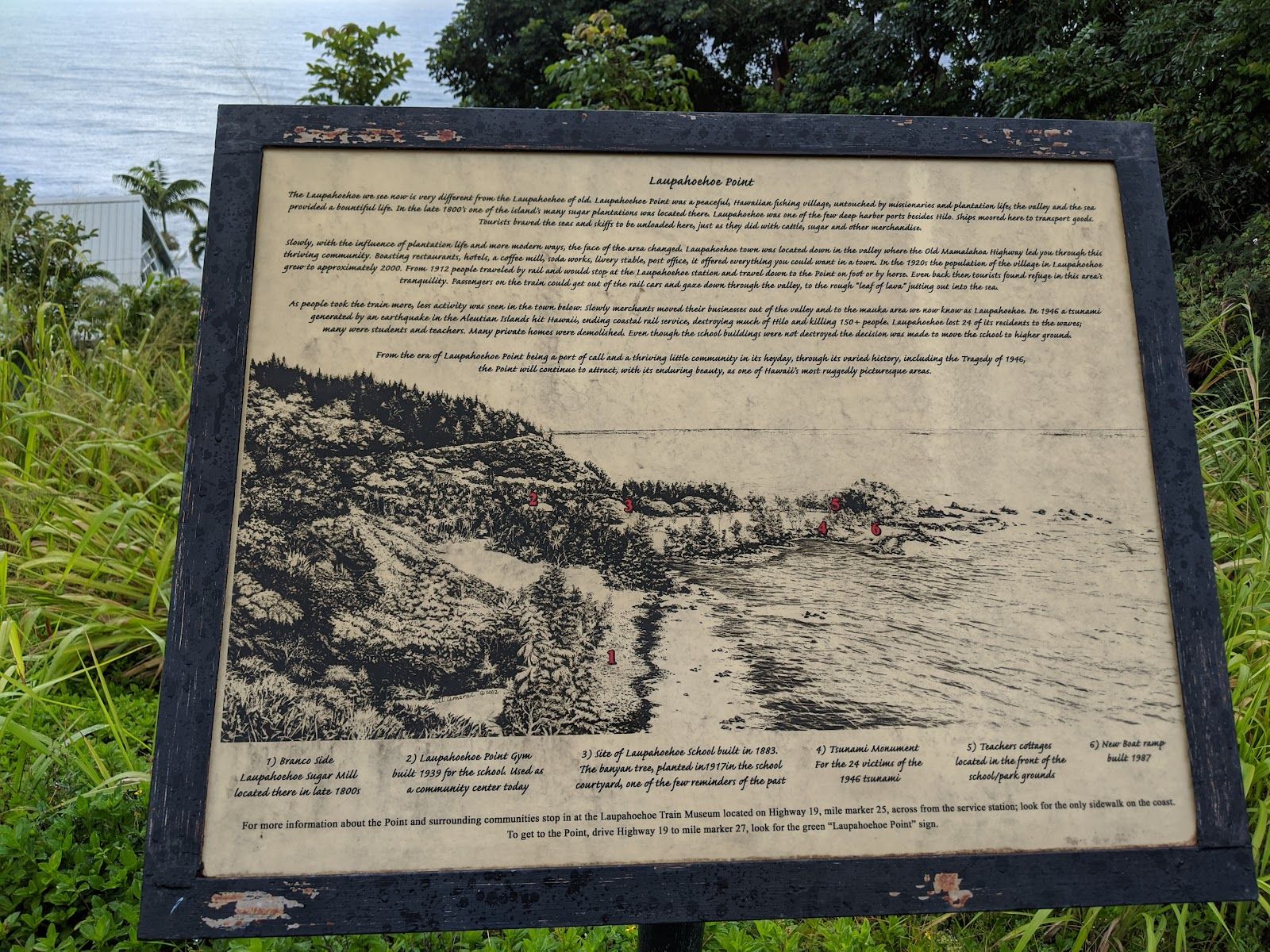
Laupāhoehoe is not just a scenic overlook. It is also a memorial to the 1946 tsunami that swept through the community and took the lives of 24 people, including schoolchildren and teachers. A monument marks that history, and it gives the stop a sober, meaningful center.
That matters for how travelers experience the site. This is a place for a respectful pause, not a rushed checkbox. It adds depth to a Hāmākua Coast drive and helps explain why this shoreline carries such weight in local memory. Families and culturally curious travelers often find that contrast—beautiful setting, difficult history—especially memorable.
A useful stop on a Hāmākua Coast day
Laupāhoehoe Lookout works well as part of a broader coastal route rather than as a destination that demands a full day on its own. It fits neatly into a drive linking Hilo, Laupāhoehoe, Honokaʻa, and other Hāmākua highlights such as waterfalls and valley overlooks.
The park setting makes it easy to build in a picnic or a relaxed stretch break. Facilities at the beach park include pavilions, picnic areas, restrooms, showers, potable water, and parking, which makes this one of the more practical scenic stops on the coast. Shoreline fishing is also part of the park’s rhythm. Swimming and snorkeling are not the main draw here; rough water, currents, and exposed lava edges make this a place to admire the ocean, not to trust it casually.
Best for travelers who want more than a viewpoint
Laupāhoehoe Lookout suits travelers who like scenic stops with real context: coastal views, a sense of place, and an honest historical layer. It is a good fit for road-trippers, photographers, and anyone looking for a quiet, reflective pause on the Big Island’s east side.
Travelers seeking a soft-sand beach, calm swimming, or a more active water day should look elsewhere. This is a lava coastline, not a sheltered beach park in the usual sense. Its strength is the combination of atmosphere, accessibility, and meaning—an easy stop that still feels substantial.