

Lyman Museum
Explore the Lyman Museum in Hilo to discover the Big Island's natural history, from volcanic origins to diverse ecosystems, alongside a rich journey through Hawaiian culture and missionary history.
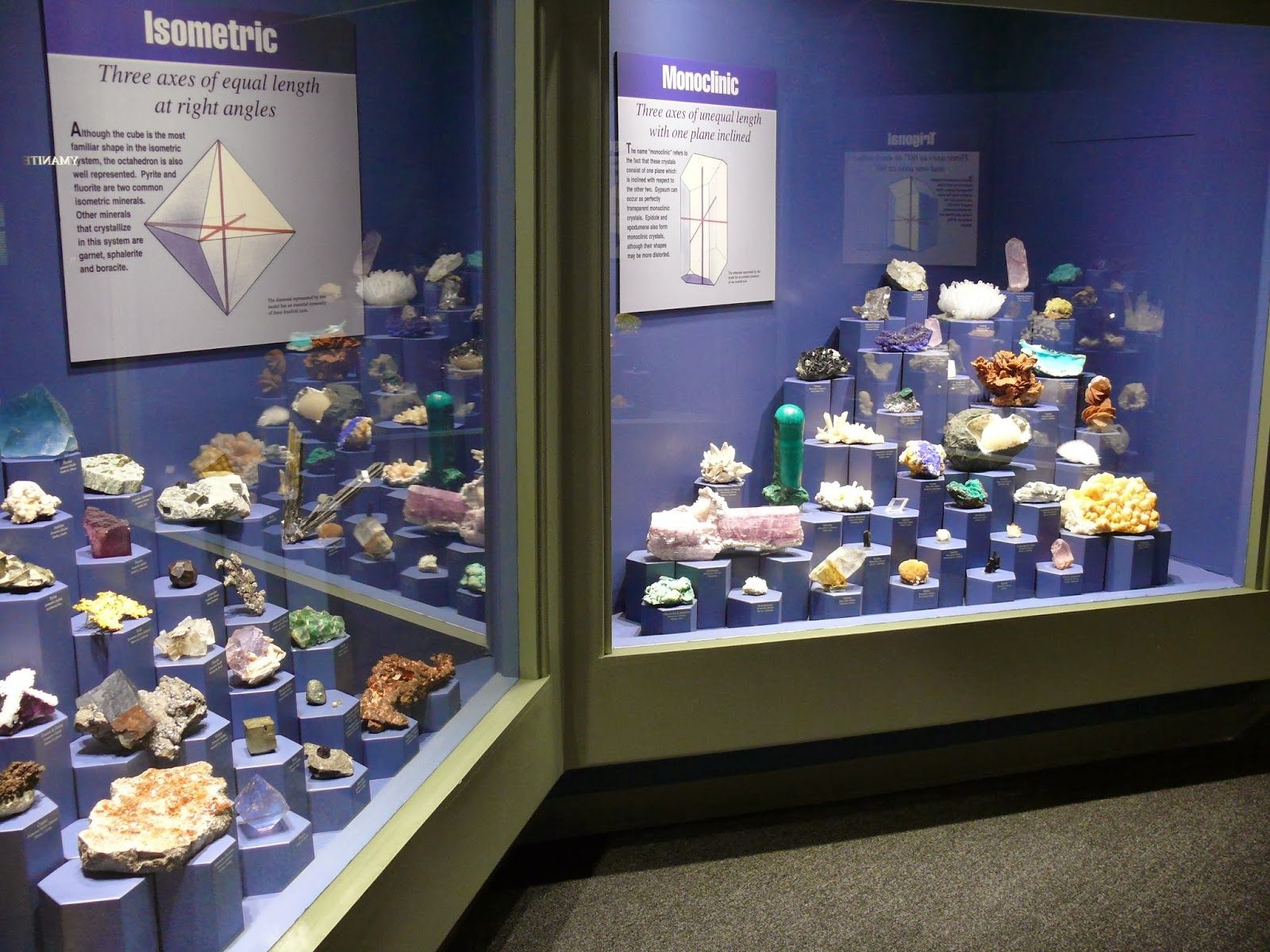
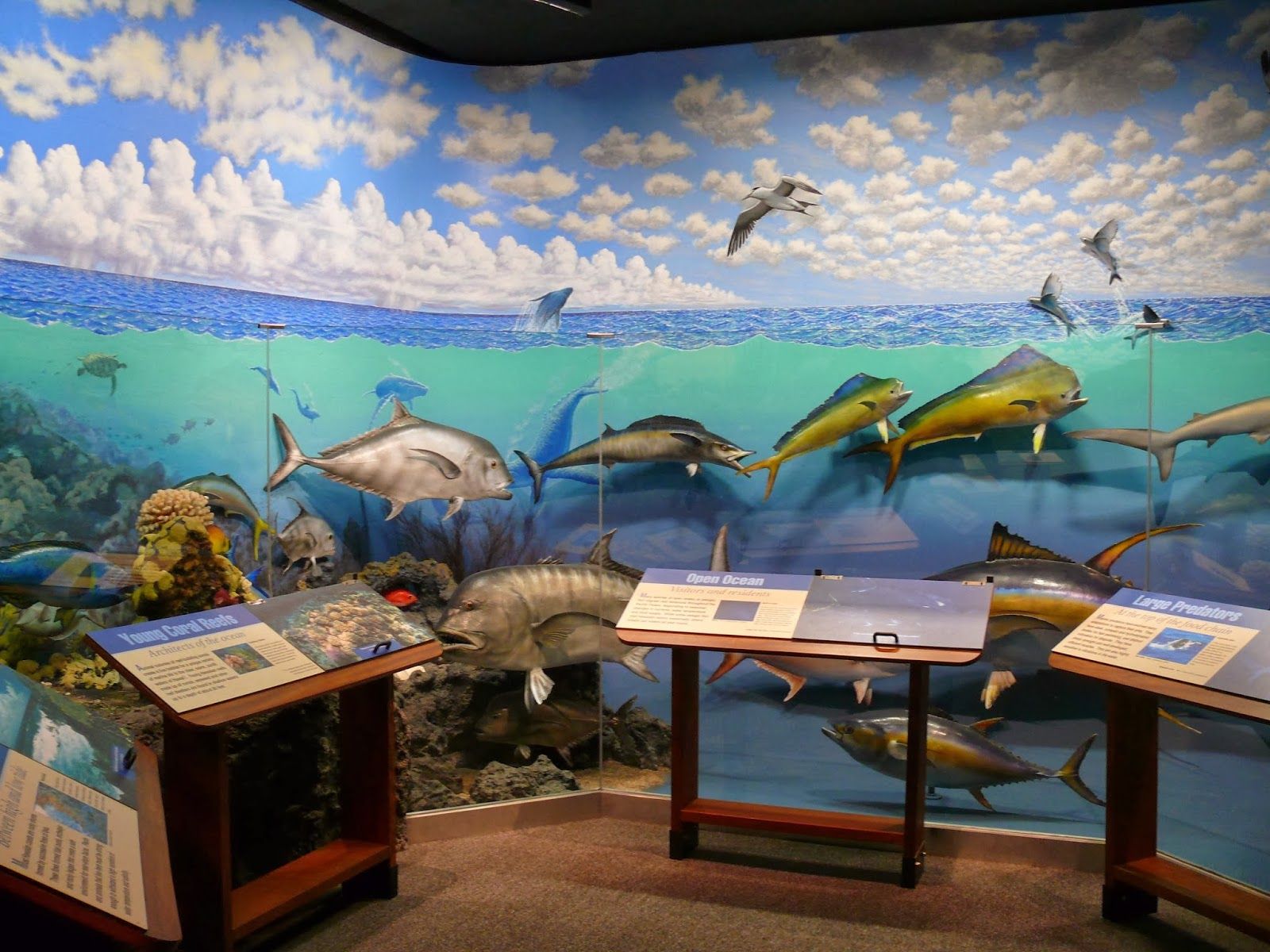

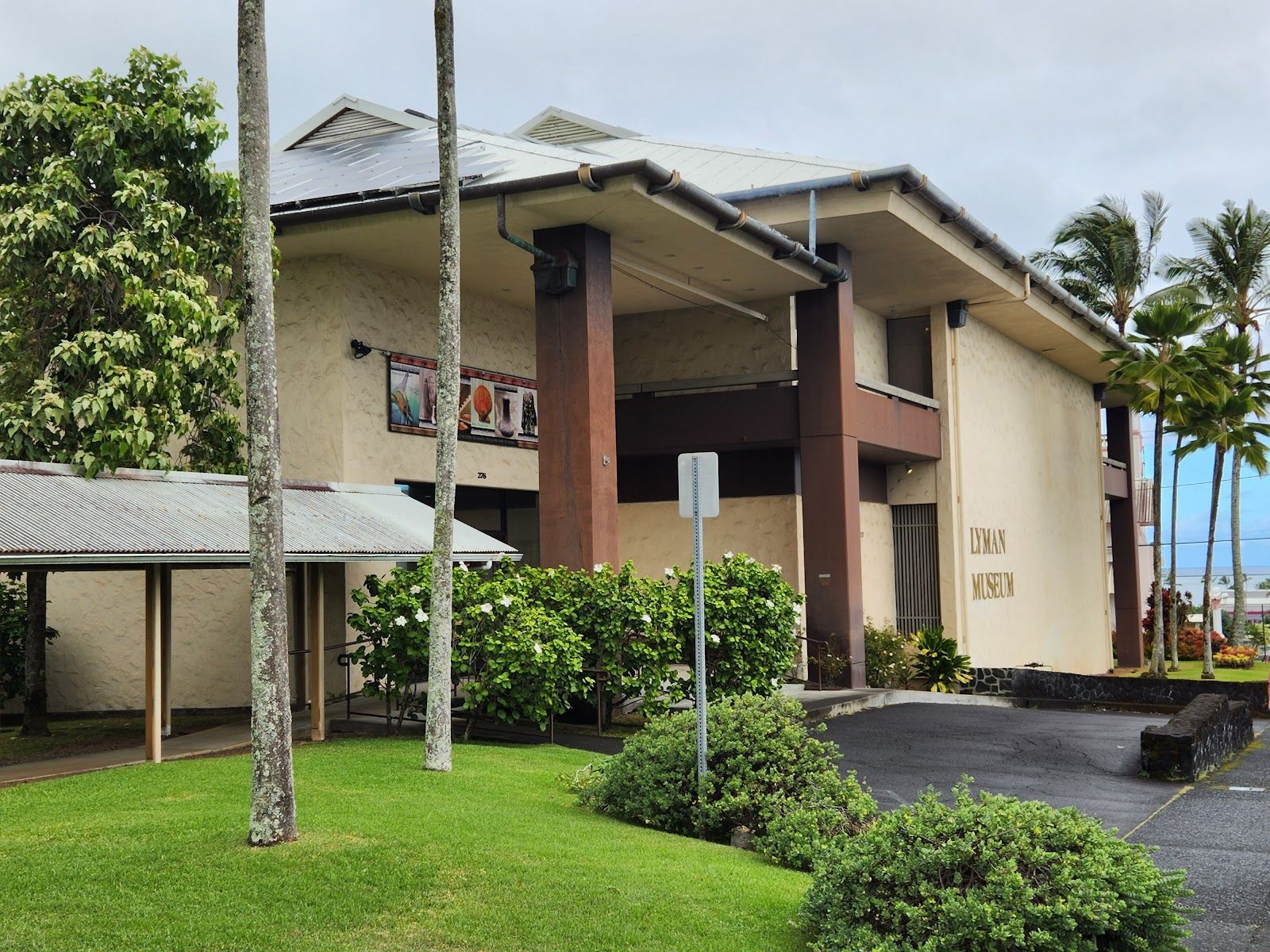
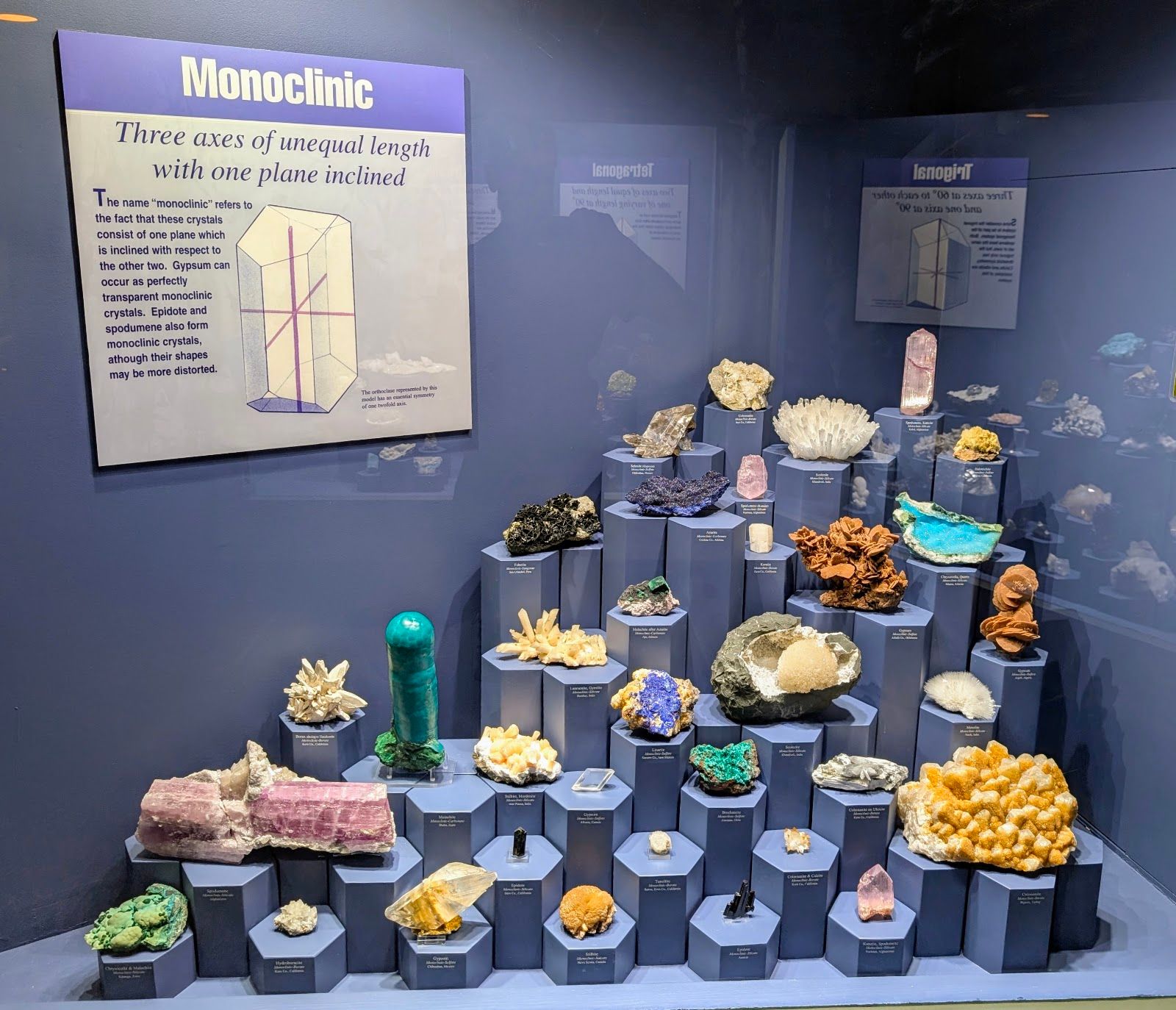
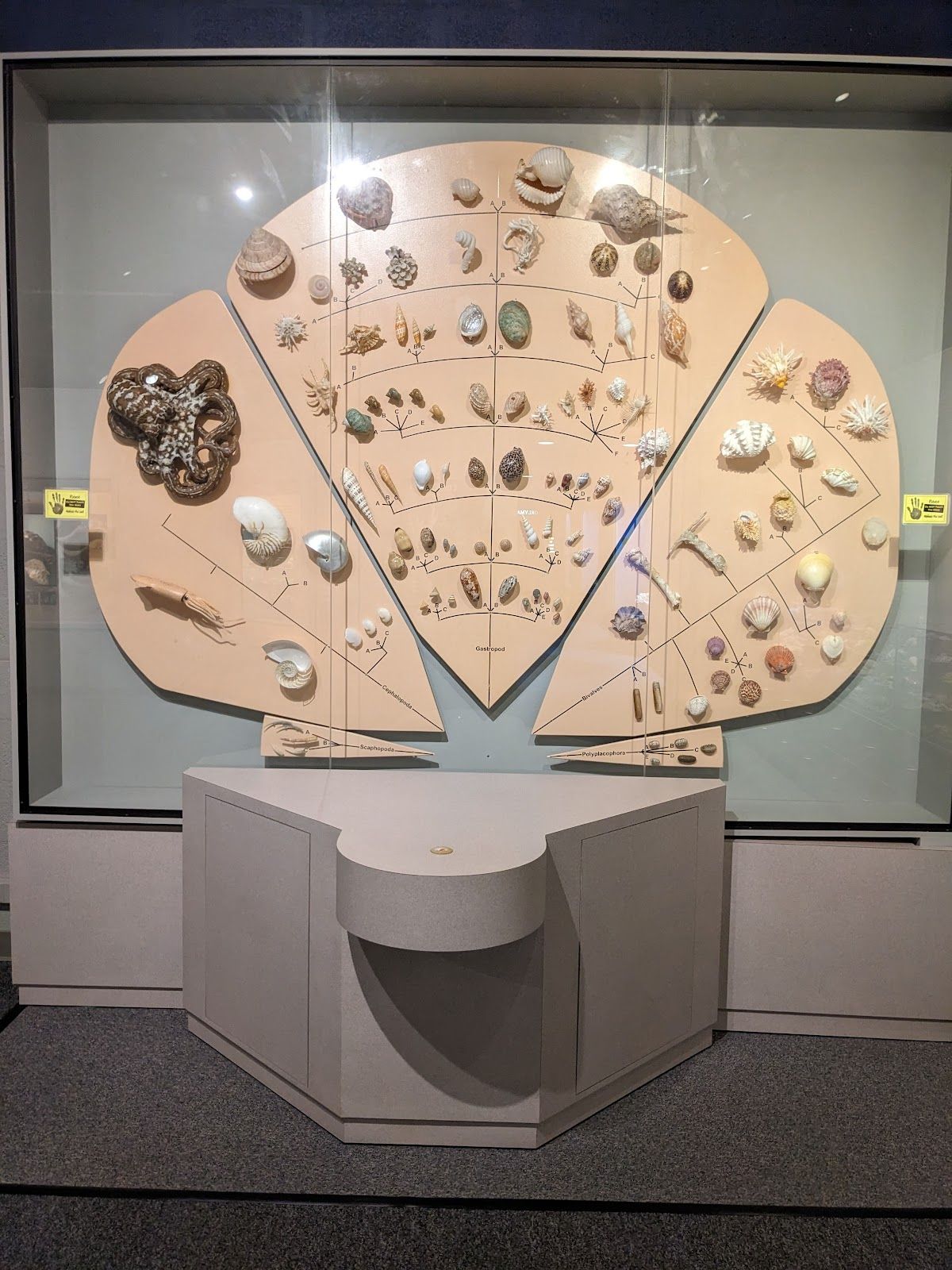

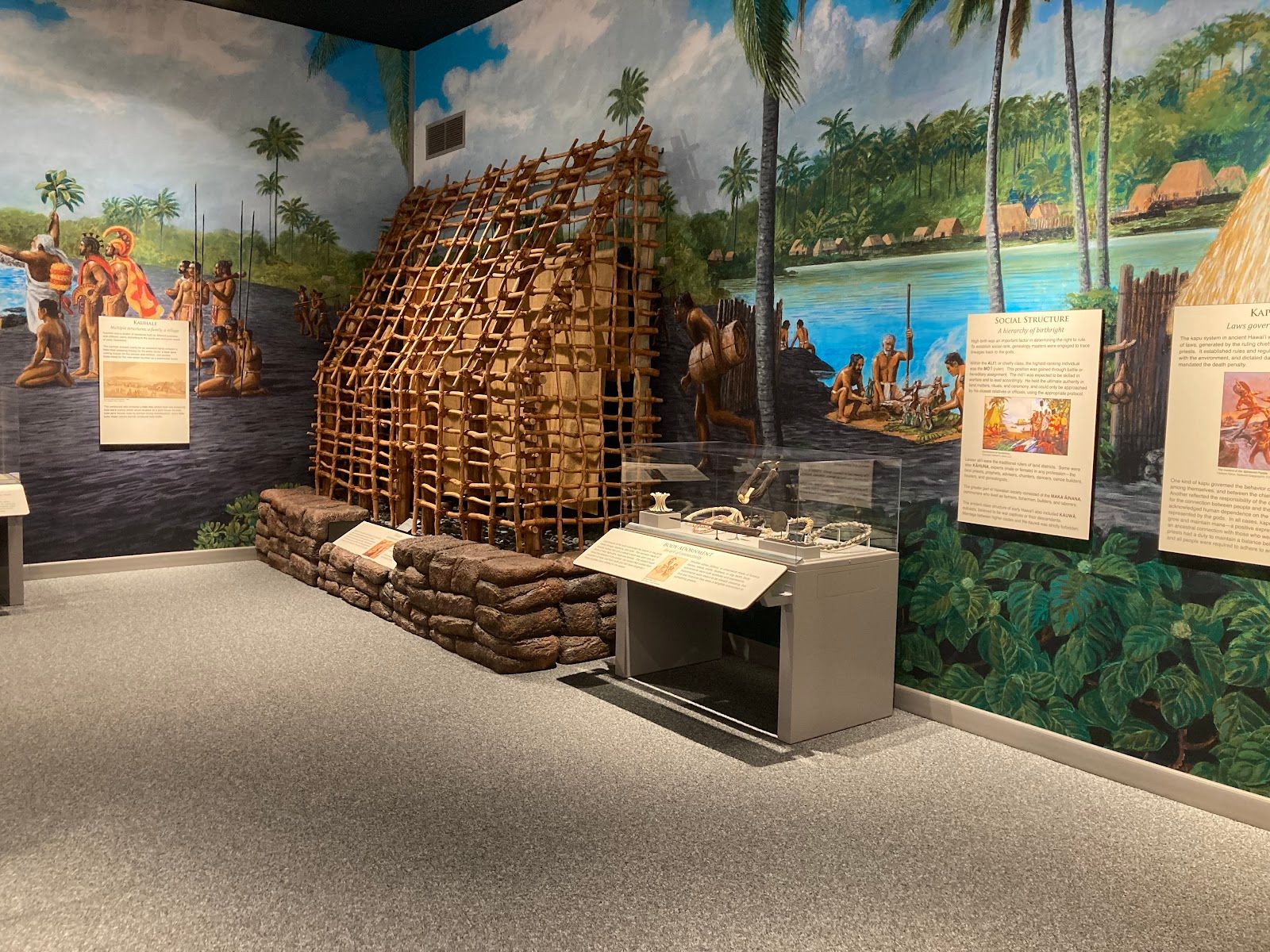
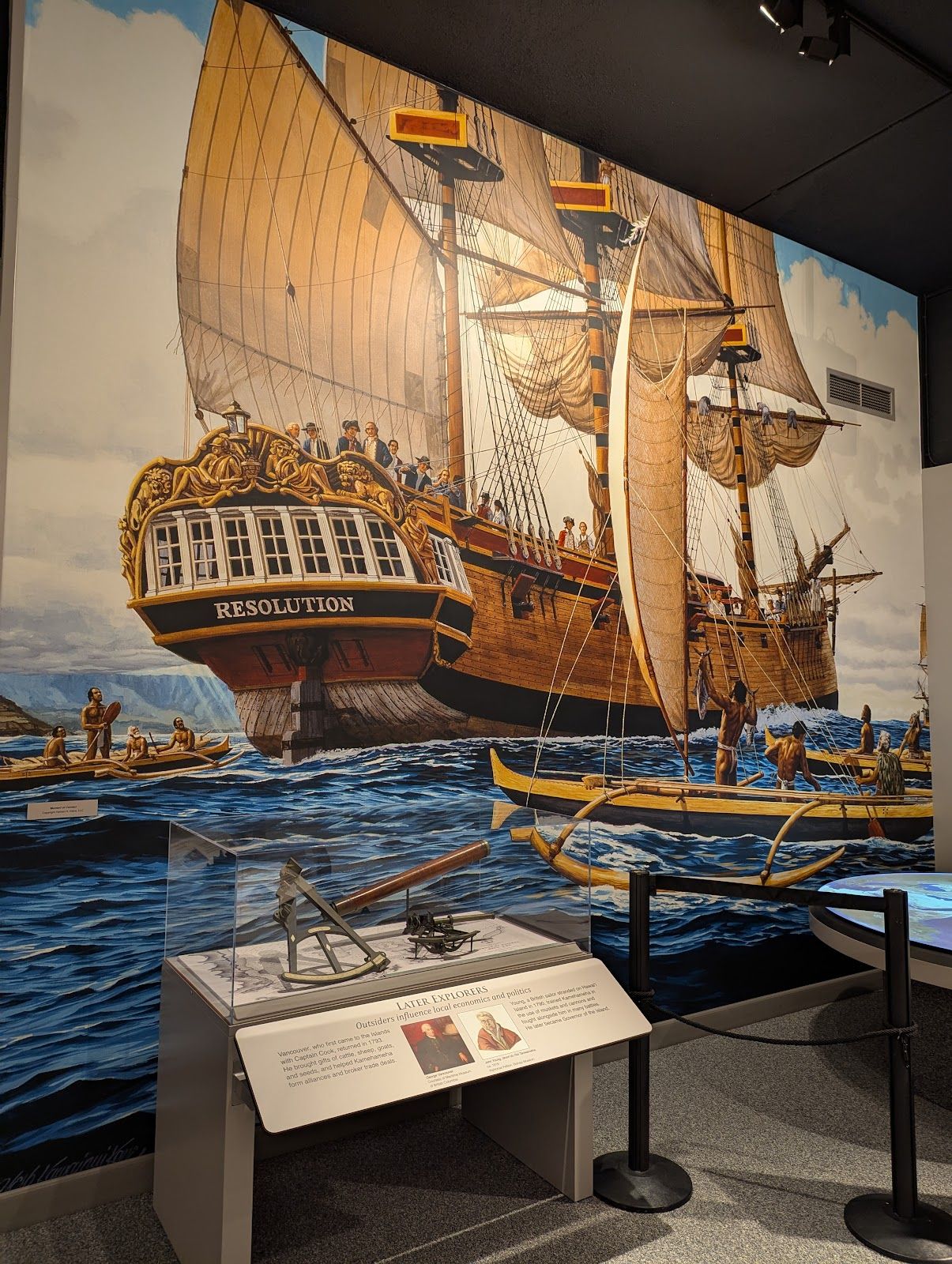
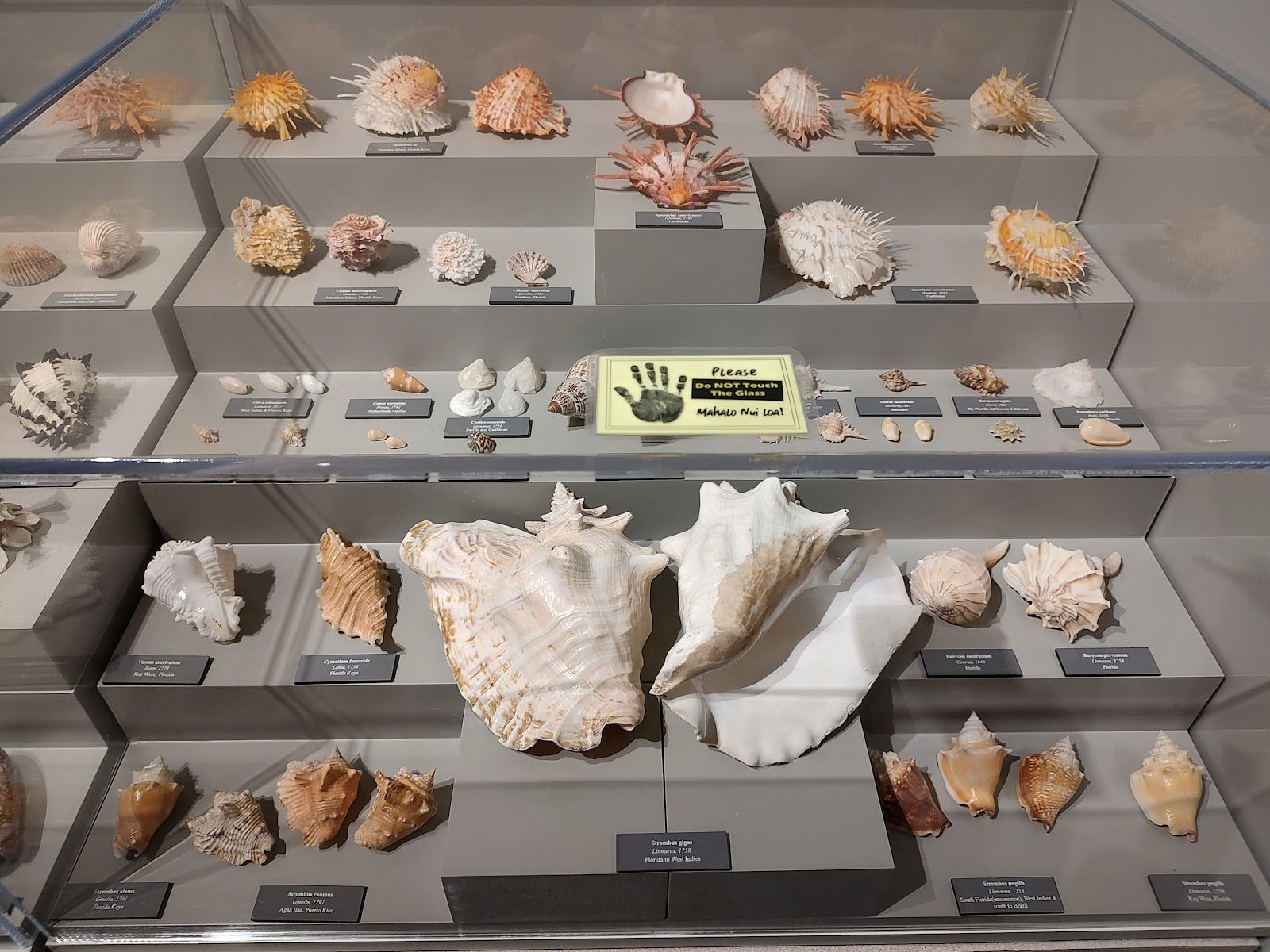
- Natural History Gallery exhibits
- Hawaiian Heritage Gallery displays
- Guided tours of 1839 Mission House
- Focus on Big Island geology and culture
The Lyman Museum is one of Hilo’s most useful indoor stops: part history museum, part natural history gallery, and part window into the layered story of Hawaiʻi. Set in downtown Hilo on the Big Island’s wetter east side, it stands out because it connects the islands’ volcanic origins, ecological diversity, and human history in one compact visit. That makes it especially valuable on a day when rain rolls through Hilo, or when an itinerary needs something thoughtful and low-effort between outdoor excursions.
Two galleries, one bigger story
The museum’s appeal comes from how well it ties together the Big Island’s physical landscape and its cultural past. The Natural History Gallery focuses on the forces that shaped Hawaiʻi—volcanoes, minerals, shells, and native animals—so it works as a strong primer before or after exploring places shaped by lava, rainforest, or coastline. The Hawaiian Heritage Gallery shifts the lens to people, tracing Hawaiian history from ancient times through the missionary period and into the multicultural society that defines the islands today.
That combination gives the museum real range. It is not just a place for artifacts behind glass; it offers context for the island itself. For travelers who want more than scenery, the visit helps explain why the Big Island feels so distinctive, from its geology to its cultural intersections.
The 1839 Mission House adds depth
One of the most distinctive parts of the visit is the historic 1839 Lyman Mission House, originally the home of David and Sarah Lyman. Guided tours bring a more intimate sense of 19th-century Hilo and the missionary era, adding a preserved historic setting to the museum’s broader exhibits. For visitors interested in architecture, early settlement, or the social history of the islands, this is the element that makes the museum feel anchored in place rather than generic.
The house also broadens the experience beyond static displays. It gives the museum a stronger sense of character and helps explain why the site matters in Hilo’s history, not just in the county’s tourist circuit.
Planning it into a Hilo day
The museum fits naturally into a downtown Hilo itinerary. It works well as a morning or early afternoon stop before lunch, after a market visit, or between other east-side sightseeing plans. Because it is indoors and compact, it is a dependable fallback when Hilo weather turns wet, which is often enough to make a flexible indoor option worth having on the list.
Parking is available on-site, and the location in town makes access straightforward compared with more remote Big Island attractions. Visitors should still check current hours and admission details before going, since museum schedules can change. Those hoping to see both galleries and take the Mission House tour should allow enough time to avoid rushing through it; this is the kind of place that rewards an unhurried visit.
Best for travelers who want context, not just a stop
The Lyman Museum is a strong fit for families, history-minded travelers, and anyone who likes to understand what they are looking at before heading back out into the landscape. It is especially good for visitors who want an educational, indoor activity in Hilo that feels grounded in the island rather than detached from it.
It is less compelling for travelers chasing high-adrenaline outings or purely outdoor time. If the goal is a beach day, a hike, or a scenic drive without any museum time, this will probably feel like a detour. But for travelers who appreciate culture, geology, and local history in a single stop, the Lyman Museum is one of Hilo’s most worthwhile breaks from the road.