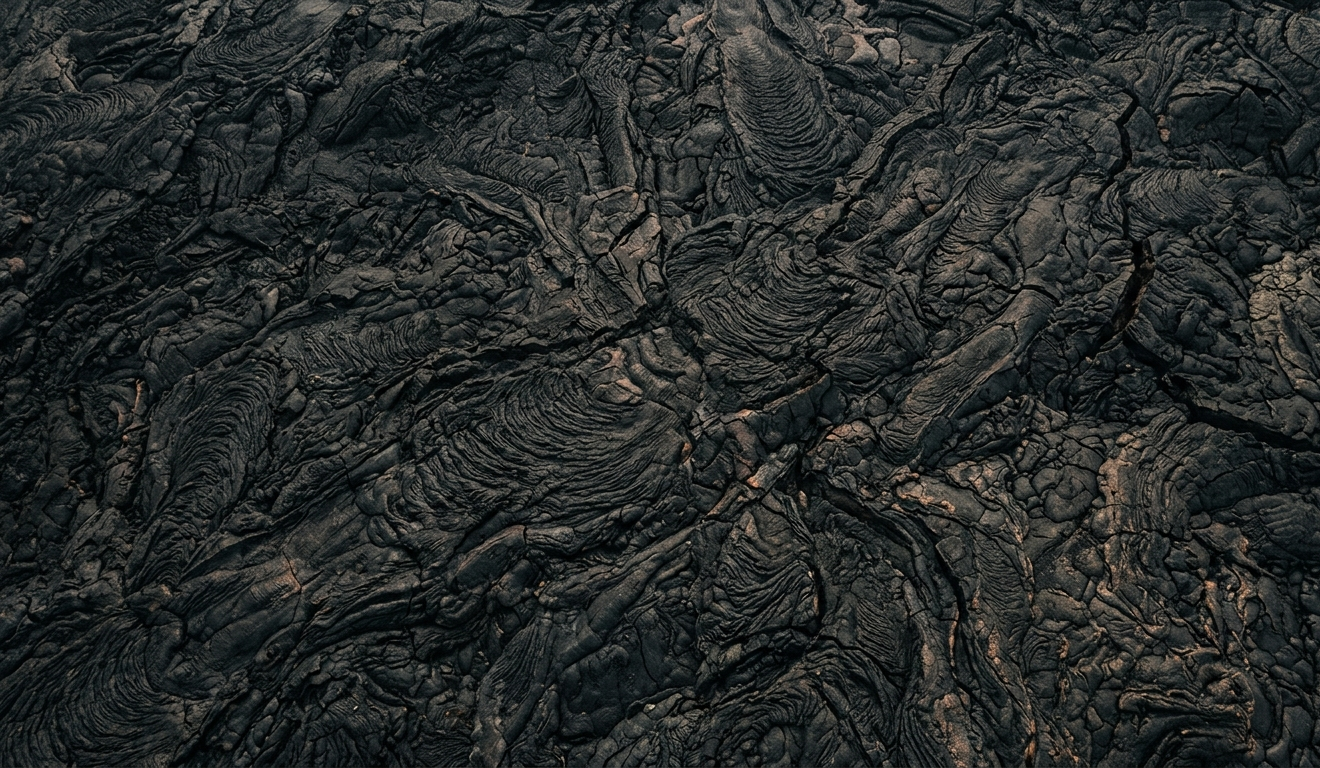

What it is
MacKenzie State Recreation Area is a 13-acre coastal park located in the Puna District on the Big Island of Hawaii. It is characterized by rugged lava cliffs, a windswept grove of towering ironwood trees, and dramatic ocean views. The park is part of the Malama Ki Forest Reserve. MacKenzie State Recreation Area is named after Albert J. MacKenzie, a forest ranger who planted many of the ironwood trees in the 1930s.
Visitor experience
Visitors to MacKenzie State Recreation Area primarily come for hiking, picnicking, and sightseeing along the wild, cliffed coastline. The park features a section of the ancient King's Highway trail, which once encircled the entire island. Along the trails, visitors can find outcroppings of moss-covered black rock, well-hidden lava tubes (though entry into them is unlawful), and the eroded ruins of an ancient Hawaiian heiau (temple). The powerful waves crashing against the jagged sea cliffs are a significant draw, creating a dramatic and serene atmosphere, though visitors must maintain a safe distance. The extensive ironwood groves offer shaded picnic areas with tables, some even hewn from lava. The park is also known for its strong currents and dangerous surf, making swimming impossible. The park has a reputation for being a place of historical significance and is associated with local ghost stories and supernatural beliefs.
Logistics
MacKenzie State Recreation Area is situated in the Puna District of the Big Island, along Highway 137 (also known as the Red Road). The entrance is marked by a brown sign with yellow lettering for "MacKenzie Park," located between mile markers 13 and 14, closer to mile marker 14. Visitors should turn towards the sea (makai) into a designated parking area. Access to the park was impacted by the 2018 lava flow, which covered portions of Highway 137, but access has since been re-established, making it a potential stop for those traveling to Pohoiki Beach or Isaac Hale Beach Park.
The park is open daily during daylight hours, typically from 7:00 AM to 6:45 PM. There is no entrance fee. Facilities include restrooms and a covered picnic pavilion. Potable water is not available, so visitors should bring their own. Camping is no longer permitted. Group use permits are required for groups of 26 or more. A visit can range from a quick stop for views and a picnic to a half-day activity for those exploring the hiking trails (approximately a two-mile roundtrip for the longest route).
Safety and cautions
MacKenzie State Recreation Area is known for significant hazards, primarily along its coastline. Swimming is explicitly discouraged and considered suicidal due to powerful waves, strong currents, and a rocky, cliffed shoreline. Rogue waves can breach the cliffs, sweeping away rocks, trees, and people. Visitors must stay far away from the cliff edges, which can be unstable, and be aware that the ground may shake from the impact of waves. Numerous warning signs are posted throughout the park.
Entry into lava tubes or caves is unlawful and dangerous. Hiking on lava rock can be hazardous due to its uneven, unstable, and sharp surfaces. There is no cell phone service in the area, limiting emergency communication. The park has a history of crime, including unsolved murders, and locals advise visitors to be wary of "shady types" due to its isolated nature and limited police coverage. The park is also known for spiritual lore, including stories of "nightmarchers," and visitors should be respectful of any memorial shrines found along the cliff's edge. It is advised to monitor weather reports and ocean conditions before visiting.
Editorial take
MacKenzie State Recreation Area is a powerful and unique natural experience best suited for travelers interested in rugged coastal scenery, hiking, and a sense of raw, untamed Hawaii. It's ideal for those who appreciate dramatic landscapes over typical beach activities. It's a great quick stop or half-day activity, especially if traveling along the scenic Highway 137.
Who should prioritize it: Hikers, photographers, nature enthusiasts, and those interested in the Big Island's volcanic and cultural history. It appeals to visitors seeking a more secluded and less-developed natural experience away from crowded tourist spots. It can be a compelling stop for those driving the Red Road or visiting nearby Isaac Hale Beach Park (Pohoiki).
Who should skip it: Families with young children (due to extreme cliffside dangers and lack of safe swimming), those looking for typical beach activities (swimming, snorkeling, sunbathing), or visitors seeking extensive park amenities. Individuals uncomfortable with remote locations, limited cell service, or the park's eerie history might also prefer to skip it.
What nearby/overlapping entities should not be confused with it: While located in the Puna district, it is distinct from other attractions like Lava Tree State Park (which focuses on lava molds of trees) or Hawaiʻi Volcanoes National Park (which offers a broader volcanic experience). Although it features lava tubes, these are not accessible for exploration like some commercial lava tube tours. Its dramatic cliffs and dangerous ocean conditions mean it should not be confused with safe swimming or snorkeling locations.
Source notes
- MacKenzie State Recreation Area - Big Island Hikes: https://www.bigislandhikes.com/mackenzie-state-recreation-area
- MacKenzie State Park – Excellent Hiking and Cliffside Sightseeing Among Crashing Waves and Whistling Trees - bigisland.org: https://www.bigisland.org/mackenzie-state-park/
- MacKenzie State Recreation Area, Pahoa - Hawaii's beaches: https://www.hawaiibeaches.com/big-island/hilo-east-island/mackenzie-state-recreation-area/
- MacKenzie State Park, Big Island - To-Hawaii.com: https://www.to-hawaii.com/big-island/parks/mackenziestatepark.php
- Division of State Parks | MacKenzie State Recreation Area - Department of Land and Natural Resources - Hawaii.gov: https://dlnr.hawaii.gov/dsp/parks/hawaii/mackenzie-state-recreation-area/
- MacKenzie State Park in Hawaii: Murder Stories and Haunted Legends - WanderWisdom: https://wanderwisdom.com/travel/MacKenzie-State-Park-in-Hawaii-Murder-Stories-and-Haunted-Legends
- MacKenzie State Park on the Big Island - Hawaii-Guide.com: https://www.hawaii-guide.com/big-island/mac-kenzie-state-park
- MacKenzie State Recreation Area, Pahoa - Kona Wedding Officiant: https://konaweddingofficiant.com/mackenzie-state-recreation-area-pahoa/