
Makaula 'O'oma Trail
Explore the unique Makaula 'O'oma Trail, an immersive cloud forest hike near Kona, offering lush native plants, birdwatching opportunities, and moderately challenging terrain perfect for a half-day adventure.
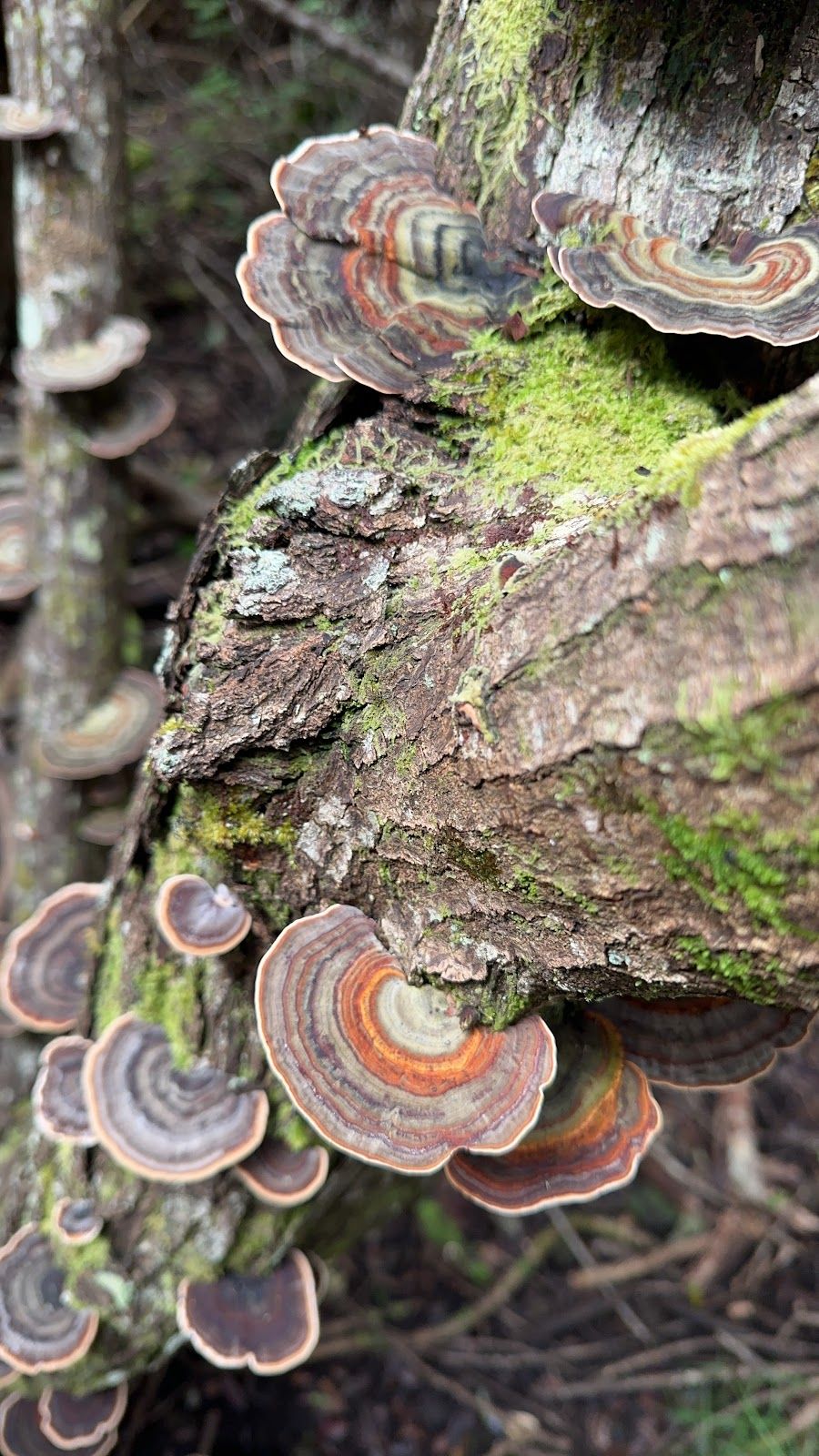
- Native cloud forest ecosystem
- Opportunities for birdwatching
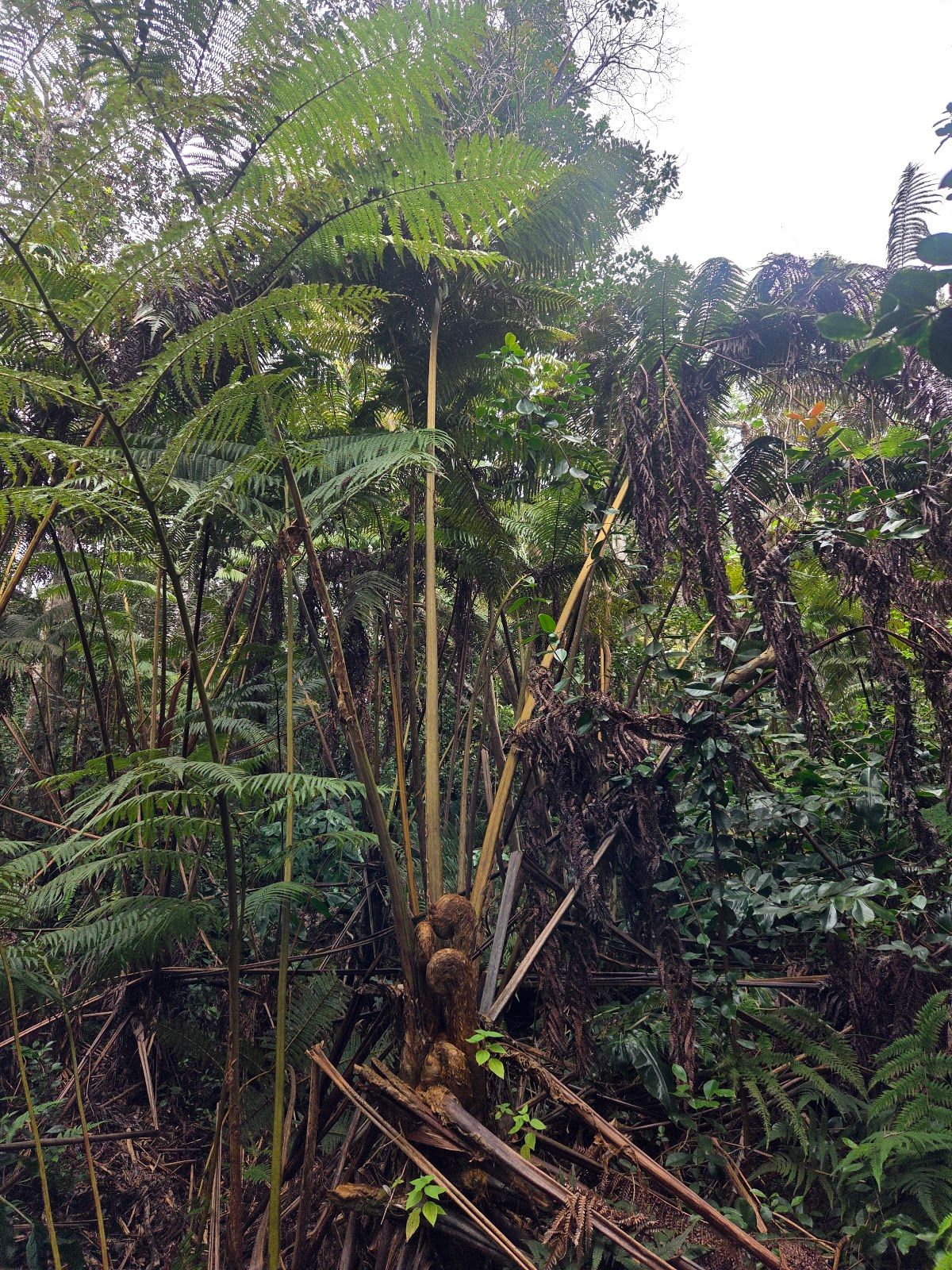
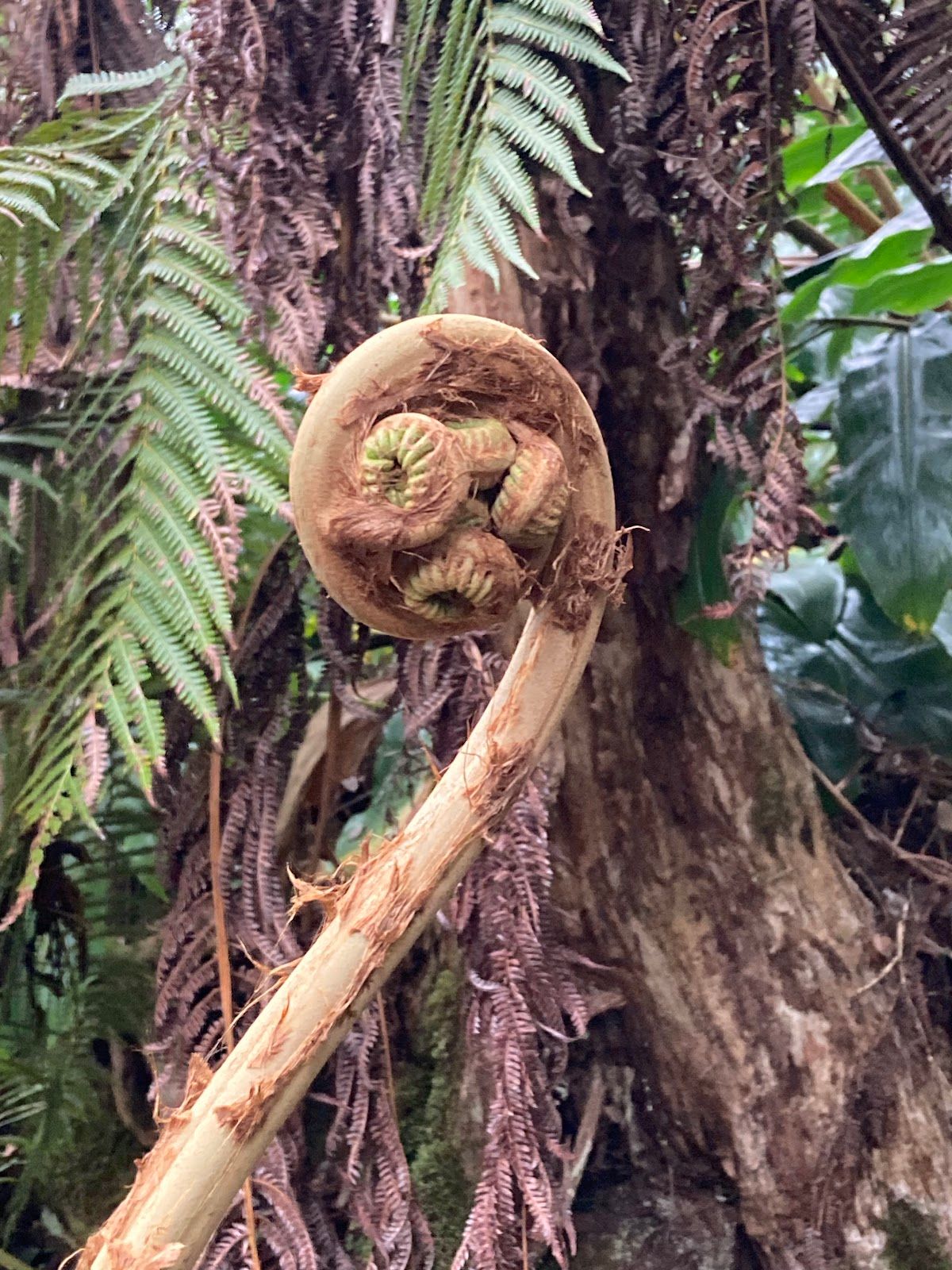
- Lush ʻōhiʻa and hāpuʻu tree ferns
- Multi-use hiking and biking trails
Makaula 'O'oma Trail is a Big Island cloud-forest hike tucked mauka of Kailua-Kona in the Hōlualoa area, giving travelers a very different kind of Kona experience than the coast below. Instead of lava-field views or ocean overlooks, this route is about cool elevation, dense native greenery, and a quieter, more enclosed forest atmosphere. It stands out as a half-day hike that feels both accessible from Kona and distinctly removed from the dry shoreline energy.
A cloud forest above Kona
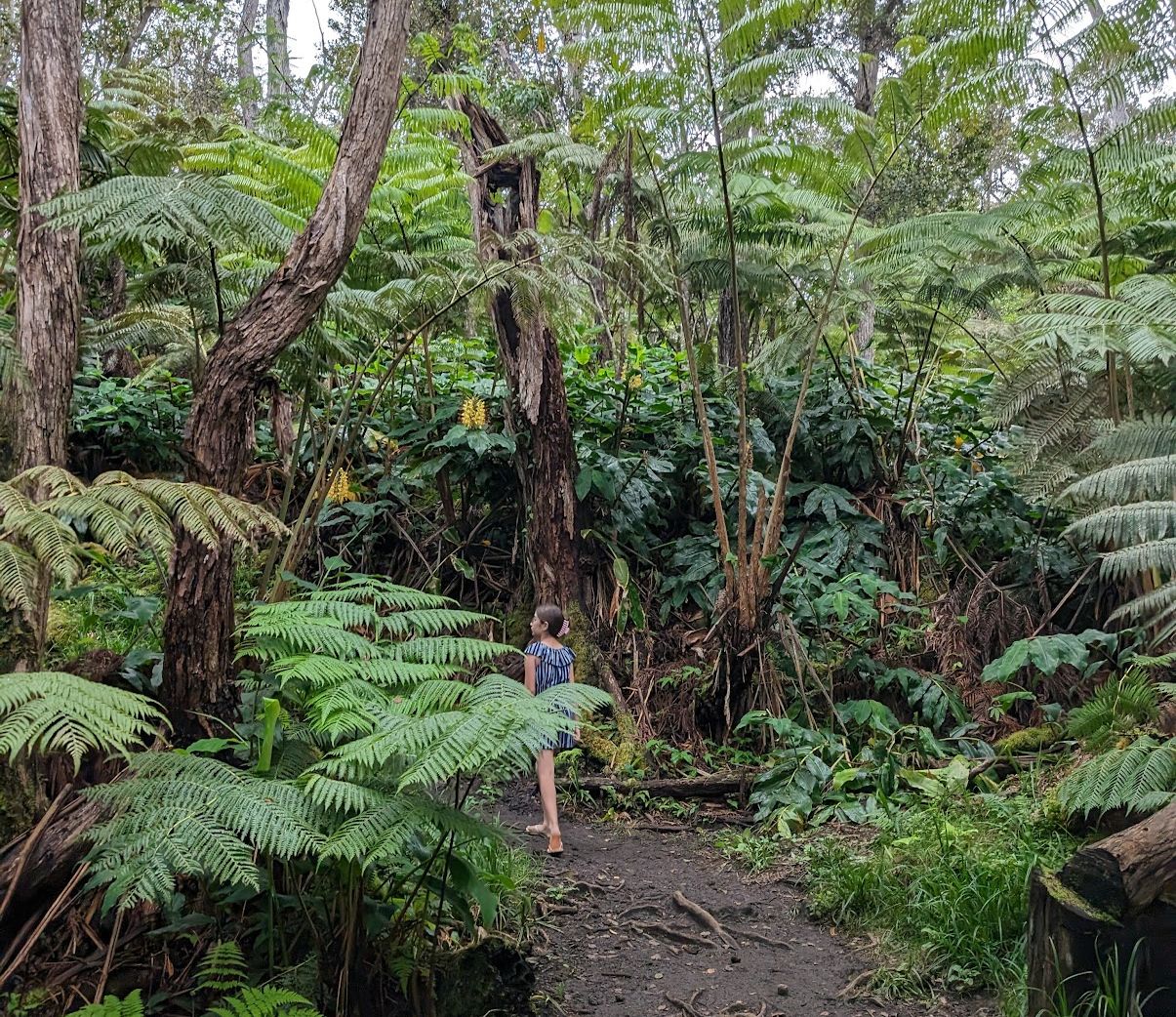
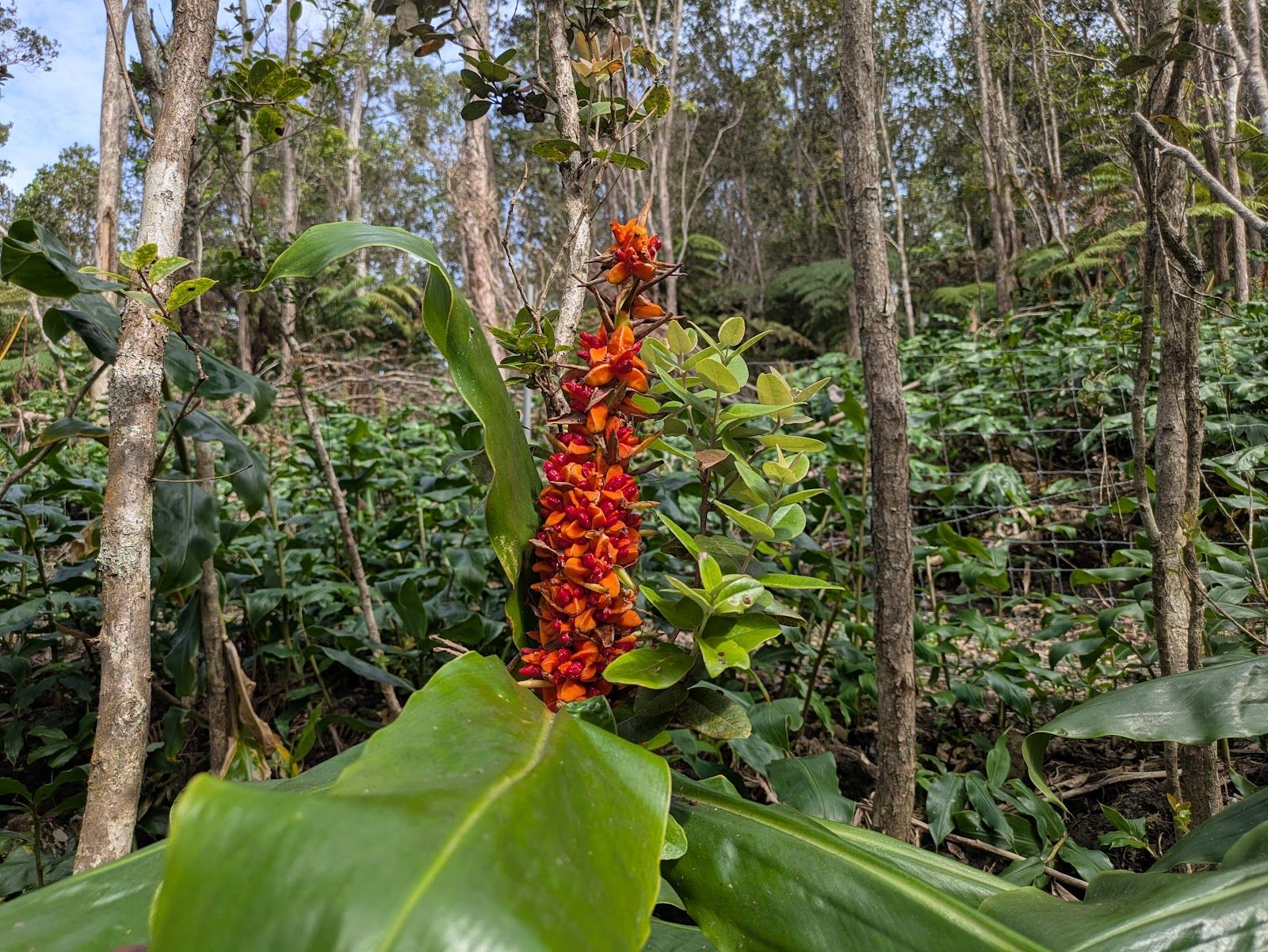
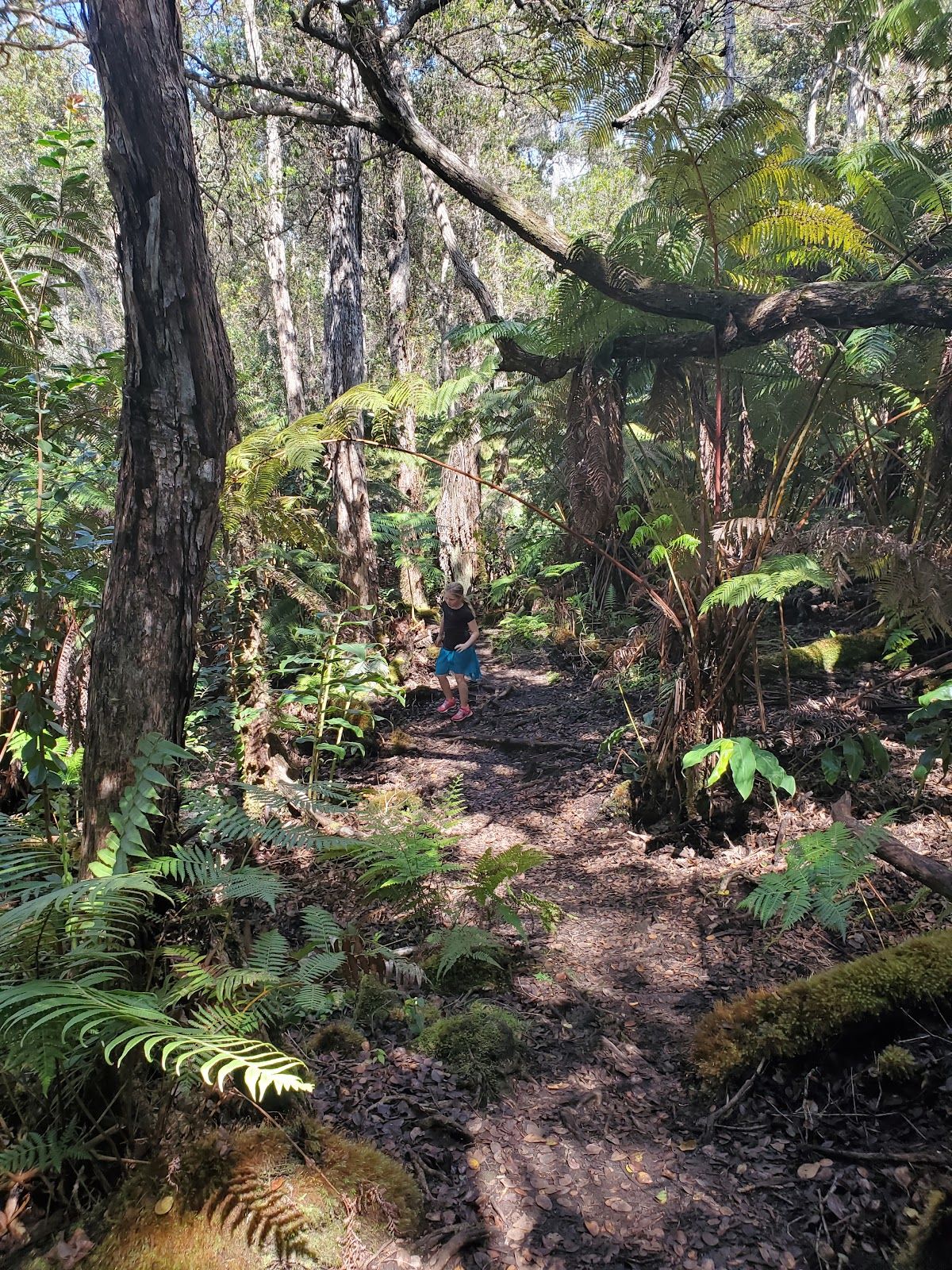
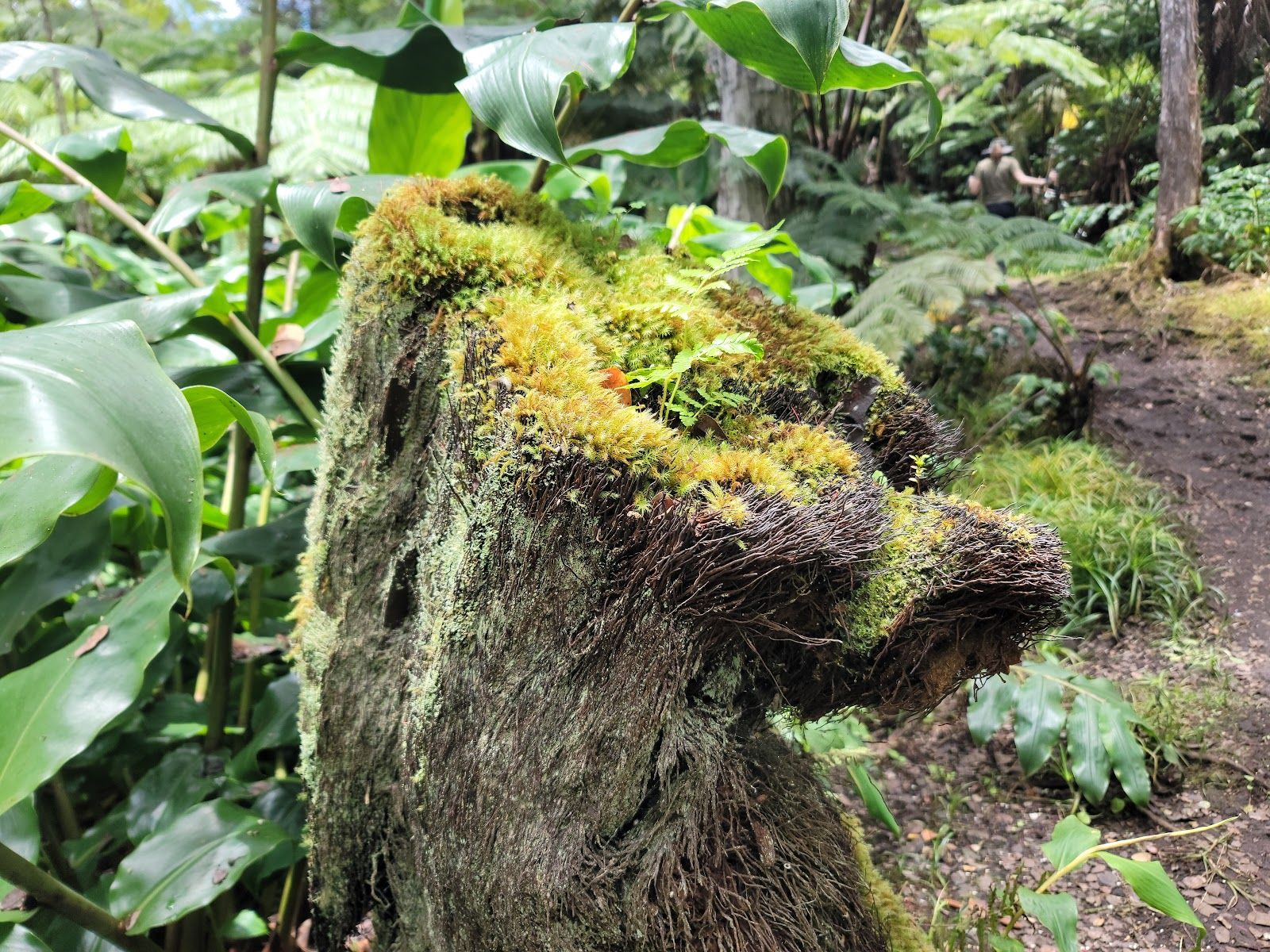
The trail system sits in the Honuaʻula Forest Reserve on the slopes of Hualālai, where wetter conditions support ʻōhiʻa trees, hāpuʻu tree ferns, and the kind of lush understory that gives this hike its “jungle” feel. The forest is the main attraction here. Light is filtered through the canopy, the air is noticeably cooler than at sea level, and the route has a close-in, immersive character rather than big scenic reveals.
That makes Makaula 'O'oma Trail especially appealing for hikers who like texture over panorama. Birdwatchers often find this a strong stop, and the setting is one of the better-known Kona-area places to look and listen for native forest birds. A pair of binoculars is worth carrying. The tradeoff is simple: this is not a view hike, so anyone hoping for wide coastline vistas will want a different trail.
Loop options, distance, and timing
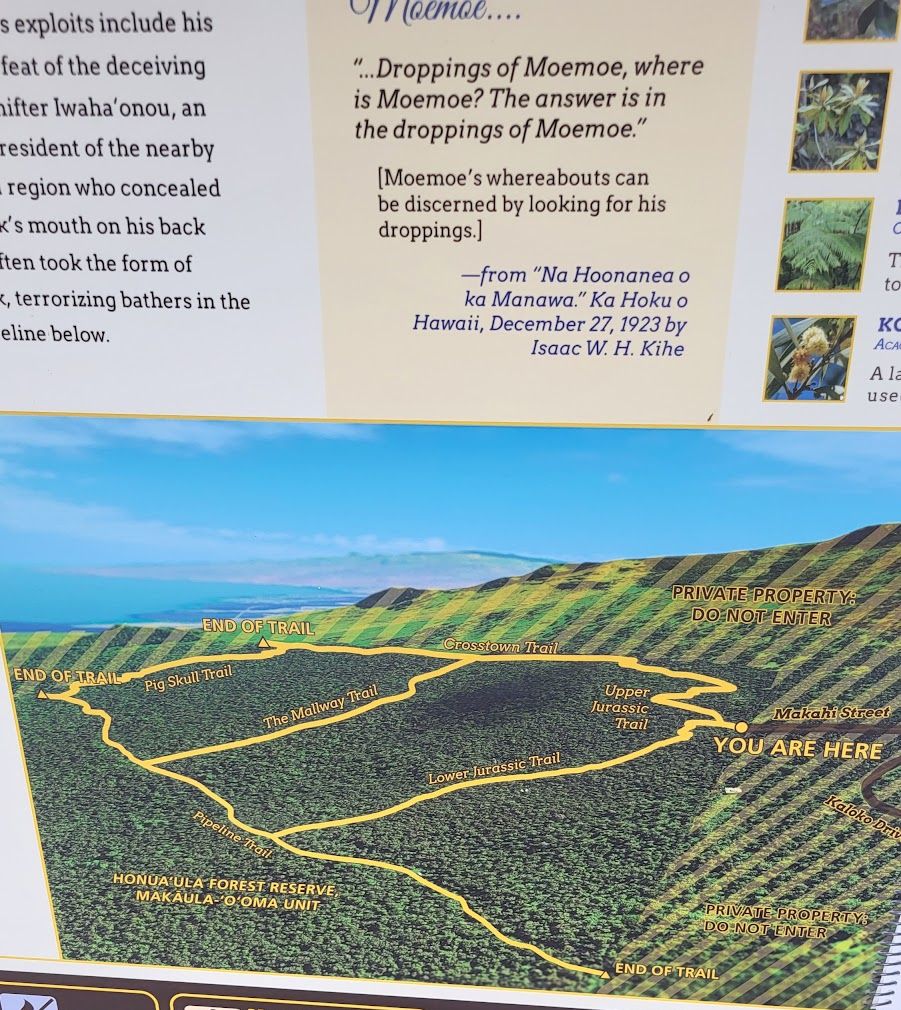
Makaula 'O'oma Trail is a multi-use trail network with loop options that make it easy to scale the outing to the day. Shorter loops around 2.3 miles and 3.4 miles keep the hike compact, while the longer circuit runs roughly 4 to 4.5 miles and gains about 700 to 800 feet. That puts it in the moderate range rather than the strenuous category, but the footing can make it feel more demanding than the mileage suggests.
The route works well as a half-day outing from Kona or Hōlualoa. It is long enough to feel substantial, yet short enough to leave room for coffee in Hōlualoa, a beach stop back on the coast, or an afternoon drive elsewhere in Kona. Because the trail is shared with mountain bikers, it pays to stay alert on bends and narrower sections.
Mud, roots, and the realities of a forest trail
The main caveat here is the terrain. Paths can be uneven, rocky, rooty, and muddy, especially after rain. In a cloud forest environment, damp footing is part of the experience, not an occasional inconvenience. Sturdy hiking shoes with good traction are the right choice, and waterproof footwear can be especially helpful during wetter stretches.
Weather shifts matter too. The higher elevation keeps things cooler, but it also means showers are common enough that raingear and insect repellent make sense. Navigation can be straightforward in some sections and less obvious in others, so a map on the phone is useful. The reserve is bordered by private property, so staying on marked trails is essential.
Parking is street-based at the end of Makahi Street, and drivers should be careful not to block driveways. Access is free and does not require reservations, which makes this an easy last-minute option when the Kona coast feels too hot or crowded. Hunters also use surrounding areas at times, so bright clothing is a sensible precaution.
Best fit for travelers who want a different Kona hike
This is a strong choice for hikers who enjoy native forest, cooler air, birdlife, and a route with enough irregularity to feel adventurous without turning into a major expedition. It suits independent travelers, nature photographers, and anyone building a Kona itinerary around variety rather than checklist sightseeing.
It is less ideal for visitors who want smooth paths, dry footing, dramatic overlooks, or a low-effort stroll. Makaula 'O'oma Trail is rewarding precisely because it feels wild, green, and a little rough around the edges.