
Mauna Kea Visitor Center
Discover the wonders of the night sky and stunning sunsets at the Mauna Kea Visitor Center, an essential stop for astronomy enthusiasts and families alike, offering educational exhibits and crucial altitude acclimatization.


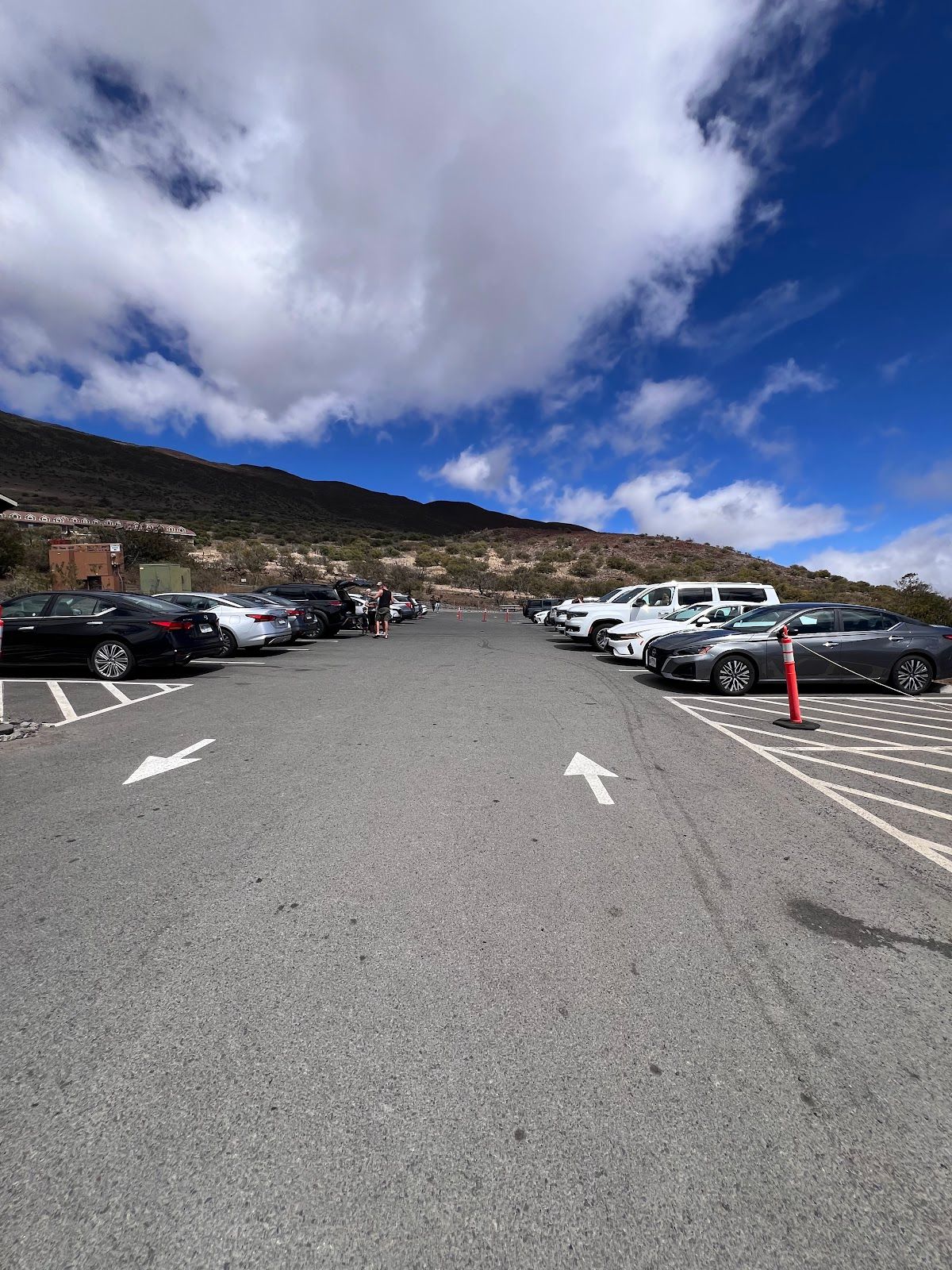
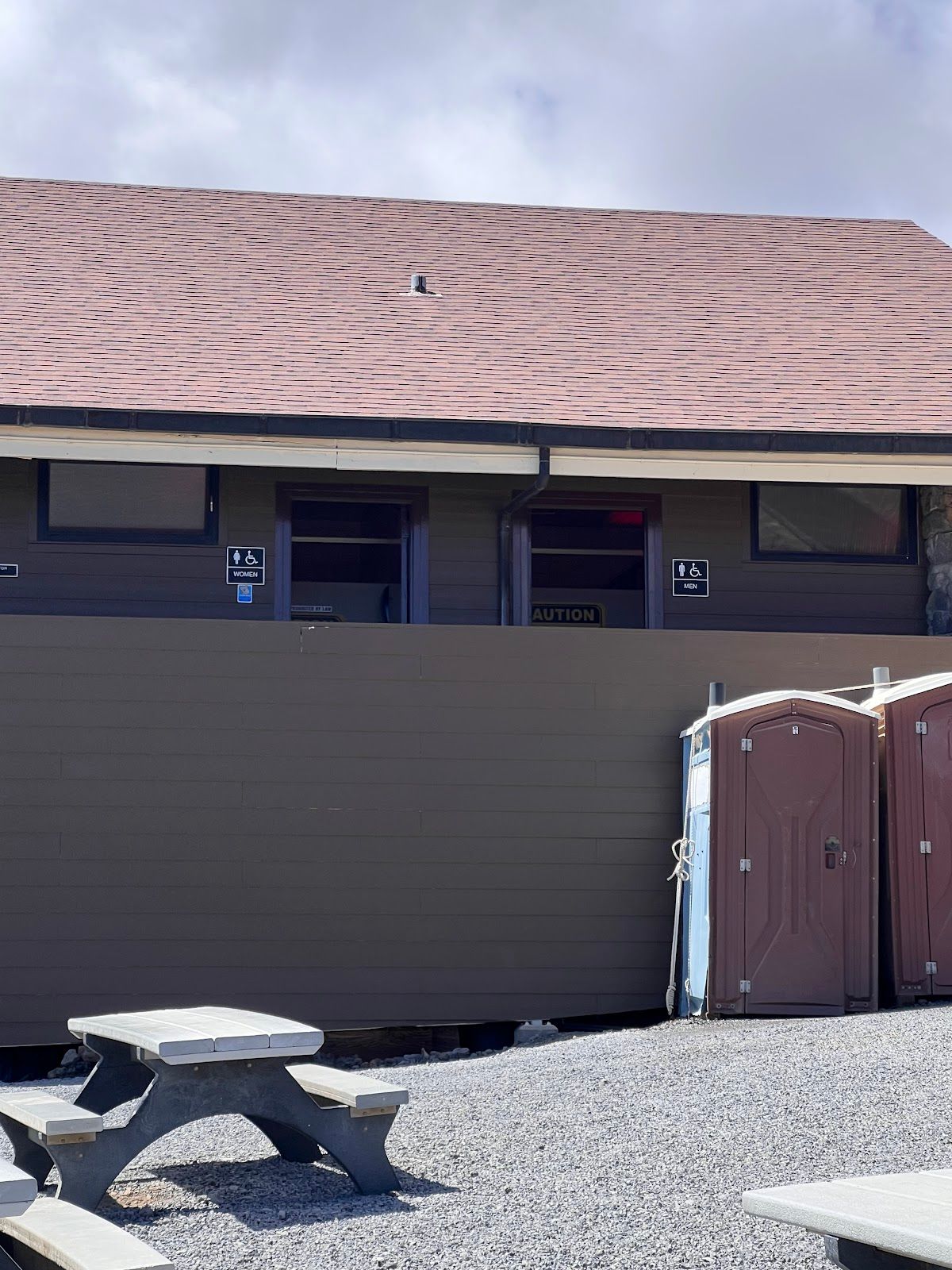
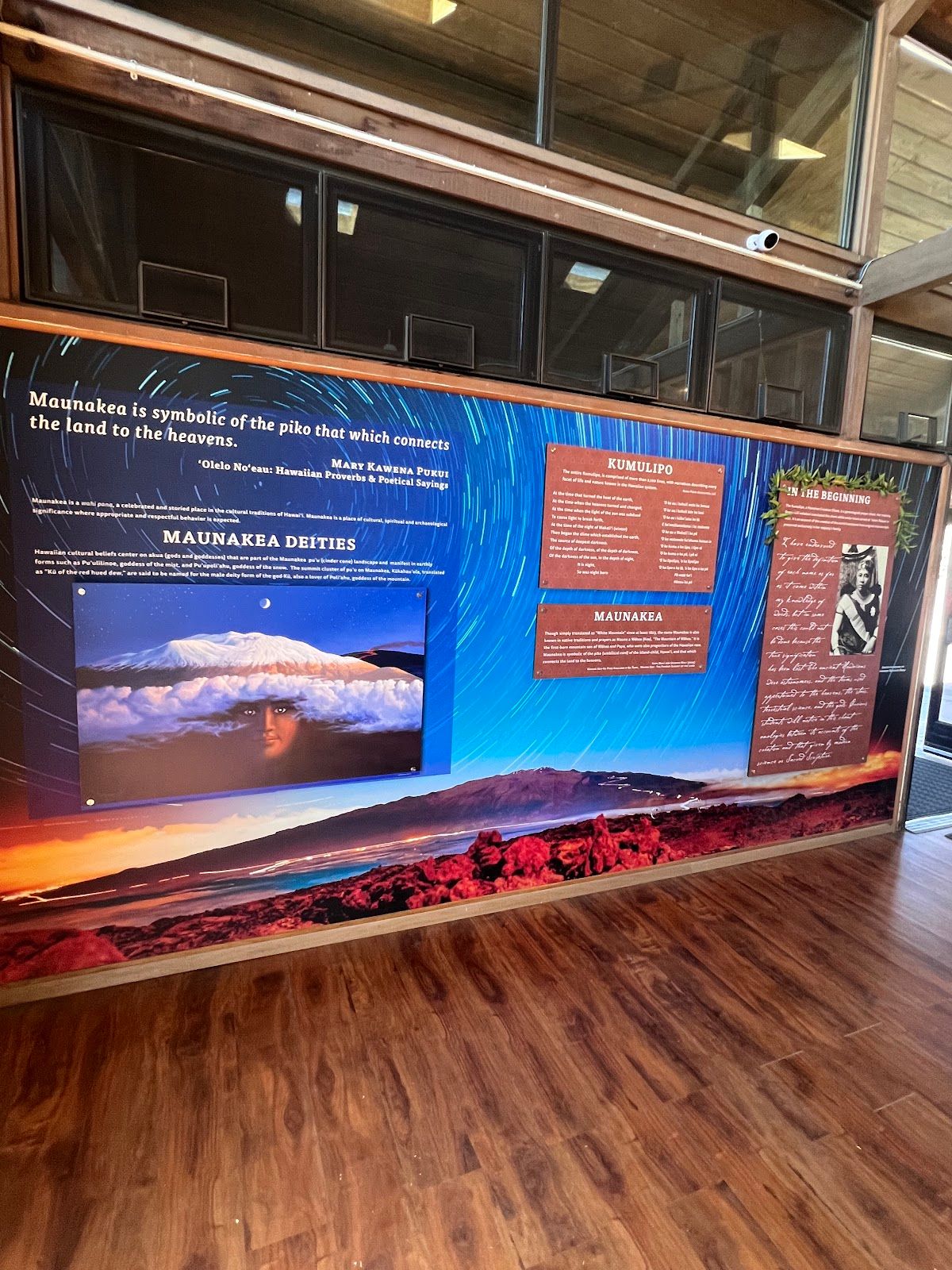
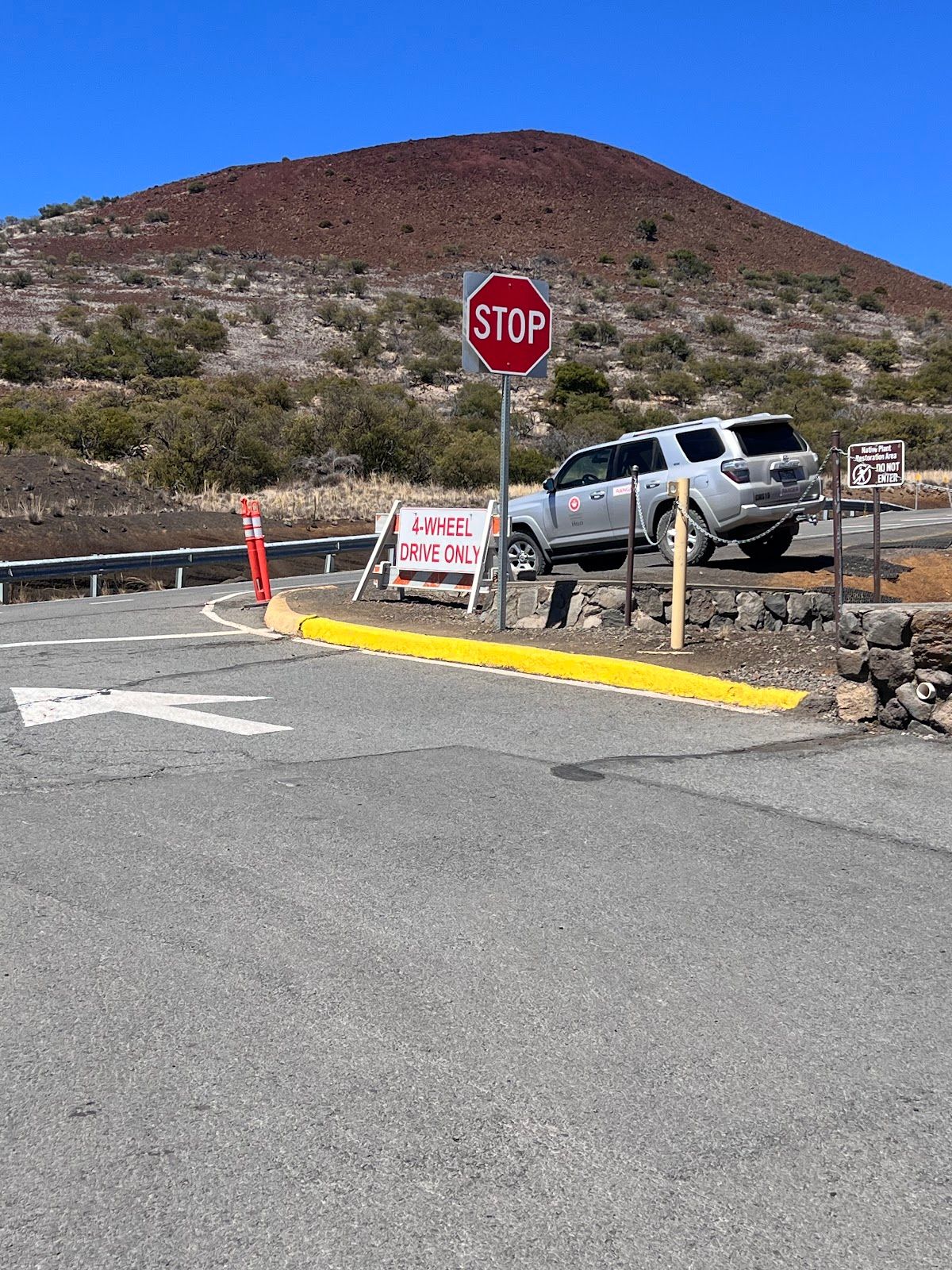
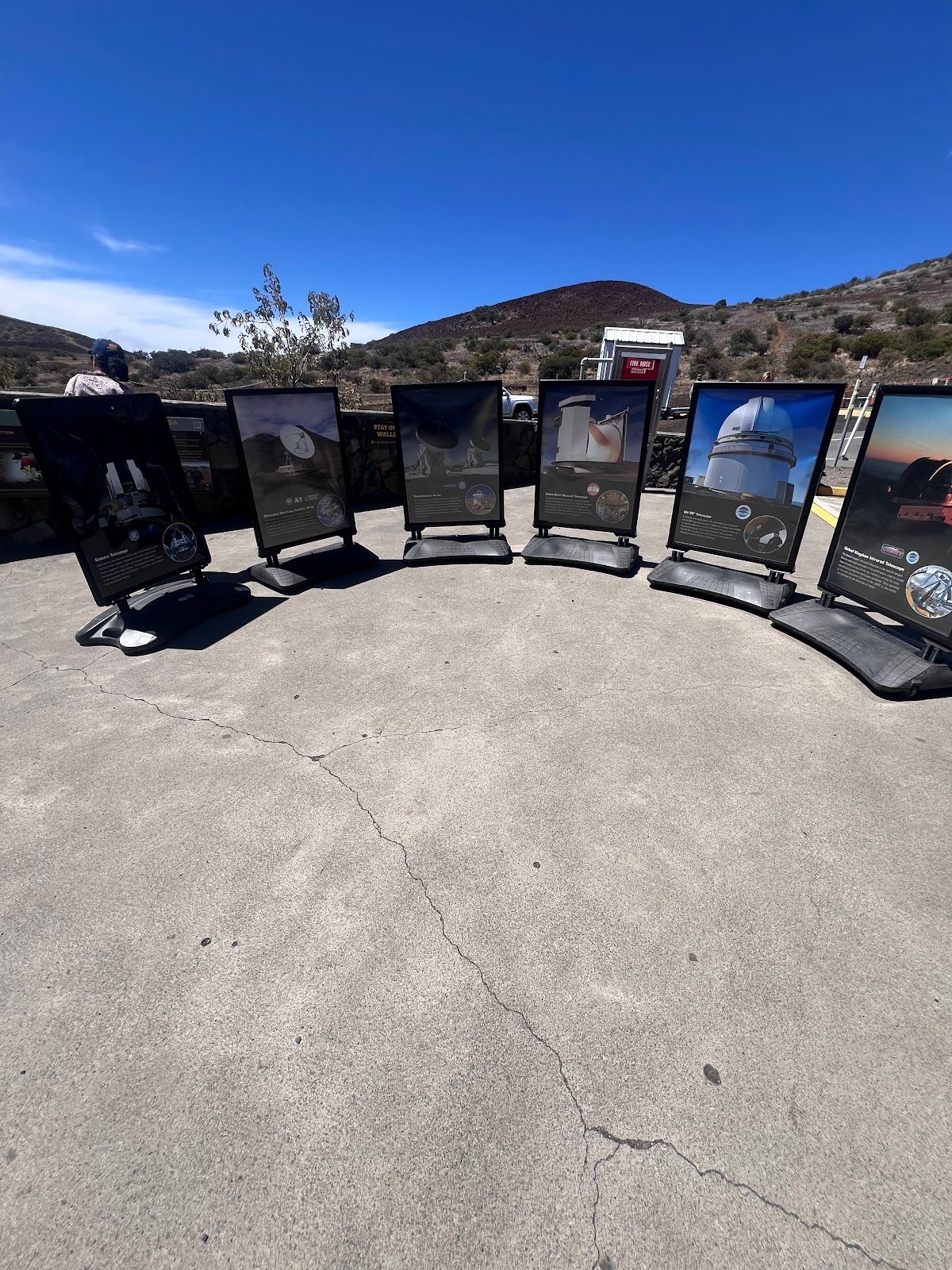
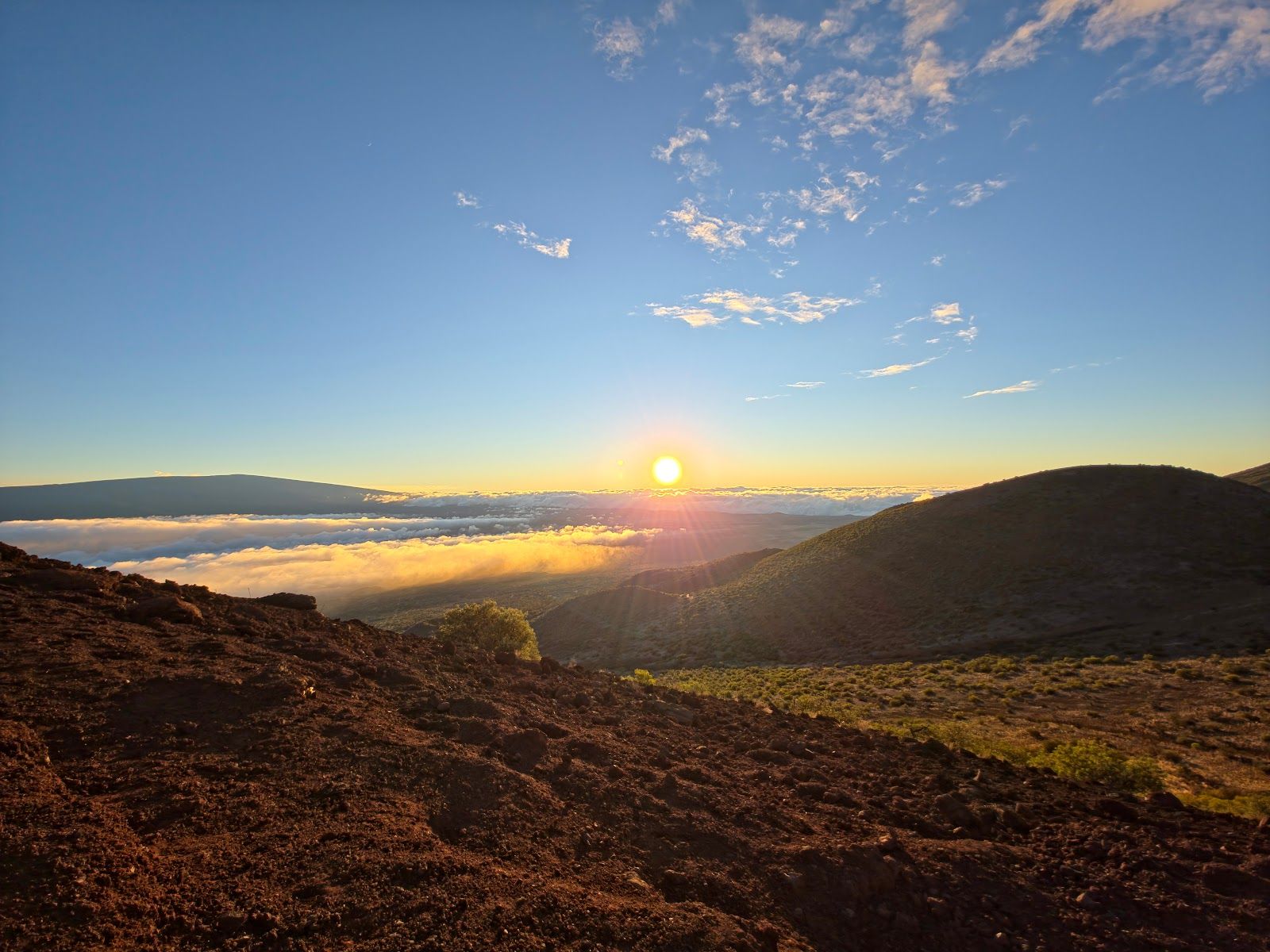
- Stargazing presentations
- Sunset viewing
- Educational exhibits
- Altitude acclimatization stop
The Mauna Kea Visitor Center is one of the Big Island’s most useful high-country stops: part scenic overlook, part astronomy outpost, part acclimatization point on the road toward the summit. Set in the Mauna Kea Summit area on the Saddle Road side of the mountain, it gives travelers a way to experience Mauna Kea’s scale, silence, and night-sky reputation without committing to the more demanding upper road. For many itineraries, it works as both a destination and a staging point.
Why this stop matters on Mauna Kea
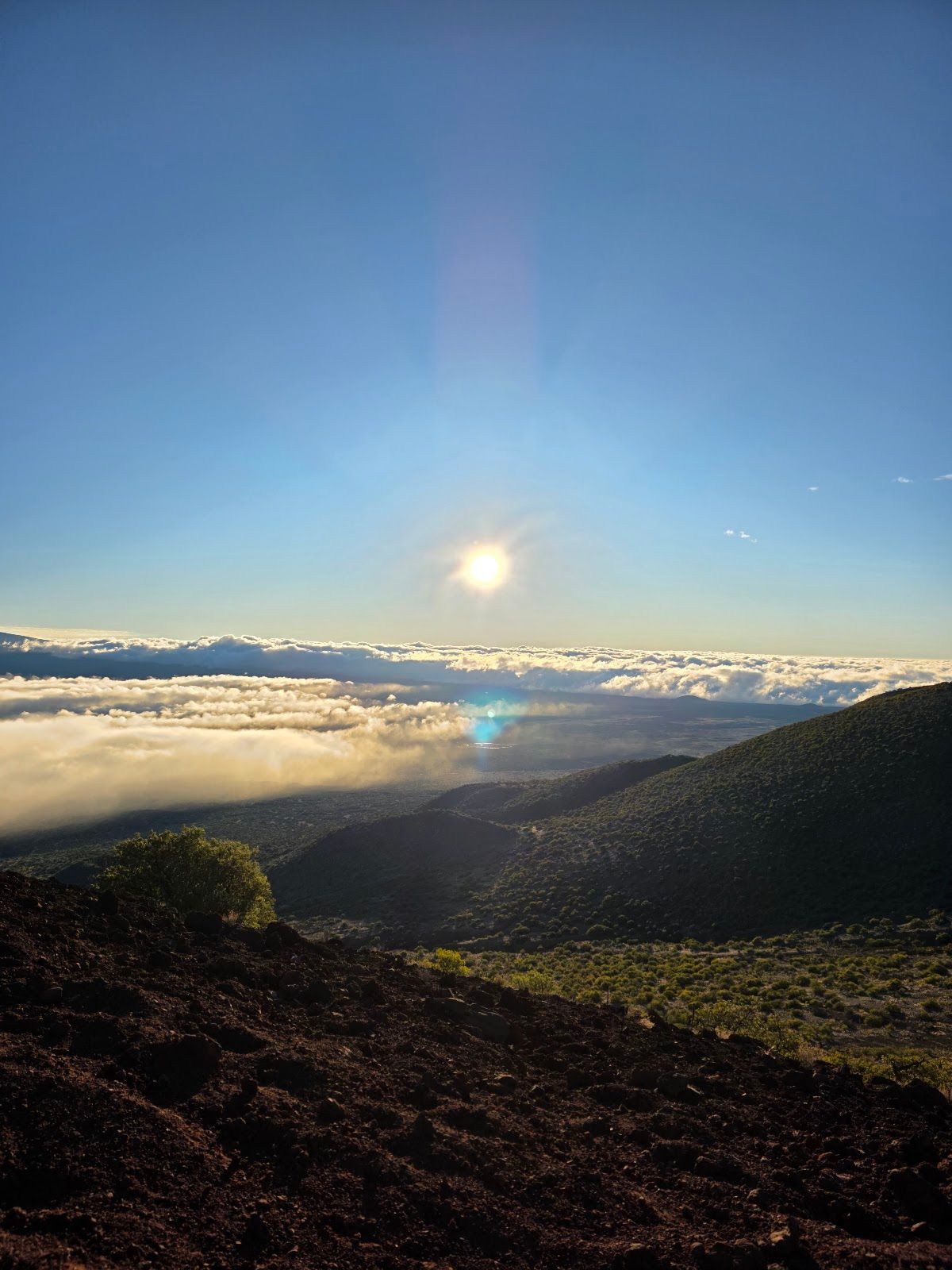
At roughly 9,200 feet, the Mauna Kea Visitor Center sits in a very different world from the coast. The air is thinner, the temperatures drop fast after sunset, and the views can be astonishing when the clouds part. The center is known for interpretive exhibits on astronomy, geology, and Hawaiian cultural significance, which adds depth to the stop beyond the usual “pull over for a view” experience.
The setting also makes it a practical pause before going higher. A short acclimatization break here is widely used by visitors heading toward the summit road, and the stop itself has enough character to justify a visit even if the summit is not part of the plan.
Sunset, stargazing, and the mountain after dark
The main draw is the transition from sunset into night. The western sky can turn dramatic quickly, and once the light fades, the elevation often puts the Visitor Center above much of the low cloud cover. That combination is what gives Mauna Kea its reputation for stargazing.
The experience is usually self-directed and low-key rather than polished or theatrical. Expect exhibits, restrooms, a small snack-and-gift setup, and the kind of open, high-altitude landscape that rewards warm layers and patience. When programs are offered, they tend to focus on the night sky and Hawaiian star knowledge rather than a big commercial show.
Getting the timing right
The Visitor Center fits best as a late-afternoon-to-evening stop. Arriving before sunset leaves time to adjust to the altitude, settle in, and avoid the most hectic parking periods. The road to the center is paved and accessible, which makes it a relatively straightforward stop compared with the unpaved summit road above it.
That said, the elevation is not trivial. Travelers should take altitude seriously, especially if they are arriving from sea level the same day. Cold, wind, and strong sun exposure can all show up in the same visit, so layers, sunscreen, and a conservative pace matter.
Best fit for travelers
This is a strong stop for astronomy fans, families looking for an accessible Mauna Kea experience, and anyone who wants a memorable sunset with a cultural and educational layer. It is also one of the smarter places to pause before attempting anything farther up the mountain.
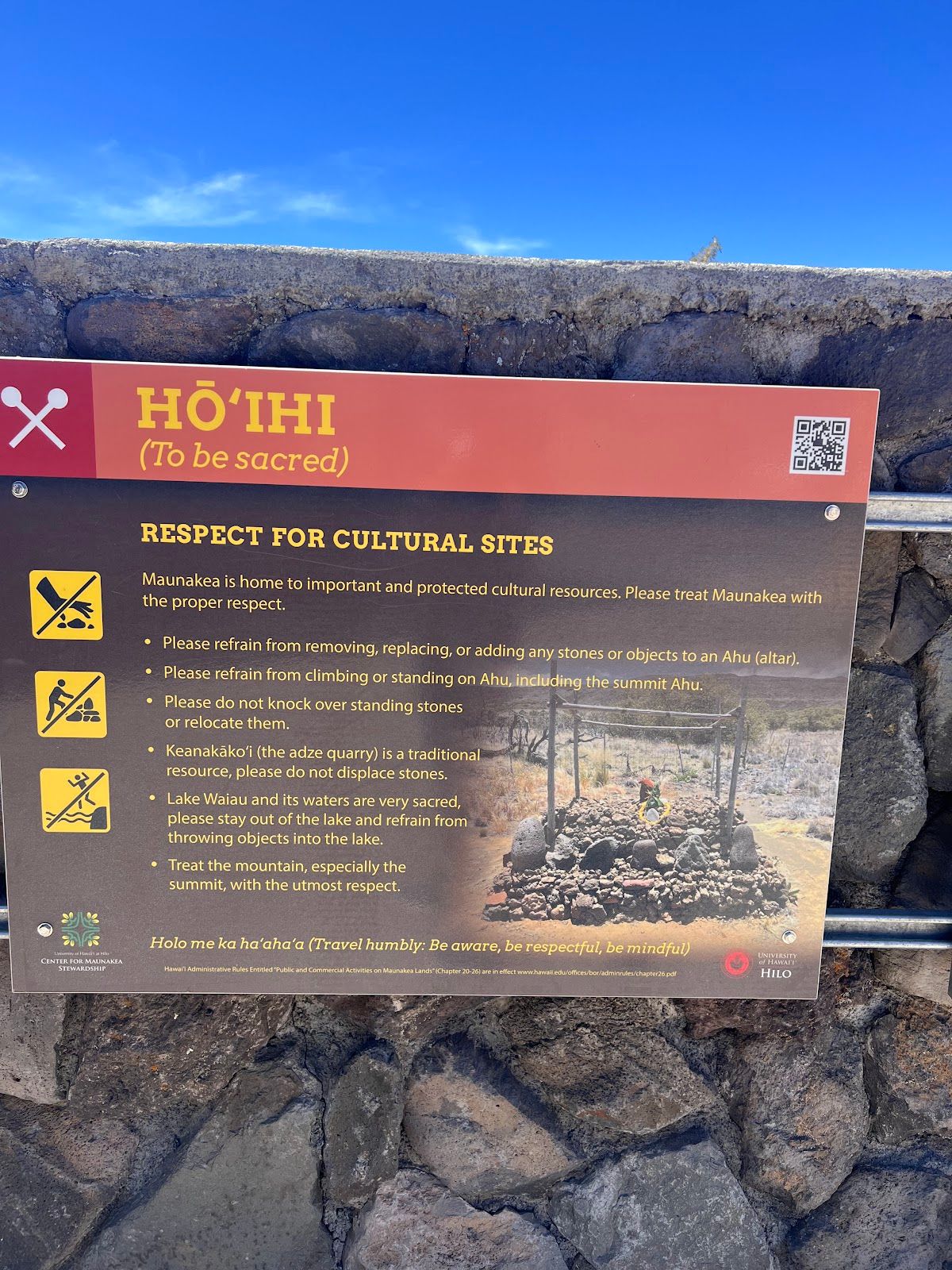
It is less suitable for travelers who are sensitive to altitude or who want a simple, low-elevation outing with easy warmth and amenities. The setting is beautiful, but it is still a high mountain environment, not a casual roadside overlook. Respect for Mauna Kea’s cultural importance also matters here: stay on marked areas, leave no trace, and treat the mountain as more than a backdrop for photos.