
Muliwai Trail
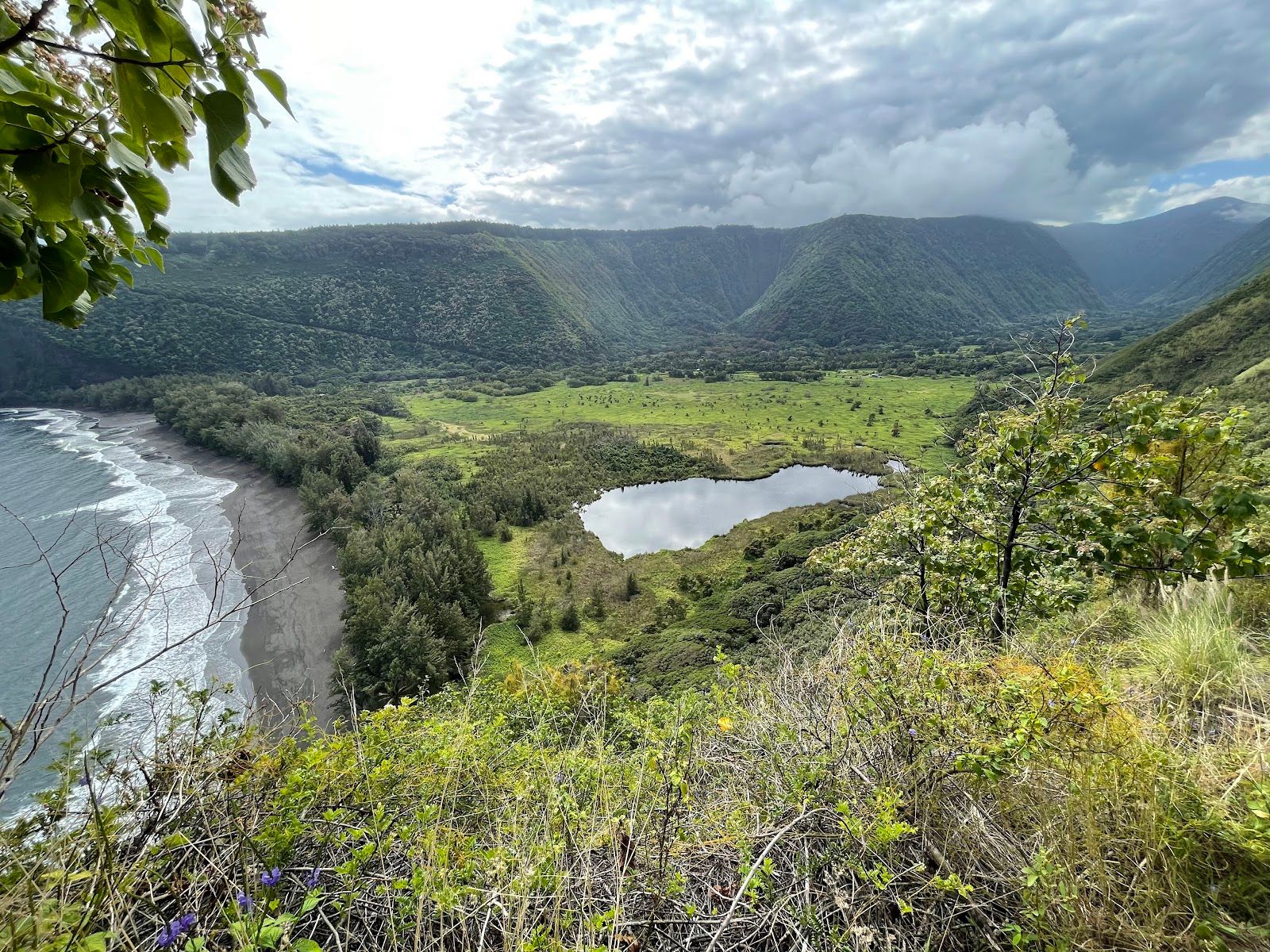
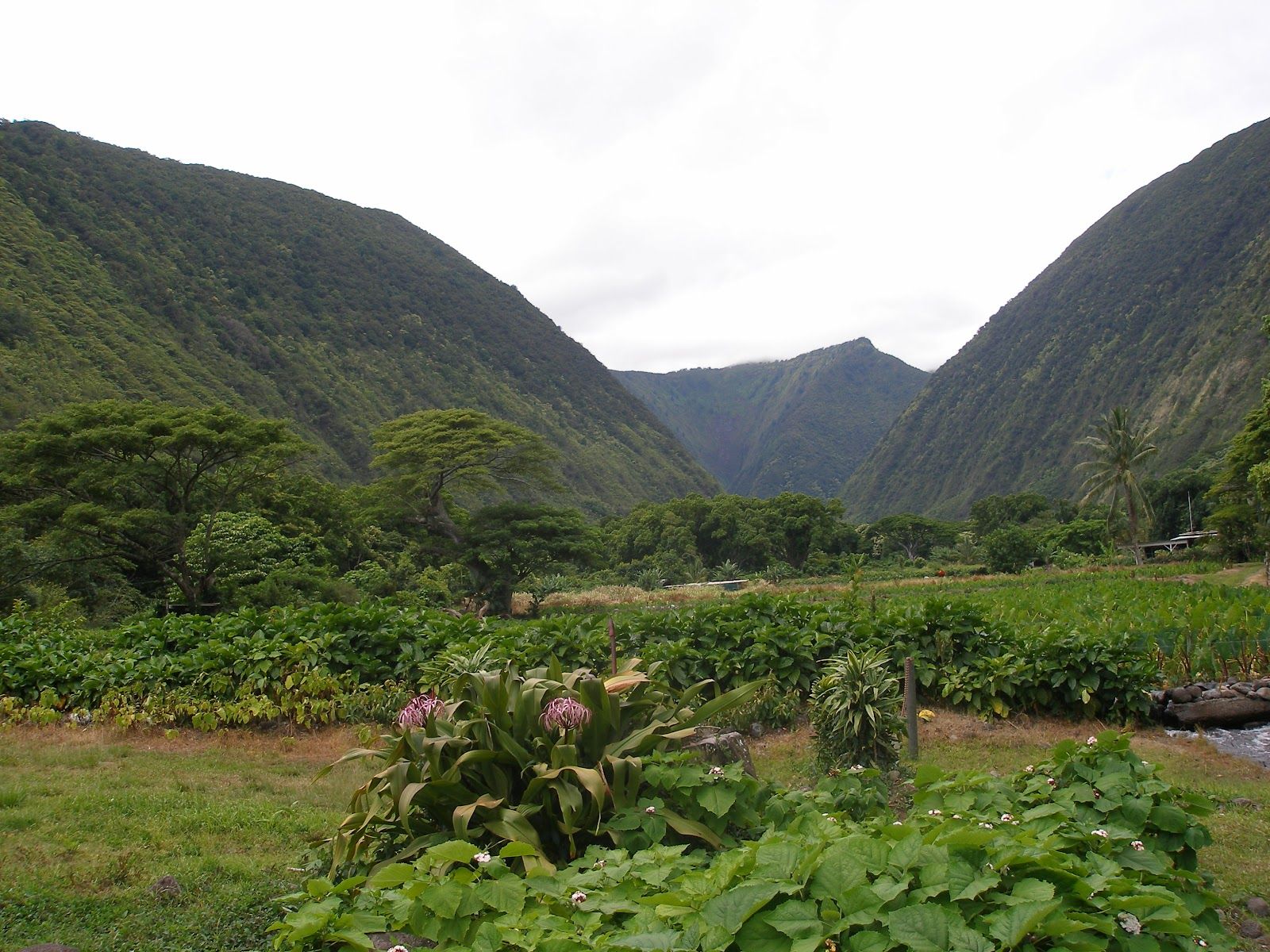
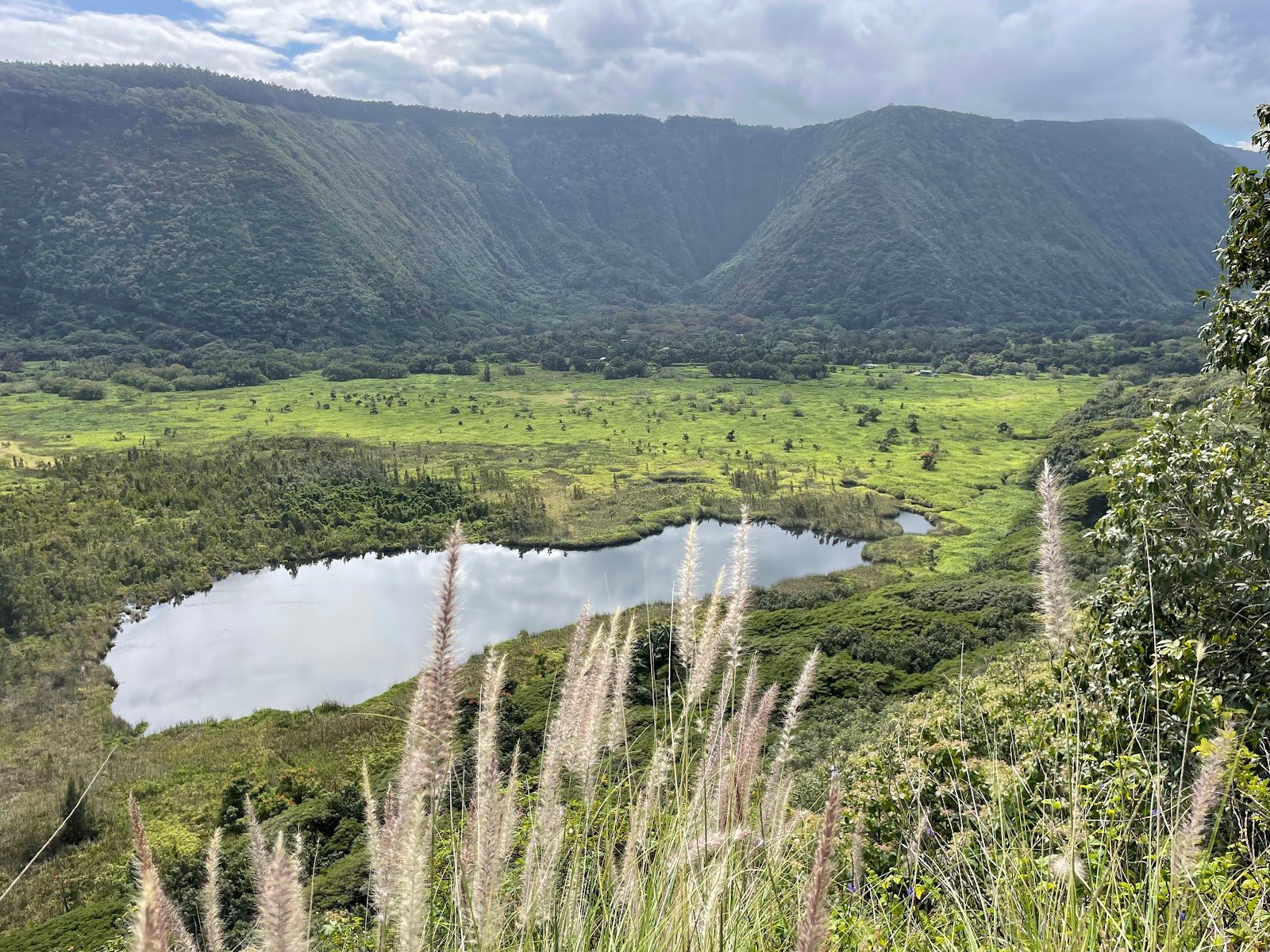
This strenuous multi-day backpacking adventure, often called the "Z-Trail," offers unparalleled views of Waipiʻo Valley and leads to the remote and culturally significant Waimanu Valley.
- Multi-day backpacking trail
- Strenuous hike with significant elevation changes
- Leads to remote Waimanu Valley
- Features multiple stream crossings
Muliwai Trail is one of the Big Island’s most demanding backcountry routes, tucked into the Waipiʻo side of the Hāmākua Coast and valued as much for its setting as for its difficulty. This is not a casual valley walk or a quick lookout stop. It is a strenuous multi-day hike that drops into the floor of Waipiʻo Valley, climbs hard out of it, and eventually reaches remote Waimanu Valley, where the landscape turns quieter, wetter, and far more isolated. For travelers who want a serious wilderness itinerary with real cultural weight, it stands apart from almost everything else on the island.
A trail defined by elevation, mud, and distance
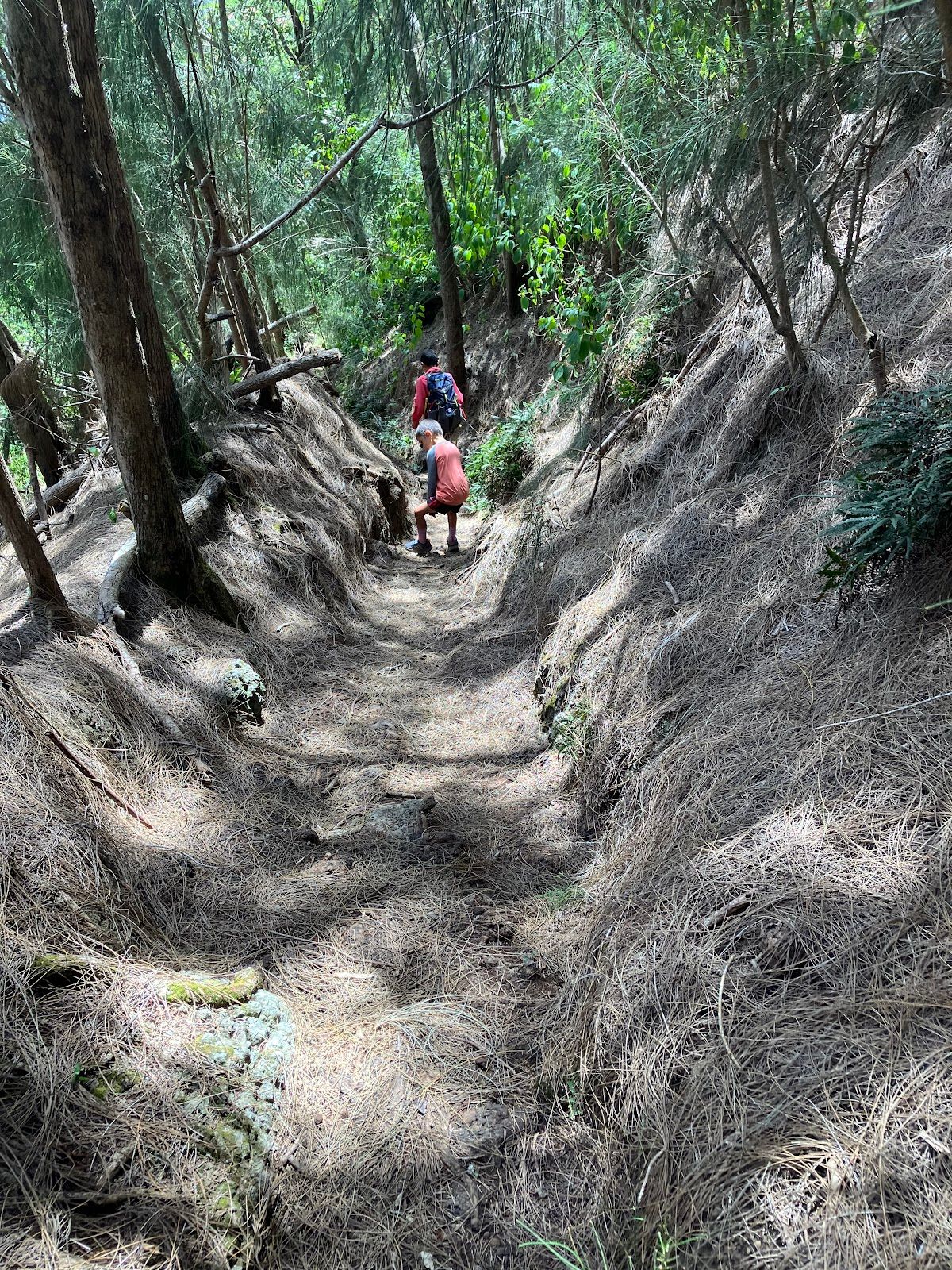
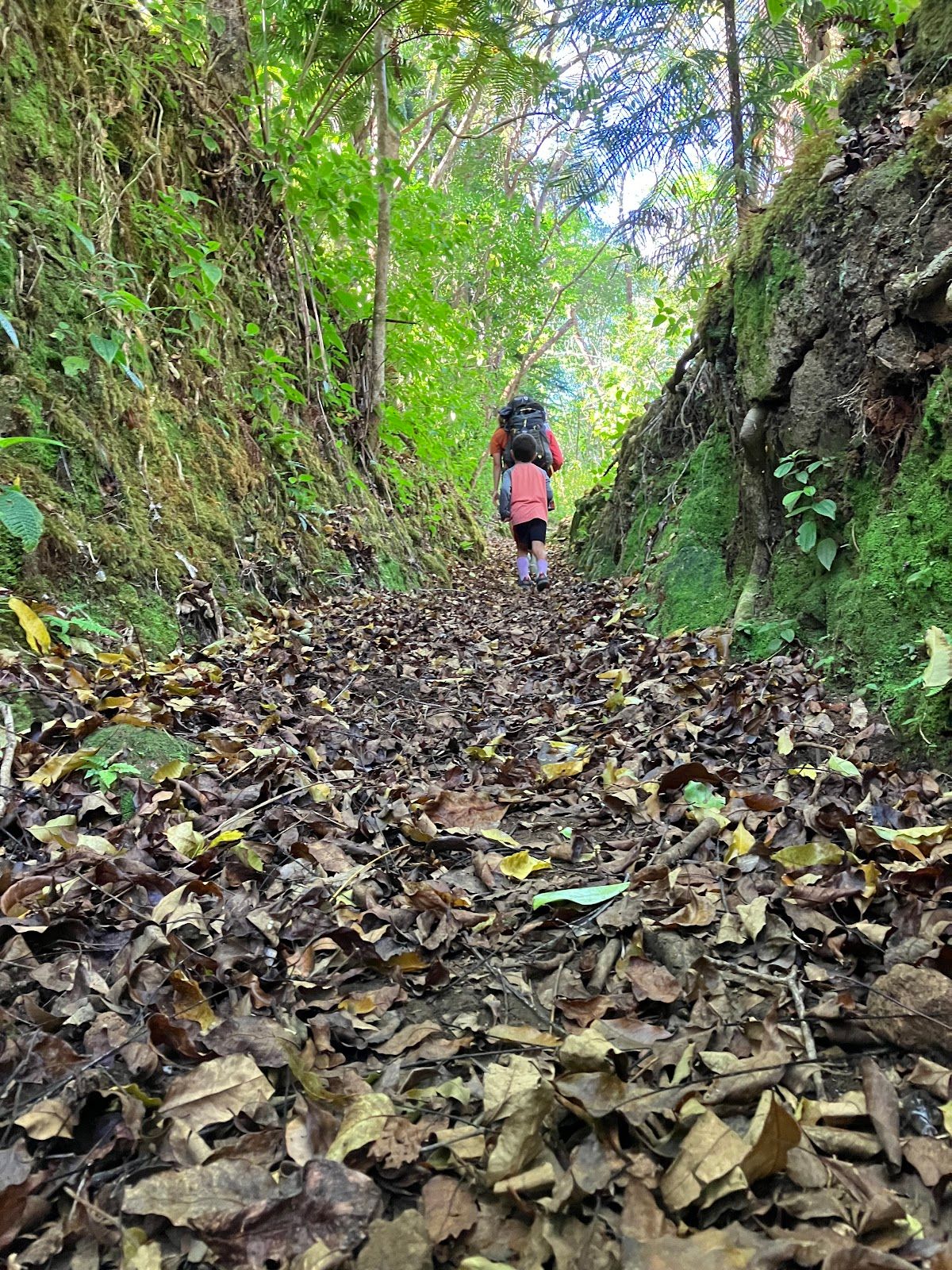
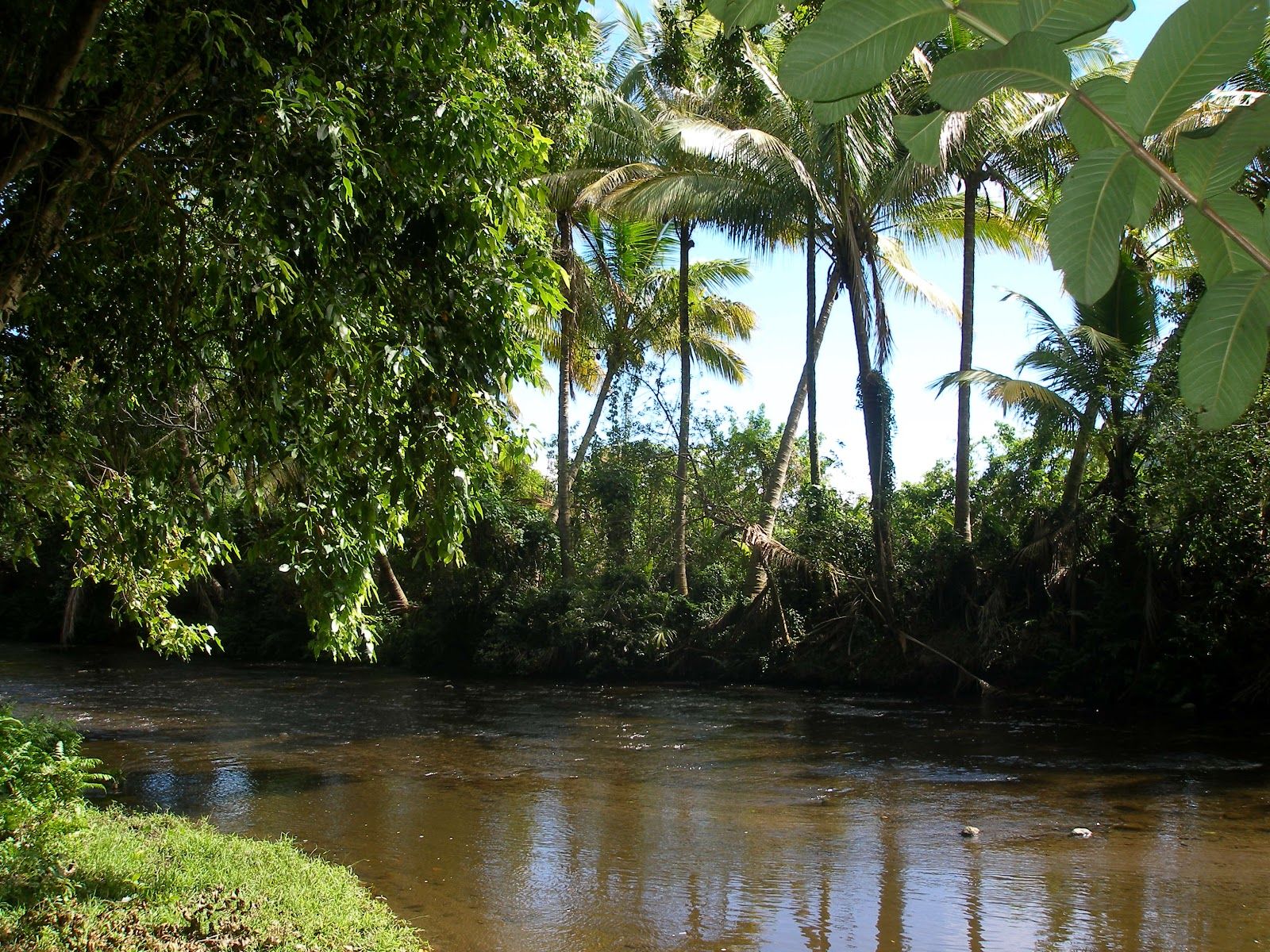
The route is often called the “Z-Trail,” and the name fits. The opening climb out of Waipiʻo is the trail’s signature test: steep switchbacks, heavy elevation change, and a fast reminder that this is backpacking terrain, not sightseeing terrain. After that, the path continues across a series of gulches and stream crossings before a final descent into Waimanu Valley.
Conditions can be rough even in good weather. The trail is minimally maintained, and wet sections can be muddy, slick, and slow-going. That unpredictability is part of the experience, but it also means pace, footing, and packing discipline matter more here than on a polished park trail. This is a route for hikers who are comfortable carrying overnight gear and adjusting to changing conditions on the fly.
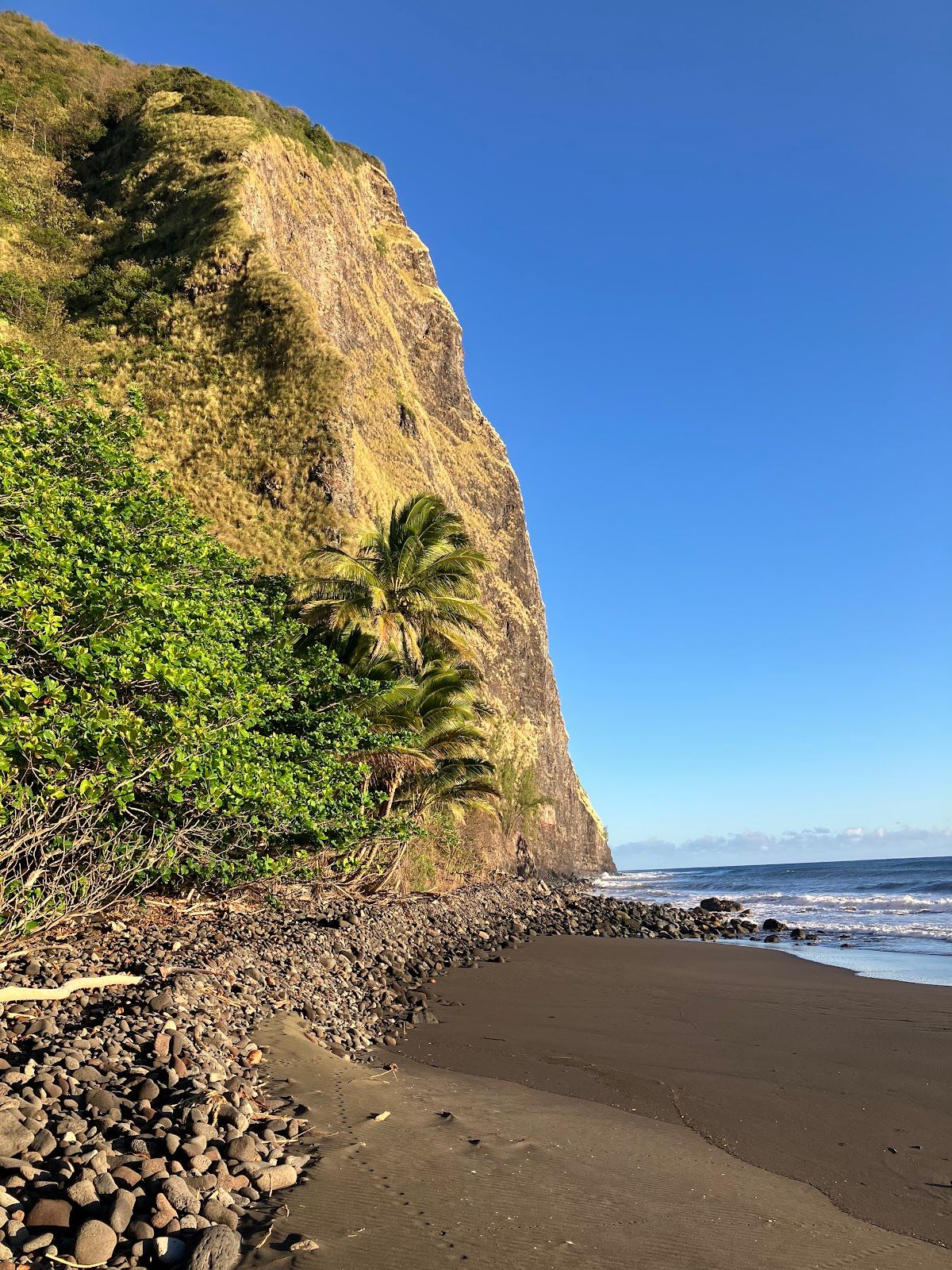
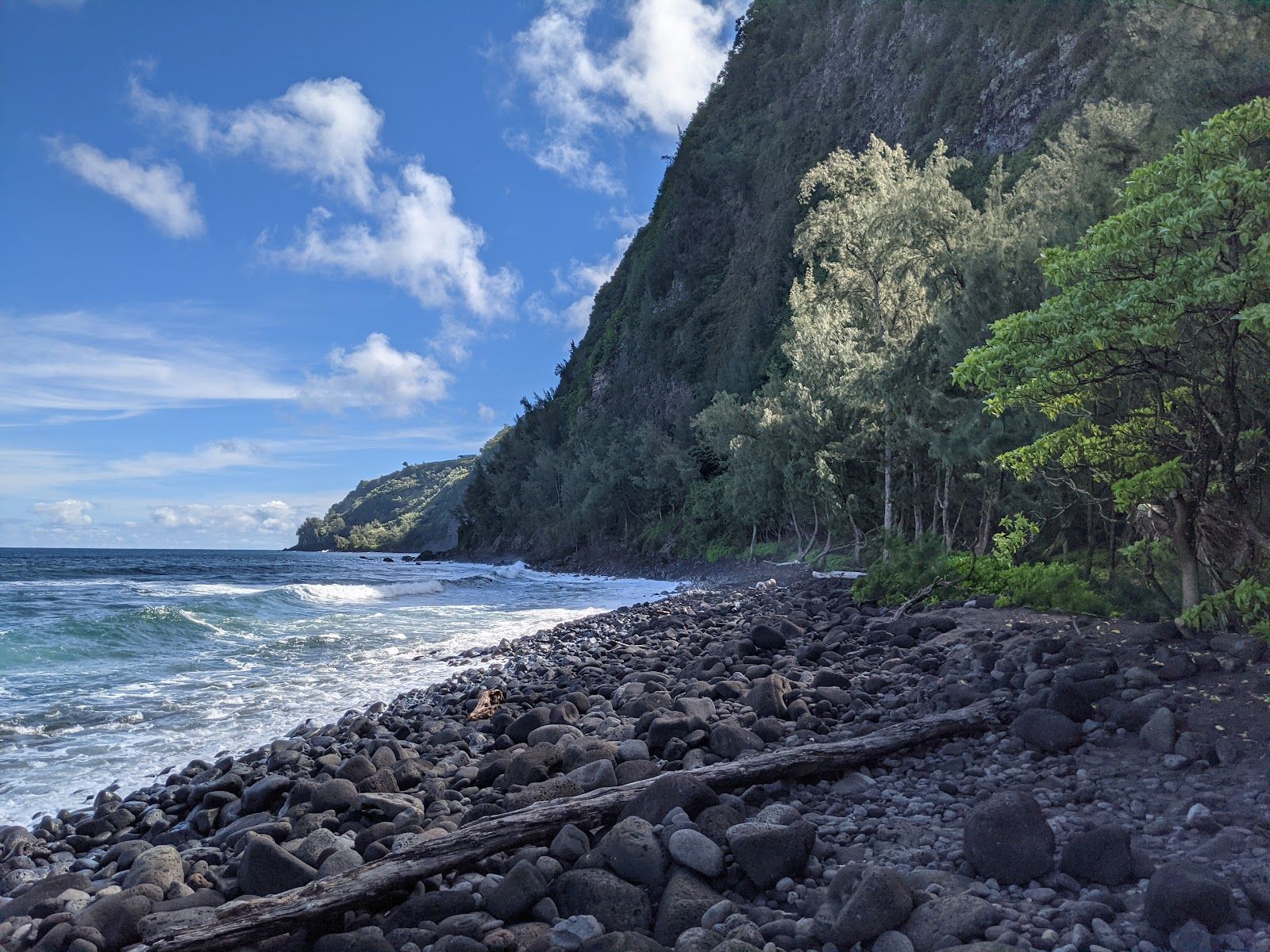
Waimanu Valley is the reward: remote, lush, and enclosed by steep walls, with a black sand beach and waterfalls that give the valley its dramatic character. The area also carries deep Hawaiian history, which adds a layer of meaning that goes well beyond scenery.
Getting there is part of the challenge
The biggest logistical issue is access. The trail begins at the bottom of Waipiʻo Valley, and reaching that point is not straightforward for visitors. Waipiʻo Valley Road has strict access limits, so this is not an easy self-drive trailhead. Travelers should plan carefully and verify current access rules before relying on any route into the valley.
That same remoteness is what makes Muliwai Trail such a distinctive itinerary block. It is not the sort of hike that gets folded into a packed day of island sightseeing. Most itineraries need to treat it as a multi-day commitment, with time reserved for getting to the trail, hiking in, camping, and hiking back out. Waimanu’s designated campsites require permits, and the trail is best approached with the expectation of self-sufficiency.
Because there is no reliable cell service along the route, hikers should not count on calling for help in the moment. Weather also matters more here than almost anywhere else on a standard visitor itinerary. Heavy rain can make stream crossings dangerous, and the valley’s remote character leaves little margin for error.
Best fit: experienced backpackers, not casual hikers
Muliwai Trail is best for experienced hikers who want a hard-earned destination rather than an easy scenic payoff. It suits travelers who are already comfortable with steep ascents, uneven footing, river crossings, and primitive overnight travel. The route’s cultural importance and sense of remoteness are part of its appeal, especially for visitors who want to understand Hawaiʻi beyond beaches and roadside lookouts.
It is a poor match for anyone looking for a short day hike, a family-friendly outing, or a low-stress way to see Waipiʻo Valley. Travelers who want the valley views without the physical commitment will be happier at the Waipiʻo overlook or on a guided valley visit. Muliwai Trail is the more serious, more immersive option—memorable precisely because it asks a lot in return.