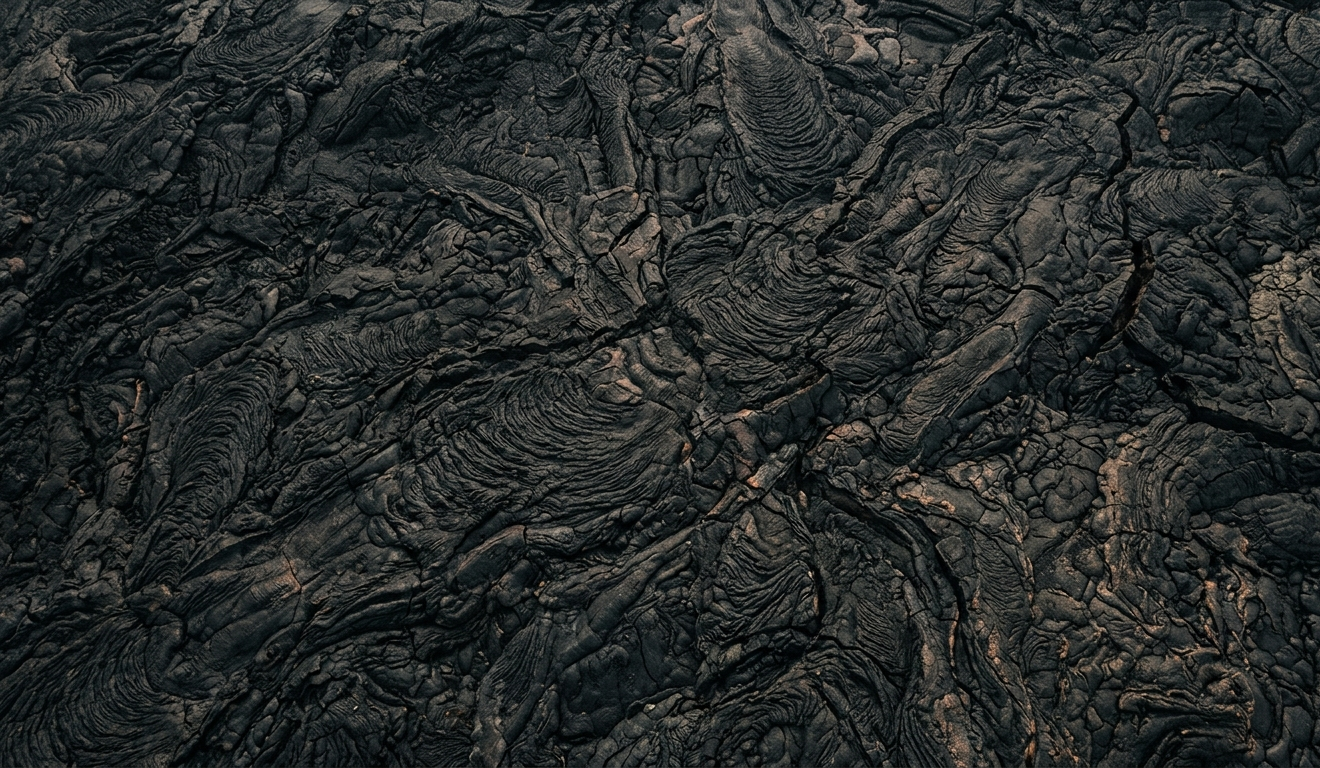

Nāhuku Lava Tube
Explore the fascinating Nāhuku Lava Tube, also known as Thurston Lava Tube, and walk through an ancient, illuminated underground cavern within Hawaiʻi Volcanoes National Park, experiencing unique subterranean formations.
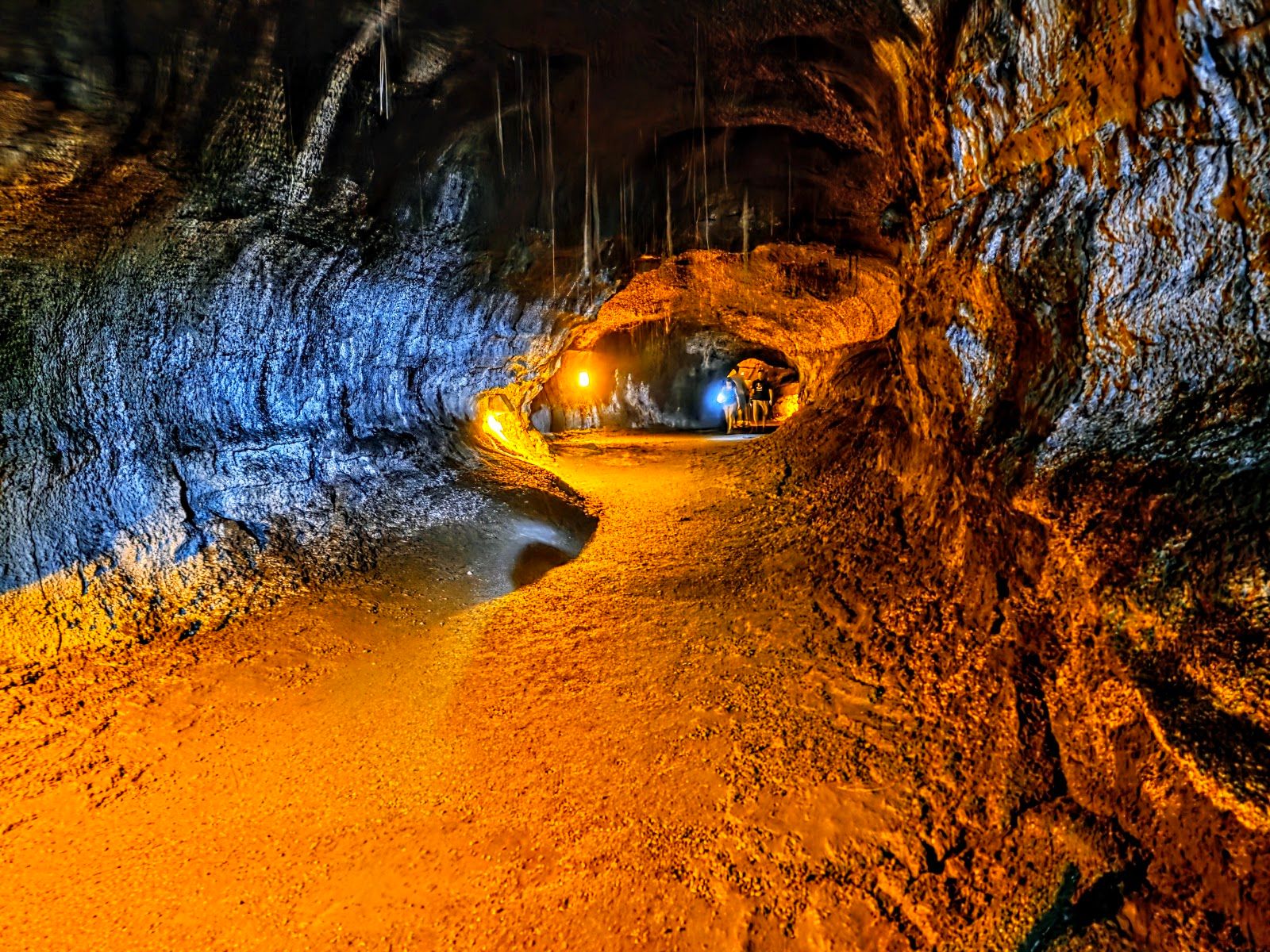
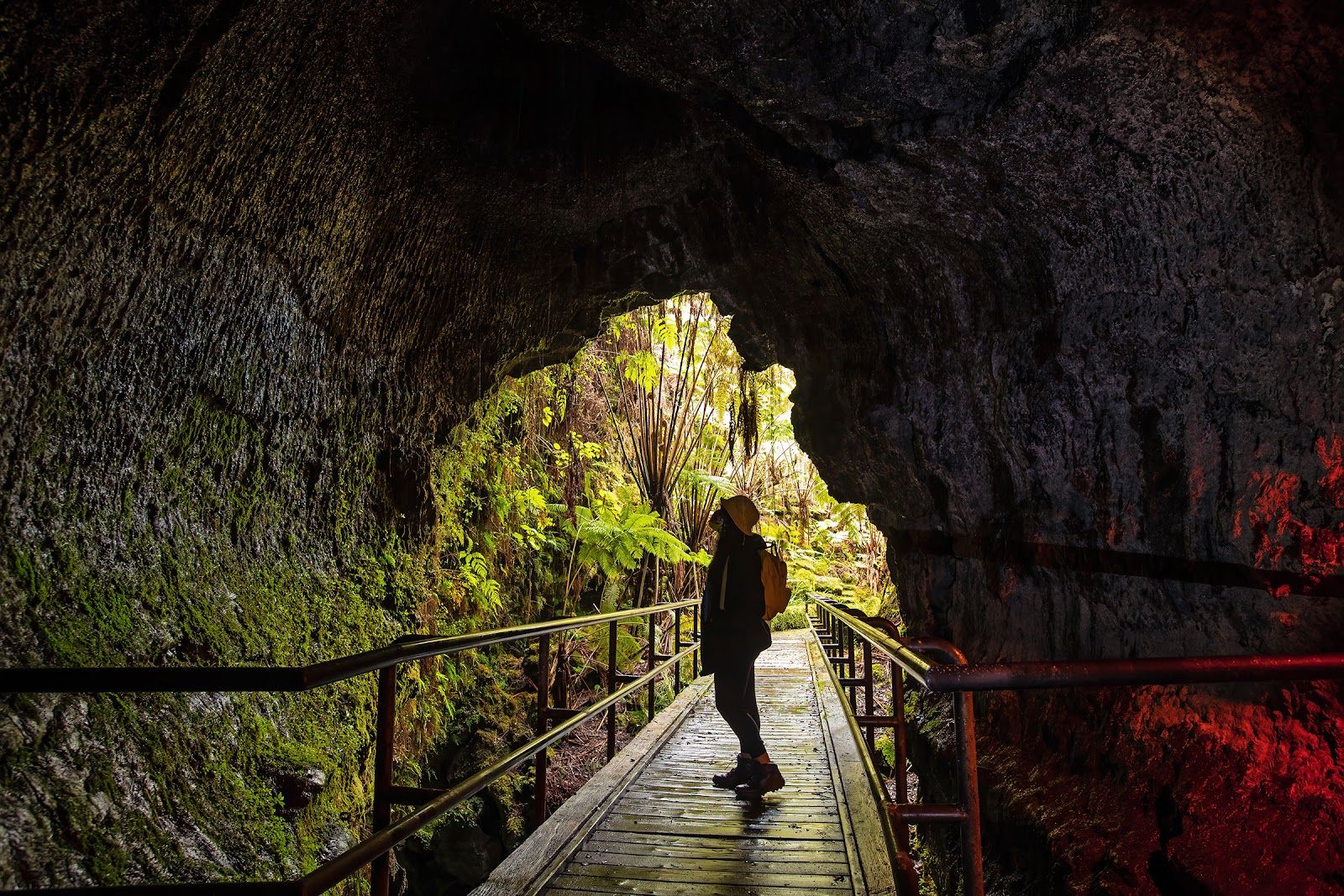
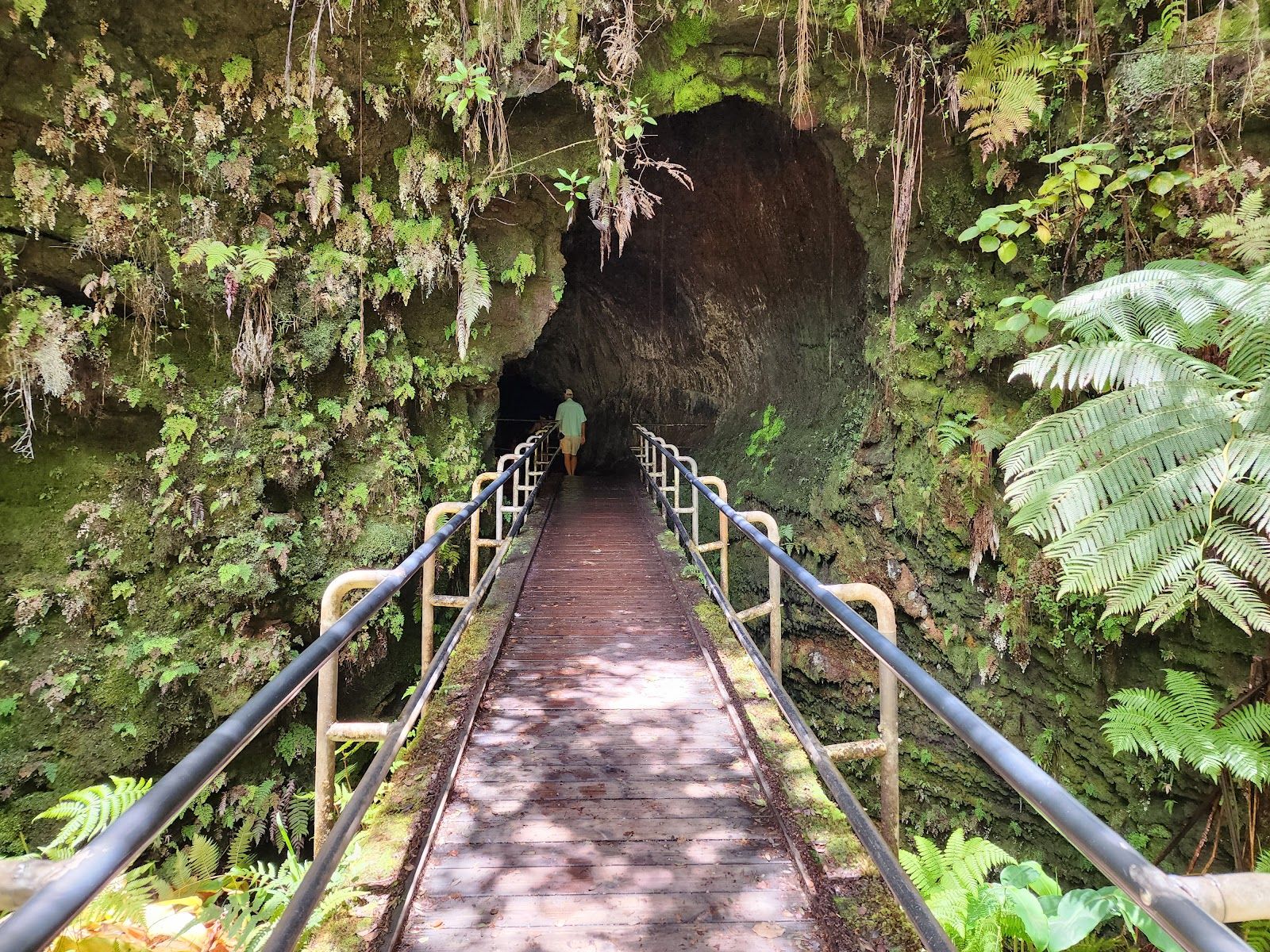


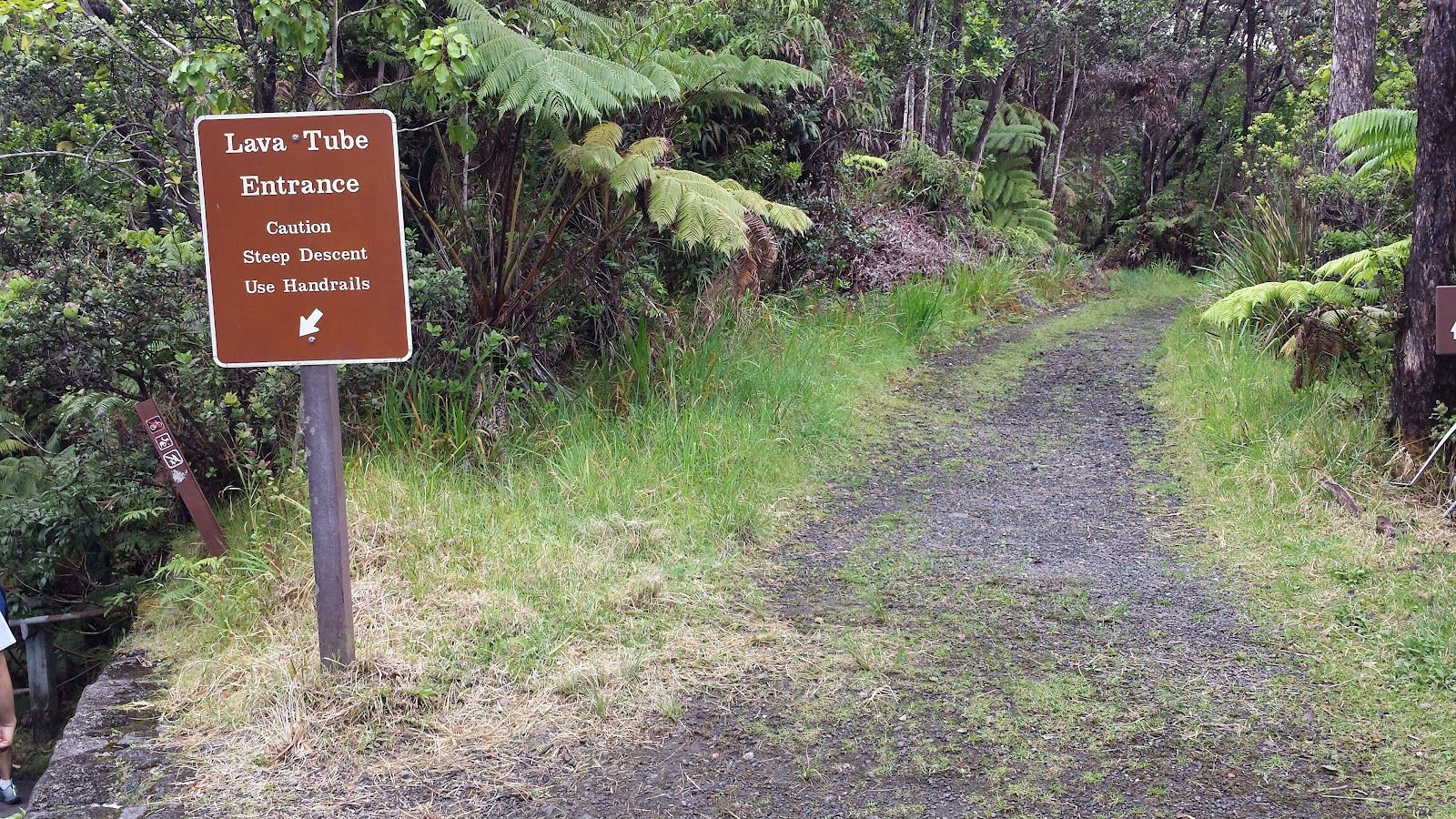
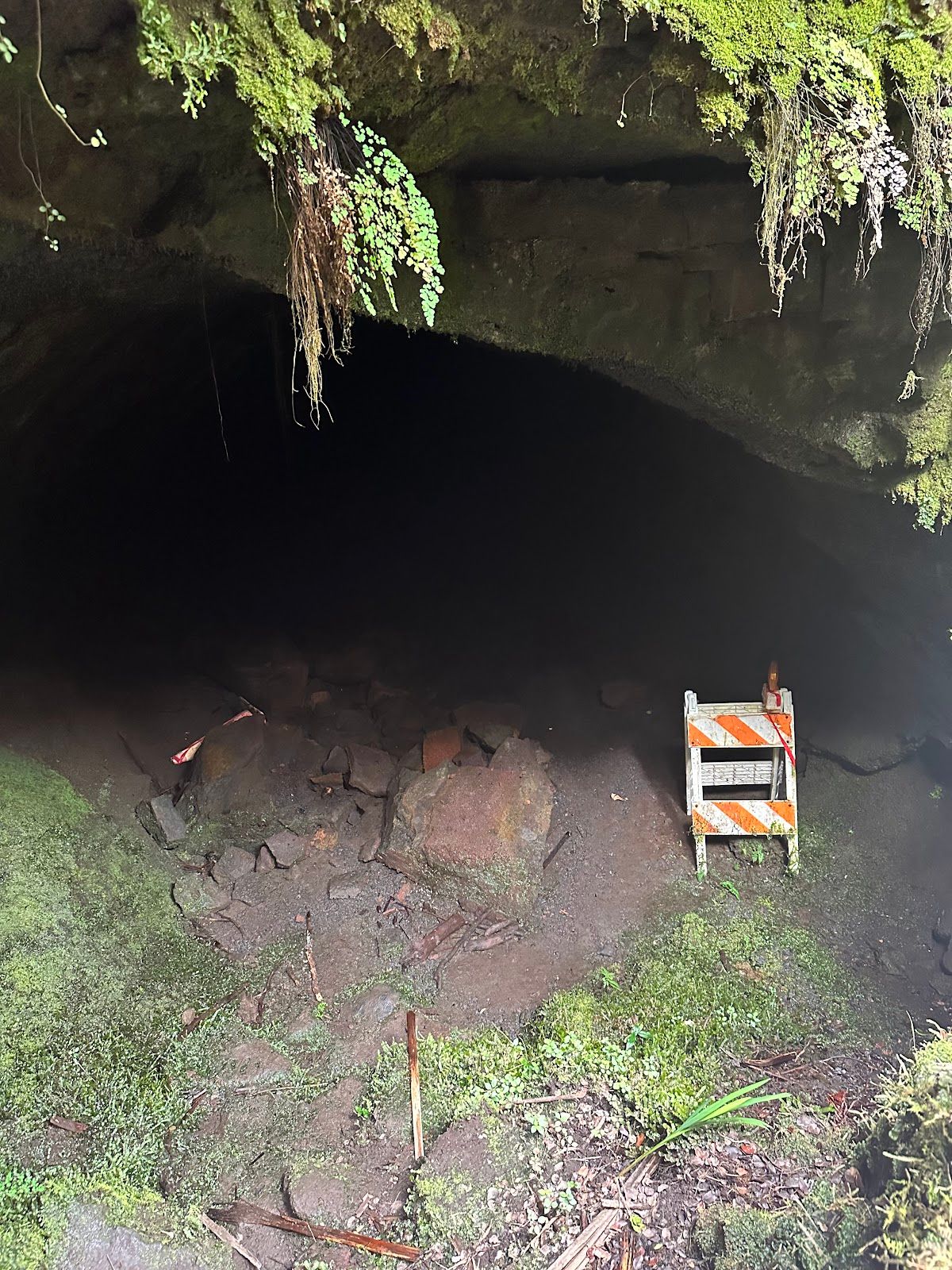
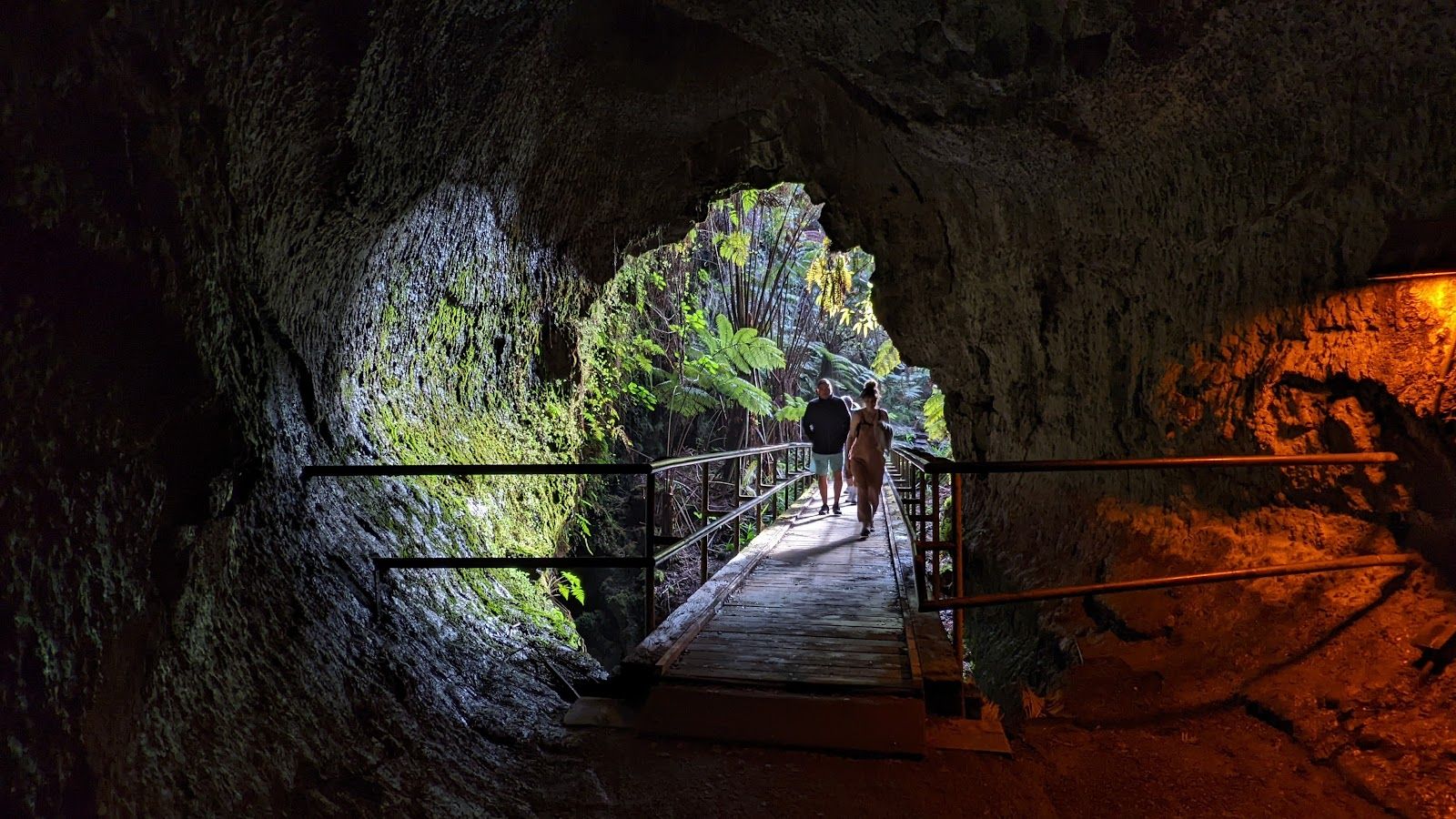
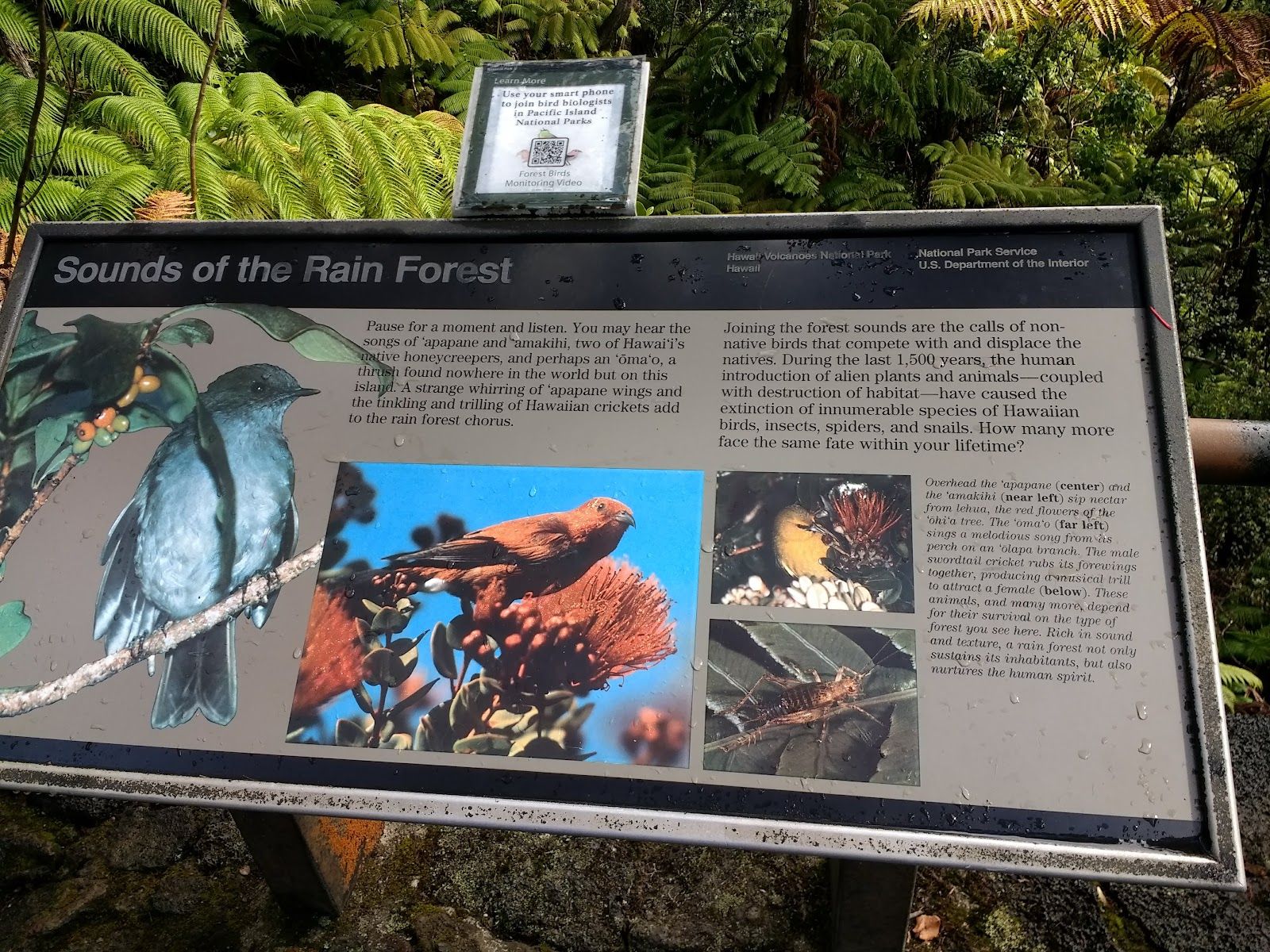
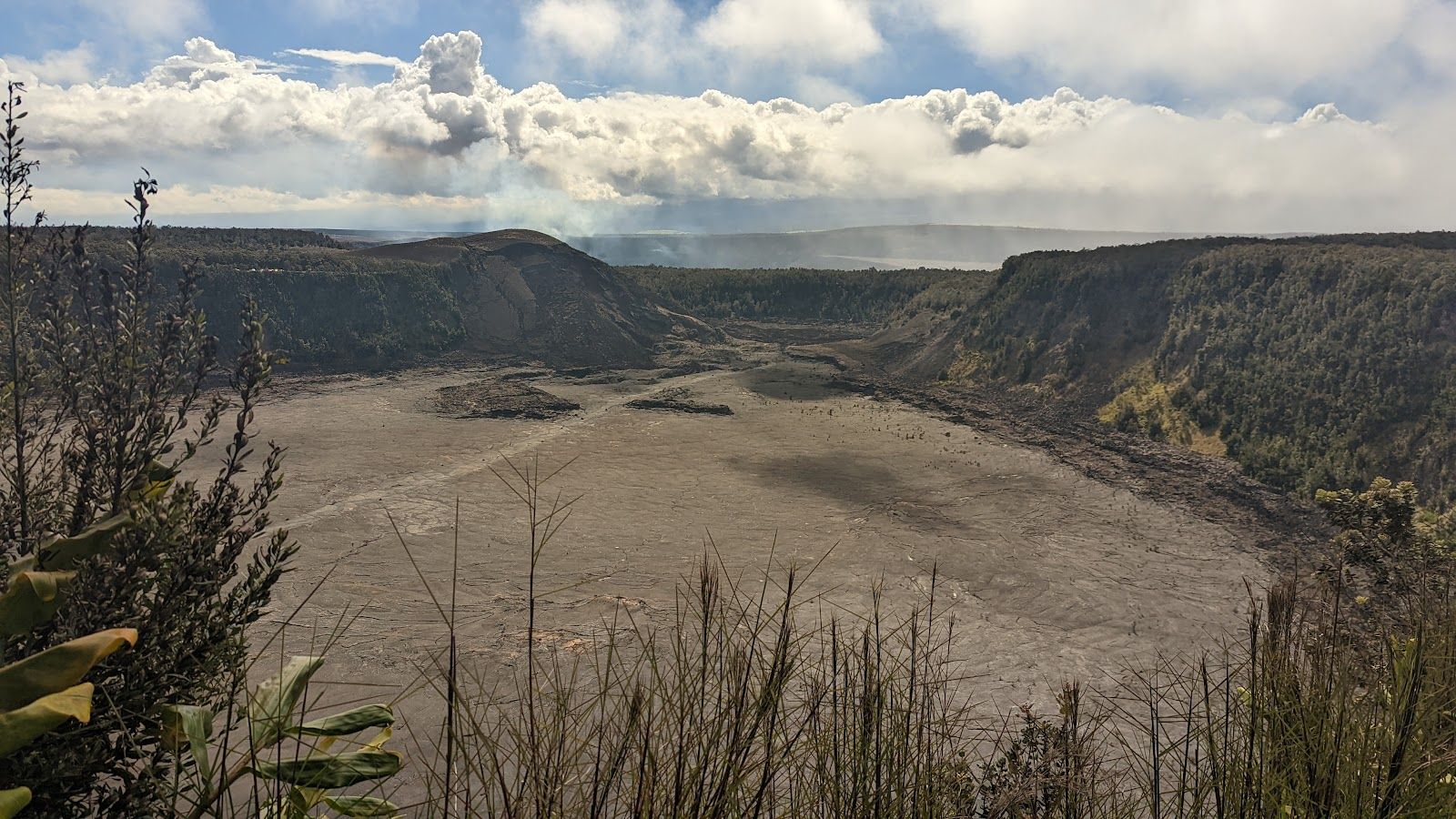
- Illuminated lava tube
- Easy walking path
- Located within Hawaiʻi Volcanoes National Park
- Paved pathway
Nāhuku Lava Tube is one of the Big Island’s most approachable volcanic sights, tucked inside Hawaiʻi Volcanoes National Park in the Volcano area of Kaʻū. It stands out because it turns geology into a short, memorable stop: an underground passage carved by flowing lava, then opened up for visitors with a paved path and lighting for part of the route. For travelers building a day around Kīlauea, it adds a very different kind of experience from overlooks and crater walks—cool, enclosed, and immediately legible.
A short underground walk through volcanic history
The main appeal is the setting itself. Nāhuku is a lava tube formed by an ancient lava flow, and the walk through it gives a direct sense of how the island’s landscape was built. The path is paved and relatively flat, so this is less a strenuous outing than a quick geological immersion. The atmosphere shifts fast once the rainforest approach gives way to the tube entrance: the air turns cooler and damper, the light drops, and the space feels noticeably different from the park’s open lava fields and rim views.
The illuminated section is the part most visitors focus on, and that is the right instinct. It makes the tube far more accessible than many other volcanic features on the island, while still preserving the drama of an underground cavern. The surrounding short walk adds context without demanding much time.
How to slot it into a Volcano day
Nāhuku works best as a compact stop within a broader Hawaiʻi Volcanoes National Park itinerary. It pairs naturally with Kīlauea overlooks, crater viewpoints, and other nearby park features, especially if the day already includes driving the park roads. Because the visit is short, it fits well early in the day, between longer scenic stops, or as a reliable add-on when weather clouds the views above ground.
The whole experience usually takes only a brief window, which is part of its appeal. That makes it useful for travelers who want something meaningful without committing to a long hike. It also gives families and mixed-ability groups a shared experience that feels distinctive without being physically demanding.
Light conditions, slippery spots, and other tradeoffs
The tradeoff for its accessibility is that the tube is not a wilderness cave adventure. It is managed, lit, and relatively developed, so travelers looking for a more rugged or remote lava-tube experience may find it too polished. The surface can still be damp and slippery, and the interior can feel dark in spots, so shoes with good traction are the smart choice. A small light is useful if you want extra visibility, especially near dimmer sections.
Access is also tied to park conditions. Heavy rain, volcanic hazards, or other park alerts can affect operations, so it is worth checking current conditions before heading over. Entry also depends on Hawaiʻi Volcanoes National Park access, so this is not a standalone roadside stop.
Best for families, geology fans, and short on-time itineraries
Nāhuku Lava Tube is ideal for travelers who want one strong volcanic experience without a long hike or specialized gear. Families, first-time Big Island visitors, and anyone building a Volcano-area day around a mix of scenic stops will find it especially worthwhile. It is less compelling for visitors seeking solitude, a challenging route, or a heavily adventurous outing.
For a Big Island itinerary, that balance is exactly why it belongs: quick, distinctive, and grounded in the island’s volcanic story.