
Pacific Tsunami Museum
Discover the powerful history of tsunamis in the Pacific Basin through scientific exhibits and moving survivor stories at this impactful museum in downtown Hilo.
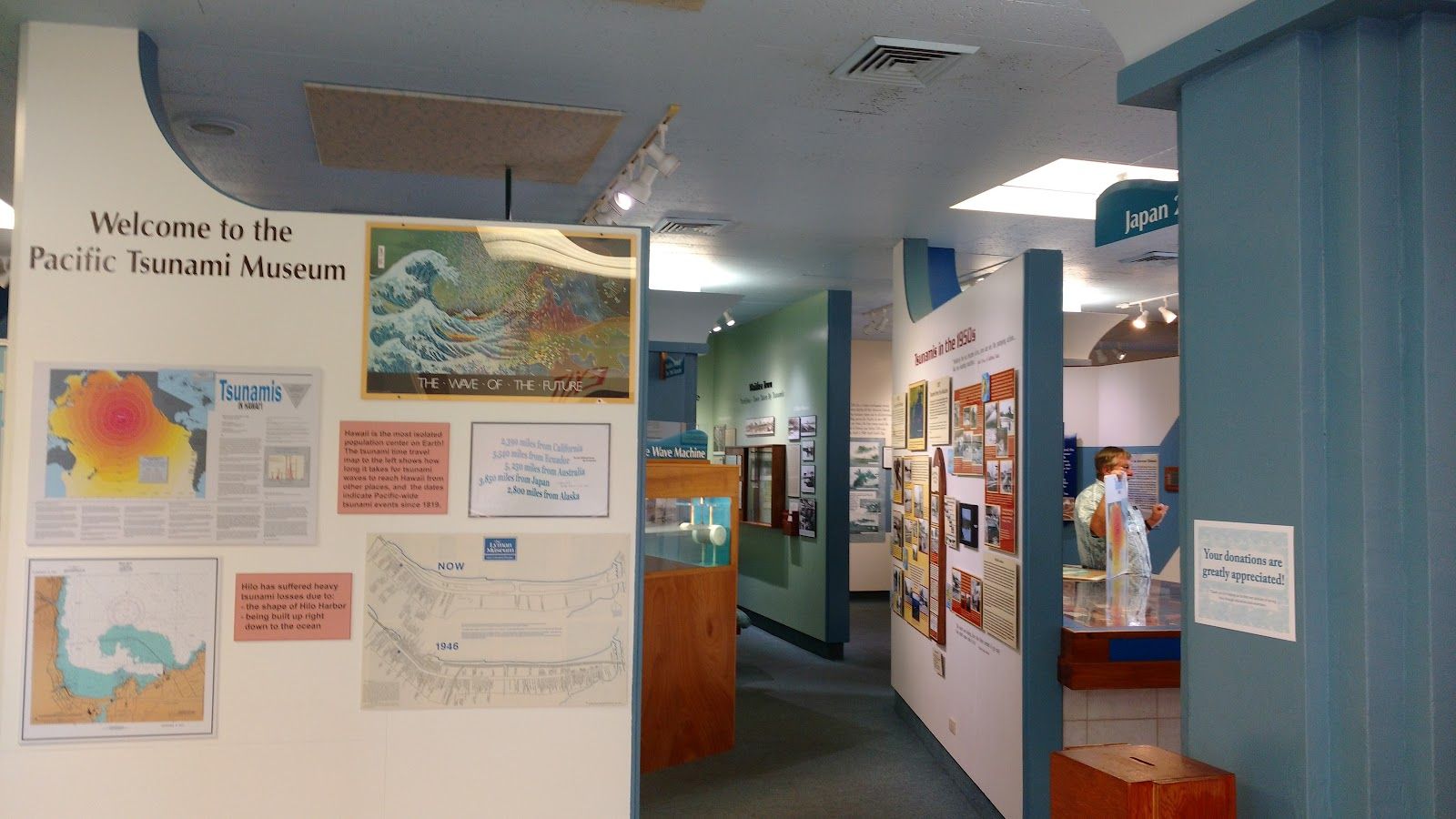
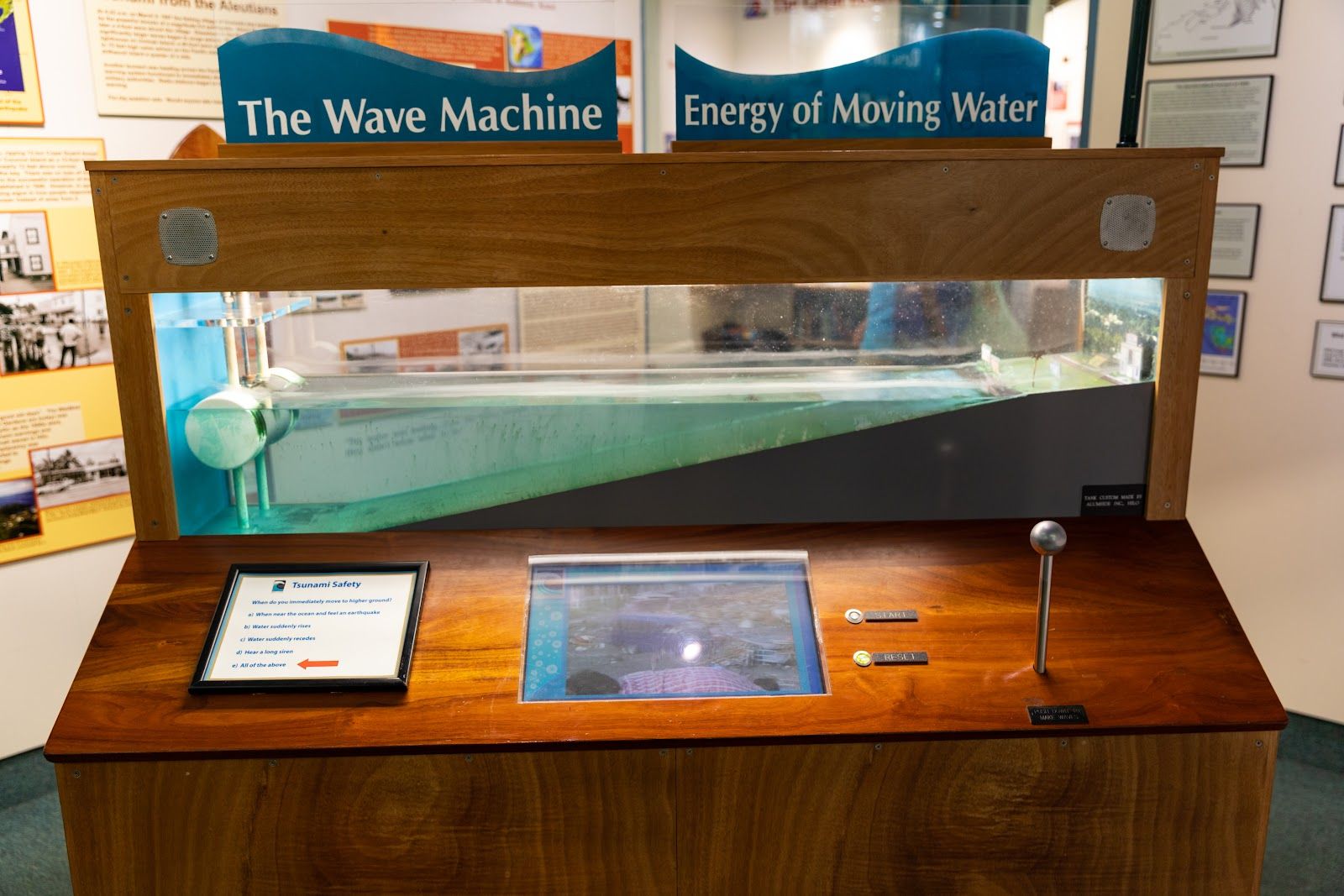
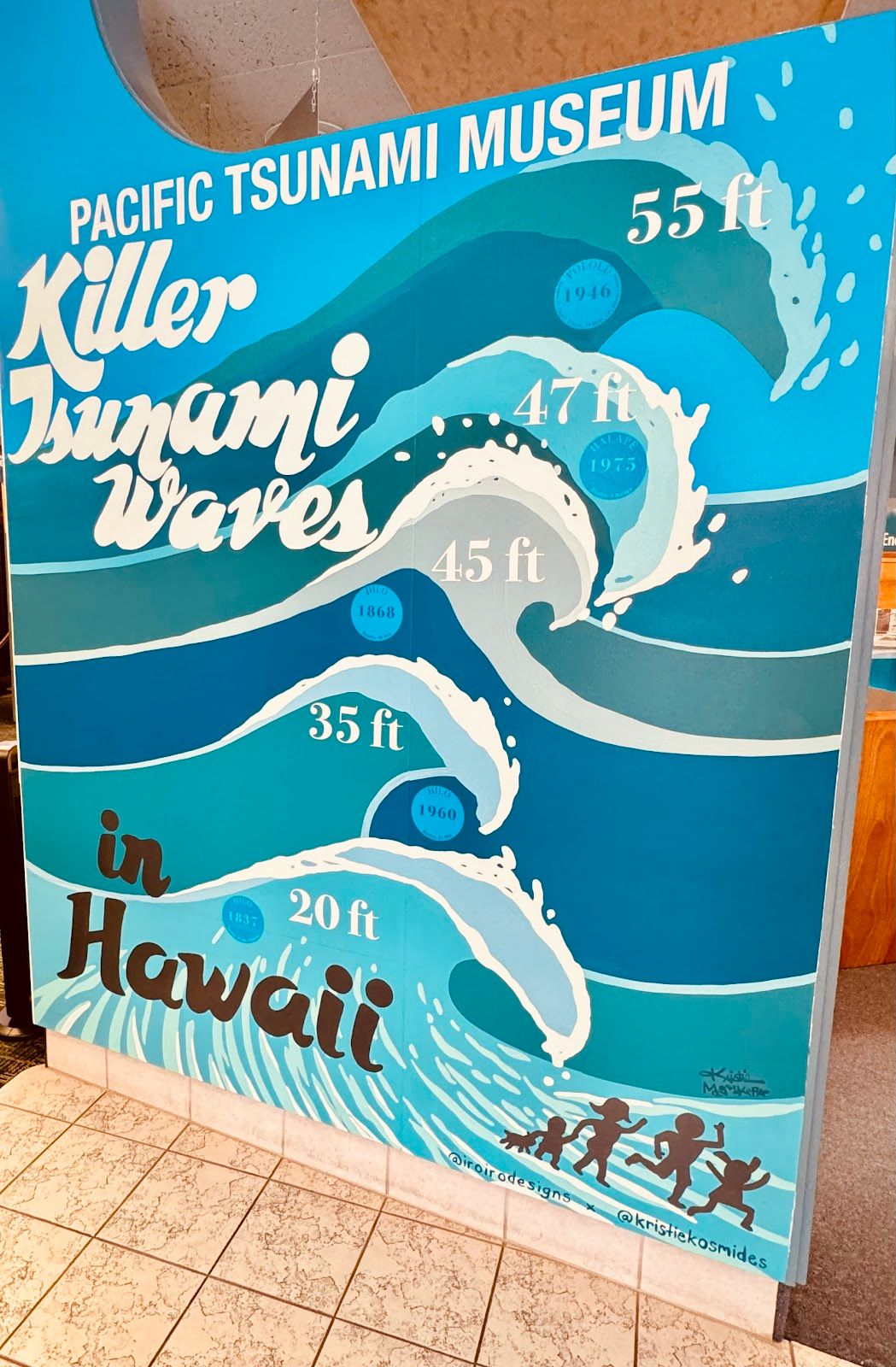
- Educational exhibits on tsunami science
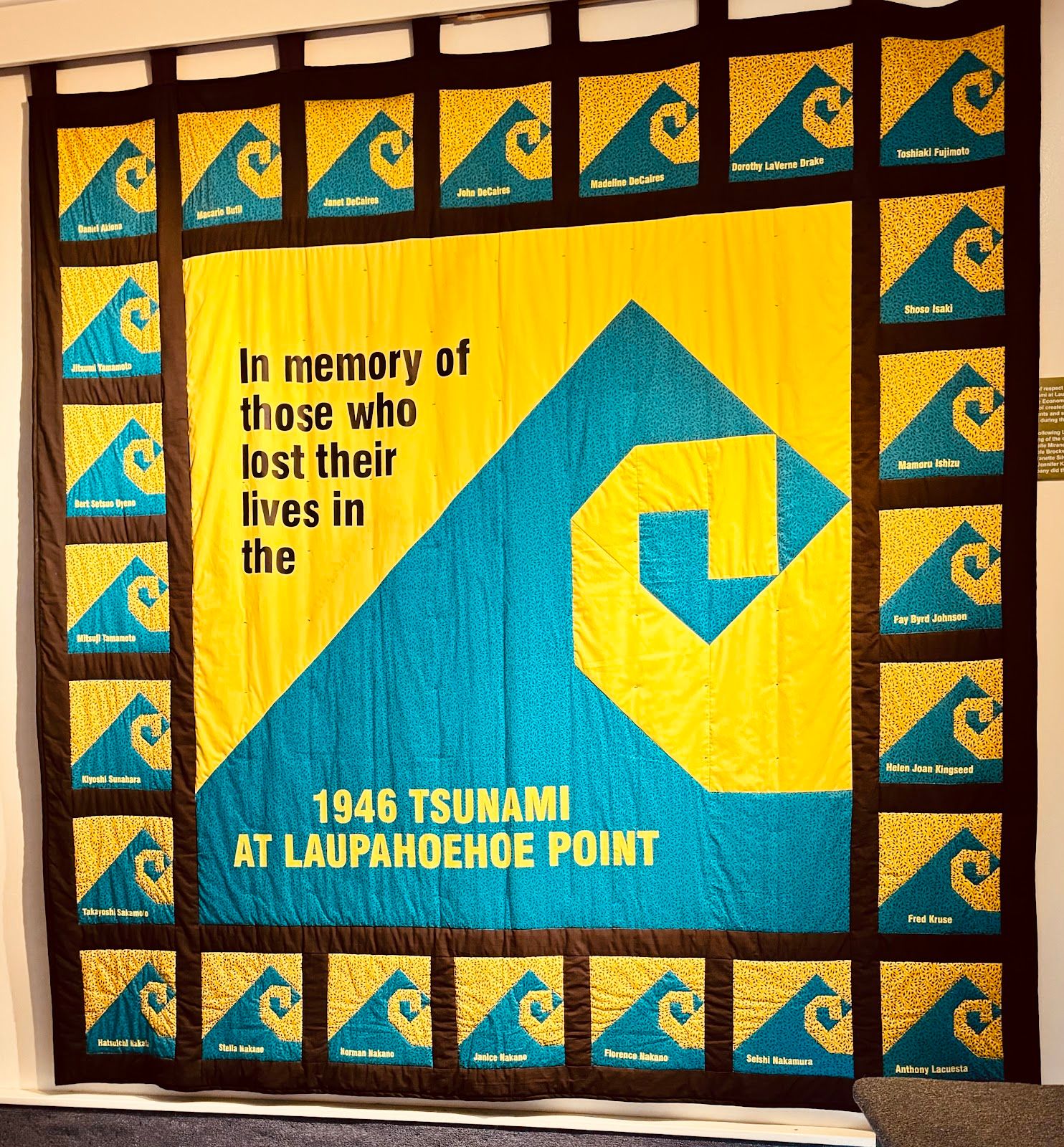
- Personal accounts from tsunami survivors
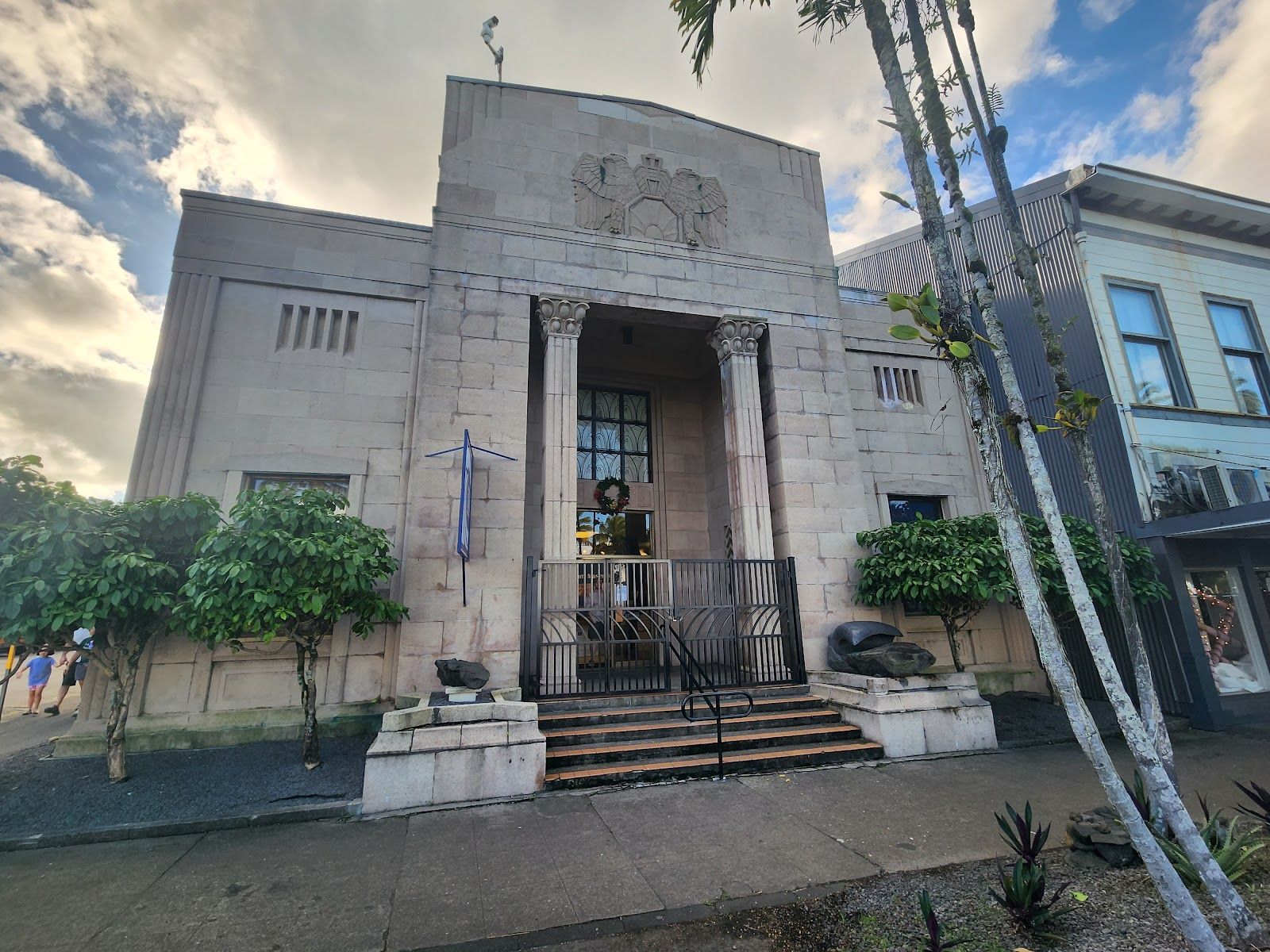
- Historic building that withstood past tsunamis
- Interactive displays and simulations
The Pacific Tsunami Museum is one of downtown Hilo’s most distinctive indoor stops: an easy, centrally located museum that turns a difficult part of island history into something clear, moving, and useful. It fits especially well into a Hilo day that already includes the farmers market, waterfront strolling, or other town stops, and it stands out because it is both a cultural site and a practical lesson in local resilience. For travelers who want more than scenery alone, it adds context to the shoreline communities that shape life on the Big Island.
A museum built around memory and preparedness
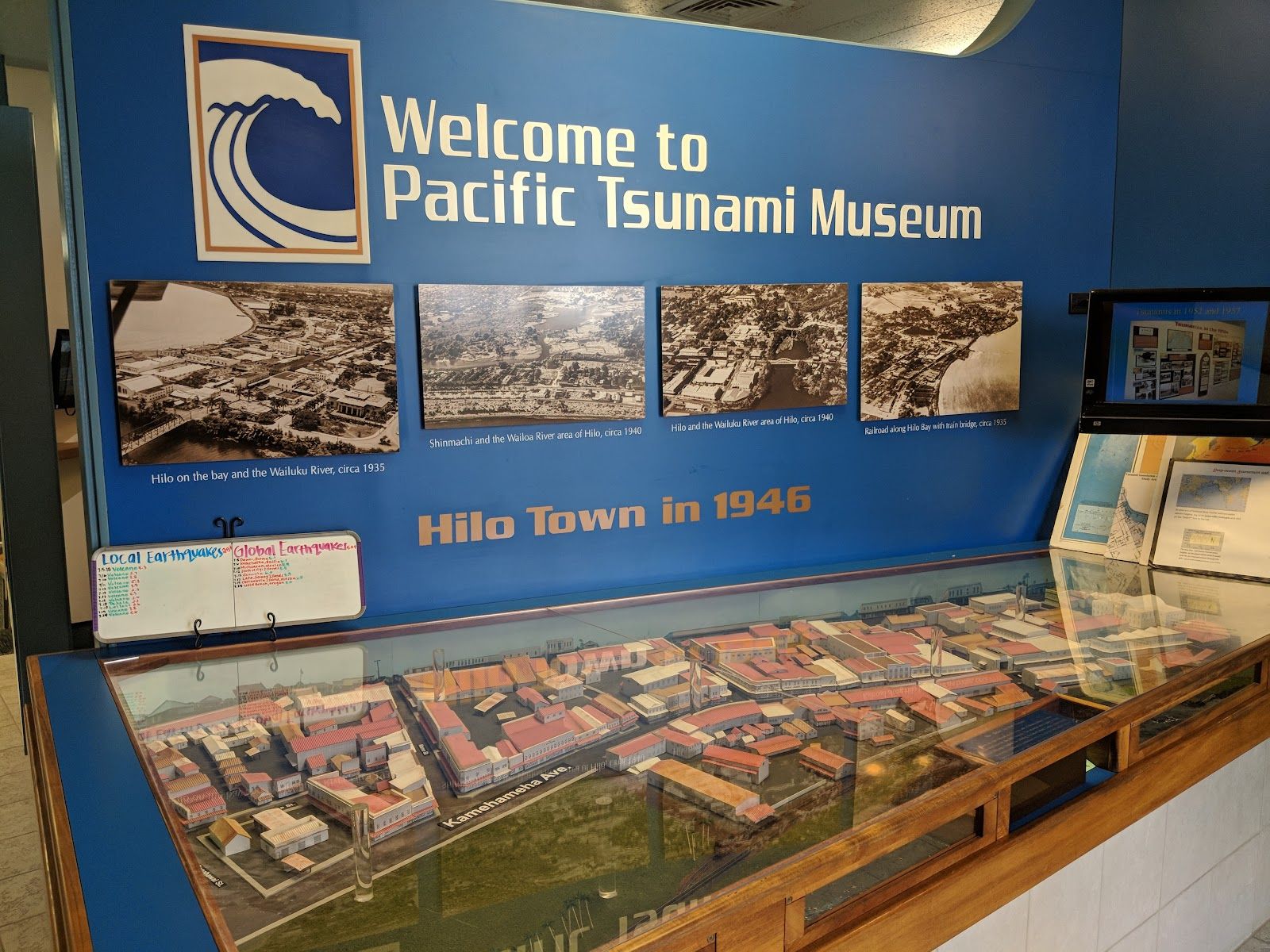
What makes the Pacific Tsunami Museum memorable is its balance of science and human story. The exhibits explain how tsunamis form, how warning systems work, and why preparation matters in a place like Hilo. Just as important, the museum gives space to the lived experience of past events, especially the devastating 1946 and 1960 tsunamis that reshaped the town’s identity.
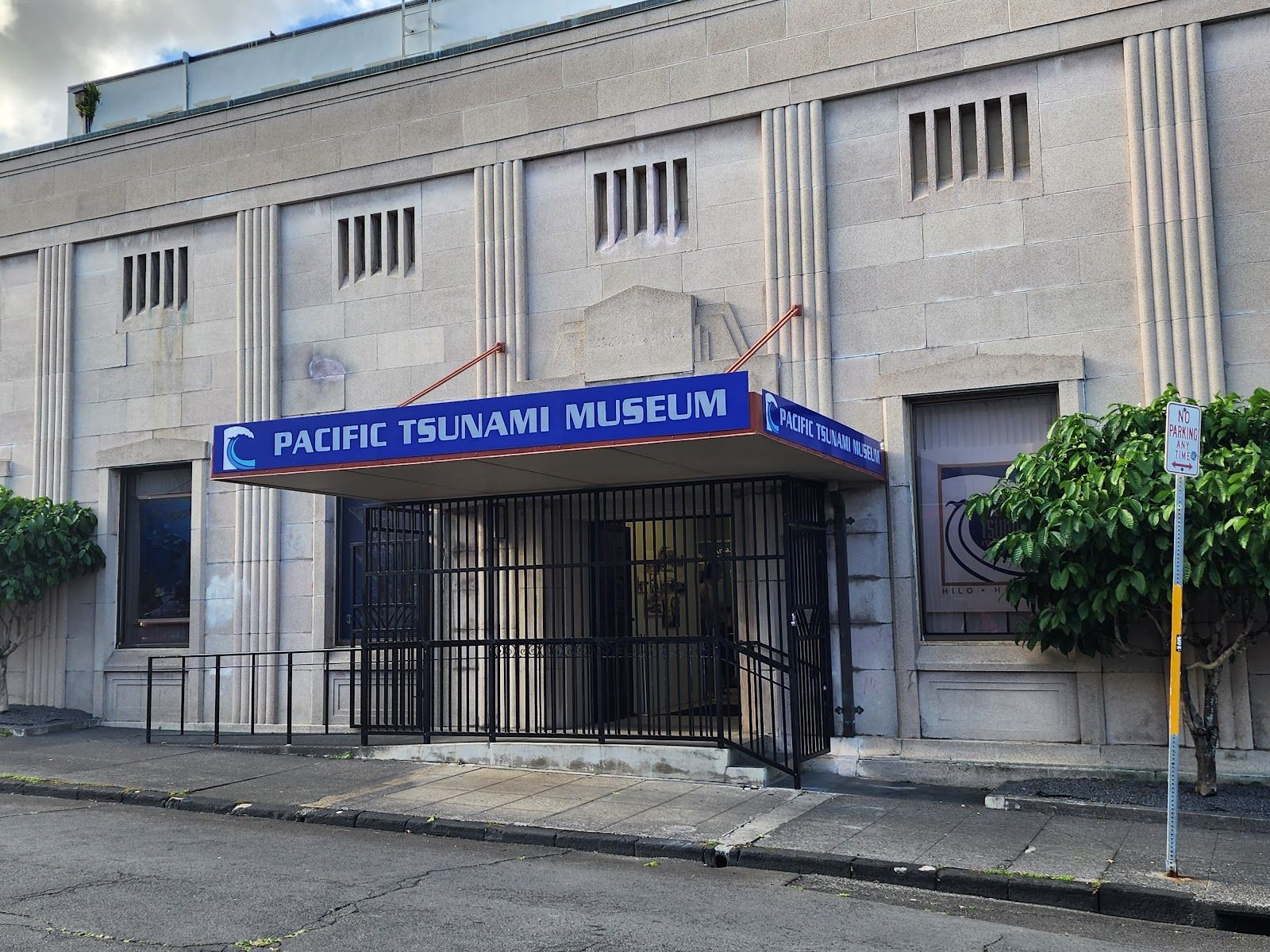
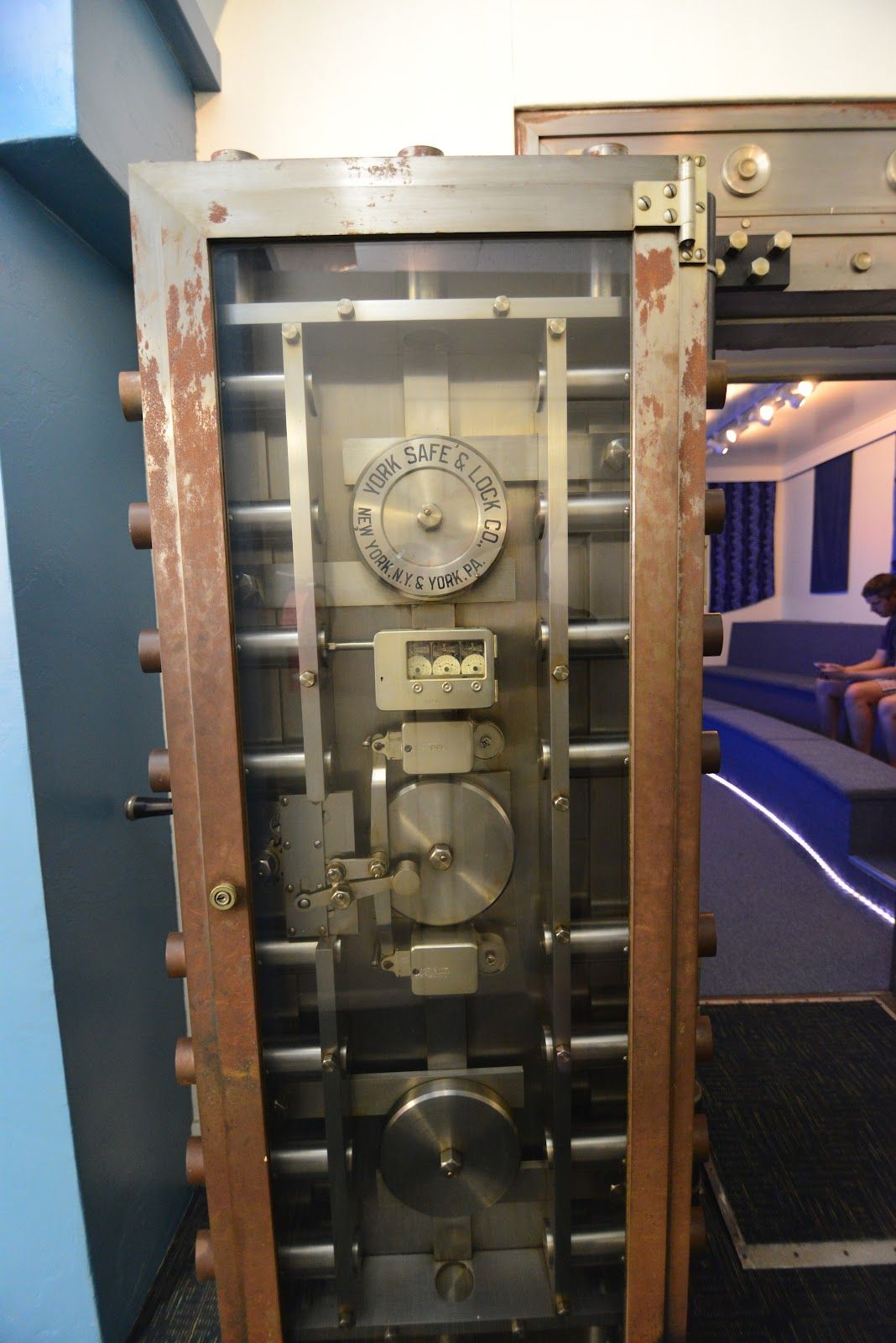
The setting deepens that story. Housed in a historic bank building that survived both disasters, the museum feels rooted in Hilo rather than detached from it. Inside, visitors can expect a compact but emotionally strong experience: photos, survivor accounts, interpretive displays, and audiovisual material that make the subject accessible without softening its weight. The converted bank vault turned theater is a memorable touch and helps frame the museum as more than a standard exhibit hall.
Why it works well in a Hilo itinerary
This is a particularly good stop when the weather turns wet, or when a traveler wants a meaningful break from beach time and sightseeing. Because it sits in downtown Hilo, it is easy to pair with other nearby errands or attractions without turning the day into a long drive. That convenience makes it useful as a short but substantive addition to a town-focused itinerary.
The museum also works well as an early stop in a Big Island trip. It gives context to the eastern side of the island, where ocean-facing communities live with the reality of tsunamis in a way that many visitors do not fully appreciate until they are here. For families, it can be one of the more educational indoor choices in Hilo. For travelers building a broader cultural day, it complements the city’s historical and civic character rather than competing with it.
A good fit for curious travelers, not a high-adrenaline stop
The Pacific Tsunami Museum rewards travelers who like history, science, and place-based storytelling. It is especially strong for anyone interested in Hilo’s resilience, Pacific Ocean hazards, or how communities adapt to natural events. Docent-led interpretation can add depth, and the museum’s mission gives the whole visit a sense of purpose beyond simple display.
The tradeoff is that this is a focused museum, not a sprawling attraction. Travelers looking for a long, hands-on, or highly visual experience may find it relatively brief. And while the content is compelling, it is specific: if tsunamis and local history are not high on the list, another Hilo museum or garden stop may be a better fit.
For the right traveler, though, it is one of Hilo’s most meaningful indoor visits: compact, centrally placed, and rich with the kind of context that makes the rest of the town feel more legible.