
Punaluʻu Beach
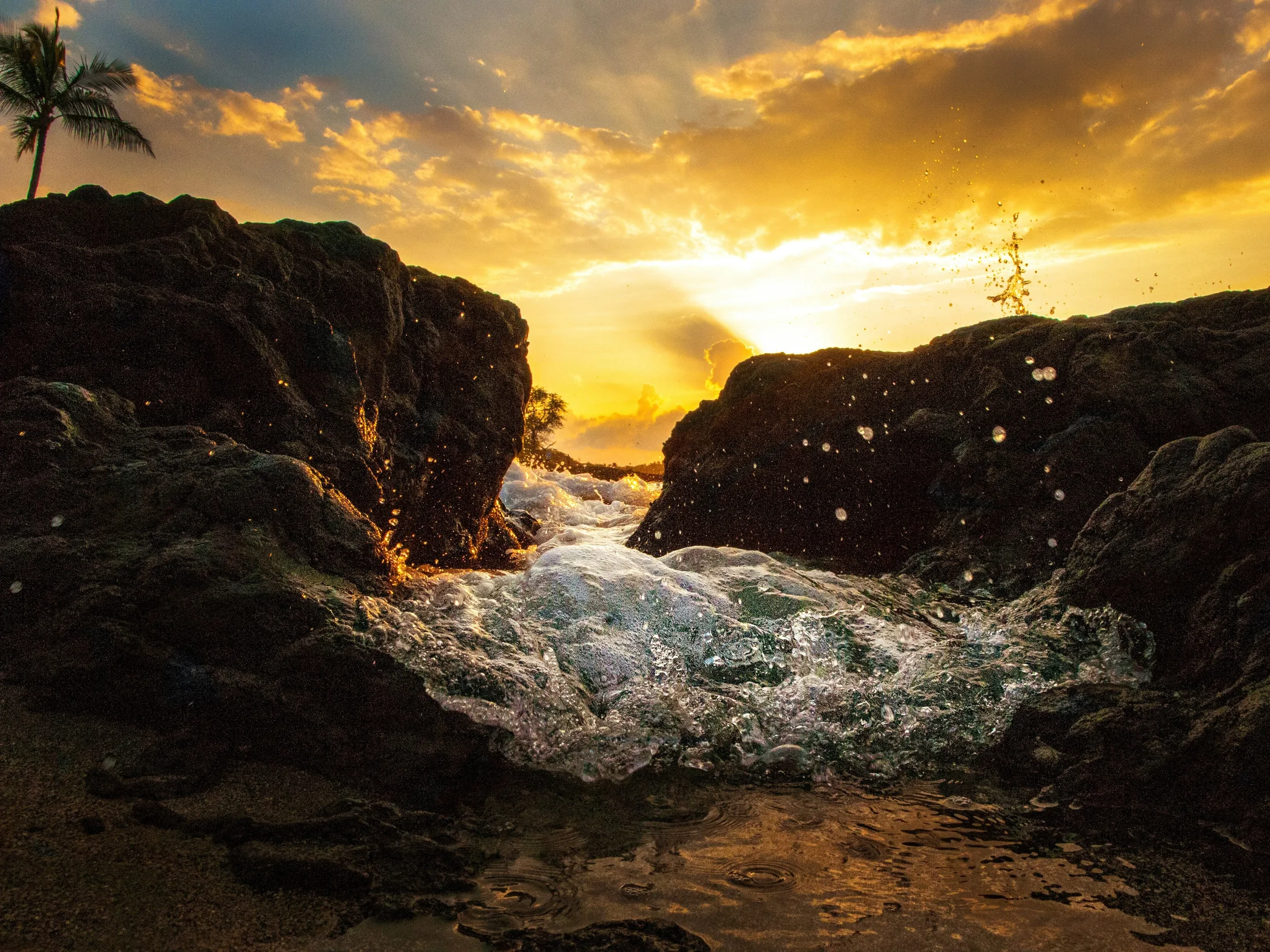
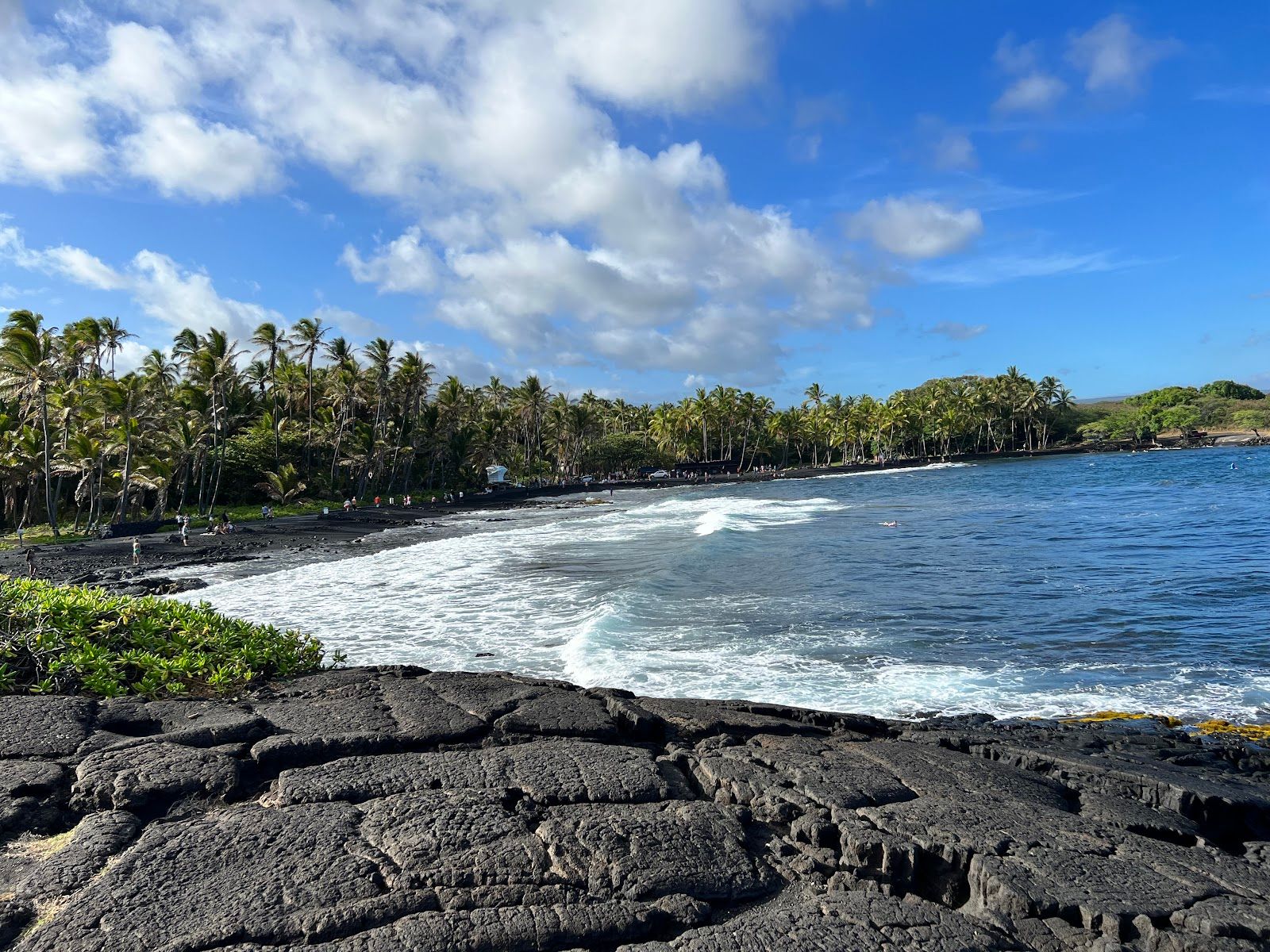
Punaluʻu Black Sand Beach offers a unique Big Island experience, famed for its striking jet-black sands, swaying palms, and frequent visits from endangered Hawaiian Green Sea Turtles.


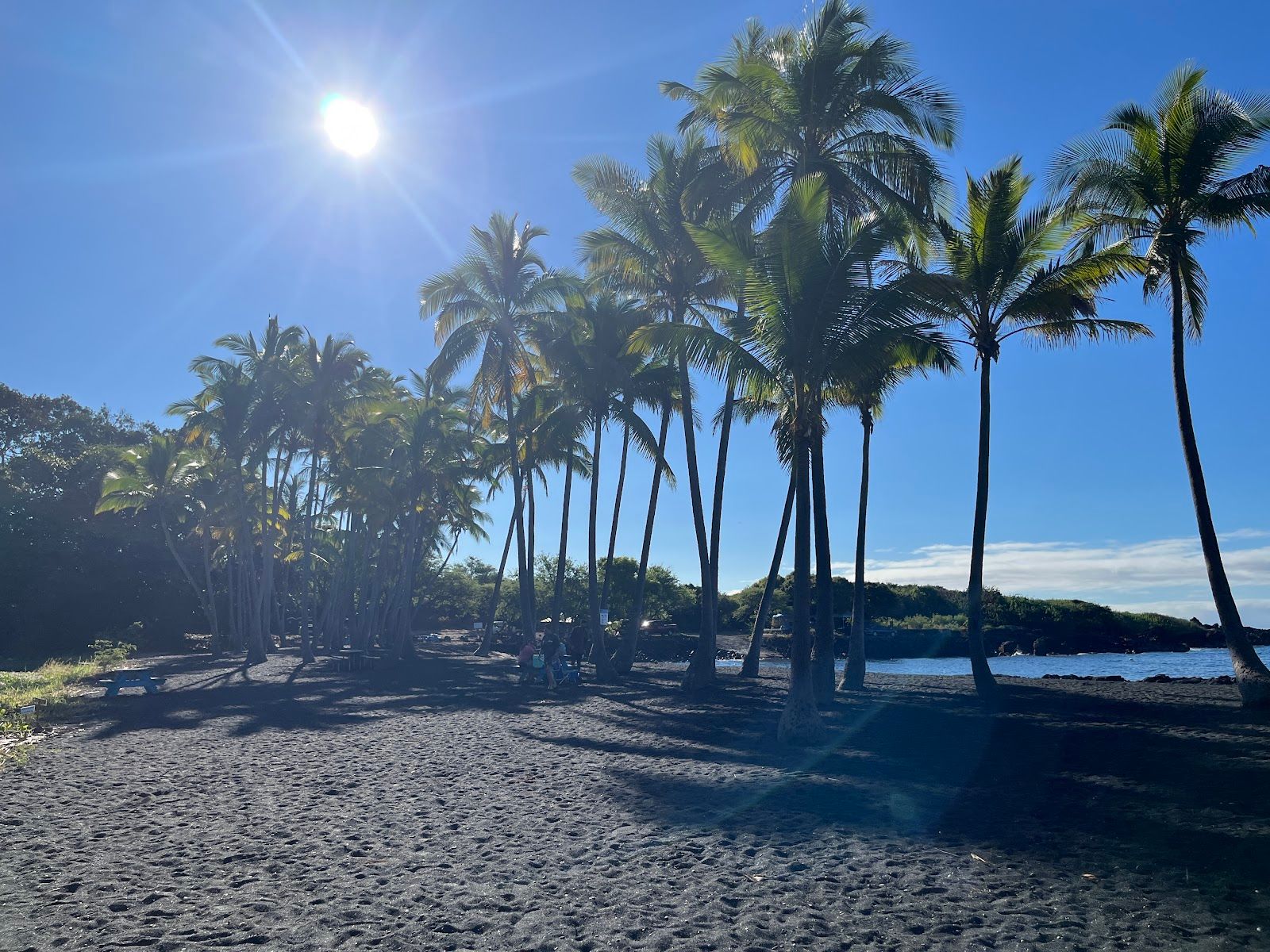
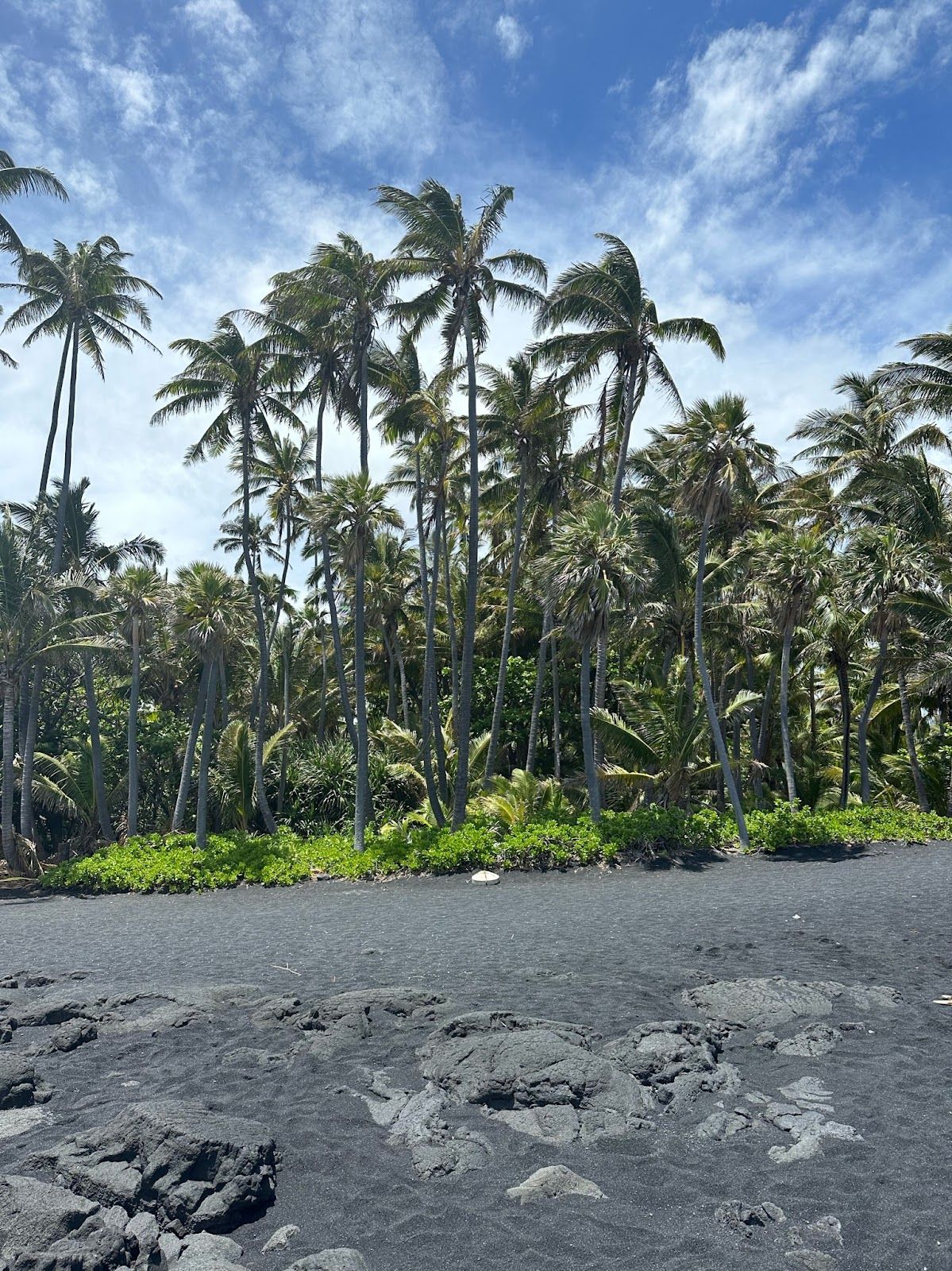
- Jet-black volcanic sand
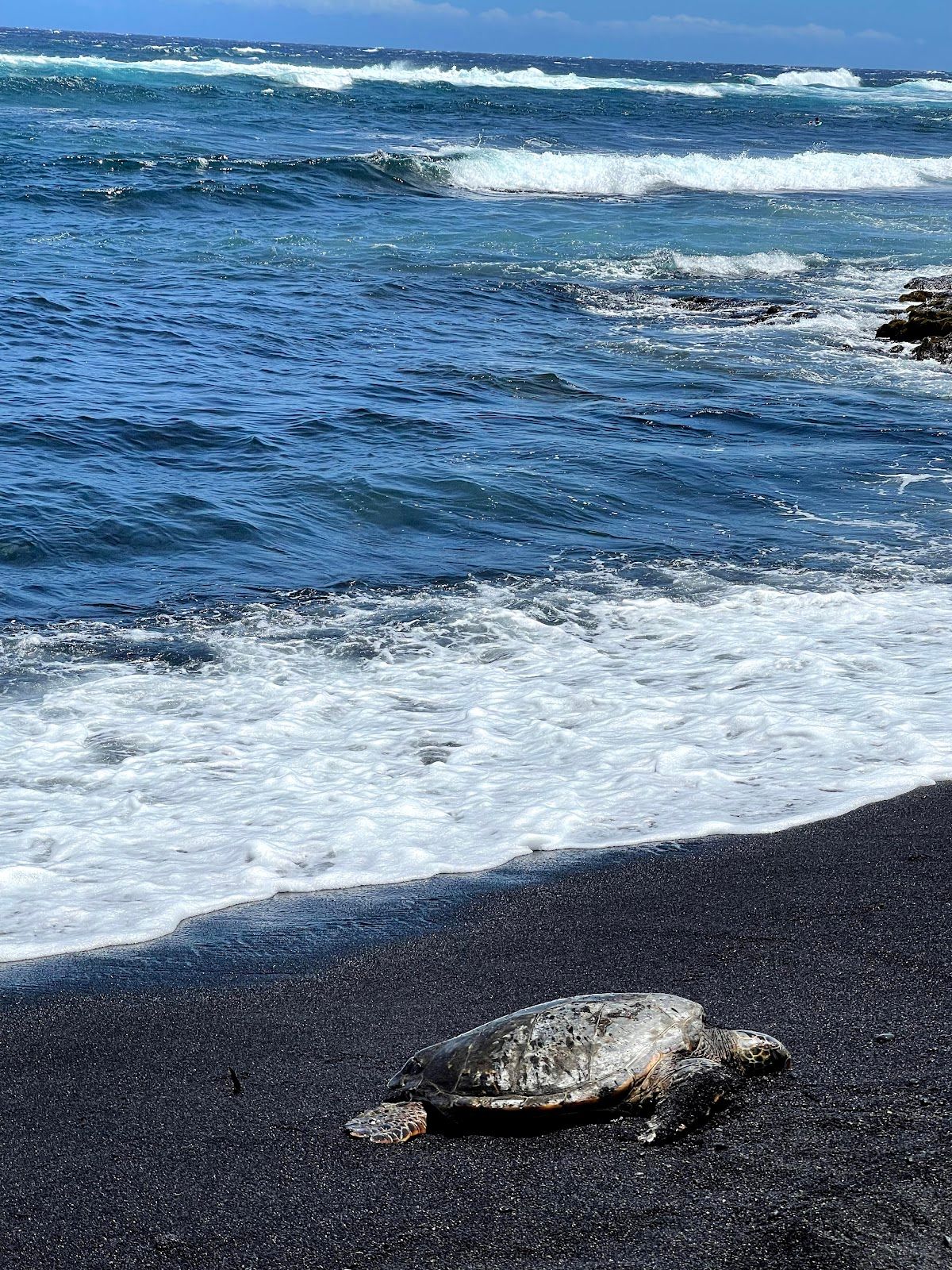
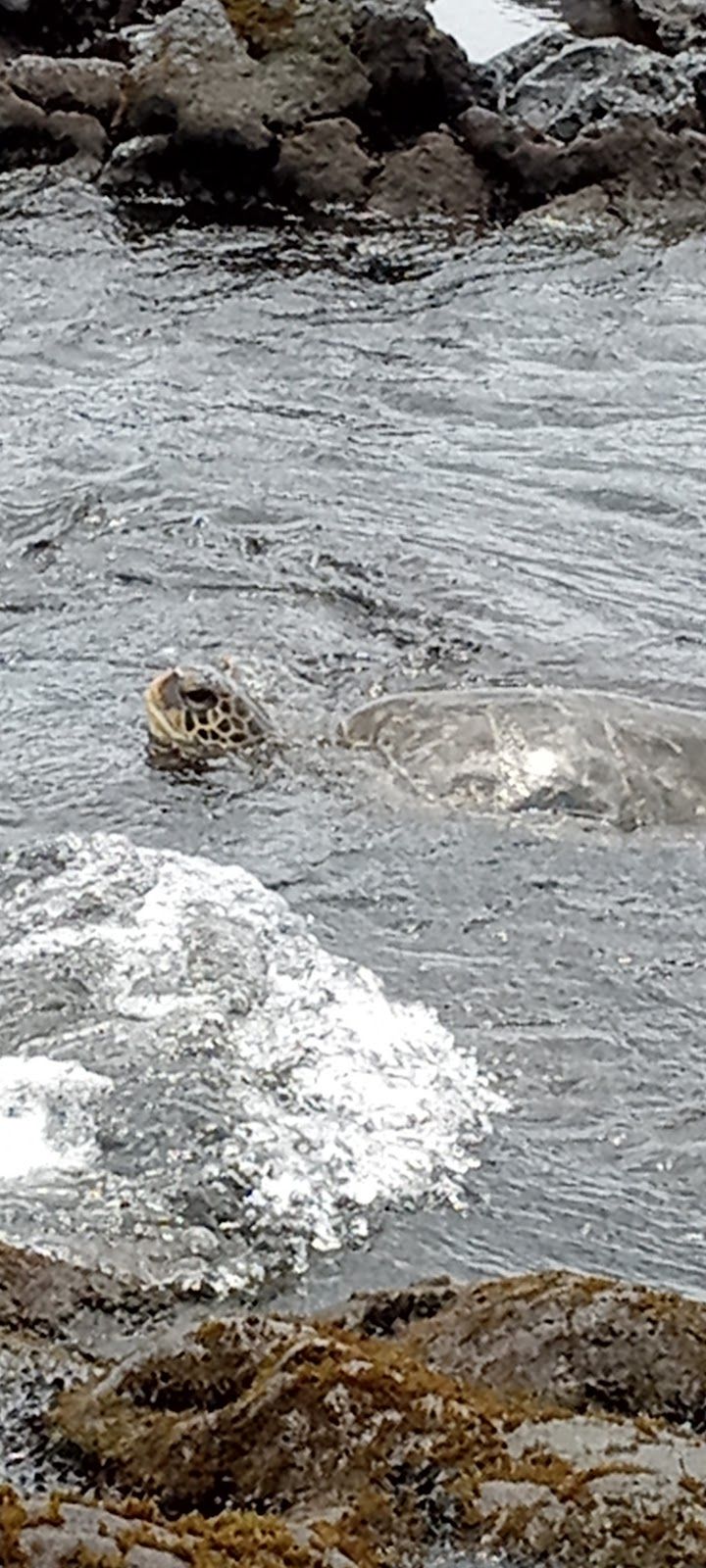
- Basking Hawaiian Green Sea Turtles (Honu)
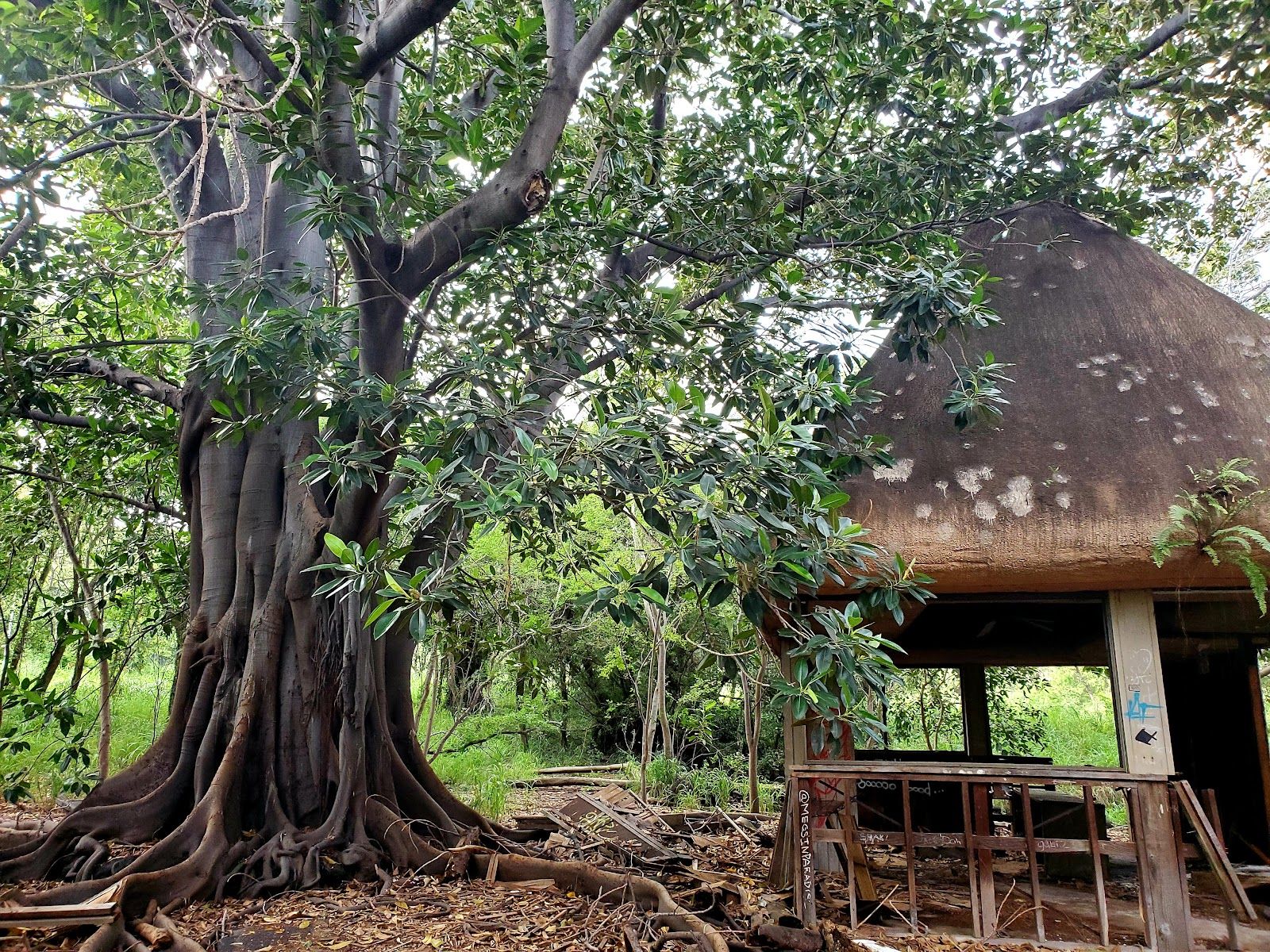
- Picnic tables and shaded pavilions
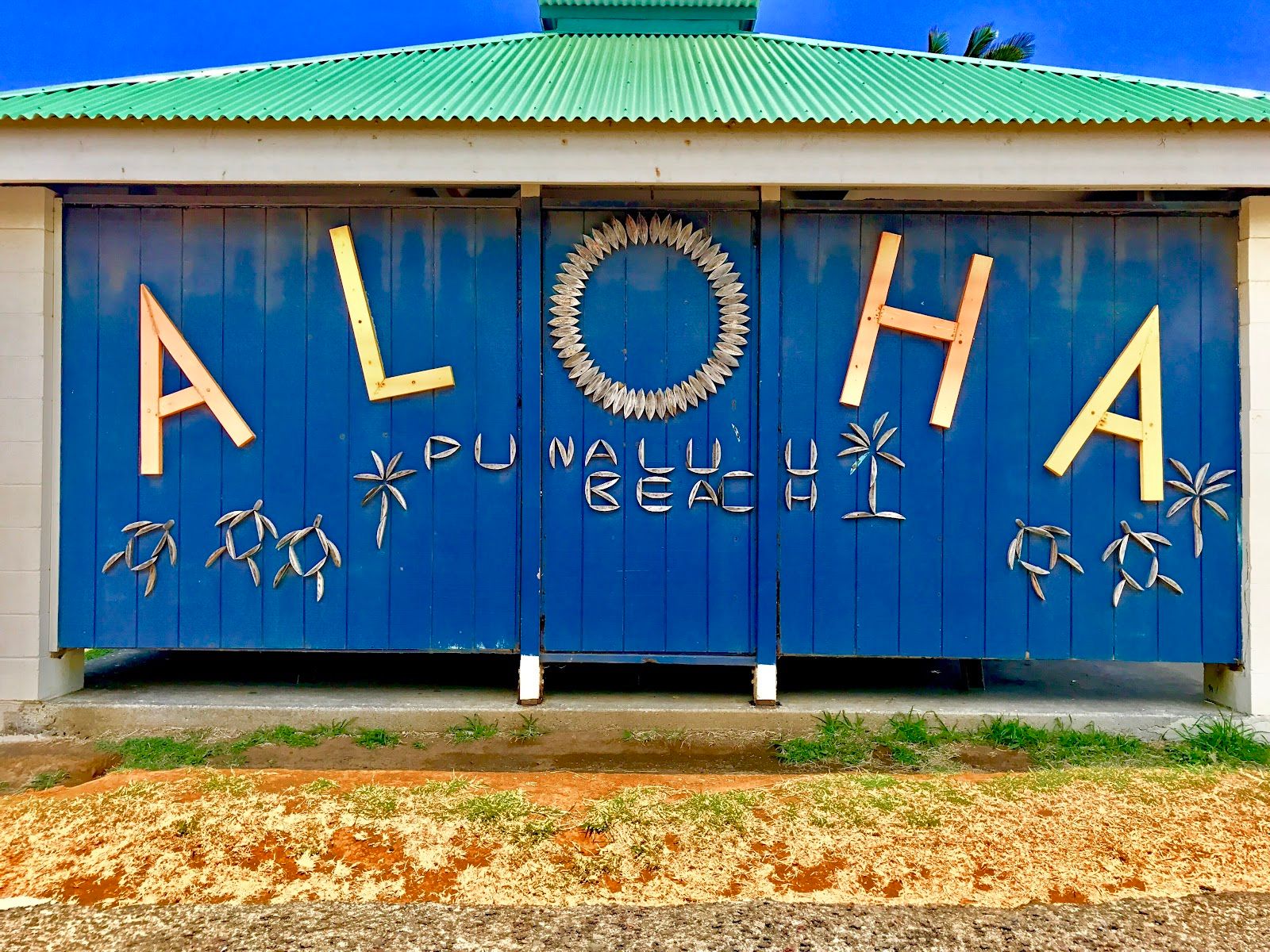
- Restrooms and outdoor showers
Punaluʻu Beach is a signature Big Island stop on the Kaʻū coast, where a short, easy visit can deliver one of the island’s most memorable landscapes: black volcanic sand, leaning coconut palms, and the chance to see protected green sea turtles resting near shore. It works especially well as a scenic break between Hawaiʻi Volcanoes National Park, Pāhala, and the far southern stretches of the island, but it is memorable enough to stand on its own.
Black sand, turtles, and a very specific kind of beach day
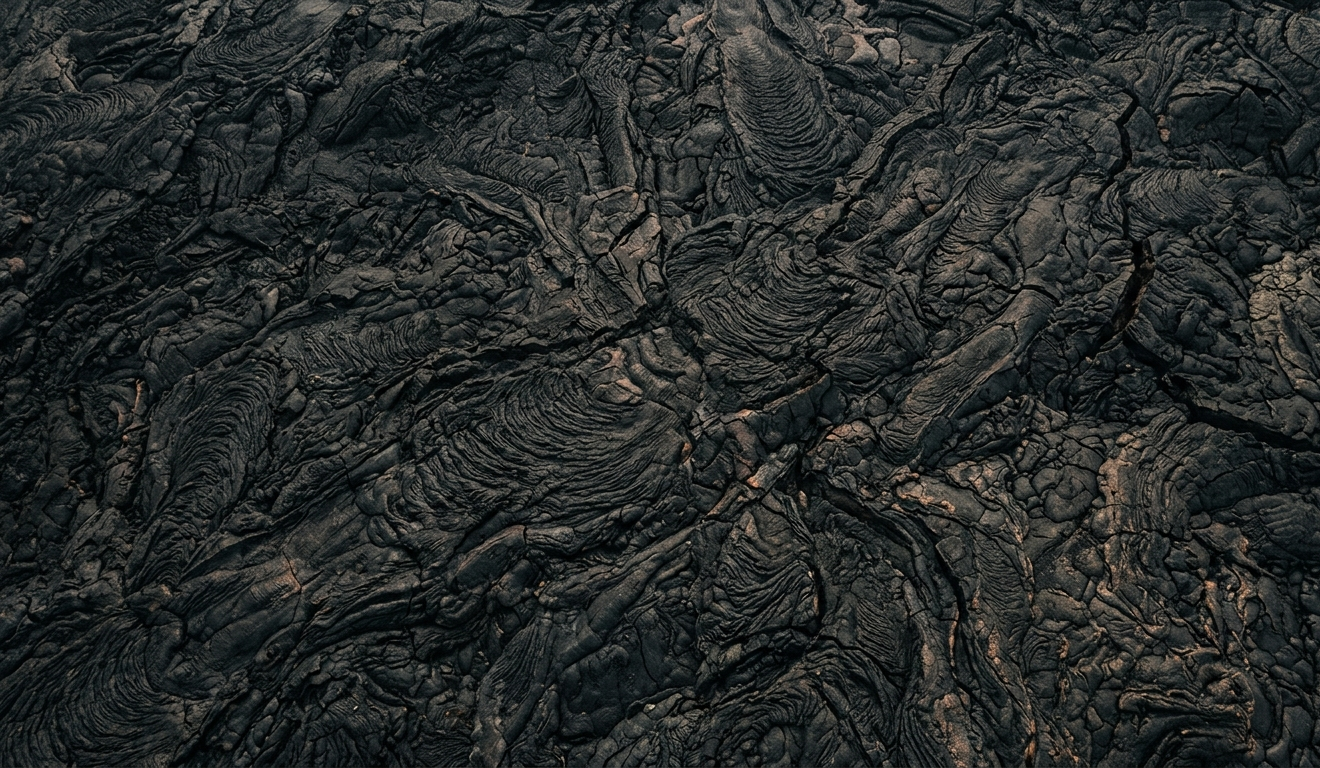
This is not a classic soft-sand swim beach. Punaluʻu’s appeal is visual and atmospheric: the jet-black shoreline, the broad open bay, and the strong sense of place created by lava-born sand and coastal springs. The Hawaiian name references freshwater springs, and that mix of volcanic geology and brackish shoreline gives the beach real character beyond its postcard look.
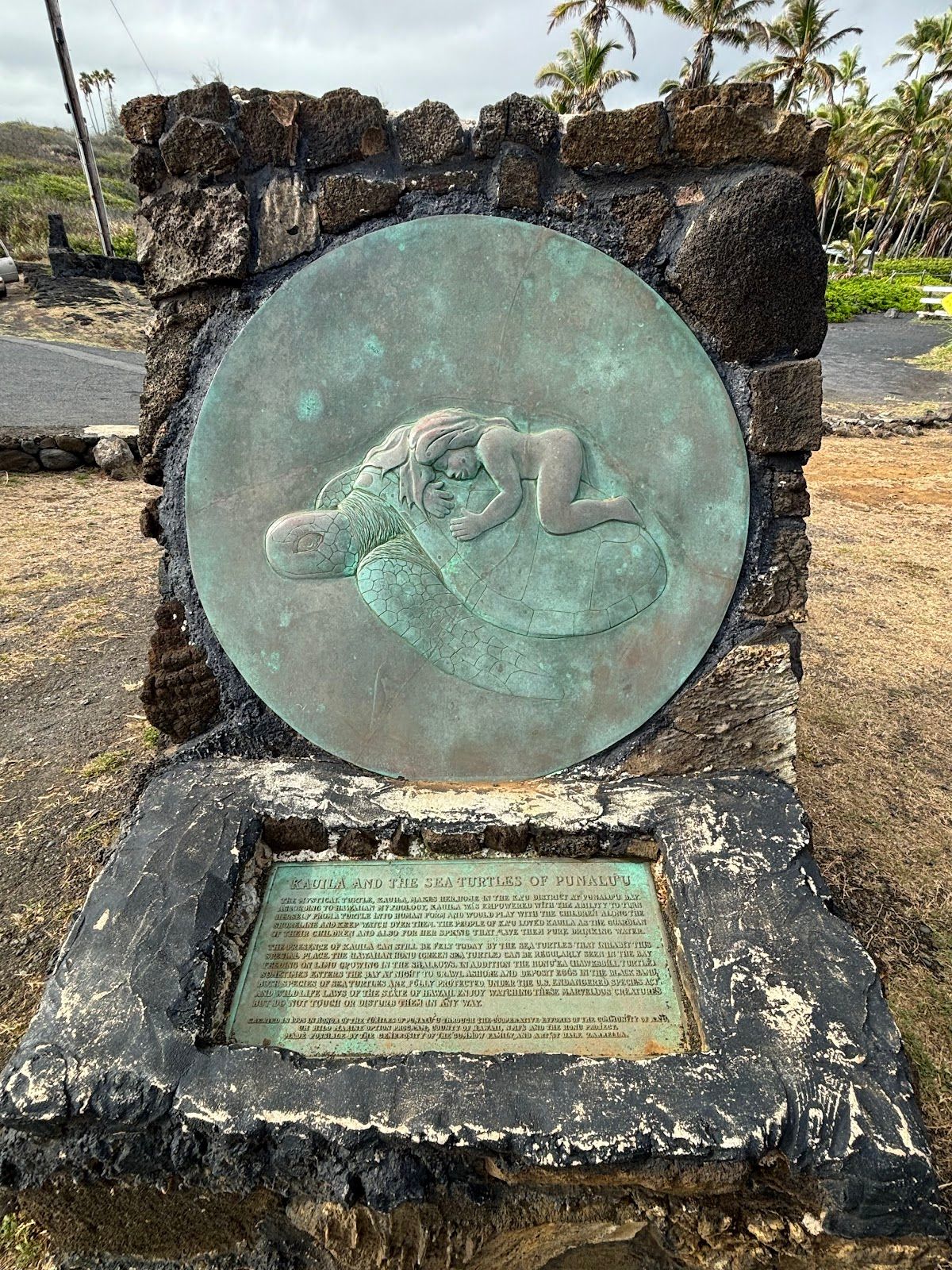
Turtles are a major part of the experience. Endangered Hawaiian green sea turtles often haul out on the sand to rest, which makes this one of the better-known wildlife viewing beaches on the island. The right approach is to enjoy the sight from a respectful distance rather than treat the beach like a petting zoo. The cultural and ecological significance here is part of what makes Punaluʻu feel different from a simple swimming stop.
A good stop for a Kaʻū road day
Punaluʻu fits naturally into a south-island drive. It is easy to reach off Highway 11, and the park setup makes it practical for a relaxed hour or two rather than a major commitment. Picnic tables, shaded pavilions, restrooms, and showers make it useful as a break point on a longer itinerary.
Many travelers pair it with a day that includes Volcano, Pāhala, Naʻalehu, or other Kaʻū sights. It also works well as a slow scenic pause if the goal is to break up a transfer across the island. The beach is especially strong in the morning or late afternoon, when the light is better for photos and the sand is less punishing underfoot.
Swimming is possible, but that is not the main draw
Punaluʻu can be swimmable, but conditions are not as forgiving as the beach’s beauty might suggest. The entry can be rocky, currents can be strong, and the seafloor is not always pleasant for casual wading. Water shoes are a smart idea, and anyone considering a swim should pay close attention to surf and water clarity.
The black sand itself is another practical tradeoff: it can get hot fast in full sun. Footwear helps, and so does keeping expectations flexible. If the idea is a mellow beach day with easy entry and long floating sessions, another shoreline may fit better. If the goal is a dramatic, distinctly Hawaiian coastal stop with easy access and strong visual payoff, Punaluʻu is hard to beat.
Best for travelers who want a memorable stop, not a generic beach
Punaluʻu Beach is ideal for photographers, wildlife watchers, and anyone who wants a concise but high-impact stop on the Big Island. It is also a strong fit for families and road trippers because the logistics are straightforward and the beach does not require a major hike or boat trip.
Travelers looking for calm water, long snorkeling sessions, or a soft white-sand lounging scene may prefer a different beach. Punaluʻu is more about the landscape, the turtles, and the unusual geology than about perfect swimming conditions.