
Puʻukoholā Heiau National Historic Site
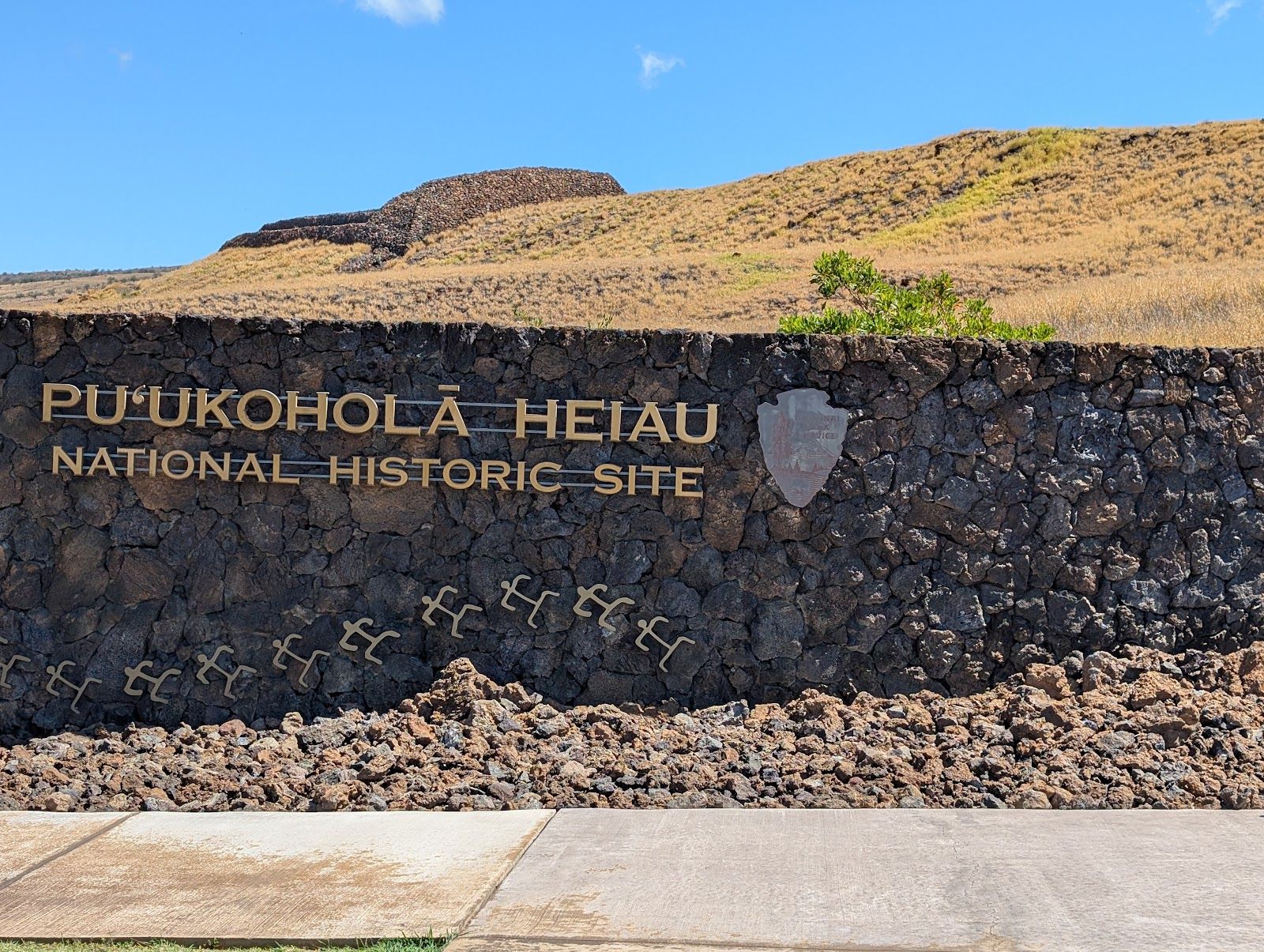
Puʻukoholā Heiau National Historic Site preserves an ancient Hawaiian temple built by King Kamehameha the Great, offering a profound glimpse into island unification and warrior culture.
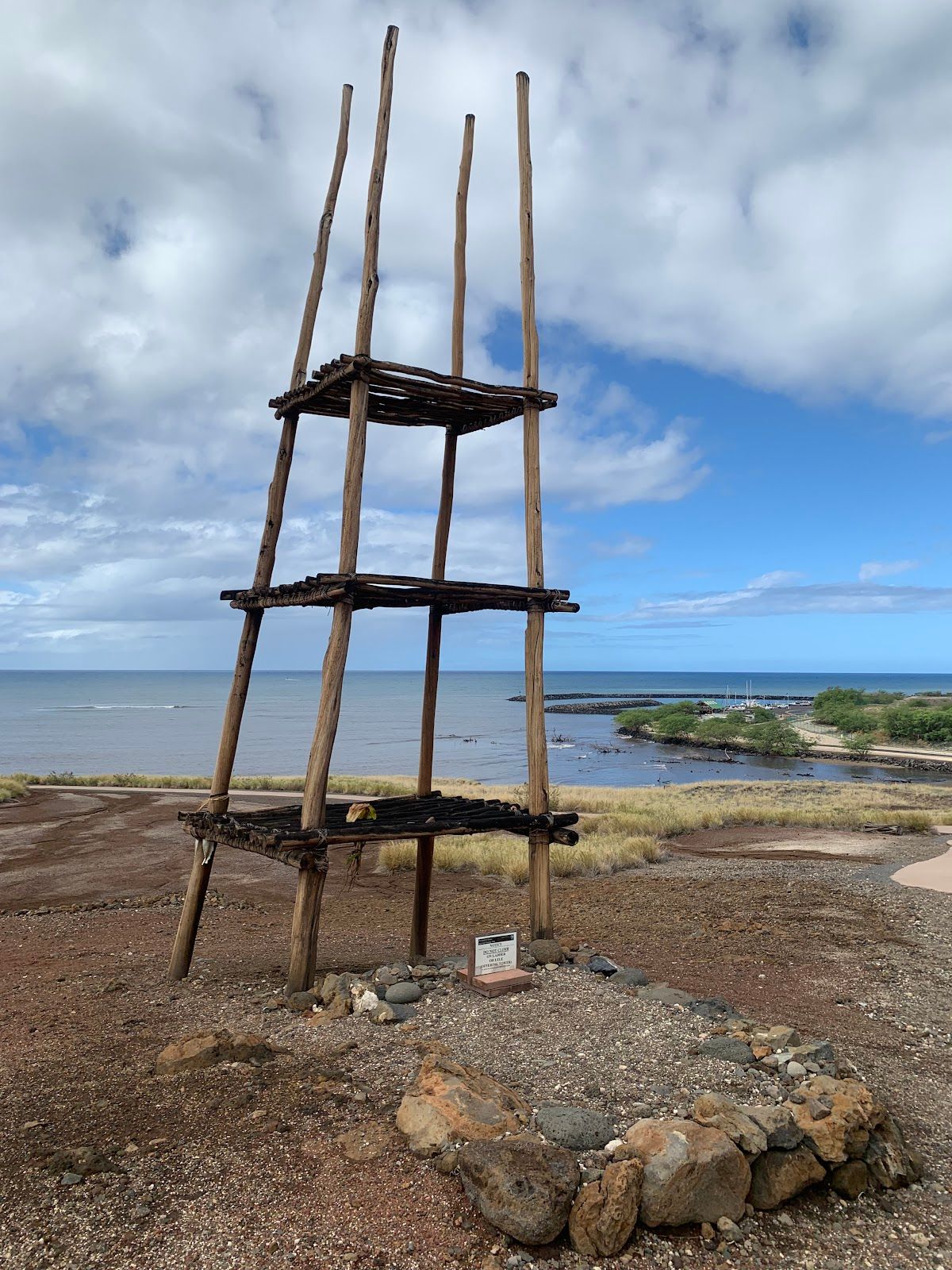
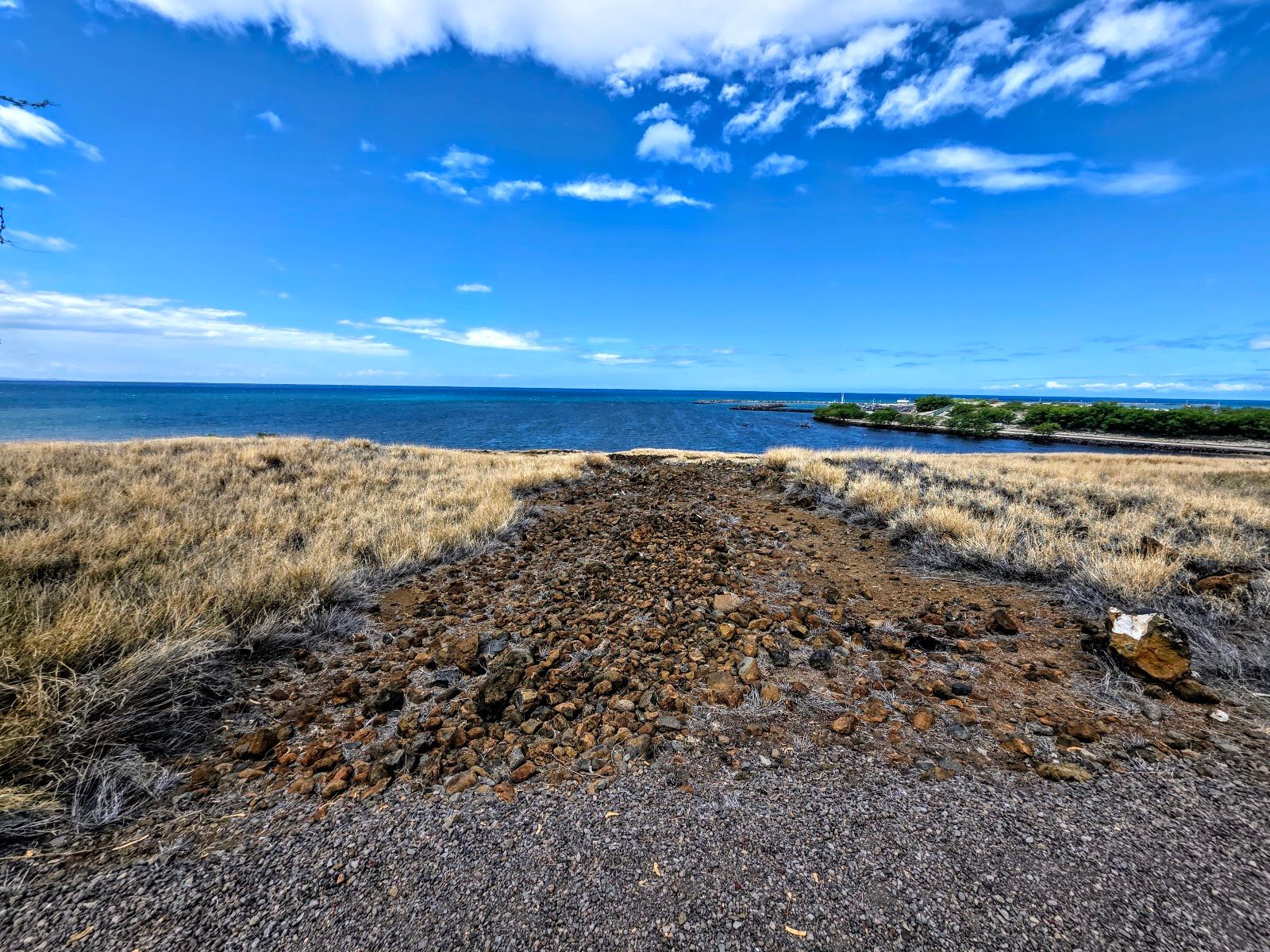
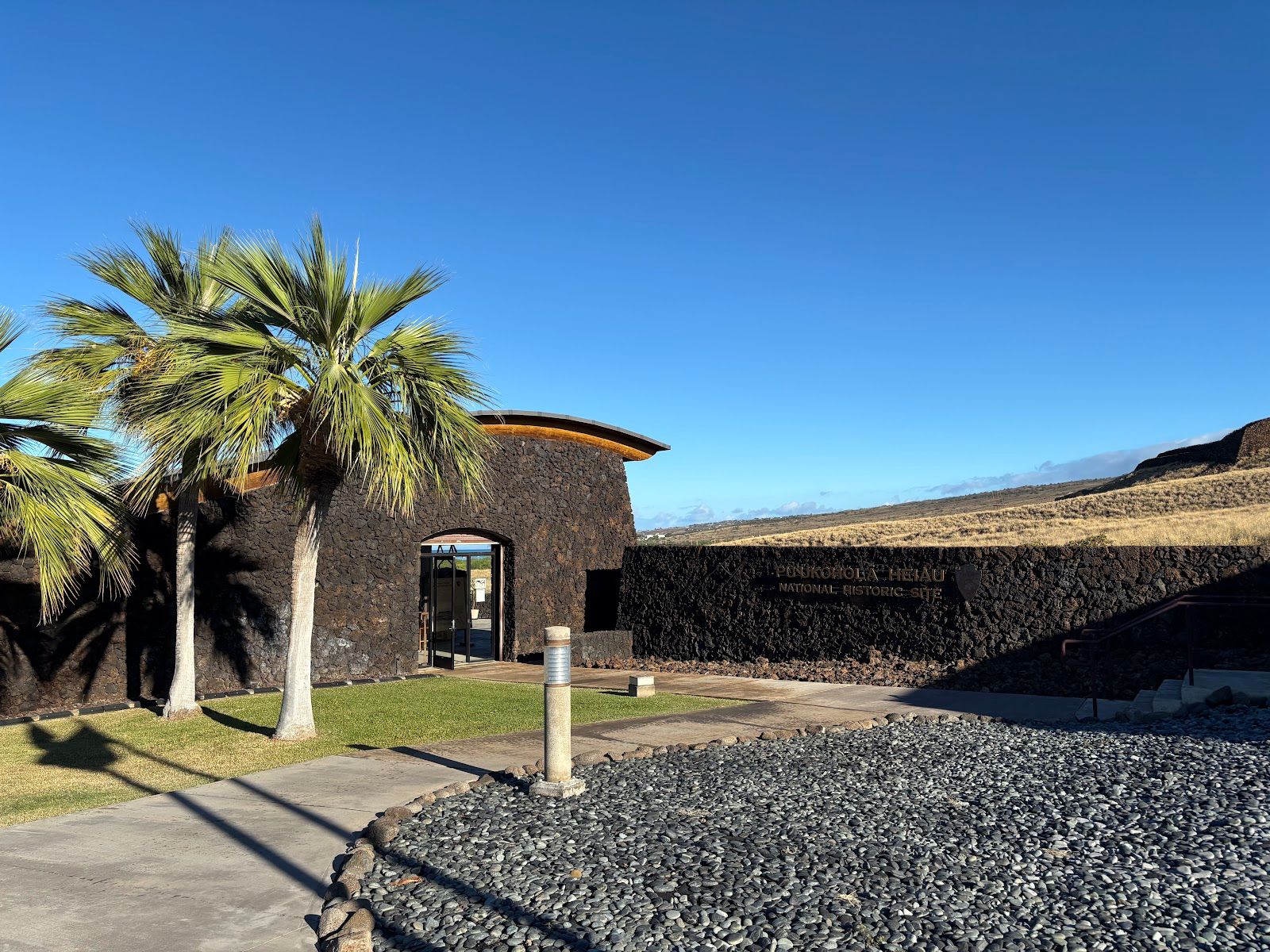
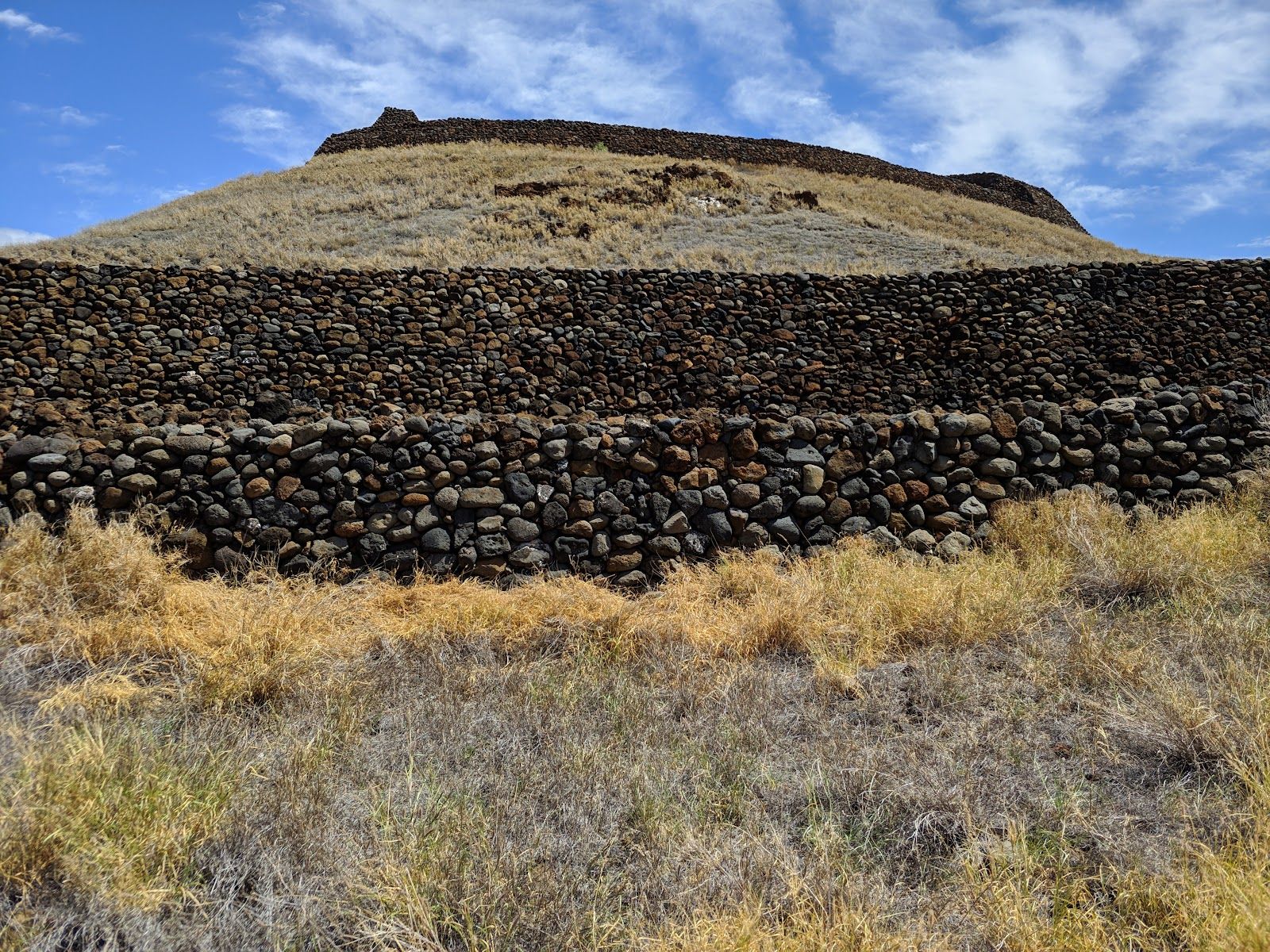
- Ancient Hawaiian temple site
- Visitor center with exhibits
- Self-guided walking trails
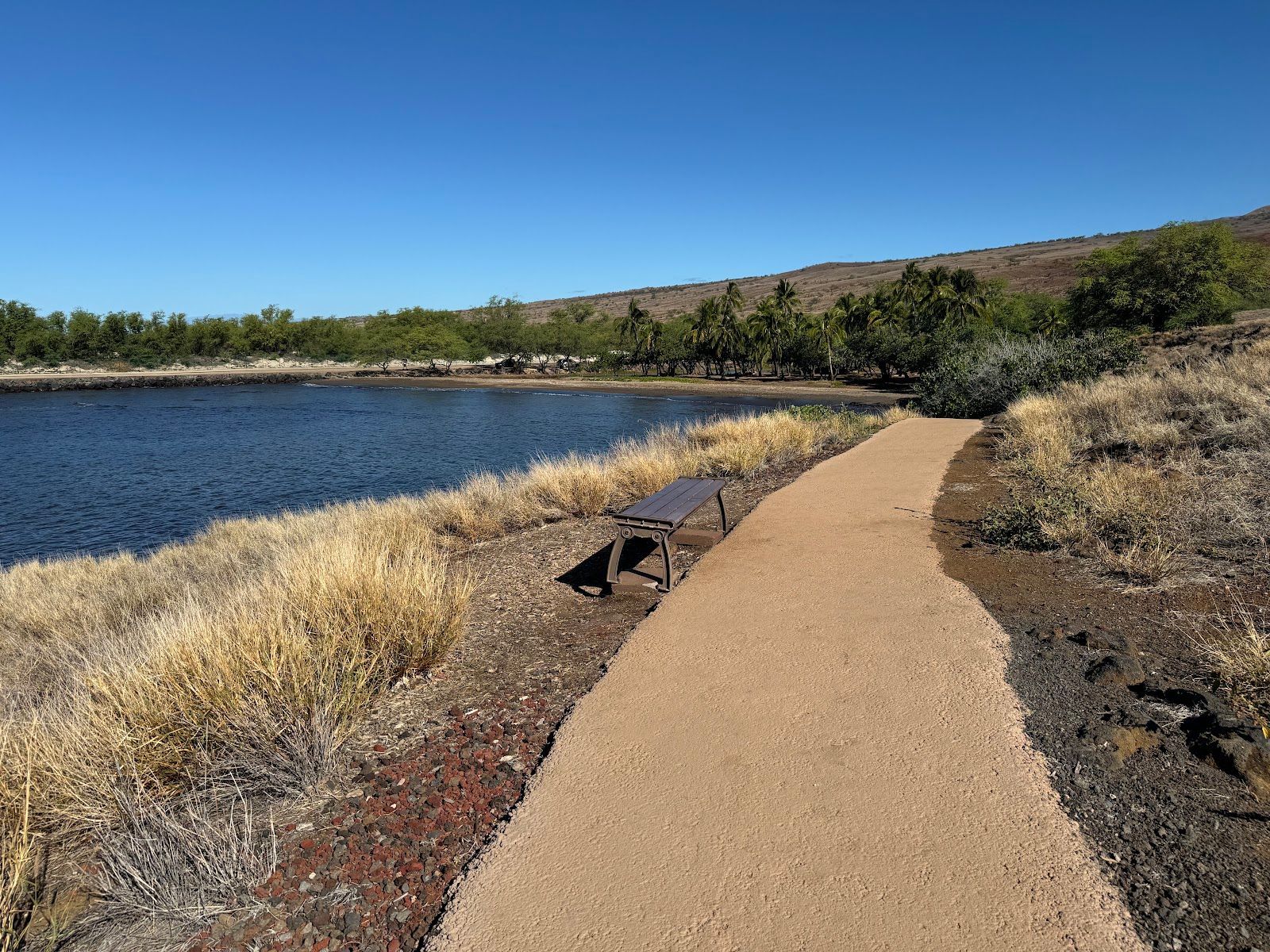
- Panoramic ocean views of the Kohala Coast
Puʻukoholā Heiau National Historic Site is one of the Big Island’s most meaningful cultural stops, set on the Kohala Coast just inland from the water near Kawaihae. It is not a “quick photo stop” in the usual sense; this is a place to slow down and take in a landscape tied to Hawaiian statecraft, sacred tradition, and the rise of Kamehameha the Great. For travelers staying around Mauna Kea Beach or moving through Kohala, it works especially well as a short, high-value itinerary block that adds depth to an otherwise beach-heavy day.
A sacred place shaped by Hawaiian unification
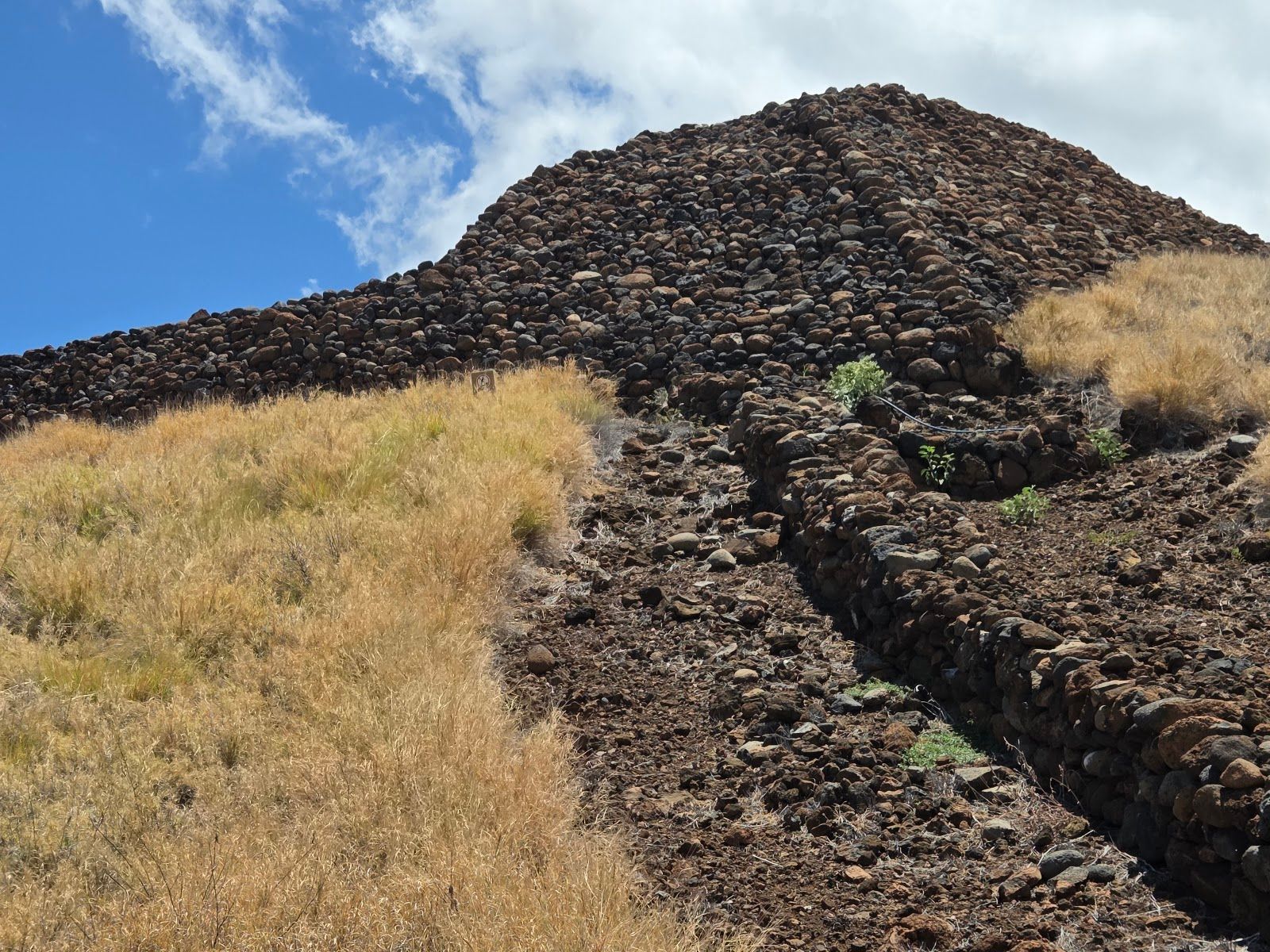
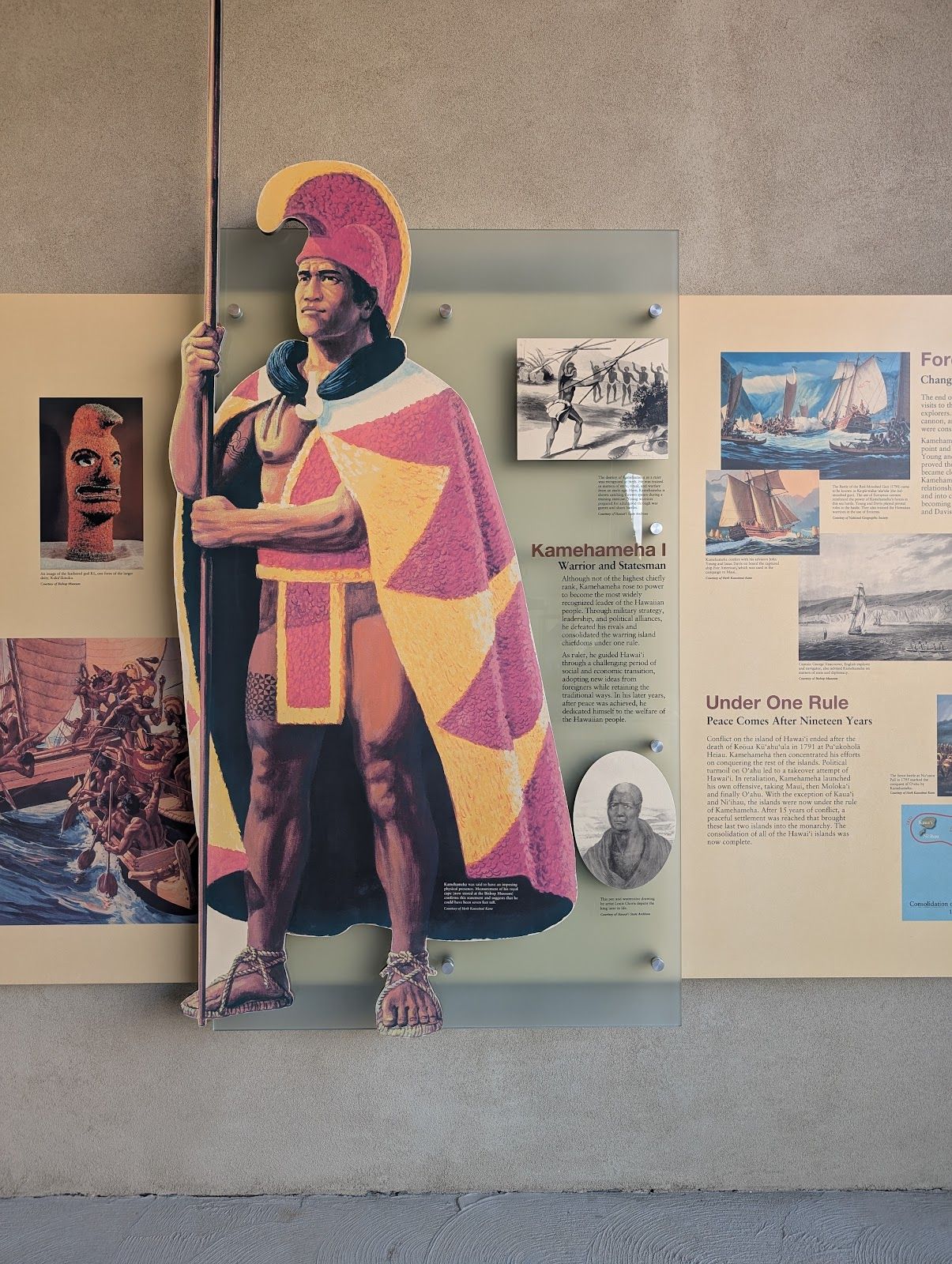
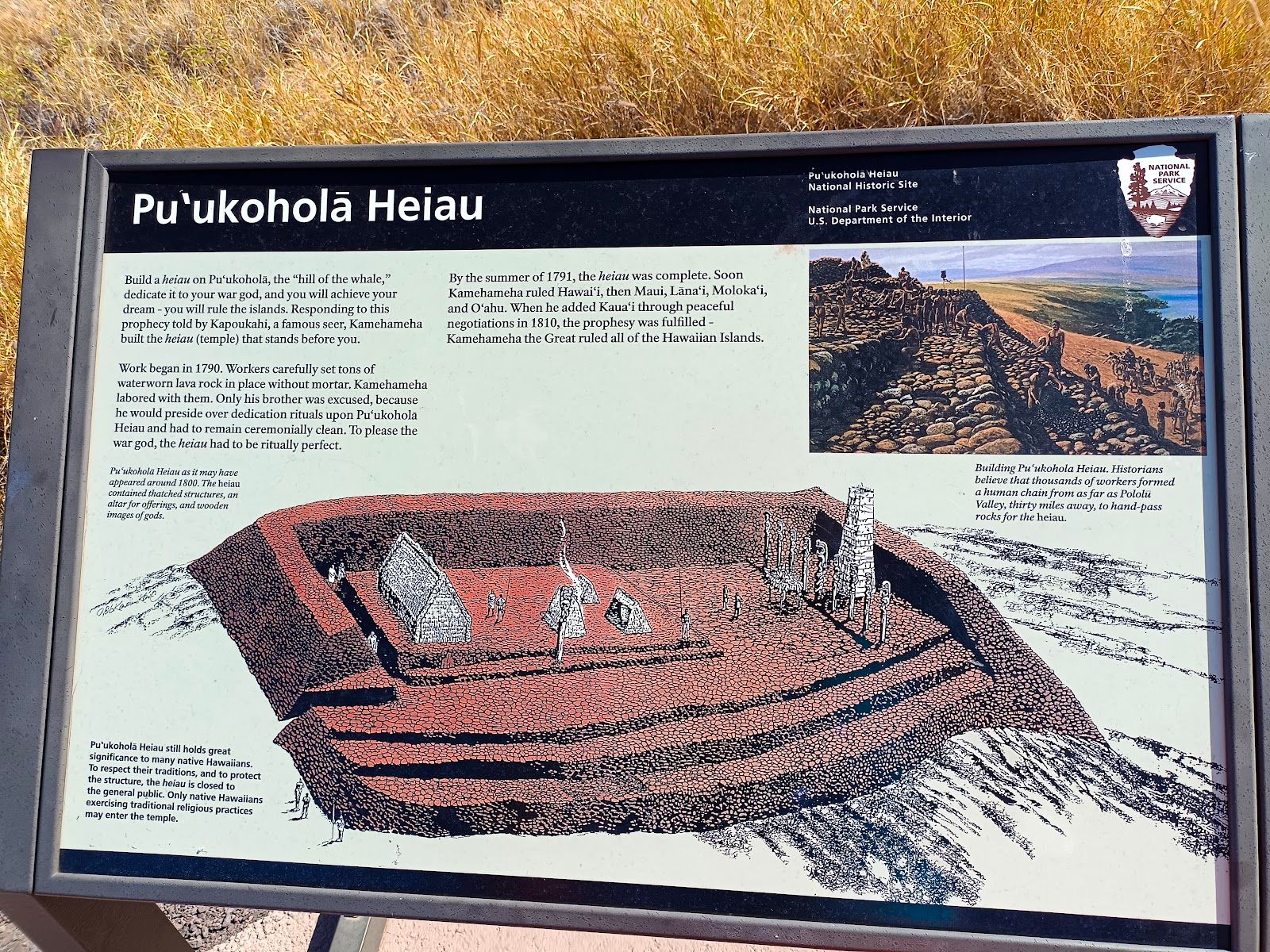
The centerpiece here is Puʻukoholā Heiau, the “Hill of the Whale,” an immense stone temple built in the late 18th century under Kamehameha I. The site’s importance goes well beyond architecture. It is bound to the story of Hawaiian unification and to the spiritual authority that made that political project possible. That history gives the grounds a seriousness that visitors feel immediately: this is a place for respectful walking, not casual wandering.
The larger site helps frame that story. Mailekini Heiau, the John Young Homestead ruins, and the submerged Hale o Kapuni in Pelekane Bay all add layers of context that make the stop richer than a single monument. Even without a deep background in Hawaiian history, the site reads clearly as a place where power, belief, and coastal geography converged.
The visit itself: easy walking, strong context
The experience is straightforward and approachable. Self-guided trails lead through the grounds, and the visitor center adds essential background through exhibits, video, and interpretive material. Ranger talks are often part of the experience as well, giving the site more texture than a simple walk around ruins would.
The setting is part of the appeal. From the heiau, the Kohala Coast opens out in wide ocean views, and the exposed landscape gives the whole place a stark, ceremonial feel. There is little shade, though, and that matters. The sun can be intense, and the site is best treated like an outdoor stop in a dry, hot coastal climate: water, sun protection, and comfortable walking shoes are wise basics. The paths are easy rather than strenuous, so this fits nearly any traveler who wants a cultural stop without a major physical commitment.
Make it part of a Kohala Coast day
This is an ideal addition to a North and West Big Island itinerary, especially if the day already includes beach time, scenic driving, or a stop around Kawaihae and Waimea. It does not demand a long block of time, but it rewards a thoughtful one. A short visit can work well in the morning or late afternoon, when the light is softer and the heat is easier to manage.
The site also pairs naturally with nearby coast-focused plans because it offers contrast. A day centered on resort beaches or snorkeling feels more complete when balanced with a place like this, where the island’s cultural foundations are front and center. Seasonal humpback whale viewing offshore adds another layer in winter and spring, though that is a bonus rather than a guarantee.
Best for travelers who want meaning, not just scenery
Puʻukoholā Heiau National Historic Site is best for travelers who value history, culture, and a sense of place. It is especially rewarding for visitors who want to understand Hawaiʻi Island beyond its beaches and volcanic landscapes. Families, history-minded travelers, and anyone looking for a respectful educational stop will find plenty to appreciate.
Those seeking a long hike, a swim, or a full morning of recreation may want something else. The appeal here is concentration, not scale: a compact site with real historical weight, strong interpretation, and one of the Kohala Coast’s most memorable settings.