
What it is
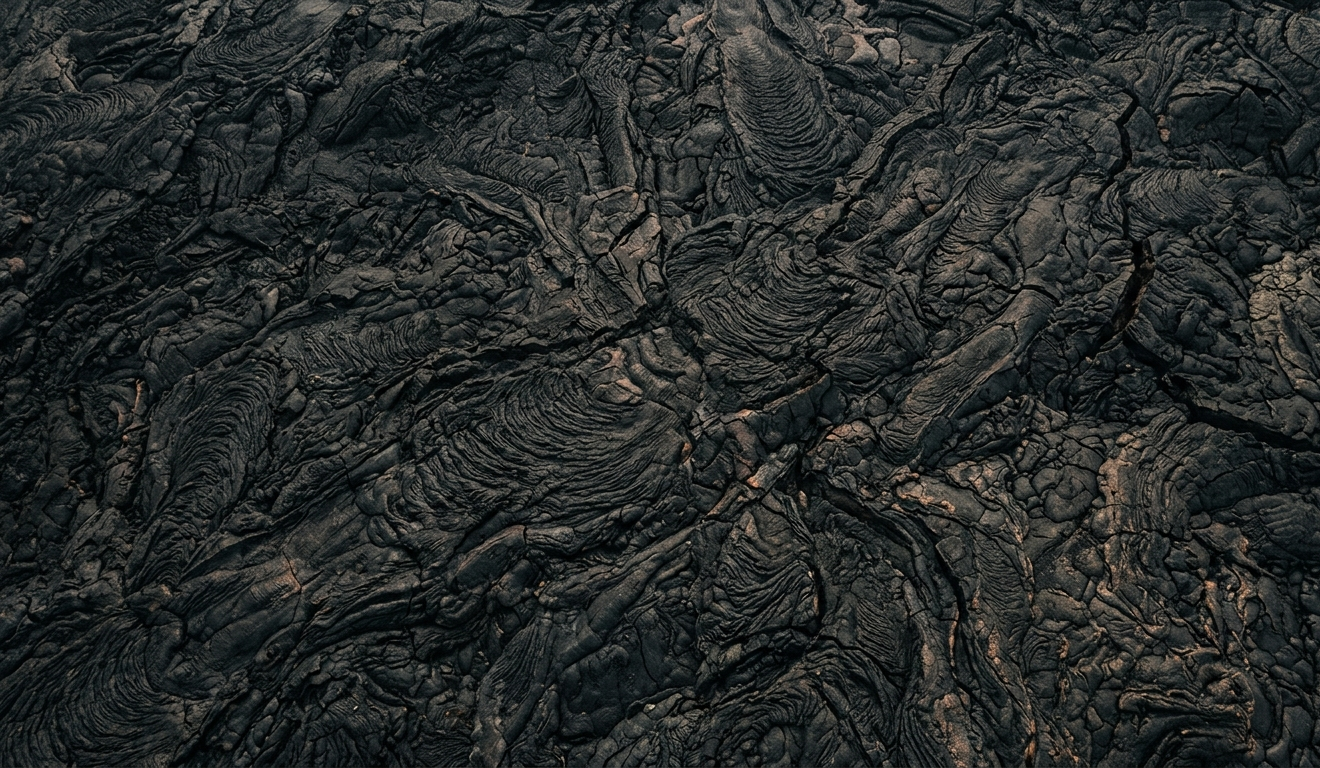
The Steam Vents, also known as Kūkamāhuākea and Haʻakulamanu (Sulphur Banks), are a popular natural attraction located within Hawaiʻi Volcanoes National Park on the Big Island of Hawaiʻi. They are openings in the Earth's surface where steam and volcanic gases escape. This phenomenon occurs when groundwater seeps down to hot volcanic rocks heated by magma, causing the water to vaporize and return to the surface as steam. The area includes both steam vents and sulfur banks, offering a tangible connection to the island's ongoing geological activity.
Visitor experience
Visitors to the Steam Vents can witness the raw power of the volcano as plumes of warm mist rise from the ground. The experience engages multiple senses: the ground may feel warm, the air can have a faint sulfurous smell (often described as rotten eggs), and the gentle hissing of escaping steam creates a unique ambiance. On cooler or rainy days, the steam plumes are particularly dramatic and visible.
The site offers a relatively accessible way to experience geothermal activity. It's often combined with a short walk to Steaming Bluff, which provides views of the Kīlauea Caldera framed by steam. The area is family-friendly, with well-maintained paths, making it suitable for most ages and accessibility needs, although the path to the overlook may be unpaved and bumpy. Visitors often spend about 15-20 minutes at the Steam Vents themselves, or longer if also visiting the adjacent Sulphur Banks.
Logistics
The Steam Vents are located along Crater Rim Drive in Hawaiʻi Volcanoes National Park, approximately one mile beyond the Kīlauea Visitor Center. The park entrance fee is $30 per private vehicle, valid for seven days, and covers up to 15 passengers. The park is open 24 hours a day, year-round, but the Kīlauea Visitor Center hours are generally 9 AM to 5 PM.
Access and Parking: The Steam Vents have a dedicated parking lot. It's advised that if the lot is full, visitors might try again after visiting other nearby attractions like the Jaggar Museum (though the Jaggar Museum is currently closed for reconstruction, verify current alternatives for park information). The site is a convenient drive-up photo opportunity.
Timing: The best times to visit are early morning or late afternoon when the air is cooler and the steam is most visible. A visit to the Steam Vents is typically a quick stop, suitable for a half-day or full-day itinerary within the larger Hawaiʻi Volcanoes National Park. It's recommended as a first stop in the summit area to set the tone for exploring the park.
Facilities: There are no restrooms or water available directly at the Steam Vents. Visitors should be prepared with water and snacks, and wear layers as weather can change quickly.
Safety and cautions
The Steam Vents are a natural volcanic feature and require caution.
- Volcanic Gases: The steam contains volcanic gases, including sulfur dioxide, carbon dioxide, and hydrogen sulfide. While typically dispersed, concentrations can vary with wind direction. It's advised that individuals with heart or respiratory conditions, pregnant women, and young children avoid the adjacent Sulphur Banks trail due to higher gas concentrations.
- Hot Surfaces and Cracks: The ground around the vents is hot, and the steam itself can be scalding (averaging 145 degrees Fahrenheit). Visitors must stay on designated paths and boardwalks to avoid falling into cracks or getting burned. Unmarked cracks can be hidden by vegetation.
- Cultural Respect: Tossing trash or money into the steam vents is disrespectful to Native Hawaiian cultural practices, as the steam (māhu) is used for cleansing before cultural protocols.
- Weather: The weather near the volcano can change rapidly from cool and misty to sunny. Be prepared with appropriate clothing (layers) and sun protection as there is no shade in the area.
- Current Conditions: Volcanic activity can change rapidly. Always check the official Hawaiʻi Volcanoes National Park website for the latest alerts, closures, and conditions before visiting.
Editorial take
The Steam Vents are a quintessential Big Island experience, offering an immediate and visceral connection to the island's volcanic origins. It's a highly recommended stop for almost all travelers visiting Hawaiʻi Volcanoes National Park, particularly those interested in geology, unique natural phenomena, and accessible sightseeing. It serves as an excellent introduction to the park's geothermal activity.
Prioritize if: You are visiting Hawaiʻi Volcanoes National Park and want an easily accessible, short stop to experience volcanic steam and gases. It's great for families and those with limited mobility who still want to witness geothermal activity.
Skip if: You have severe respiratory issues or are highly sensitive to sulfur smells. While it's a quick stop, if you are extremely pressed for time and only focused on major hikes or lava viewing (when active), you might consider it a lower priority, but it's such a brief and impactful stop that most should make time for it.
Not to be confused with:
- Sulphur Banks (Haʻakulamanu): While adjacent and often visited together, Sulphur Banks offers more visible sulfur deposits and potentially stronger gas odors.
- Lava viewing areas: The Steam Vents showcase geothermal activity but do not offer views of active lava flows. Active lava viewing depends on current volcanic conditions and locations within or outside the park.
- Pele's Breath (resort): There are discussions online about "steam vent caves" or "Pele's Breath resort" on private property outside the national park. The Steam Vents discussed here are a designated, accessible attraction within Hawaiʻi Volcanoes National Park.
Source notes
- Hawaiʻi Volcanoes National Park Official Website: http://www.nps.gov/havo/planyourvisit
- Hawaiʻi Volcanoes National Park - Kūkamāhuākea and Haʻakulamanu (Steam Vents and Sulphur Banks): https://www.nps.gov/havo/planyourvisit/places-steam-vents-sulphur-banks.htm (This is likely the most relevant specific page on the official site, though not explicitly linked in the search results, the general plan your visit link covers it)
- Volcano Village Lodge - Exploring Hawaii's Steam Vents: https://vertexaisearch.cloud.google.com/grounding-api-redirect/AUZIYQE4cudvOSyiLs6Q63t_5h99NndJK_bhwOgaoVB0hyzLcnZYXfLE7a2sAASRC5t5EZPdBa-ZEzDKlD2fl-Z8oSHP5fgbEe_cf2jG513pBC1bPgyZSnylGqFTe_Ezjm9v9gmUQlv8SoEafPke8Zetd1k=
- Lonely Planet - Steam Vents & Steaming Bluff: https://vertexaisearch.cloud.google.com/grounding-api-redirect/AUZIYQFzIxW1lxoc6EdyMsR9DQII0JjFfxUz5u-E9sfHryeAyEcZY6BucQmdV1rGaFs6NwBMqP90eR1E_E5teSA0NJbtTiyzUKYzgRta3T4e9b51fW2P_MswhAIB4XJLLVLQizPrEtRAsb2On21mz03lckeqqu4FupTF8Vvo2UBLqHZvungqmffoaLDS07M5JA==
- Off the Eaten Path - How Many Days Do You Need At Hawai'i Volcanoes National Park?: https://vertexaisearch.cloud.google.com/grounding-api-redirect/AUZIYQGY0Fo8Rp6DEKg_am224-mS7uWsYkikecnlxDfVo7tVHS0adHjWBECxyjD3Jy5wH5_6lPf8bwbu3zzJsLZwgDxUoaDWAekFHBzQfzFaqd2SWBmYbyF5WquNuWRjLu46pvyuEswOf6-Rd7fZzCNgz7wk1_UPxtM34N7qV2XMhA==
- USGS - Volcano Watch — Steaming vents at Kīlauea: Stay on the trails!: https://vertexaisearch.cloud.google.com/grounding-api-redirect/AUZIYQF1sQnIC1JPxmos4tV6vQ2bxVbcyOxNm1VrbdFXIdmLFnkXyXI2qOBGaGeIWzoE0fohtH8PPpXbo6GxJFFSbowkSVzuD6yQ06HcVqm11QjgUTZlzx7ShaC7WG7C3UCEw8hxpVvR1l341n0bTJW3TF1CTKdqWBA8WeBYjkc8AsjzDfSwJs0=