

Uncle Robert's Awa Bar and Farmers Market
Experience the vibrant Uncle Robert's Awa Bar and Farmers Market on the Big Island, featuring local foods, handmade crafts, live Hawaiian music, and traditional kava in a lively community setting.
- Vibrant farmers market
- Authentic Hawaiian culture
- Live Hawaiian music and hula
- Traditional `awa` (kava) bar
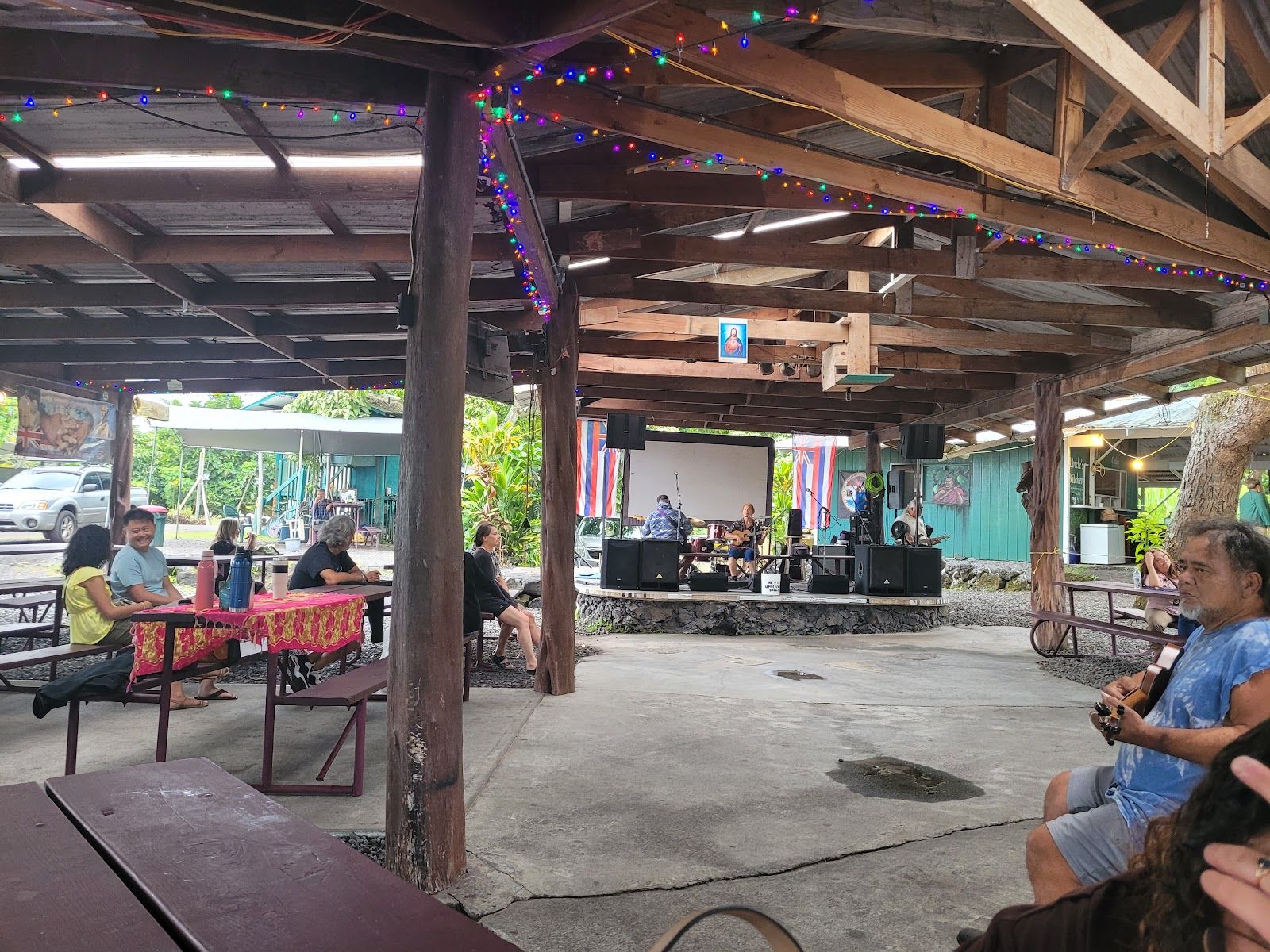
Uncle Robert's Awa Bar and Farmers Market is one of the Big Island’s most distinctive community stops, set in Kalapana on the edge of Puna where lava has repeatedly reshaped the landscape. It works as both a market and a social gathering place, which is why it stands out: this is not just somewhere to buy produce or a snack, but a place where food, music, crafts, and Hawaiian cultural life all overlap in a setting with a strong sense of place.
The Wednesday-night pull
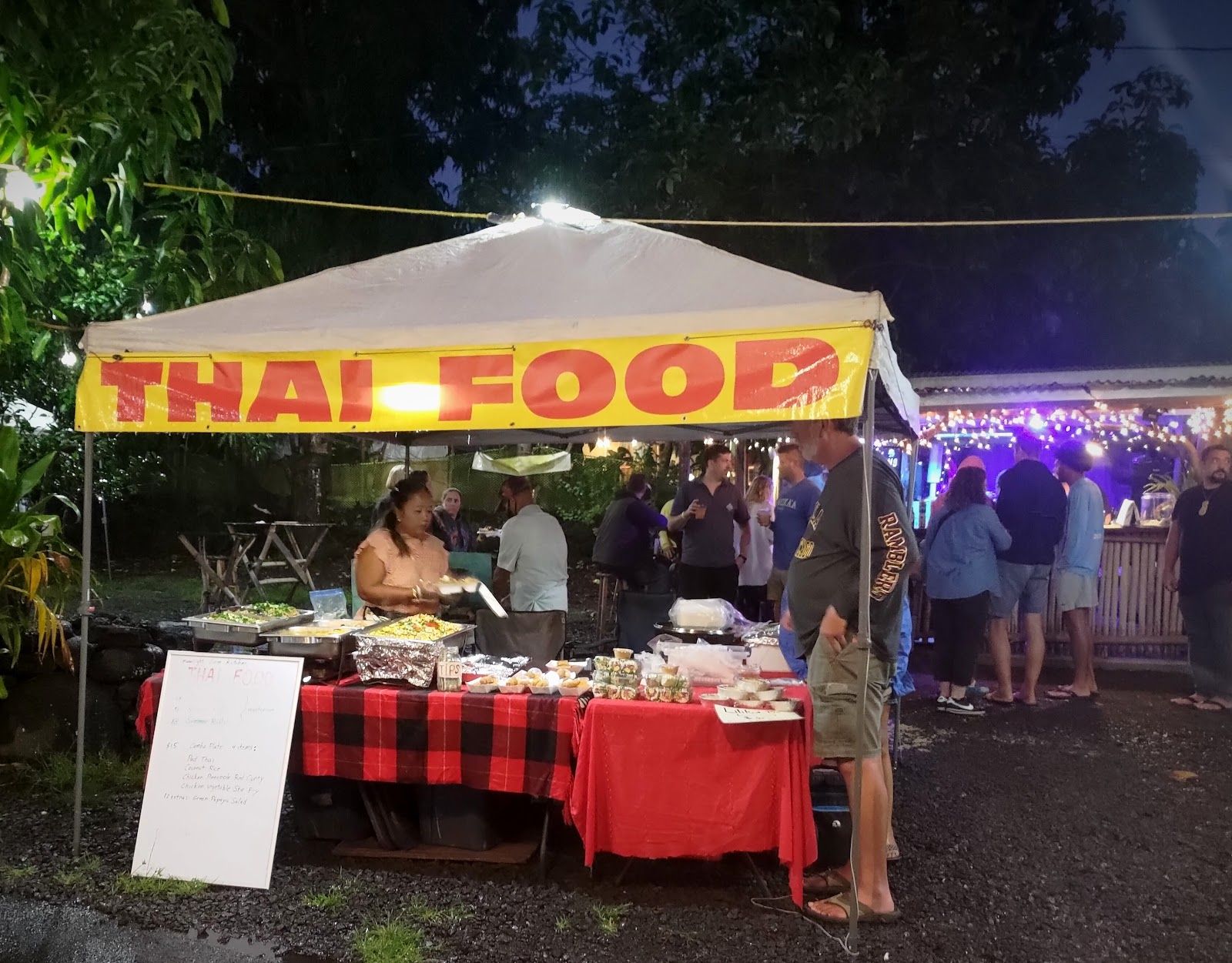
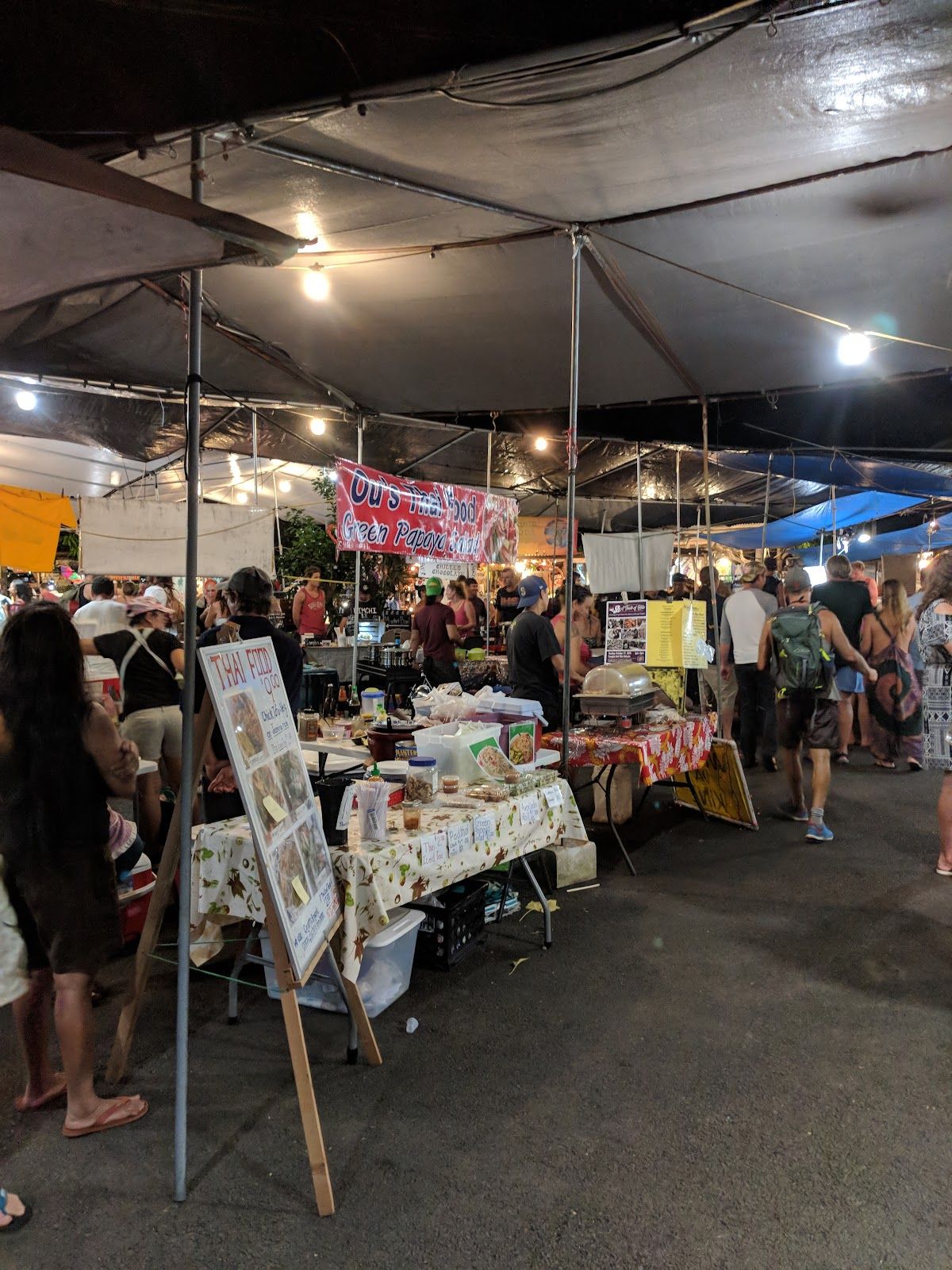
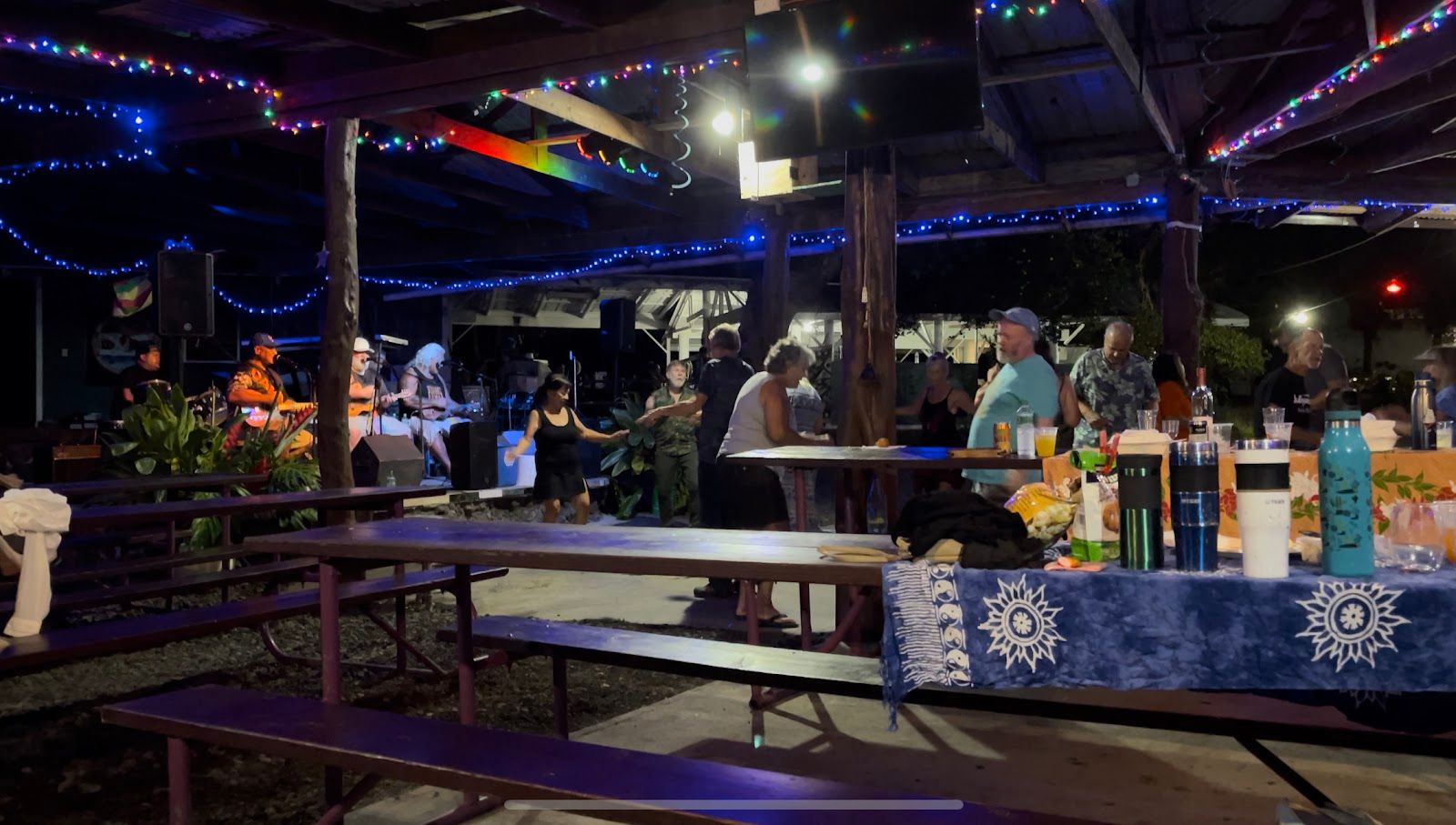
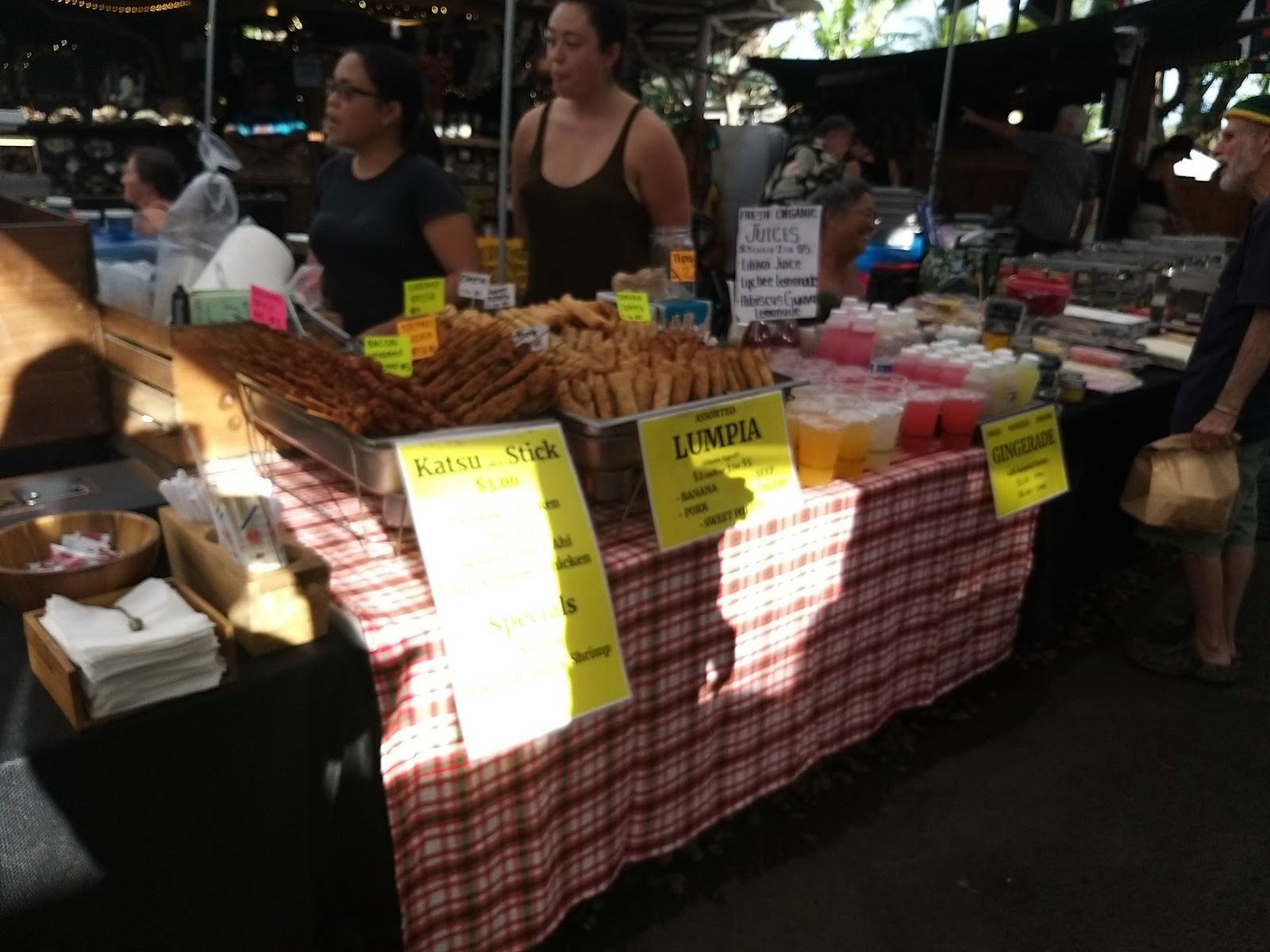
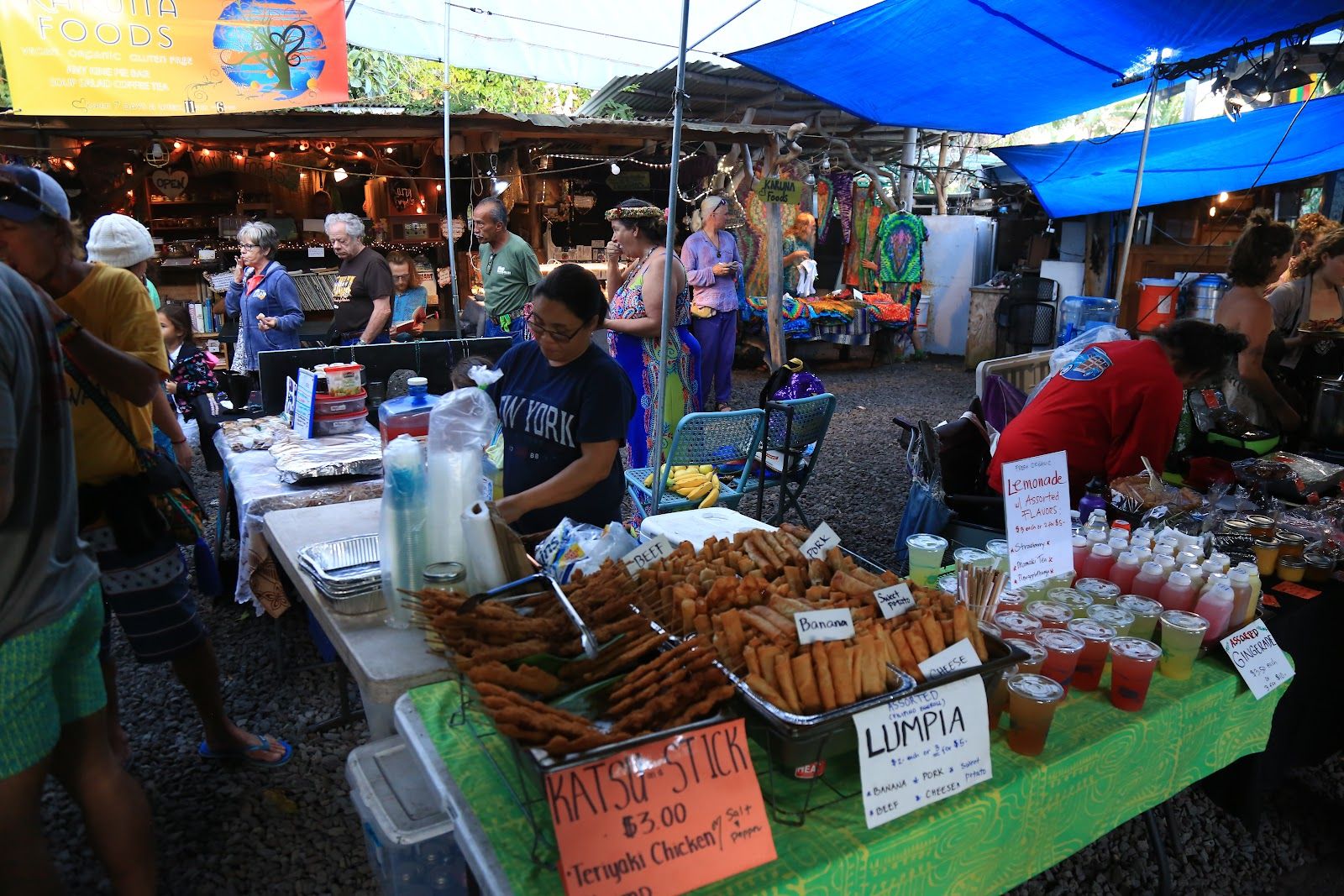
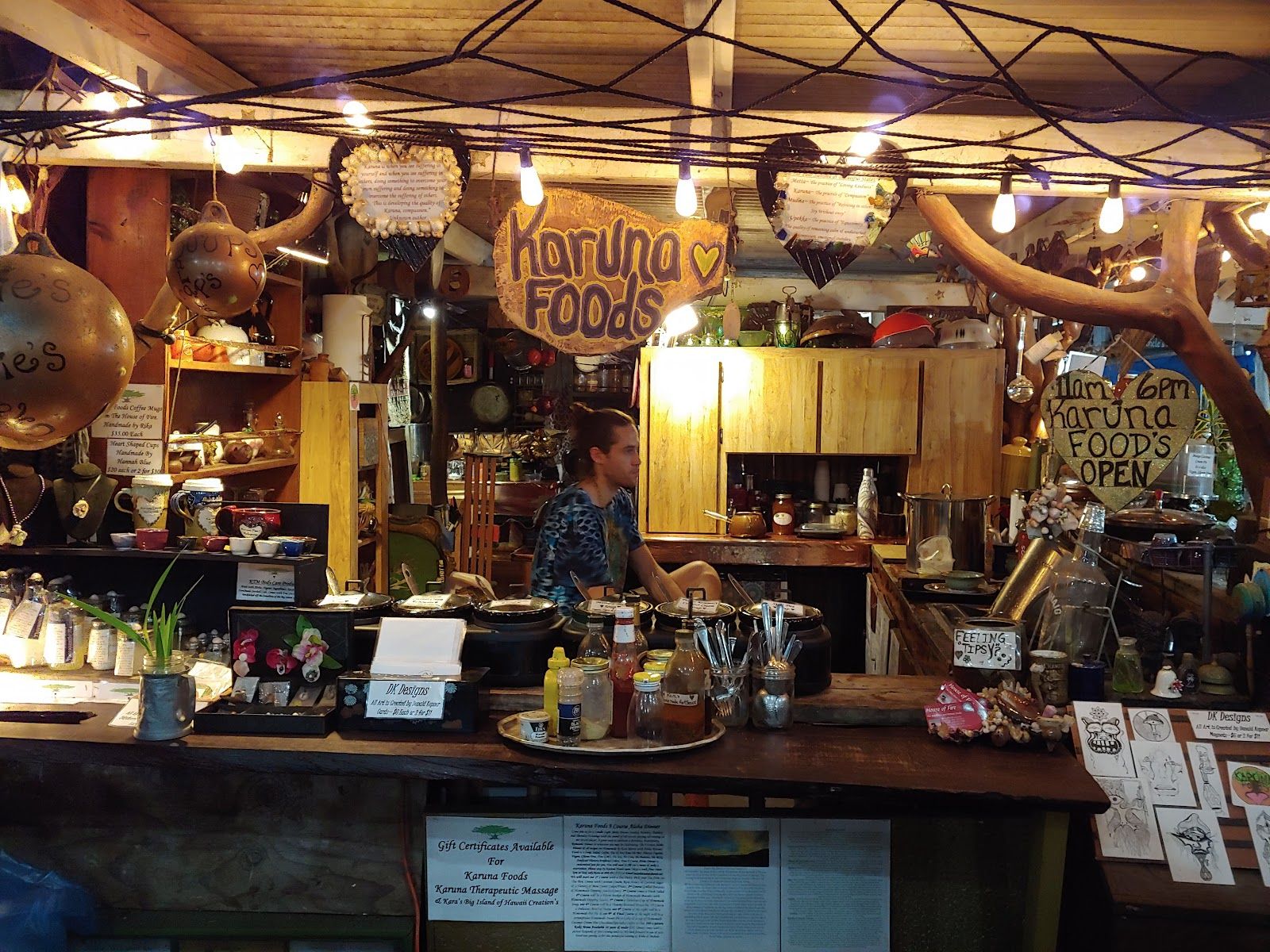
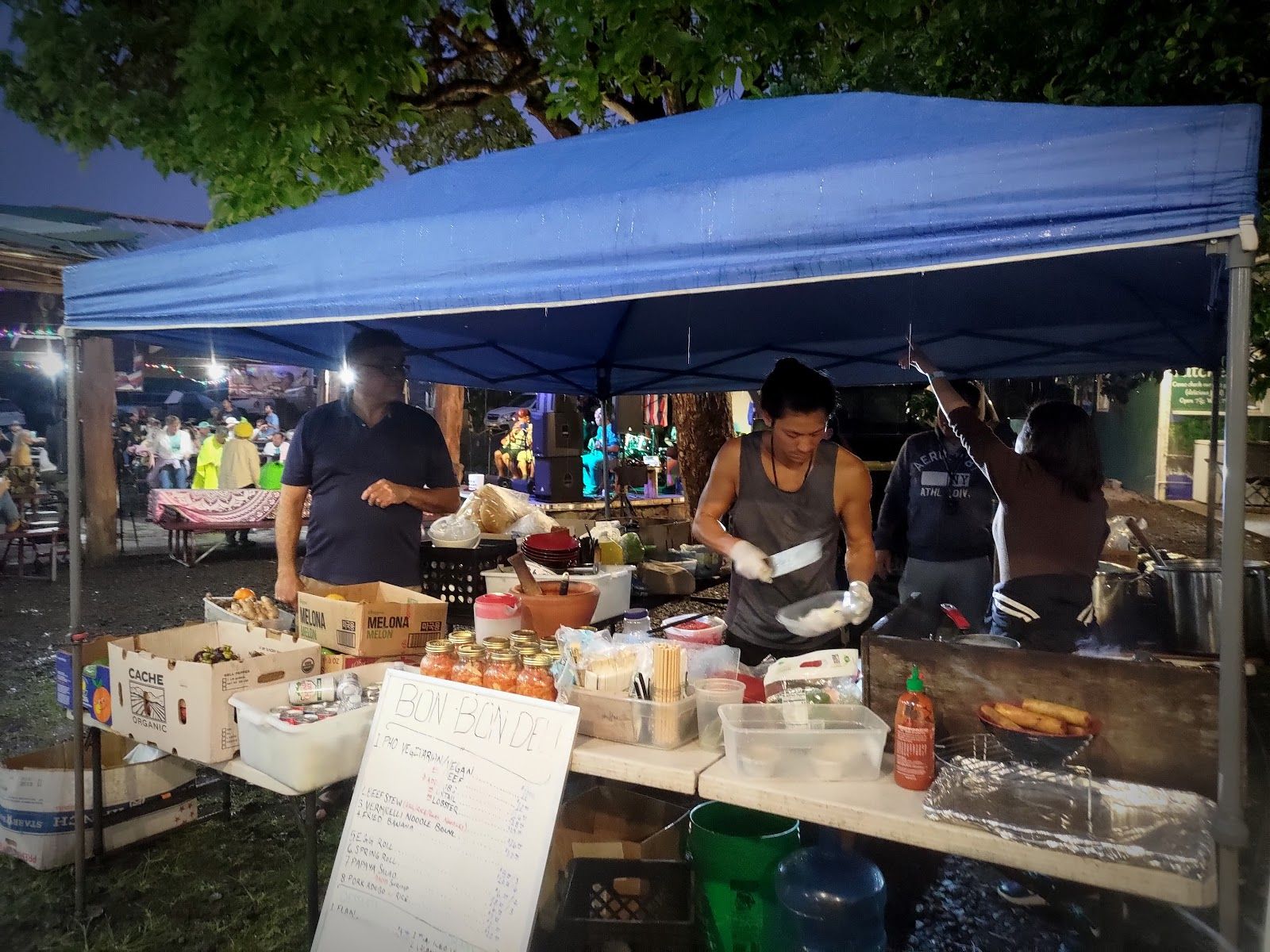
The best-known version of Uncle Robert’s is the Wednesday evening market and music scene. That is when the property feels most alive, with live Hawaiian music, dancing, food vendors, and the ʻawa bar drawing a mixed crowd of locals and visitors. The atmosphere is casual, communal, and lively rather than polished. Expect a broad spread of eating options, from local comfort food to more eclectic vendor fare, along with handmade jewelry, crafts, and produce.
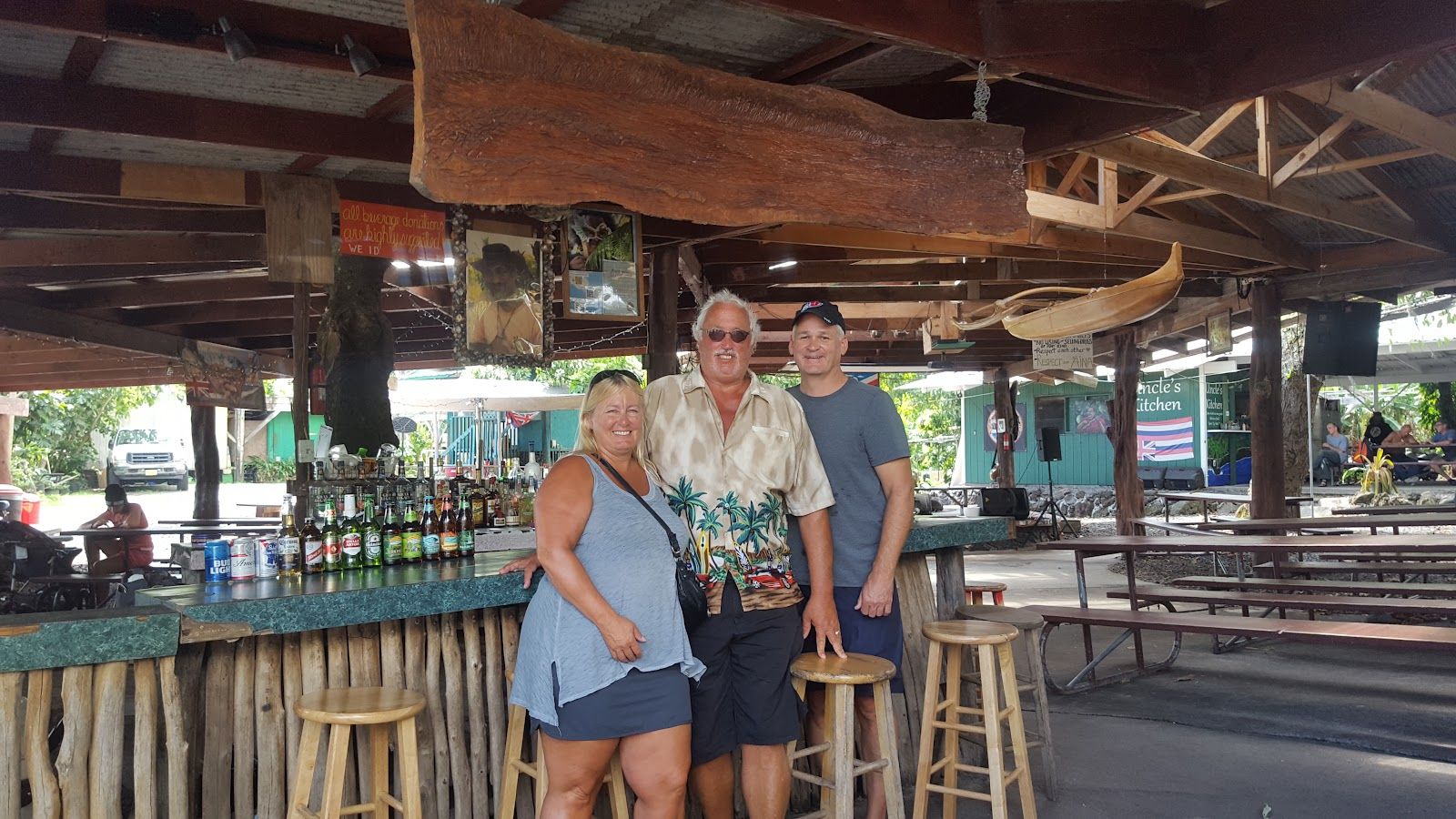
The ʻawa bar is a signature part of the experience. ʻAwa, or kava, is a traditional Polynesian drink with relaxing effects and a mildly numbing quality. It adds cultural character to the stop, but it also means this is a place to slow down rather than rush through.
Saturday morning is the easy version
For travelers who want the market itself without the evening energy, Saturday morning is the simpler, lower-key choice. That’s the best window for browsing stalls, picking up local goods, and making a short stop while moving through Puna or the Kalapana area. It fits cleanly into a broader day that might also include Kaimū, the southeast coast, or other stops farther along Highway 130.
Uncle Robert’s is most useful as an itinerary block when paired with other Puna experiences rather than treated as a standalone destination. It can be a quick market stop on Saturday or a full evening anchor on Wednesday. Either way, the setting gives it more weight than a typical roadside market.
The tradeoffs: crowds, cash, and the setting
The same energy that makes Wednesday night memorable can also make it crowded and loud. Travelers looking for a quiet dinner or a low-key farmers market may prefer a different stop. Seating can be limited when the music crowd builds, and the open-air setup means comfort depends on the weather.
Bring cash, since market vendors may prefer it, and plan with the area’s rural location in mind. Free off-street parking is available, though the broader Kalapana area can get busy. Because the market sits in a landscape shaped by past lava flows, it also rewards a little care and respect: stay on established paths and treat the setting as part of the experience, not just a backdrop.
Best for travelers who want culture with their shopping
Uncle Robert’s fits travelers who want their market visit to feel local, lively, and rooted in Hawaiian culture. It is especially appealing for people who like live music, informal food stops, and places with a strong community identity. It is less ideal for anyone seeking a quiet, predictable shopping errand or a tightly curated tourist attraction.
For the right traveler, though, it is exactly the kind of stop that turns a Puna day into something memorable.