
University of Hawaii 2.2-Meter Telescope
Witness the University of Hawaii 2.2-Meter Telescope on the sacred Maunakea summit, a landmark for adventurous travelers seeking breathtaking high-altitude views, unique landscapes, and unparalleled stargazing opportunities.
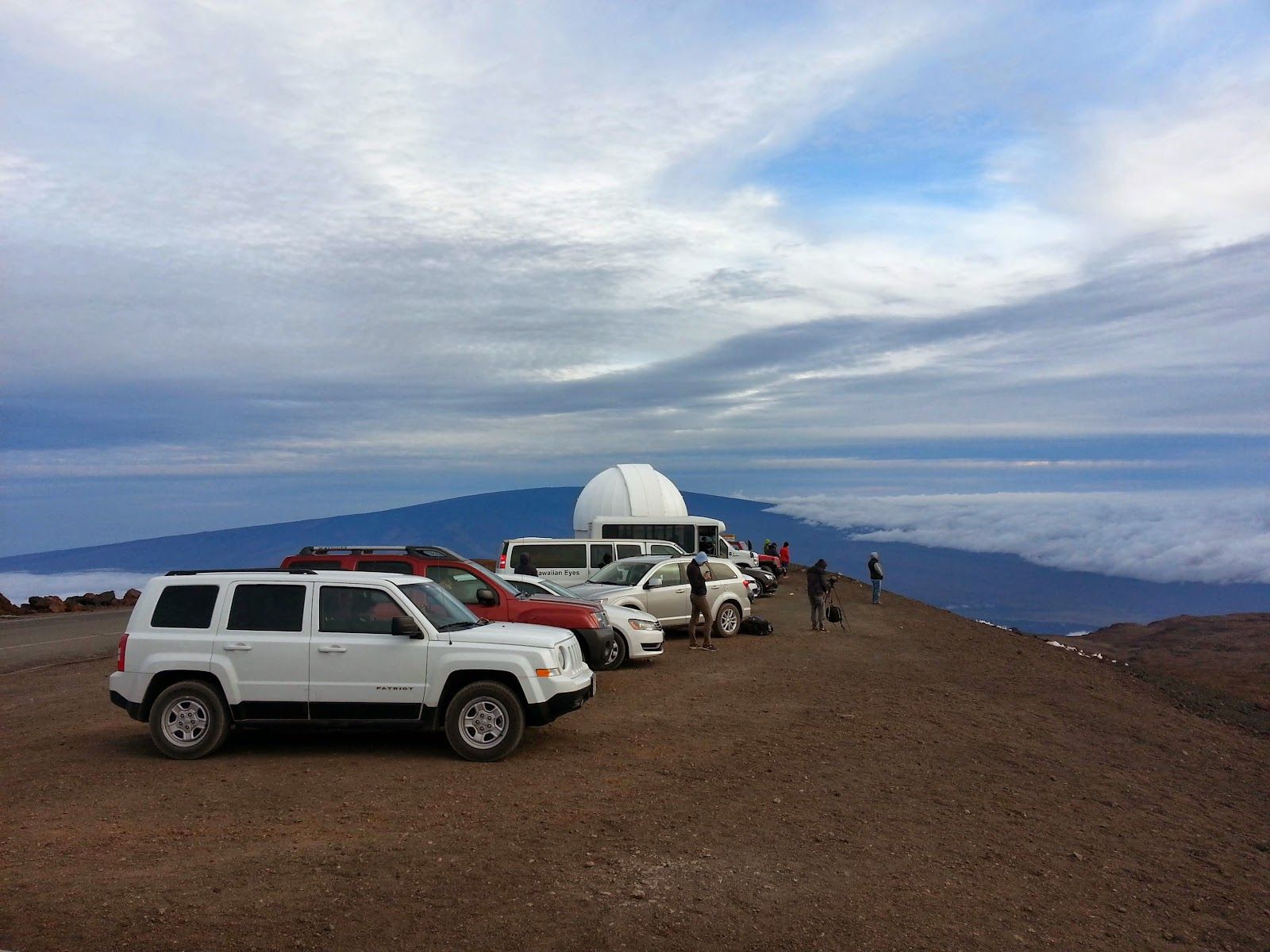
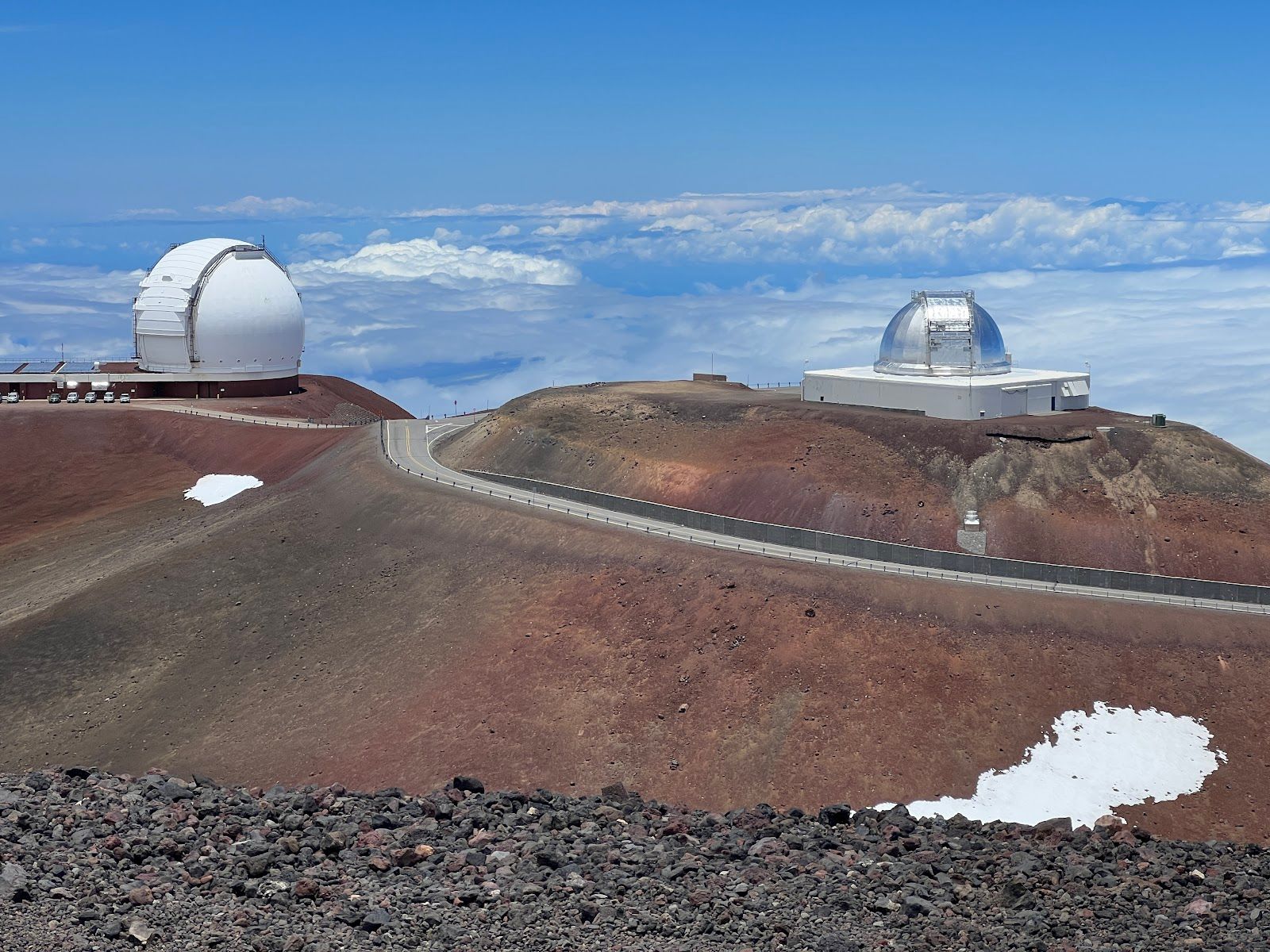
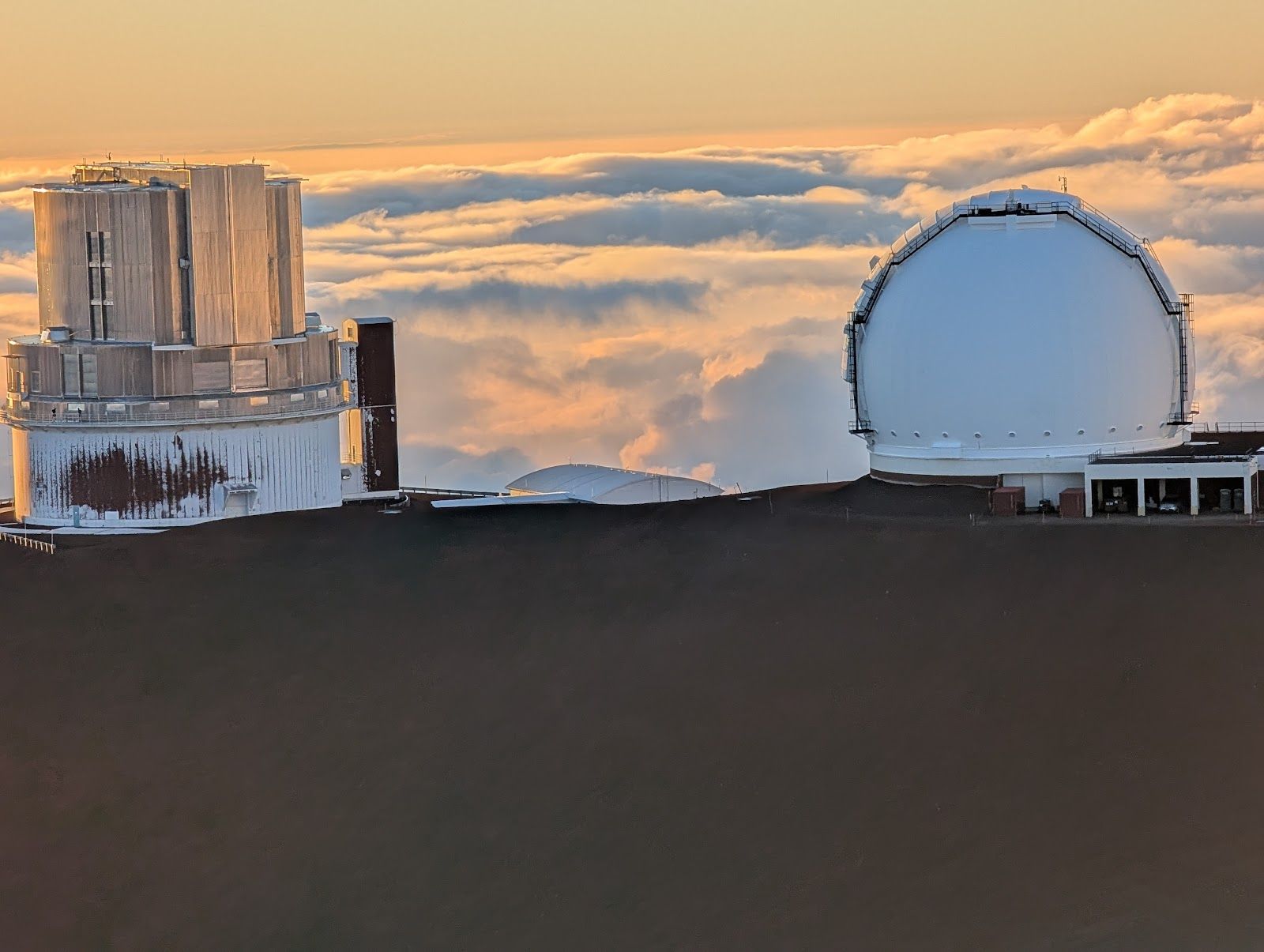
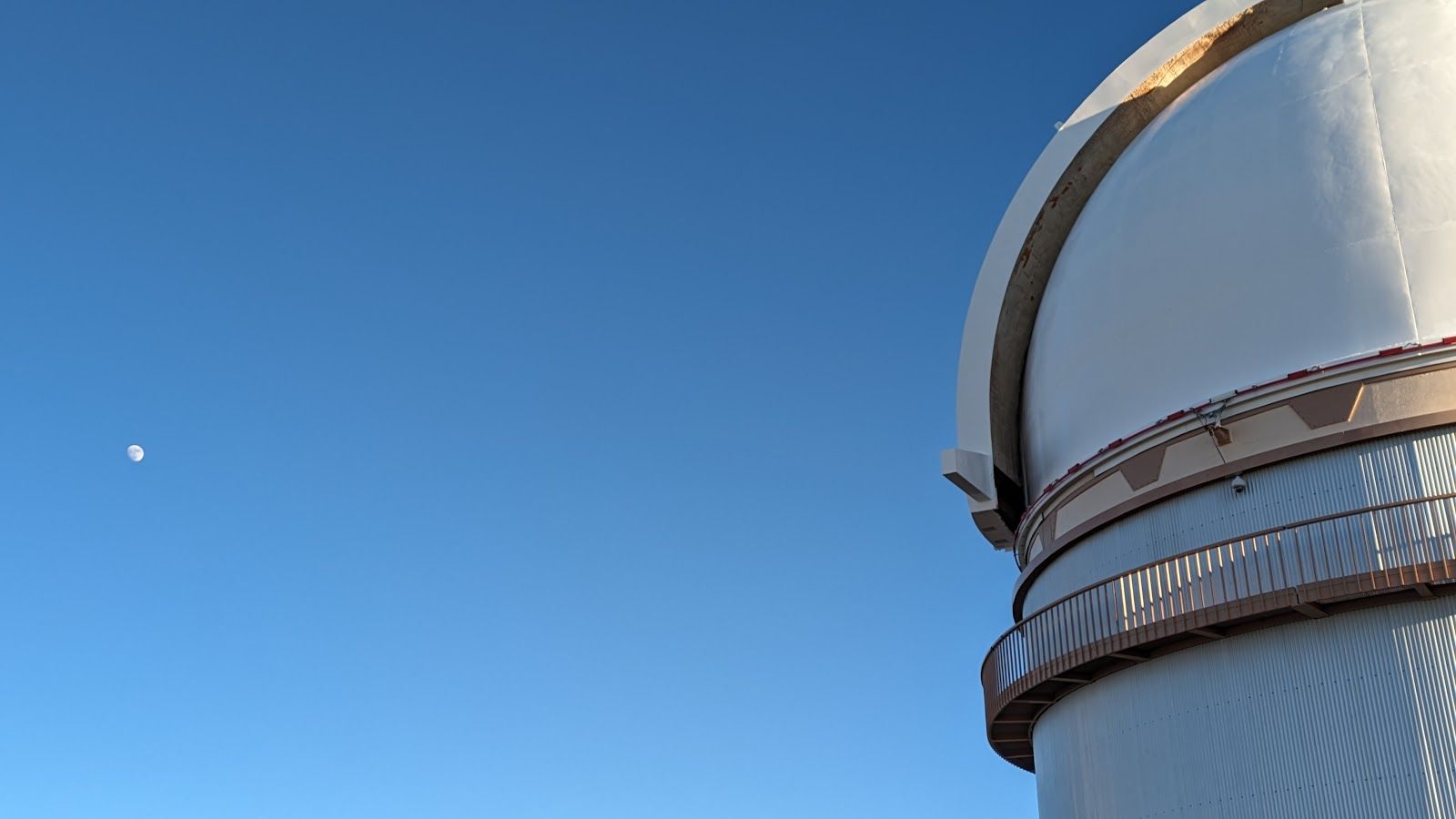
- Experience the iconic Maunakea summit
- Requires 4WD vehicle past Visitor Information Station
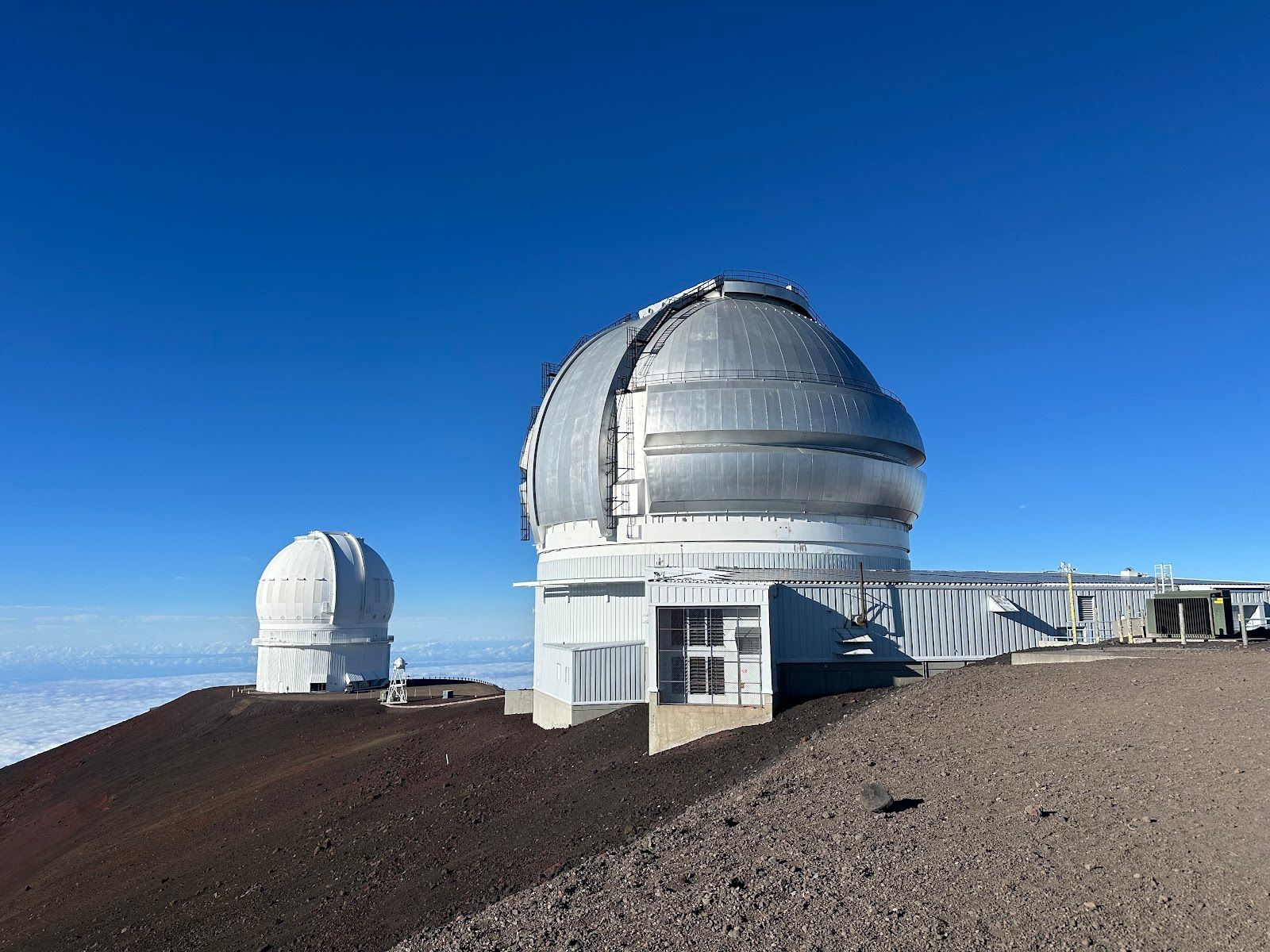
- Views of world-class astronomical observatories
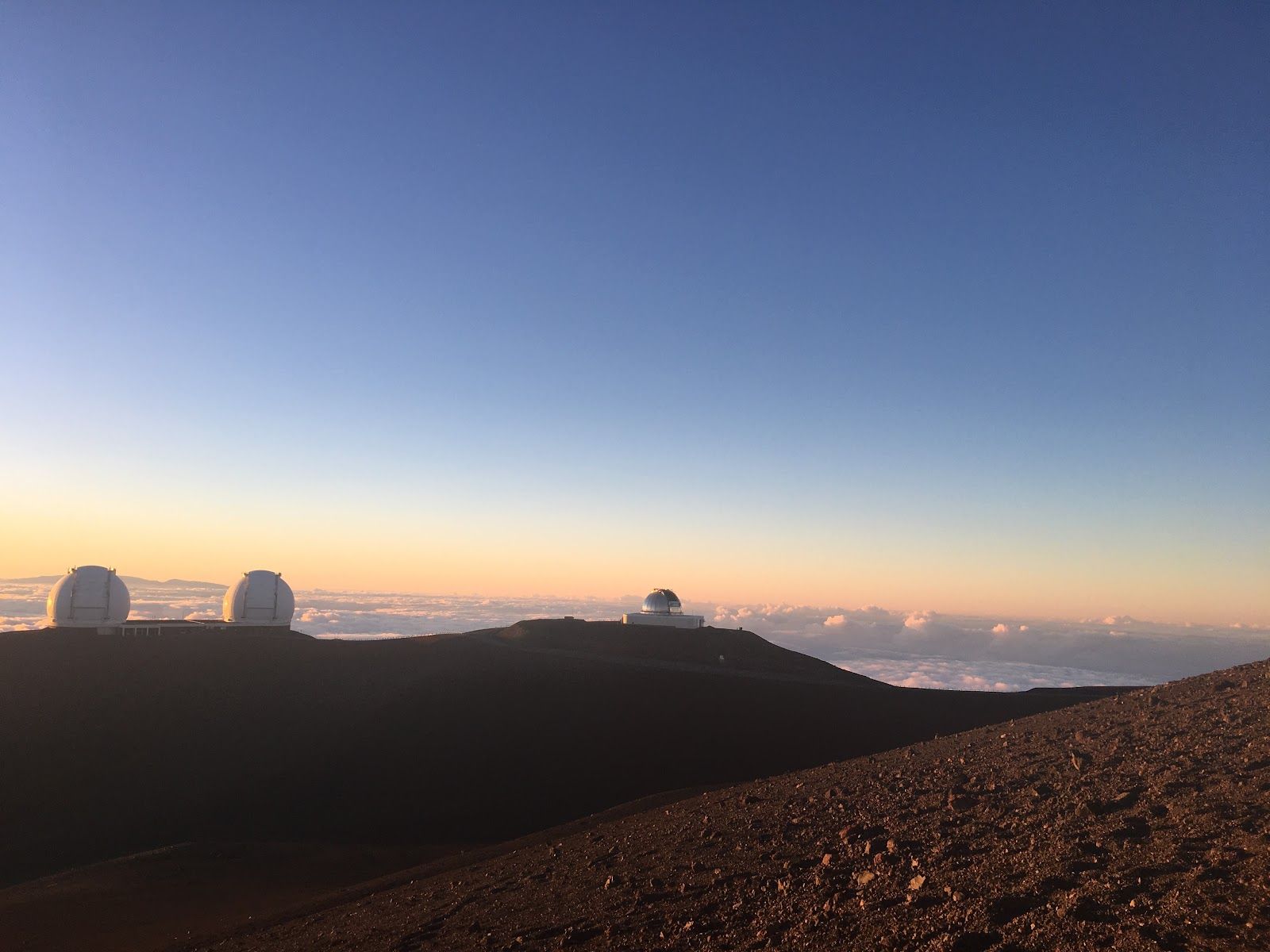
- Offers breathtaking sunset panoramas
The University of Hawaiʻi 2.2-Meter Telescope is a Mauna Kea summit stop for travelers who want the high-altitude side of the Big Island’s astronomy story. It sits among the observatories above the cloud line, where the landscape turns stark, wind-swept, and otherworldly, and where sunset and stargazing become part of the same journey. This is not a standalone public museum-style attraction; it works best as one landmark in a larger Maunakea outing that combines summit views, cultural awareness, and careful planning.
A summit landmark, not a walk-in attraction
The telescope is part of Maunakea’s research landscape, and that matters for how visitors should think about it. The exterior is visible from the summit area, but public interior tours are generally not available. In other words, the appeal is not access inside the building. It is the chance to stand in one of the world’s most important astronomical settings and take in the cluster of observatories that define the mountain’s summit.
That makes the 2.2-Meter Telescope especially useful for travelers who want context rather than a single attraction. It adds a specific anchor to the broader Maunakea experience: the feeling of being in a place where science, elevation, and a deeply significant cultural landscape overlap.
How it fits into a Maunakea day
The telescope fits naturally into a summit-focused itinerary built around the upper mountain and the Visitor Information Station. The road experience is part of the draw: the lower portion is the practical staging ground, while the summit section is the dramatic payoff. A stop at the Visitor Information Station is wise before going higher, both to acclimatize and to reset expectations for the altitude.
From there, the summit becomes an outing of its own. Travelers usually come for the observatory views, the volcanic high-country scenery, and the sunset light that turns the mountain gold, pink, and then sharply blue as night arrives. If stargazing is the goal, the astronomy experience is strongest in the broader Maunakea setting rather than inside the telescope itself.
This is the kind of activity that can absorb a half-day or longer, especially if sunset is part of the plan. It pairs well with other Big Island sights earlier in the day only if there is enough time for acclimatization and a slow, respectful pace.
Access, altitude, and the part travelers should not gloss over
Maunakea is beautiful, but it is not casual. The summit environment is high, cold, and changeable, and the road above the Visitor Information Station is rough enough that a 4WD vehicle is required. That alone makes this a more specialized outing than many island stops. Standard rental agreements may not allow the drive, so this is often a matter of using the right vehicle or relying on a commercial tour that handles access.
Altitude is the other major tradeoff. The summit sits near 14,000 feet, which is high enough to make acclimatization and caution essential. The Visitor Information Station, lower on the mountain, is the sensible pause point before any ascent. Travelers should also treat weather seriously; conditions can shift fast, and warm layers are not optional.
There is also cultural context to respect. Maunakea is a sacred place to Native Hawaiians, not just a scenic overlook with telescopes. Staying on marked routes, avoiding disturbance of cultural features, and moving with restraint are part of visiting this mountain properly.
Best for science-minded, summit-ready travelers
The University of Hawaiʻi 2.2-Meter Telescope suits travelers who want more than a photo stop and are prepared for the realities of a summit visit. It is a strong fit for astronomy fans, landscape photographers, and visitors who value the symbolism of Maunakea as both a scientific and cultural place.
It is less suitable for anyone seeking easy access, a self-contained indoor attraction, or a low-effort sunset plan. Families with young children, travelers sensitive to altitude, and anyone without an appropriate vehicle may be better served by staying lower on the mountain or focusing on Maunakea experiences centered around the Visitor Information Station instead.