
What it is
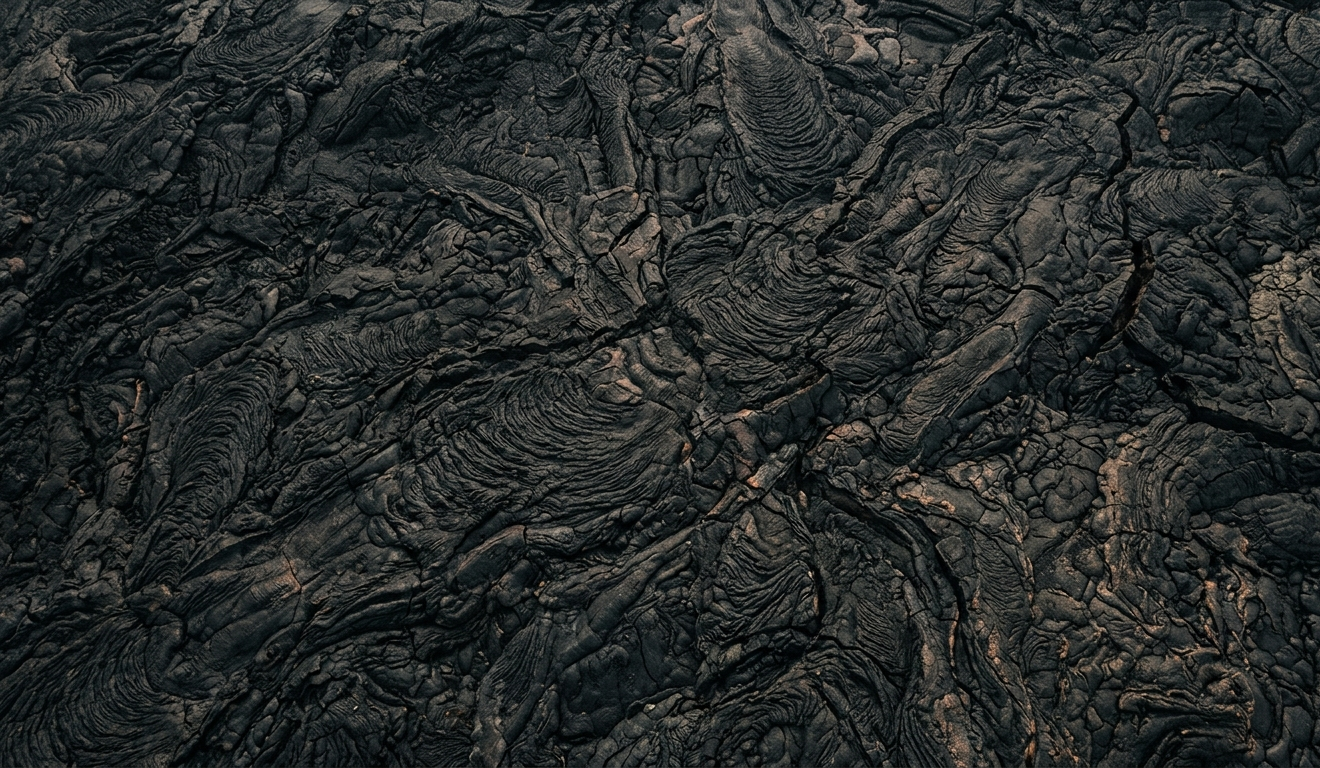
The Waikōloa Petroglyph Reserve, also known as the Waikoloa Petroglyph Preserve or 'Anaeho'omalu Petroglyph Field, is a significant cultural site on the Big Island of Hawaiʻi, preserving an extensive collection of ancient Hawaiian rock carvings, or ki'i pōhaku. It is located near the Waikoloa Beach Resort and sits along a section of the historic King's Trail (Ala Kahakai National Historic Trail). The reserve features thousands of carvings pecked into smooth pahoehoe lava flows, depicting images of humans, animals, canoes, and various geometric shapes. Some petroglyphs date back to 840 AD, while more recent ones from the early 1900s show Western influence, such as a warrior on horseback or English initials. The site also contains lava tube cave shelters and other archaeological ruins.
Visitor experience
Visitors to the Waikōloa Petroglyph Reserve can walk a well-marked trail through the lava field to view the ancient carvings up close. Informational kiosks along the path provide context about the history and potential meanings of the petroglyphs, though the exact interpretations of many remain elusive. It offers a tangible connection to the early lives, beliefs, and traditions of the Hawaiian people. The experience is generally described as a relatively easy stroll rather than a strenuous hike, making it accessible for a wide range of visitors, including families. The reserve's location, unexpectedly nestled near a resort golf course, often surprises guests. It is considered one of the best-preserved and most accessible petroglyph sites on the Big Island.
Logistics
- Area and Access: The reserve is located in Waikoloa Village, approximately 25 miles (40 km) north of Kailua-Kona or about a 20-minute drive north from Kona International Airport (KOA). To access the site, visitors should turn left onto Waikoloa Beach Drive from Queen Ka'ahumanu Highway, then look for Pohakulana Place or the King's Shops.
- Parking: Parking is available in the large parking lot near the gas station at the King's Shops. If full, additional parking can be found at the Queen's Shops nearby. From the parking area, follow signs for the King's Highway Foot Trail or Waikoloa Petroglyph Reserve, heading north towards the golf course area.
- Reservations/Permits: No reservations or permits are required, and admission is free.
- Timing: The reserve is open daily, typically during daylight hours. Visiting early in the morning or late in the afternoon is recommended to avoid the intense midday sun and for better lighting for photography.
- Duration: The main trail is a 0.9-mile (1.44 km) out-and-back route. It takes approximately 20-30 minutes to walk, but visitors should allow up to an hour to explore and appreciate the carvings without feeling rushed. It is suitable as a quick stop or a half-day activity, especially if combined with nearby shopping or dining.
Safety and cautions
- Terrain: The trail traverses rough and uneven lava rock, despite some sections being a flattened dirt path. Sturdy, closed-toe shoes are highly recommended to navigate the surface safely and comfortably; flip-flops are not ideal.
- Sun Exposure: There is little to no shade in the petroglyph field. Visitors should bring plenty of water, wear sunscreen, and use a hat to protect against the tropical sun.
- Cultural Sensitivity: These petroglyphs are sacred cultural artifacts. It is crucial to stay on marked paths and refrain from touching, walking on, or otherwise disturbing any rock art or ancient sites. Making rubbings is strictly prohibited as it can damage the delicate carvings. Visitors should also avoid stacking rocks or creating "lava rock graffiti," as these actions are considered disrespectful to the natural landscape and Hawaiian culture.
- Other: The trail is generally well-marked and easy to follow.
Editorial take
The Waikōloa Petroglyph Reserve is a highly recommended stop for travelers interested in Hawaiian history and culture, particularly those staying on the Kohala Coast or passing through the Waikoloa area. It offers an easily accessible and relatively short cultural experience that provides a fascinating glimpse into ancient Hawaiian life and art. Its unique setting, nestled between modern resorts and golf courses, highlights the enduring nature of these historical treasures.
Travelers who should prioritize this activity include:
- History and culture enthusiasts.
- Families looking for an engaging and educational short walk.
- Visitors staying in Waikoloa resorts who want a convenient and free cultural experience.
Travelers who might consider skipping it are:
- Those with very limited mobility who may find the uneven lava terrain challenging, despite the short distance.
- Individuals solely seeking strenuous hikes or beach activities, with no particular interest in historical sites.
It is important not to confuse the Waikoloa Petroglyph Reserve with other petroglyph sites on the Big Island, such as the Puako Petroglyph Archaeological District (a larger field further north, often requiring a longer walk through thorny kiawe trees) or the Pu'u Loa Petroglyphs (located within Hawaiʻi Volcanoes National Park). It should also not be confused with the Puʻukoholā Heiau National Historic Site, which is a significant ancient temple built by Kamehameha the Great, but does not feature petroglyphs as its primary attraction.
Source notes
- Waikoloa Petroglyph Reserve - Big Island Blog: https://vertexaisearch.cloud.google.com/grounding-api-redirect/AUZIYQF05Y4uFNmx9sx_BAhZrHcL_1gNeE7MjkBWjLESvrKm4TxltiebqKj9vgAWJbvhryKTNJvET2ptmrXgzQk-CCso8DpLRz8jxUyLeOQ4bUG3hTjLnPId_Cso5aETbJYNtB0M5r2lePY9KgHUGa1XFqDWoIDm7z5224DsUP0nvOWpblWDfsx_QqgsquttRDUV7-2P0zXW_CCKLdvFCgWJz_EuULOokGIB2A-iOkWi_Z1tnzcdrkrw1xQwHFMkyVkaDeuzgQKtuSNRVvH-KK2b
- Waikoloa Petroglyph Preserve - Big Island Hikes: https://vertexaisearch.cloud.google.com/grounding-api-redirect/AUZIYQF5KzJvCy3Ei6AS2vTG4aBsZGN441MaOxRot3mpGPVXbBKyGi0mY3eCIYvpFN3nu1EVSVtMrDA4aFEmY1U6qGpdx5VjQRcbqoj8XwFTWNOTS_BtSjR78Jbch8RY1bdOoldbhTaSGHoFHF_M5UvDllh_ZyY=
- Waikoloa Petroglyph Preserve: A Piece of Hawaiian History in Waikoloa | by Big-Island-Blog: https://vertexaisearch.cloud.google.com/grounding-api-redirect/AUZIYQGVn9Eq5frbXZrkGZCy6WR2aa-fhxX5rWHZjAWSez4IiKXd1KoepLvHEoRA22vW5NkS7QHvGpbc1h4YZ3LEMWHPQRcotExo-zazW9pt45goyR-cYtS5Fz7qDlXi00Cqxt4sdkk_D3GCLBROibzLQ9O25CqOVJEvcOnJ0xWAHVifZcGhZAfrvPE3omAsbHxhHiLfP20LhxpOaM5gH61WBzdgg8YCOYhq_8lVRh2ElWQVIw==
- The Waikoloa Petroglyph Field - Locations of Lore: https://vertexaisearch.cloud.google.com/grounding-api-redirect/AUZIYQGdxuhyRAFQe07RnlX3FTKzayxbTYYMYXv28Unrey_E5siek5c1kO85uYMbUsTH3TAJ7c0S4t-3xoldFC-fjC2w1YmCWm7Ewn9X4p-r3p5aktRhOPhbnwveyitPok5xG2JwWunBVf158UVpYZ8YAYROdzh4w55X7hSVX5aVXifQAA==
- Explore the Waikoloa & Puako Petroglyphs - Big Island Guide: https://vertexaisearch.cloud.google.com/grounding-api-redirect/AUZIYQFzkxBVEWqZck6MGLYbTV00GGjfZrIJbB1xgo2iKK0fwoprkx8JCm36s5y7ZeOC823tyPT5pqpgFeh-TMoTwlSvX1VlRC2es7zubPI5L4ThPmcf772_qs0DJ4d5Mt6h1sIF13OV2vLeikgtJTd-JRwx
- Waikoloa Petroglyph Field | Big Island | Hawaii: https://vertexaisearch.cloud.google.com/grounding-api-redirect/AUZIYQHVhpa-uqN8dZB38ZoN9UjouPW-Rs0mIMI4A4jO2b24q1RL516idAWL3CxoEkOapusccAGpyvVIHFY_CUzSvaI-C9b67mnNVwIPVZw9BOZksBEQbPkLfE3MT_Phh3iuQrWVvRDxgcHAkn2JOG3__A==
- Top 5 Reasons to Explore Hawaiian Petroglyphs in Waikoloa - Hawaii Aloha Travel: https://vertexaisearch.cloud.google.com/grounding-api-redirect/AUZIYQG188oYp-Uc8921zL473HWjRJJMrTEG1EVbqgWsWh3W2UGxSk8SecF-eby3WJdrCfXyRc063COPTSY-Unud2E4uqH3IevUBlGaGktsa4gLWxpGWRfV5WjjkA-VNkGXeN5FQVz11OfRlBK-AdosxLKb-CkVNC6xSLfuddaSIEkqNBeZgF2Uv74aovh8TQDDxXj9_-rc3Ug==
- Waikoloa Petroglyph Reserve (2026) – Best of TikTok, Instagram & Reddit Travel Guide: https://vertexaisearch.cloud.google.com/grounding-api-redirect/AUZIYQFIR1IhajWU15tYx2aDcoci1YFbf-9UQLe328Wv4Ic3PqjBQ1Ui7jRYBrOS2WS515D0OydPLuHDhUhud1lWre-2yDQI7AaqMPlkGu12OwFMzLQK1K7NGpILqilBCQ2DVbOUV-L42YSPXWvoKBvZbU41BINaOcJvD8XMhphrDHi5rgaeufSOneXeLw1OOPMxn02kw9Sb4kUCGPgY1_EgPKN0
- Waikōloa Petroglyph Reserve, Waikoloa, HI - Reviews, Ratings, Tips and Why You Should Go - Wanderlog: https://vertexaisearch.cloud.google.com/grounding-api-redirect/AUZIYQHaZjG4BiBD1bp9d3f5Jvp0hjk8Rw9guFwRWTKo60f6eFkYgvmjrz6dX0LqufA2LY0RRG7gmxKwyGMG3mhIiTj7gYur8hMH6nQEzdyu64N7g3bYc3YZHBNRg93bz2Fm8RPn5gYIX4zCttsaOXzC4ICbVl7Q6UWiH7ohir_D6EU5kkEXUTL-Wg==
- Waikoloa Petroglyphs: Ancient Historical Relics Preserved - Shaka Guide: https://vertexaisearch.cloud.google.com/grounding-api-redirect/AUZIYQEjEc_nFsNAQqyB5Ov2jZo-OnoNe29UoHESXJuYYsqzrD0oryw29-ZW7yViU15w1bWmqOEz9UeI6cYEsn6KejV2R7OkqkwSWMiYqPOBcN5rKTVkUWnF50hmuq2DeEPxfxtsiDXxj4s4cgYVG3K8OGrhI-axqSoXO1IU_tshH4b6Cja5y6wIGQzi6JzygbfgDMf8xVuk6xzj_JnVnA9OHnuB3A==
- The Significance of Petroglyphs in Big Island's History: https://vertexaisearch.cloud.google.com/grounding-api-redirect/AUZIYQE9XxPL301Psu3oI-3seUnsJFOg9Z2l-CYQvnyYK72asPcH3DoGj9bxJkmZj7IsWBvK_oyw3Od9f3DpQ3inaRIJEZ1JuS2Y8Z05W3IJ66TUGyNhyI3JKWImCaPSZfp6tiIRcgZslru0rz4eqfl7du-4QOxEFm9FpyGQ21wgyR7mp5alqnd3JVAZyX8UXBO7cA5ilQ==
- Waikoloa Petroglyph Preserve | The Dye Clan: https://vertexaisearch.cloud.google.com/grounding-api-redirect/AUZIYQF4Z6r1NTo4ddjqS8yfCD21NS-kXGjaAb7fwAIZhTrjzyghg6wLihHmyRWSM7QfyDAEpAW1W2Bf1ioDBhda7WDRSEt6BXL2zkJNUQ27_1yMuAxHL7nwEyaBdUNHqxI0fFmE7MhF3RpNwdCS7I3sd5N0iWXJ7DCXygJlViPTT5yJvItMZxLZAeeglvU=
- Puʻukoholā Heiau National Historic Site - Go Hawaii: https://vertexaisearch.cloud.google.com/grounding-api-redirect/AUZIYQFAGWfGldFEzB7xLb_0fUloAE5vniHCANnR_CZSG2qb0gHJvJpH6DFpRB6FZlDTmIuiy0RBdrWxrxhl2H5ns5nWAOWw5wYbbvOVXJnTlDejVBt0qcxjg9-1SGa0Y-Ey8vj17ychPsQtbg0nGhR4Opf3JXx5cS3oMKncIPIsqBSFn8FIeTjDuXowIfASUm9DhOZ3p6HL_cEZNfV_Zo4JO9rjLx8a
- Puʻukoholā Heiau National Historic Site - Wikipedia: https://vertexaisearch.cloud.google.com/grounding-api-redirect/AUZIYQFxB8vR551l3axPhxF37Z5ez9rXOjvETkoHIboaD3n57gL45SzxUoUYpjcOyO3Fv78khT_i9EX2F7wGLjcJ84JEM_I7Mz5FSMnyRmOEMnl_2tvkoKYwHY02cXt564Am3k_yg99Rt5L-zC6xxc7PkgupuH0seeE7cIXdrkdKbbxm1ZDF83FIOYVJaGY=
- Puʻukoholā Heiau National Historic Site - TCLF: https://vertexaisearch.cloud.google.com/grounding-api-redirect/AUZIYQH51VpzUXLOB0MnNG4GGydjl1S6H-H2-BZoT_bvAkW6_YyVaCz2TrAOIwPBsuukthrwIrcrB5BS-UhjRzDSNsHhKdHNTRERT36eHlt1C-7kE4juf3jaErIb81YszaedmT8OuiDeWMMt6Yh-6g0oZoOVlhztcpM4BLH5CygjyDNSe2I=
- Puukohola Heiau National Historic Site - Park Archives: https://vertexaisearch.cloud.google.com/grounding-api-redirect/AUZIYQGVCjCEN3Gcq1qA-0Xv0pWnVOu33Nq8LO_wI6pG-wx8xYcgArV9eRUcNMPdXkJOR9fST7VUMxcFldChB7clu90J0ZLIEZtPY8QbJjoX33sVXbO8q0j7JhEzhmQnmphR1cH7iwfqbEaInh1dwXqS