
Greater Hilo
Hilo’s lush outskirts of waterfalls, plantation-era hamlets, and rainy upland forests.
Good Fit For
- Waterfalls and rainforest drives
- Short stops from Hilo
- North-coast scenery links
- Cooler mauka air
Trade-offs
- Frequent rain showers
- Dispersed, car-dependent
- Limited dining clusters
- Quickly changing conditions
Logistics & Getting Around
Greater Hilo is a set of short drives outside town: coastal hamlets, wet forest roads, and state-park stops. Expect narrow routes, slick pavement in showers, and occasional low clouds mauka; a car and a flexible plan help.
Nearby Areas in Hilo
Signature Experiences in Greater Hilo
A wet-side ring around town, not a single place
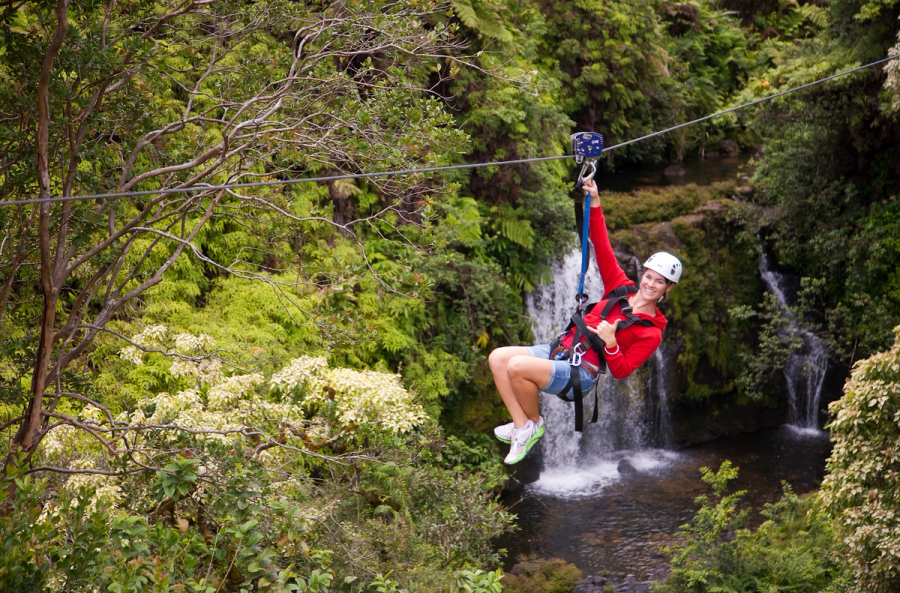
Greater Hilo isn’t a town center so much as the green, rainy “outer ring” of Hilo’s daily geography: a handful of north-coast communities like Papaikou and Pepeʻekeo, the approach toward Honomū, and the mauka (upland) margins where the forest thickens and the air turns cooler. The connective tissue is moisture—deep greenery, mossy stone, sudden showers that pass as quickly as they arrive, and that unmistakable wet-earth smell that defines Hawaiʻi Island’s windward side.
Most visitors experience this area in pieces. You drive a short distance, step out for a quick look or a brief walk, then move on. It pairs naturally with Hilo’s museums, markets, and bayfront: town for a few hours, then a reset in the rainforest.
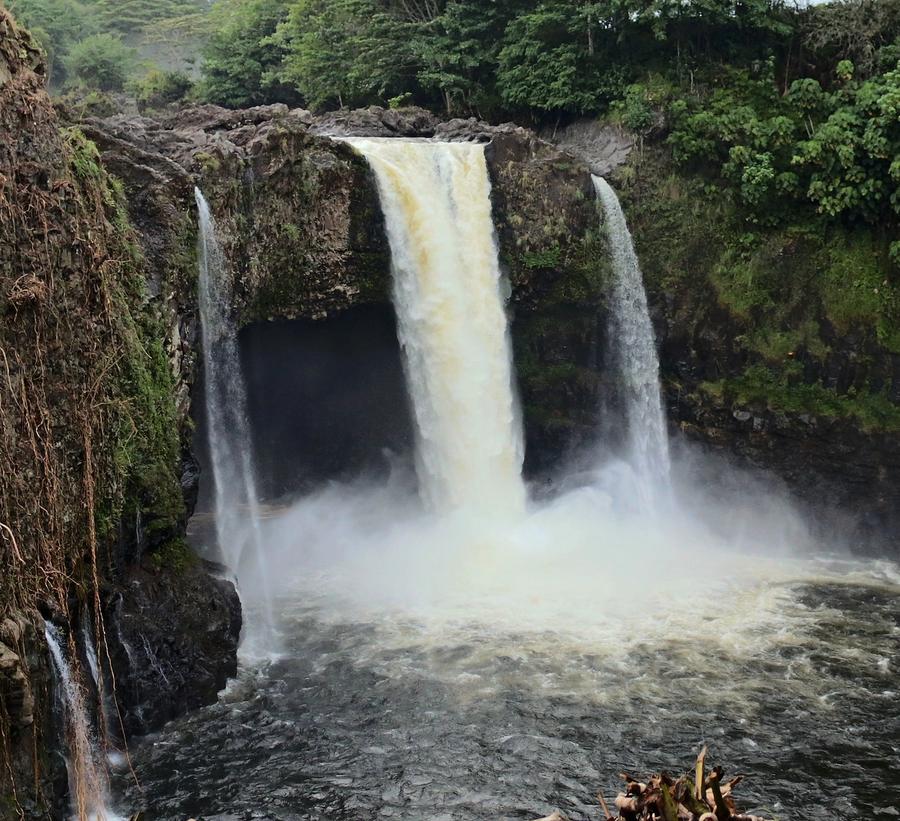
Waterfalls and forest edges
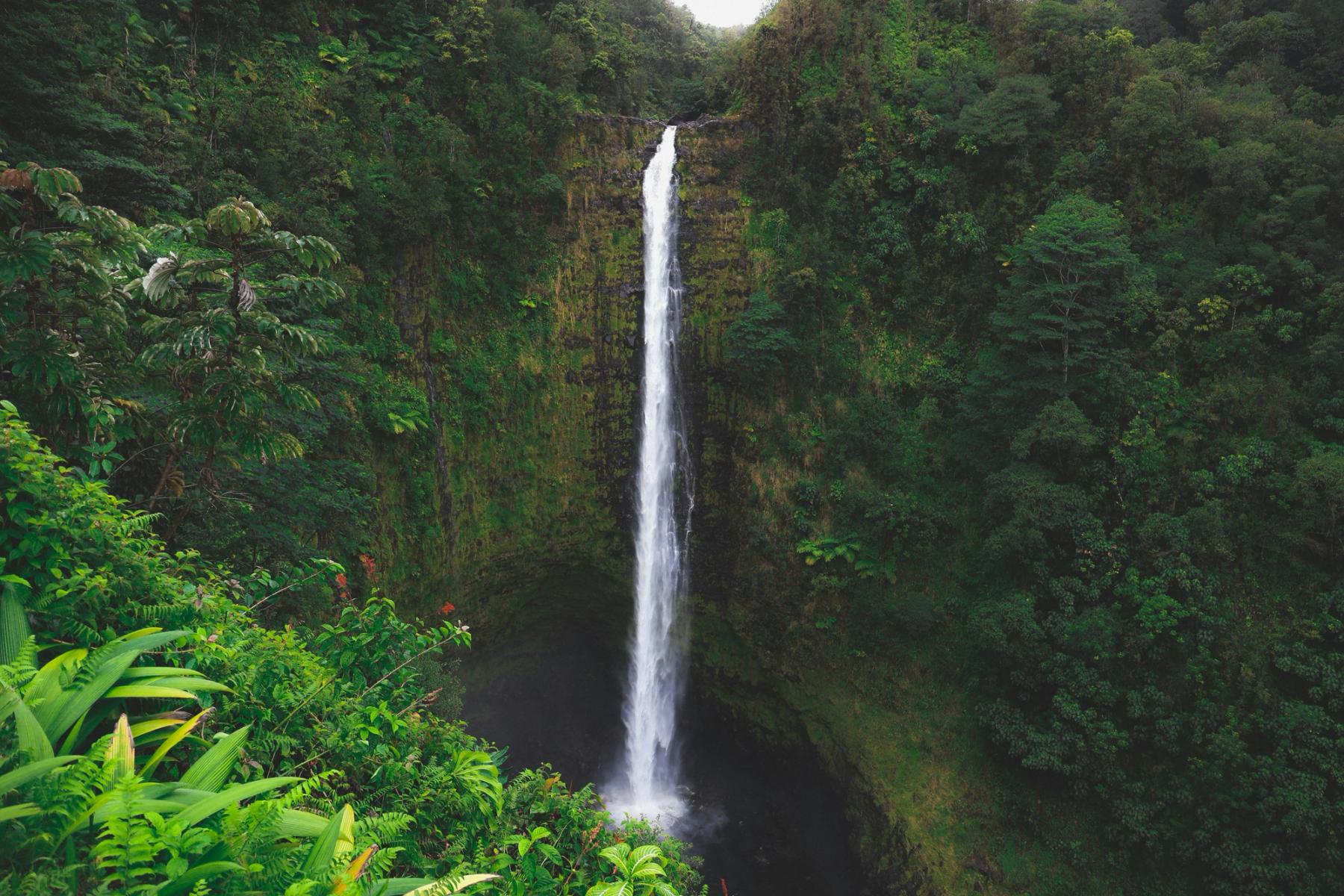
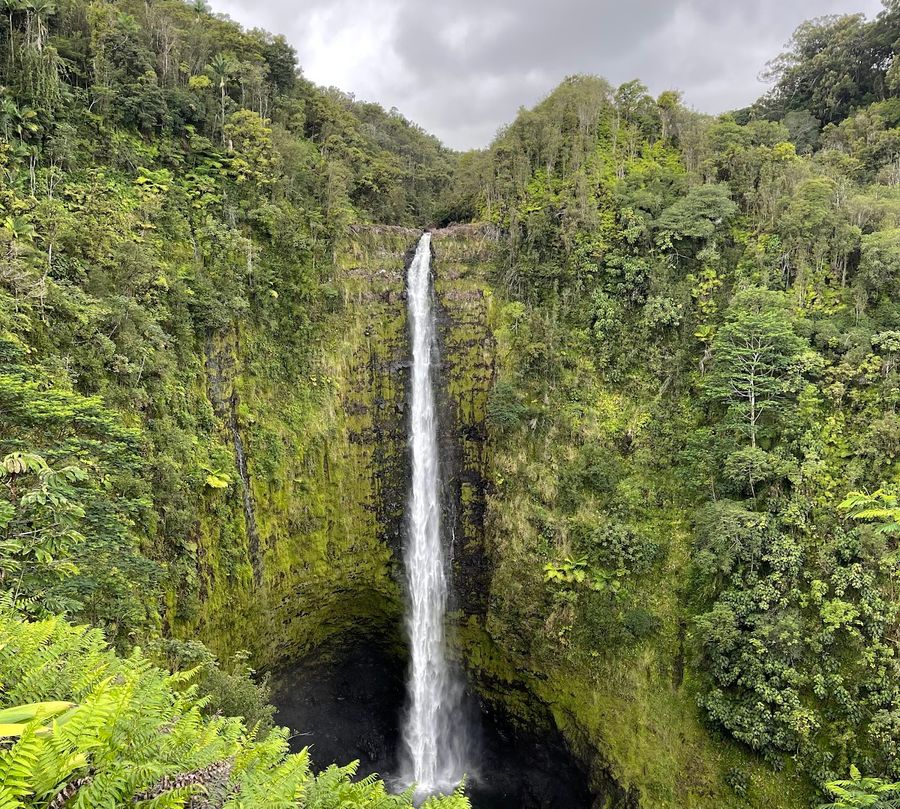
ʻAkaka Falls State Park is the classic anchor: an easy-to-manage rainforest loop where the soundscape—birds, wind in the canopy, rushing water—does a lot of the work. It’s the kind of stop that photographs well but also rewards slowing down and noticing the small things: ferns unfurling, drips collecting on leaves, shafts of light when clouds break.
Beyond the headline waterfall, Greater Hilo is about the forest edge—access points into Hilo Forest Reserve and the upper Waiākea side where the landscape feels more interior and less coastal. Conditions can change quickly with elevation and weather, so the same drive can feel bright and open one moment, then enclosed by mist the next.
The feel of the north-coast hamlets
Along the northbound route, the communities are quiet and lived-in, with a plantation-era imprint and a strong sense of local rhythm rather than visitor infrastructure. Expect small clusters rather than promenades: a few services here, a viewpoint there, lots of everyday roadside scenery in between.
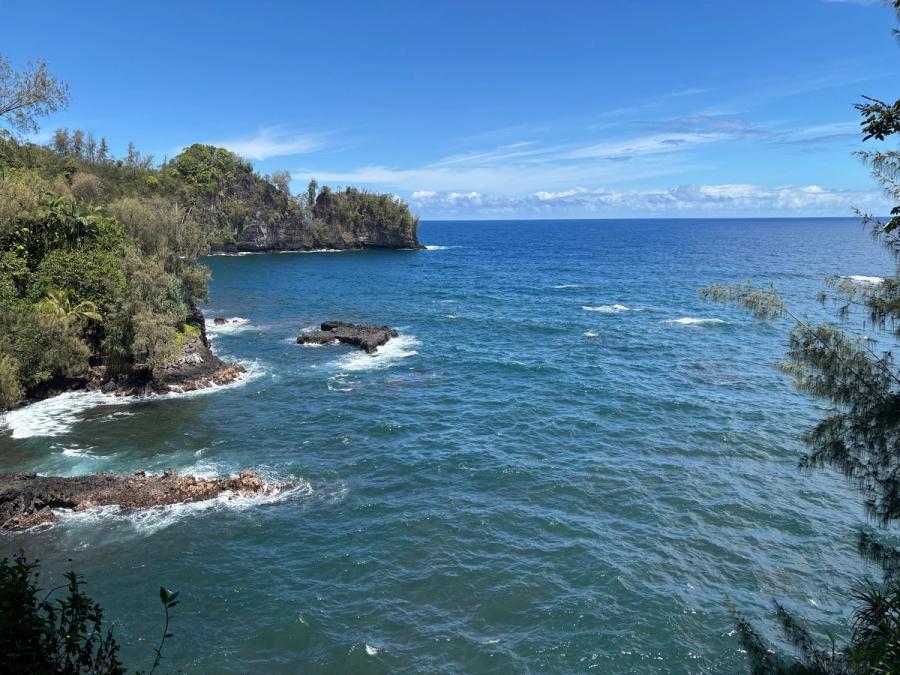
This is not a beach day zone. Shorelines are often rocky and exposed, and the draw is the saturated landscape—water, forest, and the transitional feeling of moving from Hilo’s bay to the island’s deep green interior.


Can't decide where to stay? Get personalized advice.
Custom recommendations built from the web's most comprehensive Kauai guide.