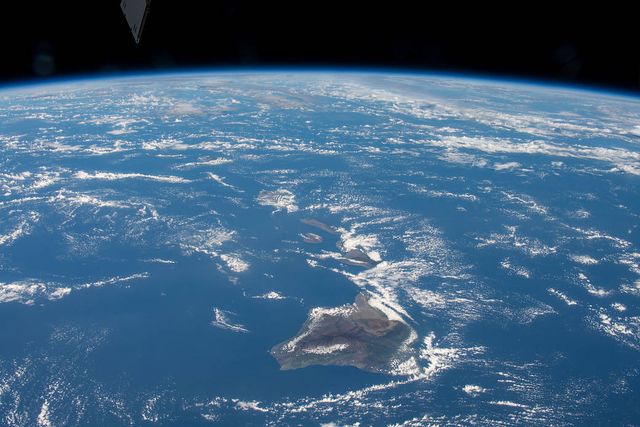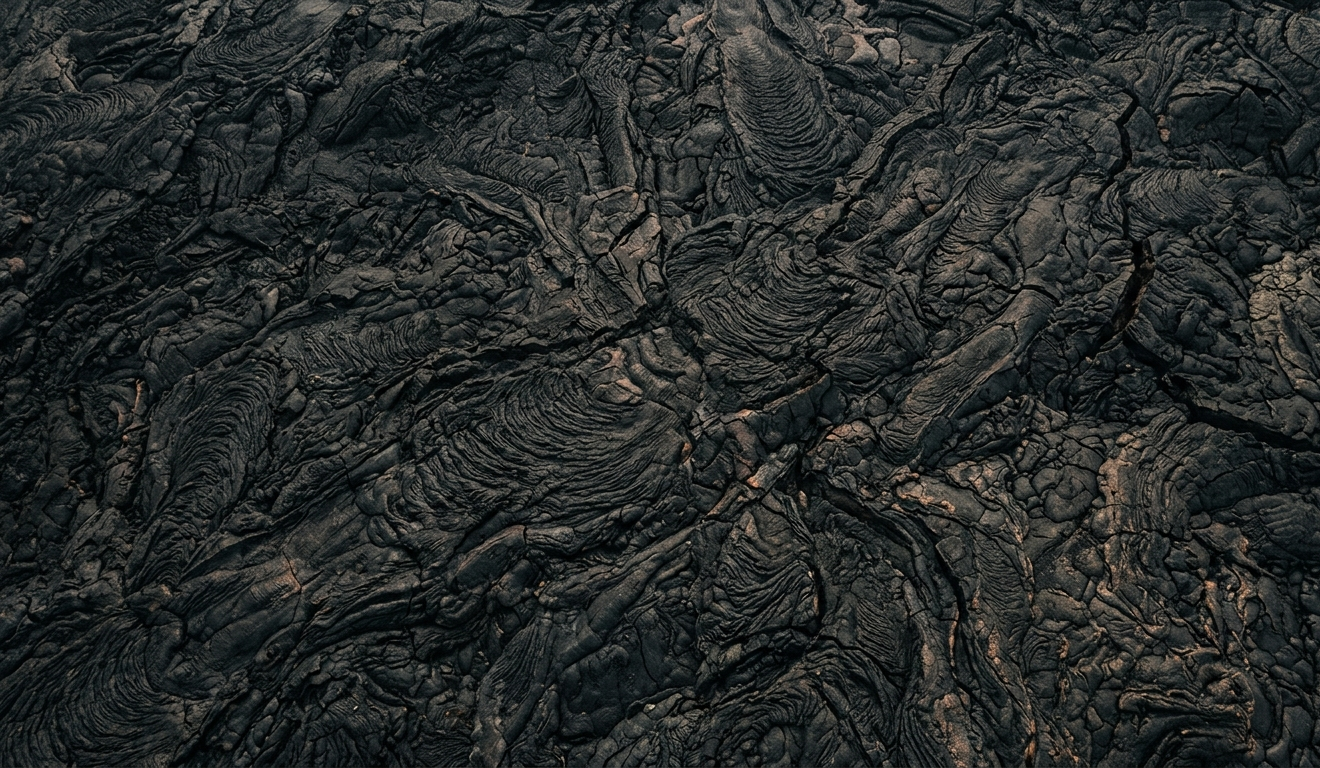


Hawaiʻi Island feels less like a finished island than a construction site. Black lava fields cross old roads. New land appears during some eruptions and can disappear beneath the waves soon afterward. High mountains gather snow while wet valleys on the older north side sink into greenery.
All of that variety comes from the island’s basic structure. Hawaiʻi is not one volcano. It is the overlapping product of five great volcanoes—Kohala, Mauna Kea, Hualālai, Mauna Loa, and Kīlauea—built in sequence at the young end of the Hawaiian chain.
A mountain begins miles below the surface
The first eruptions happened on the deep ocean floor more than a million years ago. Lava piled onto lava until a submarine mountain grew tall enough to break the surface. As the Pacific Plate moved northwest, new volcanoes developed to the southeast while older ones were carried away from the most productive part of the hot spot.
Kohala emerged first and forms the island’s northern tip. Mauna Kea followed, then Hualālai, Mauna Loa, and Kīlauea. Their growth overlapped in time, and their lava fields spread across one another until the separate mountains became a single island.
Five volcanoes, five different moments in time
Kohala is the oldest of the five. Its main eruptions ended long ago, giving rain time to carve the deep valleys of the northern coast. Mauna Kea is younger and preserves a broad summit covered with numerous cinder cones. During colder ice-age periods, glaciers even formed near its summit.
Hualālai, rising behind Kona, has erupted in the past few centuries and remains active. Mauna Loa, the enormous shield occupying much of the island, and Kīlauea on its southeastern flank are the most visibly active builders. Their young flows cover wide areas and make the south side of Hawaiʻi feel starkly different from old Kohala.
The volcanoes are separate systems even where one seems to blend into another. Kīlauea, for example, is not simply a vent on Mauna Loa. It is a distinct volcano with its own summit, magma system, and rift zones.
Why the island is so large
Hawaiʻi Island sits where the Hawaiian hot spot has produced an especially large supply of magma. Several enormous shields grew close together before older volcanoes had time to erode away. The result is an island larger than all the other main Hawaiian Islands combined.
Most of each volcano remains underwater. Measured from the surrounding seafloor rather than sea level, the mountains are among the tallest on Earth. The visible coastline is only the edge of a far larger volcanic foundation.
Building and unbuilding happen together
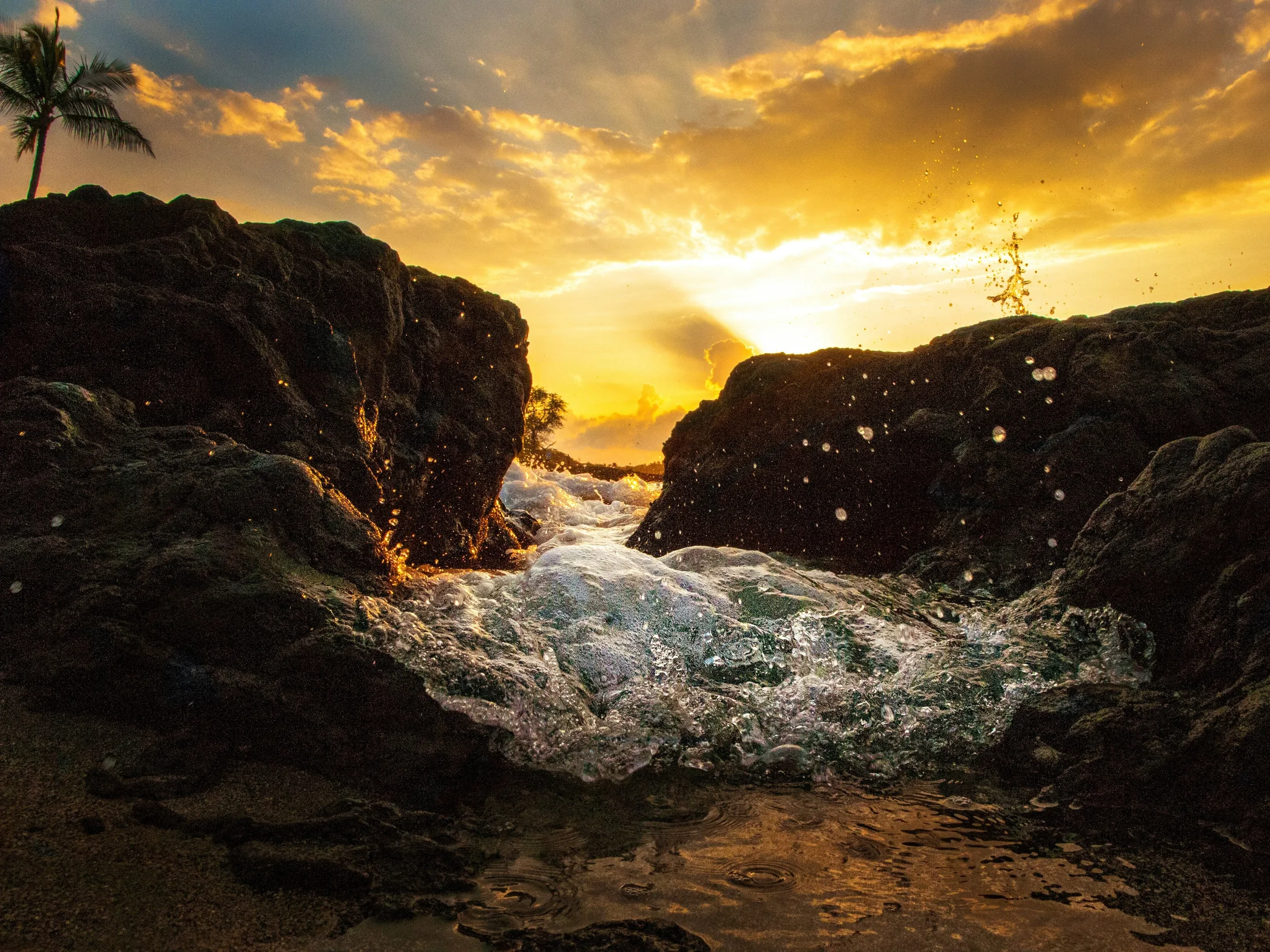
Eruptions can add land, but the island is never simply getting bigger. Fresh lava buries forests and communities. Waves quickly attack new coastal rock. Rain cuts older slopes. Landslides carry material offshore, and the weight of the island slowly bends the Pacific Plate. Construction, erosion, and sinking all happen at the same time.
That is why the island can display fresh black lava in one district and deeply weathered green valleys in another. The five volcanoes began at different times and have reached different stages of their lives.
Watch Hawaiʻi Island assemble
The animation places the volcanic systems on one timeline so you can see how Kohala, Mauna Kea, Hualālai, Mauna Loa, and Kīlauea overlap to create the modern island.
The next volcano is already growing
Southeast of Kīlauea, Kamaʻehuakanaloa is erupting below the ocean surface. It is the youngest known volcano in the Hawaiian chain, but it is not part of Hawaiʻi Island today and there is no guarantee it will become a new island. For now, it is a reminder that the volcanic assembly line continues beyond the shore.
Hawaiʻi Island offers the clearest view of how the whole chain began: broad shields growing from repeated lava flows, overlapping into one landmass, and immediately being reshaped by water, gravity, and time. Put it in context with how all of the Hawaiian Islands formed.

Further Reading
A few relevant next steps from Alakai Aloha.