
Overview
Kirpal Meditation and Ecological Center, usually shortened to KMEC, is a meditation-and-retreat property in Pāhoa on the Big Island’s Puna/Kalapana side. Based on the official site and county permit records, it is not a conventional resort or hotel; it is an intentional community and retreat center with overnight cabins/hales, yoga and meditation spaces, and a strong spiritual-wellness orientation. The stay is best understood as simple, structured, and communal rather than luxury-oriented.
Accommodations & Amenities
The property presents itself as off-grid in spirit but functionally equipped for normal comfort. The official site says it uses solar power and rainwater systems while still providing free Wi‑Fi, flush toilets, hot water, and electricity in each room. The volunteer program page describes shared cabins furnished with twin beds, clean sheets, and storage, and mentions laundry machines and access to classes or workshops. County permit documents also support the lodging model: up to 28 overnight guests in cabin-style units and residential hales, with a proposal that included 17 cabin-style units and 2 residential hales.
The public-facing website emphasizes meditation, yoga, and plant-based or vegan food. The retreat pages describe a yoga hale and a Balinese meditation pavilion, and the site advertises three plant-based/gluten-free meals in retreat contexts. Operationally, the amenity set looks geared toward retreat guests who care more about communal wellness infrastructure than private-hotel polish.
Setting & Atmosphere
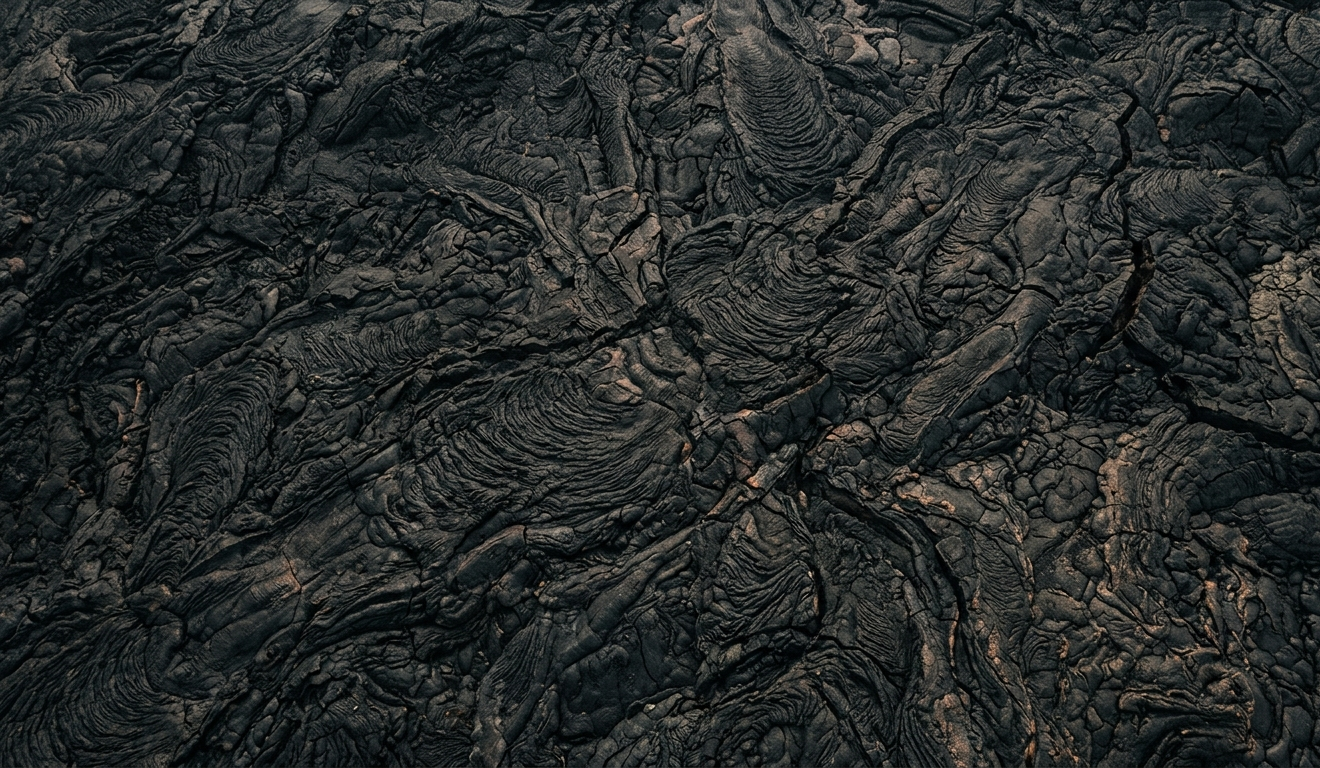
KMEC’s setting is one of its main selling points. The property is on ten acres of land near the ocean, with fruit trees, ocean views, and lava-field scenery after the 2018 eruption. The tone across the official materials is spiritual, quiet, and service-oriented, with repeated emphasis on meditation, yoga, seva, and personal growth.
For traveler fit, this is strongest for people who want a retreat environment, a low-key wellness stay, or an intentional-community atmosphere. It is less obviously suited to travelers expecting a conventional vacation base with polished resort service, nightlife, or a broad range of standard hotel amenities.
Location & Practical Access
The address is 13-260 Pohoiki Rd, Pāhoa, HI 96778. County documents place it about half a mile west of the intersection with Kalapana-Kapoho Beach Road in Pohoiki, Puna. The property is on the Big Island’s lower east side, in an area shaped by the 2018 lava flows.
Practical access appears to be a mixed bag: the official site and retreat pages mention shuttle service from Hilo Airport and note that the property is far from the nearest town and beach by current road conditions after the lava flows. That makes it a destination where advance planning matters, especially for guests without a car. The location is also described as being near geothermal hot ponds, black sand beaches, and Volcano-area day trips, but those are still a drive rather than a doorstep walk.
History & Background
The official site says the center was created in honor of Param Sant Kirpal Singh Ji Maharaj and his mission of human unity, and the founder statement is attributed to Leonard Sussman. County records show the operation was formalized through Special Permit Application 20-000220, approved by the Windward Planning Commission on July 1, 2021, to legitimize a meditation and ecological center with retreat lodging and related uses.
That county record is useful because it clarifies the property’s identity: it is a retreat center with lodging, not just a meditation venue. The permit also references overnight accommodations, a community building, a meditation building, a yoga hale, and related infrastructure, which helps explain the site’s current mixed lodging-and-retreat profile.
Review Sentiment Snapshot
What People Love
Publicly visible feedback and the property’s own language point to a few recurring strengths: peaceful setting, lush land, ocean-and-lava views, a feeling of sanctuary, and a community-oriented staff. Guests who are looking for a retreat atmosphere seem especially positive about the calm, the sense of purpose, and the simple, nature-forward accommodations.
Common Gripes
The main drawbacks are mostly structural rather than service-related: the property is remote, can be inconvenient without a car, and is designed around a retreat model rather than a conventional hotel model. The accommodations appear simple, which will not suit travelers who want privacy, polished finishes, or a classic resort experience. The off-grid framing may also be a mismatch for guests who expect full-service convenience, frequent nearby dining, or easy walkable access.
Practical Visitor Tips
- Confirm whether your stay is a retreat booking, volunteer stay, or standard overnight lodging, because the experience and meal setup can differ.
- If you are arriving late, coordinate ahead of time; the property’s check-in window and shuttle logistics matter.
- Plan transportation carefully. This is not a walkable base for the island’s major sights.
- Expect a quiet-hours / meditation-oriented environment and be ready to respect communal norms.
- If you care about privacy or hotel-style amenities, ask detailed questions about your exact cabin or hale before booking.
- If you are sensitive to remote settings, stock up on snacks, water, and essentials before you arrive.
- If cell service matters, verify carrier coverage; the property’s own FAQ says AT&T works well, Verizon is poor, and other carriers vary.
Verification Notes
Identity is fairly well supported and currently consistent across the Google Places record, the official website, and county permit documents. One minor drift point: online sources vary on the exact phone number shown, with the official site displaying both a newsletter/contact number and the Google Places number. The address is consistent, but some third-party listings shorten it to “13 Pohoiki Rd” or vary the formatting. The Google record appears operational and plausible, but the most reliable identity anchor is the official KMEC website plus the county special-permit record.
Sources
- KMEC official homepage — http://www.kmechawaii.org/ — Retrieved 2026-04-06
- KMEC Volunteer Program — https://kmechawaii.org/volunteer-program — Retrieved 2026-04-06
- KMEC Frequently Asked Questions — https://kmechawaii.org/frequently-asked-questions — Retrieved 2026-04-06
- KMEC Retreat Accommodations Hawaii — https://kmechawaii.org/yoga-meditation-retreat-hawaii/retreat-accommodations-hawaii — Retrieved 2026-04-06
- KMEC Organize A Group Retreat — https://kmechawaii.org/yoga-meditation-retreat-hawaii/organize-retreats-hawaii — Retrieved 2026-04-06
- KMEC Contact / Retreat Hawaii — https://kmechawaii.org/yoga-meditation-retreat-hawaii/contact-retreat-hawaii — Retrieved 2026-04-06
- Hawaiʻi County Special Permit Application 20-000220 PDF — https://gis.hawaiicounty.gov/public/downloads/plhyperlinks/SpecialPermits/year2020/20-0220.pdf — Retrieved 2026-04-06