
Ala Kahakai National Historic Trail
The Ala Kahakai National Historic Trail is a 175-mile network of ancient trails spanning Hawaiʻi Island's western and southern coasts, offering a deep dive into Native Hawaiian culture and breathtaking coastal views for various skill levels.
- Explore a 175-mile network of historic coastal trails
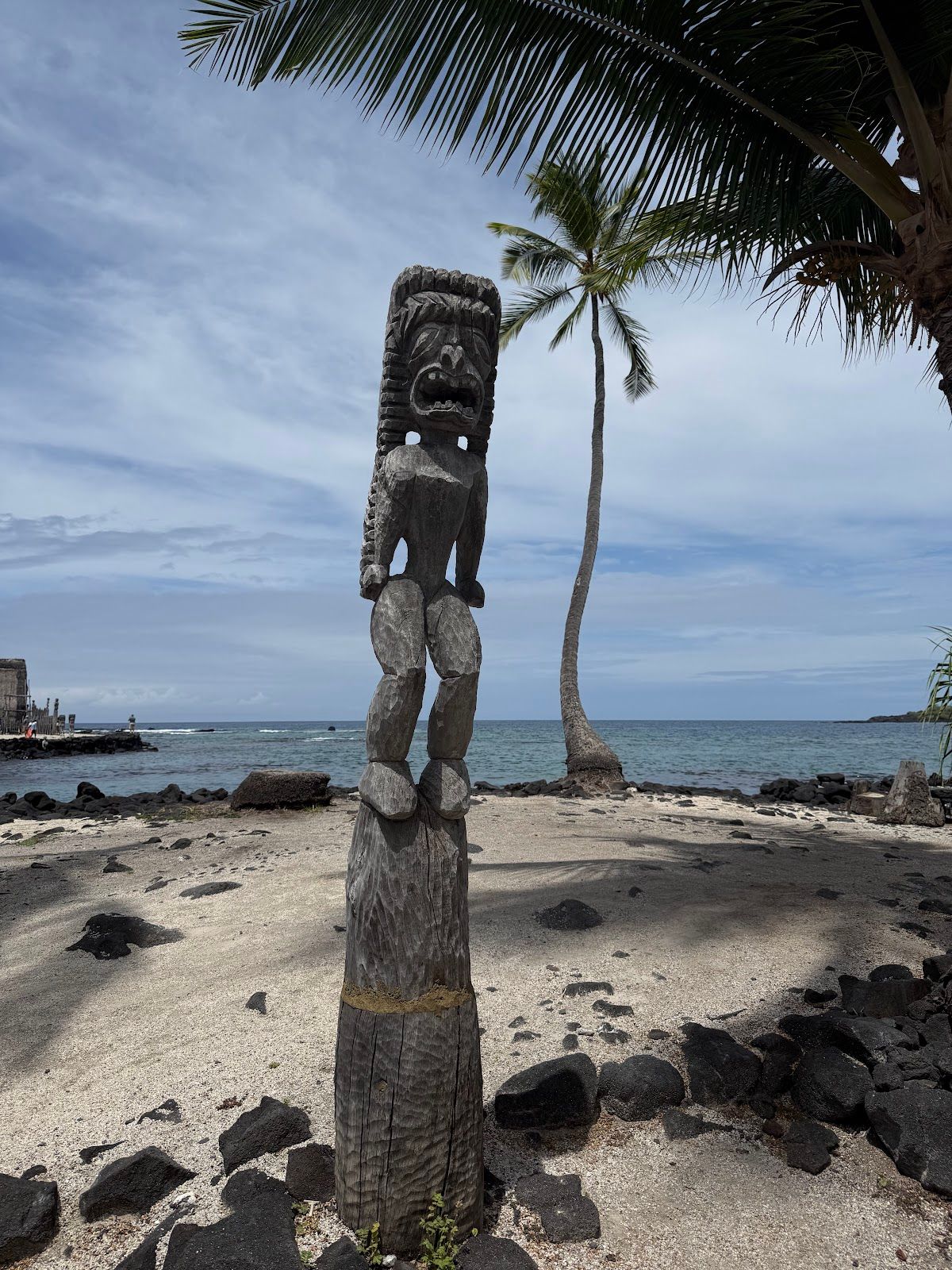
- Discover ancient Hawaiian cultural sites and petroglyphs
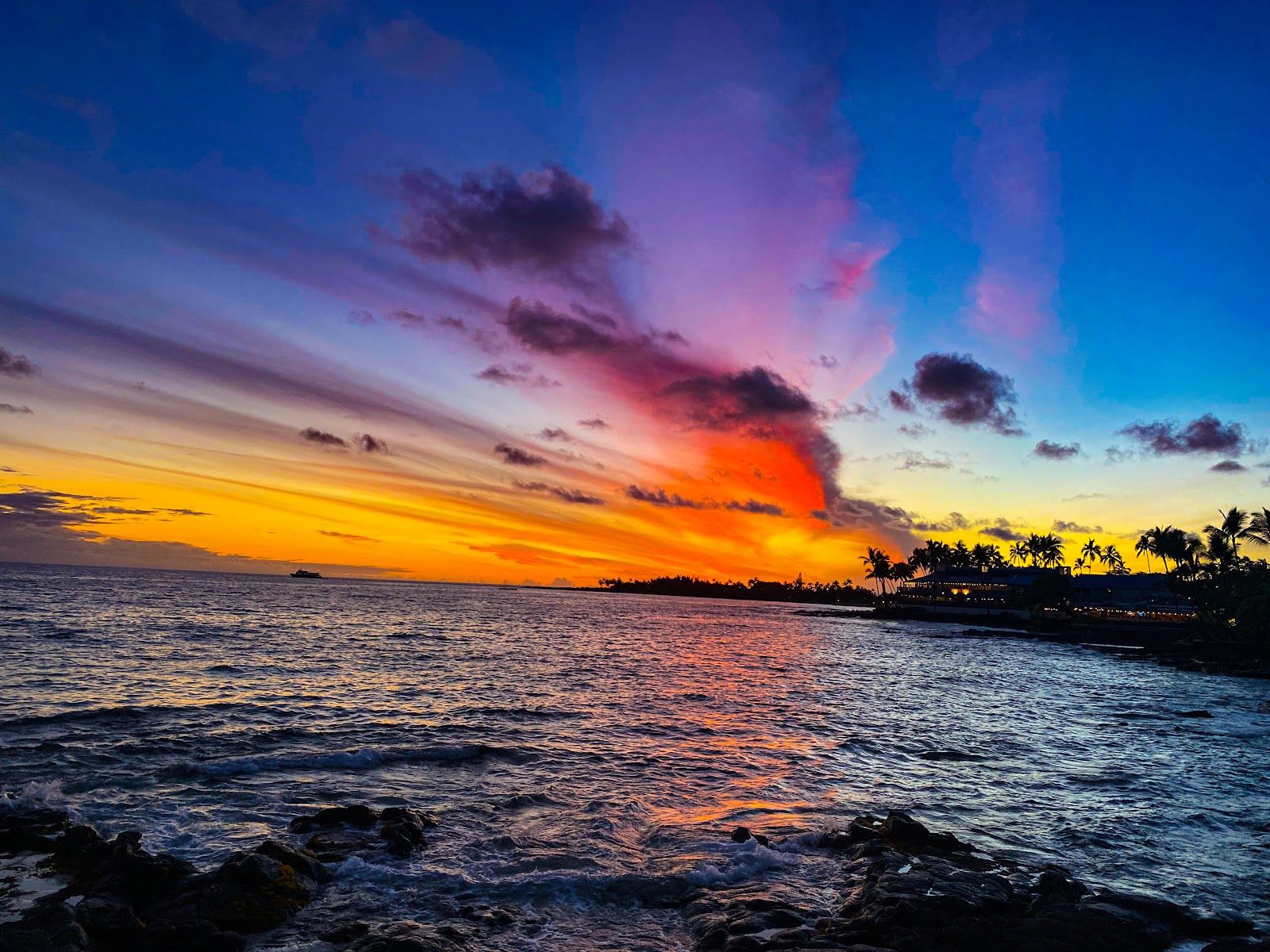
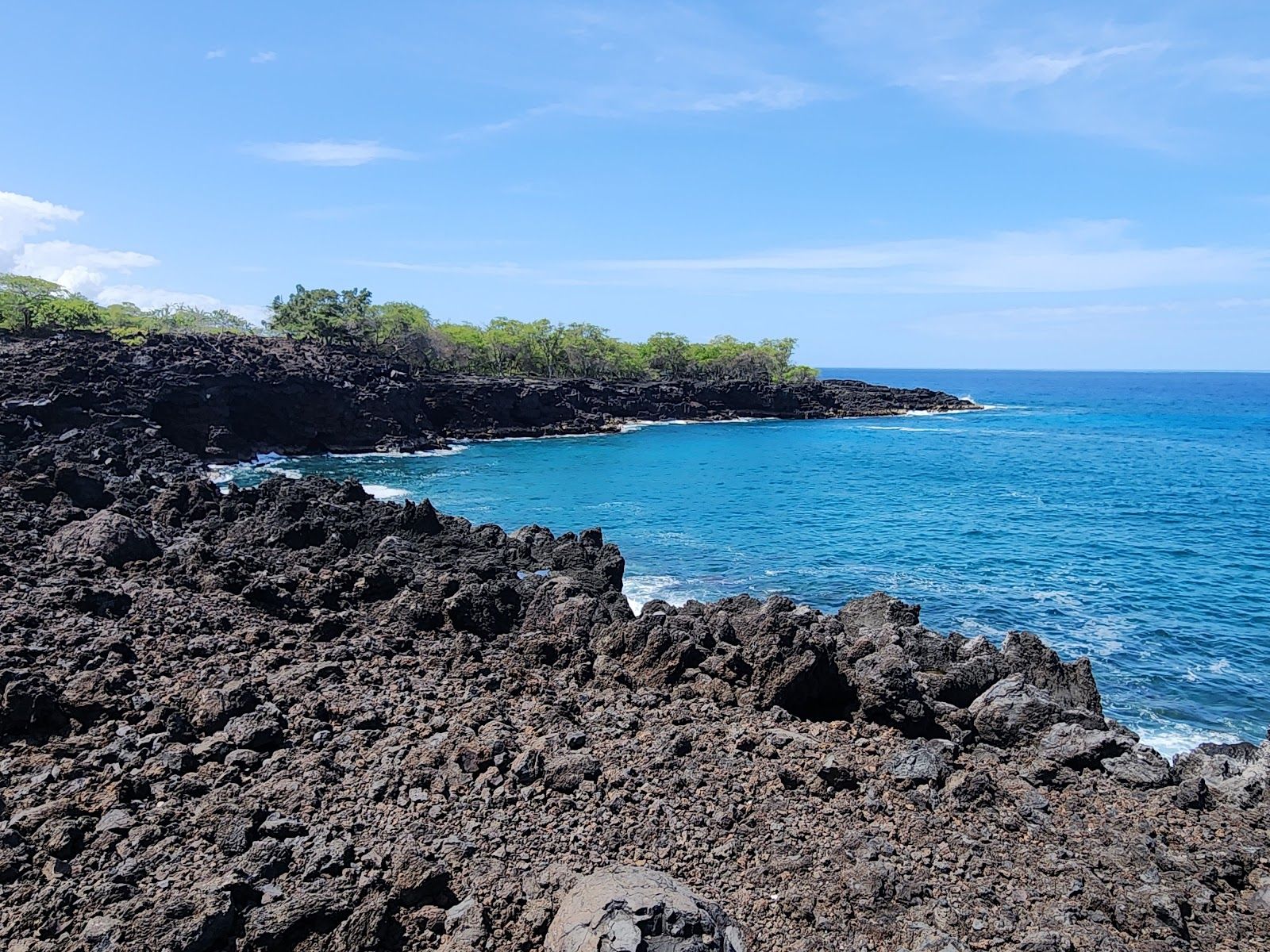
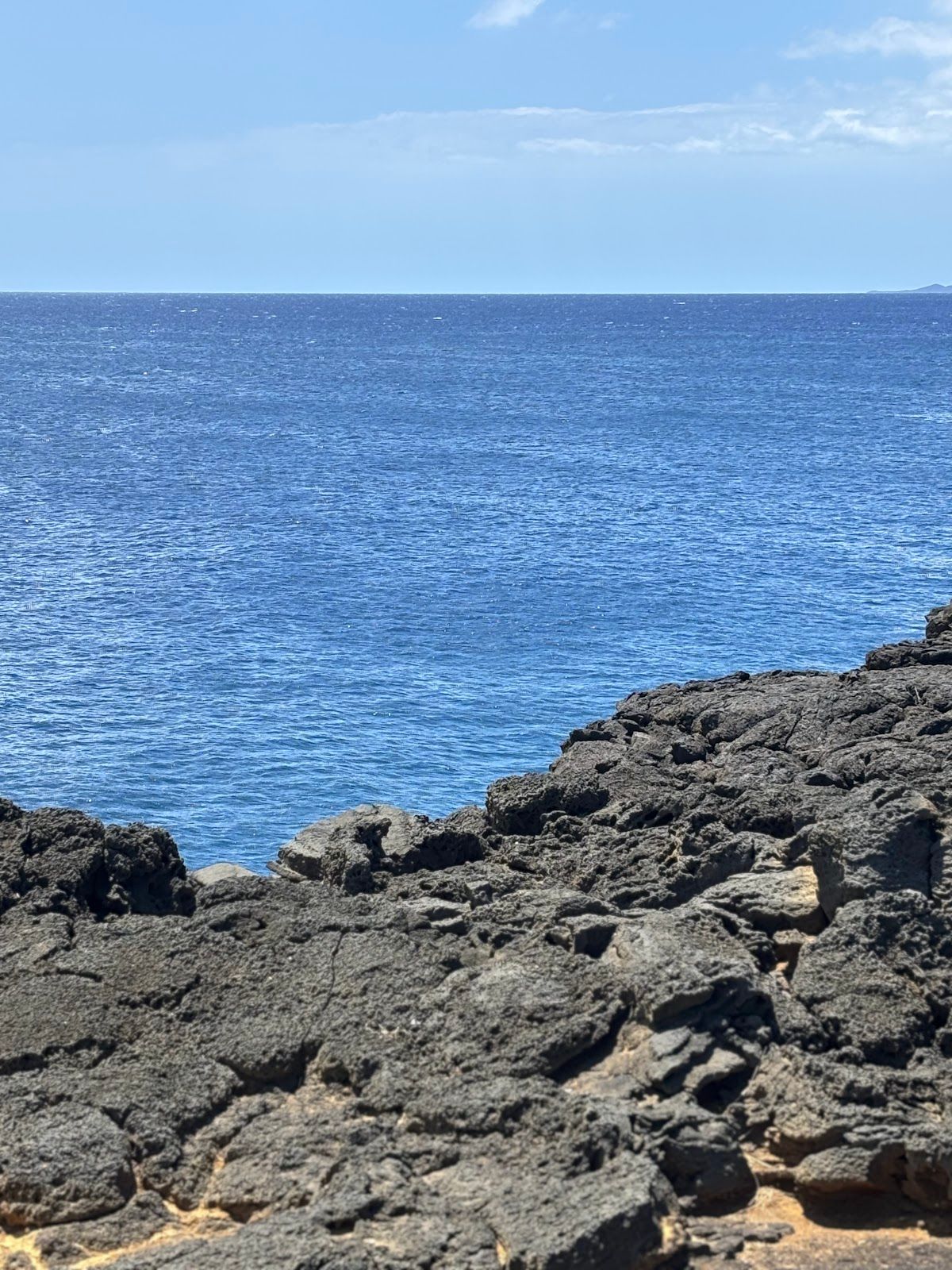
- Enjoy stunning ocean views along diverse coastal landscapes
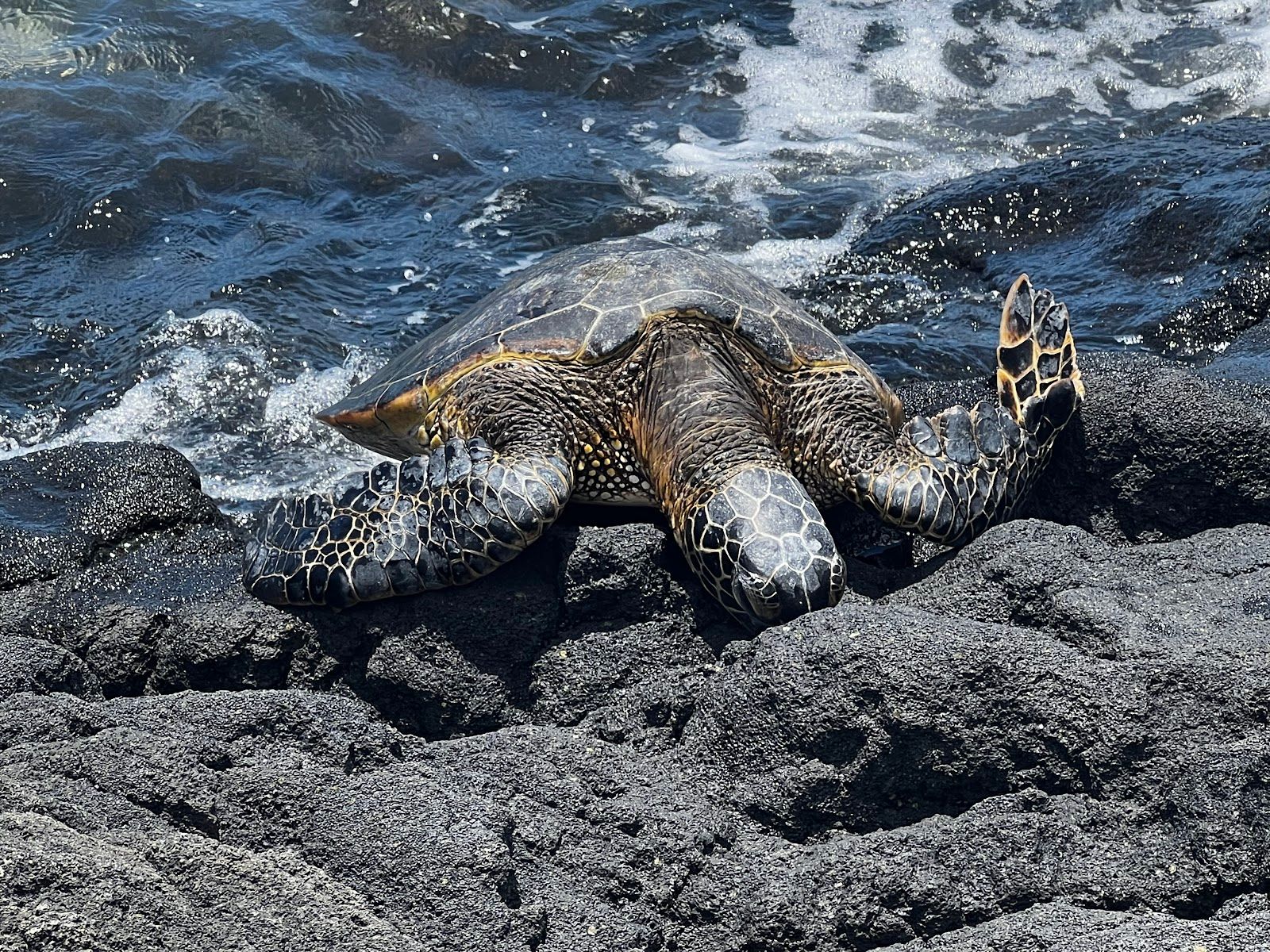
- Opportunities for wildlife viewing, including sea turtles and monk seals
The Ala Kahakai National Historic Trail is one of the Big Island’s most meaningful coastal hikes, and on South Kona’s side of the island it works best as a flexible route rather than a single point-to-point trek. The trail corridor threads together shoreline segments, historic sites, and rough volcanic terrain, giving travelers a way to experience Hawaiʻi Island’s cultural landscape without committing to a full long-distance expedition. It stands out because it is as much about place and heritage as it is about scenery: this is a walk through a living coastal corridor shaped by Native Hawaiian travel, settlement, and land use.
A trail corridor, not a single continuous hike
Ala Kahakai means “trail by the sea,” and that name is fitting. The route is a network of connected segments rather than one uninterrupted path, so the experience can range from a short shoreline walk to a more serious half-day outing. Some stretches are gentle and relatively approachable, while others move across lava, sand, and uneven ground that demand more attention underfoot.
That flexibility is one of its biggest strengths. It makes the trail easy to adapt to different itineraries and energy levels. A traveler can work in a short section between other South Kona stops, or build a more deliberate hiking day around one of the better-known access areas. The route is especially appealing for people who want a hike with context, not just exercise.
Where culture and coast meet
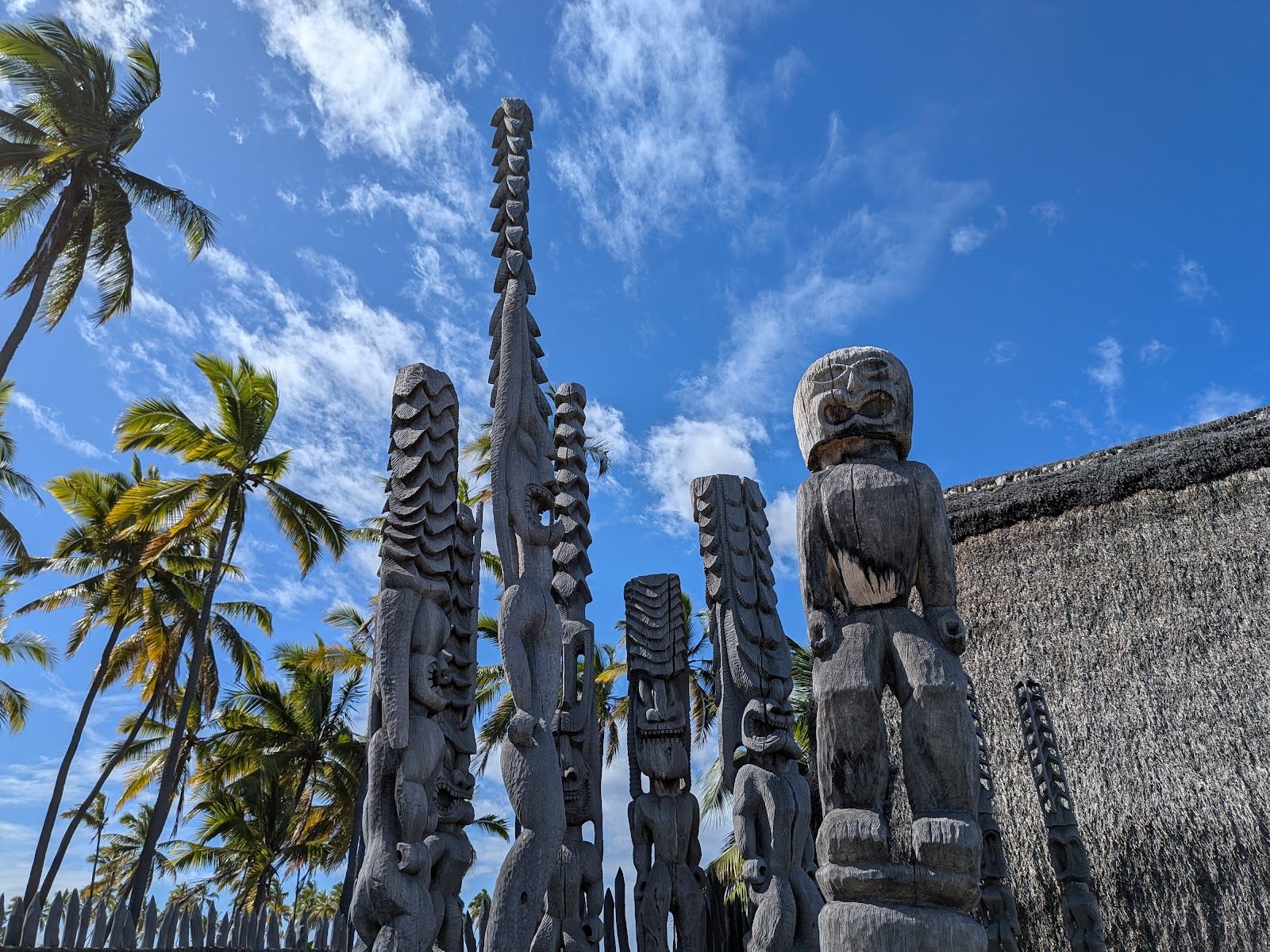
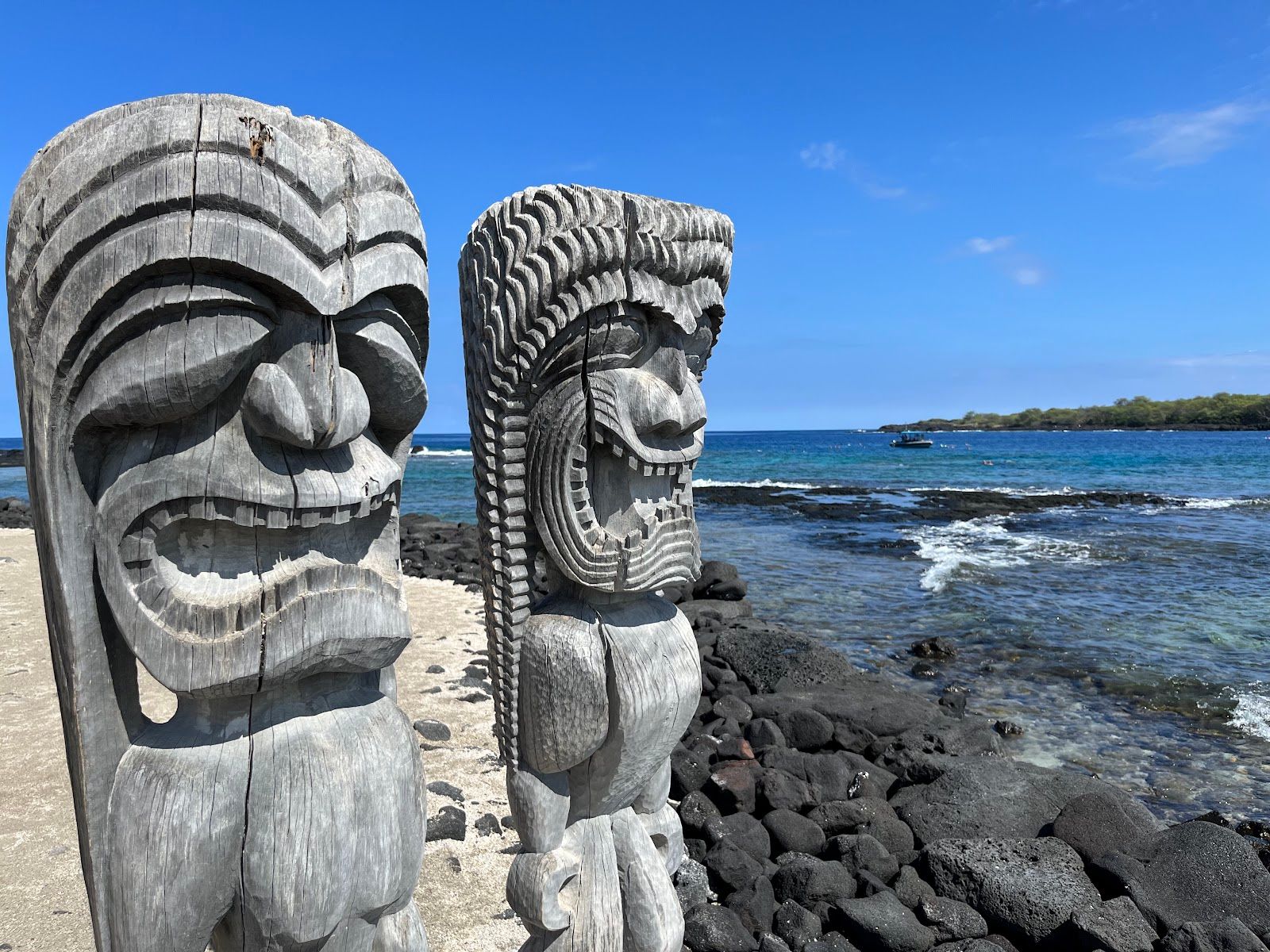
What gives the Ala Kahakai its character is the depth of what it crosses. The trail links ancient settlement sites, heiau, fishponds, petroglyphs, and traditional land divisions, all set against the island’s exposed western and southern shoreline. The result is a landscape that feels layered rather than purely scenic.
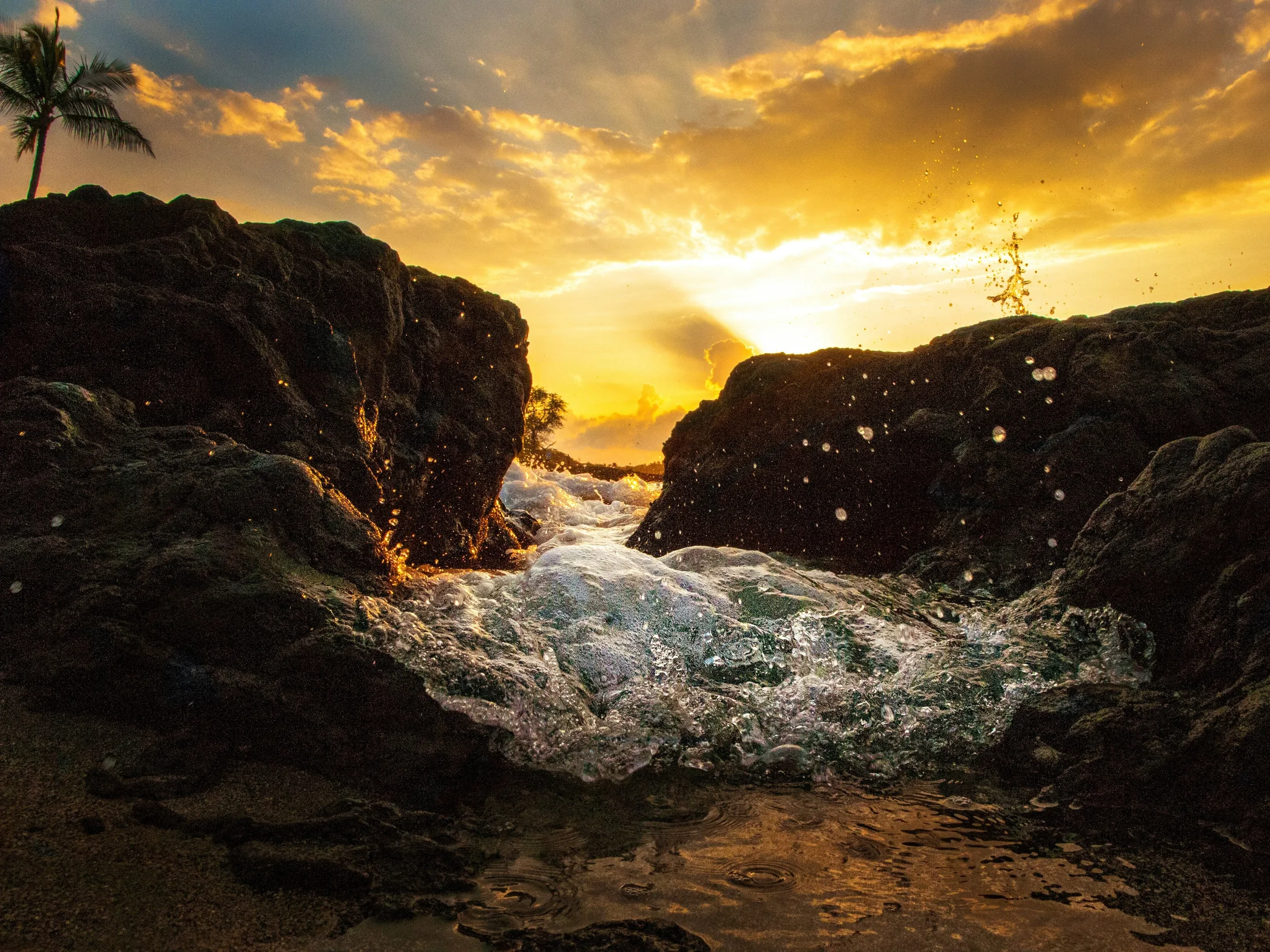
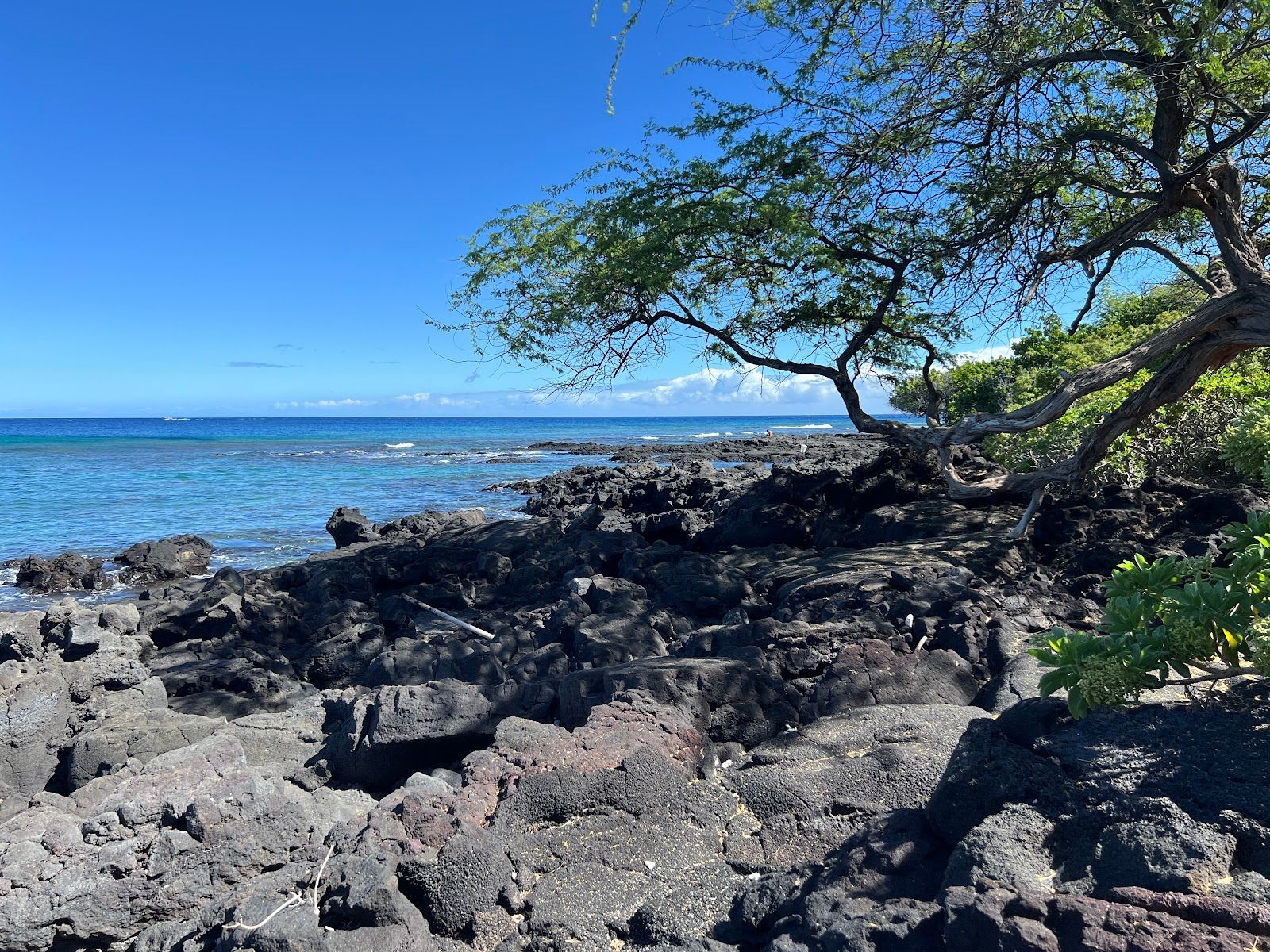
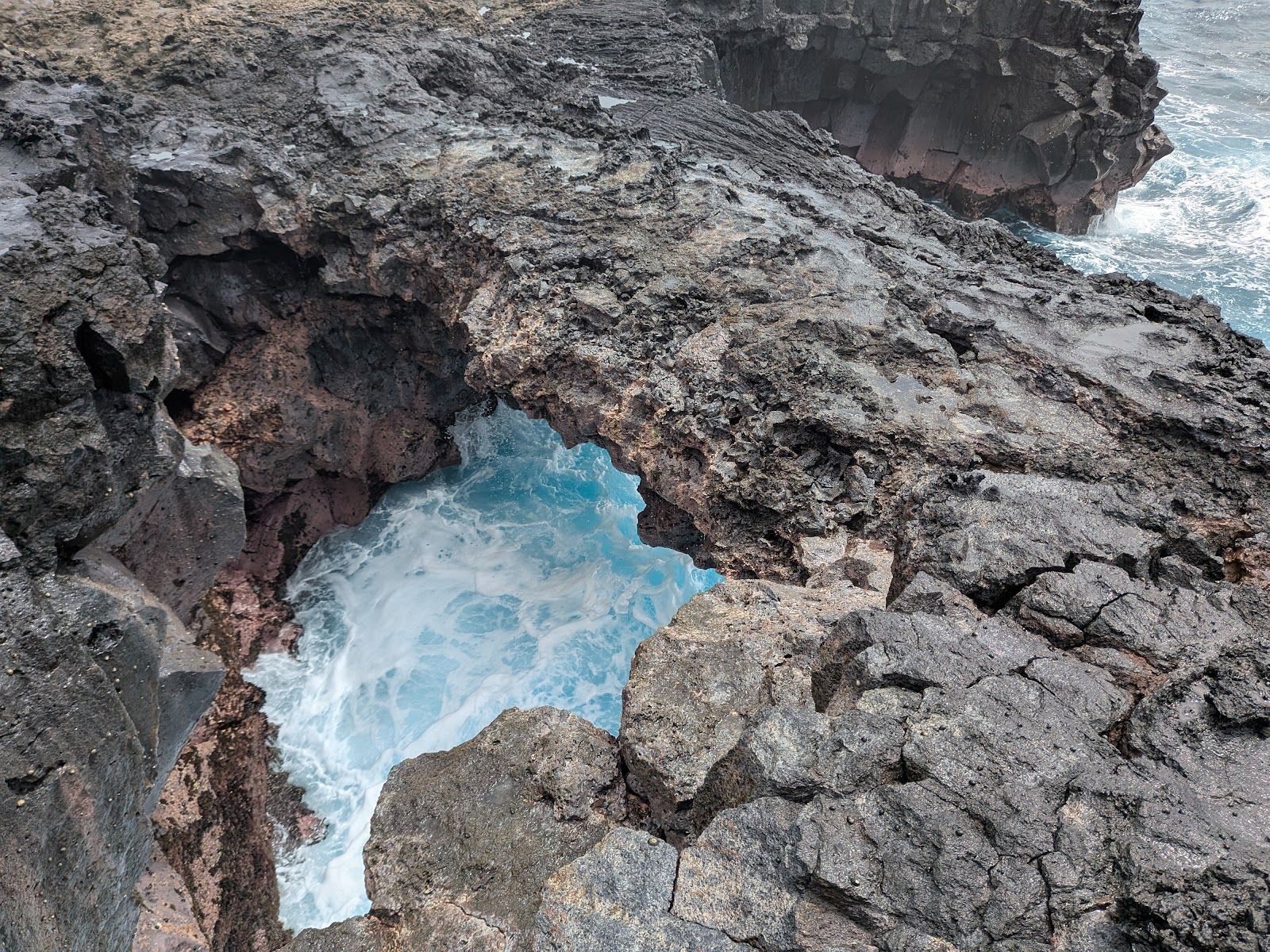
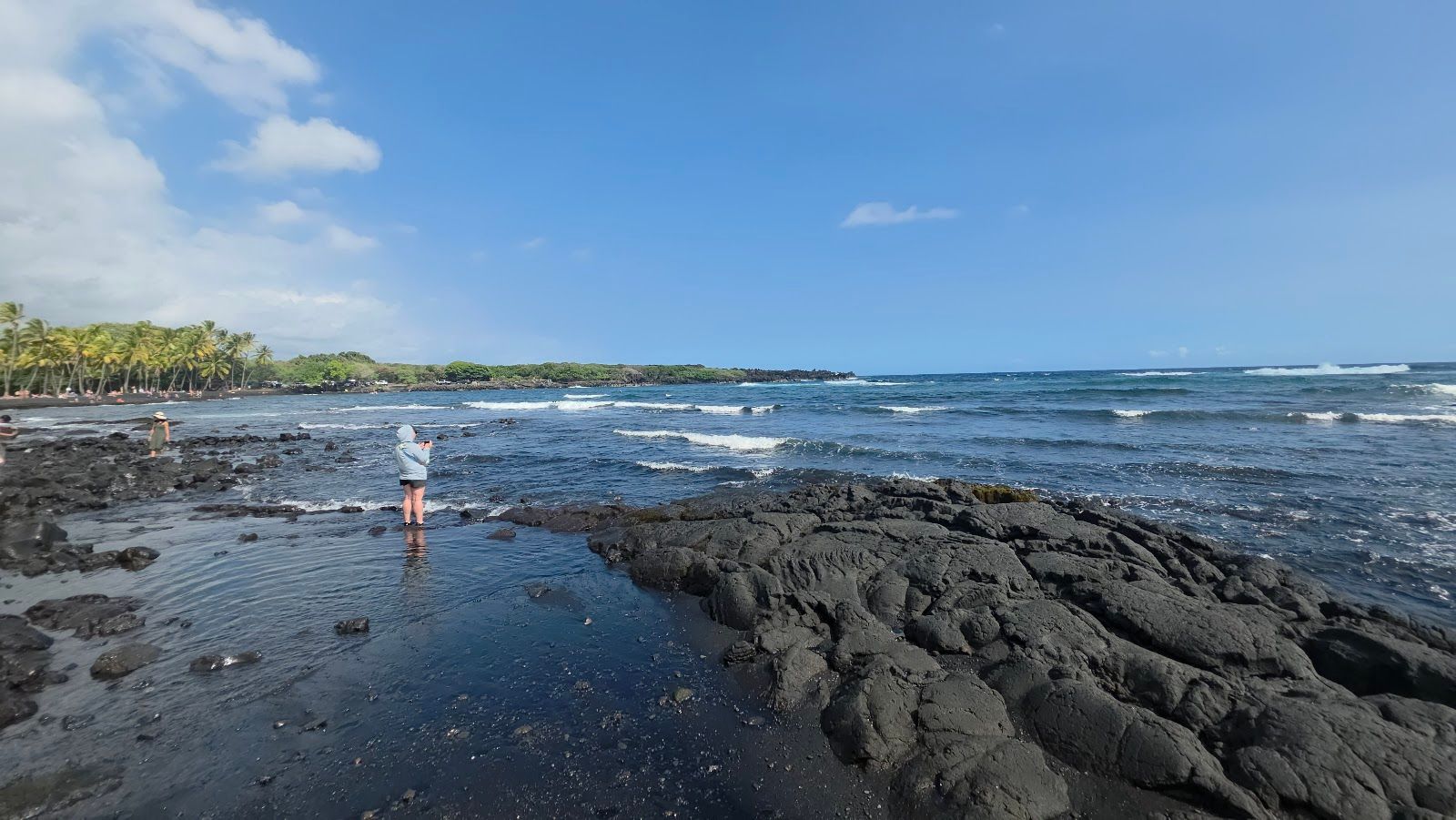
The coastal views are a major part of the appeal, of course. Open ocean, black lava, and pockets of green coastal vegetation create a stark Big Island palette, and the changing terrain keeps even short sections interesting. Wildlife sightings are possible too, including sea turtles, monk seals, and seabirds, though those are always a bonus rather than a promise. The more important takeaway is that this is one of the island’s strongest choices for travelers who want to pair walking with an understanding of Hawaiʻi’s cultural geography.
Access, logistics, and the tradeoff of planning ahead
The main practical caveat is that the trail is fragmented. It does not function like a simple signed loop you can follow from start to finish, and different segments fall under different land managers. Some of the most visitor-friendly access points are within national parks or state-managed areas, where parking and restrooms are more likely to be available. The listed Kona address is the administrative office, not a trailhead.
That means a little advance planning pays off. Choosing a specific segment matters more here than it would on a conventional hike, and conditions can change due to weather, lava activity, or other closures. Sun exposure is strong, shade can be limited, and the volcanic terrain can be unforgiving if footing gets sloppy. Good shoes, water, and respect for the route boundaries are essential. Much of the land inland of the shoreline path is private or culturally sensitive, so staying on designated trails is part of the experience, not just a rule.
Best for travelers who want substance, not just scenery
Ala Kahakai is an excellent fit for travelers who like hiking with historical and cultural depth. It works well for families and casual walkers on easier sections, but it also rewards experienced hikers who want a rougher coastal route with a strong sense of place. It is less ideal for anyone looking for a single, continuously marked long-distance hike with simple logistics from start to finish.
For a South Kona itinerary, it pairs naturally with other shoreline or heritage stops and can anchor a half-day around walking, photography, and time outdoors. The trail’s value lies in its balance: scenic enough to feel like a real Big Island hike, and culturally significant enough to feel like much more than a walk by the water.