
What it is
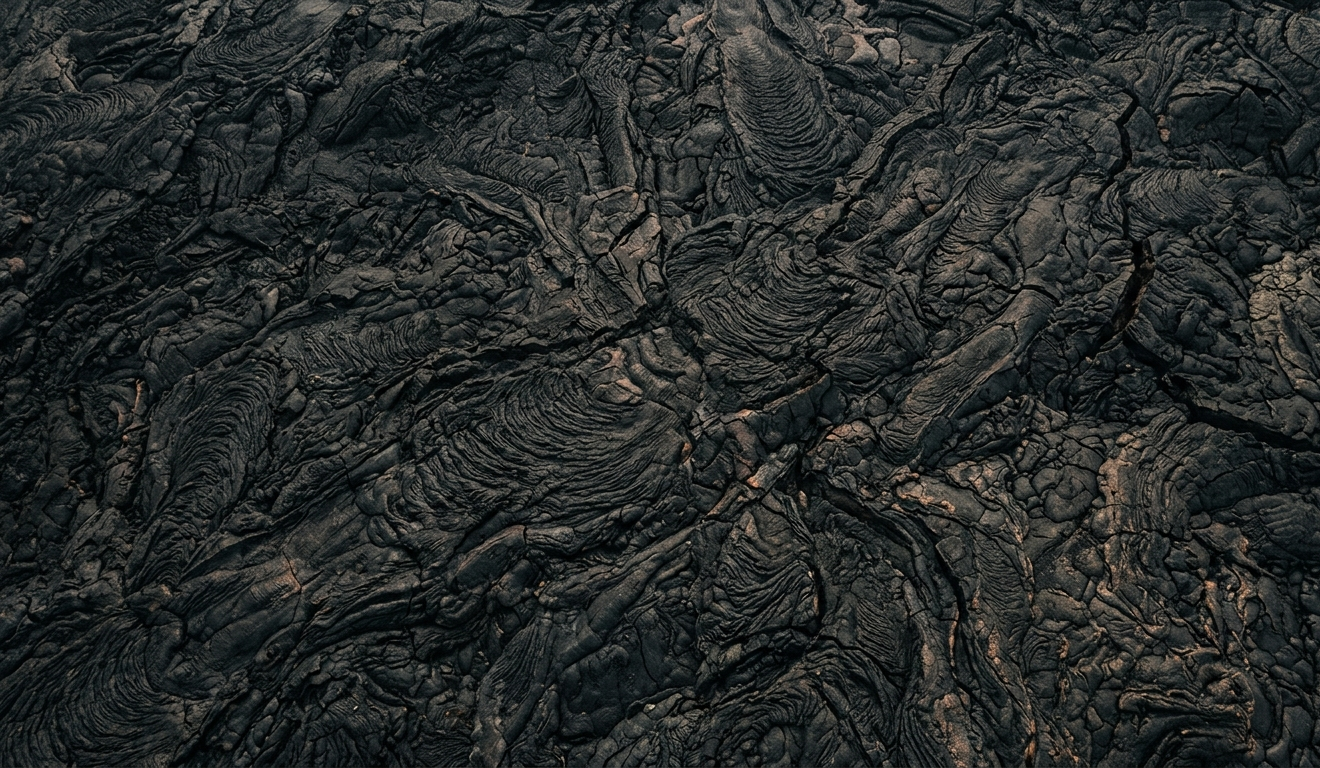
The Ala Kahakai National Historic Trail is a 175-mile-long network of ancient, historic, and modern trails spanning the western and southern coasts of Hawaiʻi Island. Meaning "trail by the sea" in Hawaiian, it was established in 2000 to preserve, protect, and interpret traditional Native Hawaiian culture and natural resources. The trail system follows the ancient "Ala Loa" (long trail), a vital transportation route for Native Hawaiians, and connects hundreds of ancient Hawaiian settlement sites, over 200 ahupuaʻa (traditional land divisions), sacred heiau (temples), fishponds, and petroglyphs. It is not a single continuous path but rather a collection of segments traversing varied terrain, including sand, rough lava fields, and meadows.
Visitor experience
Visitors to the Ala Kahakai National Historic Trail can immerse themselves in the rich cultural and historical landscape of ancient Hawaiʻi, walking in the footsteps of its earliest inhabitants. The trail offers breathtaking views of Hawaiʻi's pristine coastline, providing numerous opportunities for photography and nature appreciation. Along different sections, travelers may encounter ancient temples, petroglyph fields, historic fishponds, and coastal villages, gaining insight into the island's heritage. The diverse ecosystems along the trail also offer chances to observe native Hawaiian wildlife, such as sea turtles, monk seals, and various seabirds. Different segments cater to various skill levels, from gentle, well-marked coastal paths suitable for beginners and families, particularly near areas like Kaloko-Honokohau and Puʻuhonua o Hōnaunau, to more rugged stretches traversing lava fields and sandy beaches for experienced hikers.
Logistics
- Area: The trail network extends from ʻUpolu Point in North Kohala, along the western and southern coastline, to the eastern boundary of Hawaiʻi Volcanoes National Park.
- Access: The Ala Kahakai is not a continuously connected trail. Open sections can be accessed within four national parks on Hawaiʻi Island: Puʻukoholā Heiau National Historic Site, Kaloko-Honokōhau National Historical Park, Puʻuhonua o Hōnaunau National Historical Park, and Hawaiʻi Volcanoes National Park. Additionally, sections under Hawaiʻi State Na Ala Hele jurisdiction, such as the one between Puʻukoholā Heiau NHS and ʻAnaehoʻomalu Bay in South Kohala, are open for public use. The listed address (73-4786 Kanalani St #14, Kailua-Kona, HI 96740) is the administrative office, not a public access point for the trail itself.
- Reservations/Permits: No specific permits are typically required for general access to the trail segments, but visitors should be aware that individual national parks or state parks through which the trail passes may have their own entry fees or regulations.
- Timing: The trail is generally accessible 24 hours a day, year-round, though access may be subject to change due to emergency situations.
- Parking: Parking, restrooms, and water are available at most major access points, particularly within the national parks and popular beach areas.
- Likely Duration: The duration of a visit varies greatly depending on the chosen section. It can range from a quick stop for a short walk to view petroglyphs or a scenic overlook, a half-day hike through a specific national park segment (e.g., Kaloko-Honokohau), or form part of a multi-day itinerary for dedicated hikers exploring longer, more remote stretches.
- Activity Type: Due to its segmented nature, the Ala Kahakai National Historic Trail is best approached as a series of quick stops or half-day activities, rather than a single, continuous anchor activity, unless planning an extensive multi-day expedition of multiple segments.
Safety and cautions
- Trail Hazards: Stay strictly on marked trails, as volcanic terrain can conceal deep cracks, thin lava crust, and loose rock, increasing the risk of injury. Falling on lava can result in severe wounds.
- Coastal Conditions: Expect strong winds, steep and unstable sea cliffs, and high waves along the coastline. Strong breaking waves, shore break, and currents can make ocean entry dangerous; it's advisable to "when in doubt, don't go out!"
- Sun and Hydration: The Big Island coast is typically sunny and hot with limited shade. Visitors must be prepared with sun protection (hats, mineral-based sunscreen, sunglasses, long sleeves) and carry ample water (minimum 2 liters per person for short hikes).
- Stream Crossings: Some trail sections may cross stream beds that are prone to flash flooding during heavy rains; always exercise caution near streams.
- Cultural Respect: The trail traverses numerous culturally sensitive and sacred sites, including ancient Hawaiian archaeological areas and heiau. Do not disturb these sites. Much of the land mauka (inland) of the trail is private property; respect boundaries and stay on the designated shoreline path.
- Environmental Protection: Anchialine pools, delicate brackish water ecosystems, are found in some lava fields. Do not enter these pools, especially with sunscreens or other products, as they can harm the unique organisms living there.
- Wildlife Interaction: Observe native wildlife, such as Hawaiian green sea turtles and monk seals, from a respectful distance and never feed them.
- Closures: Trail segments can be temporarily closed due to natural events like lava flows or tsunamis, or for maintenance and safety concerns. Always check for current conditions and advisories before heading out.
Editorial take
The Ala Kahakai National Historic Trail is a must-do for travelers seeking a deeper connection to Hawaiian culture and history, offering a unique blend of archaeological exploration and scenic coastal hiking. It's especially recommended for those who appreciate diverse landscapes, from sandy beaches to rugged lava fields, and enjoy flexible itineraries that allow for exploring manageable trail segments. Visitors prioritizing a single, consistently marked, long-distance thru-hike may find the segmented nature of the Ala Kahakai challenging, as it requires planning and sometimes separate access to different sections. Those with significant mobility limitations might also find the varied, often uneven terrain difficult.
It is important not to confuse the Ala Kahakai National Historic Trail as a single, uniform hiking path, but rather as a designated corridor containing a network of trails. Individual sections are often integrated with or accessed through specific national parks (e.g., Kaloko-Honokōhau National Historical Park) or state lands, each offering a distinct experience. It's a different kind of experience than a purely wilderness hike, as some sections may pass near resorts or developed areas, while others remain remote and untouched.
Source notes
- Ala Kahakai National Historic Trail - HawaiiActivities.com: https://vertexaisearch.cloud.google.com/grounding-api-redirect/AUZIYQFm_MMCk7EwZfbLXJMX0e0UJg8deBT1CJPNVeUQRLK8Ia-mql8Zv-jhX5TC6qSVcMqpUWobed2QnJv35LqrbxCsOwQ4p6uiT0fj6VH2x72c3FWSJ8UvnAkhJ_dvNFkxOVmf29OdmfxJLsOWsGiUBBsHVgIAmPvIx6GK175fuTX4oN3K__ALQIPzzN0=
- Ala Kahakai National Historic Trail - National Park Foundation: https://vertexaisearch.cloud.google.com/grounding-api-redirect/AUZIYQGq5VAksBw3d2aewtS1WsWfiNhHmqiLQg_P9bZmgFdBAMzLxugtdu1qVAD4OLyST739Jw3wRQ181fQ-HBwLPz0gz0nK2UgN9yoW-zsbNaSrQCKruT5UhJSH48wHq_O4Dpmu4aGLYnOVxvx5CBjzo32lbH3ajecyxBUgYWcY8vAg_lavICykSd2m
- Ala Kahakai National Historic Trail - Wikipedia: https://vertexaisearch.cloud.google.com/grounding-api-redirect/AUZIYQH6j2eTgR9kp6IS29TIYXp0zDpjtnRryvchXJy0L5eOkeV5D3A96nveGXS2WkH4dvU9XnW7X2uK9gdMtMrUgJsSuRo6m3WcyEq5vhvpSooO5KMxaZG6XJ2qDDk3Pf-mQi2NYZ9GjPzsDpZKmSSakcDRtkBS8ikHJ4Oo3A==
- Your Safety - Ala Kahakai National Historic Trail (U.S. National Park Service): https://vertexaisearch.cloud.google.com/grounding-api-redirect/AUZIYQHACaIOYr4W5HCKs5NDYrWpoZ9kV9TJtxReJ7GAy3U79Wbw4qcELA8MlR-9dhNFHmlvayLxAiMA0eEXsBPjFS2E6-dZ9BQZ8aUXBZ9qCbFuXbNB3ZUr1Sfqjj-4wPdGsNPGXcv1FNuSmDtj
- Ala Kahakai National Historic Trail, Hawaii: What to Know - AFAR: https://vertexaisearch.cloud.google.com/grounding-api-redirect/AUZIYQFJE8KFRxHICXMWEbfTqcwRX-DqeG6l-ijFmizdIEgOSq9wd_GteKKWDJdhrqG7eZgKZa-NR3Xr9EoOfbD1R66Scw2ANhS46ib2zQP8gZc6CTClReIwFN600zURmkabFcn59KmCnTqNxF1klAH0je2UOD72TZzEo36my7j81pYirVNPMjYmVyUb2ePsZxQK
- Ala Kahakai National Historic Trail - KALAEMANŌ CULTURAL RESERVE: https://vertexaisearch.cloud.google.com/grounding-api-redirect/AUZIYQE6GPNPJJiPqjmwn0z5V0YqrTBgjeIGlR4a-63fL2Fys33MQG16qB1mbRqTJDrsJHk1tR2IJIdjddGhO700T54HIEYwM_D8klO9duAJ0mTT-4BfAYwj9-RO10pQOOJaBzvrvN5hJipEjggfZWqkhUKJahTHvWciienwqA==
- Have You Travelled the Ala Kahakai National Historic Trail?: https://vertexaisearch.cloud.google.com/grounding-api-redirect/AUZIYQFbTO2Evr1qx_MTwtKWc5ZvpCKvR1gubawIVeoEeTI9-DzBQ9JdE82ZtZbye_v7MWKmqZVmtrFvn-itFZXzBTHCWCBlx-t-S6AondTF3lF7lZd1WPRElLjGU10k2w-gr2Sucy7iU8JxPGWzKniq7PisOq3h6P24gJo9eIZ6Z0B_HXt4mv6sIsQTqwr8hSfTCX3_2Imkl7yUVw47MLE9VBw=
- Plan Your Visit - Ala Kahakai National Historic Trail (U.S. National Park Service): https://vertexaisearch.cloud.google.com/grounding-api-redirect/AUZIYQFfMoayCchocUCoBrmcttcqsX7beq4dluMZgmJHEjpGr2sb5NpFI8WBwLnoB5FeFdfVUbJ-UlwhB9EoqLoj5mWakiGPLbdBXcLSzzGVQtw3n1V1CmeHJr9ANa_ejeoBuNplkAMLInMPaKs=