
Hawaiʻi Volcanoes National Park
Hawaiʻi Volcanoes National Park is a UNESCO World Heritage Site offering unparalleled opportunities to explore active volcanic landscapes, diverse ecosystems, and ancient Hawaiian culture, providing a profound connection to Earth's powerful forces.
- UNESCO World Heritage Site
- Active Kīlauea and Mauna Loa volcanoes
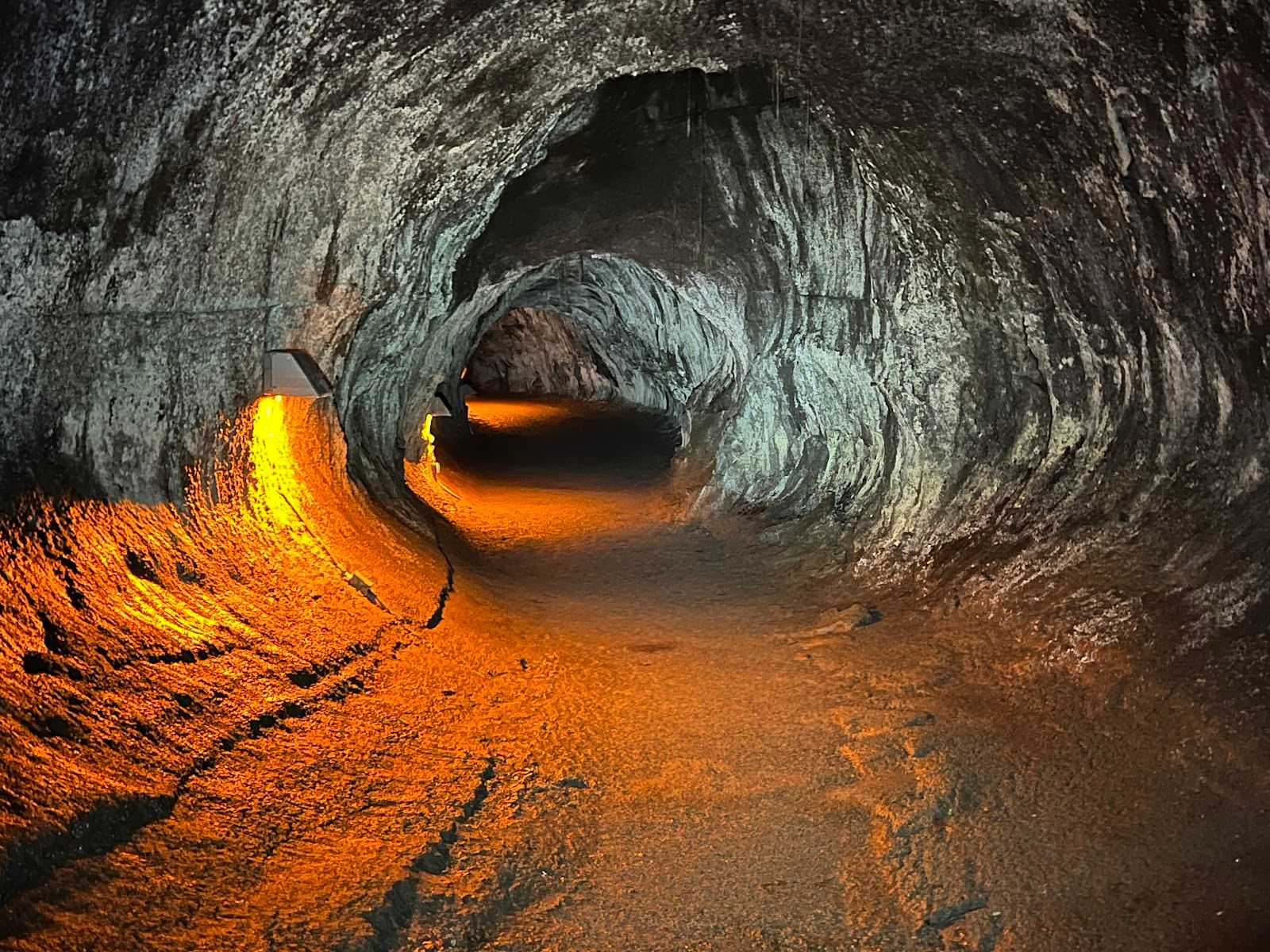
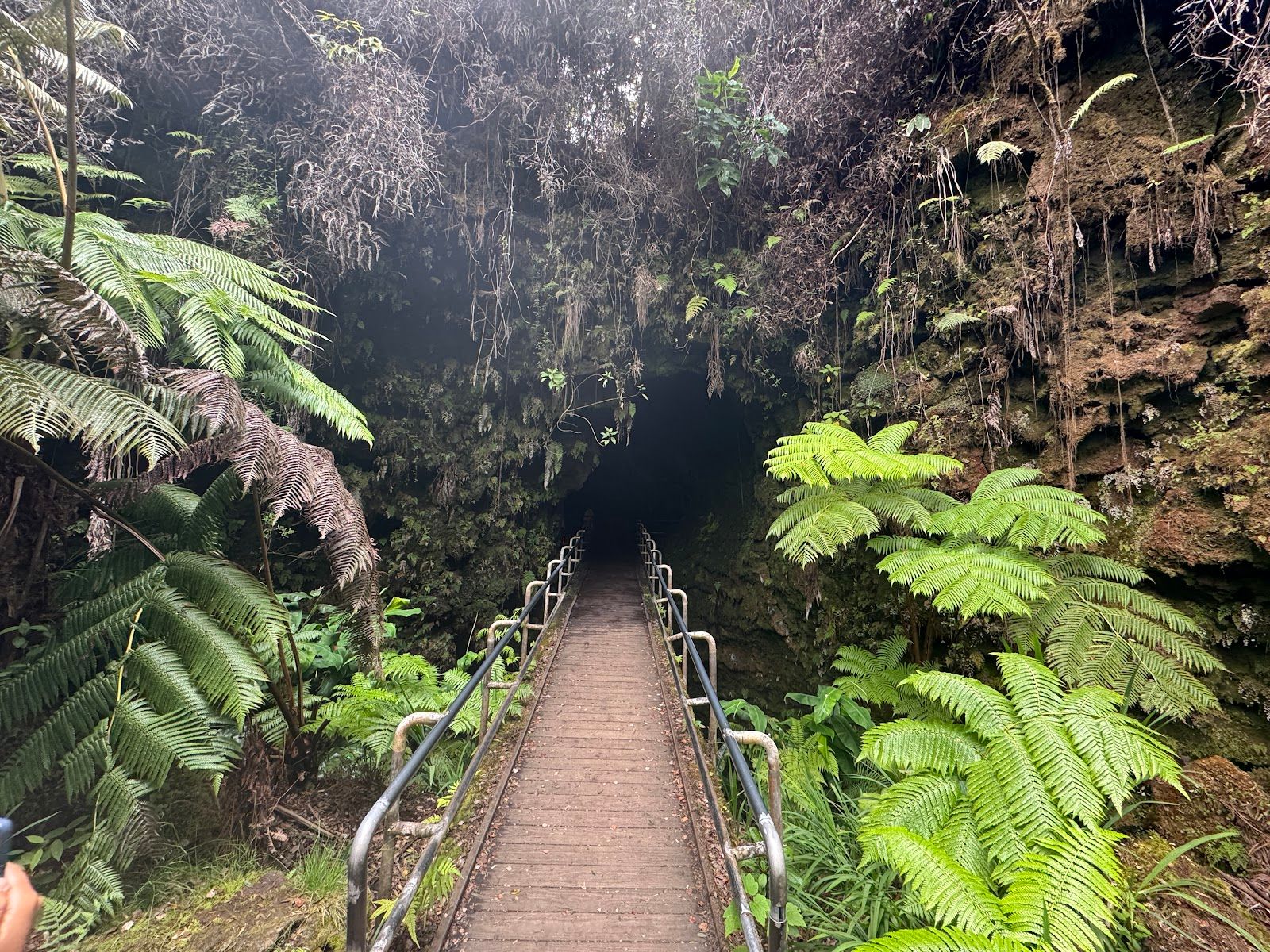
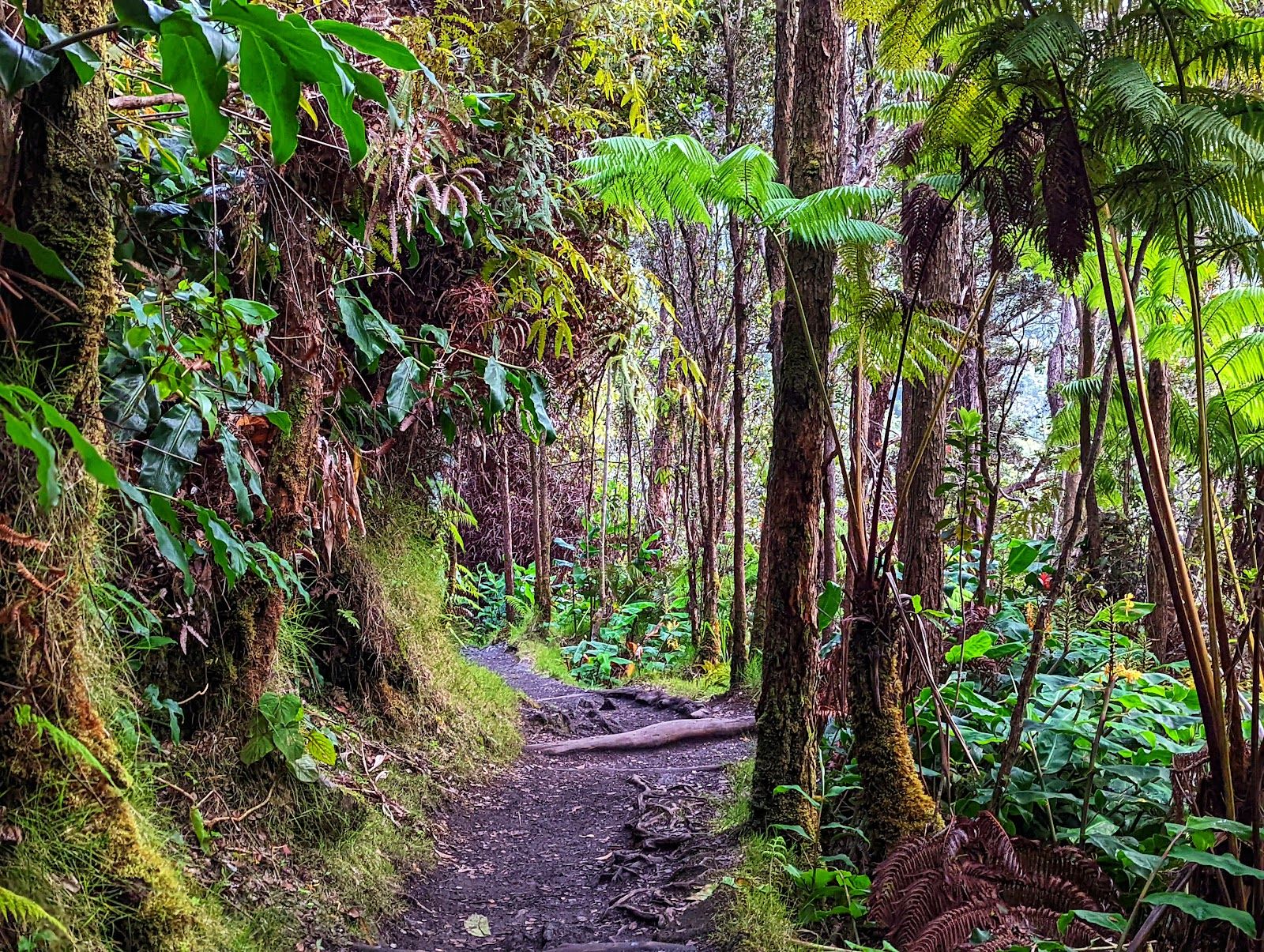
- Lava tube exploration (Thurston Lava Tube)
- Scenic drives and viewpoints
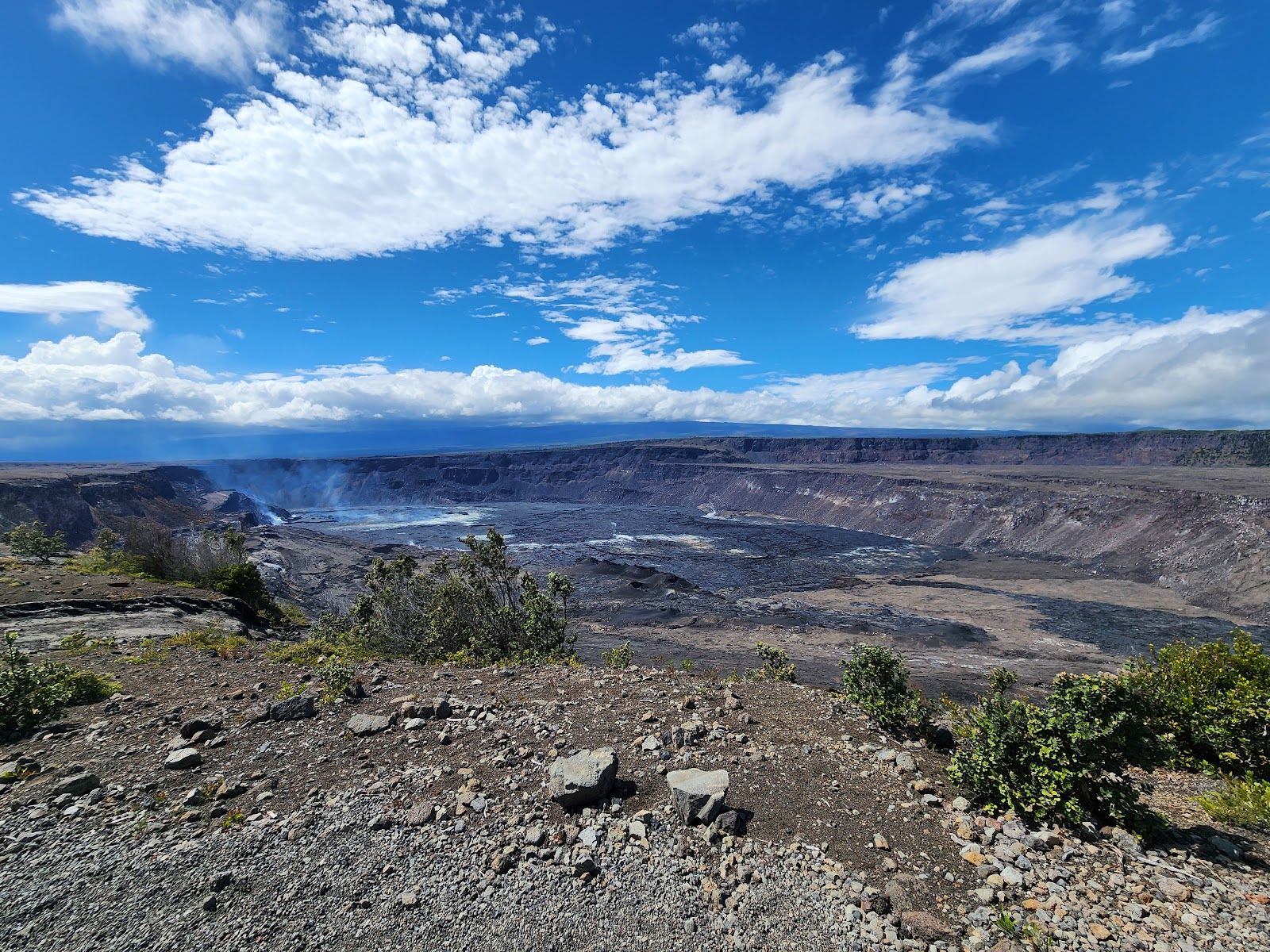
Hawaiʻi Volcanoes National Park is the Big Island’s signature land-based volcano experience, and it sits in the island’s southeastern high country rather than along a beach corridor or resort strip. That matters: this is a place for crater rims, lava fields, steam vents, and long views that feel unmistakably volcanic. For travelers building a Big Island itinerary, it works as an anchor stop for the whole south-and-southeast side of the island, especially when paired with Hilo, Kaʻū, or the Mauna Loa and Saddle Road region.
Craters, lava tubes, and a landscape that keeps changing
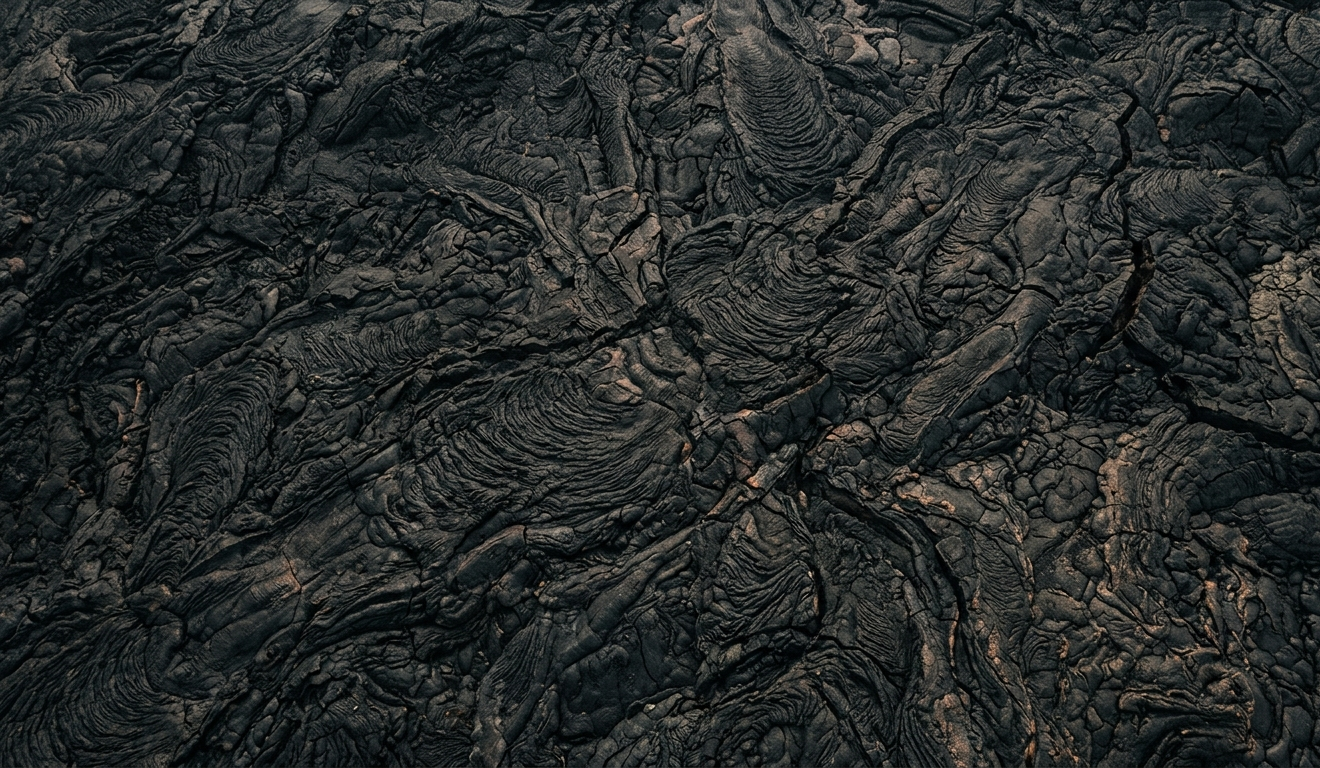
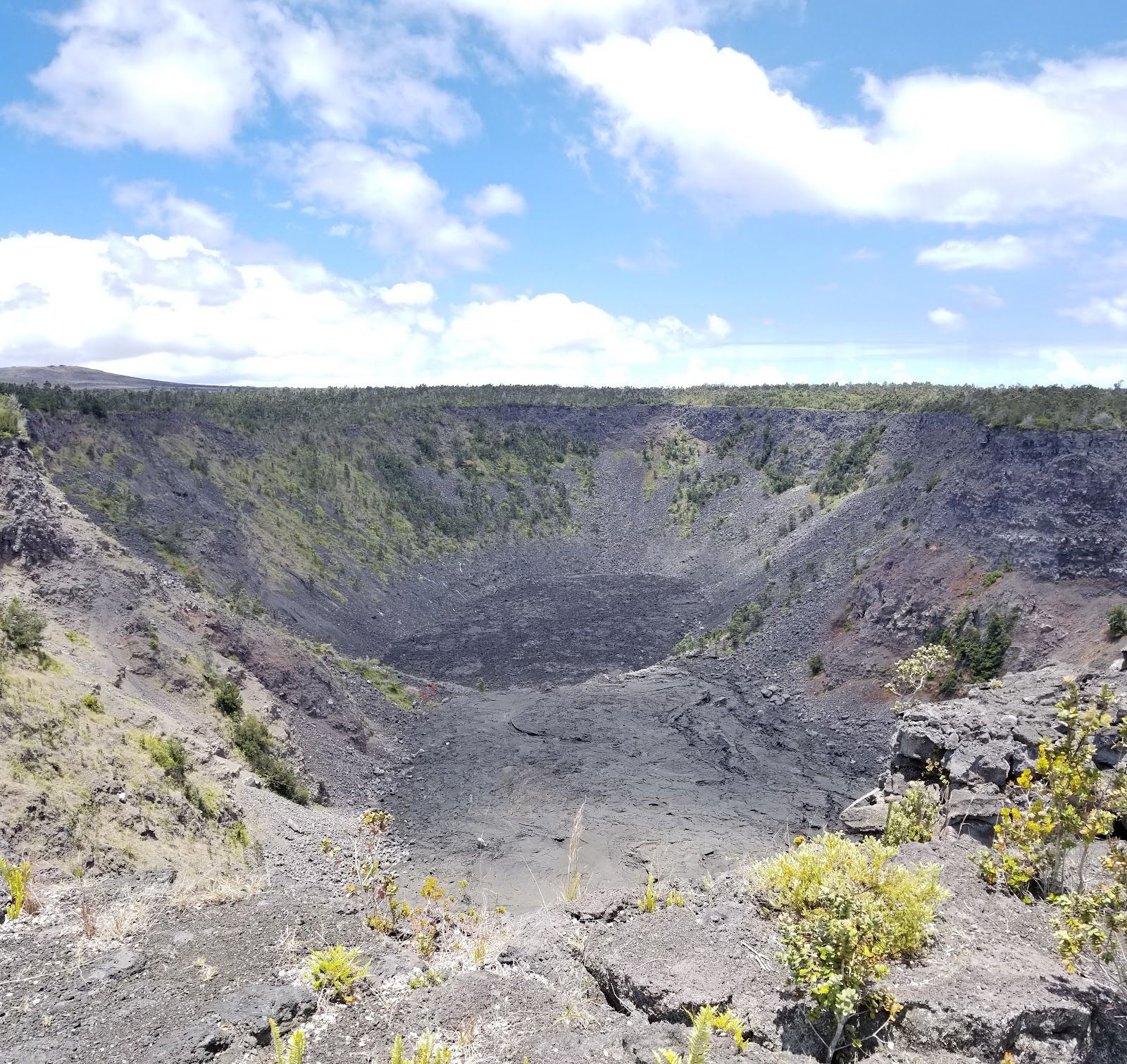
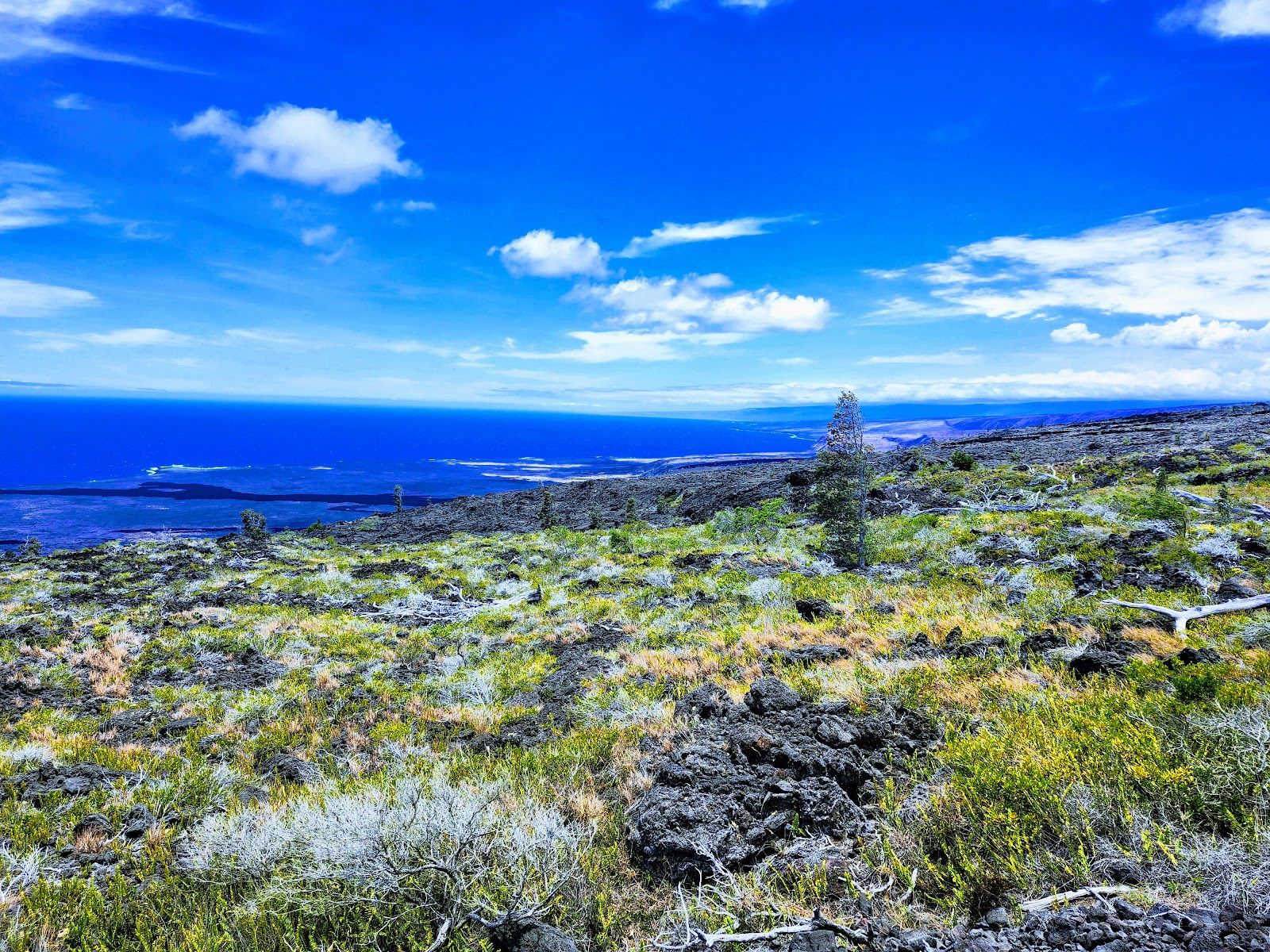
The park’s character comes from motion and contrast. Kīlauea and Mauna Loa define the landscape, but the experience is not just about standing near a volcano and looking at a crater. It is about driving through a place where fresh-looking lava, native forest, steam vents, and older eruption scars sit close together. Short walks can lead to big visual payoffs, and longer hikes reach into rough lava terrain that feels far removed from the island’s beachside image.
Nāhuku, the Thurston Lava Tube, is one of the most accessible signature stops, and the petroglyph fields add a human layer to the geology. Those cultural sites make the park more than a natural spectacle; they remind visitors that this land carries deep meaning and a long history of use and reverence.
Volcano viewing can be a major draw when conditions align, especially after dark if glow is present. That said, volcanic activity is variable. The park is compelling even when there is no dramatic eruption to watch, because the setting itself is the attraction.
How to spend the day here
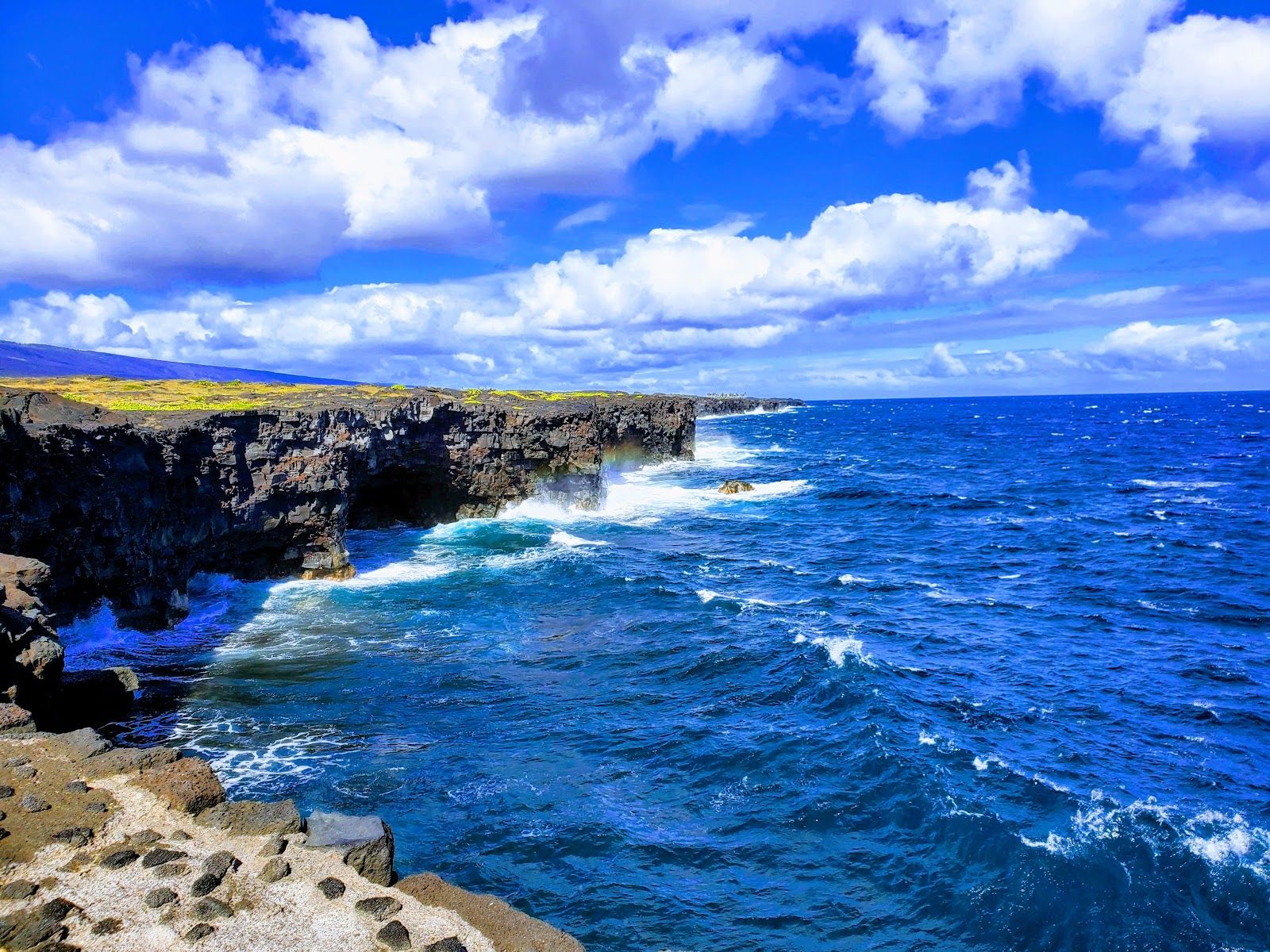
This is one of the best Big Island outings to build around a full day, though it also works as a half-day if the goal is a few highlights. The core road experience is straightforward: Crater Rim Drive links viewpoints, trails, and the visitor center area, while Chain of Craters Road extends the sense of scale with a more open, windswept drive and access to trailheads and overlooks.
The park rewards travelers who get out of the car. Short stops can be very satisfying, but the landscape becomes much richer on foot, whether that means a brief crater-rim walk, a lava tube stop, or a longer hike across hardened flows. Early starts are smart for comfort and atmosphere, especially if hiking is part of the plan. Evening is the time to be here if conditions make lava glow visible, though that is never something to build the day around as a guarantee.
A vehicle is essential, and parking is available at the visitor center and at major trailheads and viewpoints. Cell service can be unreliable, so it helps to arrive with a flexible plan and current park information already checked.
The main tradeoffs: heat, gas, elevation, and closures
The park’s wildness is also its biggest logistical caution. Conditions can change quickly, and roads or trails may close because of volcanic activity or other hazards. Vog and sulfur dioxide can be a real issue near Kīlauea, especially for travelers with respiratory or heart concerns, young children, or anyone sensitive to poor air quality.
Hiking here is not technical, but it is often uneven, rocky, and exposed. Sturdy shoes, water, rain gear, and sun protection are not optional if the plan includes even moderate walking. Weather can swing from bright sun to damp chill, and the higher elevations around Mauna Loa can feel very different from the coast.
The cultural dimension also deserves respect. This landscape is not just scenic terrain; it is spiritually and historically significant. Stay on marked routes, do not remove rocks or plants, and treat closed areas as off-limits.
Best fit for itineraries and traveler style
Hawaiʻi Volcanoes National Park is ideal for travelers who want the Big Island’s geology in its most direct form. It suits families with curious kids, hikers of varying ability, and anyone who wants a destination with real depth rather than a quick photo stop.
It is less appealing for travelers whose Big Island priorities are beach time, luxury downtime, or minimal walking. The park can be approached gently, but its best version asks for attention, time, and a willingness to move through a landscape that feels active and unfinished.