
What it is
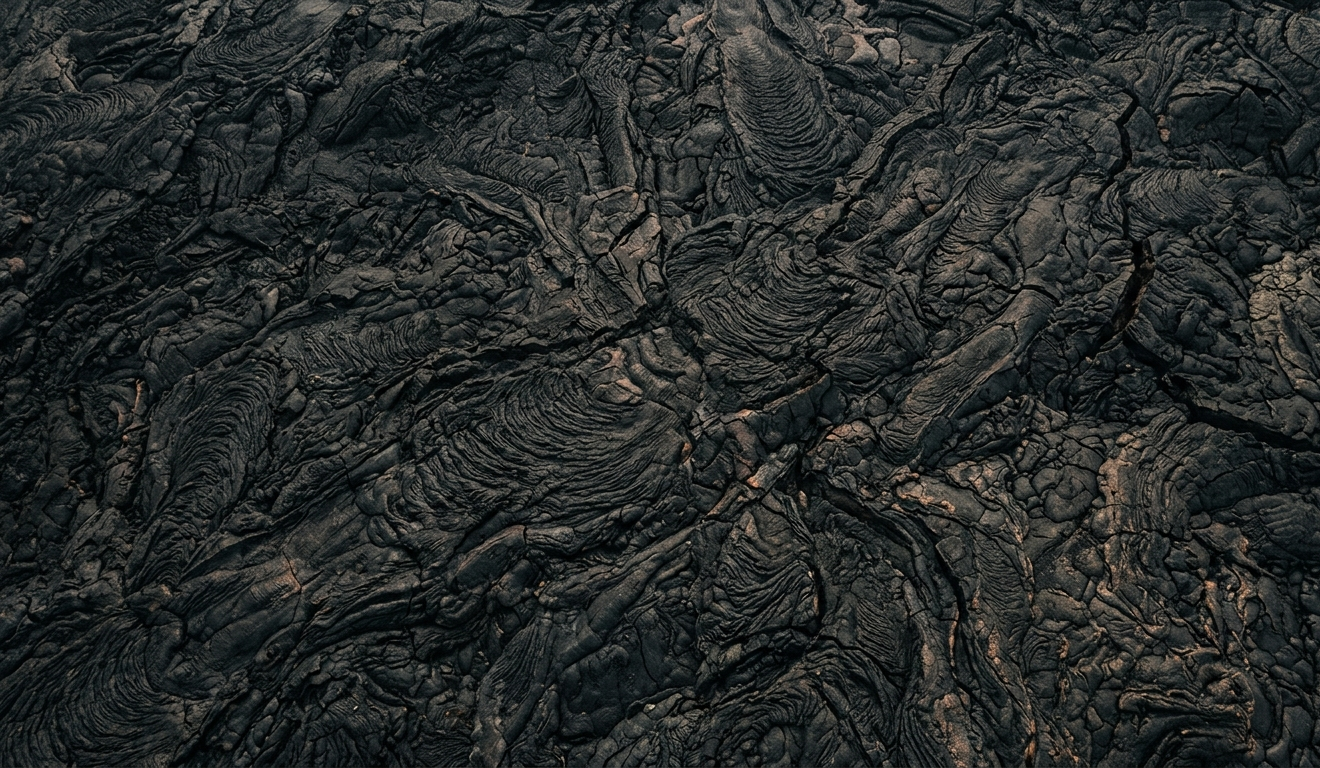
Hawaiʻi Volcanoes National Park is a UNESCO World Heritage Site and International Biosphere Reserve located on the island of Hawaiʻi, encompassing the summits of two of the world's most active volcanoes: Kīlauea and Mauna Loa. The park offers a unique opportunity to witness volcanic landscapes, diverse ecosystems ranging from sea level to over 13,000 feet, and a glimpse into Hawaiian culture and natural history. It features craters, solidified lava flows, steam vents, a lava tube, and ancient petroglyphs, constantly shaped by ongoing volcanic activity.
Visitor experience
Travelers choose Hawaiʻi Volcanoes National Park to experience the raw power of creation and destruction, observe unique volcanic features, and engage with the dynamic geological processes of the Hawaiian Islands.
Key experiences include:
- Scenic Drives: Driving Crater Rim Drive and Chain of Craters Road offers access to various viewpoints, trailheads, and geological formations.
- Hiking: The park boasts numerous trails catering to all levels, from short walks to strenuous backcountry treks across lava fields. Popular hikes include the Kīlauea Iki Trail, Devastation Trail, and trails leading to steam vents and petroglyphs.
- Volcano Viewing: Depending on current volcanic activity, visitors may be able to view glow from active lava flows, particularly at night. The Kīlauea Visitor Center and Jaggar Museum (currently closed) are key points for information and viewing areas.
- Thurston Lava Tube (Nāhuku): A walk through a massive, illuminated lava cave formed by flowing lava.
- Cultural Sites: Areas like Puʻu Loa Petroglyphs offer insight into ancient Hawaiian history and art.
- Volcano House: A historic hotel located within the park offering dining and accommodations with views of Kīlauea caldera.
The park is suitable for a range of visitor use cases, from sightseers interested in a brief scenic drive and short walks, to avid hikers seeking multi-day backcountry adventures. It's an essential stop for anyone interested in geology, natural history, or a profound connection with the earth's powerful forces.
Logistics
- Area & Access: Hawaiʻi Volcanoes National Park is located on the southeastern side of the Big Island. The main entrance is approximately 30 miles southwest of Hilo via Highway 11 (a 45-minute drive) and 96 miles southeast of Kailua-Kona via Highway 11 (2-2.5 hour drive) or Highway 19 (2.5-3 hour drive).
- Operating Hours: The park is open 24 hours a day, year-round. The Kīlauea Visitor Center hours vary, typically from 9:00 AM to 5:00 PM daily.
- Fees & Permits: There is an entrance fee per vehicle, which provides a 7-day pass. Backcountry permits are required for overnight hiking in certain areas.
- Timing: A full day is recommended to explore the main attractions, including both Crater Rim Drive and Chain of Craters Road with several stops and short hikes. Visitors interested in more extensive hiking or waiting for potential night-time lava glow may consider multiple days. It can be a quick stop for just a few viewpoints, a half-day for core attractions, or an anchor activity for several days. Early mornings are often best for hiking to avoid heat and crowds. Evening visits offer opportunities to see active lava glows, if present.
- Parking: Paved parking lots are available at the Kīlauea Visitor Center, Volcano House, and various trailheads and viewpoints throughout the park.
- Getting Around: A personal vehicle is essential for navigating the park's extensive road system. Bicycles are allowed on paved roads and some designated trails.
- Reservations: No reservations are typically needed for general park entry, but lodging within the park (e.g., Volcano House) should be booked in advance.
Safety and cautions
- Volcanic Hazards: The park contains active volcanoes. Conditions can change rapidly, and volcanic activity may lead to sudden trail or road closures. Volcanic gas (vog) and sulfur dioxide (SO2) are present, especially near Kīlauea caldera, and can pose health risks, particularly for individuals with heart or respiratory conditions, pregnant women, and young children. Visitors should check current conditions and air quality alerts.
- Lava Flows: Active lava flows are dangerous and unpredictable. Never approach closed areas, walk on new lava flows (which can be unstable and extremely hot), or attempt to get too close to erupting vents.
- Hiking Safety: Trails can be rocky, uneven, and steep. Always stay on marked trails. Wear sturdy closed-toe shoes, bring ample water, sun protection, and rain gear. Weather can change quickly, from hot sun to cold rain.
- Elevation: Mauna Loa's summit reaches high elevations, which can cause altitude sickness. Access to Mauna Loa is often limited and requires proper preparation and permits.
- Cultural Sensitivity: The volcanic landscapes hold deep cultural and spiritual significance for Native Hawaiians. Visitors are asked to treat the land with respect and refrain from taking any rocks, plants, or other natural materials from the park.
- Wildlife: While not inherently dangerous, observe wildlife from a distance and do not feed animals.
- Cell Service: Cell phone coverage can be spotty or non-existent in many areas of the park.
- Road Conditions: Some park roads, particularly Chain of Craters Road, may have sections impacted by previous lava flows and can be winding. Drive carefully and adhere to speed limits.
Editorial take
Hawaiʻi Volcanoes National Park is an absolute must-see for anyone visiting the Big Island who has an interest in natural wonders, geology, or outdoor activities. It's a signature experience that offers a profound connection to the island's dynamic creation.
- Prioritize it if: You are fascinated by volcanoes, enjoy hiking amidst otherworldly landscapes, appreciate raw natural power, or are traveling with family members who will be awestruck by the scale and activity of the volcanoes. It's a key educational and awe-inspiring destination.
- Skip it if: You are solely seeking beach relaxation, luxury resorts, or activities that require minimal effort or walking. While there are scenic drives, the true essence of the park is experienced by getting out and exploring.
- Do not confuse it with: Other "volcano tours" on the Big Island that might be helicopter or boat tours to view lava (which are separate commercial operations). While the park is the primary land-based viewing area for Kīlauea, it is not an operator of private tours. Also, do not confuse it with Mauna Kea Summit & Visitor Information Station, which is another high-elevation destination focused on astronomy and the dormant Mauna Kea volcano.
Source notes
- National Park Service: Hawaiʻi Volcanoes National Park (Official Site). https://www.nps.gov/havo/index.htm
- National Park Service: Plan Your Visit - Hawaiʻi Volcanoes National Park. https://www.nps.gov/havo/planyourvisit/index.htm
- Volcano House. https://www.hawaiivolcanohouse.com/
- Go Hawaii: Hawaiʻi Volcanoes National Park. https://www.gohawaii.com/islands/hawaii-big-island/regions/kau/hawaii-volcanoes-national-park