
Hōlei Sea Arch
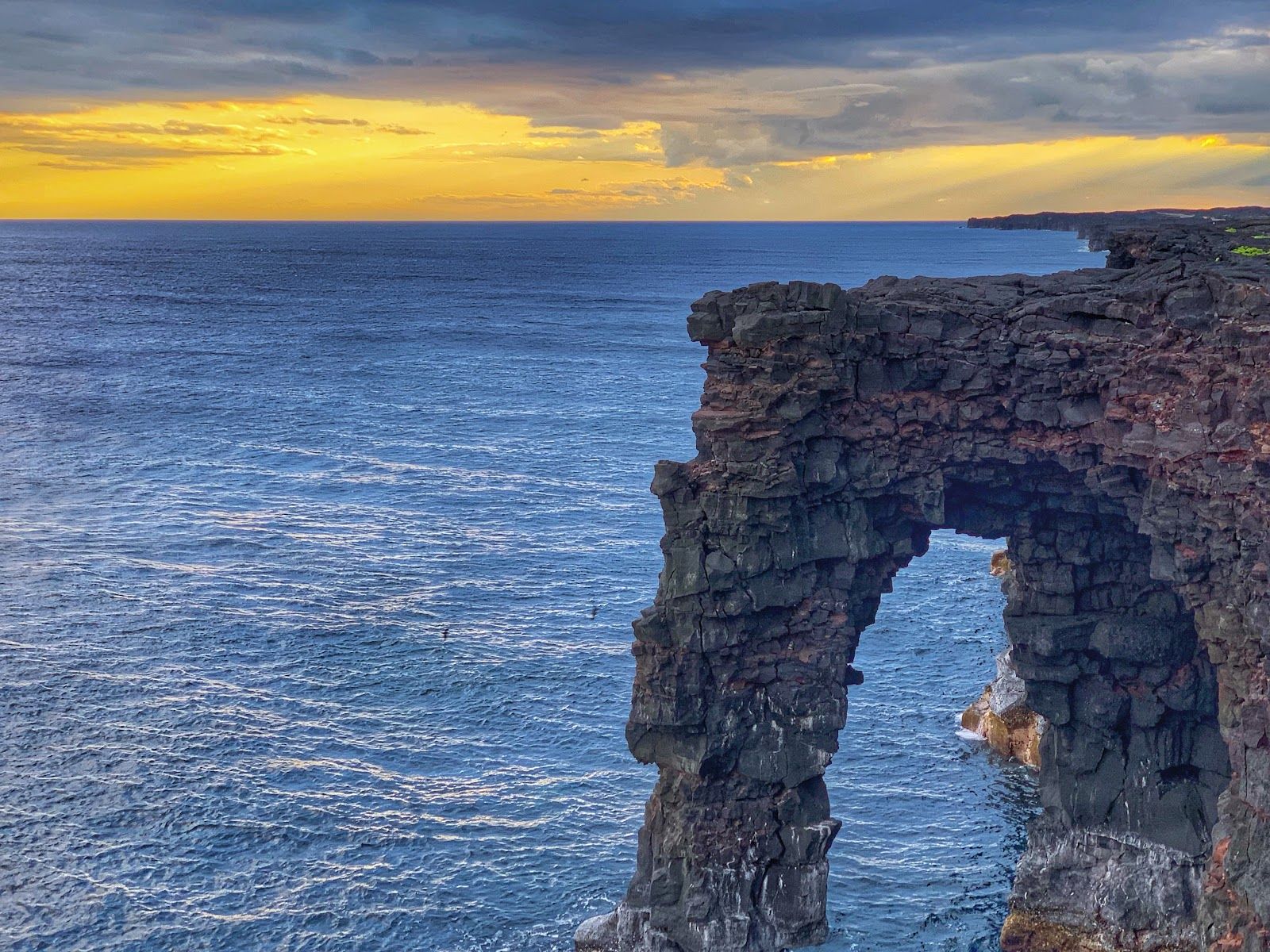
Witness the dramatic Hōlei Sea Arch, a towering basalt formation carved by ocean waves within Hawaiʻi Volcanoes National Park, offering stunning coastal views and photo opportunities.
- Iconic natural basalt sea arch
- Breathtaking coastal and ocean views
- Located within Hawaiʻi Volcanoes National Park
- Accessible via Chain of Craters Road
Hōlei Sea Arch is one of the Big Island’s classic volcanic-coast stops: a dramatic basalt arch at the far end of Chain of Craters Road inside Hawaiʻi Volcanoes National Park, in the Volcano area of Kaʻū. It works well as a destination because it gives travelers a clean, high-impact payoff for the long drive south—black lava, pounding surf, and a landform that makes the island’s geologic time feel immediate. This is not a full excursion so much as a memorable scenic stop, but it is one of the park’s signature views.
The arch and the coastline around it
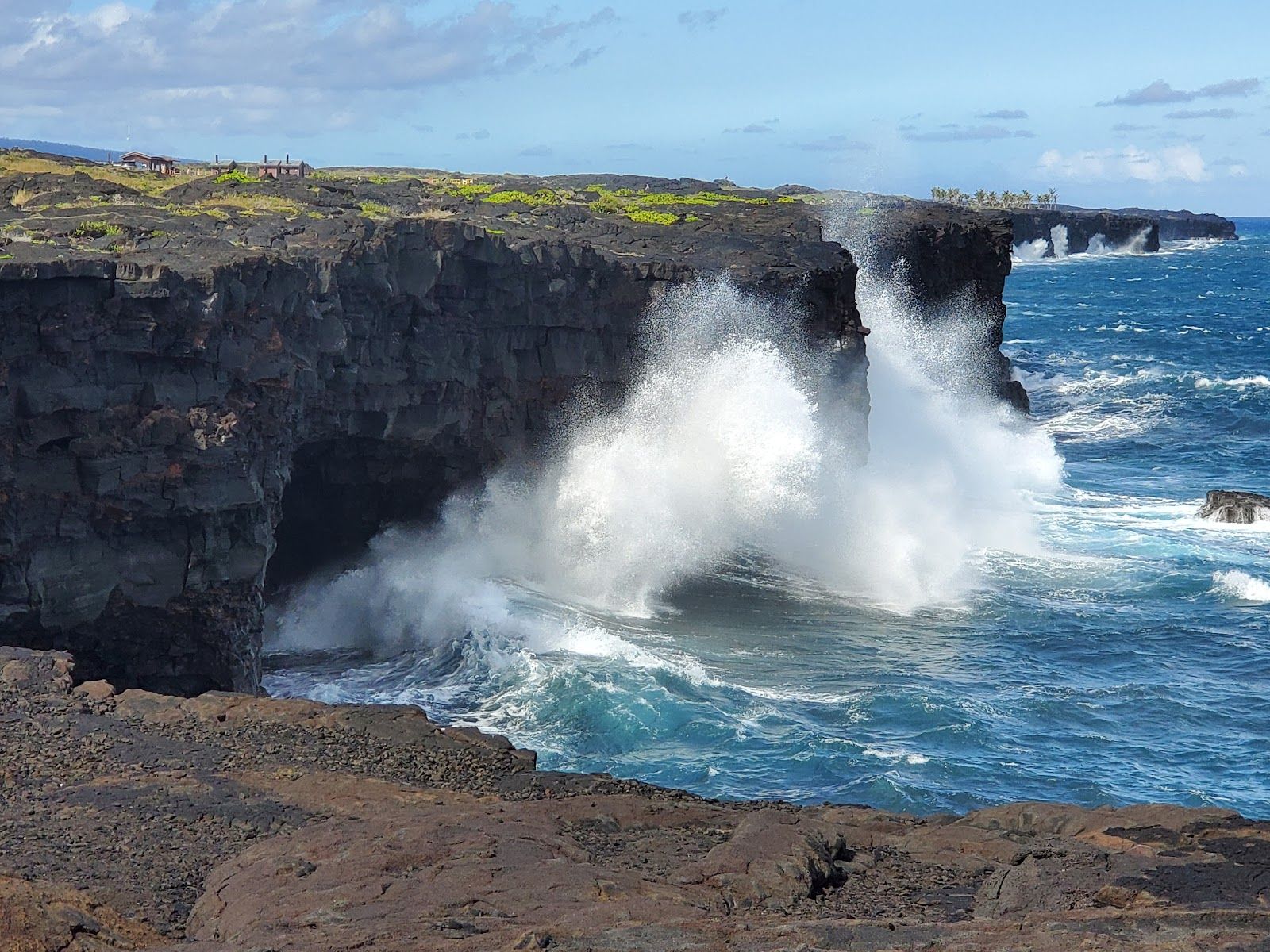
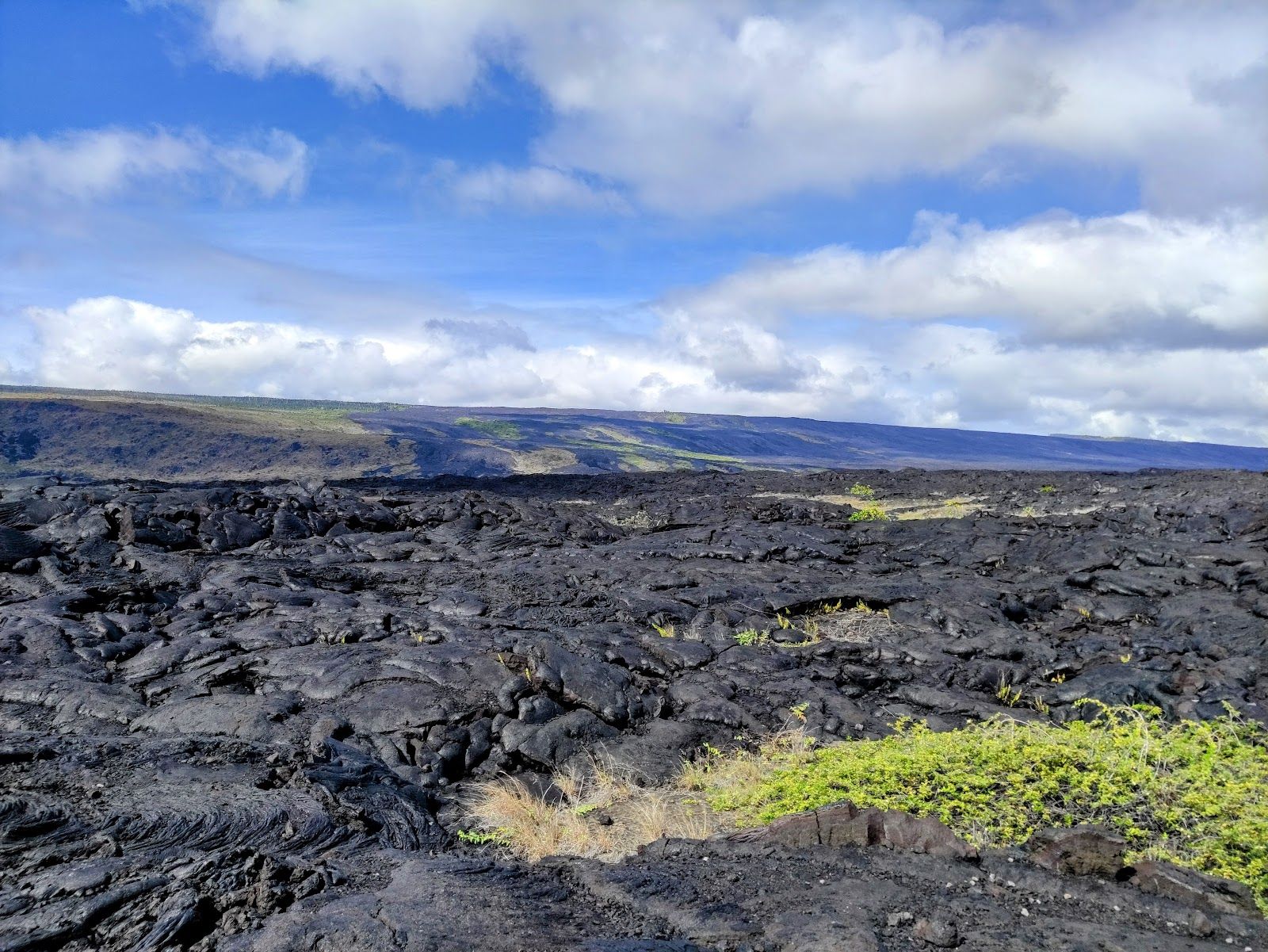
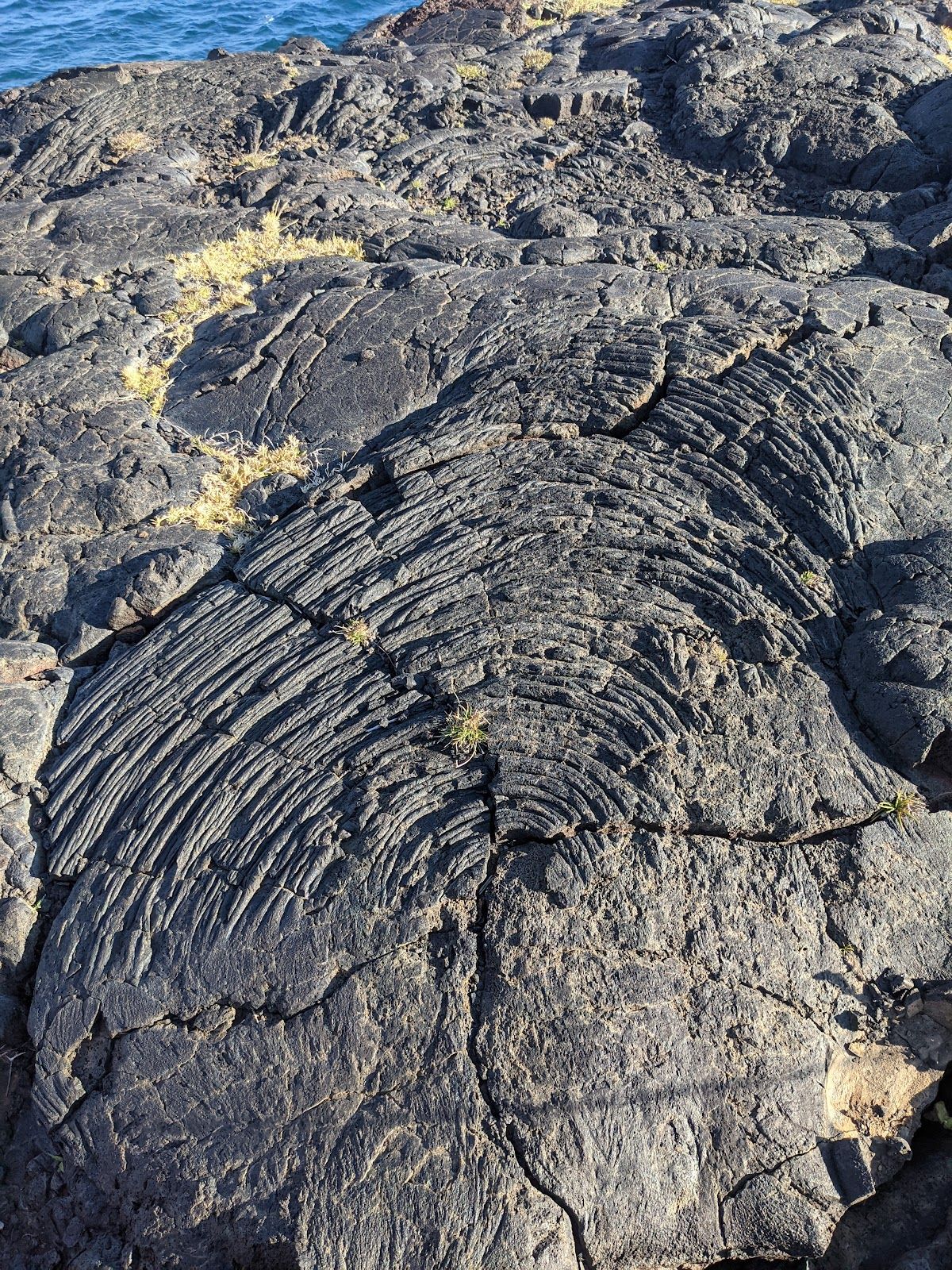
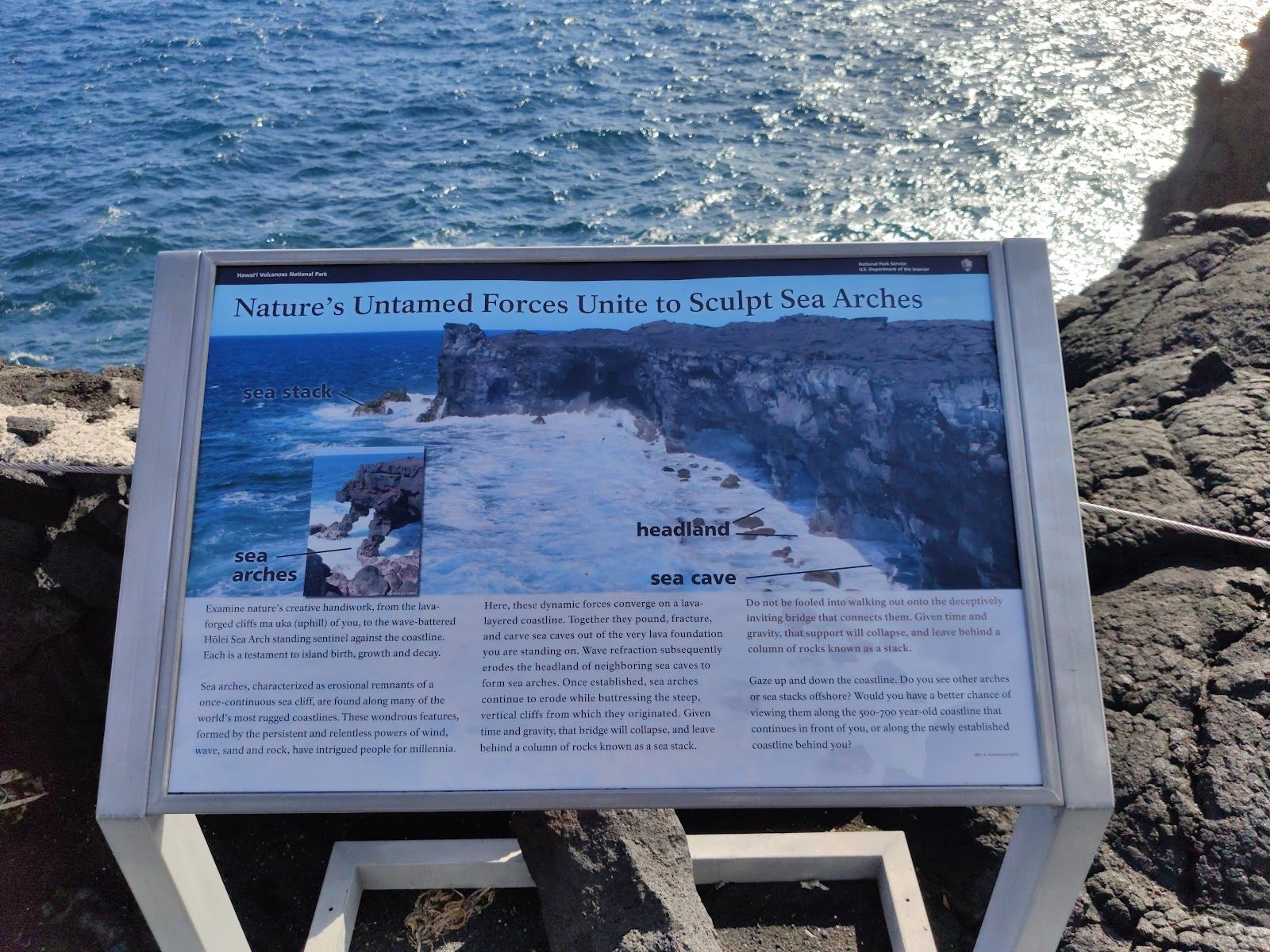
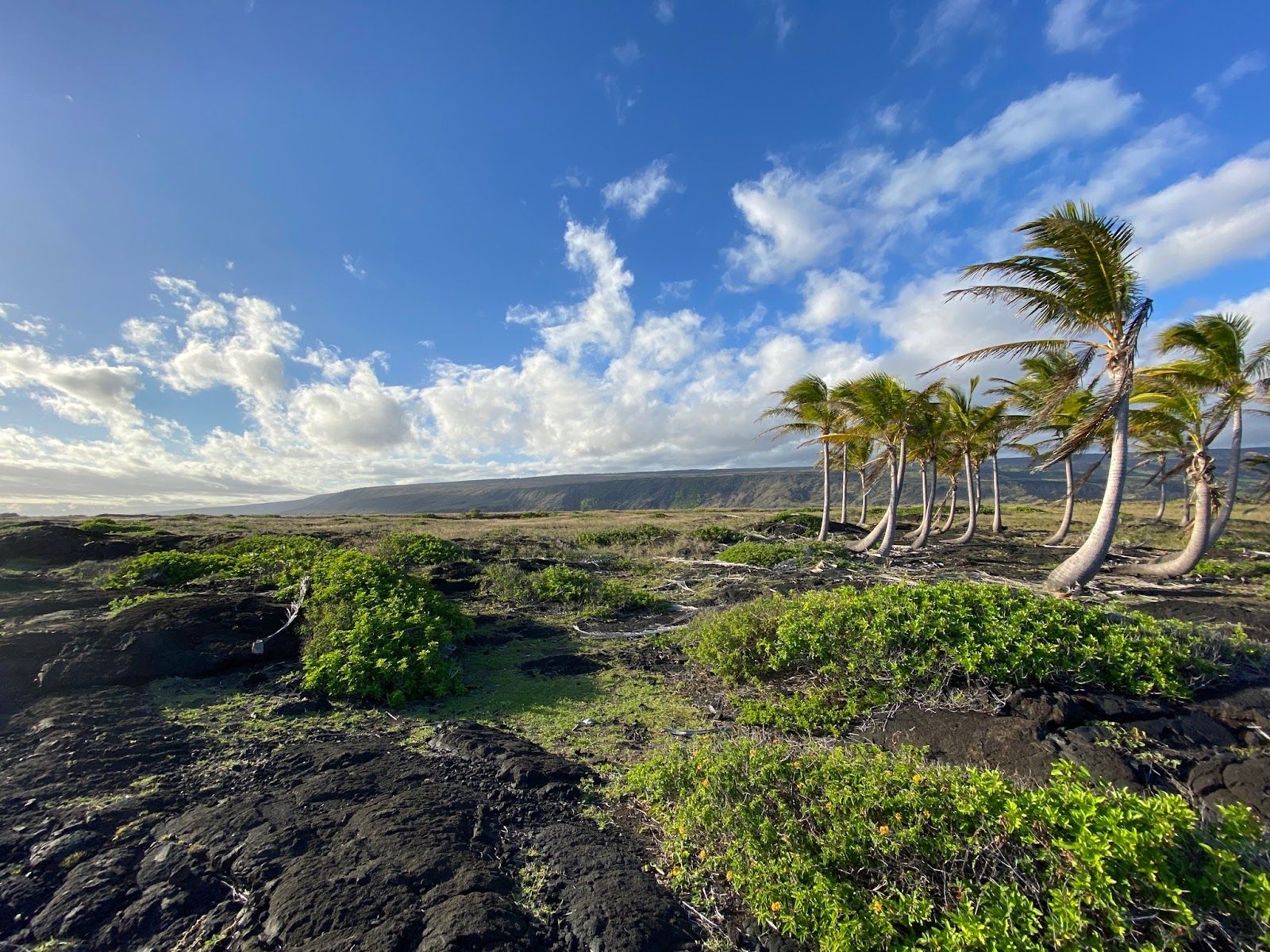
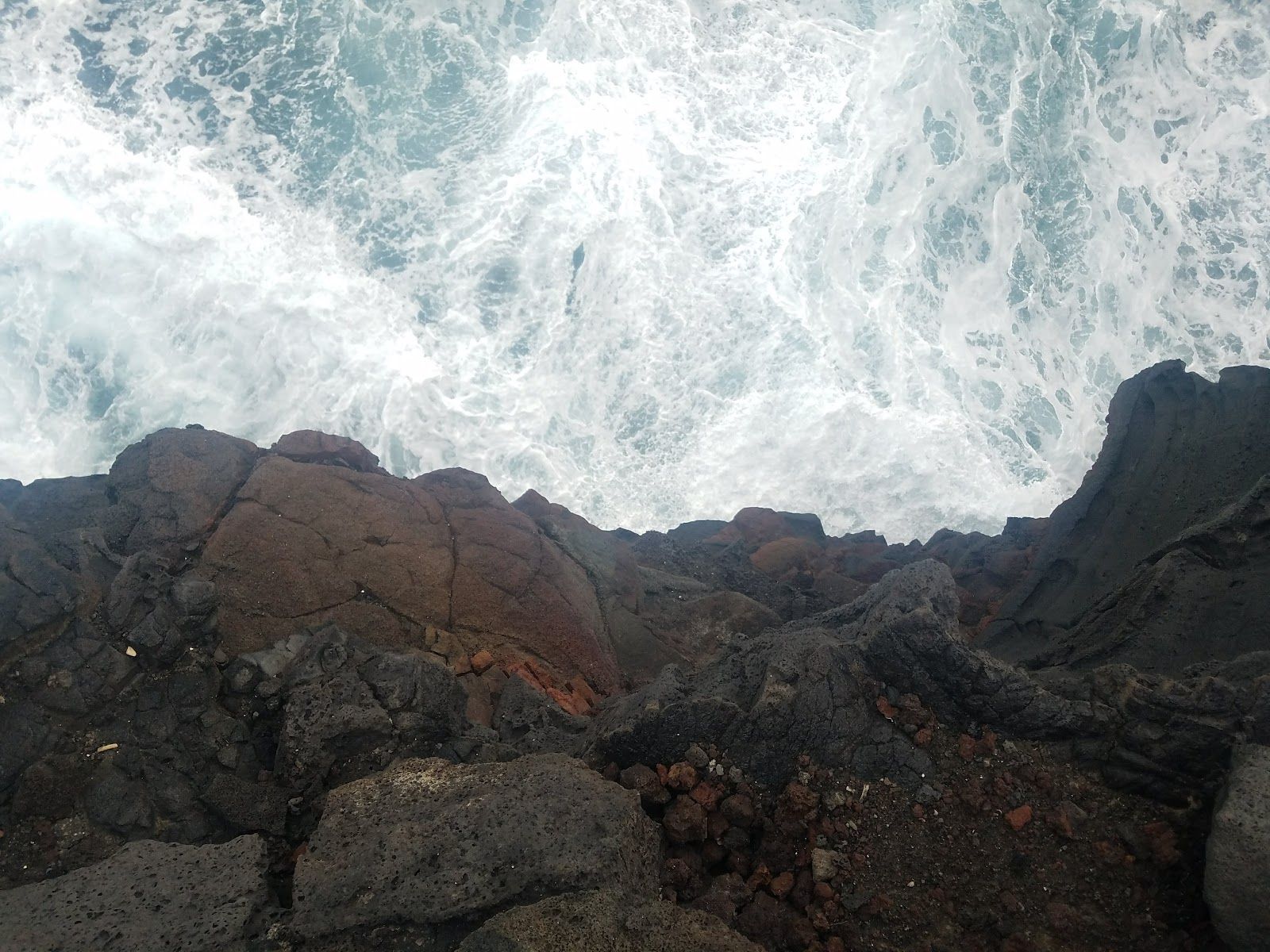
The arch itself rises roughly 90 feet above the water, cut out of old lava flows by surf over centuries. That contrast is the whole draw: stark black stone, open sky, and the Pacific stretching out beyond a rugged cliffline. The setting feels elemental rather than polished. Interpretive signs often help explain the formation and the broader volcanic landscape, which adds context for travelers who want more than a photo stop.
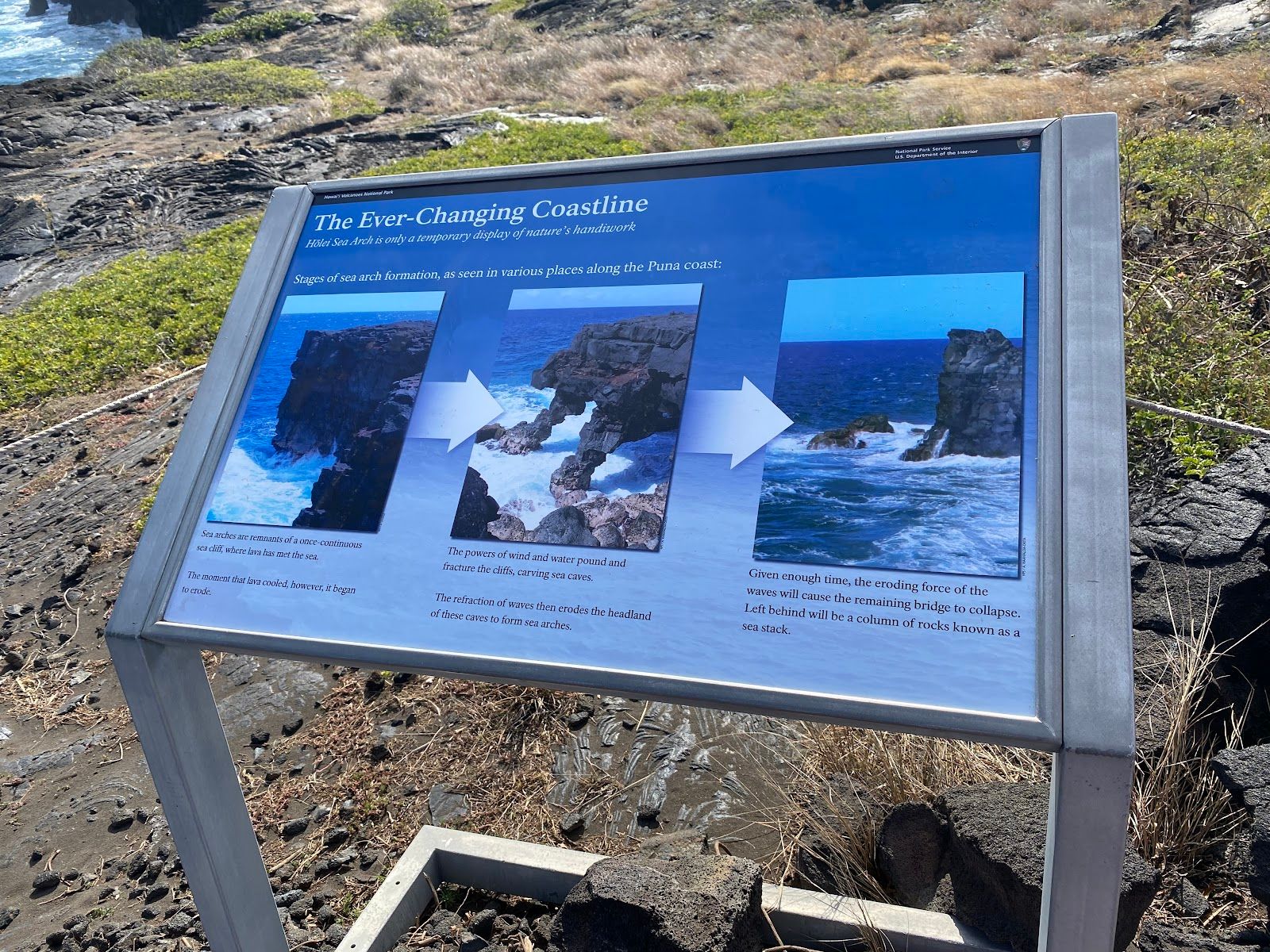
The arch is temporary by nature. Erosion is constant, the cliffs are unstable, and the feature could eventually collapse into the sea. That impermanence is part of why it stands out. It is a place to see a landform that is actively disappearing, not a static monument.
Getting there via Chain of Craters Road
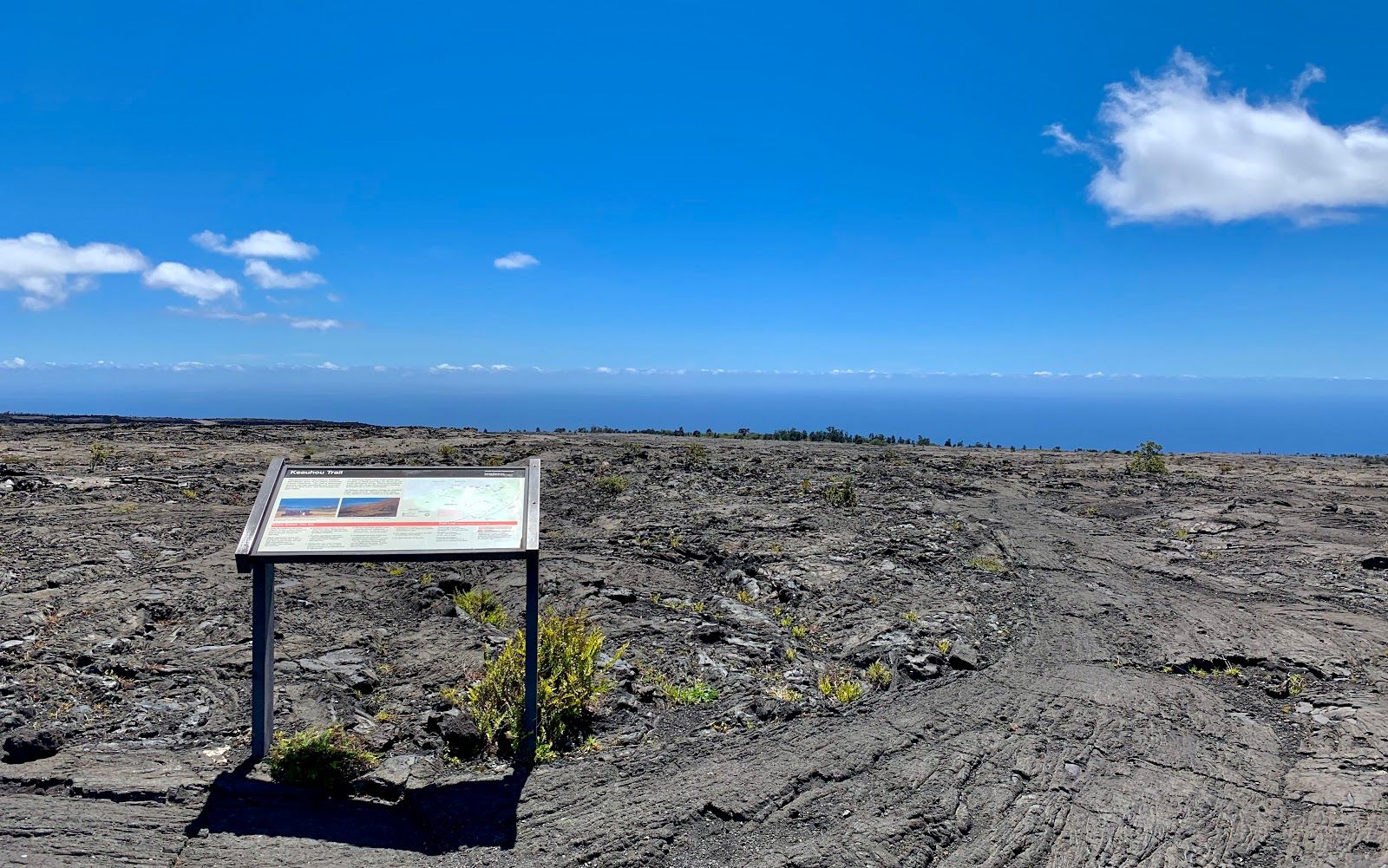
Access is through Hawaiʻi Volcanoes National Park, and the arch sits at the end of Chain of Craters Road. That drive is part of the appeal: it threads through a long volcanic landscape before ending at the coast. Set aside real time for the journey, not just the viewpoint, because the road itself is the itinerary block.
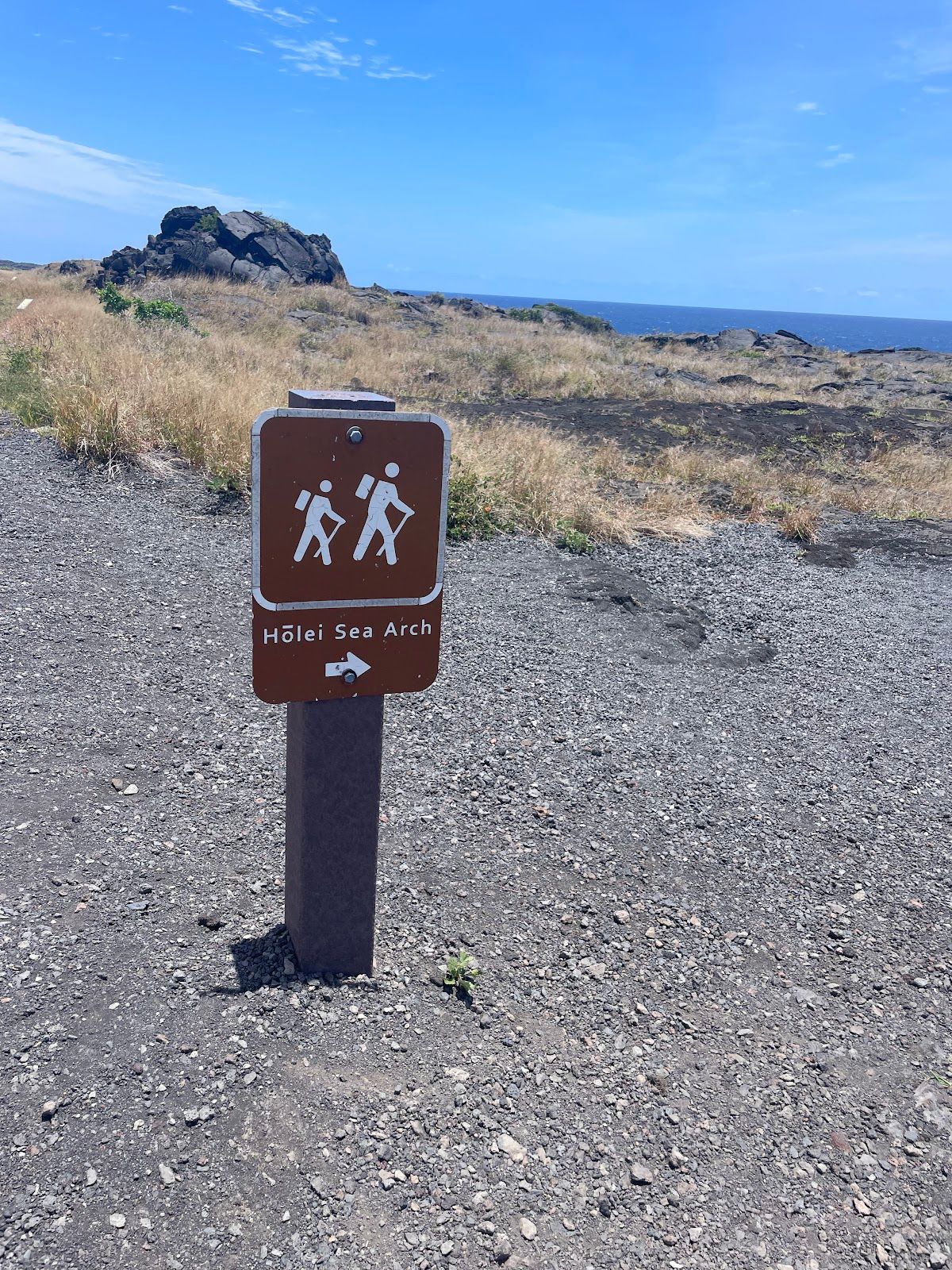
At the turnaround area there is parking and restrooms, then a short walk to the viewing area. The path is not a long hike, but it does cross uneven lava rock and exposed terrain. Sturdy shoes make more sense than sandals, and the lack of shade means sun protection is important even for a brief stop. A park entrance fee is required for Hawaiʻi Volcanoes National Park access.
Best time to stop, and what to plan around
Morning usually offers the most forgiving light for the coastline, while sunrise and sunset can give the black lava and blue water especially strong contrast. That said, this is not a place where a traveler needs to chase a perfect window. The real value is in pairing it with other stops in the park or along Chain of Craters Road, such as craters, lava tubes, and other scenic pullouts.
It fits best as part of a half-day or full-day Volcano itinerary. Travelers with limited time on the Big Island may find the drive a little long for a single viewpoint, especially if they are not already planning to spend time in the park.
Who it suits
Hōlei Sea Arch is ideal for travelers who like geology, coastal drama, and straightforward scenic stops with a strong sense of place. It is also a smart stop for photographers, especially those interested in bold landscape contrast.
Travelers with mobility limitations may want to think carefully about the final uneven approach, and anyone expecting a beach-style stop or a close-up ocean experience should look elsewhere. This is a viewing destination, not a lingering shoreline walk.