
What it is
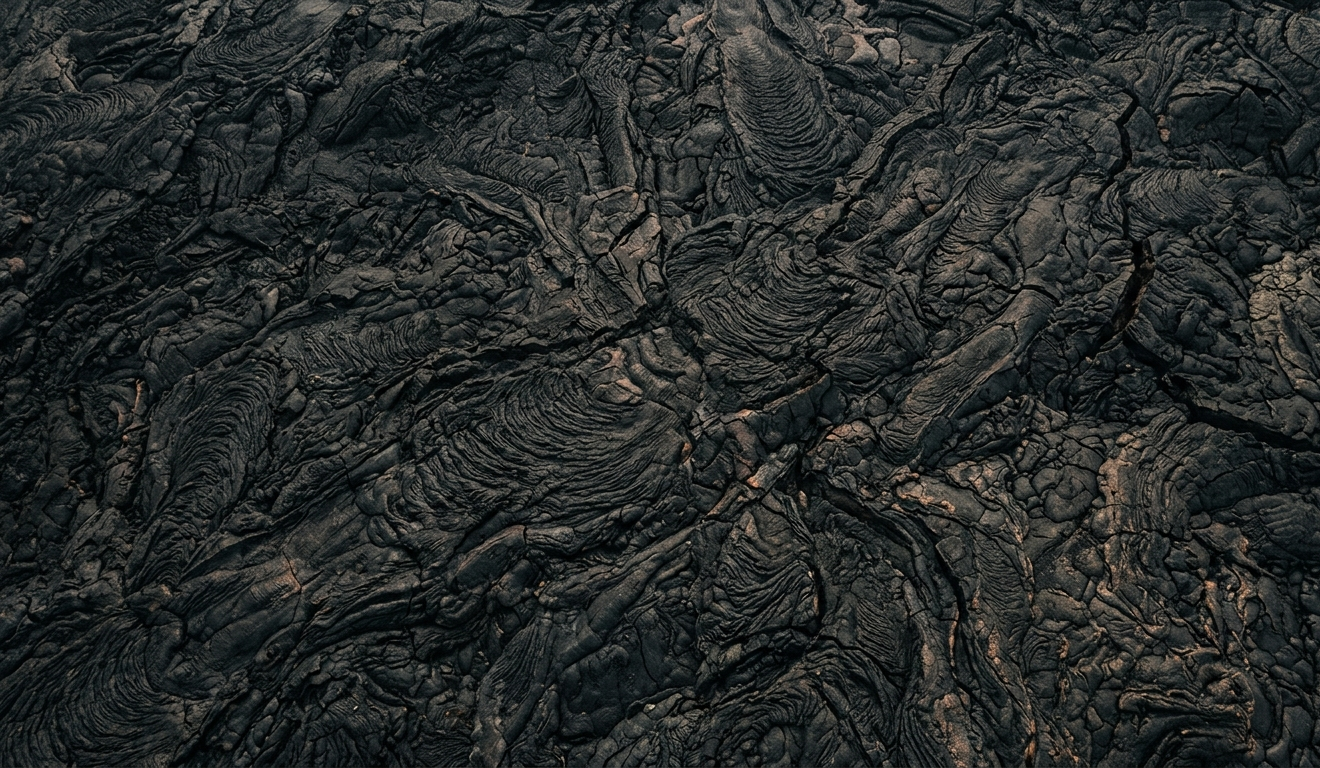
The Hōlei Sea Arch is a striking natural basalt arch, approximately 90 feet (27.4 meters) tall, located within Hawaiʻi Volcanoes National Park on the Big Island. This geological formation was carved by the relentless force of Pacific Ocean waves eroding ancient lava flows that reached the coast approximately 550 to 600 years ago. It is a dynamic and temporary feature, constantly being shaped by erosion, and park officials note that it could eventually crumble into the sea.
Visitor experience
Visitors come to the Hōlei Sea Arch to witness its dramatic natural beauty and the powerful interaction between volcanic land and ocean. It offers breathtaking views of the rugged coastline and the Pacific Ocean, making it a popular spot for photography, especially during sunrise or sunset when the contrast between the black volcanic rock and blue ocean is particularly striking. Interpretive signs often provide educational information about its formation and the park's geological history. The sea arch is easily accessible via a short, mostly flat walk from a designated parking area. A visit to the Hōlei Sea Arch is often combined with other explorations along Chain of Craters Road and other attractions within Hawaiʻi Volcanoes National Park, such as lava tubes and volcanic craters, making it part of a broader volcanic landscape adventure.
Logistics
- Area and Access: Hōlei Sea Arch is situated at the very end of Chain of Craters Road, a scenic 22-mile drive that begins near the Kīlauea Visitor Center within Hawaiʻi Volcanoes National Park. To reach the arch, travelers must enter Hawaiʻi Volcanoes National Park.
- Reservations and Permits: No specific reservations or permits are needed to visit the arch itself. However, an entrance fee to Hawaiʻi Volcanoes National Park is required, which grants access to the entire park for seven days.
- Timing and Duration: The drive along Chain of Craters Road from the Kīlauea Visitor Center to the arch can take approximately 45 minutes one way. Once at the end of the road, the walk to the sea arch viewpoint is short, about 0.1 to 0.25 miles (100 to 1,000 feet) past the gate and restrooms. While the viewing stop at the arch itself might only take 20-30 minutes, the overall journey including the scenic drive means this is best incorporated as part of a half-day or full-day exploration of Hawaiʻi Volcanoes National Park. Mornings are recommended for optimal viewing and photography due to the sun's position.
- Parking: A designated parking area and restrooms are available at the turnaround point at the end of Chain of Craters Road.
- Accessibility: The initial part of the walk from the parking area is along an abandoned paved road. However, the path immediately preceding the observation area often involves walking over rough, uneven lava rock, which may not be suitable for all types of wheels.
Safety and cautions
- Cliff Instability: The coastal cliffs around Hōlei Sea Arch are steep and can be unstable, with new cracks and instability observed over time. Visitors are advised to stay within designated viewing areas, obey all posted signs, and remain well back from the cliff edges to avoid hazards.
- Arch Collapse Risk: The Hōlei Sea Arch is a temporary feature that is continuously eroding and has been considered unstable for years. Park officials have warned that it could collapse into the ocean at any time without warning. Walking atop the arch is strictly forbidden.
- Ocean Conditions: Hawaii's southern coast is known for rough and unpredictable surf, with powerful waves that constantly batter the coastline.
- Lava Terrain: The surrounding area consists of lava flow fields, which can present hazards such as deep earth cracks, uneven and unstable ground, and sharp lava rock. Sturdy footwear is recommended.
- Lack of Shade: There is very little to no shade in the area surrounding the Hōlei Sea Arch, especially along the last stretch of Chain of Craters Road. Sun protection, including hats, sunglasses, and sunscreen, is essential.
- Pets: Pets are generally not allowed on the trail to the Hōlei Sea Arch.
Editorial take
The Hōlei Sea Arch is a must-see for travelers already planning an extensive visit to Hawaiʻi Volcanoes National Park, particularly those with an interest in geology, dramatic coastal landscapes, and photography. It offers a powerful visual testament to the Big Island's ongoing volcanic and erosional processes, and its temporary nature adds to its appeal as a "see it while you can" attraction.
Travelers with very limited time on the Big Island or those not intending to explore Hawaiʻi Volcanoes National Park deeply might consider skipping the arch due to the significant driving time required to reach the end of Chain of Craters Road. Individuals with severe mobility limitations that prevent walking over uneven lava rock may also find the final approach to the viewpoint challenging.
Do not confuse Hōlei Sea Arch with other specific features of Hawaiʻi Volcanoes National Park like the Kīlauea summit caldera, steam vents, or lava tubes; it is a distinct coastal landmark, though it pairs well with a day exploring the entire Chain of Craters Road.
Source notes
- Hawai'i Volcanoes National Park - Hōlei Sea Arch: https://www.nps.gov/places/holei-sea-arch.htm
- Holei Sea Arch - Hawaii Travel Guide: https://vertexaisearch.cloud.google.com/grounding-api-redirect/AUZIYQHGkumXSt6rQNMnKwf_lvZ5r0QWPeEoeDWpzf0Ch2VxryXwC5aVyDjgJtCpAlS66ujFucXBmspQonmyN7C38vh0G3w9G7GZ7Dau4JC8D3ICwsRKJd1rUeBZNxfvZohFS1hA_5VnX0VdODgtCV3uXzLX30TukZBtCA==
- Holei Sea Arch | Hawaii Volcanoes - Utah's Adventure Family: https://vertexaisearch.cloud.google.com/grounding-api-redirect/AUZIYQG8C6pUEvTDPZZwNUeC28mUWTp6vj5CEsD4JsDclkqKGevSAgsmaOCh5pTsSahfDgx0ViGeLpT1Eve4Hfx3025Obsb-aVIRmNcitBGcabOlB5nqDqWrQpaZRklVNkrEeTu1v4WxmT4ZWRg-uaVKDgAtOpj_F8BiZ9Fp04EwH9Uy4A==
- Hōlei Sea Arch in Hawai'i Volcanoes National Park - hikespeak: https://vertexaisearch.cloud.google.com/grounding-api-redirect/AUZIYQEUmLcGmpqQZoPZP2soTnUTAQ2-XN8yamUbpgElRbUg8PLuts9L_LkxftxxfX-GvVSoWa72GlZAAwGIespnHb0ipUwCuuhZ9k_3qsgRlwPWI0GSI3bDFiO2FyaZ4idBlEiSbWXzhPs8wqwSH9nCIRVAMX9ODY9QBXC2EfE1aIE5
- Hōlei Sea Arch Viewing Area At Hawai'i Volcanoes National Park - Inspired Imperfection: https://vertexaisearch.cloud.google.com/grounding-api-redirect/AUZIYQF__kFMGJk_tfWdk23Y-F-3DhgBIHkUIquQFPocfhN1yFjFAk3udVe80k-EyNp_jz5FAhtGTZF7SW3utK55Pvy7V5RNWokSfMsLKRLBTOyNoe5POrvXJo3nfLzb_NVwNE3ghEzsEcO_AW6q2OdxIZVzp6xlsss5
- Hōlei Sea Arch Closed for Safety - National Park Service (Archived, but provides historical context on closures): https://vertexaisearch.cloud.google.com/grounding-api-redirect/AUZIYQFr_CAWN1igbMI0yKViCz5fX4Lf3x3SLJK2eh6C-7OqeW7XdErX1JObyAsidntTamkmDvzOij8b7i4b4PbUKhJmiVGDxxiIwipJU9ZPIGZ-aaes1F3admROvSSnWleA3-SEsPQ6PHvsYHojlXIEg7WCKv-w4SC17vmx_bauoeeJxQ-Szw==
- Iconic Hawaii sea arch in danger of collapse, park says | Sacramento Bee: https://vertexaisearch.cloud.google.com/grounding-api-redirect/AUZIYQHJNFOiTFDKSw_ov7Lr8I5sjK_BF3gnwwfqjTw2Q9TUnNvge3P2x7a66Tj9oWwjceCAuPA6BLv5eXQyuhq86d1je14_p04Hlg4EOSWVo5DPlmedzGfJay74PtIhJ1TgvevcStrfV2GH-mJZEDX98eIlxP4NbQSFSpEX3oF70ns-nkxj