
Kaūmana Caves Surface Opening
Explore Kaūmana Caves, a raw and unlit lava tube system formed by a Mauna Loa flow, offering a self-guided adventure into the Big Island's volcanic past.
- Self-guided lava tube exploration
- No entry fee or reservations required
- See unique lava formations
- Experience unlit, natural cave environment
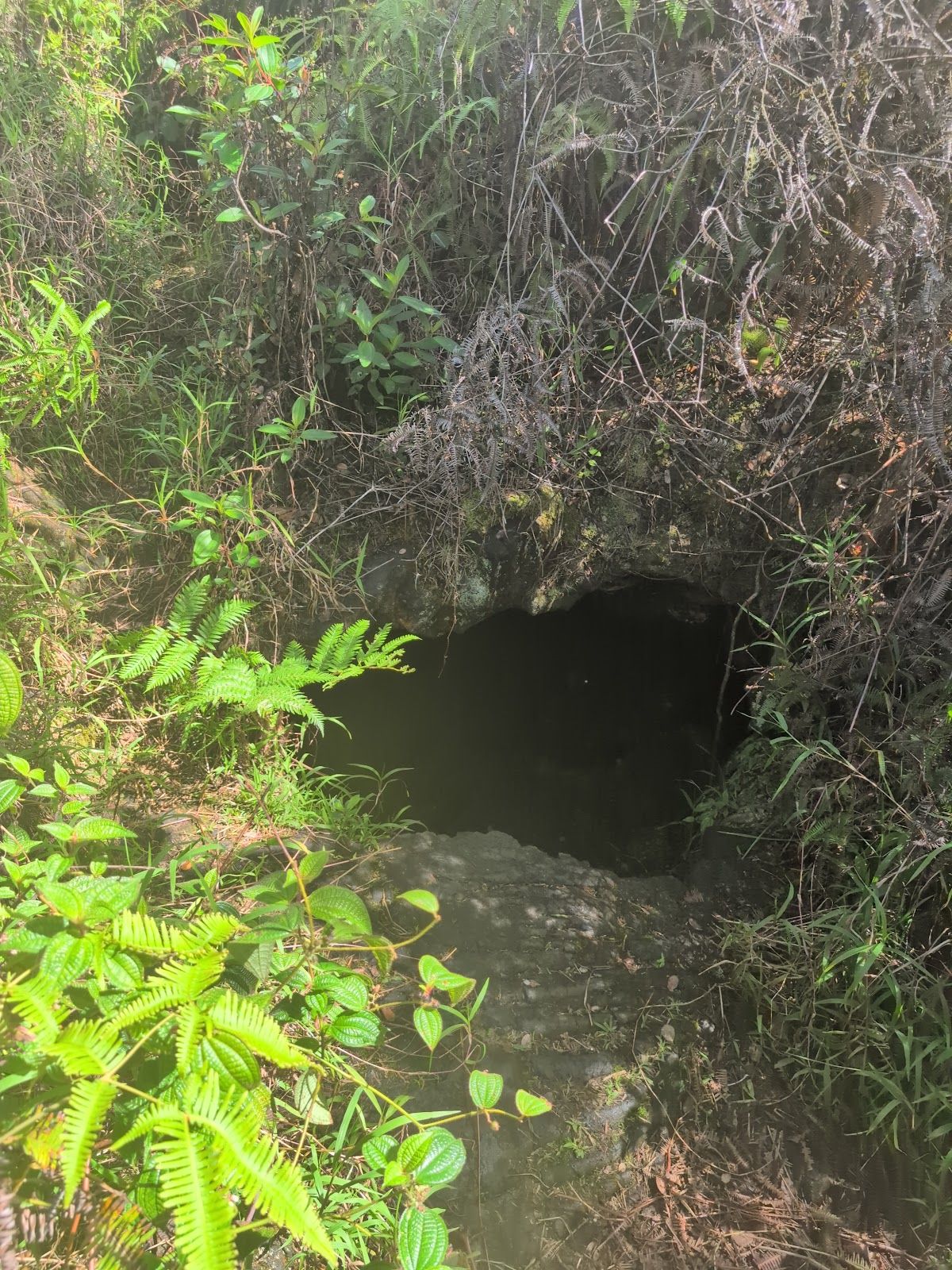
Kaūmana Caves Surface Opening is a compact but memorable Big Island stop just outside Hilo, and it stands apart from the island’s more polished cave experiences. This is a self-guided lava tube exploration anchored by a collapsed skylight, where a steep staircase drops into a lush opening before the cave splits into two darker branches. For travelers based in Hilo or building a loose east-side day, it works well as a short, free adventure that adds a very different texture to the itinerary: raw volcanic geology rather than a curated attraction.
A lava tube that keeps its edges
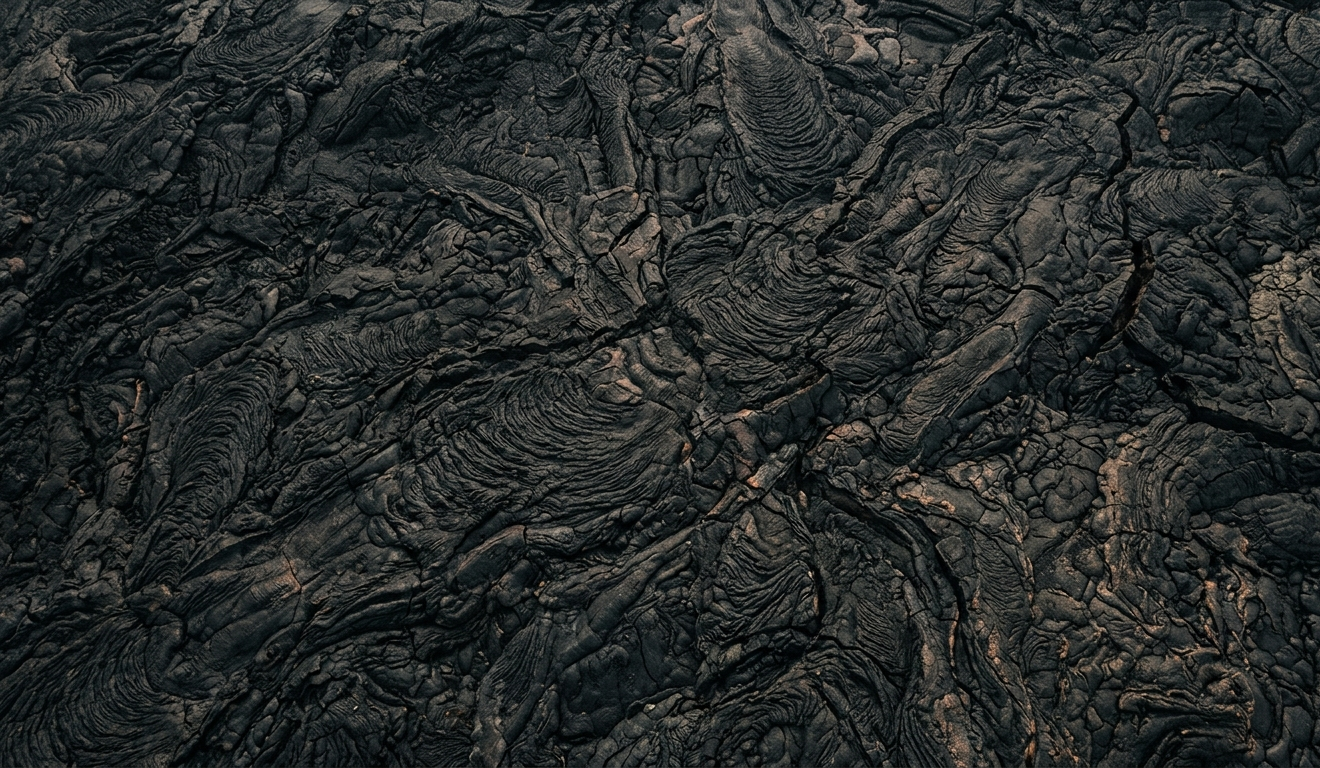
The appeal here is the contrast. Outside, the entrance is wrapped in tropical greenery and feels almost hidden. Inside, the mood changes quickly. The tube is unlit, uneven, and unmistakably natural, with lava formations that reward slow looking rather than speed. The right branch is generally the easier of the two and tends to run farther; the left branch is rougher and more demanding.
That makes Kaūmana Caves Surface Opening a good fit for travelers who want something hands-on and a little adventurous without committing to a full-day hike. The public portion is only part of a much longer lava tube system, but the accessible section is enough to give a strong sense of how these volcanic corridors formed and how quickly the environment turns from open daylight to absolute darkness.
How it fits into a Hilo day
This is best treated as a short itinerary block rather than a destination that fills an entire morning. Its location a few miles west of downtown Hilo makes it easy to pair with other east-side stops, especially if the day already includes waterfalls, gardens, or scenic driving around town. The cave itself usually takes about 30 minutes to an hour for the accessible sections, longer if the group moves carefully or explores both branches more thoroughly.
Because the site is close to Hilo, it also works well when weather is mixed or plans need a flexible indoor-outdoor option. Early morning or late afternoon is a smart window if you want a quieter visit and a more comfortable climb in and out of the entrance. Weekends are typically busier than weekdays, though the experience still feels low-key compared with many Big Island attractions.
Gear and caution matter here
Kaūmana Caves Surface Opening is free and does not require reservations, but that simplicity should not be mistaken for safety infrastructure. This is an undeveloped cave environment. The ground can be uneven, rocky, and slick, and the interior gets dark very quickly. Sturdy closed-toe shoes are essential, and a headlamp or flashlight is not optional. Bringing a second light source is a sensible precaution.
The cave also has low ceilings in places, sharp rock outcroppings, and a layout that can be disorienting once you are beyond the entrance glow. Staying in the public, commonly traveled sections is the prudent choice unless you are highly experienced and prepared. Heavy rain is another real concern; wet conditions can make the area more slippery and raise the risk of flooding.
There is also a land-management wrinkle to keep in mind. The visible entrance is public, but the lava tube extends beyond the accessible section and onto private property underground. Respect posted boundaries and do not assume that every dark tunnel is open to casual exploration.
Best for travelers who like their caves raw
This is a strong match for active travelers, older kids, and anyone who prefers a more rugged, self-guided experience over a lighted tour. It is especially appealing if the goal is to see a lava tube in a natural state and get a quick, memorable look at the volcanic forces that shaped the Big Island.
It is less suitable for visitors with limited mobility, young children who may struggle with the darkness and footing, or anyone expecting a developed attraction with handrails, lighting, or easy wayfinding throughout. For those travelers, a more maintained cave stop will be the better choice.