
What it is
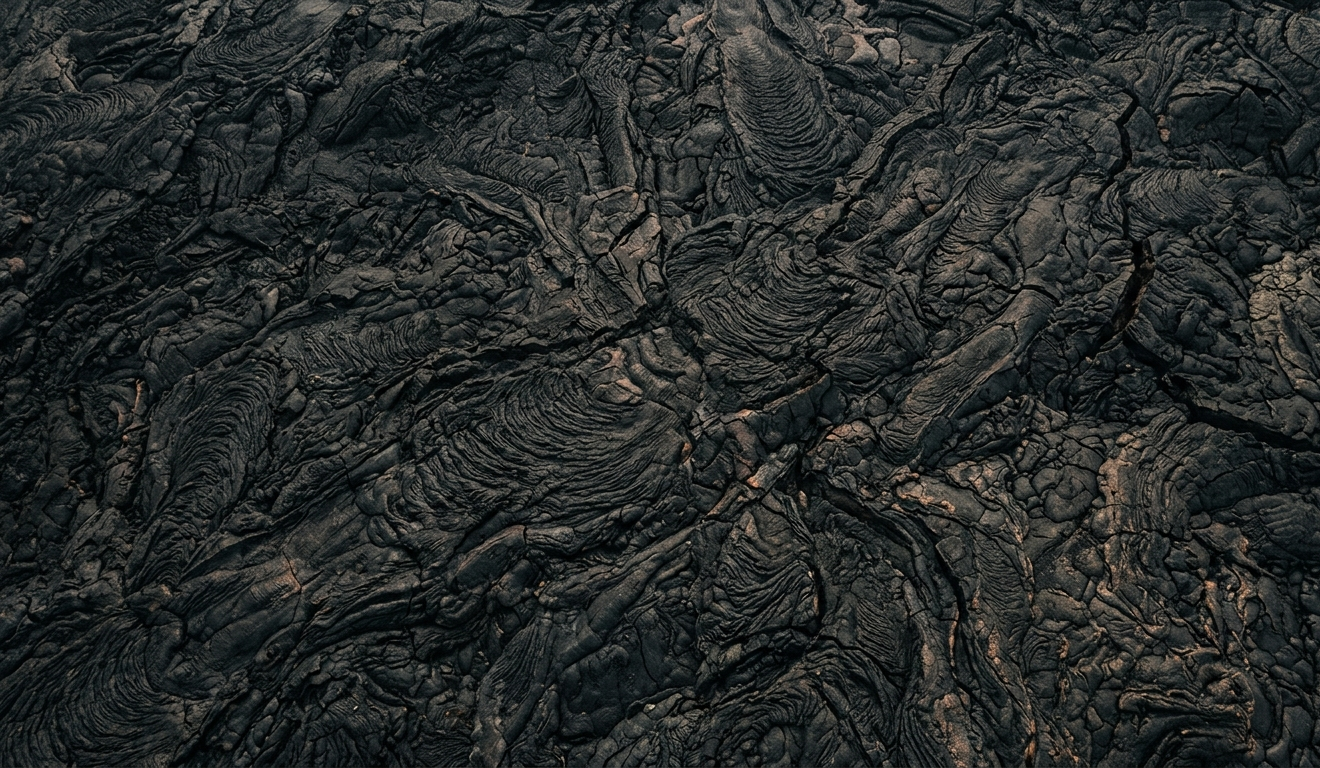
Kaūmana Caves is a natural lava tube system located just outside Hilo on the Big Island of Hawaii. It was formed by the 1881 lava flow from Mauna Loa, which nearly reached Hilo town. The entrance to the caves is a collapsed skylight, leading visitors down a steep concrete staircase into a lush, fern-draped opening. From this opening, the lava tube splits into two main sections: one to the left and one to the right, allowing for self-guided exploration. It is part of a much longer lava tube system, estimated to be about 25 miles long, although only a portion is accessible to the public.
Visitor experience
Visitors to Kaūmana Caves can explore a raw, unlit lava tube at their own pace. The initial descent into the collapsed skylight area is surrounded by lush tropical vegetation. Once inside, the cave quickly becomes dark, revealing unique lava formations, including stalactites and stalagmites. The right tunnel is generally considered easier to navigate and extends further, while the left tunnel is more rugged and challenging. The experience offers a glimpse into Hawaii's volcanic past and the geological forces that shaped the island. It's a self-guided adventure, contrasting with more developed, lighted cave systems. Most visitors spend between 30 minutes to an hour exploring the accessible sections, though more adventurous individuals with proper gear can venture deeper.
Logistics
Area: Kaūmana Caves is located about 3-4 miles west of downtown Hilo, near the 4-mile marker on Kaumana Drive (Highway 200).
Access: The entrance is marked with a railing and a steep concrete staircase descends into the cave opening. The parking area is located across the street from the cave entrance.
Reservations: No reservations are required. Entry is free.
Timing: Kaūmana Caves can be visited year-round. Early morning or late afternoon are recommended to avoid crowds and for more comfortable temperatures outside the cave. Weekdays are typically less busy than weekends. The cave has no formal hours but is generally accessible during daylight.
Parking: A small, free parking lot is available across Kaumana Drive (Highway 200) from the cave entrance. Be cautious when crossing the road, as it's a blind curve with fast-moving traffic. If the lot is full, parking along the shoulder with caution is an option.
Permits: No permits are required for exploring the publicly accessible areas of the caves. However, deeper sections of the lava tube extend onto private property, and official permission from landowners and a signed risk waiver are required for exploration beyond the public areas.
Likely Duration: Most visitors spend about 30 minutes to 1 hour exploring the readily accessible sections. Those seeking a more extensive exploration may spend 1.5 to 2 hours.
Activity Type: This is best categorized as a quick stop or a half-day activity, especially when combined with other Hilo attractions.
Safety and cautions
Cave Exploration Risks: Kaūmana Caves is an undeveloped cave system with no guided tours or artificial lighting beyond the entrance. Visitors explore at their own risk. A warning sign at the entrance highlights the inherent dangers of cave exploration, including unseen risks, seismic activity, and potential for flooding.
Terrain: The cave floor is uneven, rocky, and often slippery due to moisture and algae. Sturdy, closed-toe shoes with good traction (e.g., hiking boots or trail runners) are essential; sandals or flip-flops are not recommended.
Darkness and Low Ceilings: The cave interior quickly becomes pitch black away from the entrance. Flashlights or headlamps are mandatory, and it's recommended to bring multiple light sources with fresh batteries. Visitors should be mindful of low ceilings and sharp rock outcroppings, which can vary greatly in height and require ducking or crawling.
Visibility and Getting Lost: It's easy to lose a sense of direction inside the unlit cave. Visitors should stick to well-traveled areas and avoid going too deep without extensive preparation and experience. It is highly recommended to explore with a buddy and inform someone of your plans.
Weather Conditions: Avoid visiting during heavy rain, as the area can become very slippery and prone to flooding. The cave itself is cool and damp.
Cultural/Land-Management: While the entrance is within Kaumana Caves State Park, sections of the lava tube extend under private property. Visitors are granted entry into the public area, but the boundaries of the park are not clearly marked underground. Respect private property and avoid venturing into areas where permission has not been granted. Do not disturb rocks, plants, or wildlife, and avoid touching delicate lava formations or bat habitats.
Editorial take
Kaūmana Caves is an excellent choice for adventurous and budget-conscious travelers interested in a self-guided exploration of a natural lava tube. It appeals to those who prefer a raw, untamed experience over a commercialized cave tour. Its proximity to Hilo makes it a convenient stop, easily combined with other nearby attractions like Rainbow Falls. It is particularly suitable for active individuals and families with older children who are comfortable with uneven terrain and dark conditions.
Travelers who should prioritize this activity are those looking for a unique, off-the-beaten-path adventure and who are well-prepared with proper gear (headlamps, sturdy shoes, long pants).
Those who should skip it include individuals with limited mobility, young children who may struggle with the slippery and uneven ground, or anyone uncomfortable with dark, confined, and unmaintained spaces. It is also not suitable for those expecting a fully developed, illuminated, or guided cave experience.
This activity should not be confused with commercial cave tours that offer guided paths, lighting, and safety infrastructure. While other lava tubes exist on the Big Island, Kaūmana Caves offers a distinct, more rugged, and free-access experience compared to places like Thurston Lava Tube (Nahuku) within Hawaiʻi Volcanoes National Park, which is well-lit and maintained.
Source notes
- Hawaii Travel Guide - Kaumana Caves
https://vertexaisearch.cloud.google.com/grounding-api-redirect/AUZIYQEMgSDs7yfNXW1o1ajyaMIcOe3hCqANFF-vgkUpZQtAUnOTYnoK7jhwF1G6s2AcE2NNJEYgWuMg0-U3sP2lGb1Em4E7mdRj0S-m2zyoDJD8tA8mLsetWktvay_n1qCJKl5TxNcFhOdU51d-2NJQmXP026Ew2BGg - Kaumana Caves State Park: Free, Family-Friendly Lava Tube in Hawaii
https://vertexaisearch.cloud.google.com/grounding-api-redirect/AUZIYQFJwxubuY2byICxE7fKzDyFtffwbfaj66XmRjTnd6wWVRw3ib2HqY2fPmywQIqokZRKzBgF4b7EjizFiFmwjNafL6OGlIAHbhpqBLFaInpHGVKk_mrv-DV7wdqXi5moDzwq4RiTnlYiUfbIeqFjQdrsiZtB84zTqIsZvFCIIjf-og== - Exploring Kaumana Caves: Lava Tube Adventure Near Hilo - Volcano Village Lodge
https://vertexaisearch.cloud.google.com/grounding-api-redirect/AUZIYQFit7OQm6NJxkxJKI4yS1t2btO-7xQSTOEbc38Mvt-hKhbKcS5ocD8HiM0n4aEy7M9joL8tLbIlCo2yvV5N-LSQmgE8UX4BUQ_ZSv4hrlSBNbN12wCb4l25XOB9G41FOtnP4-CBafYWZJM= - Kaumana Caves Hilo's Hidden Lava Tube | Big Island Adventure - Arnott's Lodge
https://vertexaisearch.cloud.google.com/grounding-api-redirect/AUZIYQGd4V8HBnrOkwVbySXQ8WwxE3mIVpScb1gVpAVazFt0VG05al46iOjZk-4uS5_j9vxH5EJwfhgc6mX7Swsbj183qxRJ6D9IvXutThi1p0dUgfVPfrdEmswHaIgxGtBpG8fCr1WHGpWKiJFmC4rAi6zw3sGLBBqU3g== - Exploring Kaumana Caves - What You Need to Know - The Froggy Adventures
https://vertexaisearch.cloud.google.com/grounding-api-redirect/AUZIYQGM86OEzbP57cfhB6l7Ktem-RKlECbnXJmJ8xPaT5NVfCKdxE5V21bY-2YjggQenKR25D3X9hNVGcYCPf86O7LEBZBMWJ6s5SN9B-LrtLAWVrIEEIL7bgbltc87AWSU_7-322mqgFYupXE= - Caves of Hilo: Your Essential Guide to Kaumana Caves and Lava Tubes - Hilo, Hawaii
https://vertexaisearch.cloud.google.com/grounding-api-redirect/AUZIYQHn82YkU21FtENdhG_V9sKbMj6CCt3toojbYNRFVAiHY5VAApEkvQoxqBKGoEHxRt4Xd5mGRWBYgxW6PBpPDxDL1TUPVh38XOBETmIoKtpaQwxCWanq19RLXfA8