
Kīlauea Iki Trailhead
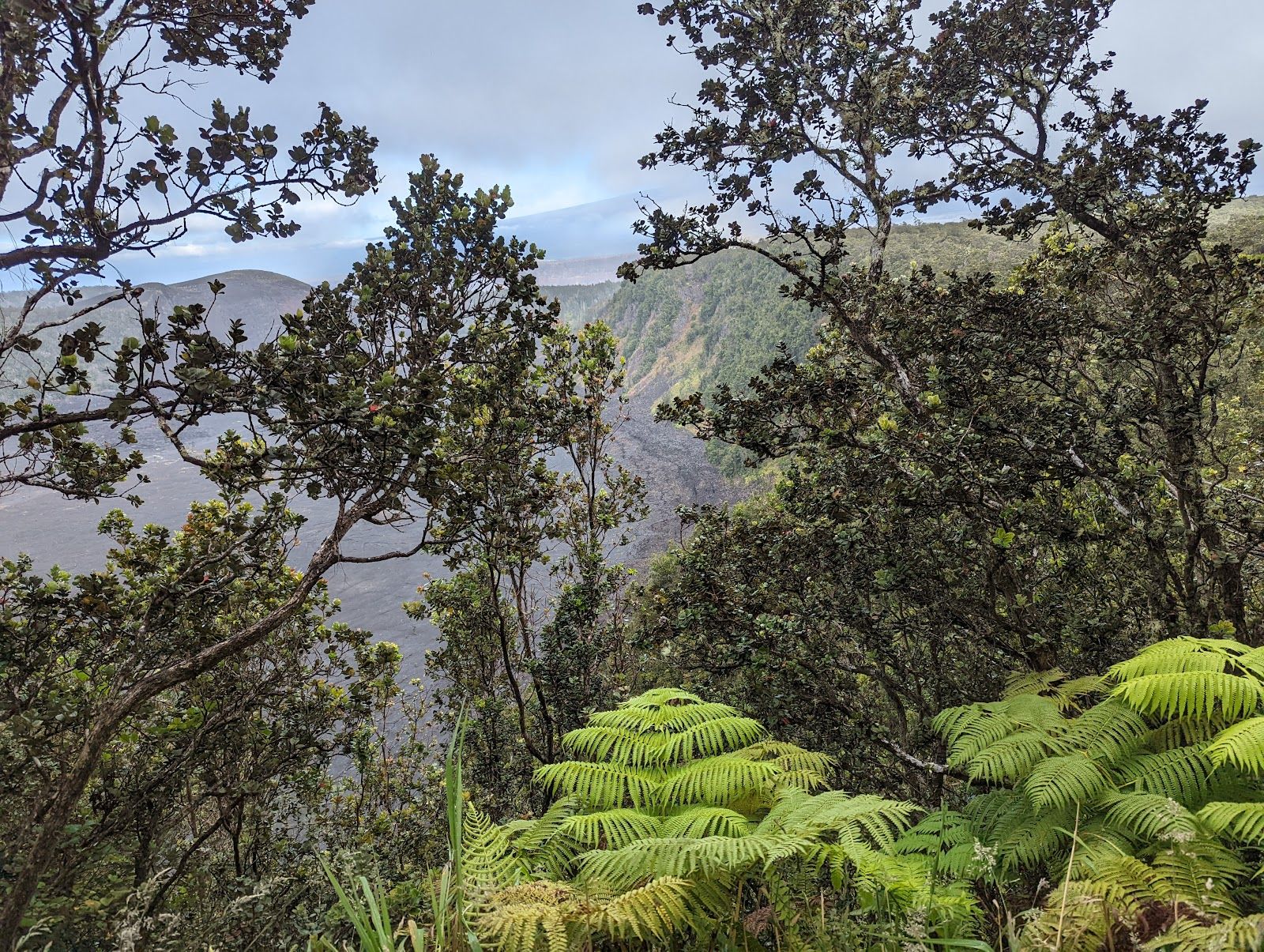
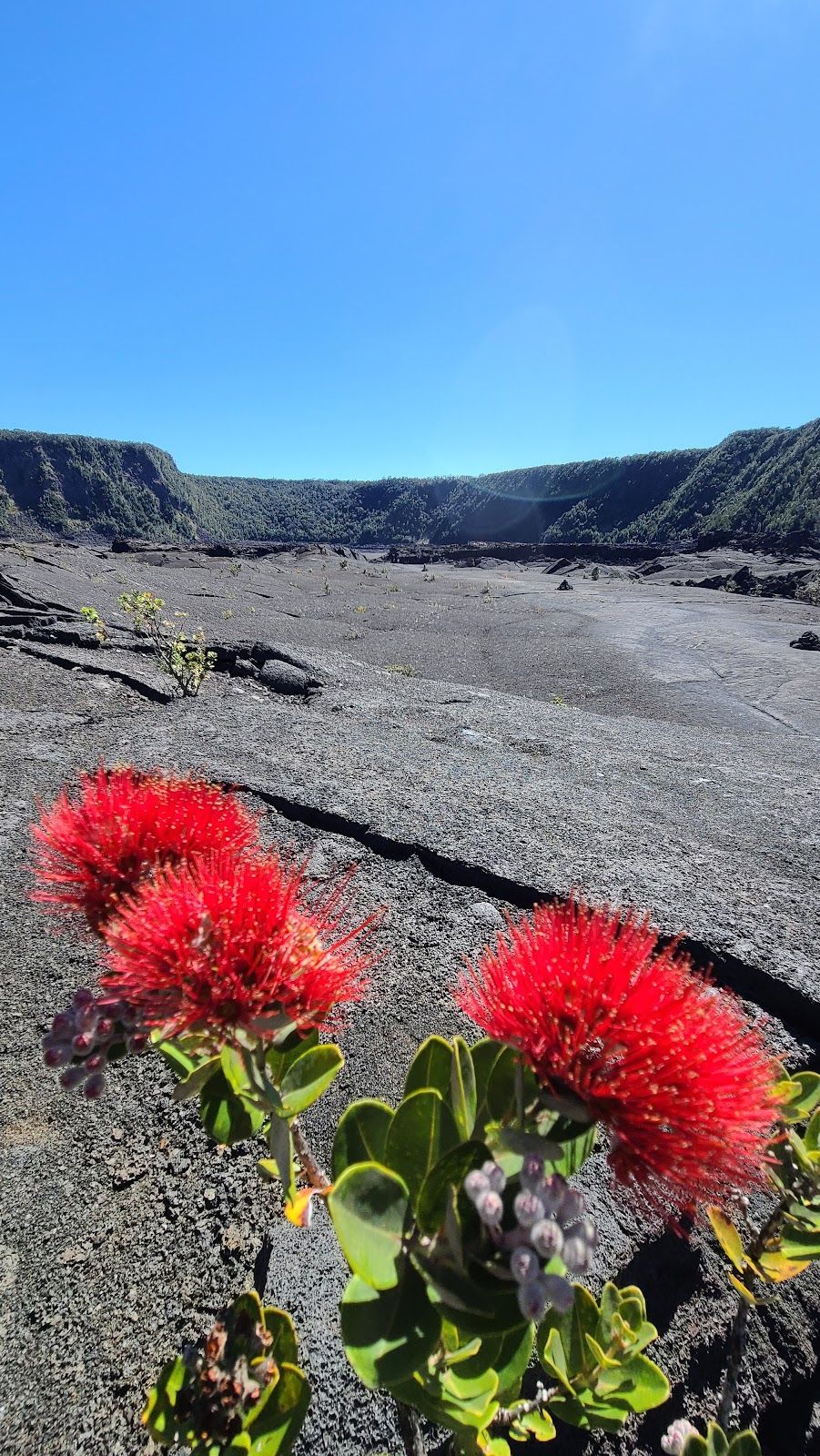
Descend into the dramatic Kīlauea Iki crater on this iconic Big Island hike, traversing a lush rainforest before stepping onto the otherworldly, solidified lava lake of a 1959 eruption.
- Located in Hawaiʻi Volcanoes National Park
- Hike through lush rainforest and across a lava lake
- Panoramic crater views and volcanic features
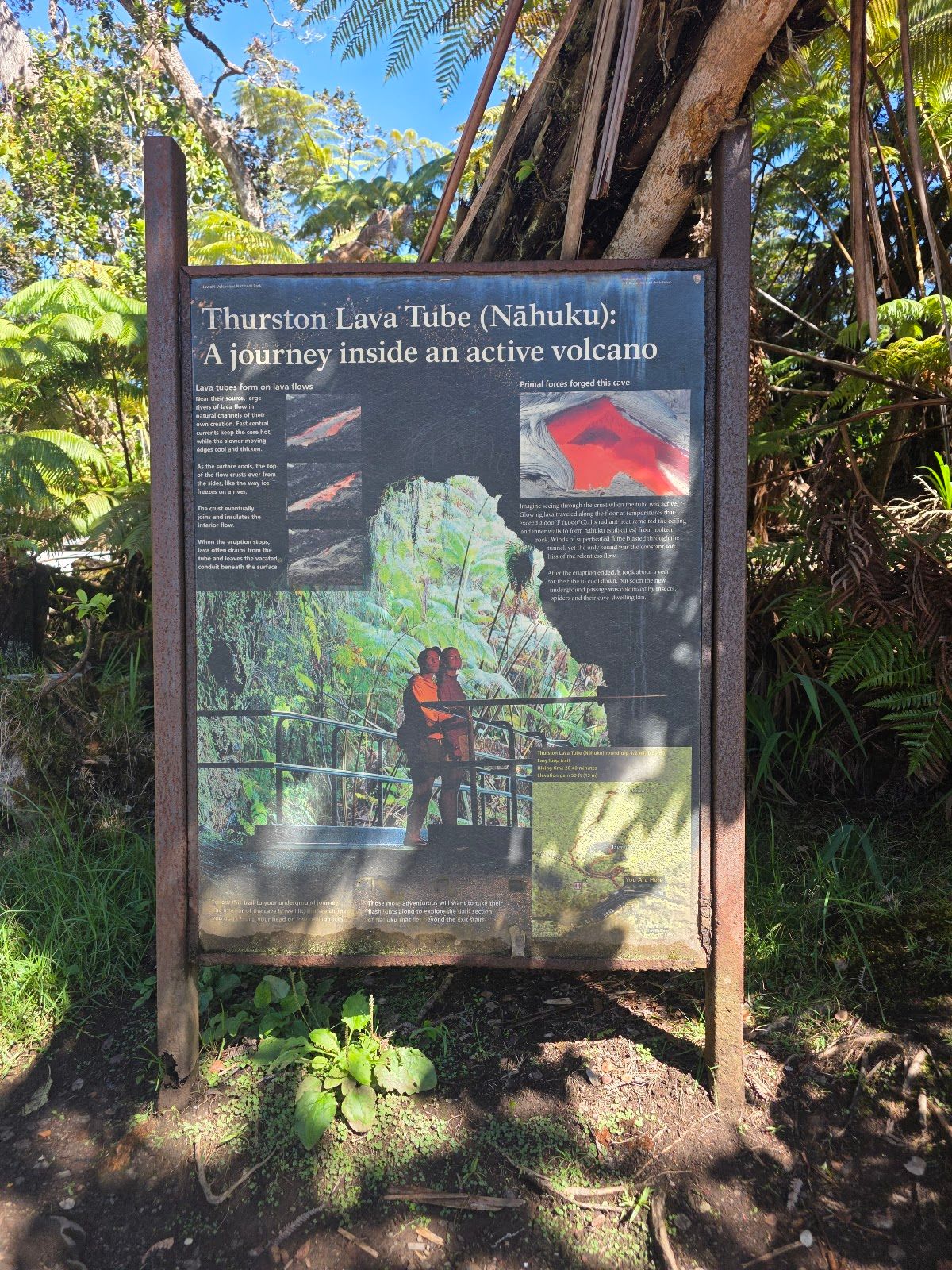
- Interpretive signs on geology and ecology
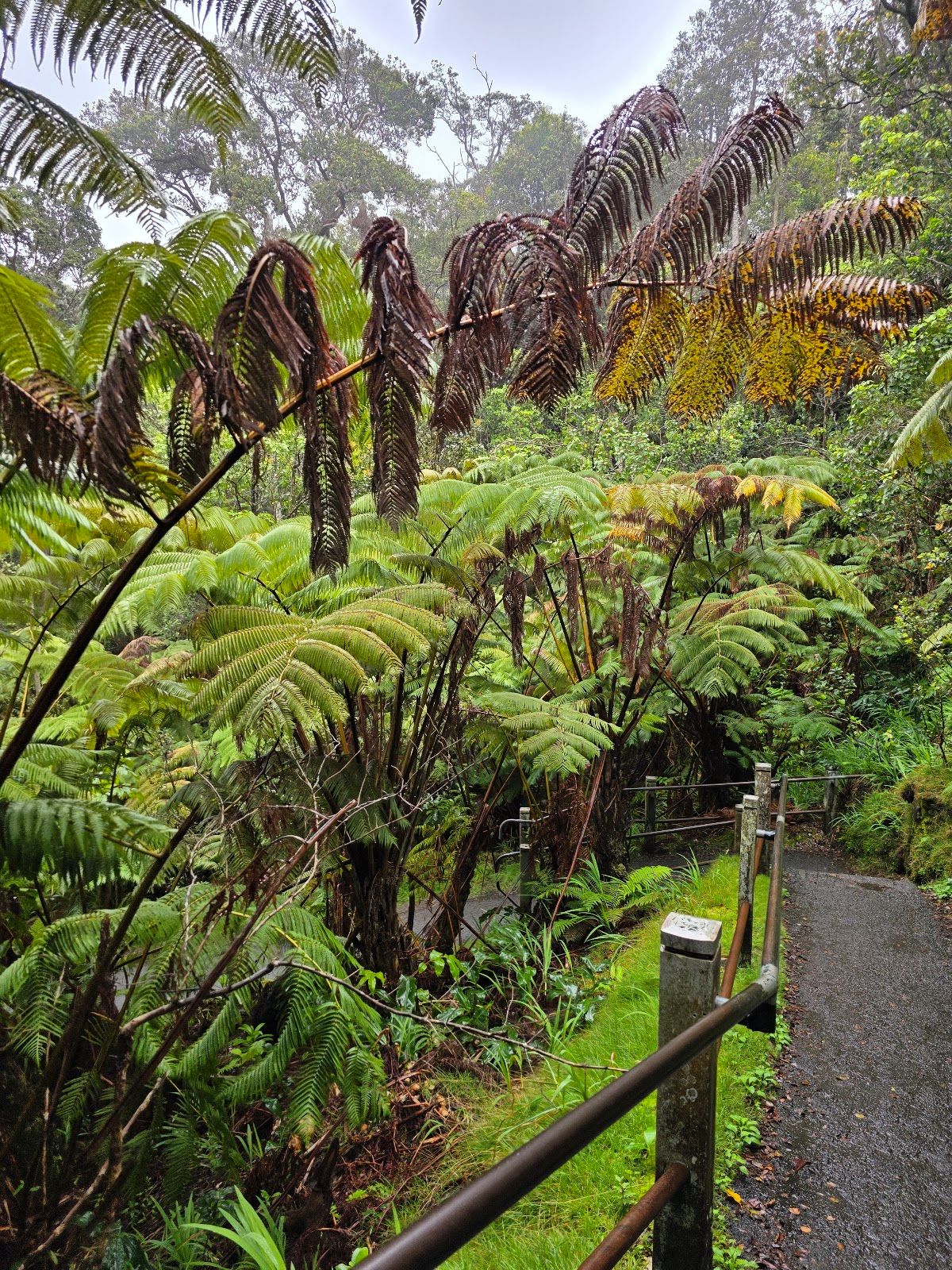
Kīlauea Iki Trailhead anchors one of the Big Island’s signature hikes: a loop in Hawaiʻi Volcanoes National Park that drops from rainforest into the floor of a former lava lake, then climbs back out again. It sits in the Volcano area of Kaʻū, and it stands out because the landscape changes so dramatically in a single outing. Few day hikes on the island move this quickly from lush fern-filled forest to a stark volcanic basin with such a strong sense of place.
A crater walk that shifts from green to black
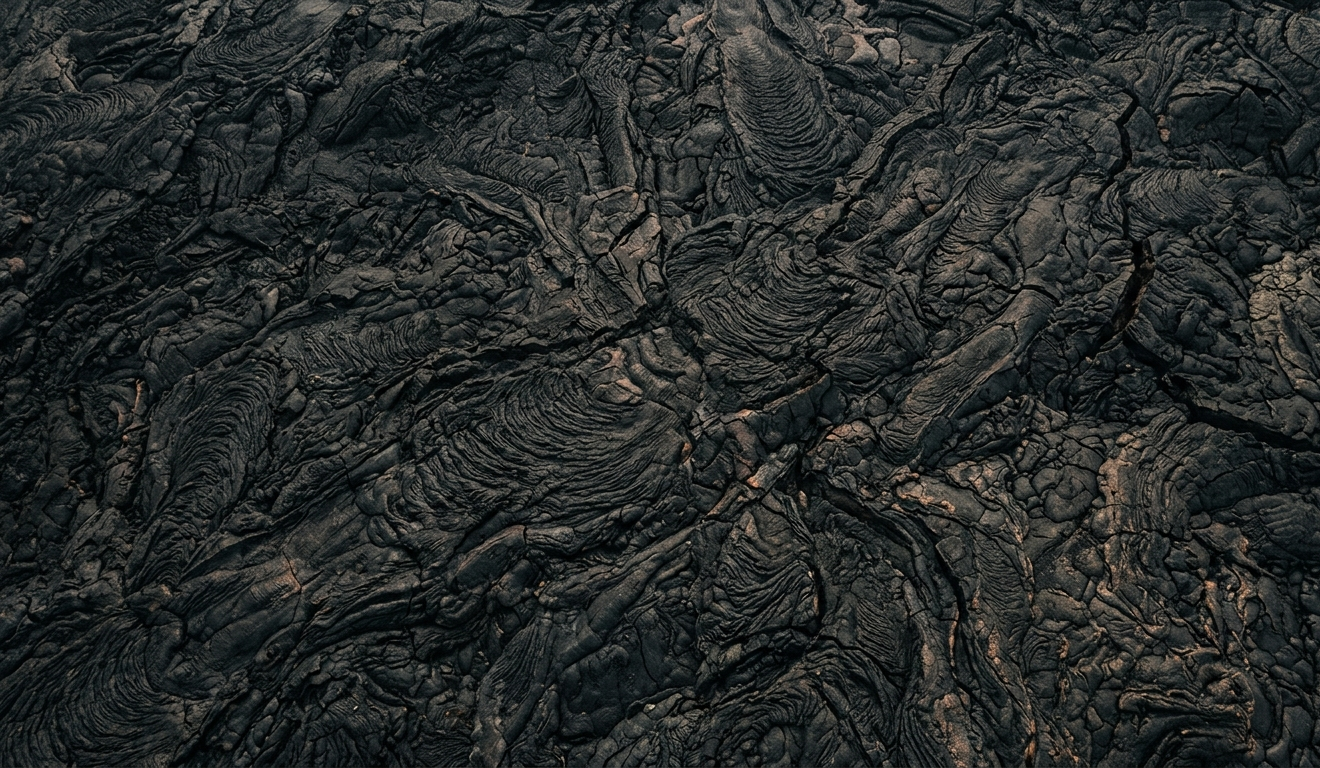
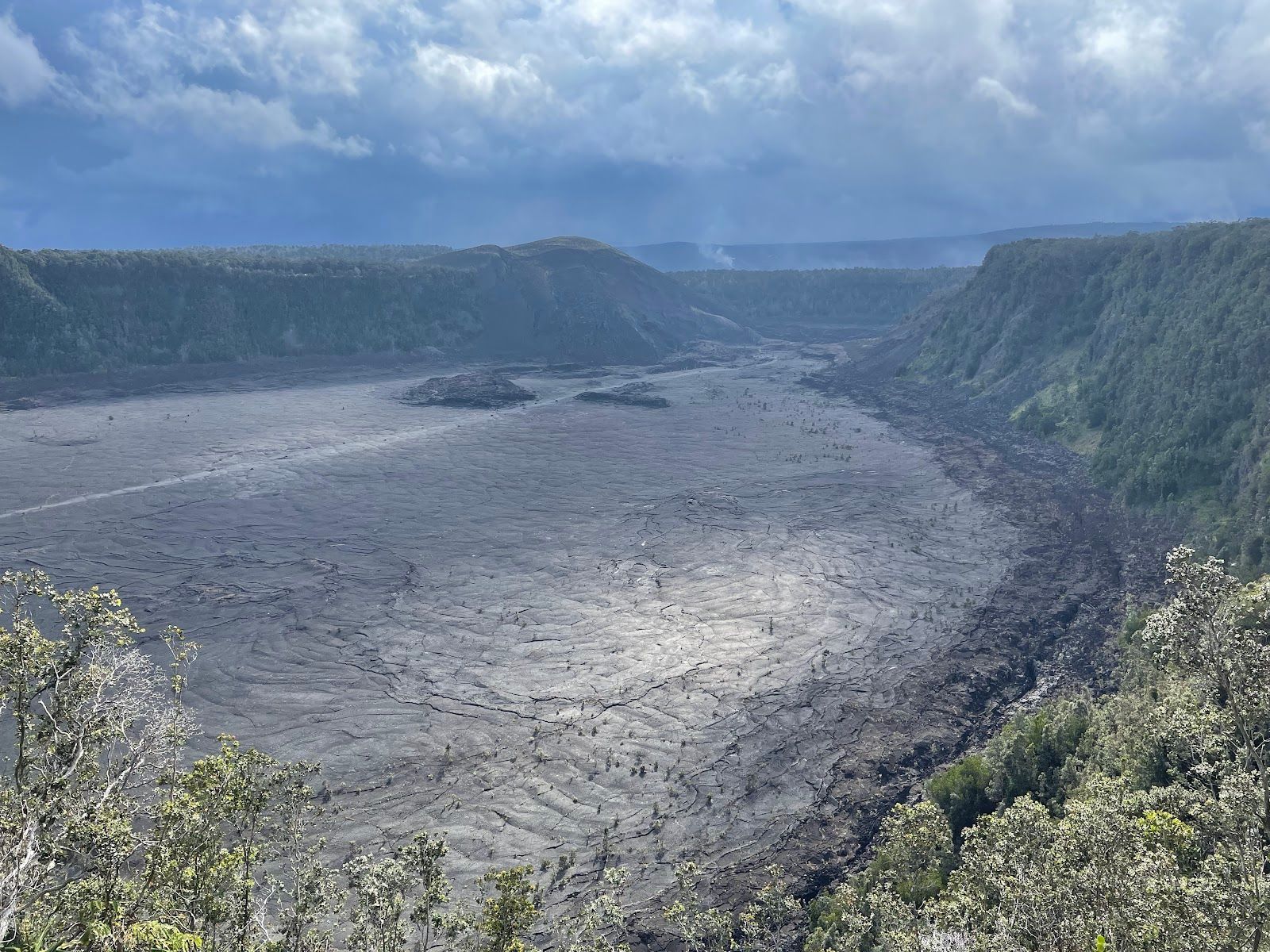
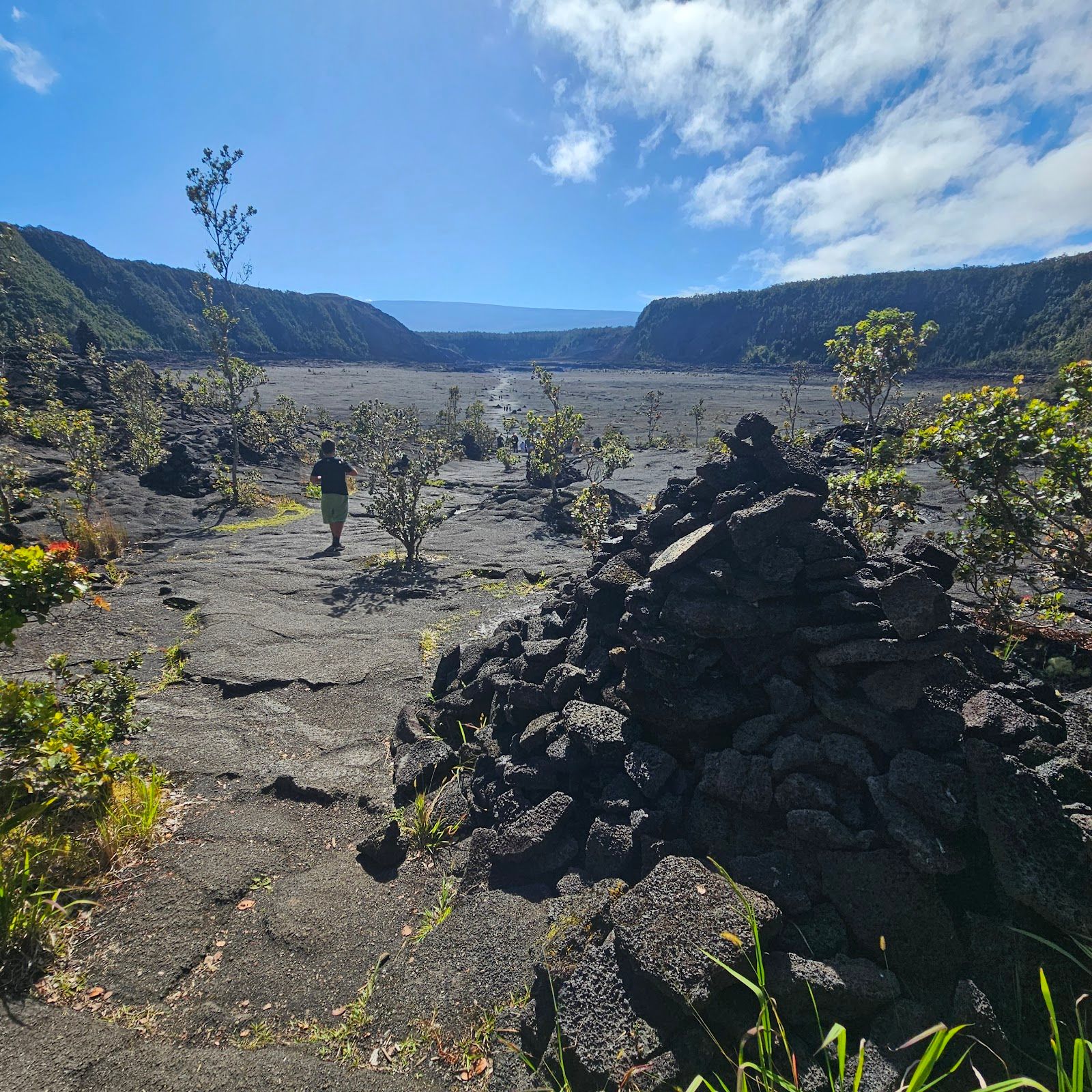
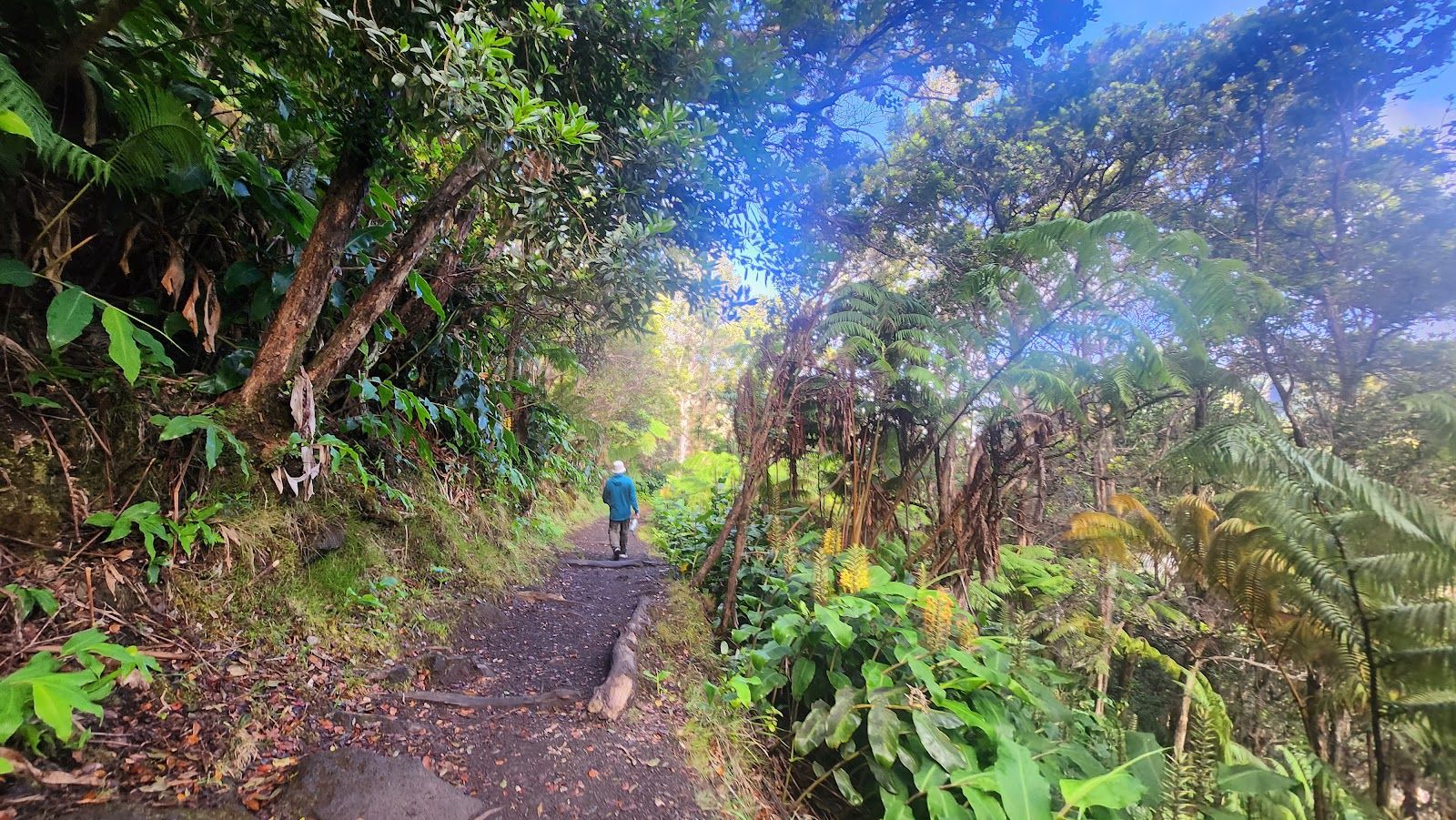
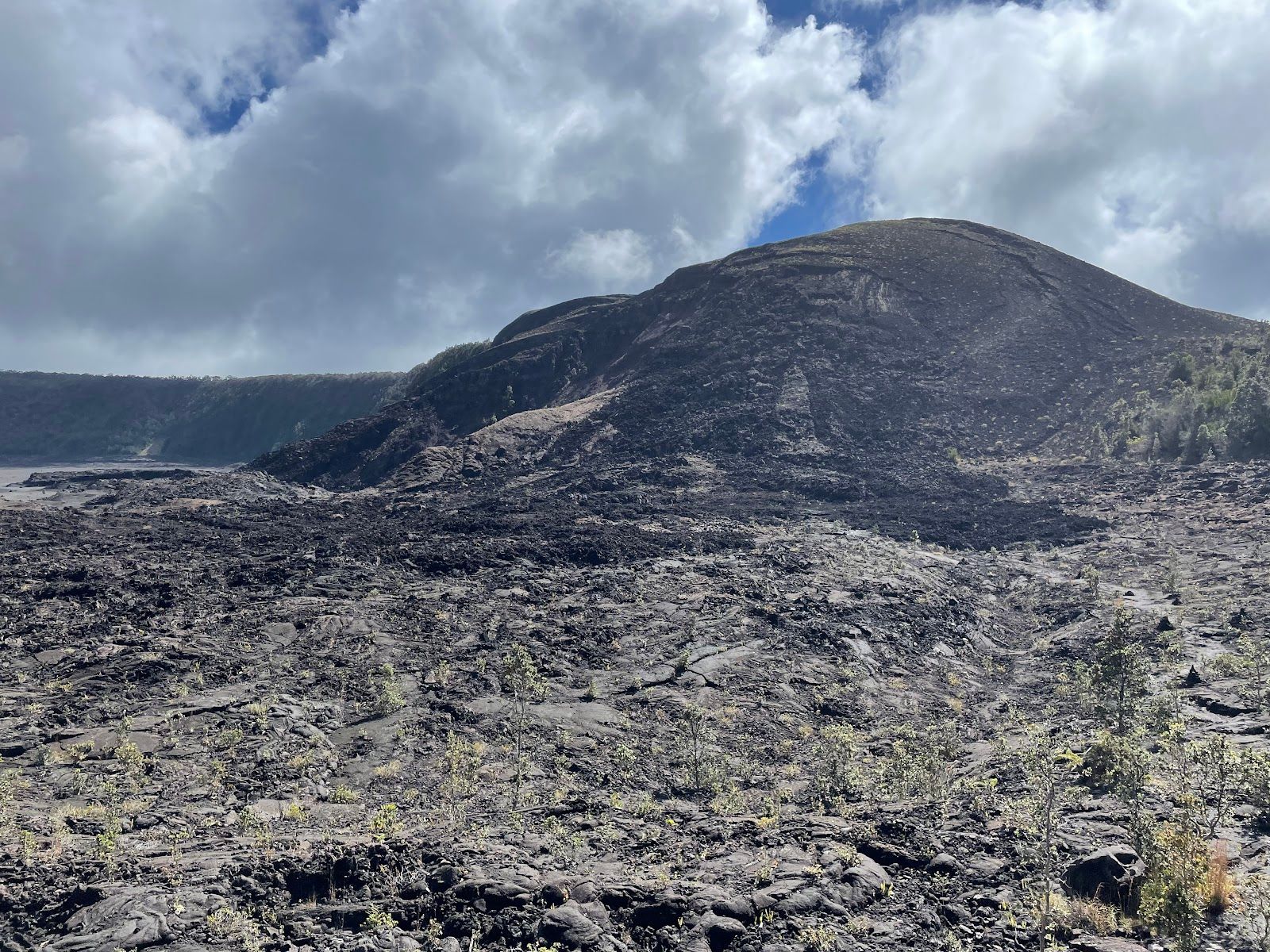
The trail’s appeal is its contrast. The upper sections run through humid rainforest with native plants and birdlife, then the route descends into Kīlauea Iki crater, where the ground feels raw and elemental. The floor of the crater is the cooled remnant of the 1959 eruption, and the route crosses a solidified lava lake that still reads as a living volcanic landscape rather than a simple scenic overlook.
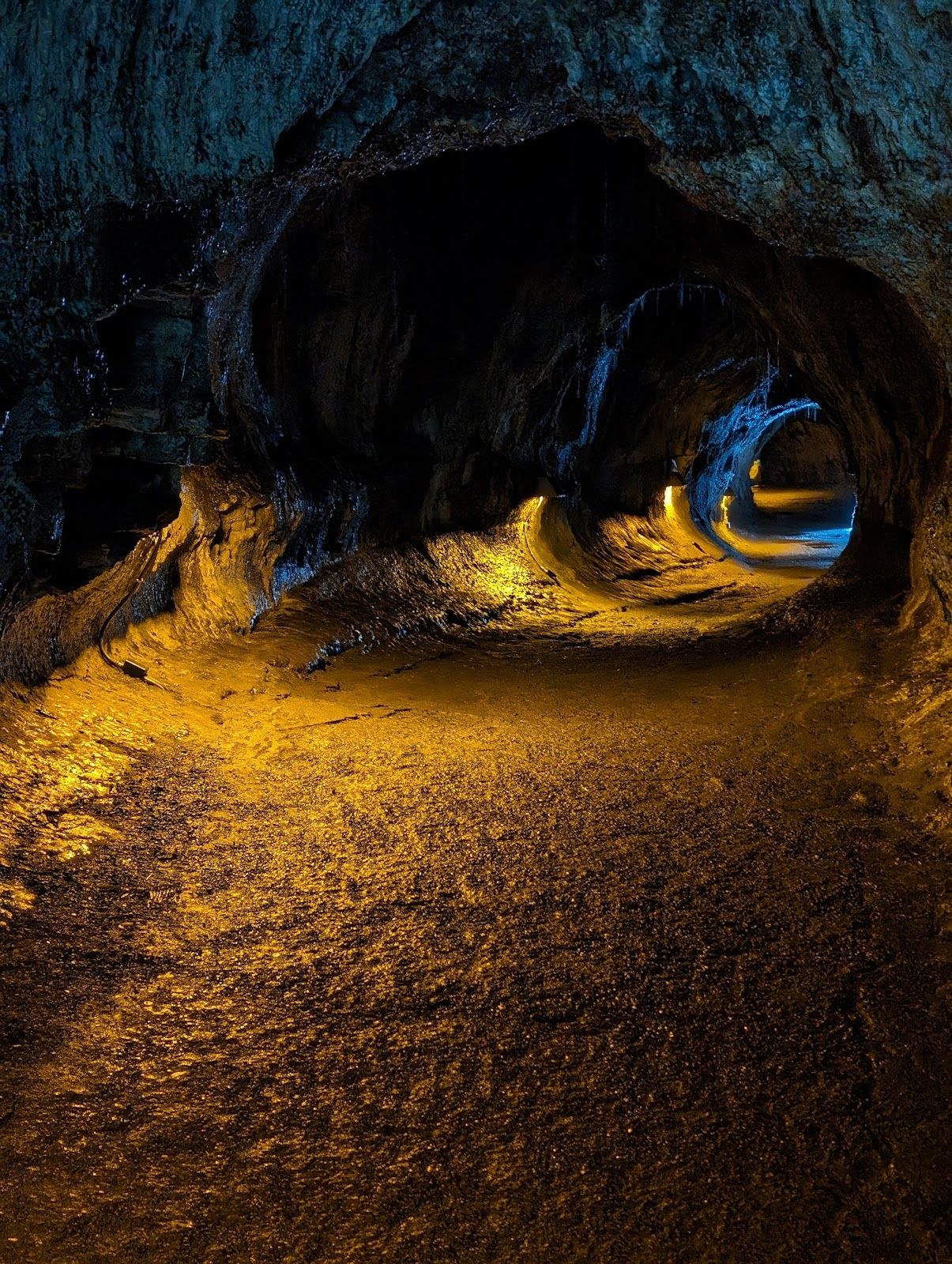
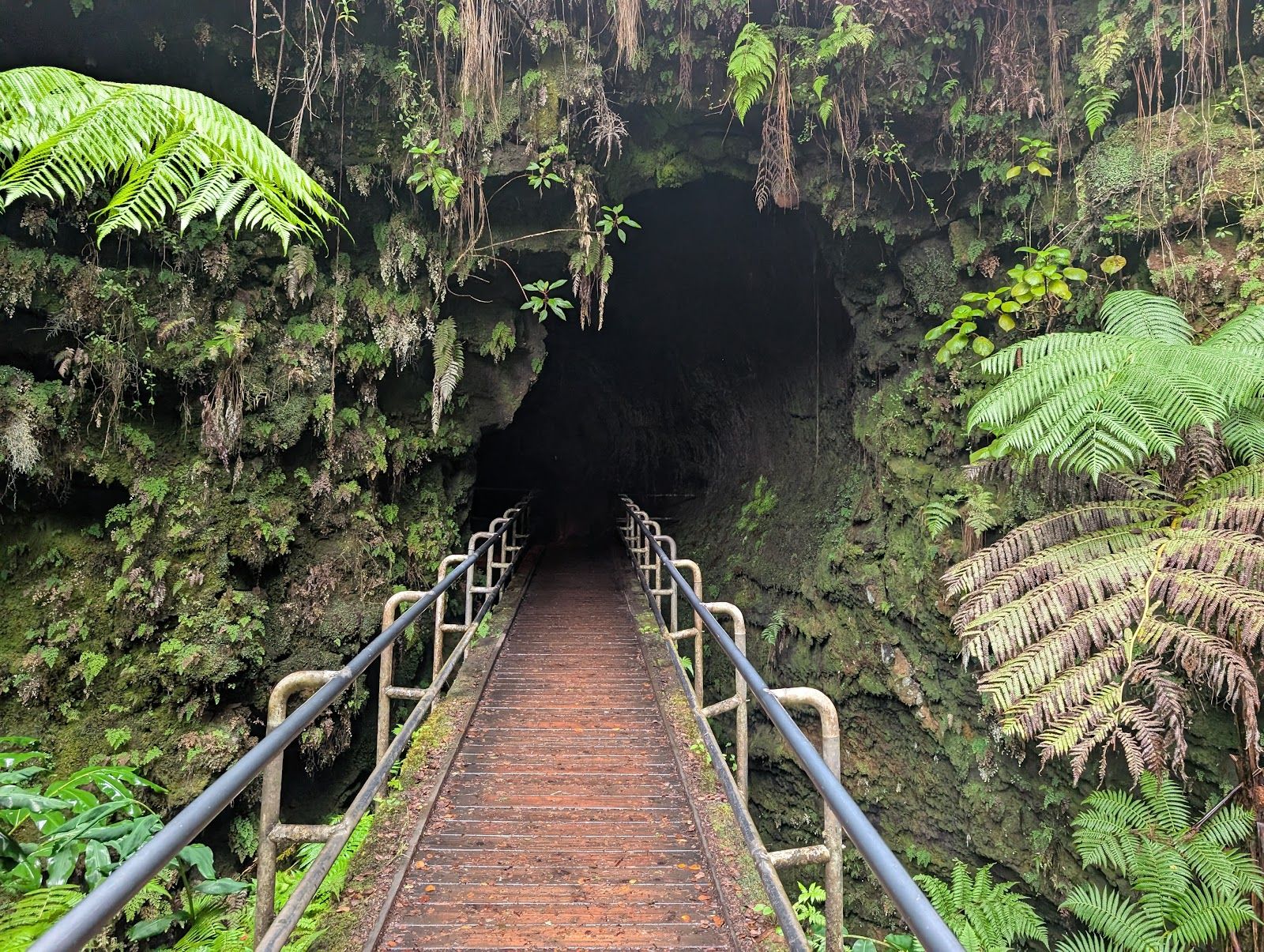
Interpretive signs add useful context without overexplaining the experience, and the views are part of the draw: down into the crater, toward Puʻu Puaʻi, and across to other volcanic features in the park. On some days, steam rising from cracks makes the crater floor feel especially otherworldly. The trail is also often paired with Nāhuku (Thurston Lava Tube), which makes the area easy to turn into a half-day or longer park circuit.
Why it works so well in a Volcano day
This is one of the best anchor hikes for a day focused on Hawaiʻi Volcanoes National Park. The standard loop from the Kīlauea Iki Overlook is about 3.3 miles and usually takes 2 to 3 hours, which leaves room for nearby overlooks or a second stop such as Thurston Lava Tube. Longer access routes from the Kīlauea Visitor Center or Devastation Trailhead can stretch the outing into a bigger half-day commitment.
Route direction matters more here than on many park walks. The loop is commonly hiked clockwise because the descent on the Nāhuku side is steeper and the return on the west side is more gradual, though some visitors prefer the reverse for other timing or guide-related reasons. Either way, the trail rewards unhurried pacing. This is not a place to rush; the crater floor, the rim views, and the forest sections each deserve a little time.
The main tradeoffs: steep, uneven, and volcanic
Kīlauea Iki is not a casual stroll. The route is rated moderate to challenging because of the steep descent and climb, rocky footing, and uneven terrain. After rain, the trail can also turn muddy and slick. Sturdy hiking shoes are the right call, and hikers should bring water, sun protection, and a layer or rain gear, since Volcano weather can shift quickly.
Volcanic conditions are the bigger caveat. Sulfur dioxide and other gases can affect air quality, especially for travelers with respiratory issues, and steam vents on the crater floor can be scalding hot. Staying on the marked trail matters: cracks, thin crust, and hidden lava tubes are real hazards, and shortcuts are not worth the risk. Because conditions in the park can change, it’s wise to check for current alerts or closures before heading out.
Best for hikers who want Hawaiʻi Volcanoes in one trail
Kīlauea Iki Trail is ideal for active travelers, geology-minded visitors, and families with older children who can handle a steep, uneven route. It delivers a strong sense of the island’s volcanic identity without needing a full backcountry commitment. Travelers looking for a short, flat, paved walk will be happier elsewhere in the park, and those sensitive to volcanic gas or unsteady on rough terrain should consider easier options.
For most Big Island itineraries, this is the hike that makes Volcano feel like Volcano: dramatic, educational, and unmistakably shaped by the island’s living geology.