
What it is
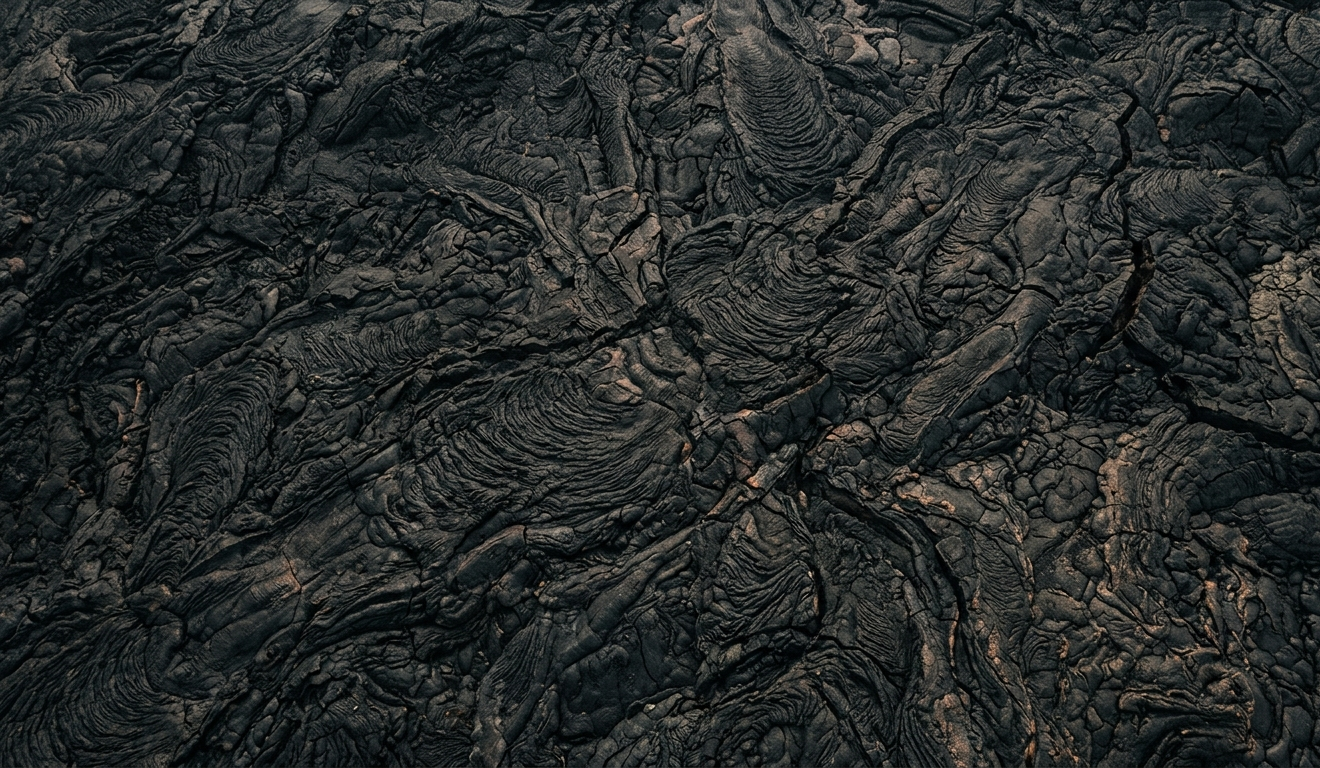
The Kīlauea Iki Trail is a renowned hiking loop within Hawaiʻi Volcanoes National Park on the Big Island. The trail offers a unique opportunity to descend through a lush rainforest into a solidified lava lake on the floor of the Kīlauea Iki crater, which means "little Kīlauea" in Hawaiian. The crater was filled with a 400-foot-deep molten lake during a dramatic 1959 eruption, where lava fountains reached a record 1,900 feet high. Hikers traverse this otherworldly volcanic landscape, often seeing steam rising from cracks in the ground, before ascending back through the rainforest to the rim.
Visitor experience
Travelers choose the Kīlauea Iki Trail for its unparalleled diversity, moving from a dense, verdant rainforest environment along the crater rim, complete with native Hawaiian plants and birds, to the stark, expansive, and still-steaming floor of a solidified lava lake. It's a highly educational experience, with interpretive signs explaining the area's volcanic history and ecology. The hike offers panoramic views into the crater, the Puʻu Puaʻi cinder cone formed during the 1959 eruption, and distant views of Kīlauea caldera. Walking across the crater floor provides a sense of being on another planet. Many visitors also combine this hike with a visit to the nearby Nāhuku (Thurston Lava Tube).
The trail is considered a moderate to challenging hike due to its steep and rocky sections, including a 400-foot (122 m) descent and ascent. The loop from Kīlauea Iki Overlook is approximately 3.3 miles (5.3 km) and typically takes 2 to 3 hours. Longer routes are possible by starting from the Kīlauea Visitor Center (5.3 miles, 3-4 hours) or Devastation Trailhead (6.0 miles, 4-5 hours). Hiking the loop in a clockwise direction is often recommended, as the descent on the Nāhuku Lava Tube side is steeper, while the ascent on the west side is more gradual. Conversely, some sources recommend counter-clockwise for an easier ascent and to align with a park guide.
This activity fits well as a half-day or anchor activity, especially if combined with other nearby attractions like the Thurston Lava Tube or other overlooks within Hawaiʻi Volcanoes National Park.
Logistics
Area: The Kīlauea Iki Trail is located within Hawaiʻi Volcanoes National Park on the Big Island, in the Volcano region.
Access: Hawaiʻi Volcanoes National Park has an entrance fee, but there are no additional activity fees for the Kīlauea Iki Trail. The park is open 24 hours a day, 7 days a week, year-round.
Reservations: No reservations are required for the Kīlauea Iki Trail itself, but special ranger programs or backcountry permits may require them.
Timing: The hike typically takes 2 to 3 hours for the 3.3-mile loop from Kīlauea Iki Overlook. Longer routes can extend this to 3 to 5 hours. Early morning (before 9 AM) or late afternoon are recommended to avoid crowds and potentially easier parking. Visiting in the morning often provides cooler temperatures and clearer skies, though fog can be common.
Parking: Parking is available at the Kīlauea Iki Overlook or Nāhuku (Thurston Lava Tube) parking area. Parking at Kīlauea Iki Overlook is extremely limited and can fill up quickly, especially during peak hours. Alternatives include parking at the Kīlauea Visitor Center, Devastation Trailhead, or Puʻupuaʻi Parking Area, which result in longer hikes to reach the Kīlauea Iki loop.
Permits: No specific permits are required for day hiking the Kīlauea Iki Trail.
Likely duration: A half-day activity, easily combined with other park sights like the Thurston Lava Tube.
Safety and cautions
Terrain: The trail is rated moderate to challenging due to steep, rocky, and uneven terrain, with a 400-foot descent into the crater and a corresponding ascent out. Hikers will encounter tree roots and can expect muddy conditions if it has recently rained. The crater floor features large, unstable rocks and cracks in the ground. Sturdy hiking shoes or light hiking boots are strongly recommended; flip-flops are not suitable.
Weather: Weather can change dramatically and unpredictably, from hot and dry to wet and windy, and cool temperatures at higher elevations are possible. Bring water, food, a hat, sunscreen, and rain gear.
Volcanic Hazards:
- Volcanic Gases (Vog): Hazardous volcanic gases, including sulfur dioxide, can be present and are dangerous for people with heart or respiratory problems, infants, young children, and pregnant women. Check air quality before visiting.
- Steam Vents and Hot Surfaces: Steam vents are visible on the crater floor. Use extreme caution, as the steam is scalding hot, and some rocks on the crater floor can be too hot to touch.
- Earth Cracks and Thin Crusts: Stay on marked trails to avoid deep earth cracks, thin crusts, and hidden lava tubes, which can be hazardous. Shortcuts are prohibited and can lead to dangerous conditions and getting lost.
- Eruptions: Volcanic activity can change at any time. Check webcams and USGS volcano updates for current conditions and closures before visiting. During eruptions, specific areas may be closed, and volcanic tephra (ash, rock, Pele's hair) can cause irritation.
Cultural Sensitivity: The landscape of Hawaiʻi Volcanoes National Park is considered sacred by Native Hawaiians. Visitors should show respect for the land, including leaving volcanic rocks as they are found, out of respect for the Hawaiian volcanic deity Pele. Offers of ʻōhelo berries to Pele are a traditional custom.
Park Construction: As of March 2026, Hawaiʻi Volcanoes National Park is undergoing a two-year construction project at the Kīlauea summit. Expect delays, temporary area closures, and limited parking, especially during peak visitation periods. The Kīlauea Visitor Center is temporarily closed for renovation, with a Welcome Center available at Kilauea Military Camp.
Yellow Jackets: Be aware of aggressive ground-nesting yellowjacket wasps. If threatened, leave the area and do not swat them.
Editorial take
The Kīlauea Iki Trail is a must-do for most visitors to Hawaiʻi Volcanoes National Park. It's often cited as one of the best all-around day hikes, offering a unique blend of lush rainforest and stark volcanic landscape that deeply immerses travelers in the island's dynamic geology.
Who should prioritize it: Active travelers, geology enthusiasts, nature lovers, and families with older children capable of moderate hiking will find this experience incredibly rewarding. It's an excellent way to grasp the raw power of volcanic activity and the resilience of nature.
Who should skip it: Individuals with significant mobility issues, very young children who cannot be carried for 2-3 hours over uneven terrain, or those with severe respiratory conditions (especially if volcanic gas alerts are high) might find this trail too strenuous or hazardous. Those looking for a very short, paved, or flat walk should consider other park trails like portions of Devastation Trail or Sulphur Banks.
Not to be confused with:
- Kīlauea Caldera: Kīlauea Iki is a pit crater adjacent to the much larger Kīlauea Caldera (which contains Halemaʻumaʻu Crater). While views of the caldera may be possible from points along the Kīlauea Iki trail, they are distinct geological features.
- Nāhuku (Thurston Lava Tube): The Thurston Lava Tube is a separate, though often combined, attraction located near the Kīlauea Iki Overlook parking area.
Source notes
- National Park Service - Kīlauea Iki Trail: https://www.nps.gov/havo/planyourvisit/hike_day_kilaueaiki.htm
- National Park Service - Day Hike - Kīlauea Iki: https://www.nps.gov/havo/planyourvisit/dayhike_kilaueaiki.htm
- National Park Service - Alerts & Conditions: https://www.nps.gov/havo/planyourvisit/conditions.htm
- Noah Lang Photography - Hiking the Kīlauea Iki Trail in Hawaiʻi Volcanoes National Park: https://www.noahlangphotography.com/hawaii/kilauea-iki-trail-hawaii-volcanoes-national-park/
- Simply Wander - Hiking the Kilauea Iki Trail in Hawaii Volcanoes National Park: https://simplywander.com/kilauea-iki-trail/
- Volcano Heritage Cottages - Add the Kilauea Iki Trail to Your Hiking Bucket List: https://www.volcanoheritagecottages.com/blog/kilauea-iki-trail/