
Kīlauea
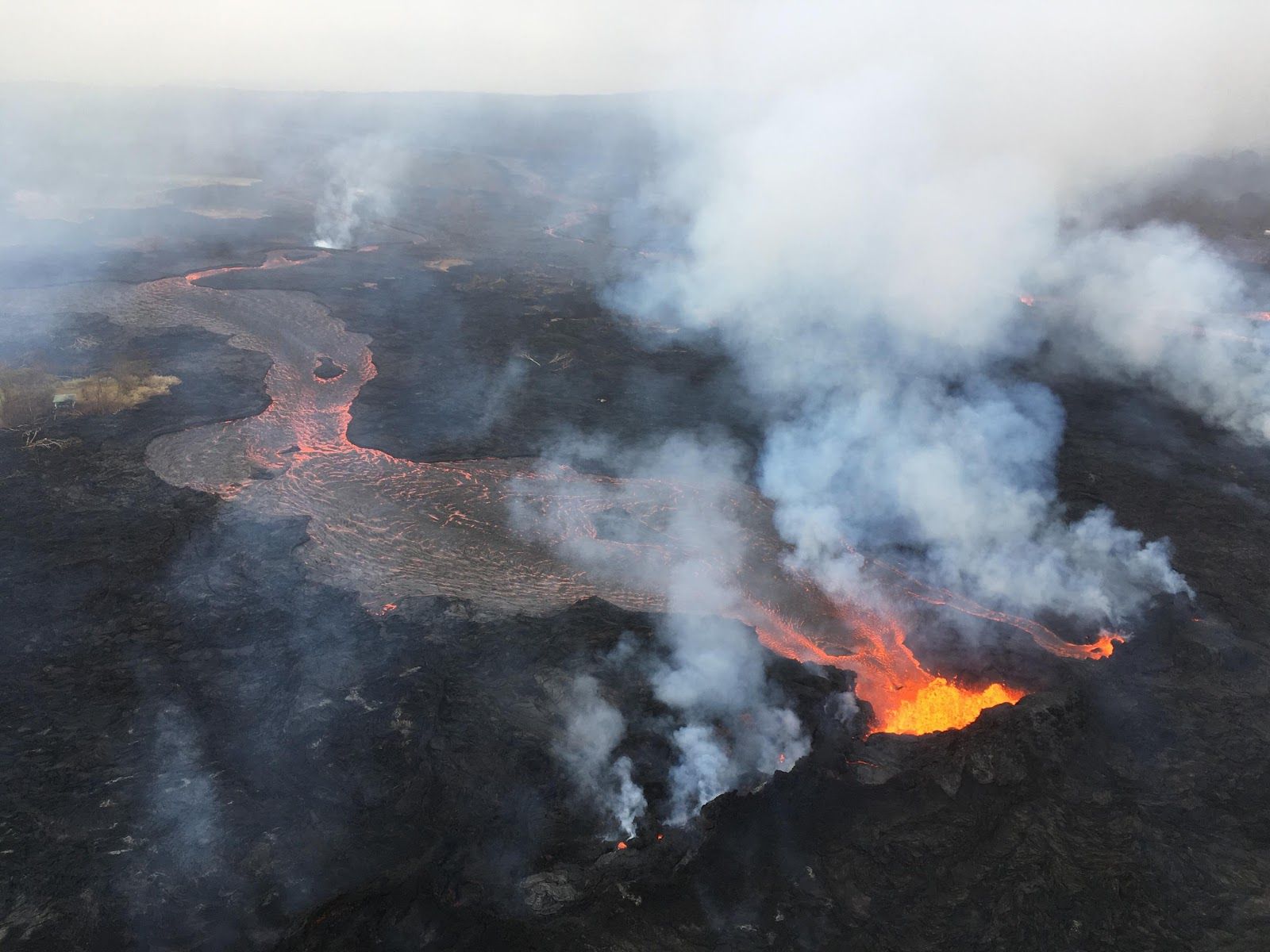
Witness the raw power of nature at Kīlauea, one of the world's most active volcanoes, offering dynamic landscapes within Hawaii Volcanoes National Park.
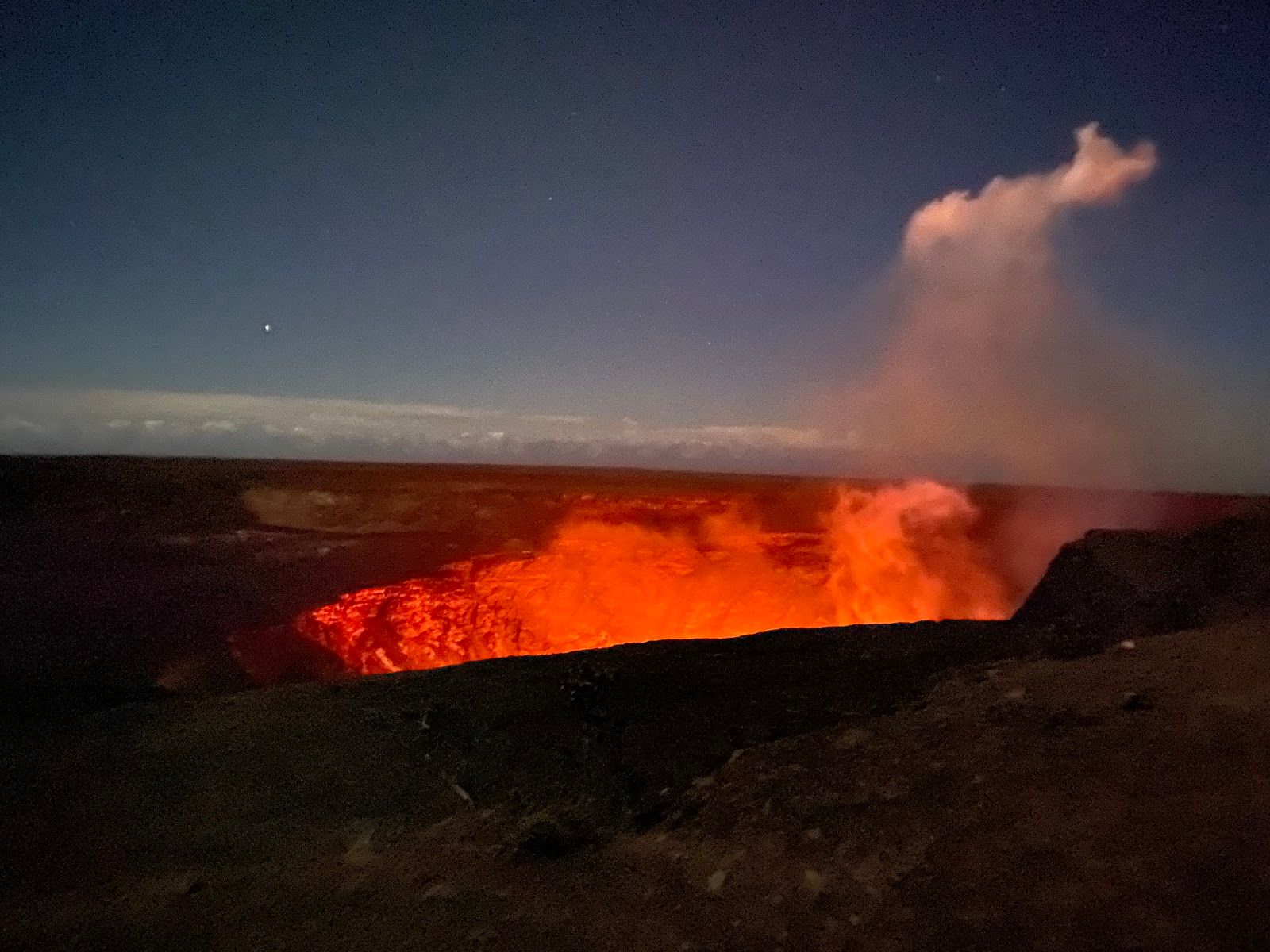
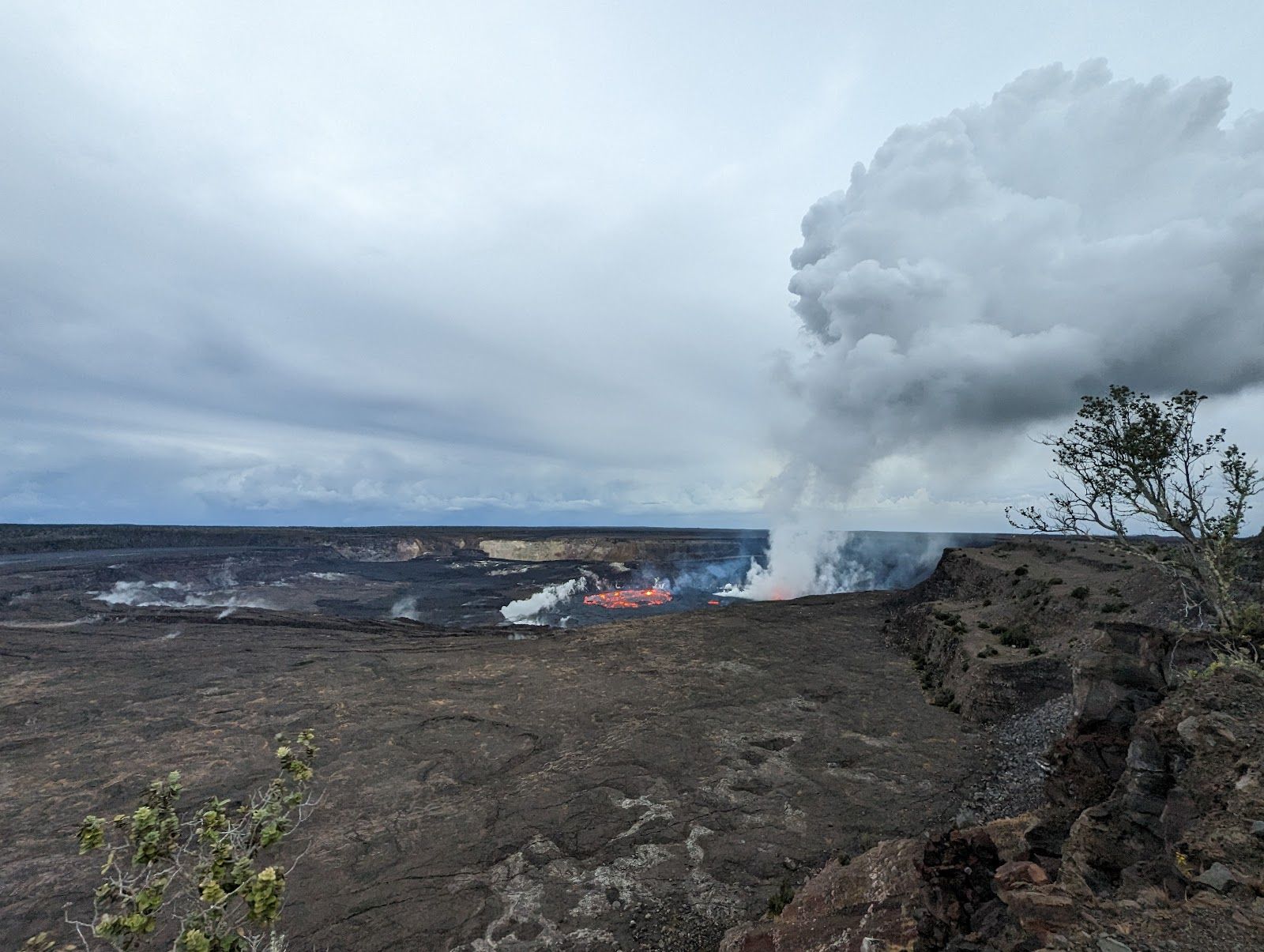
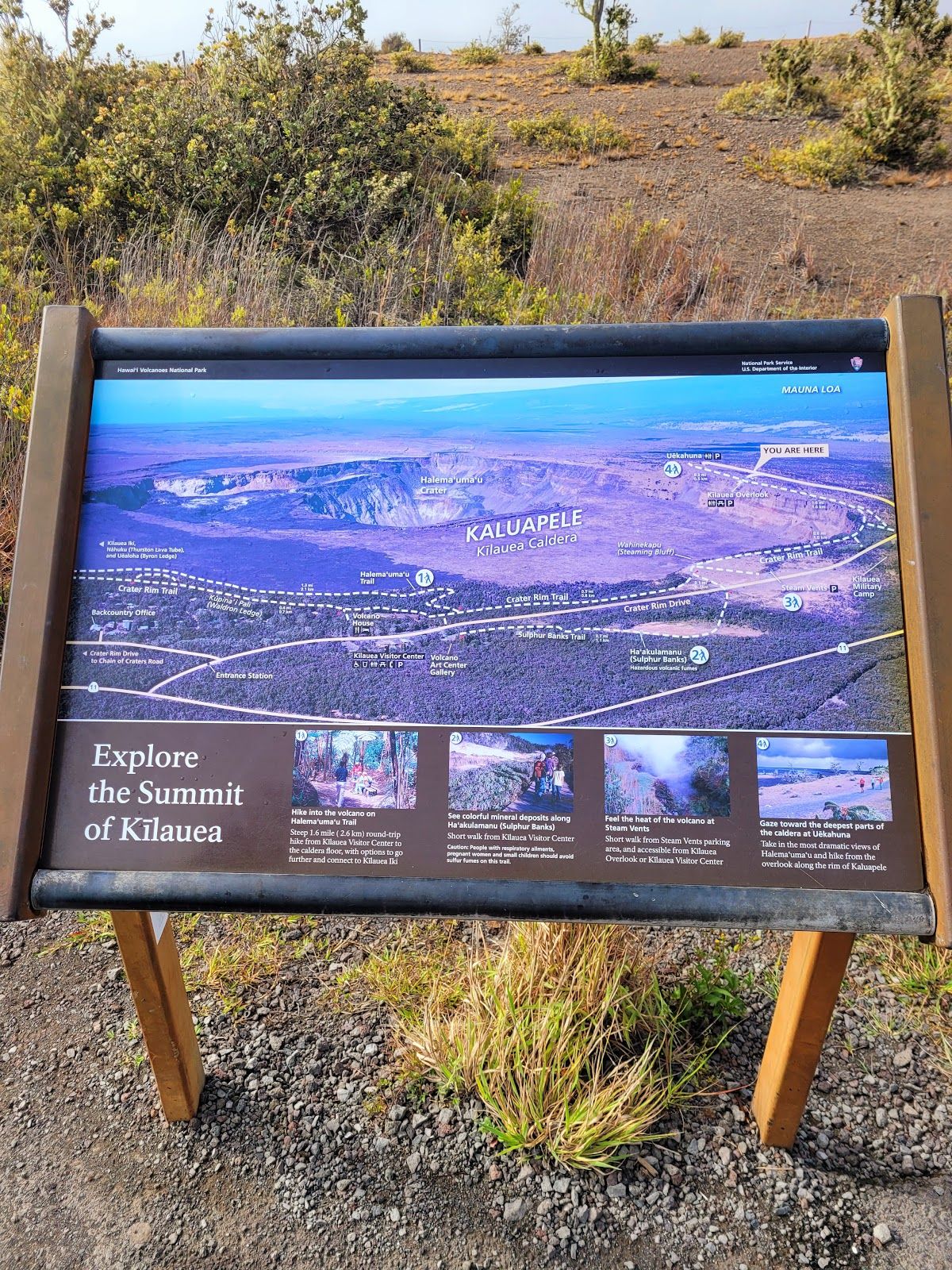
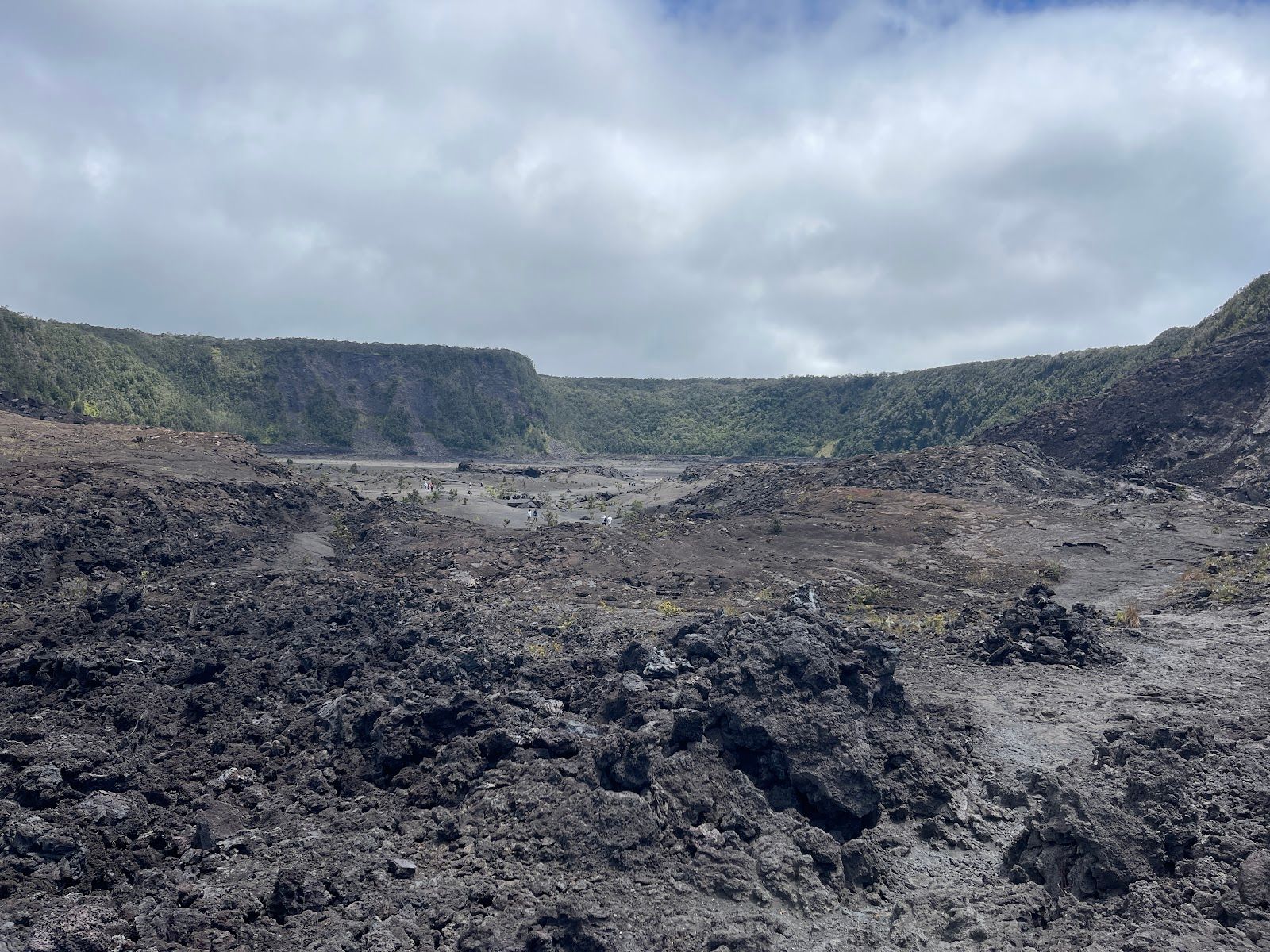
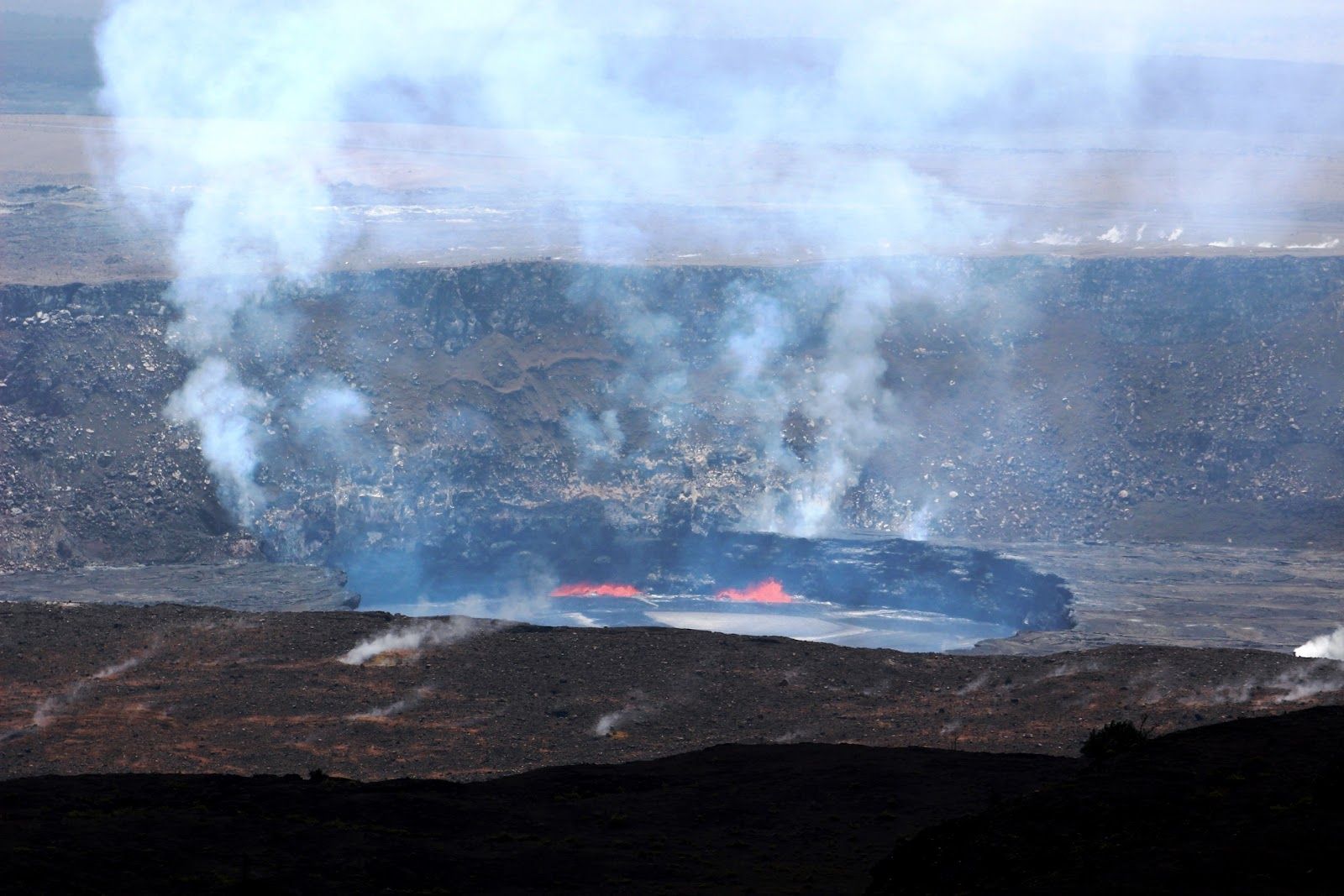
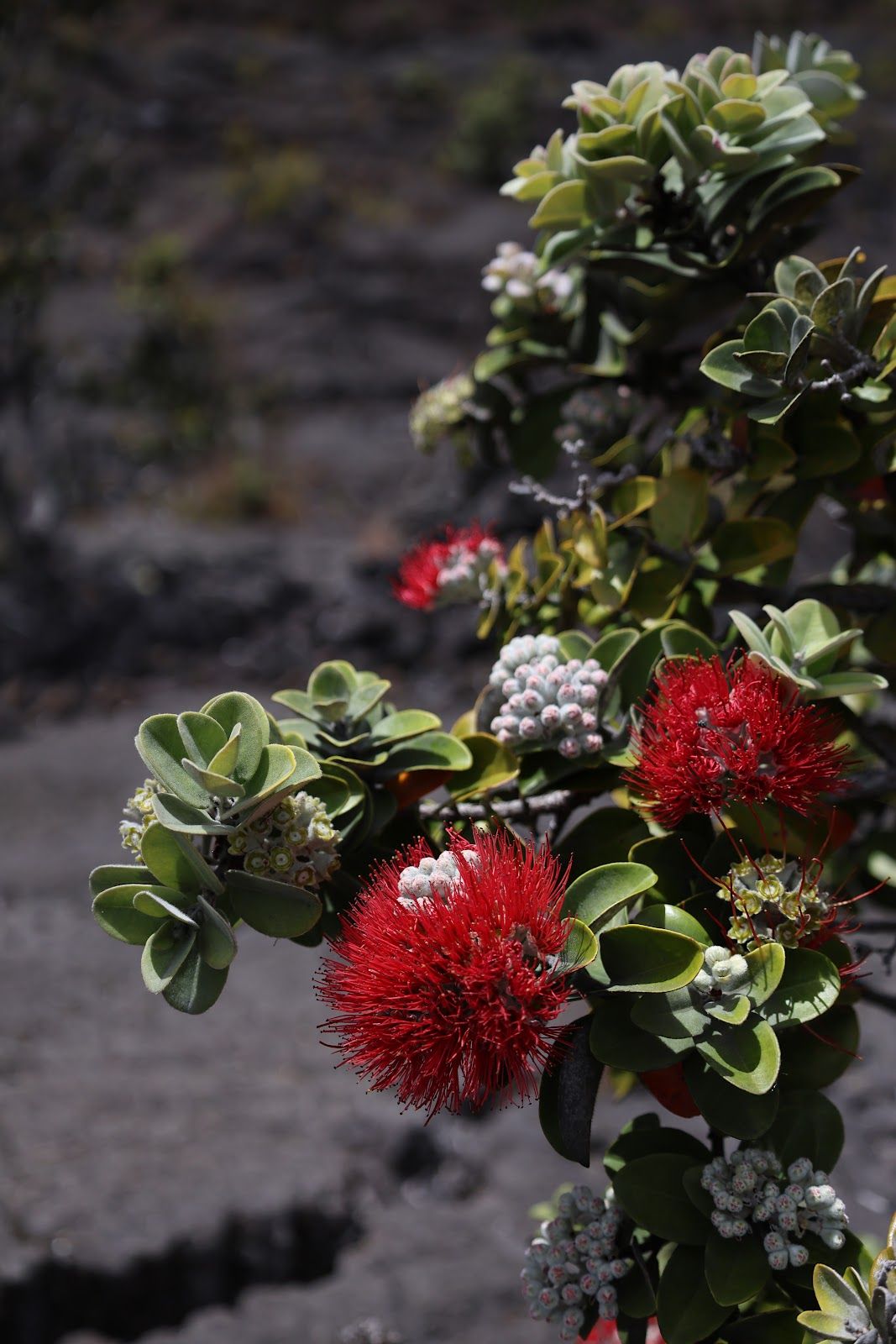
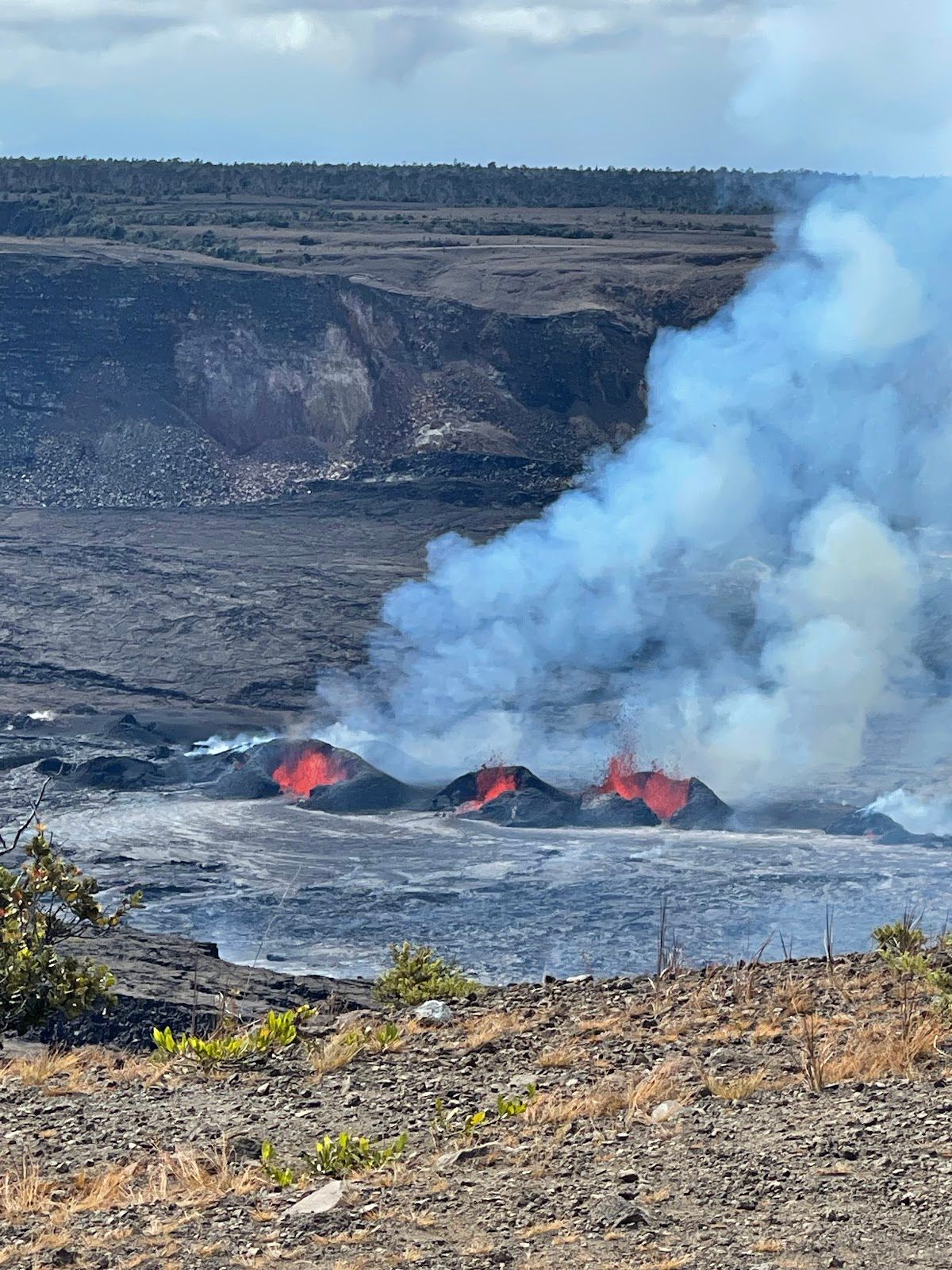
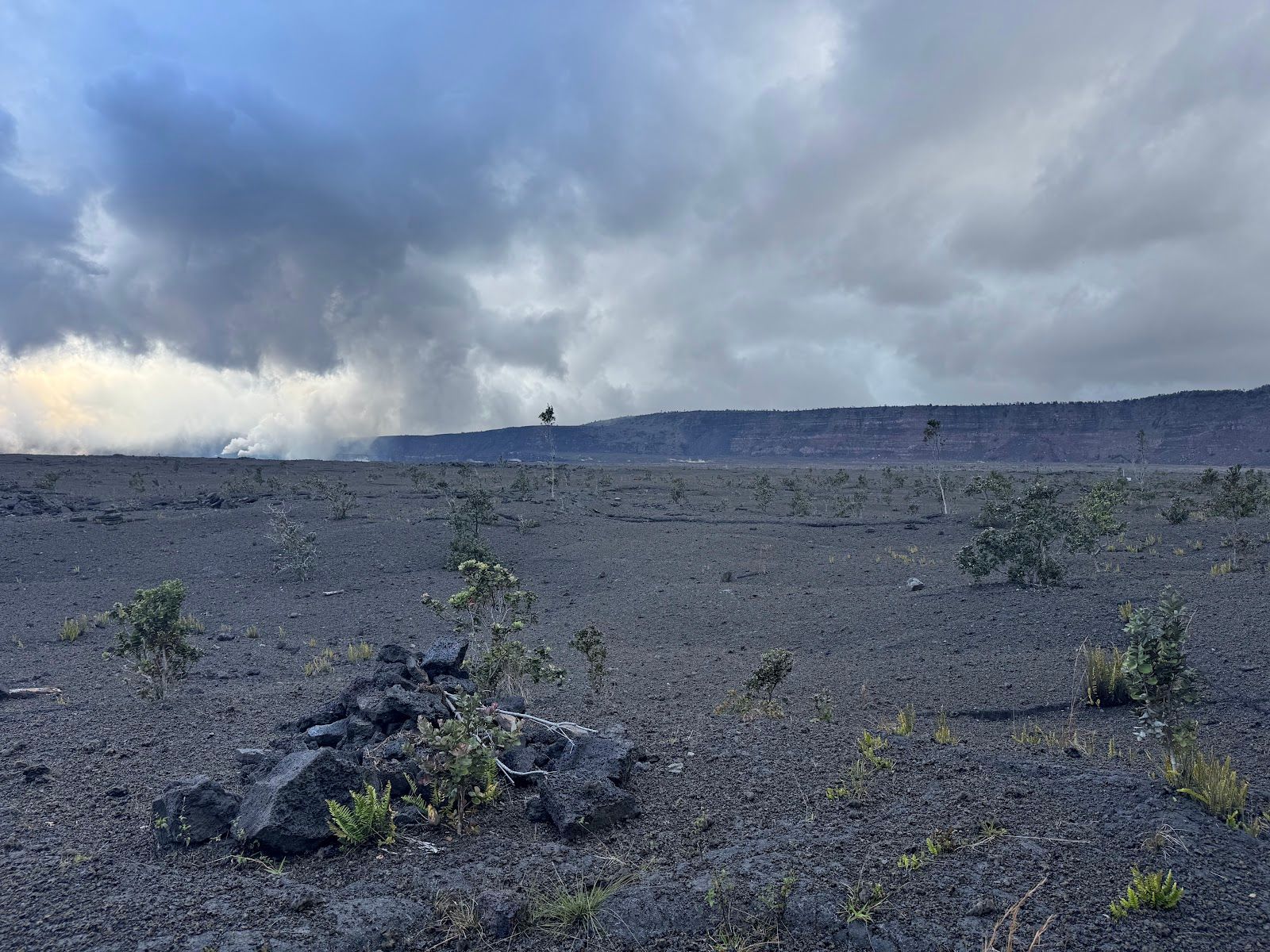
- Explore an active shield volcano
- View Halema'uma'u Crater (when active)
- Hike diverse volcanic landscapes
- Walk through Nāhuku (Thurston Lava Tube)
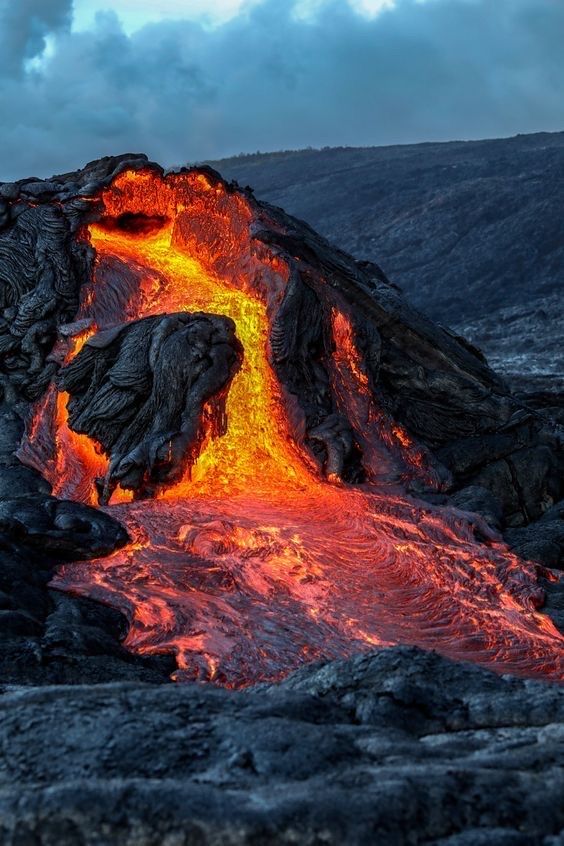
Kīlauea is the Big Island’s signature volcanic sight: an active shield volcano in Hawaiʻi Volcanoes National Park, on the island’s southern side in Kaʻū, where the landscape feels less “viewpoint” and more ongoing geological event. It stands out because it can anchor a whole half-day or longer, whether the goal is crater views, lava-carved terrain, steam vents, or a scenic drive through one of Hawaiʻi’s most dramatic protected landscapes. For travelers building an island itinerary around something uniquely Big Island, this is the stop that delivers scale, movement, and context all at once.
The summit and the terrain around it
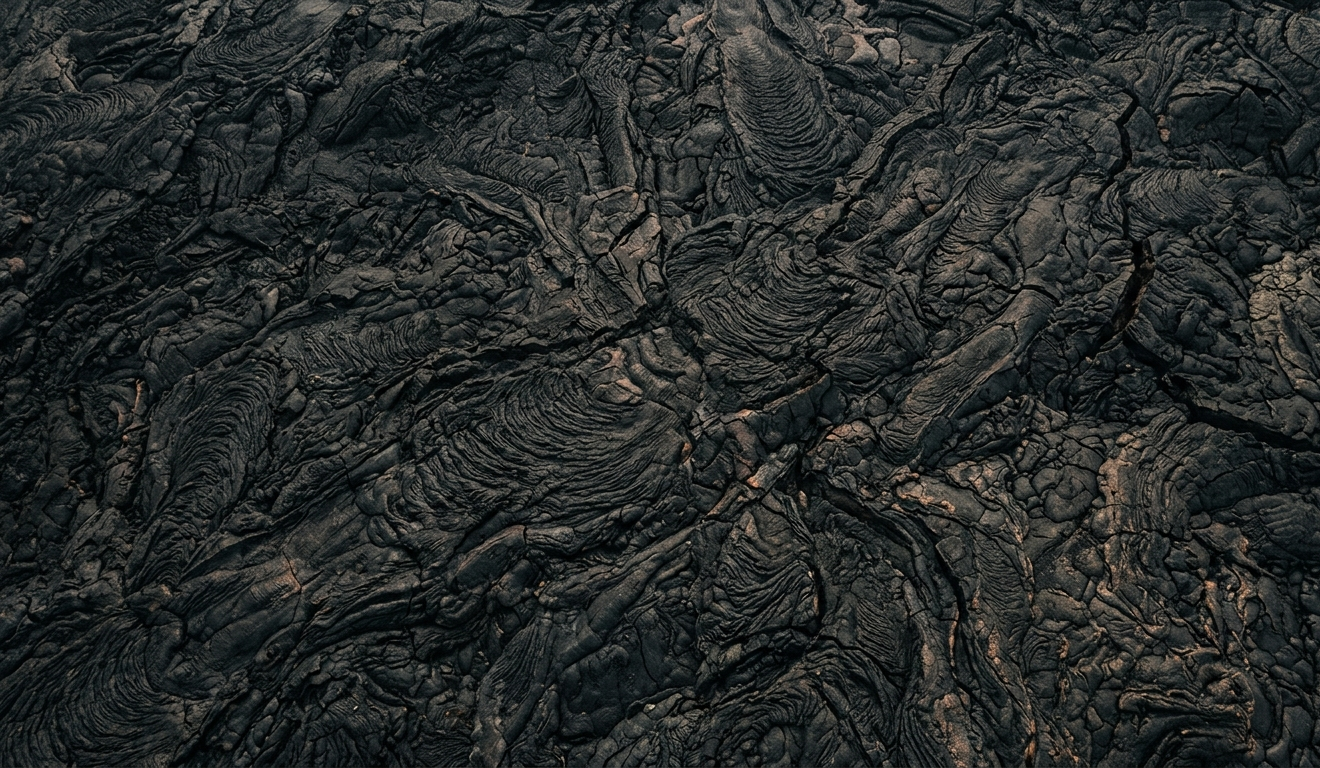
The main draw is the summit zone, especially Halemaʻumaʻu Crater when conditions are active and visible. Even when there is no fresh lava to see, the setting still feels charged: a broad caldera, stark black lava fields, steam rising from the ground, and trails that move through terrain shaped by repeated eruption. Kīlauea Iki, Devastation Trail, and other park walks offer a useful range, from easy strolls to more demanding hikes that cross rough, broken lava and open, exposed ground.
Nāhuku (Thurston Lava Tube) is one of the park’s most memorable short stops because it changes the texture of the visit so quickly: from open crater country to a cool, enclosed lava tunnel. Haʻakulamanu (Sulphur Banks) adds another layer, with steam and mineral stains reinforcing that this is still an active volcanic system, not a static monument.
Chain of Craters Road makes it a day, not just a stop
Kīlauea works best as part of a larger Volcano day. Chain of Craters Road gives the visit a strong sense of progression, moving from upland crater country down toward the coast through a landscape of older flows, lava plains, and changing viewpoints. It is one of the clearest ways to understand how the island is still being built.
The park is open around the clock, which gives travelers flexibility. Early morning can be quieter, and after-dark crater viewing can be especially striking when there is a glow. That said, conditions change quickly, and active lava, visible glow, or access to specific overlooks are never guaranteed. Current closures and advisories matter here more than almost anywhere else on the island.
The tradeoffs that matter
This is not a casual roadside pullout. Distances inside the park add up, and the weather can be cooler, wetter, and windier than coastal parts of the Big Island. Bring layers, sturdy shoes, and enough water for the walks you plan. There is also a serious health consideration: volcanic gases can be irritating or dangerous, especially for people with respiratory issues.
Cultural respect matters as much as trail sense. The land has deep meaning in Hawaiian tradition, so staying on marked paths, obeying closures, and treating the site as more than a photo stop are part of visiting well.
Best fit for
Kīlauea suits travelers who want a Big Island experience with real character: geology, hiking, scenery, and a sense of land in motion. It is especially strong for families with flexible pacing, road-trippers, and anyone interested in Hawaiʻi’s natural history and cultural landscape. Travelers looking mainly for beaches, easy swim time, or a low-effort scenic overlook may prefer a different kind of day.