
What it is
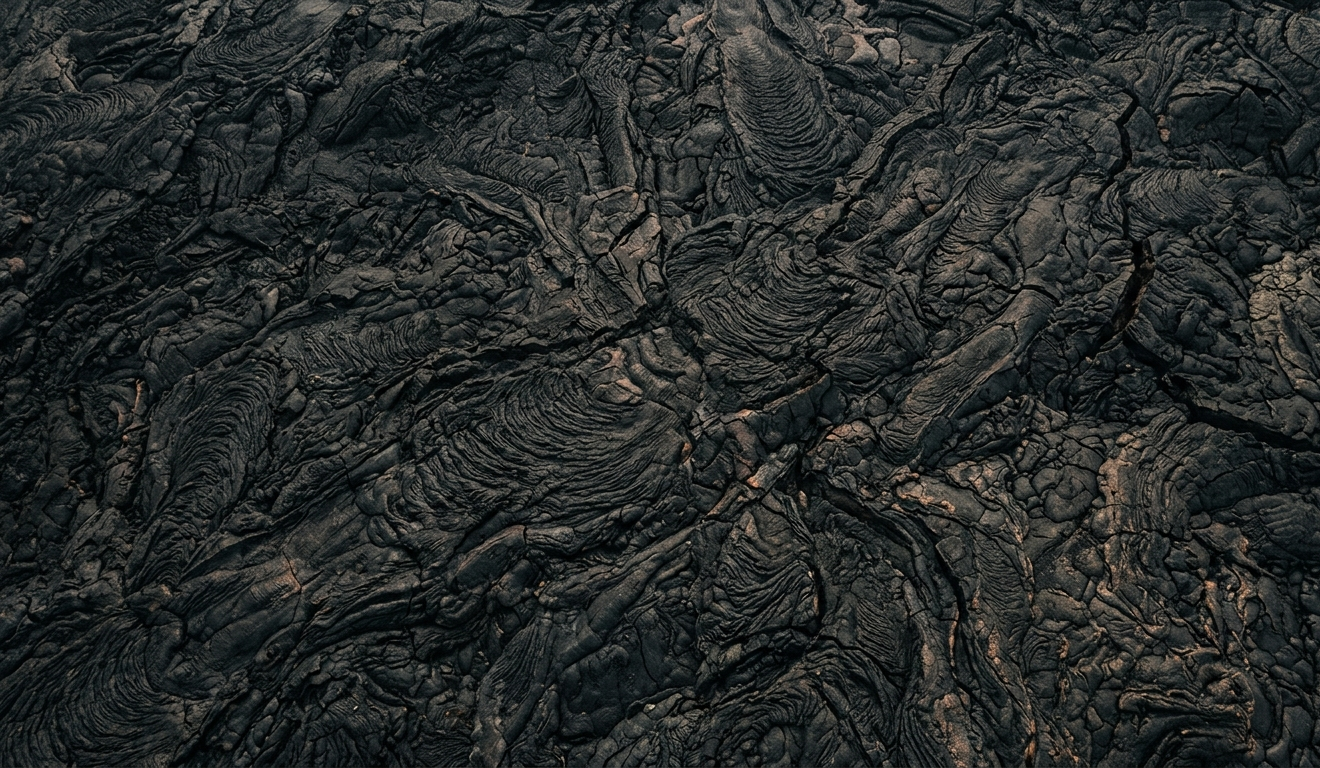
Kīlauea is one of the world's most active volcanoes, located on the Big Island of Hawaii within Hawaii Volcanoes National Park. It is a shield volcano that has erupted frequently, shaping a dynamic landscape of craters, solidified lava flows, and steam vents. Kīlauea, along with Mauna Loa, is a centerpiece of the park, which is a designated International Biosphere Reserve and UNESCO World Heritage Site.
Visitor experience
Visitors to Kīlauea can explore diverse volcanic landscapes and observe geological features shaped by ongoing activity. Key experiences include viewing the summit caldera, particularly Halema'uma'u Crater, which has been the site of recent eruptions, often displaying a mesmerizing glow at night when active. The park offers numerous hiking trails, ranging from easy walks to challenging treks, such as the Devastation Trail, Crater Rim Trail, and Kīlauea Iki Trail, which descends into a solidified lava lake. Other popular spots include the steamy Haʻakulamanu (Sulphur Banks) and the Nāhuku (Thurston Lava Tube), a walk-through lava cave. Scenic drives like the Chain of Craters Road provide views of various craters and eventually lead to the ocean, though lava is not currently flowing into the ocean. Educational resources are available, and ranger-led programs may offer insights into the park's geology, biology, and Hawaiian culture. Helicopter tours offer an aerial perspective of the volcanic activity and landscape.
Logistics
Kīlauea is located within Hawaii Volcanoes National Park on the southeastern side of the Big Island. The park is open 24 hours a day, 365 days a year.
- Access: From Hilo, take Highway 11 south for approximately 30 miles (about 45 minutes). From Kona, the drive is longer, about 2.5 to 3 hours, also via Highway 11, circling the southern part of the island.
- Entrance Fees: A standard vehicle pass costs $30 and is valid for seven days. Pedestrians and bicyclists pay $15 for a seven-day pass. The park operates on a cashless system; fees must be paid digitally or with a credit card. Annual Hawaii Tri-Park passes and America the Beautiful passes are also accepted.
- Visitor Center: The Kīlauea Visitor Center is typically the first stop for information, maps, and current conditions. As of February 2025, the Kīlauea Visitor Center, its restrooms, and much of its adjacent parking are closed for extensive renovations, which are expected to last up to two years. Visitor information and park store services are temporarily available at a welcome center in the Koa Room at Kīlauea Military Camp, located 1.2 miles west.
- Parking: Parking is available at various overlooks and trailheads throughout the park. Large vehicles (over 26 feet long and/or 8 feet wide) have restricted access to certain roads.
- Permits: Most casual visitor activities do not require a permit. Permits may be necessary for camping, specific backcountry access, commercial operations, drone use, or special events like weddings.
- Timing: The park is open 24/7, allowing for early morning or late-night visits, which can be ideal for avoiding crowds or viewing any active glows from the crater. The best times to visit for potential lava viewing are during active eruption periods, which can occur at any time but may be more visible and accessible during the drier months of May through October.
- Duration: Visitors can spend anywhere from a few hours for a quick stop at major viewpoints to multiple days exploring the extensive trails and features of Hawaii Volcanoes National Park. It can be a half-day or an anchor activity depending on desired depth of exploration.
- Food/Water/Fuel: There are no provisions for water, food, or fuel along the Chain of Craters Road.
Safety and cautions
Kīlauea is an active volcano, and conditions can change rapidly. Safety is paramount.
- Volcanic Activity: Always check the latest updates from the U.S. Geological Survey's Hawaiian Volcano Observatory and the National Park Service for current volcanic activity, closures, and advisories before and during your visit. Volcanic activity is episodic, with eruptions potentially lasting a few hours to several days.
- Closures: Respect all posted closure signs and stay out of restricted areas. Some roads and trails may be closed due to volcanic activity, storm damage, or ongoing repairs.
- Volcanic Gases: Hazardous volcanic gases (such as sulfur dioxide, which forms vog) are present and can pose a threat, especially for individuals with respiratory issues, children, pregnant women, and the elderly. Stay upwind of any fumes, and if the wind changes, move with it.
- Lava Hazards: Never walk on new lava flows or venture onto thin crusts, as hot lava may be underneath. The ocean entry of lava creates hazardous, acidic steam plumes and is extremely dangerous. There is currently no ocean entry of lava, so lava boat tours are not operating.
- Hiking: Wear sturdy, closed-toe shoes and long pants to protect against sharp, abrasive lava rock. Gloves are also recommended to prevent hand injuries if you fall. Remain on marked trails to avoid unstable ground, hidden cracks, and sudden drop-offs. Do not hike after dark unless well-prepared with flashlights and extra batteries.
- Weather: The weather at higher elevations in the park can be 12-15 degrees cooler than the coast and frequently rainy, so dress in layers and bring rain gear.
- Cultural Sensitivity: The volcanic landscapes hold deep cultural significance for Native Hawaiians; visitors are asked to respect the land and its traditions.
Editorial take
Kīlauea offers an unparalleled opportunity to witness the raw power of nature and the ongoing creation of land, making it a priority for travelers interested in geology, hiking, and unique natural phenomena. It's an anchor activity for many Big Island itineraries, easily warranting a half-day or full-day visit, especially if active lava viewing is possible. Nighttime viewing can be particularly striking when there's a glow from the crater.
Travelers who might skip it include those with severe respiratory conditions sensitive to volcanic gases, or those primarily seeking beach activities without interest in active landscapes. Visitors with limited mobility should check accessibility for specific viewpoints and trails, as some areas are steep or uneven.
Do not confuse Kīlauea with Mauna Loa, which is also within Hawaii Volcanoes National Park but is a distinct, larger volcano with different eruption patterns. While both are active, Kīlauea is generally more frequently active and accessible for visitor viewing. Also, be aware that lava viewing conditions change constantly; active surface flows or ocean entries are not guaranteed.
Source notes
- Hawaii Volcanoes National Park (NPS) Official Site: https://www.nps.gov/havo/index.htm
- Hawaii Volcanoes National Park Fees & Passes: https://www.nps.gov/havo/planyourvisit/fees.htm
- Hawaii Volcanoes National Park Permits & Reservations: https://www.nps.gov/havo/planyourvisit/permits.htm
- Kīlauea Visitor Center Information (NPS): https://www.nps.gov/havo/planyourvisit/kilauea_vc.htm
- Big Island Guide - Complete Hawaii Volcano & Lava Viewing Guide: https://www.bigislandguide.com/hawaii-volcano-lava-viewing-guide
- Love Big Island - Hawaii Volcanoes National Park: Visitor Guide + Top Attractions: https://www.lovebigisland.com/hawaii-volcanoes-national-park/
- KE Team Hawaii - Is Kīlauea Volcano Safe?: https://www.keteamhawaii.com/kilauea-volcano-safety/