
Kula Kai Cavern
Explore ancient lava tubes at Kula Kai Cavern on the Big Island with guided tours, offering both easy lighted paths and adventurous crawls through unique geological formations.
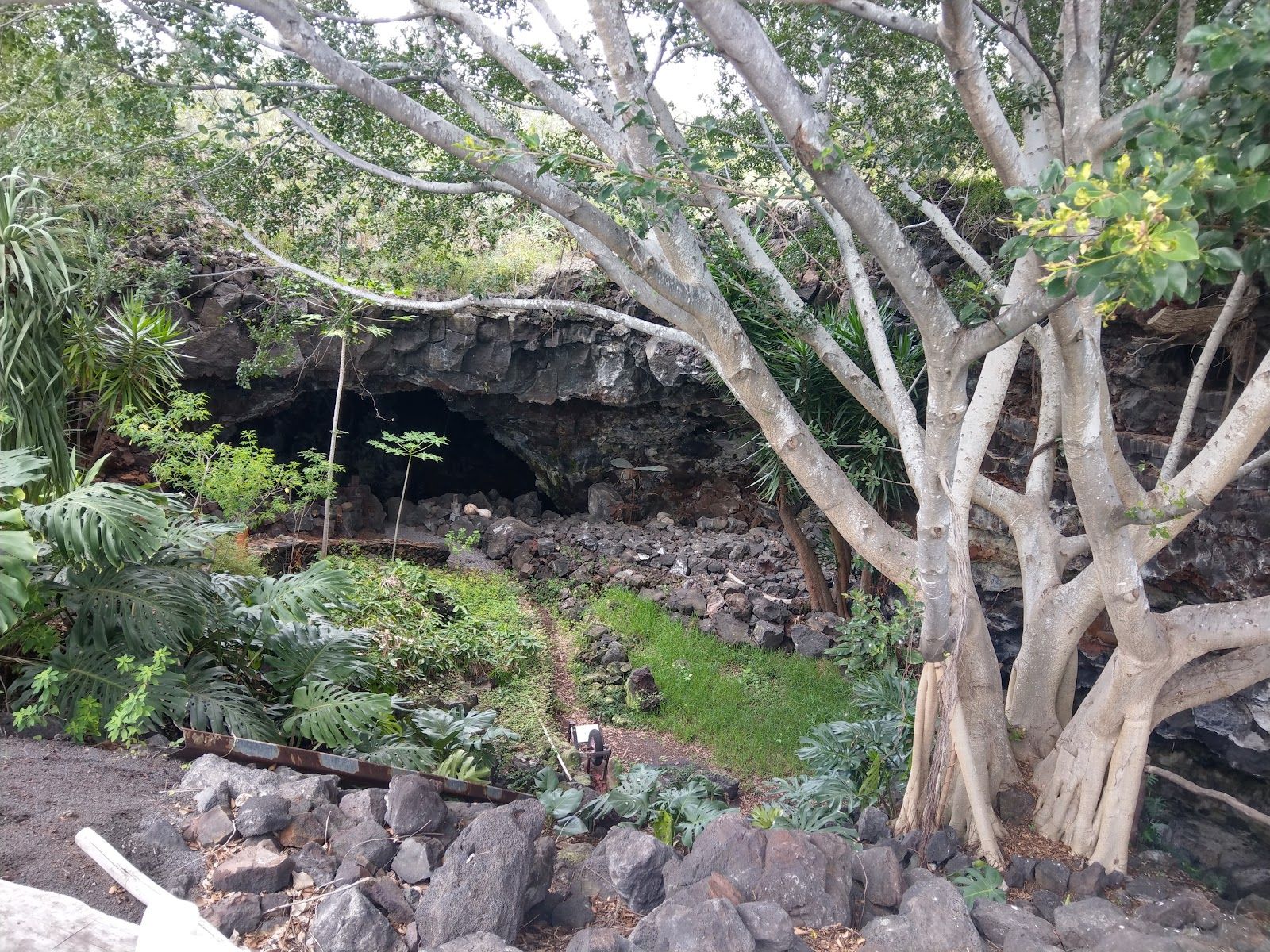
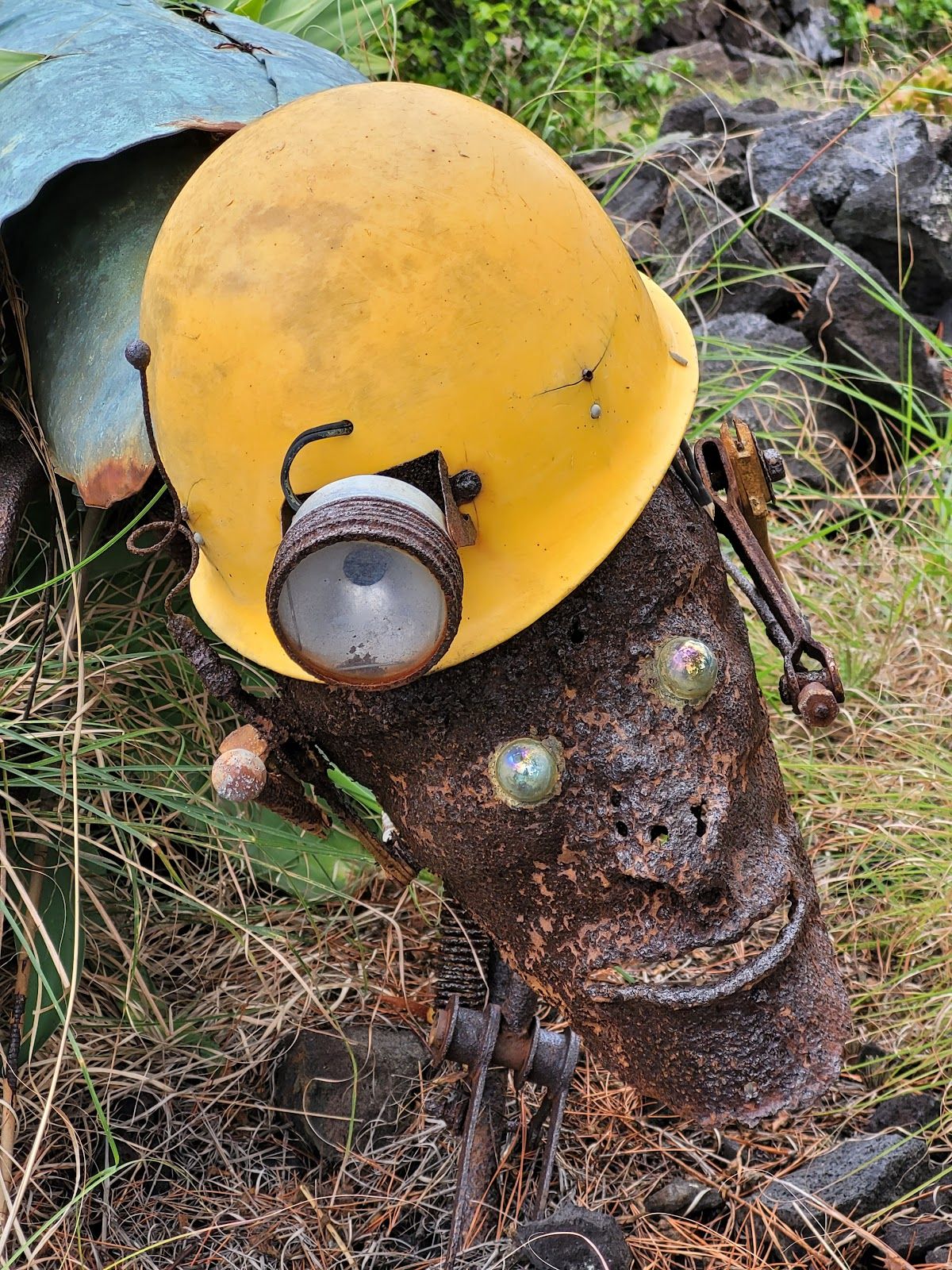
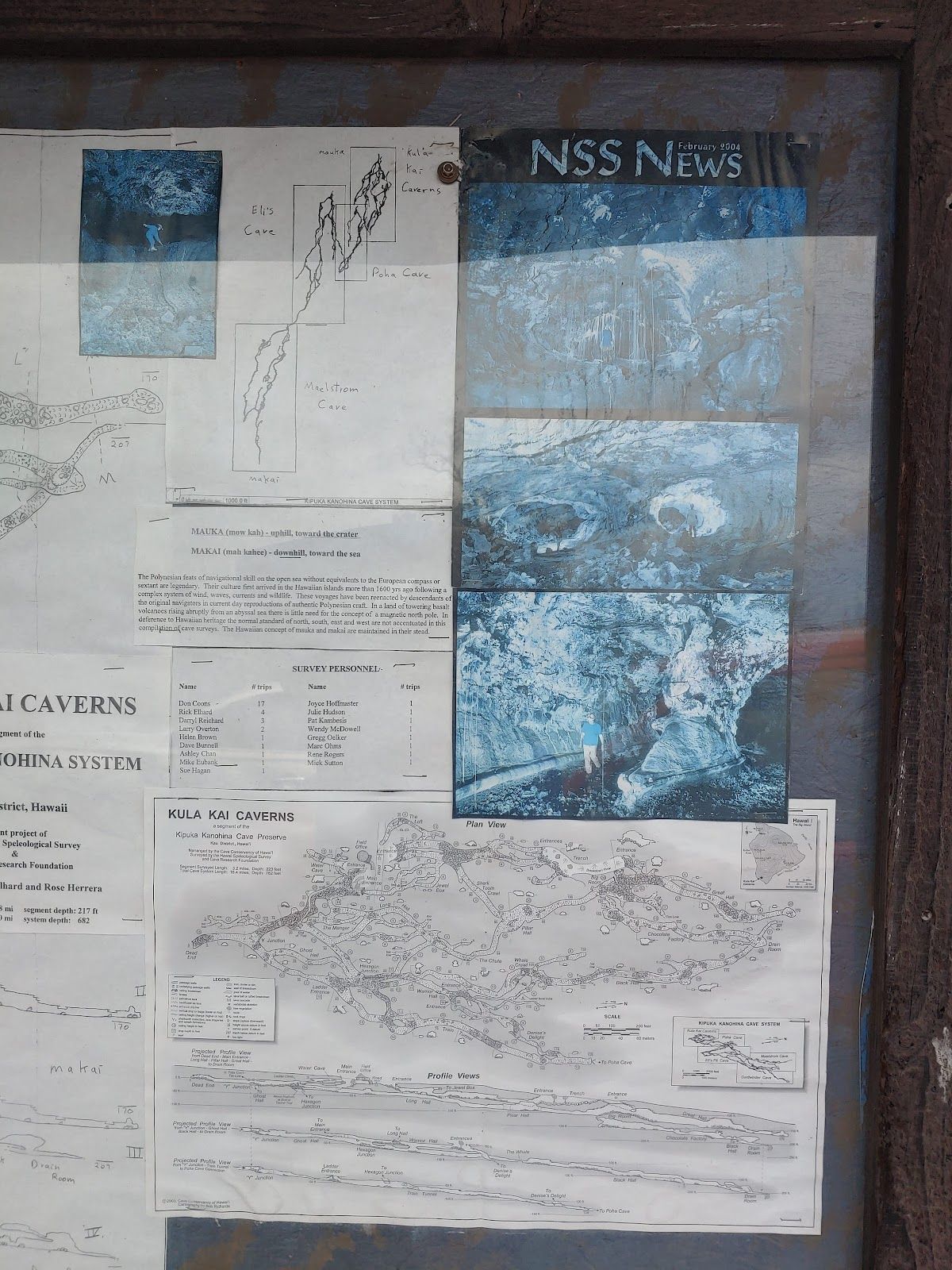
- Guided lava tube exploration
- Learn about geology and Hawaiian history
- Tours for various difficulty levels
- Helmets, lights, knee pads, and gloves provided
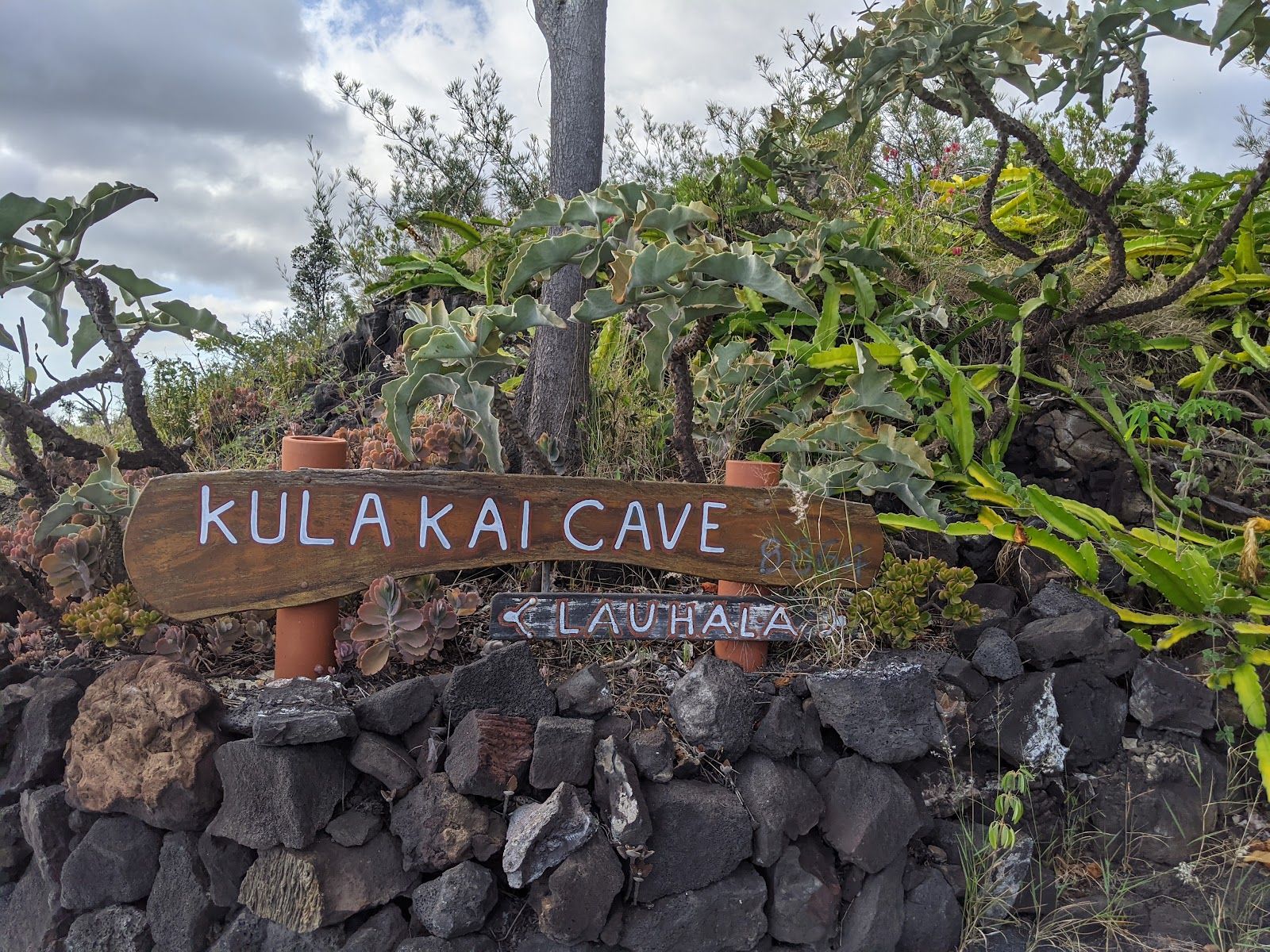
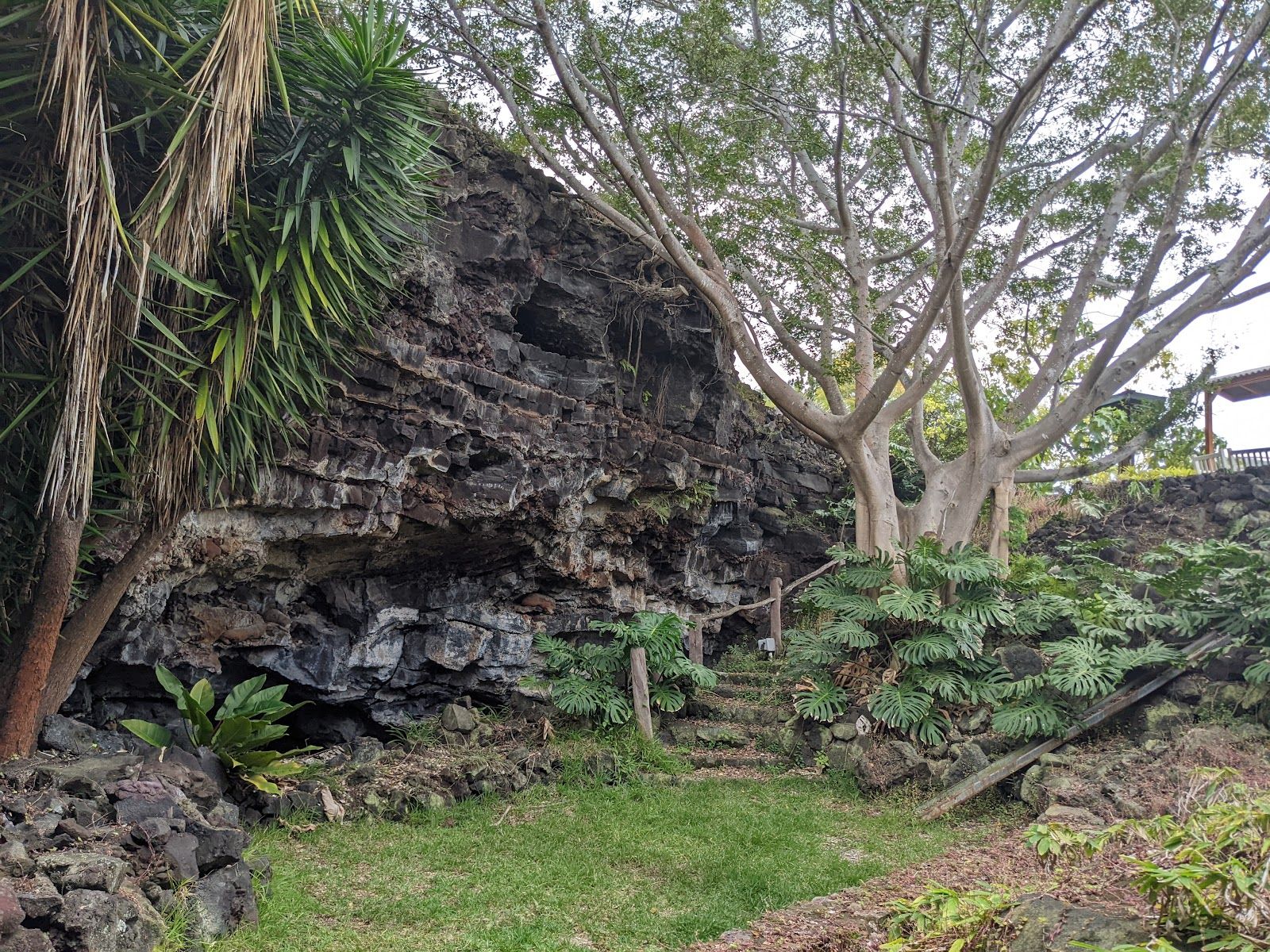
Kula Kai Cavern is one of the Big Island’s strongest off-beat guided outings: a privately owned lava tube system in Kaʻū, down in the South Point corridor between Kona and Hawaiʻi Volcanoes National Park. It works especially well for travelers who want something active, cool, and underground without committing to a full-scale caving expedition. The setting gives it real character too: this is volcanic terrain with a serious geological story, not a novelty stop.
A guided look inside a braided lava tube system
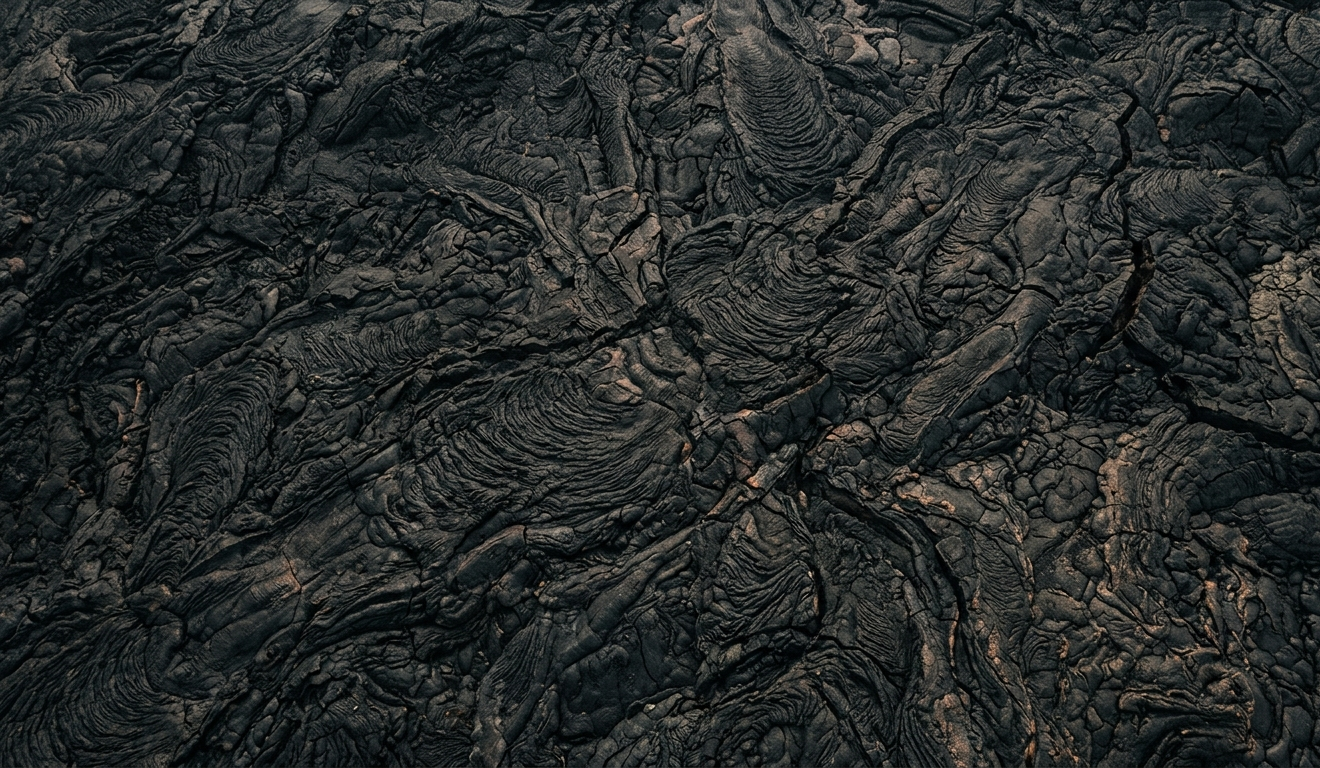
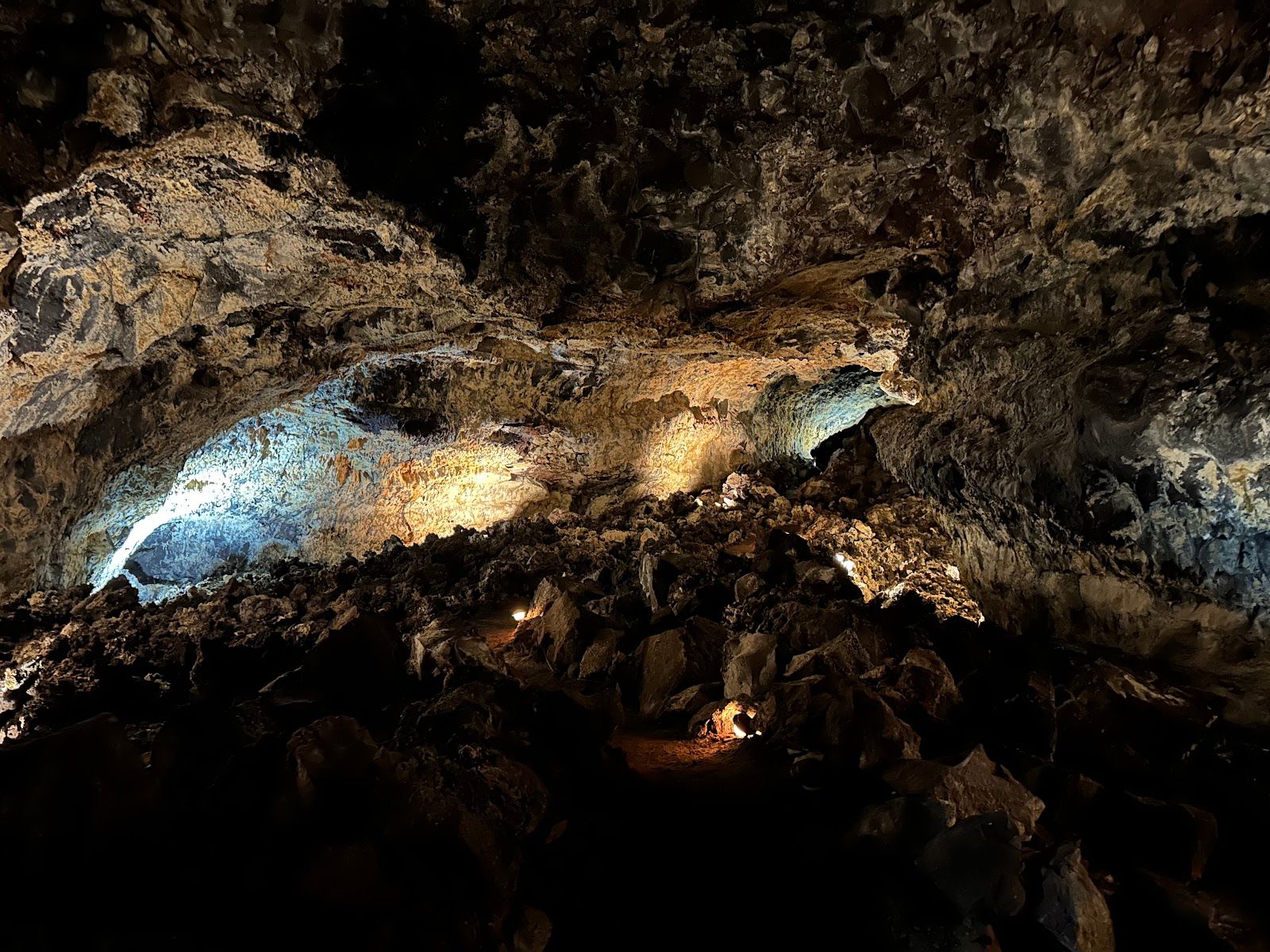
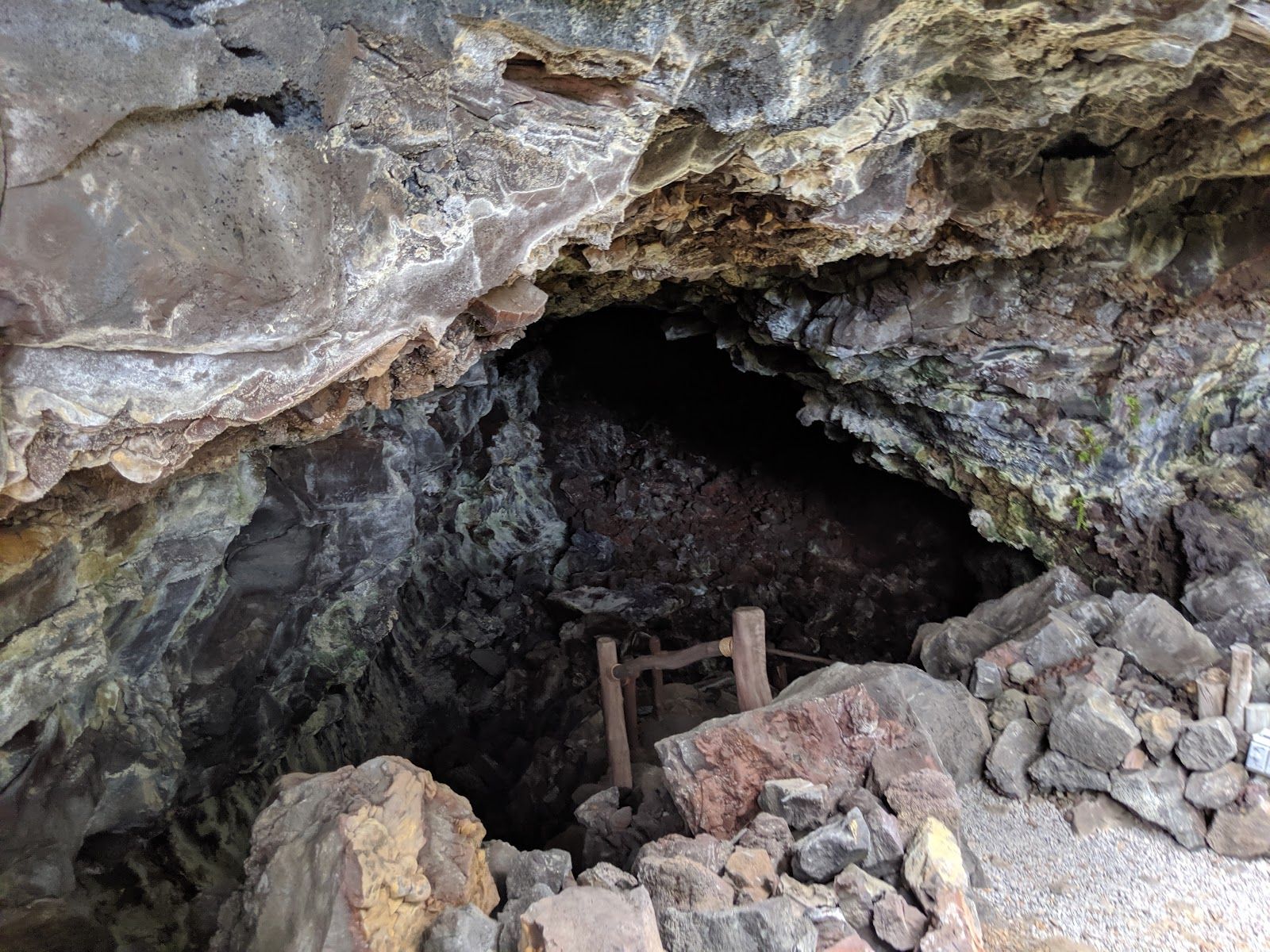
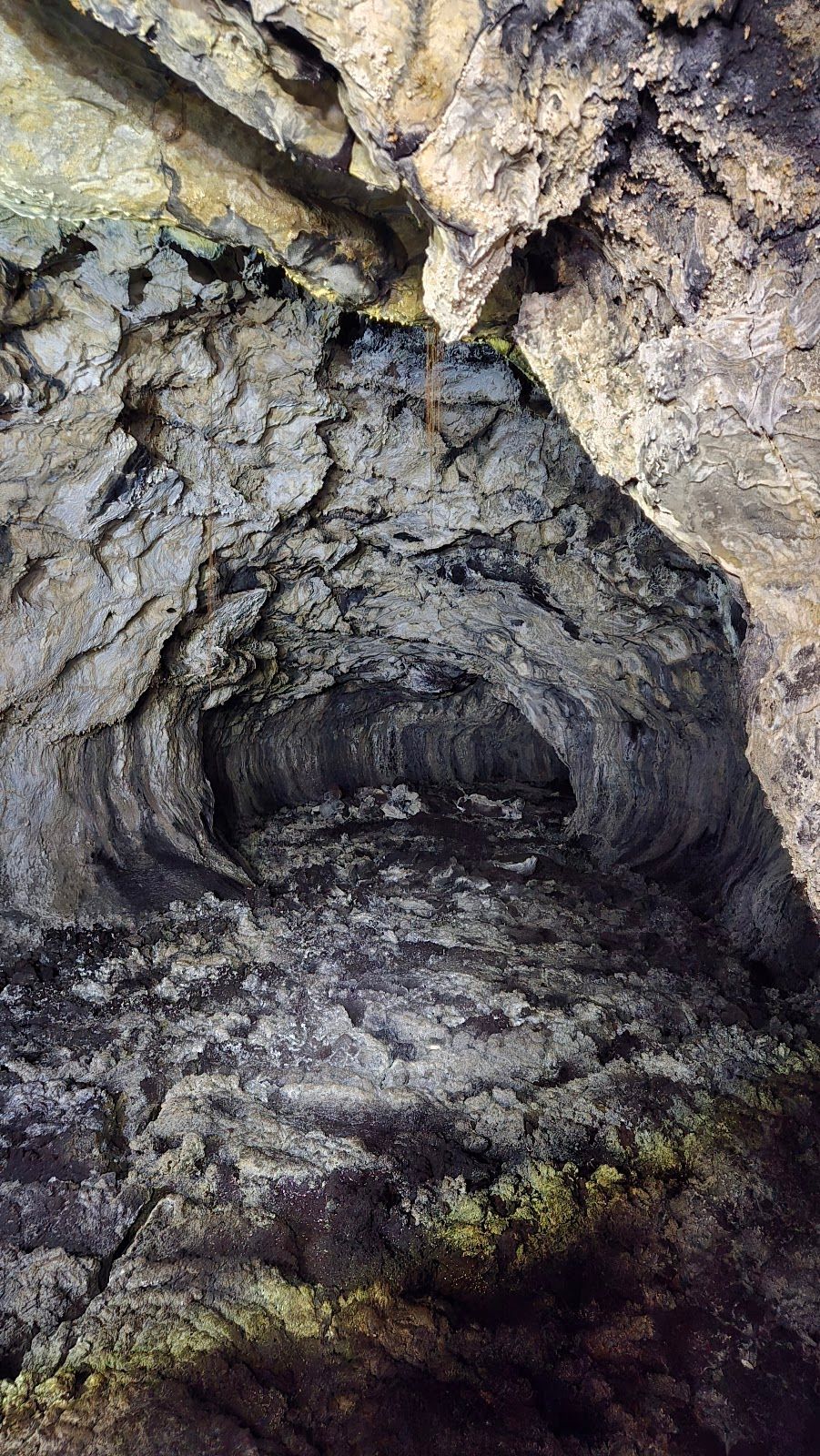
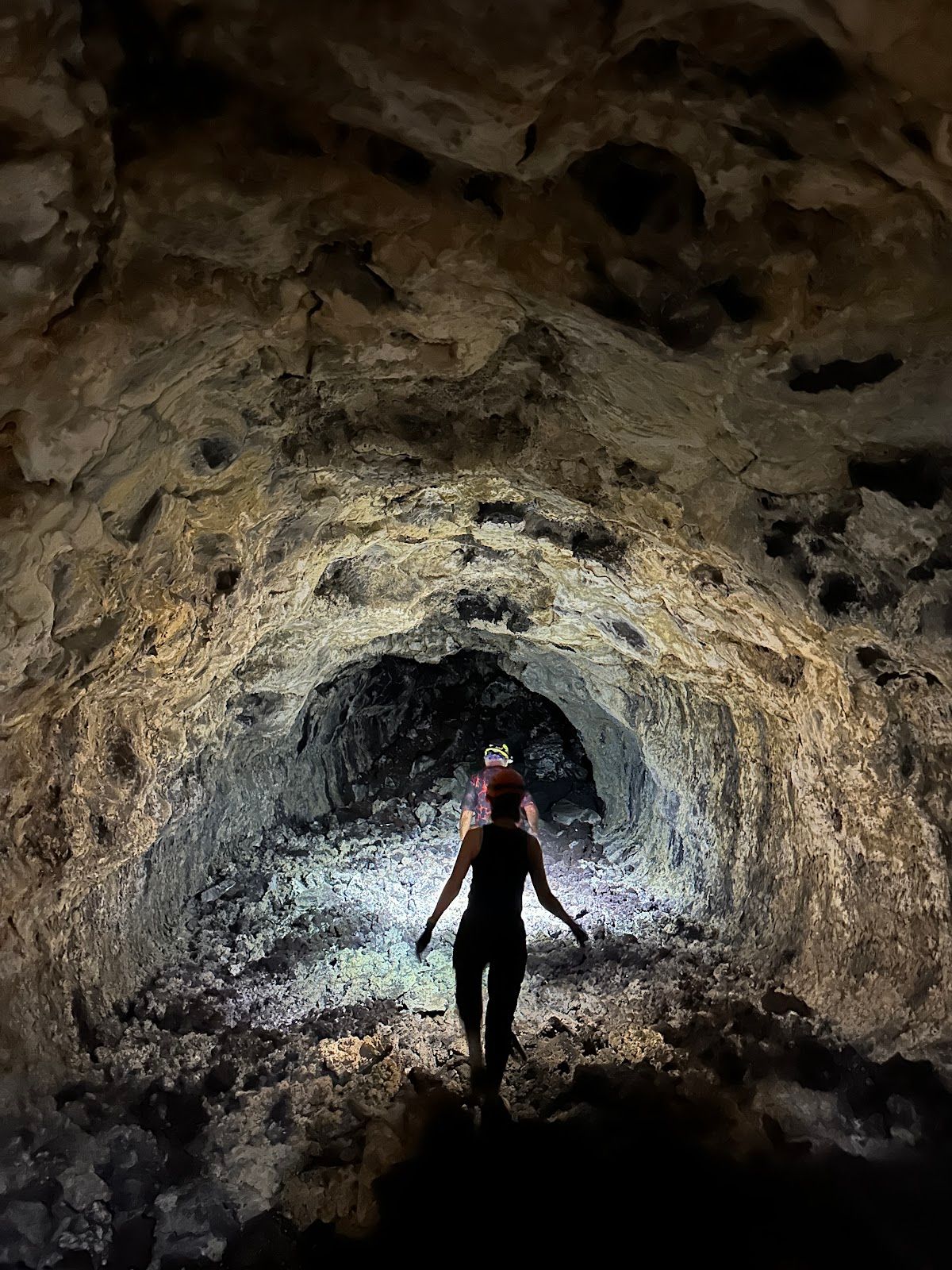
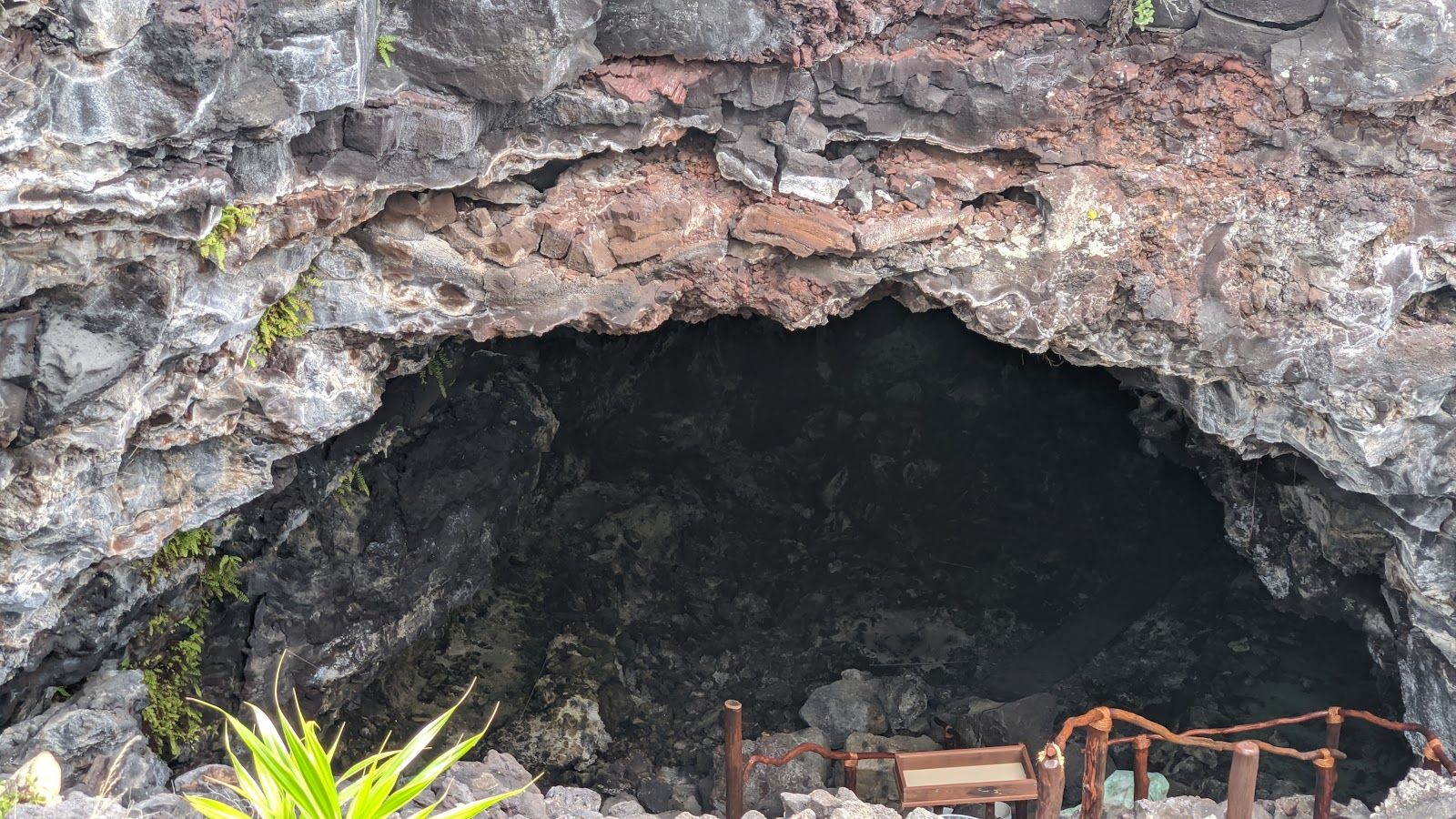
The draw here is the chance to move through ancient lava tubes with a guide rather than just peering into a roadside opening. Kula Kai Cavern sits within the larger Kīpuka Kanohina Cave System, part of an extensive braided network formed by lava from Mauna Loa. That means the experience is about more than dark corridors; it is a chance to see the textures and structures left behind as molten rock drained away.
Tour styles vary. The easier lighted walk is the most accessible way in, with a straightforward path and a strong emphasis on geology, archaeology, and Hawaiian history. More adventurous options move into unlit sections and can include crawling or tighter passages. Helmets, lights, knee pads, and gloves are provided for the more demanding tours, which tells you the operator is set up for a range of comfort levels rather than a single fixed experience.
The subterranean details are part of the appeal: lava shelves, pillars, lavacicles, and the strangely named cave formations that make volcanic caverns feel otherworldly. The cave environment also stays noticeably cooler than the surface, which is welcome on a hot Kaʻū day and useful to keep in mind when packing.
How to place it in a South Point day
This is not a casual pop-in stop. Kula Kai Cavern is in Ocean View, and the location makes it a better fit for a planned half-day than an improvised detour. It is a natural match for itineraries linking Kona and Hawaiʻi Volcanoes National Park, or for a South Point-focused day that already includes Kaʻū’s broad, rugged landscapes.
Reservations matter because access is gated. That makes advance planning part of the experience, not just a nice-to-have. The remoteness is also part of the tradeoff: the drive is worthwhile if the cave itself is a priority, but less so if you are looking for something that can be folded easily into a beach-heavy day.
The main tradeoff: choose the tour that matches your group
Kula Kai Cavern is flexible, but it is not one-size-fits-all. The lighted trail option suits families, mixed-age groups, and travelers who want the geology and cultural context without a physical push. The longer or crawly routes are better for people who want a bit of challenge and do not mind narrow or rougher sections.
That flexibility is the strength here, but it also means travelers should pay attention to the specific tour they are booking. Claustrophobia, limited mobility, or a reluctance to crawl are real reasons to stick with the easier walk. Closed-toe shoes with good traction are the right call, and long pants make sense for the more adventurous routes.
A good fit for geology-minded travelers
Kula Kai Cavern is best for travelers who want a guided experience with substance: lava tube geology, a sense of place in Kaʻū, and a setting that feels different from the Big Island’s better-known above-ground stops. It is especially good for visitors who like interpretation and structure, since the guide-led format helps the cave’s features and history come into focus.
Those looking for an easy scenic overlook, a beach stop, or an entirely spontaneous outing may prefer something else. But for a memorable indoor-adjacent adventure with real volcanic character, Kula Kai Cavern earns its place on a Big Island itinerary.