
What it is
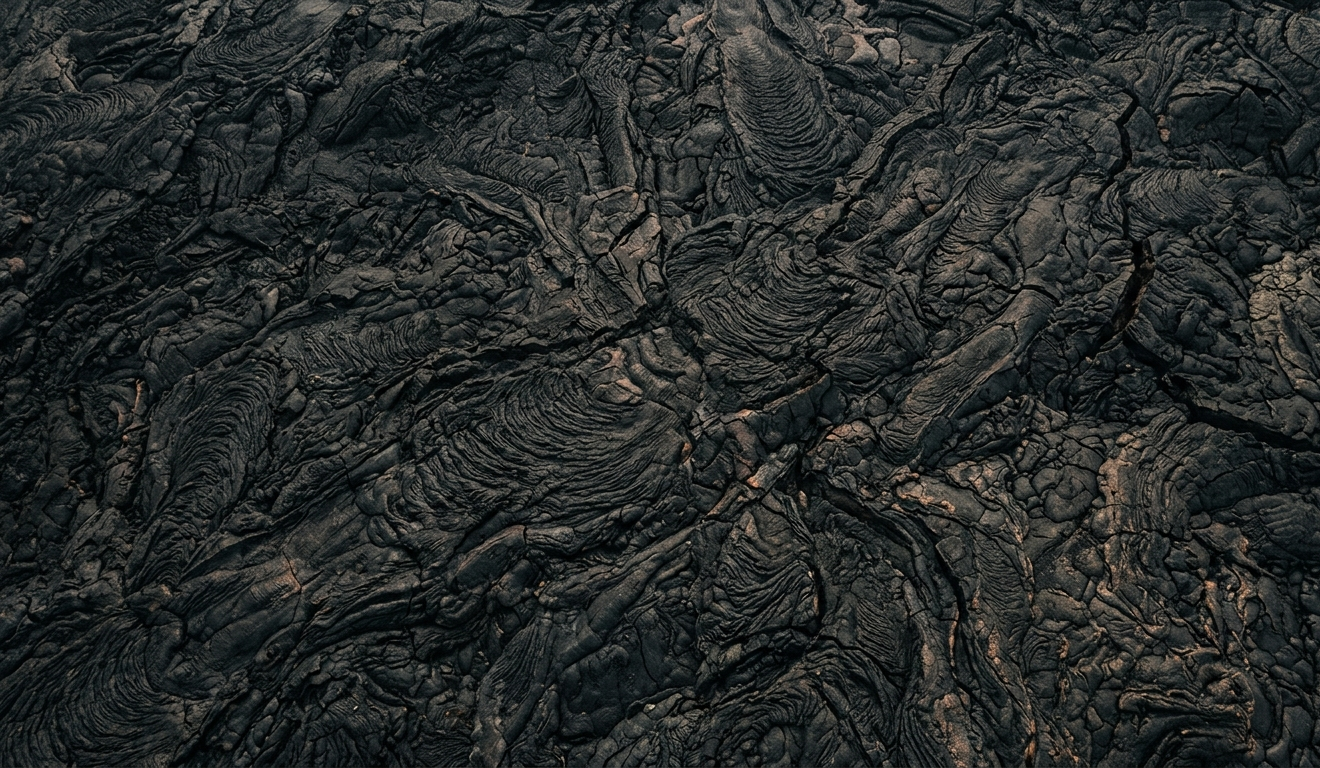
Kula Kai Cavern is a system of privately-owned, thousand-year-old lava tubes located in Ocean View on the southern side of the Big Island, Hawaii. These lava tubes are part of the larger Kīpuka Kanohina Cave System, which is one of the longest and most braided lava tube systems in the world. The caverns were formed by flowing molten lava from Mauna Loa, leaving behind a labyrinth of underground tunnels. Kula Kai Cavern offers guided tours to the public, allowing visitors to explore these geological formations and learn about their science, formation, and historical use by ancient Hawaiians.
Visitor experience
Visitors to Kula Kai Cavern can choose from a range of guided tours varying in length and difficulty. The "Lighted Trail Tour" is an easier, approximately 30-minute to one-hour walk on a lit path, focusing on the history, archaeology, and geology of the lava tubes. More adventurous options include "The Crawl" and "The Two-Hour Tour," which extend into unlit sections of the cave and may involve walking, hiking, and crawling through passages. For these more demanding tours, participants are equipped with helmets, lights, knee pads, and gloves.
Inside the caverns, visitors can observe unique volcanic formations such as lava shelves, lava pillars, lavacicles, cave chocolate, cave bacon, and cave popcorn. The tours are led by experienced and knowledgeable guides who provide insights into the geological processes and cultural significance of the caves. The environment is described as mysterious and offers stunning photography opportunities with the interplay of light and shadow on intricate rock textures. Cave temperatures remain consistently cool, typically 15–20 degrees Fahrenheit below surface temperatures.
Logistics
Kula Kai Cavern is located in Ocean View, Hawaii, halfway between Kailua-Kona and Hawaii Volcanoes National Park. It is situated within a gated community, and reservations are required to receive the gate access code. Tours are available Monday through Saturday; the caverns are closed on Sundays.
The address is 92-8864 Lauhala Drive, Ocean View, HI 96704. Directions are provided from both Kona and Volcano/Hilo on their website, emphasizing the need for the gate access code after turning onto Kona Kai Blvd.
Tour durations range from approximately 30 minutes to an hour for the easier lighted tours, up to two hours for more extensive expeditions. Visitors are advised to wear sturdy, closed-toe shoes with good traction, and for longer tours, long pants are recommended to protect against rough volcanic rock. Essential supplies like helmets, lights, gloves, and knee pads are provided for more advanced tours.
This activity can range from a quick stop (for the shorter tour) to a half-day activity, especially considering travel time to its somewhat remote location.
Safety and cautions
Safety is a priority, with experienced guides leading all tours. Appropriate gear, including helmets, lights, gloves, and knee pads, is provided for tours that involve crawling or navigating challenging sections. Visitors must wear sturdy, closed-toe shoes with good traction to prevent slips on wet or uneven volcanic rock surfaces, and sandals or flip-flops are not suitable. Long pants are also recommended for protection during more adventurous tours.
Cave temperatures are consistently cool, so layered clothing is advisable even on warm days. While advanced tours may involve crawling through tight spaces, guides assure visitors that passages are manageable. Visitors with claustrophobia or limited physical mobility should inquire about the specific tour details before booking, as some tours are more physically demanding than others. The caves are home to some unique insect species, but encounters are generally not a concern deep within the caverns. Respecting posted signs and barriers is important for safety and environmental protection.
Editorial take
Kula Kai Cavern is an excellent choice for travelers interested in geology, unique natural phenomena, and a moderately adventurous experience beyond typical Big Island attractions. It offers a unique opportunity to explore lava tubes that are relatively young geologically and hold cultural significance. It fits well into itineraries for those traveling between Kona and Hawaii Volcanoes National Park, offering a distinct subterranean adventure.
Those who should prioritize it include:
- Geology enthusiasts eager to learn about lava tube formation and volcanic processes.
- Adventurous individuals or families looking for a unique, active experience like caving or spelunking.
- Travelers seeking an educational tour with knowledgeable guides.
Those who should skip it include:
- Individuals with severe claustrophobia, as some tours involve narrow passages.
- Visitors with significant mobility issues, especially for the longer, more physically demanding tours, though a lighted walking tour is available.
- Those primarily seeking beach, ocean, or purely above-ground experiences.
Do not confuse Kula Kai Cavern with other lava tube experiences on the Big Island like Nāhuku (Thurston Lava Tube) in Hawaii Volcanoes National Park, which is publicly accessible and typically more crowded, or Kazumura Cave, which offers longer, more strenuous, and often more specialized caving expeditions. Kula Kai Cavern is distinct for its private, guided tour format within a "braided" lava tube system.
Source notes
- Kula Kai Caverns Official Website: https://www.kulakaicaverns.com/
- Kula Kai Caverns Expeditions Page: https://www.kulakaicaverns.com/expeditions
- Kula Kai Caverns Map Page: https://www.kulakaicaverns.com/map
- Big Island Guide - Kula Kai Caverns: https://vertexaisearch.cloud.google.com/grounding-api-redirect/AUZIYQEzJbMyB6Cp8Z6E2RP3jT9gXvcoJAgoaMXjbLDWTai5nWeQRZt1vsMOq-IzpV3sn9skAxP1817IGS785ARF7-ST-TMp2FfSd4ihm-_6y2AD9hUWmN2mkwhE-WRVg5yDQzXzcsO5cqAJwiBnf6_wug_UwIvl9-cP
- A Complete Guide to Hawaii's Best Lava Tubes and Caves: https://vertexaisearch.cloud.google.com/grounding-api-redirect/AUZIYQHbfUA38nw6c14UMi8Qejmj6HEnGDvbGPYoS84pGTzJNV4XBGUDgOXjdAj_zb9XC3ePKkY-QD-vOHwBjwlgfebF7ozf6vSG9OOCXytIK9sE3oWPts4gzVoqM0P2dsYaApwk6Nq8LnlPkgKhxmEjBrFyayZm_8u9fg6j38G1nKOXAQfSRrvwaYDPHf0IE5_75wbtcgcxxxtK2rkfw1g7_
- HAWAIʻI Magazine - You Can Traverse Through Lava Tubes on this Guided Tour: https://vertexaisearch.cloud.google.com/grounding-api-redirect/AUZIYQHTkBEv-1QK0-iWt53nqhf0j9owO21EzJl0O9QX64tL1sKoRMCQ1Gzg7hDA8Ky8Xc5F70z0trD37F0IfB1gsDGBuv5yFlkLtrbuJ5s0kJhXYuijrNUtTZHxphmRv1-Q3Lw12uD1Xf7at_reqFvInwOIe3-0w-AQt0_700SO1fQKCXrHMCC1pyanQsKA-fJpeXSR
- Visit A City - Kula Kai Caverns & Lava Tubes: https://vertexaisearch.cloud.google.com/grounding-api-redirect/AUZIYQHPi19RwbbxMqmlg7h7e7kIaIcwBD9GdA5ct8TtVXXw5H5aR6y6gPNzN6SDmu8a7aQrw2qRd9QVVmXHpt03uQQfdCTEJzJF_KF95Xw0KULXnsU1nO9uyOhWabpzI33XCBSkfjA1dNp14tPuMbwtLijKurJcz6Nt0pzVFhSR