
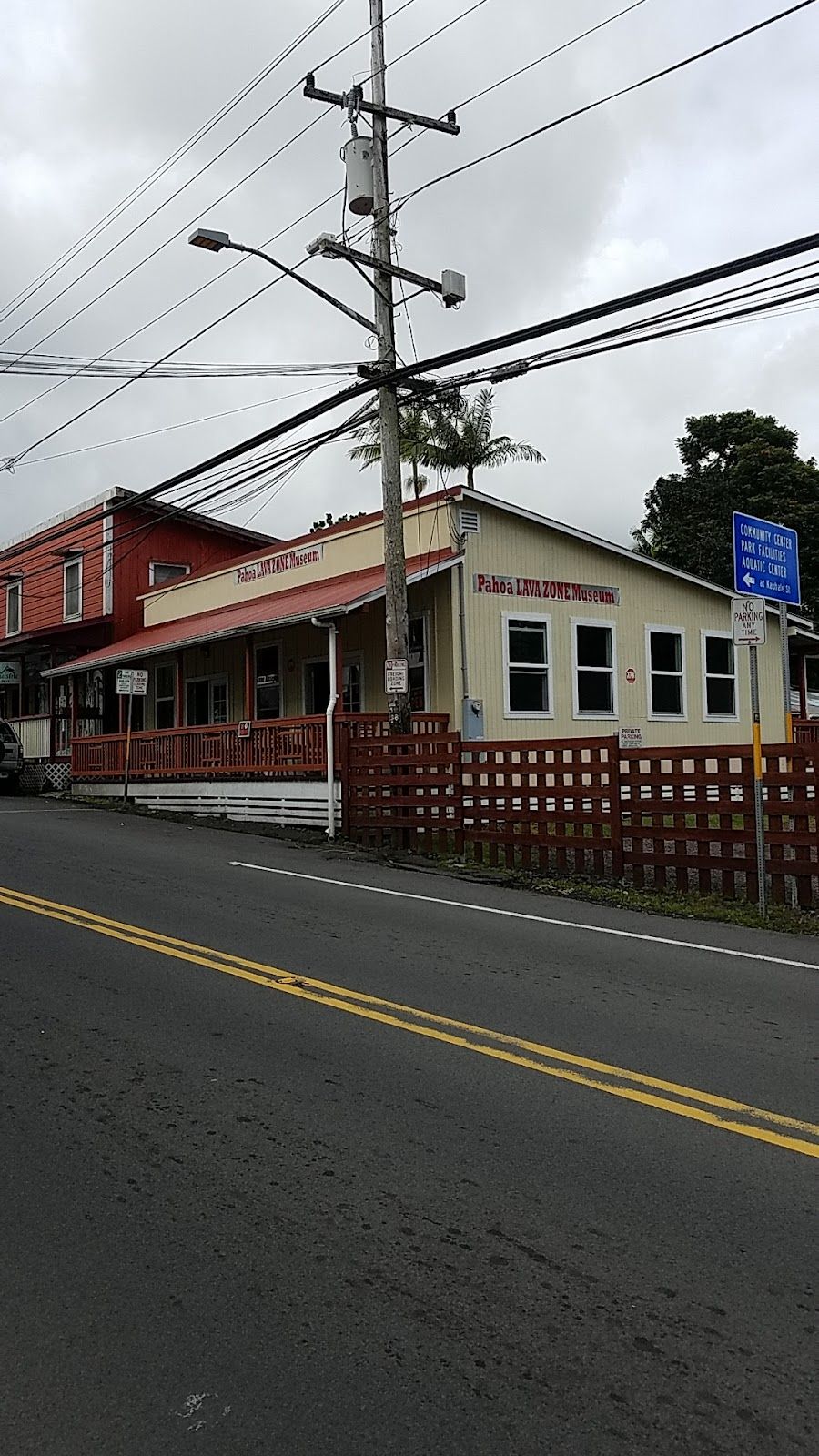
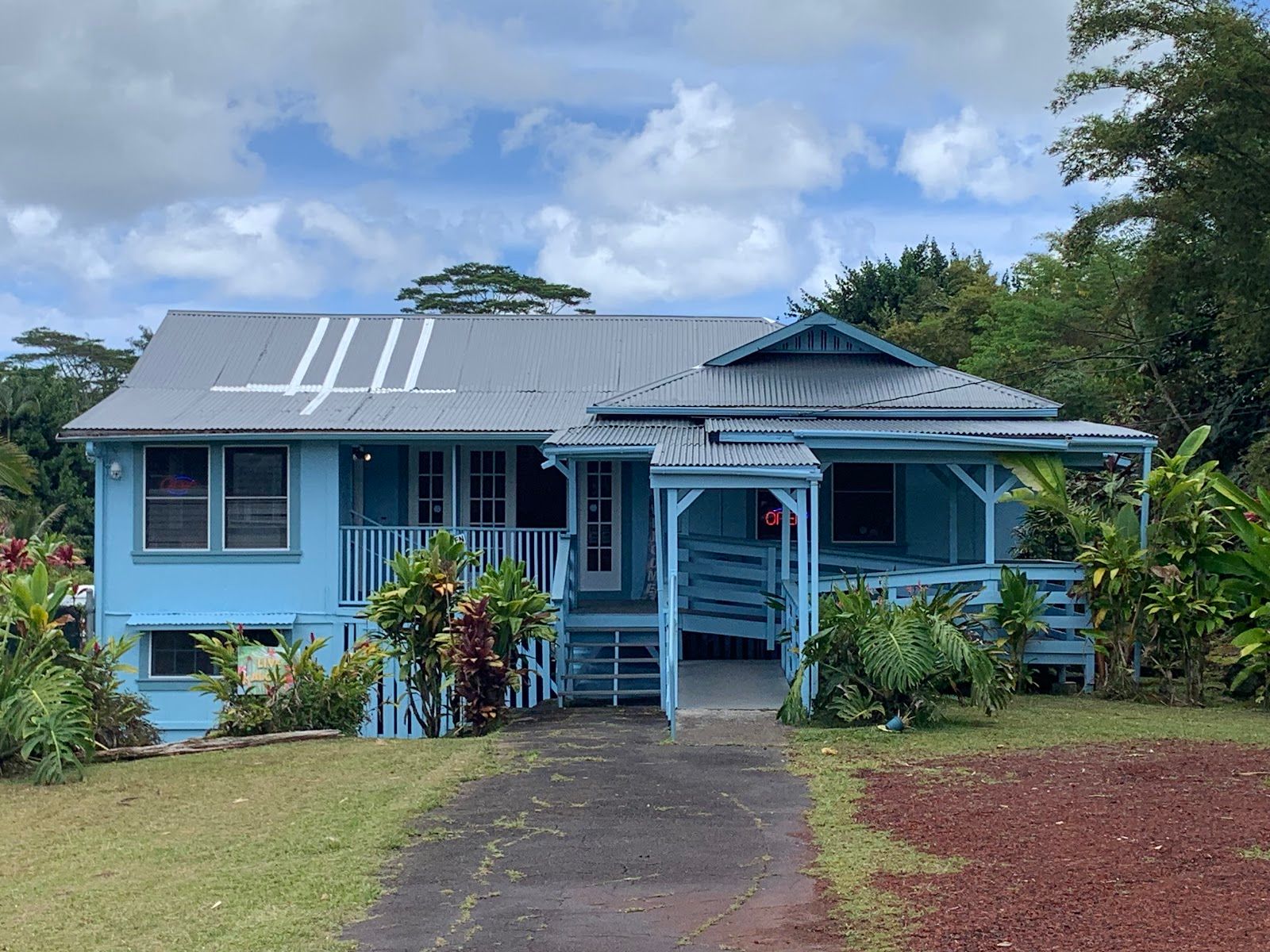
Pahoa Lava Zone Museum
Discover the impactful history of Kīlauea volcano's eruptions on the Puna district at the Pahoa Lava Zone Museum, featuring artifacts, maps, photos, and personal stories.
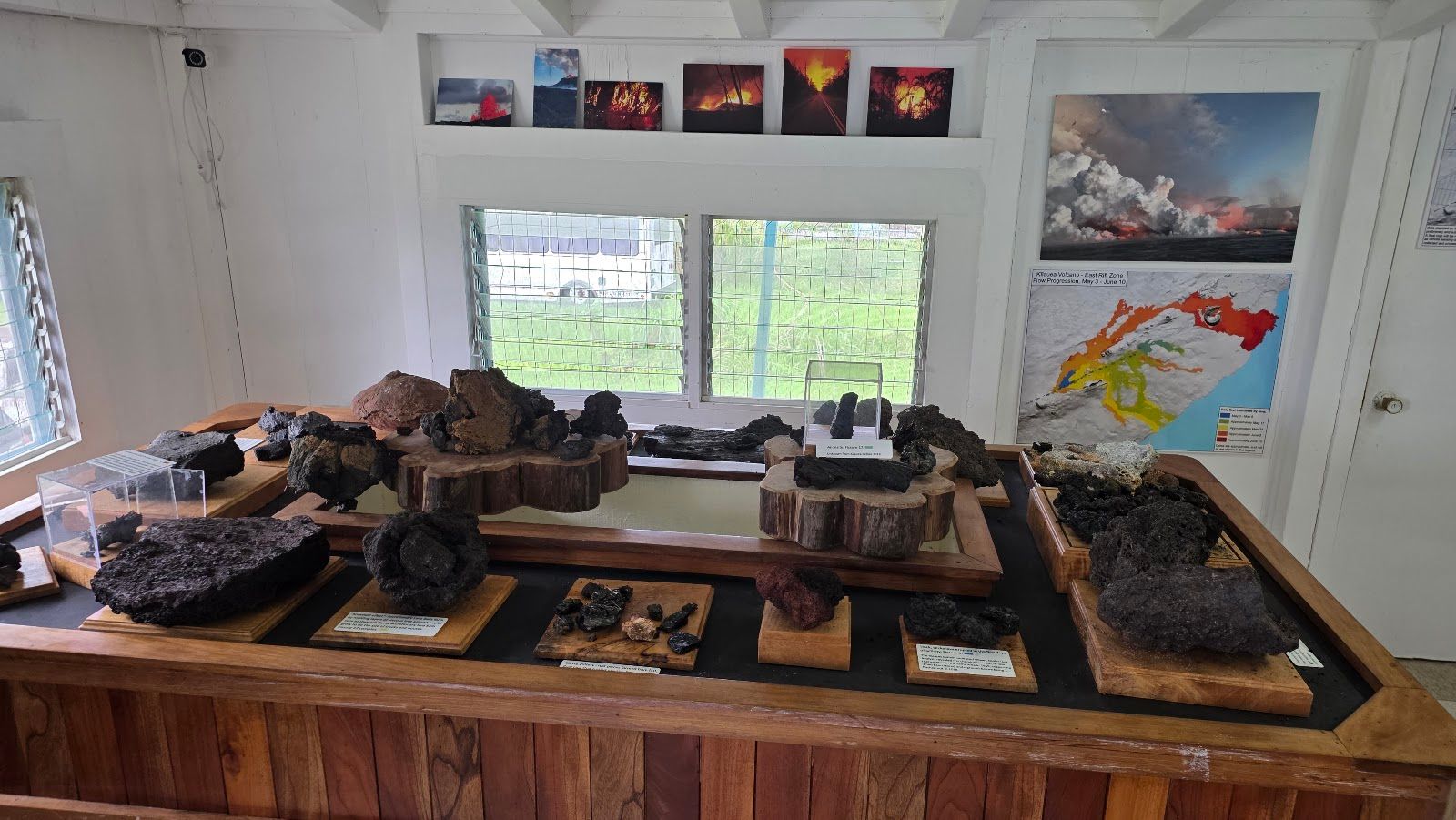
- Exhibits on Kīlauea volcano's impact
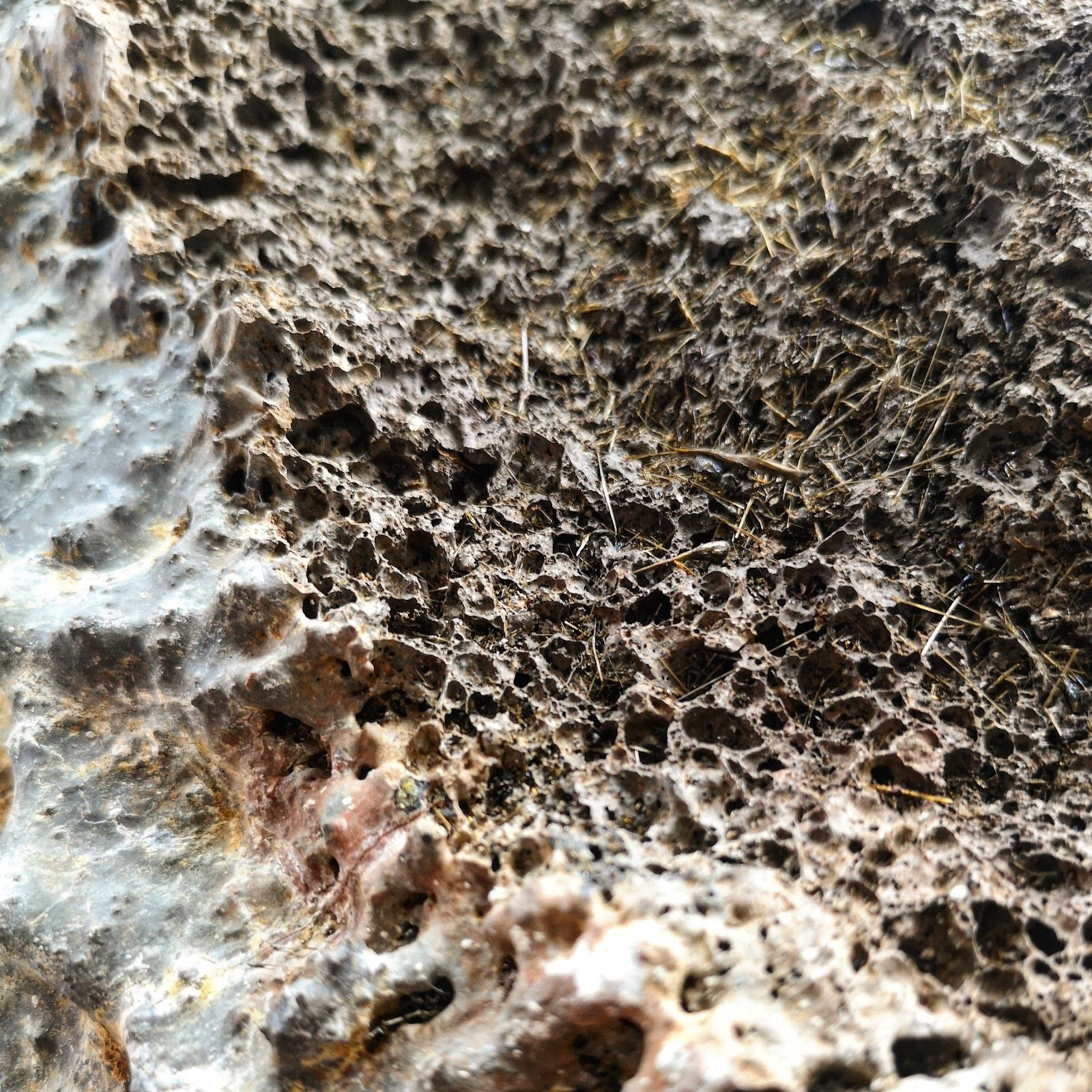
- Displays of lava flow artifacts
- Personal stories from affected residents
- Educational geology exhibits
The Pahoa Lava Zone Museum is a compact cultural stop in Pāhoa, in the heart of Puna on the Big Island’s east side. It stands out because it turns volcanic history into a human-scale story: not just lava flows and maps, but the way eruptions reshaped neighborhoods, daily life, and community identity. For travelers building a Puna day, it works especially well as a reflective inland stop between roadside wandering, café time, and visits that focus more on the island’s active volcanic landscape.
A small museum with a strong sense of place
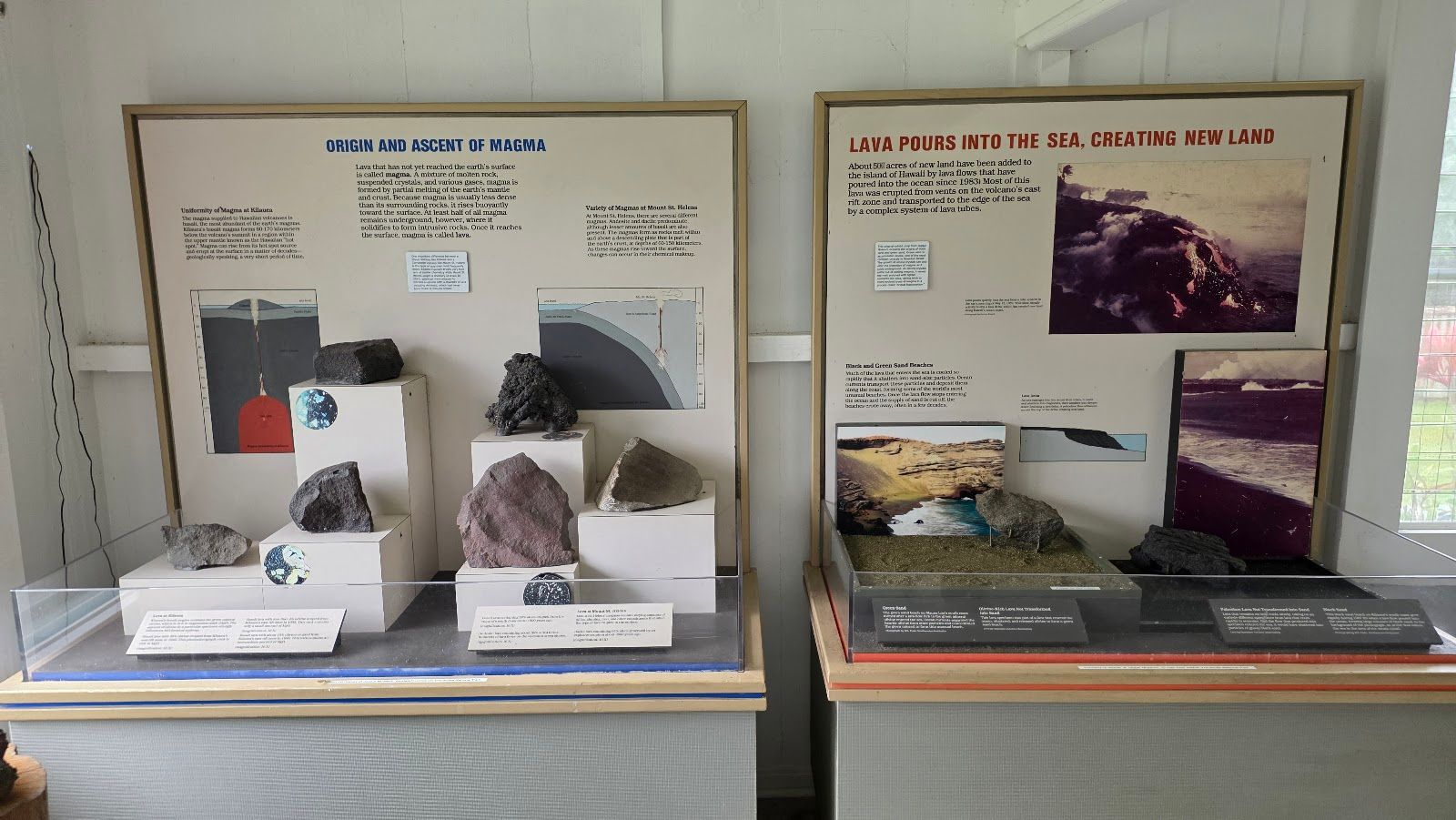
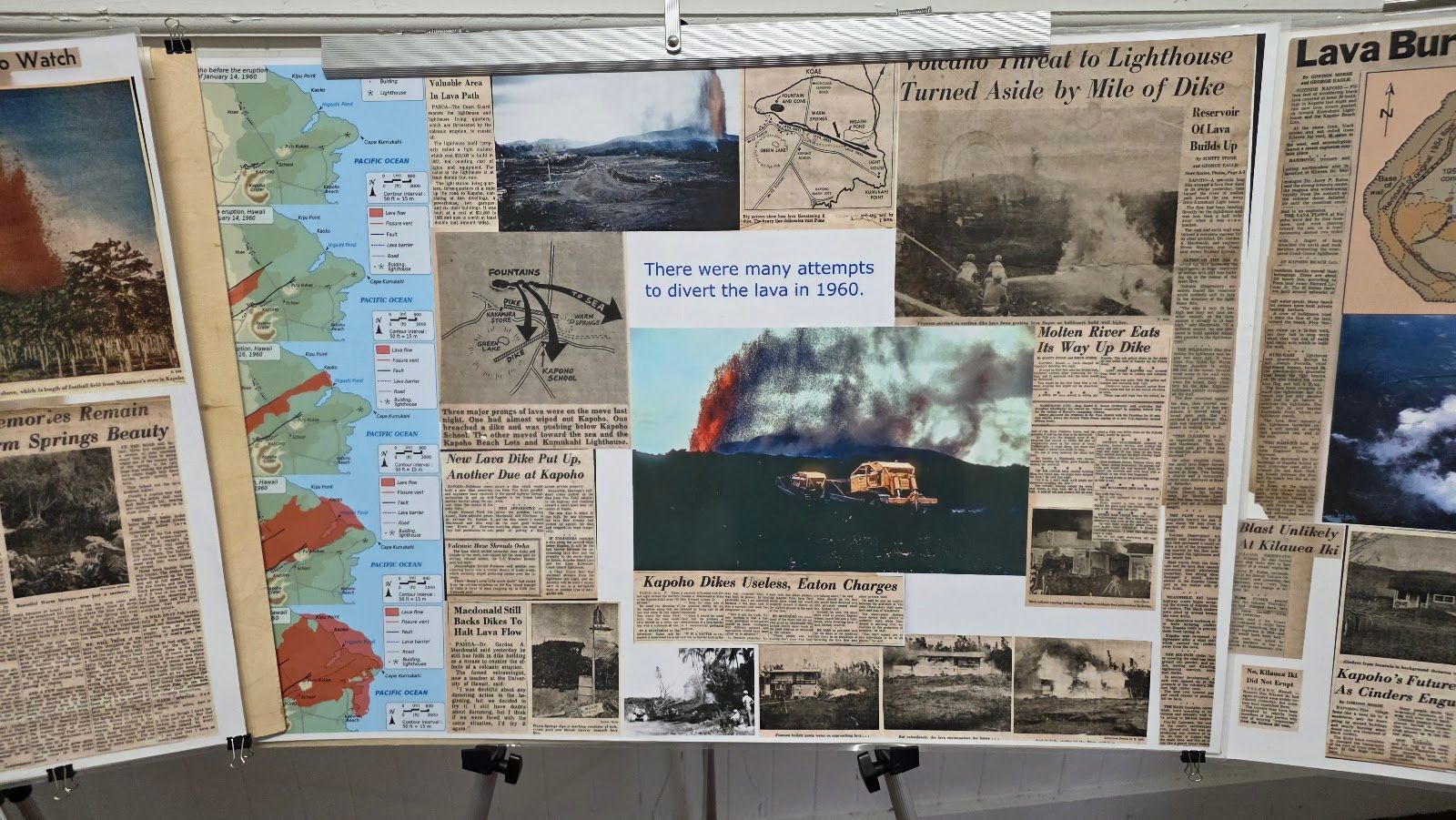
This is not a sprawling attraction, and that is part of its appeal. The museum centers on the impact of Kīlauea’s eruptions on Puna, with particular attention to the 2014 Pāhoa lava flow and the 2018 lower Puna eruption. Expect a self-guided visit through exhibits built around artifacts, photographs, maps, and personal accounts from residents who lived through those events.
The result is less about dramatic spectacle and more about context. Lava bombs, tools used by scientists, and timeline displays help explain what happened on the ground, while the stories of local people give the subject emotional weight. It is a practical place to understand how volcanic activity has shaped the region not just geologically, but socially and economically as well.
Why it belongs in a Puna itinerary
Pāhoa itself is one of the most natural places on the island to pause for this kind of stop. The museum sits on Pahoa Village Road in the village center, so it fits easily into a day that also includes a drive through lower Puna, a meal in town, or a broader loop built around the east side of the island.
A visit usually does not require a major time commitment, which makes it easy to slot into a flexible itinerary. It can function as a short, meaningful stop or expand into a longer visit for anyone who likes to read exhibit panels and trace the eruption timelines carefully. Because admission is free and donations are welcome, it also serves well as an unplanned detour when the weather turns wet or when a full outdoor excursion does not make sense.
The museum is a useful complement to Hawaiʻi Volcanoes National Park rather than a replacement for it. The park offers the bigger volcanic landscape; the Pahoa Lava Zone Museum offers the community-level perspective that helps those landscapes feel real.
The main tradeoffs: modest scale, limited hours
The biggest caveat is also the most obvious one: this is a small museum with a local focus, so it will not satisfy travelers looking for a large, interactive science center or a long-duration attraction. Its strength is specificity, not scale.
Hours can change, and the museum operates on limited open days, so it is wise to confirm current timing before making a special trip. Parking in Pāhoa is generally straightforward, with street parking or nearby public lots, but the experience is very much tied to the rhythm of the village rather than to a resort-style visitor setup.
Best fit for travelers who want meaning over spectacle
The Pahoa Lava Zone Museum is best for travelers interested in geology, volcanic history, and the lived experience of a community in a lava zone. It also suits anyone who prefers local context over broad overview, or who wants a rainy-day indoor stop with substance.
Travelers focused mainly on beaches, hiking, or big-ticket sights may find it secondary. Those looking for a quiet, educational pause that deepens an understanding of Puna, however, will likely find it one of the more memorable short stops on the east side of the Big Island.