
What it is
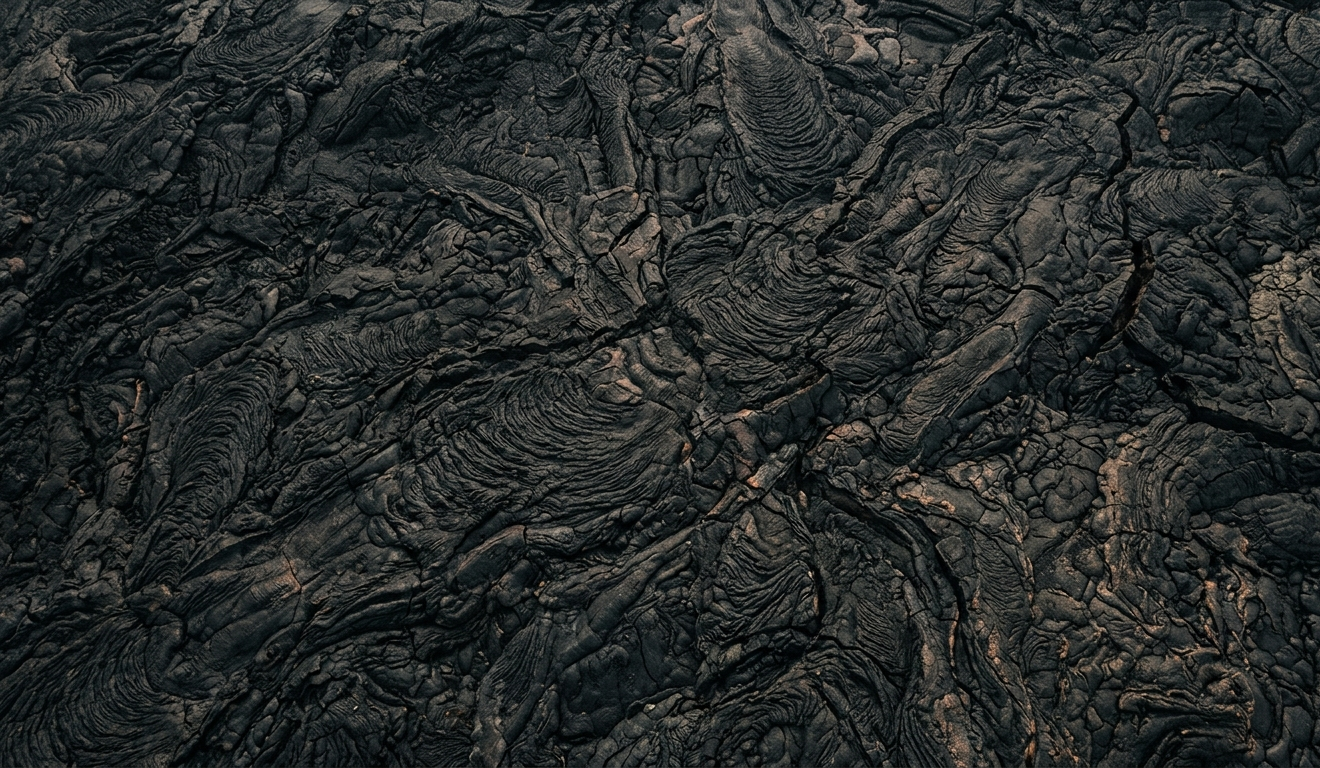
The Pahoa Lava Zone Museum is a small, non-profit museum located in Pāhoa on the Big Island of Hawaiʻi, dedicated to preserving and sharing the history and impact of the Kīlauea volcano's eruptions on the Puna district. It focuses primarily on the 2014 Pāhoa lava flow and the 2018 lower Puna eruption, showcasing artifacts, maps, photos, and personal stories from residents affected by the lava. The museum aims to educate visitors about the science of volcanism and the resilience of the local community in the face of natural events.
Visitor experience
Visitors to the Pahoa Lava Zone Museum can expect a self-guided experience through exhibits that document recent lava flows and their effects on the Puna region. The museum displays include "lava bombs," tools used by scientists, photographic timelines of the eruptions, and stories from those who lived through the events. It provides context for understanding the unique geological landscape of the Big Island and the ongoing relationship between the land and its inhabitants. The experience is typically intimate and educational, offering a local perspective on volcanic activity beyond what might be found at larger national park sites. It's particularly chosen by travelers interested in geology, volcanic impact, local history, and community resilience.
Logistics
The museum is located in downtown Pāhoa, an area known as the "Village in the Lava Zone," which is easily accessible by car.
- Area: Pāhoa, Puna District, Big Island.
- Access: The museum is situated on Pahoa Village Road, the main street through Pāhoa.
- Reservations: Not typically required. It operates as a walk-in attraction.
- Timing: The website indicates current operating hours are Monday, Wednesday, Friday, and Saturday from 11 AM to 2 PM, though hours can be subject to change. It is advisable to check their website or call ahead for the most current schedule.
- Parking: Street parking or small public lots nearby in Pāhoa village are generally available.
- Permits: No permits are required to visit the museum.
- Likely duration: A visit typically lasts between 30 minutes to 1.5 hours, depending on the visitor's interest level. It functions well as a quick stop or part of a half-day exploration of the Puna district.
- Fees: Admission is free, but donations are encouraged to support the museum's operations.
Safety and cautions
The museum itself is located in a safe, established building within the town of Pāhoa. While it addresses past volcanic activity, there are no immediate safety concerns related to active lava flows at the museum site. Visitors should always be mindful of general travel safety, such as securing valuables. As with any outdoor activity on the Big Island, it's prudent to check local weather conditions. There are no specific cultural or land-management caveats for visiting the museum, but respectful behavior towards the exhibits and the community's experiences is always appropriate.
Editorial take
The Pahoa Lava Zone Museum is a highly recommended stop for travelers with a keen interest in geology, local history, and the profound impact of volcanic activity on communities. It offers a unique and grounded perspective on Kīlauea's recent eruptions, complementing the broader volcanic experiences found at Hawaiʻi Volcanoes National Park by providing a direct, human-centered narrative of life in a lava zone. It's a great option for those seeking an educational and reflective experience and fits well into an itinerary exploring the Puna district. Travelers primarily looking for resort amenities, beaches, or extensive hiking may find it a less central activity. It should not be confused with Hawaiʻi Volcanoes National Park, which offers active volcano viewing and extensive trails, as the Pahoa Lava Zone Museum focuses on the historical and community impact within Pāhoa.
Source notes
- Pahoa Lava Zone Museum Official Website: http://pahoalavazonemuseum.org/
- Go Hawaii: Pahoa Lava Zone Museum: https://www.gohawaii.com/islands/hawaii-big-island/regions/puna/pahoa-lava-zone-museum
- Tripadvisor: Pahoa Lava Zone Museum: https://www.tripadvisor.com/Attraction_Review-g60601-d15024445-Reviews-Pahoa_Lava_Zone_Museum-Pahoa_Island_of_Hawaii_Hawaii.html
- Big Island Now: Pāhoa Lava Zone Museum Opens: https://bigislandnow.com/2018/06/15/pahoa-lava-zone-museum-opens/