
Puakō Petroglyph Park
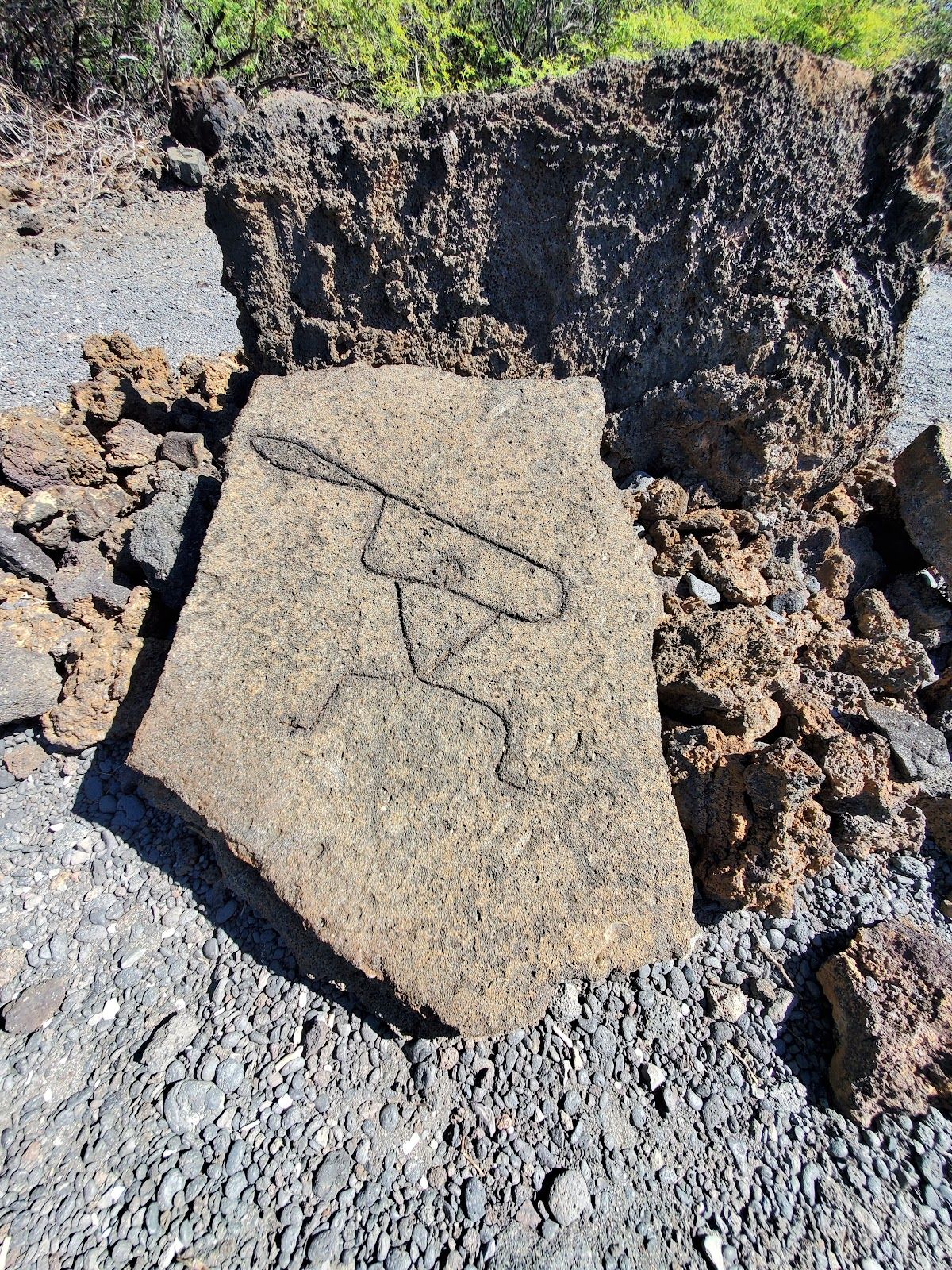
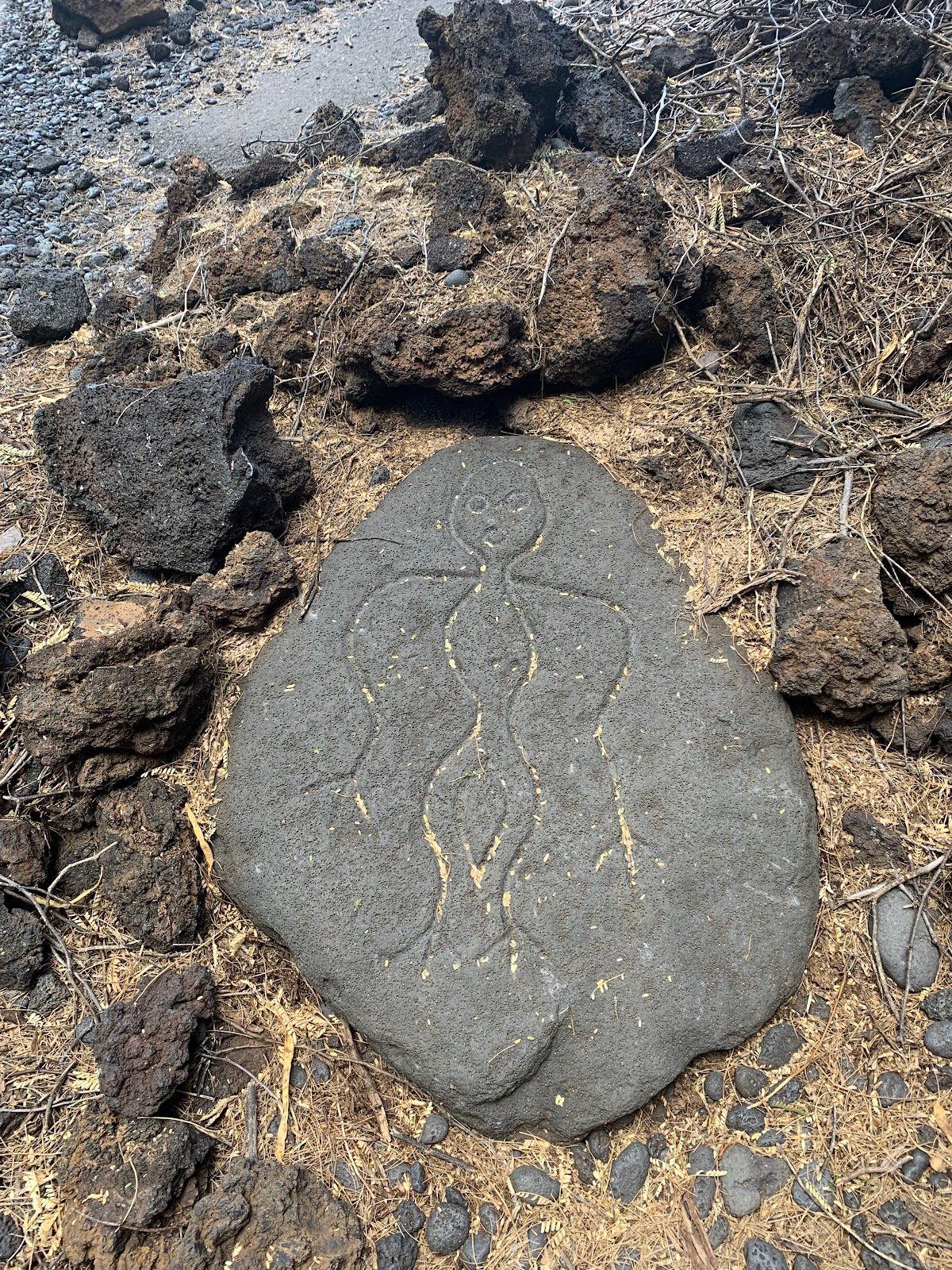
Explore over 1,200 ancient Hawaiian petroglyphs along the Malama Trail at Puakō Petroglyph Park, offering a unique glimpse into the rich history and cultural practices of the Big Island's early inhabitants.
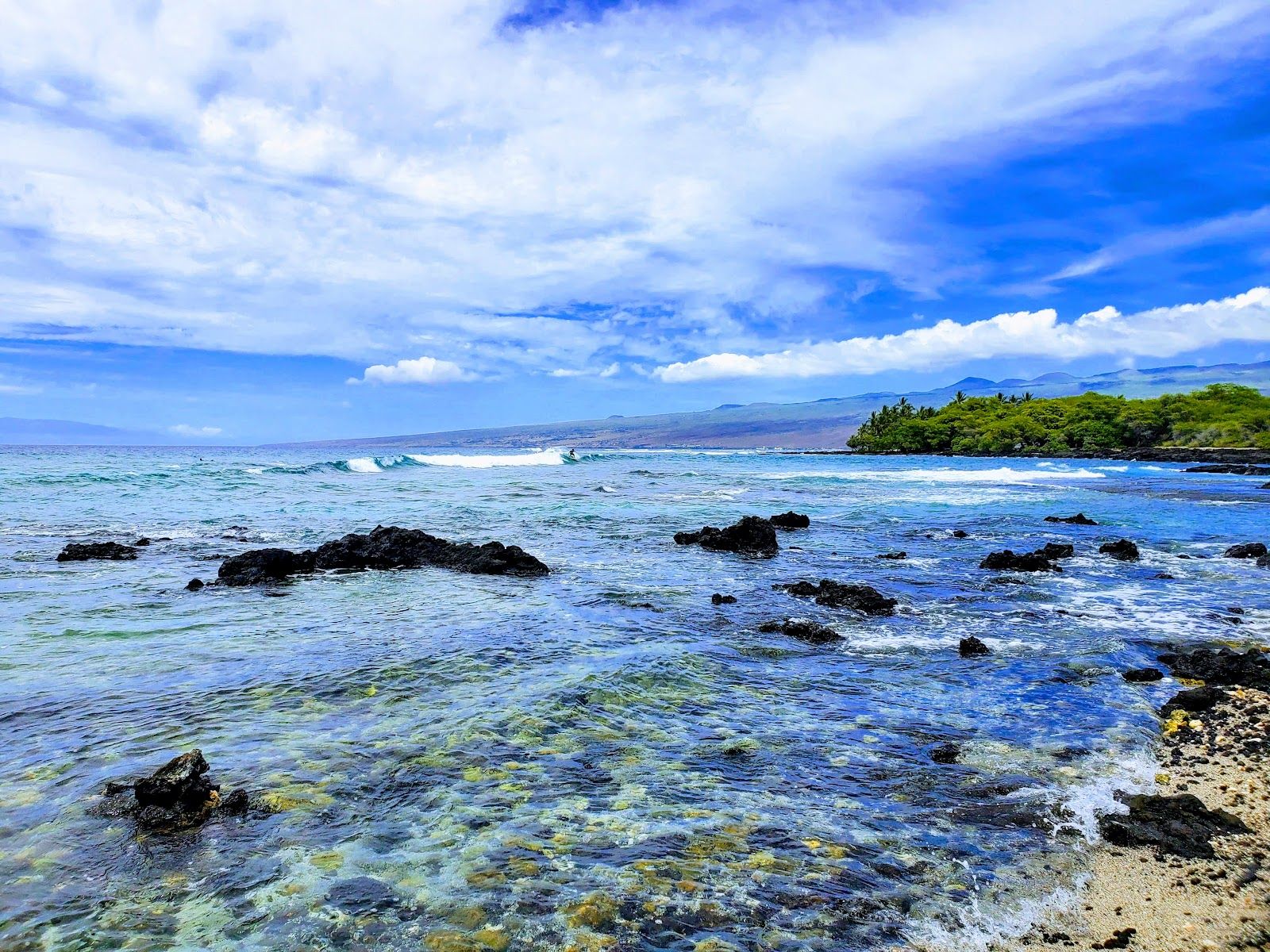
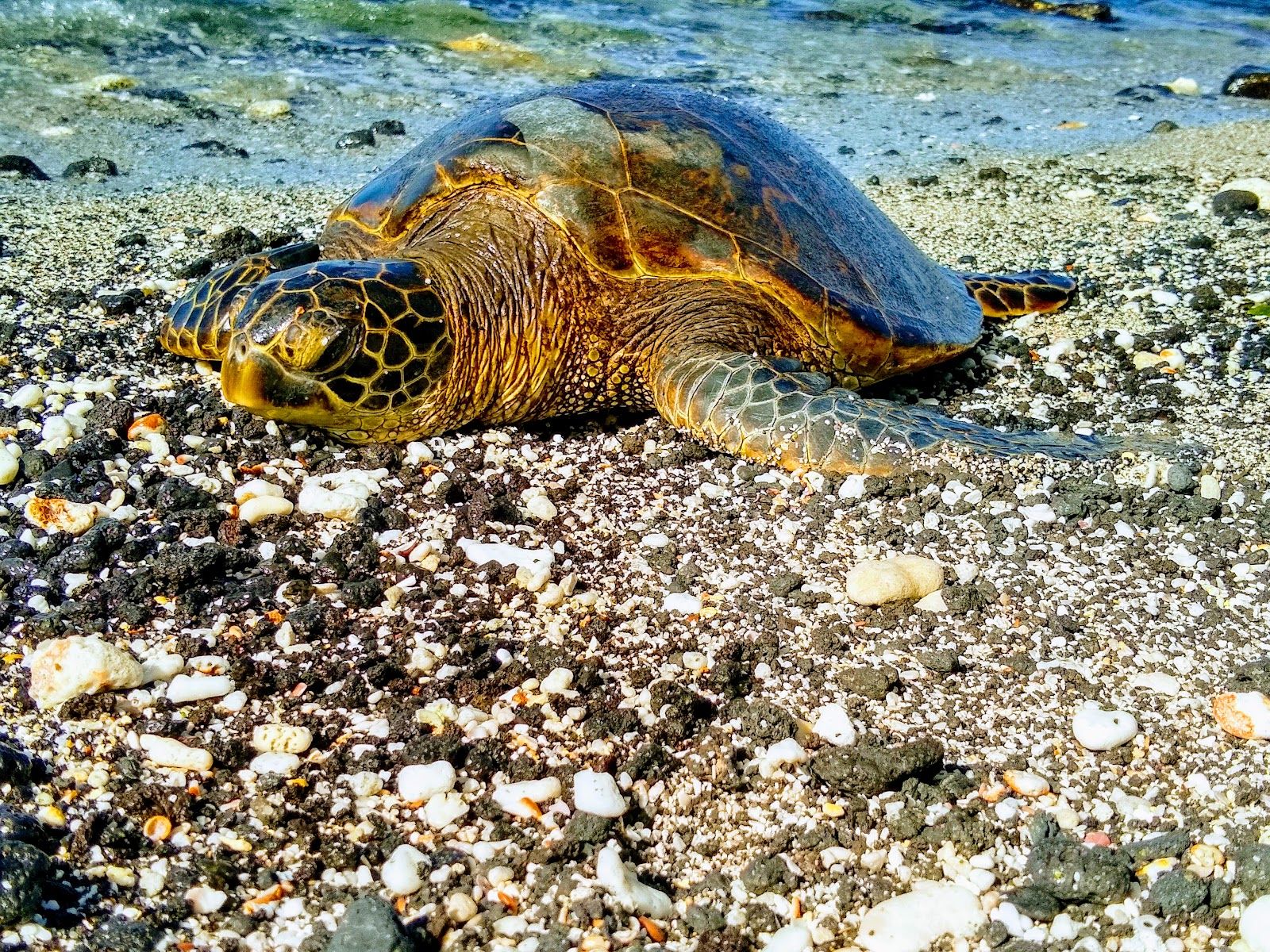

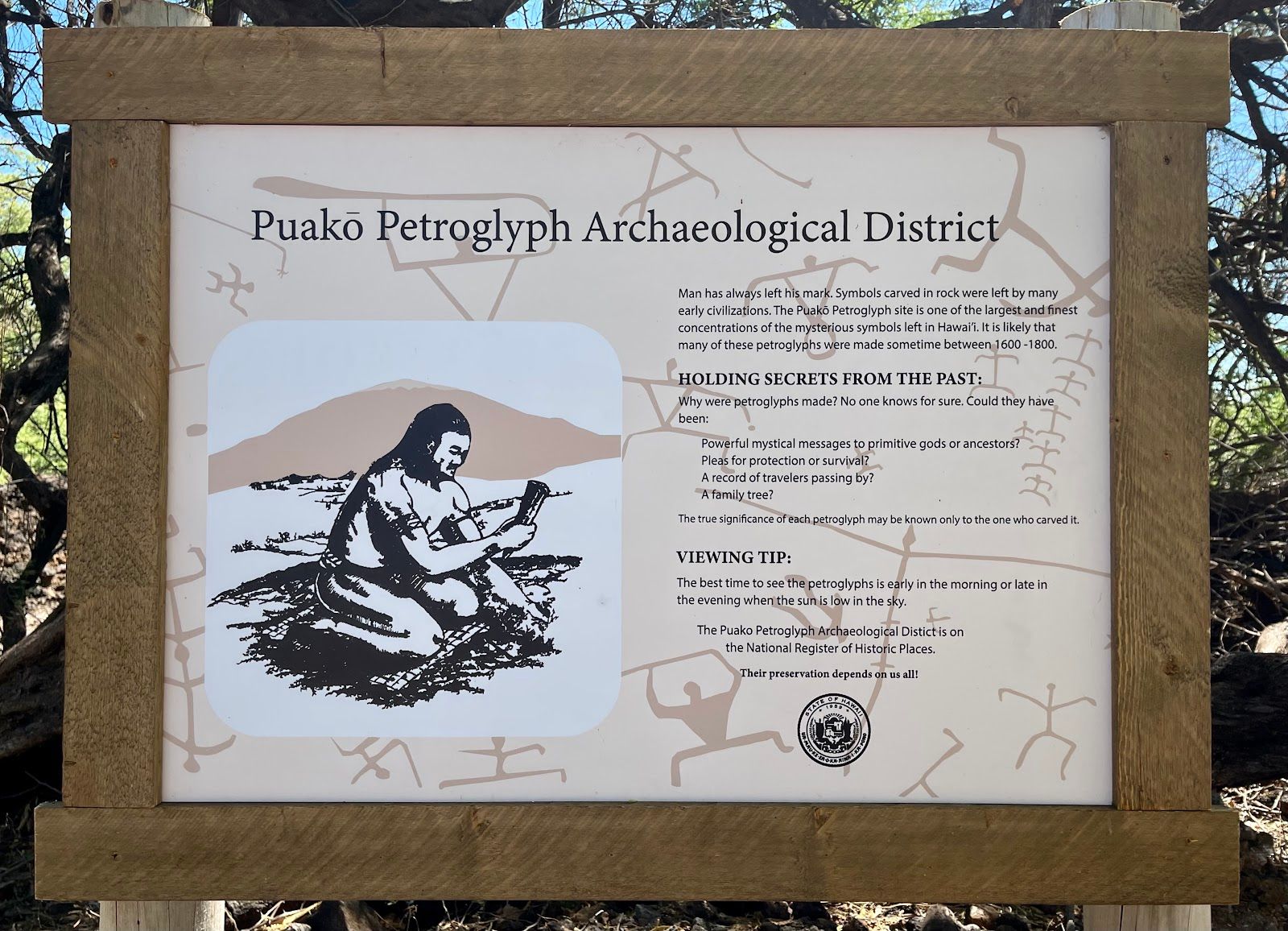
- Located on the Big Island's Kohala Coast
- Home to over 1,200 visible ancient Hawaiian petroglyphs
- Explore via the 1.4-1.5 mile (round trip) Malama Trail
- Replica petroglyphs for children to touch and make rubbings
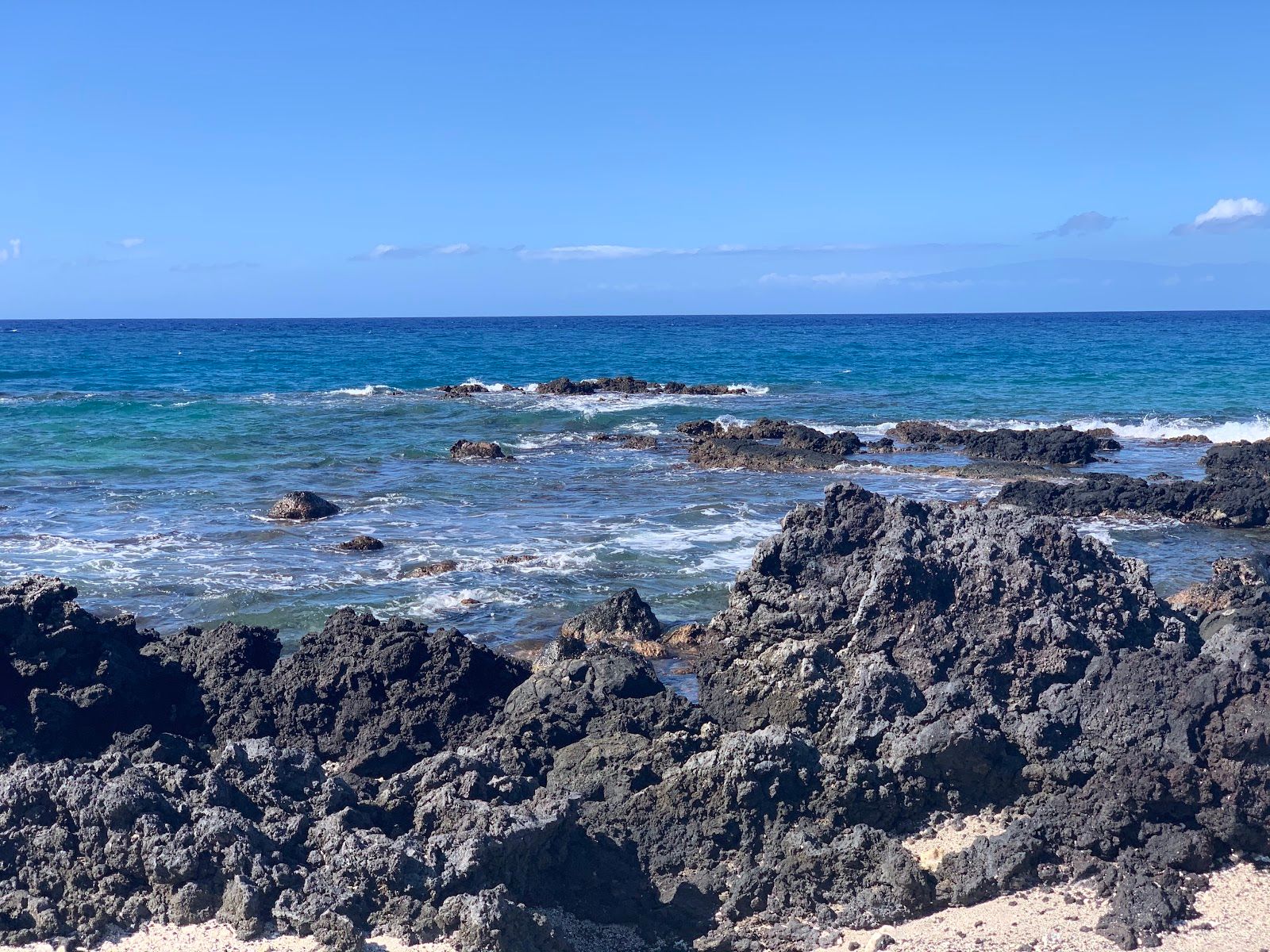
Puakō Petroglyph Park is one of the Big Island’s most rewarding short culture stops, set on the Kohala Coast in Waikoloa and built around a landscape of ancient Hawaiian rock art rather than a beach day or a long hike. It fits especially well between resort time, a coastal drive, or a visit to nearby Holoholokai Beach Park, giving travelers an easy way to step into a place where the island’s deeper history is still visible in the lava.
The Malama Trail and the petroglyph field
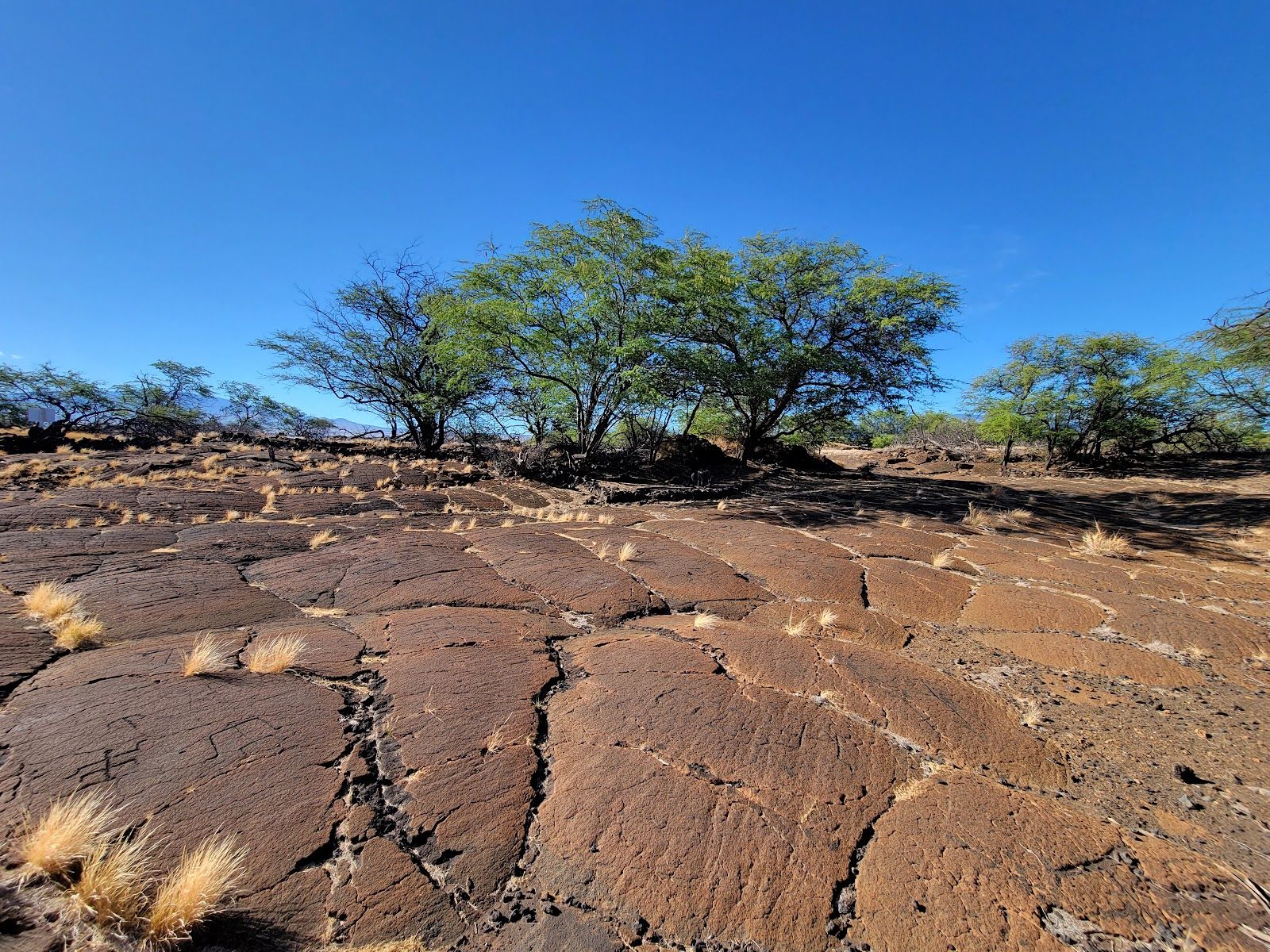
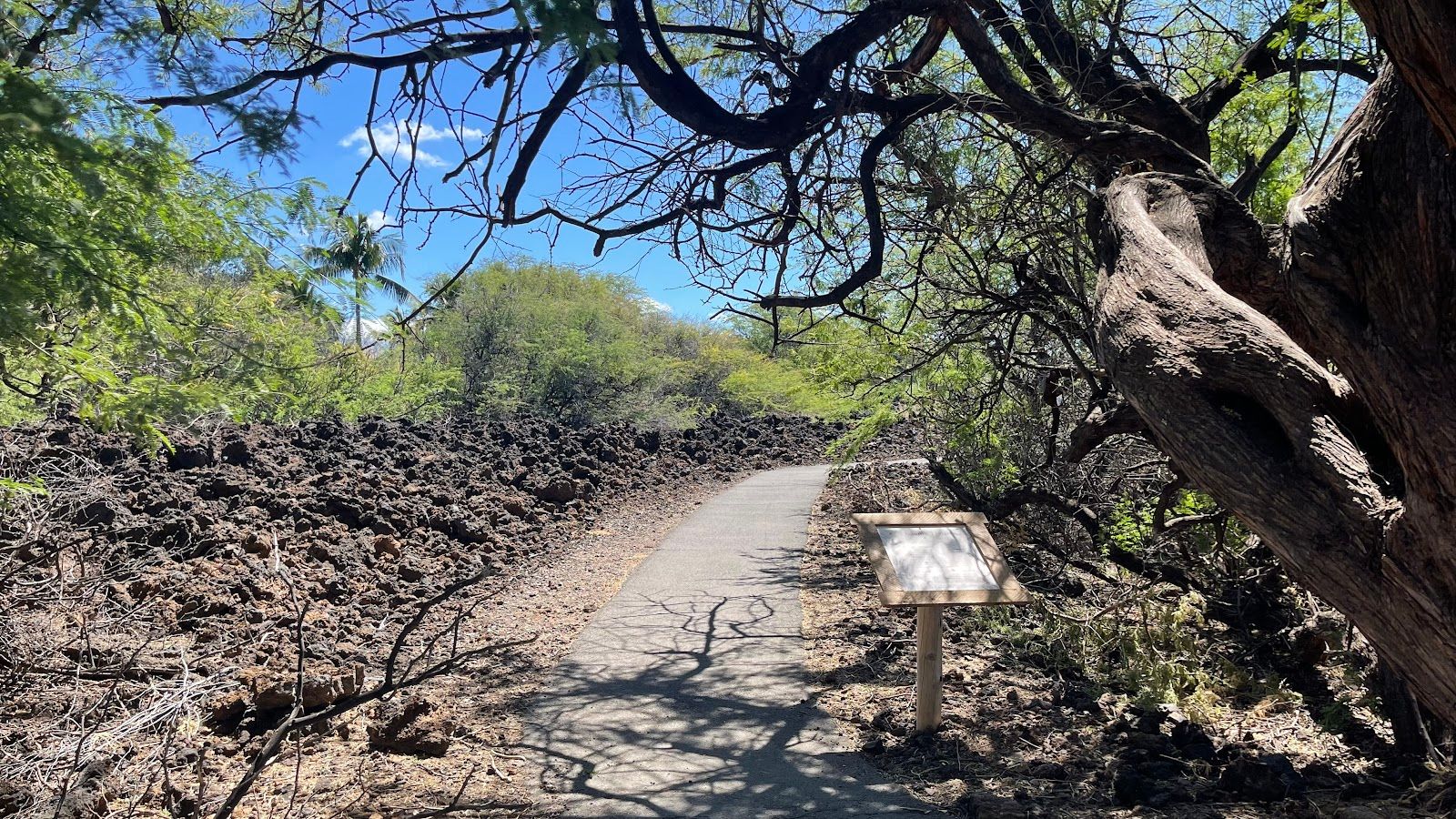
The main draw is the Malama Trail, a roughly 1.4 to 1.5 mile round-trip walk through lava and kiawe forest to the preserve’s main viewing area. The terrain is relatively short and straightforward, but it is not polished or paved, and the footing can be rough and uneven in spots. Closed-toe shoes are the right choice.
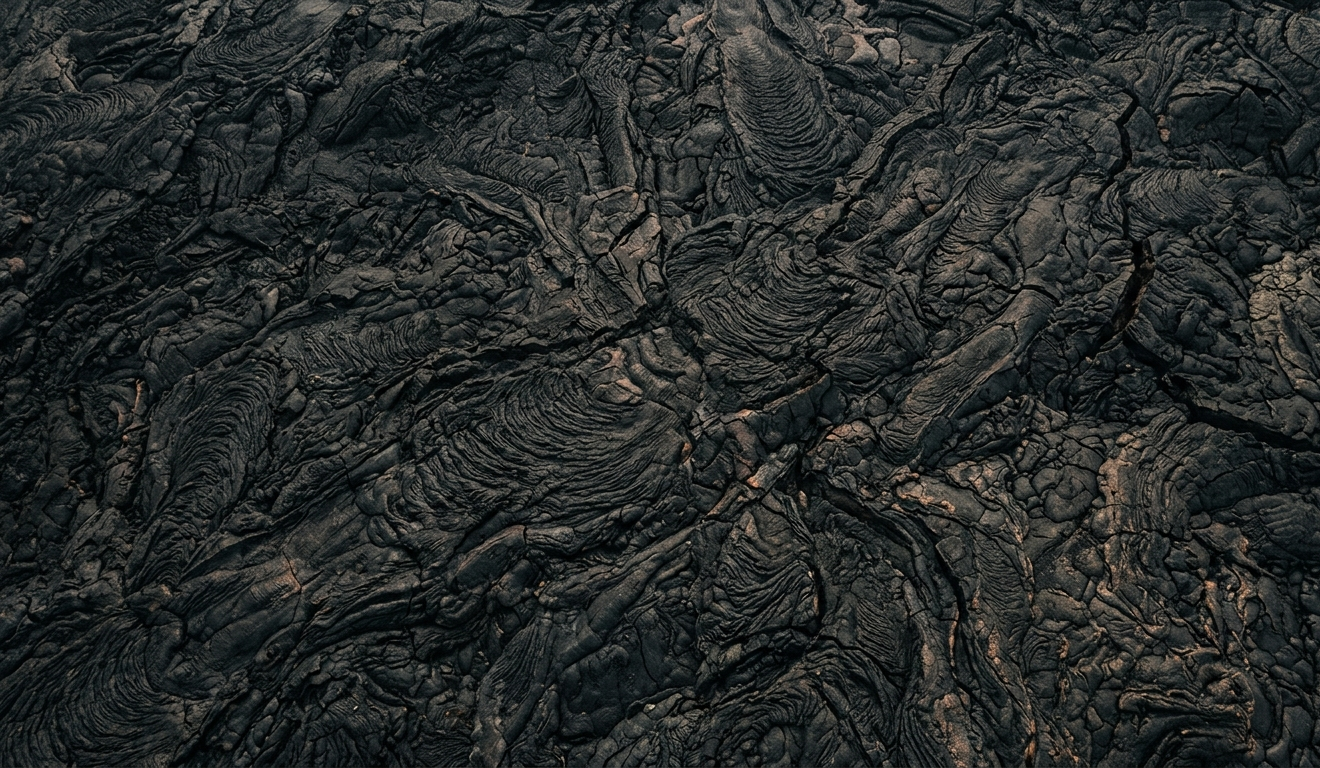
What makes the walk memorable is the concentration of kiʻi pōhaku, the ancient carvings preserved here. More than 1,200 are visible to the public, and the wider archaeological district holds far more. The images range from human figures to turtles, canoes, paddles, sails, and other symbolic forms that speak to family life, travel, spirituality, and daily experience in old Hawaiʻi. Informational signs help put the carvings in context, which matters here: this is not just a scenic stroll, but a culturally significant site that rewards slowing down and looking closely.
Why this stop works so well in a Waikoloa day
This is a strong fit for a day that already includes the Kohala Coast’s resorts, beaches, or a little shopping and dining around Waikoloa and Mauna Lani. It does not require a big time commitment, and it gives travelers something that feels meaningfully different from the coast’s usual sun-and-water rhythm.
The park’s access pattern is simple. The trail begins from the Holoholokai Beach Park parking area, and there is free public parking. No reservation process is needed, and the site is easy to fold into a self-driven itinerary. If the goal is to pair the walk with a pause afterward, Holoholokai Beach Park adds restrooms, showers, picnic tables, and barbecue grills, which makes the whole outing more practical than the preserve alone would suggest.
Early morning or late afternoon is the smart window. The lava terrain can be hot and exposed, and angled light also makes the carvings easier to read. Midday is the least appealing time for both comfort and viewing.
Respect, access, and small tradeoffs
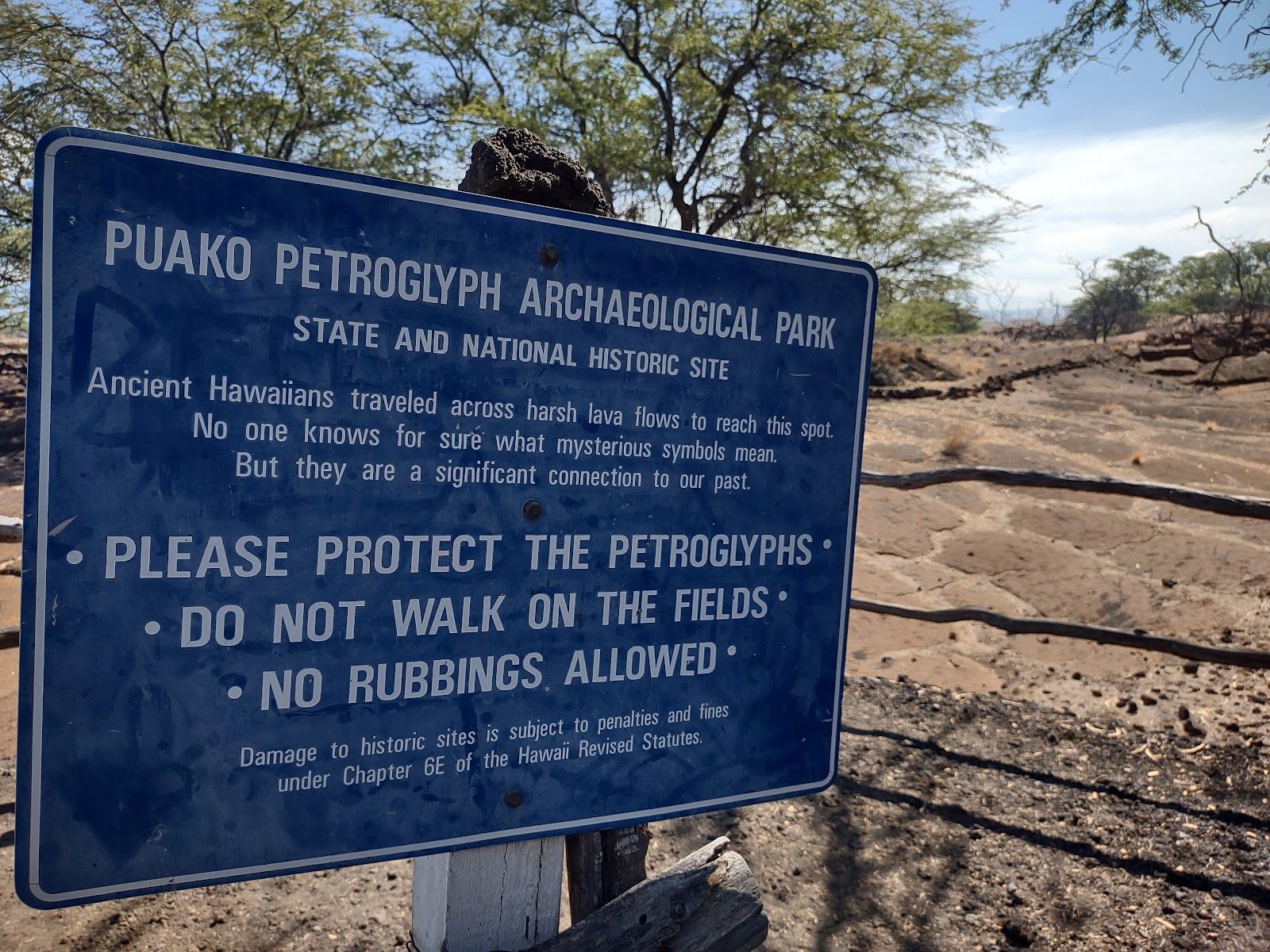
Puakō Petroglyph Park is easy to visit, but it is not a casual touch-and-go attraction. The real carvings should not be touched, walked on, or rubbed, and visitors should stay on marked paths and within designated viewing areas. The replica petroglyphs near the trailhead offer a family-friendly way for children to engage with the subject without risking damage to the actual site.
The biggest tradeoff is environmental rather than logistical. There is little shade, the ground can be unforgiving, and kiawe thorns are a real nuisance for anyone wearing light footwear. This is a better stop for travelers who are prepared for sun, water, and a short walk over rough volcanic terrain than for anyone wanting an effortless scenic overlook.
Best for travelers who want culture without a major hike
Puakō Petroglyph Park suits history-minded visitors, families looking for an educational outing, and anyone who wants a compact but meaningful cultural experience on the west side of the island. It is especially good for travelers who appreciate the Big Island beyond beaches and resort frontage.
It is less compelling for people who want a swimming spot, a dramatic summit-style hike, or an attraction with lots of amenities on site. For those travelers, the best move is to treat Puakō as a thoughtful half-hour-to-two-hour cultural stop, then build the rest of the day around the Kohala Coast.