
What it is
Puakō Petroglyph Park, also known as the Puakō Petroglyph Archaeological Preserve, is a 223-acre archaeological site on the Big Island's Kohala Coast, near the Mauna Lani Resort. It contains one of the most extensive collections of ancient Hawaiian petroglyphs (kiʻi pōhaku, or images in stone) in Hawaiʻi, with over 3,000 carvings, of which about 1,200 are visible to the public. These rock carvings, believed to date back to between 1000 and 1800 A.D., depict human figures, animals (like sea turtles, dogs, and chickens), canoes, paddles, sails, and various symbolic patterns, offering insights into ancient Hawaiian life, rituals, and spiritual practices. The preserve was established in 1972 to protect these culturally significant relics.
Visitor experience
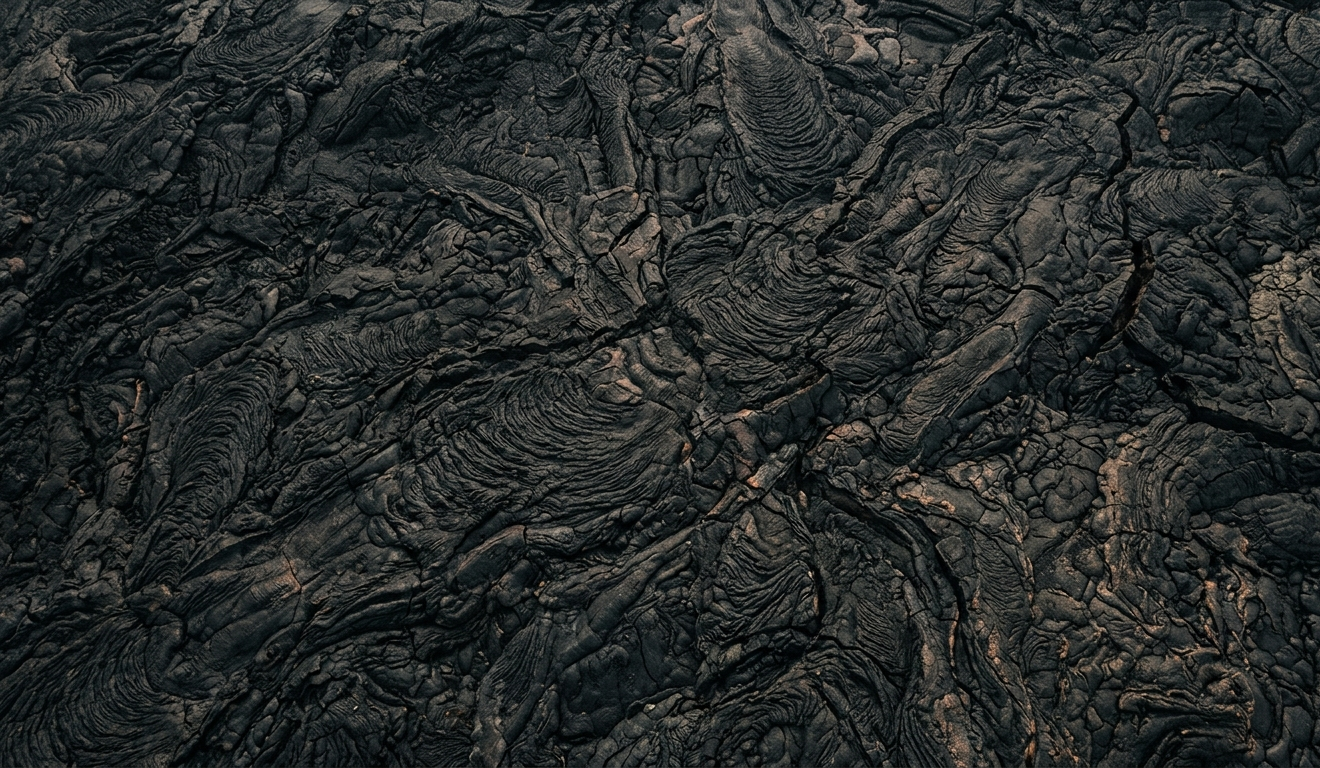
Visitors explore the petroglyphs via the Malama Trail, a well-marked path that winds through a lava field and kiawe forest. The trail is approximately 1.4 to 1.5 miles round trip, leading to the main petroglyph field. Near the trailhead, there are replica petroglyphs that visitors can touch and even make rubbings of, which can be particularly engaging for children. The main petroglyph viewing area is a fenced section where nearly 1,200 carvings are visible from designated viewing spots and a walkway. Informational signs along the route provide historical and cultural context for the carvings. The experience offers a unique opportunity to connect with Hawaii's deep history and appreciate the artistry and spiritual significance of the ancient Hawaiians. The walk itself is considered relatively easy, though the terrain can be rough and uneven in places, and involves walking through lava rock and kiawe trees.
Logistics
- Area: The park is located on the Kohala Coast of the Big Island, near the Mauna Lani Resort.
- Access: The Malama Trail, which leads to the petroglyphs, starts from the parking area of Holoholokai Beach Park.
- Directions: From Highway 19, turn onto Mauna Lani Drive, then take the first right at the traffic circle onto North Kaniku Drive. Continue until you turn right onto Holoholokai Beach Park Road, which leads to the parking area. It is also a short drive or bike ride from some Mauna Lani vacation homes.
- Reservations: No reservations are needed; the park is free and open to the public.
- Timing: The park is open daily from 6:30 AM to 6:30 PM. The best times to visit are early morning or late afternoon to avoid midday heat and to have optimal lighting for viewing and photographing the petroglyphs, as the slanting shadows can make them stand out more.
- Parking: Free public parking is available at the Holoholokai Beach Park at the end of Holoholokai Beach Park Road.
- Permits: No permits are required.
- Likely duration: The walk is approximately 1.2 to 1.5 miles round trip and can take 30 minutes to 2 hours depending on pace and time spent exploring.
- Activity type: This is best as a half-day activity if combined with a visit to Holoholokai Beach Park, or a quick stop if focusing solely on the petroglyphs. The nearby Holoholokai Beach Park offers restrooms, showers, picnic tables, and barbecue grills, making it a good spot to relax before or after the hike.
Safety and cautions
- Terrain: The Malama Trail is mostly flat but can be rough, uneven, and stone-strewn, traversing lava rock. Sturdy, comfortable closed-toe shoes are highly recommended, as thorns from kiawe trees can penetrate thin footwear like flip-flops.
- Sun and Heat: There is little to no shade on much of the trail, and the area can be very hot and dry, especially during midday. Visitors should bring plenty of water, wear sunscreen, and a hat.
- Cultural Respect: Do not touch, walk on, or make rubbings of the real ancient petroglyphs. Stay on marked paths and within designated viewing areas to protect these sensitive archaeological sites. The carvings hold spiritual and cultural significance.
- Flora: Kiawe trees, an invasive species, are present along the trail and have incredibly sharp thorns.
- Wildlife: While not a primary concern, feral cats and mongoose have been noted around the parking lot.
Editorial take
Puakō Petroglyph Park is a must-see for travelers interested in Hawaiian history, culture, and archaeology. It offers a tangible connection to ancient Hawaiian life through its extensive collection of rock art.
Prioritize it if: You are a history enthusiast, culturally curious, looking for an easy-to-moderate walk with significant historical value, or traveling with children who enjoy a "petroglyph hunt" (especially with the replica carvings).
Skip it if: You have severe mobility issues that prevent walking on uneven terrain, are not interested in historical or cultural sites, or are sensitive to heat and sun and cannot visit during cooler parts of the day.
Nearby/overlapping entities not to be confused with it:
- Holoholokai Beach Park: While the trail starts from its parking lot and it offers amenities, Holoholokai Beach itself is a rocky beach not ideal for swimming, in contrast to the petroglyph preserve's cultural focus.
- Waikoloa Petroglyph Reserve: Another significant petroglyph field on the Big Island, also located in the South Kohala district, but a separate site with its own walking trail. Some tours from King's Shops in Waikoloa Village specifically go to the Waikoloa Petroglyph Reserve, not Puakō.
- Pu'u Loa Petroglyph Field: Located within Hawaiʻi Volcanoes National Park, this is another distinct petroglyph site on the island.
Source notes
- HawaiiActivities.com - Puako Petroglyph Park: https://vertexaisearch.cloud.google.com/grounding-api-redirect/AUZIYQH32ajF4g8eqHAn-5mhYXqWRmkREd-fblERKpEG4a9ChZIVYZZIO_xBAYlHHbe8nQ4Hv89o1BcaM0K5KiHkK_eoK3aVrjW9Ks7hnnOgmKcmfYqTOMpl7AklNoRKfcV9fh4CYl9oP3OxL8mZJWPnbUfdcHJX2ZQUBmcHs3JahQ==
- Go Hawaii - Puakō Petroglyph Archeological Preserve: https://www.gohawaii.com/islands/hawaii-big-island/regions/kohala/puako-petroglyph-archeological-preserve
- Love Big Island - Puakō Petroglyph field: https://vertexaisearch.cloud.google.com/grounding-api-redirect/AUZIYQG00t9yKolOCq2aJU_k4xIVO-Z_ls3tJpQ6uU7QvVIl6QXm3JmwwzHxQD2MK251X3nEWDBKr0xYXNBxUBwuPAIqUSasYg_tSTmA6LPjQrf37dN4xhokEypZCCAUpoHdc5Djvkdi_UTt_Rn0gFPa-eU=
- Hikespeak - Malama Trail in Puakō Petroglyph Archeological District: https://vertexaisearch.cloud.google.com/grounding-api-redirect/AUZIYQF0metWEHu-IcXAjdh_uEZrWSSfp4KKRuw-1s6eDK9JfXEBTUP5llnHnHDW6pIrqEUjkHkxSdbycAed24LhW_i8cFZzyZAE4hH8W6FXqWR7bJG-8LOR22BajWFGdq0aXIhBSxJyCnFQespTz1dKzUKkzqElStTjDQf3z72ll9MufuNHXhXQB_7Bf6Y=
- To-Hawaii.com - Puako Petroglyphs, Big Island: https://vertexaisearch.cloud.google.google.com/grounding-api-redirect/AUZIYQEpSwrR4zB2C9JwCz4x4oBzKPTC51u_-Ox6e1hBkggoIFzyVuOA0O3ZQrt5KfJiL7mWhZ1MOyX9eVYSbALpRVD2dm8Q1Pub_n8QhRNIgqM7Go3NlXxrCwxXzolH_ONTinxSZfpPHQEaR9QuYje3nXNrSyMiAJhiu5DD1VNes-Mg0Q==
- Big Island Hikes - Puakō Petroglyph Archaeological District And The Malama Trail: https://vertexaisearch.cloud.google.com/grounding-api-redirect/AUZIYQE2FE8if97jVsJE1YKGVRgDfuAyQ8iR4u0SqE6caoB9baZwq5W6pZugdEaz-ITB_EmsGNyCylRuJ-030_29YRvrZUFVnkNHQcMwT0O-Apsqe7OtGDRHrVGwUV62aGXOk-tcweANznzBPM5Zr4yY7Q==