
Pu'uhonua O Honaunau National Historical Park
Immerse yourself in ancient Hawaiian history and culture at this sacred 'place of refuge,' offering self-guided tours, ranger talks, and stunning coastal scenery.
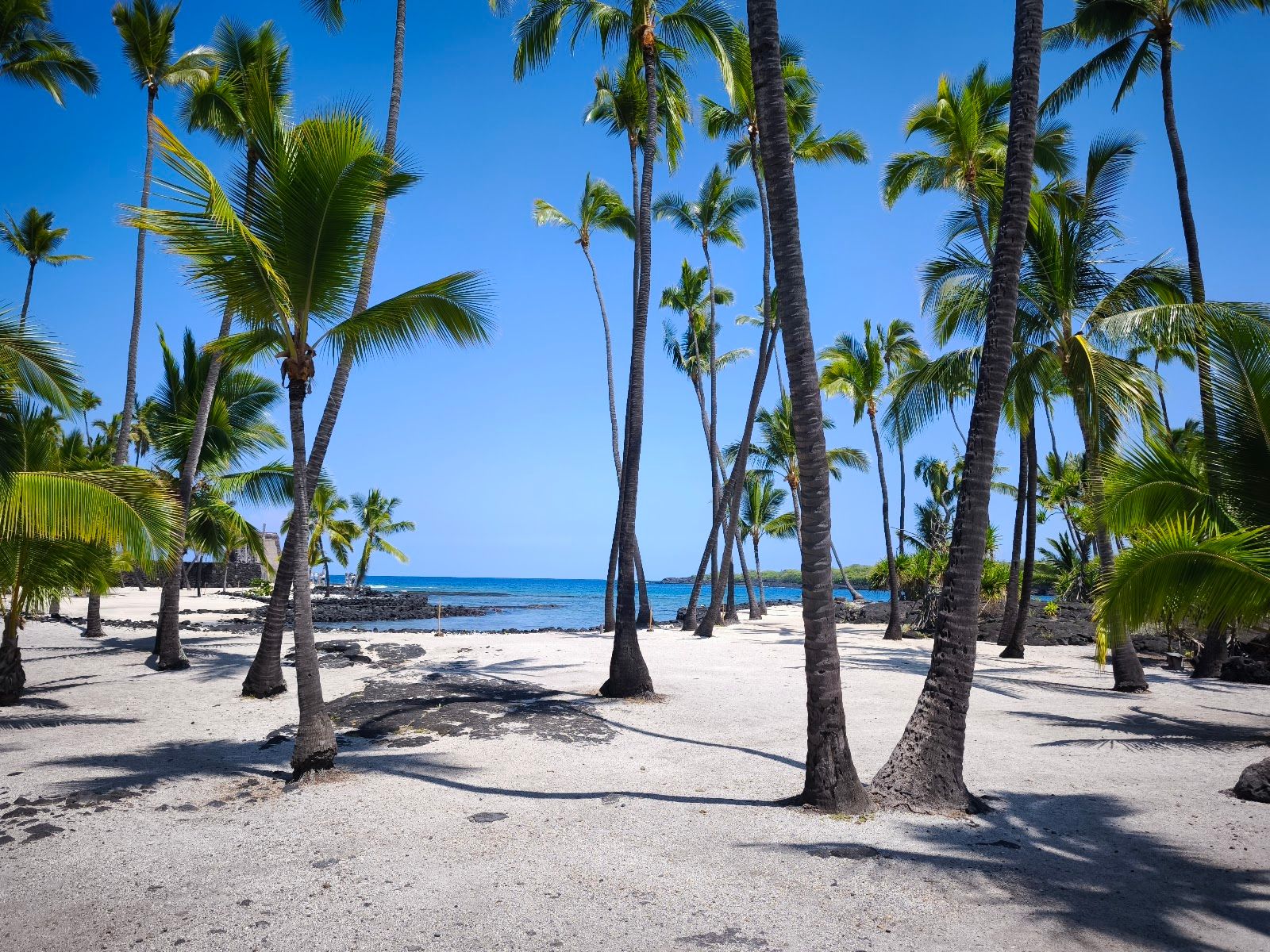
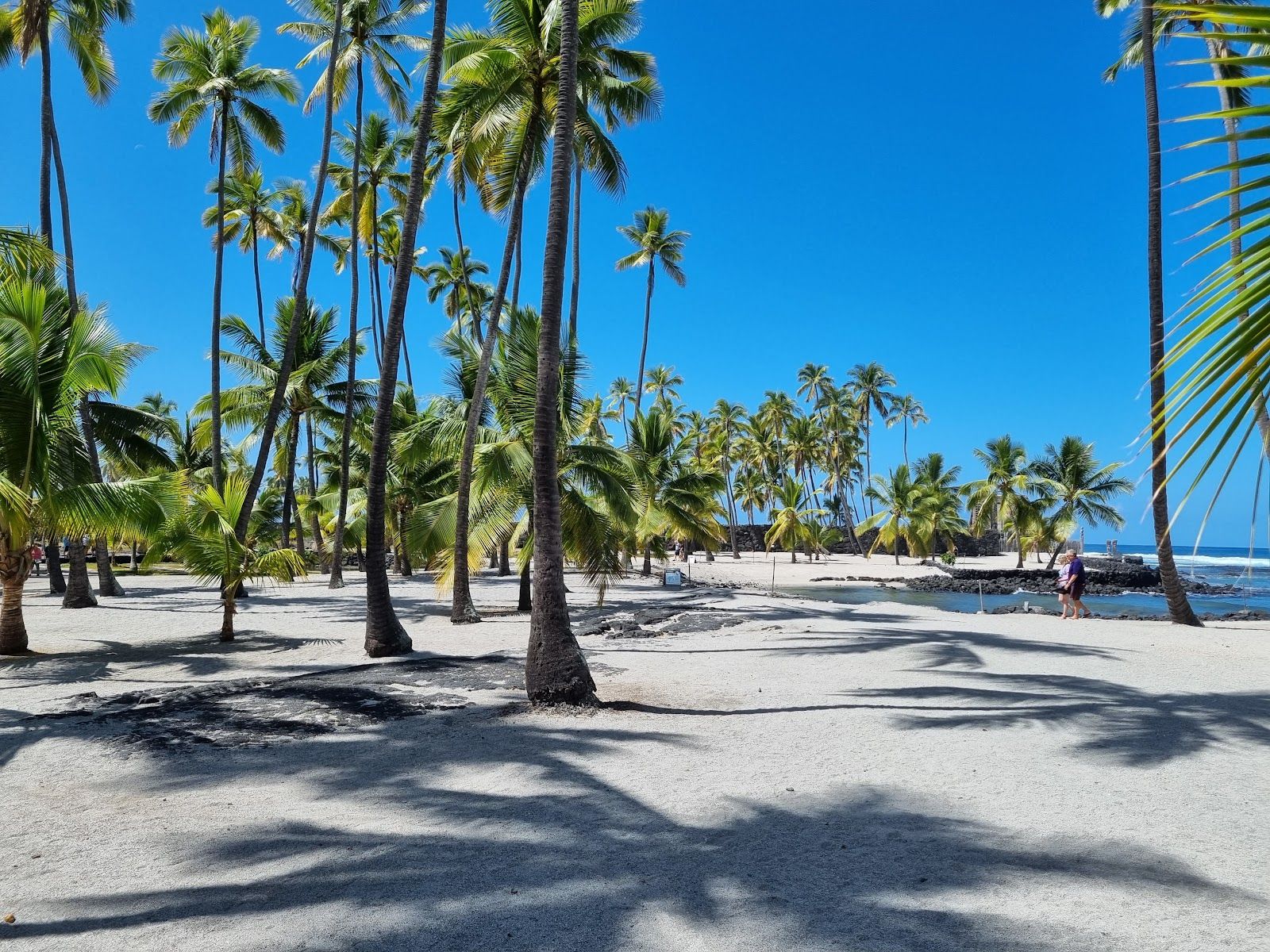
- Self-guided historical walking tour
- Ranger-led talks and cultural demonstrations
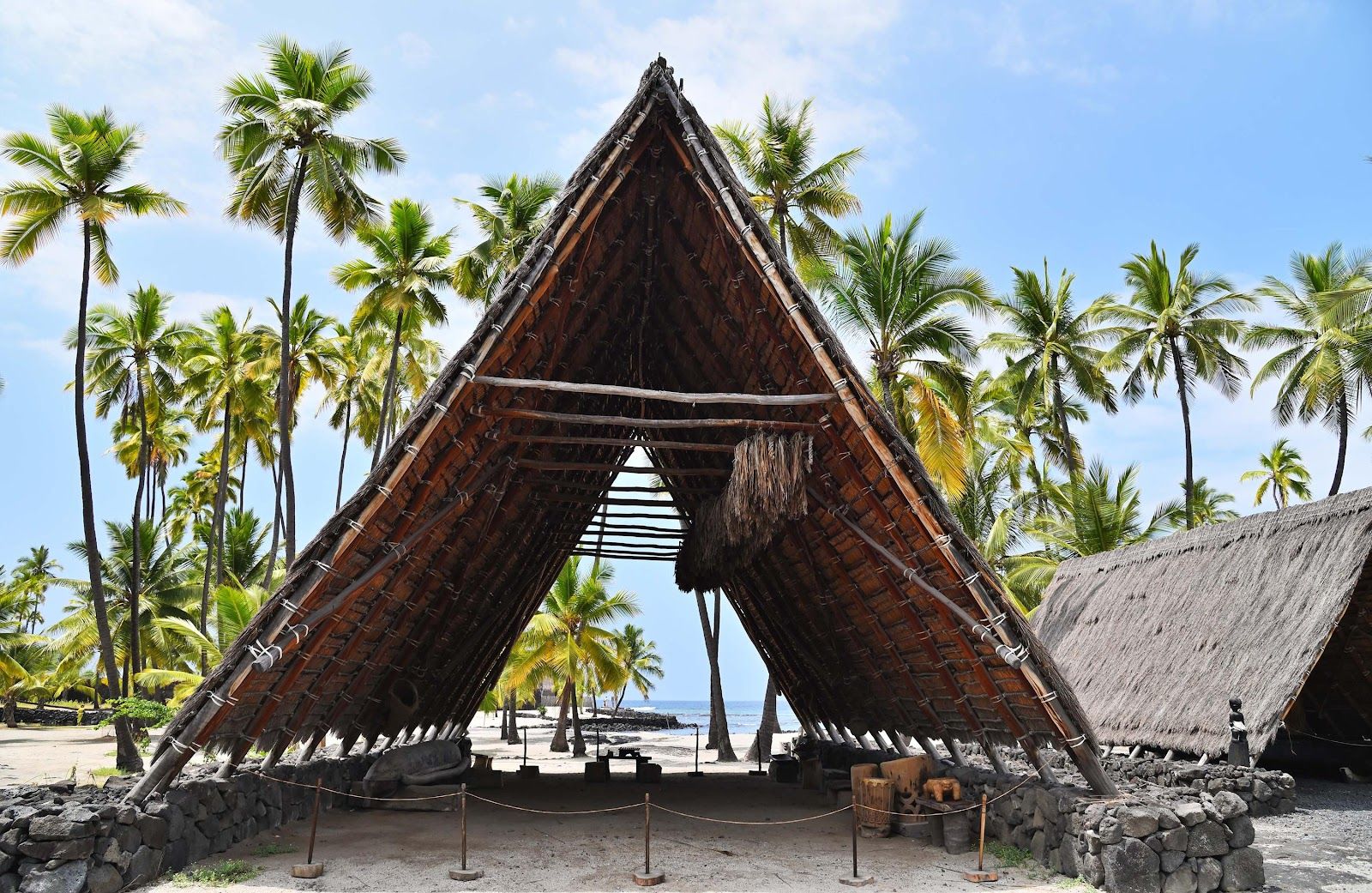
- Ancient Hawaiian archaeological sites
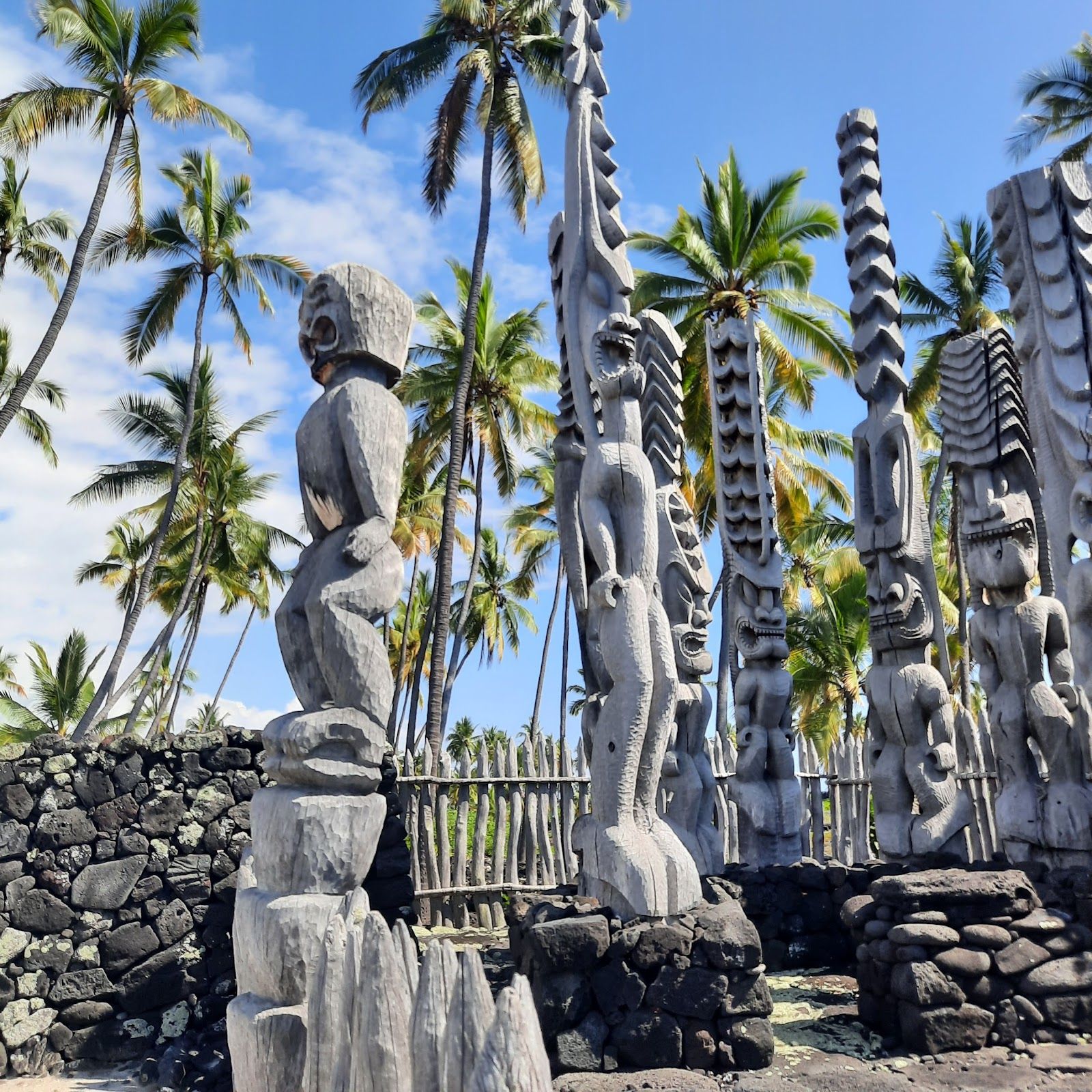
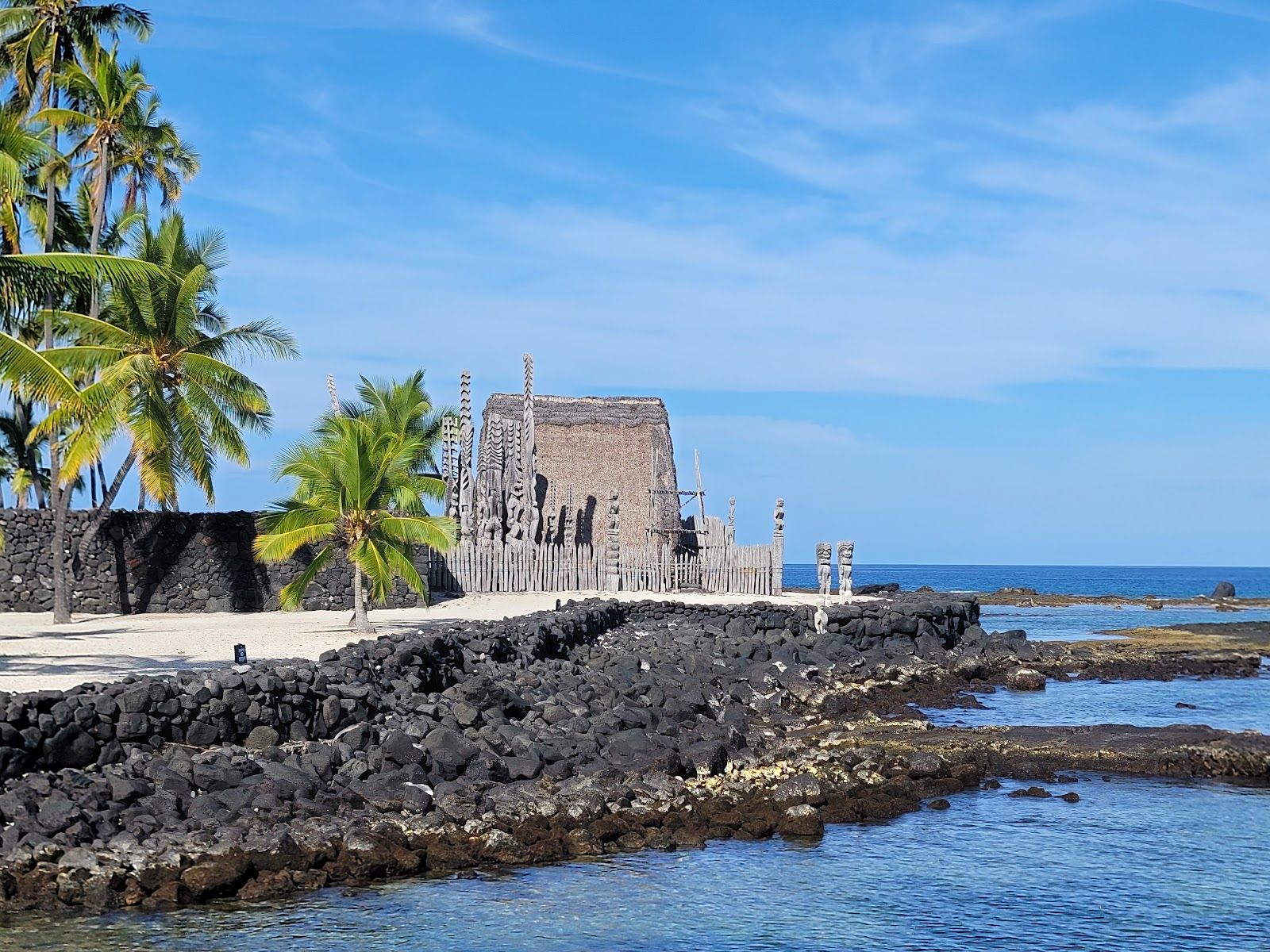
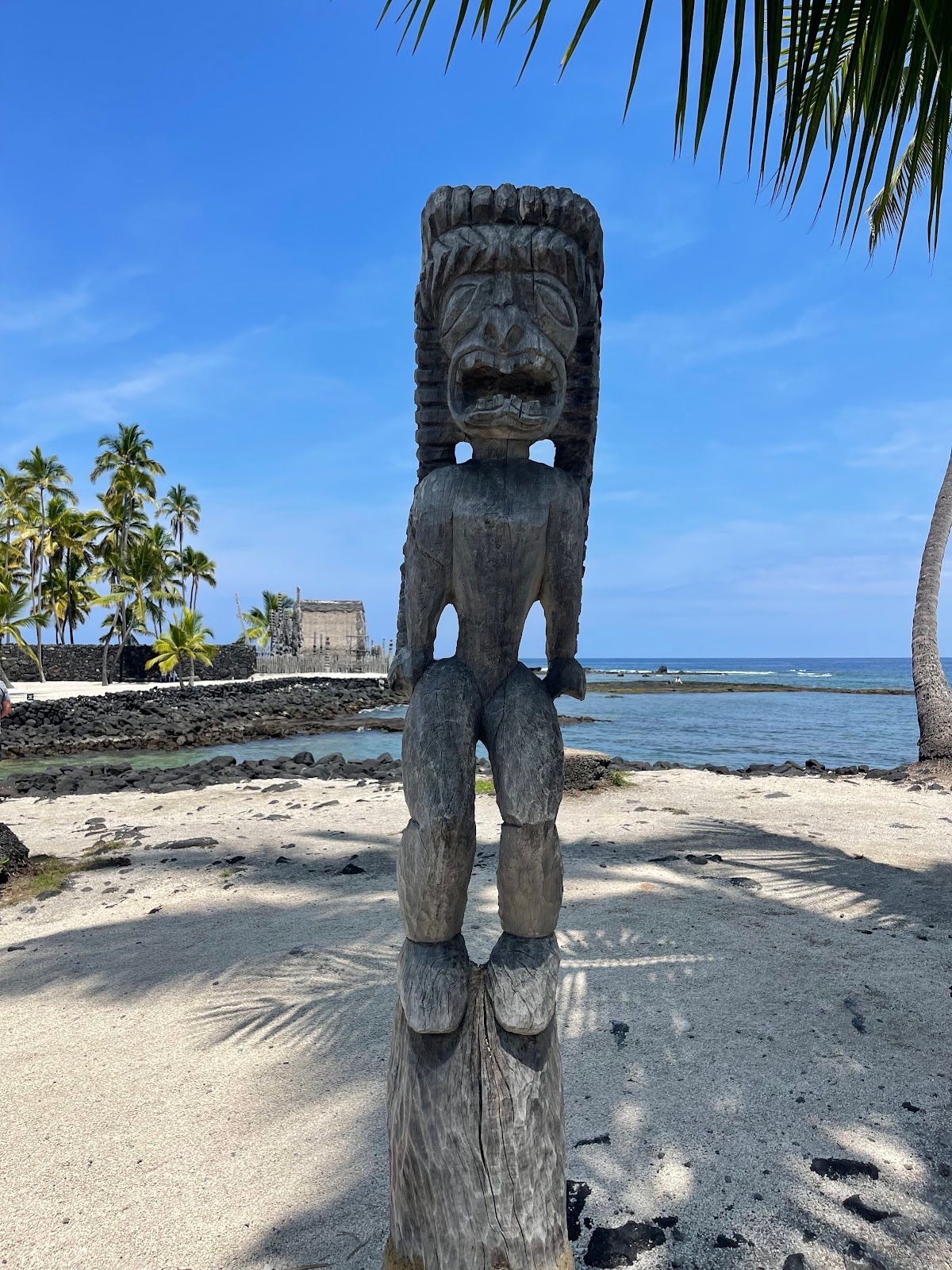
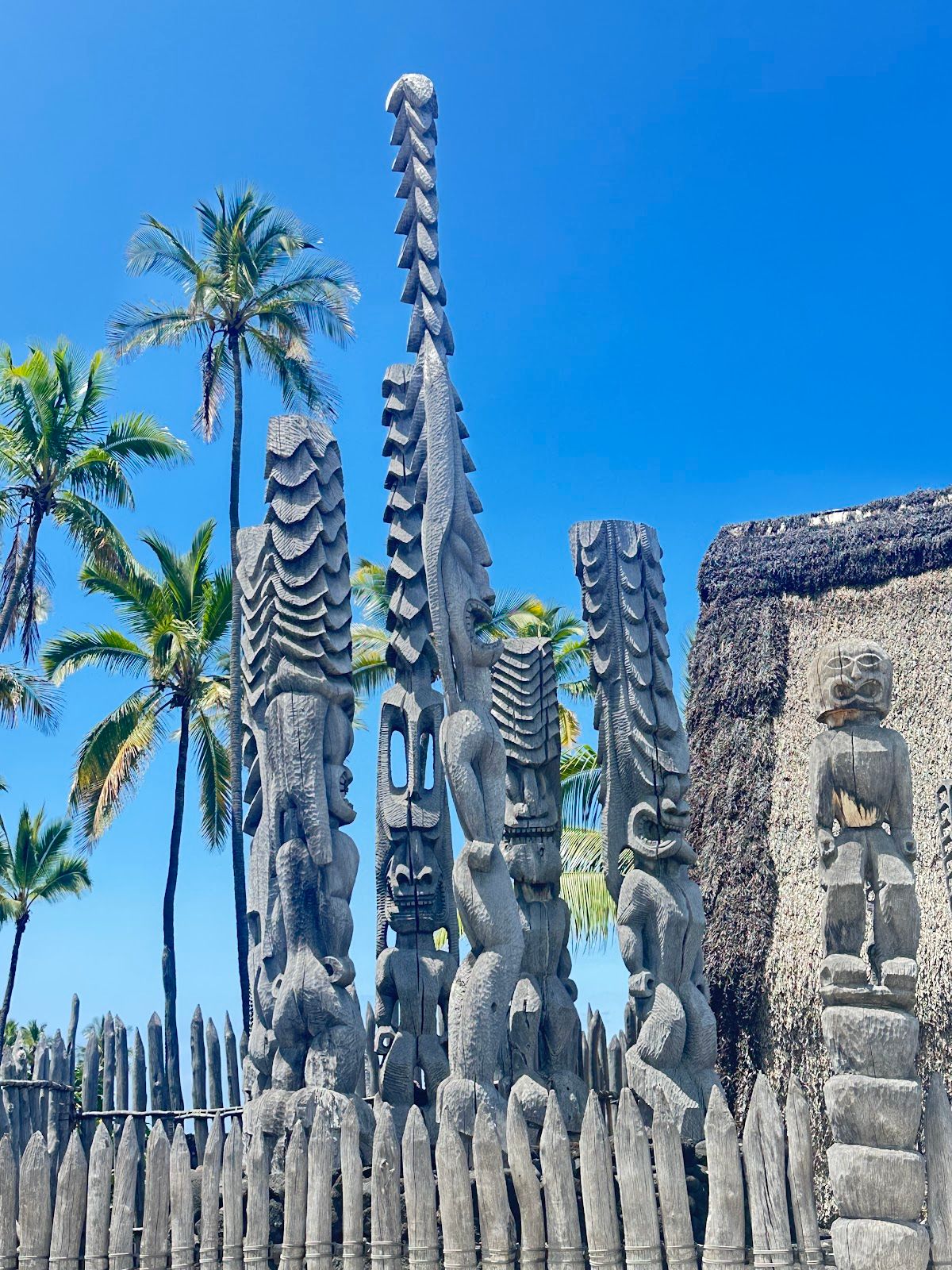
- Iconic kii statues and heiau temples
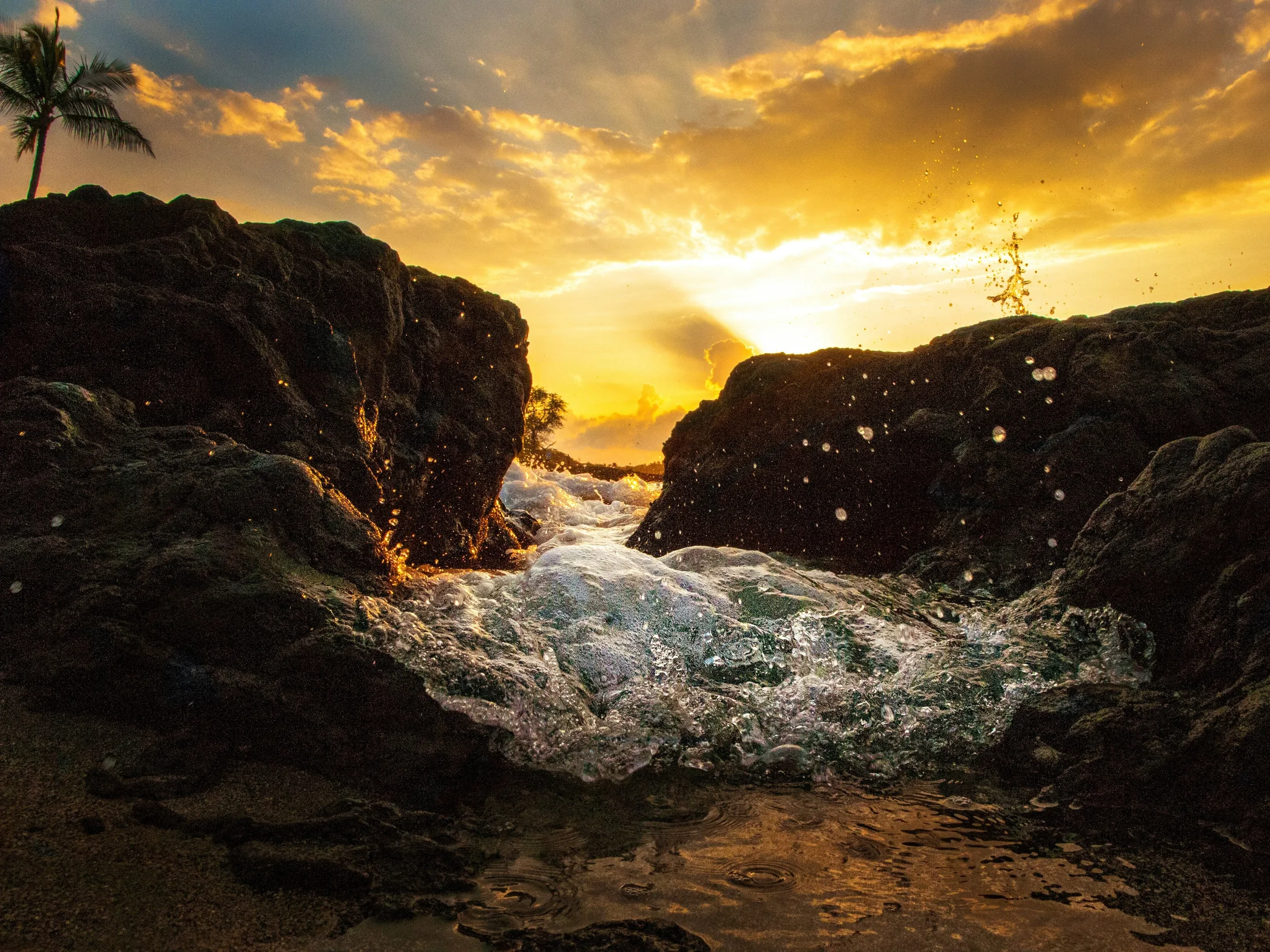
Puʻuhonua o Hōnaunau National Historical Park is one of the Big Island’s most meaningful cultural stops, set on the South Kona coast where lava rock, tide line, and deep Hawaiian history meet. It is less a quick scenic pull-off than a place to slow down and absorb a sacred landscape shaped by the kapu system, royal grounds, and the idea of refuge. For travelers building a Kona-side itinerary, it stands out as a compact half-day stop that adds real depth between beach time, coffee country, and other South Kona sights.
The heart of the park: refuge, royalty, and carved guardians
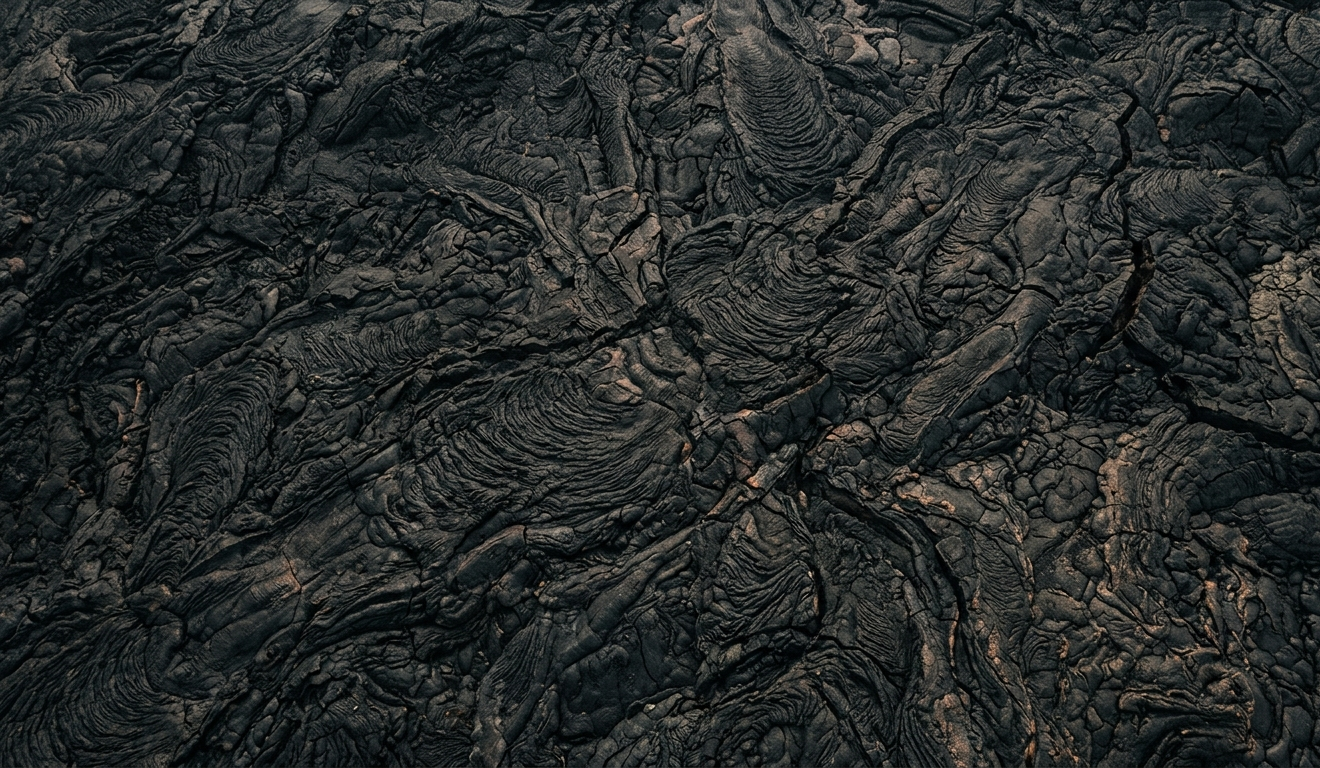
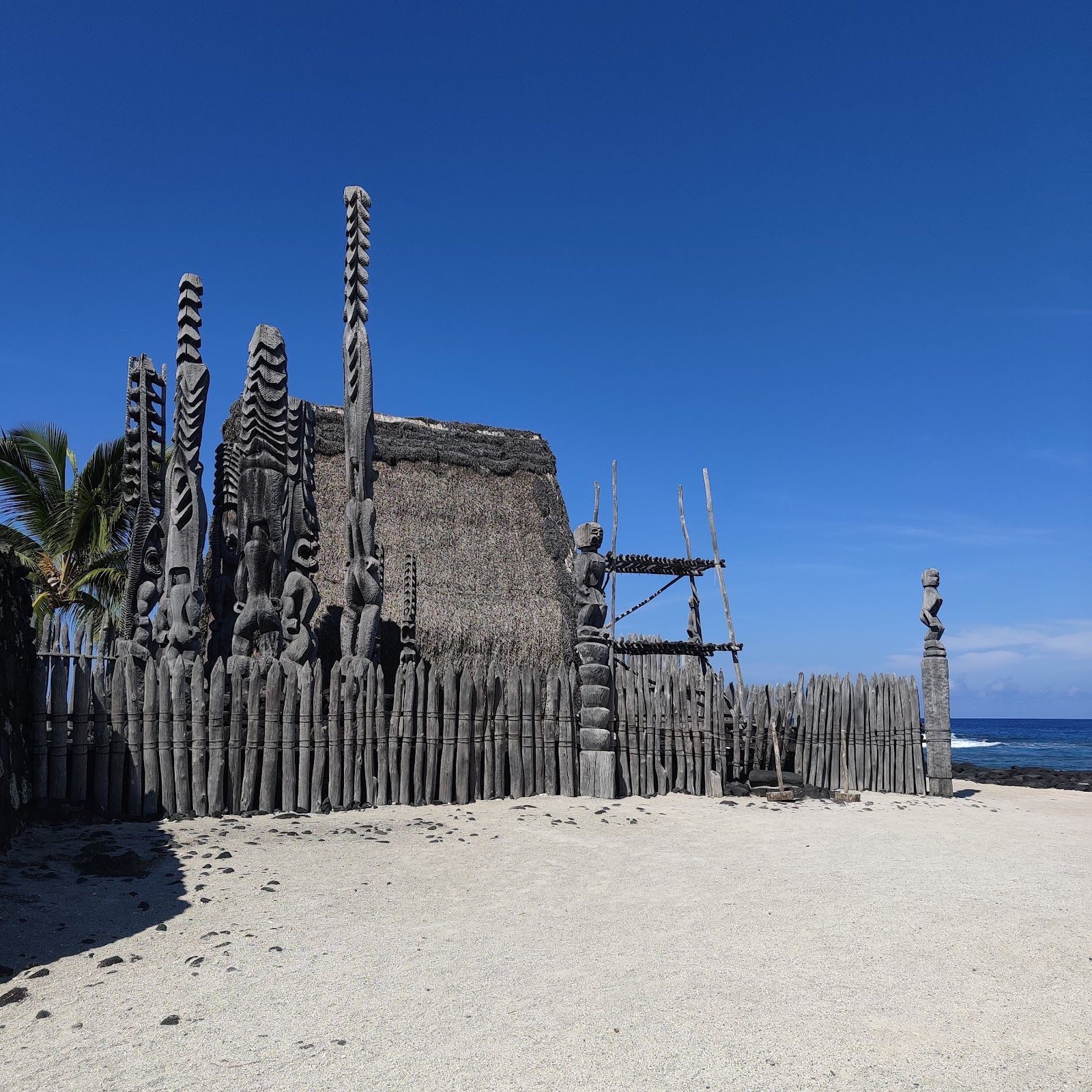
The park centers on a “place of refuge,” where ancient Hawaiians who had broken kapu, along with non-combatants or defeated warriors, could seek absolution and safety. That history gives the site a serious, contemplative atmosphere. The Royal Grounds preserve temples, fishponds, canoe landings, and the Great Wall, a massive dry-stacked lava barrier that still impresses by scale alone.
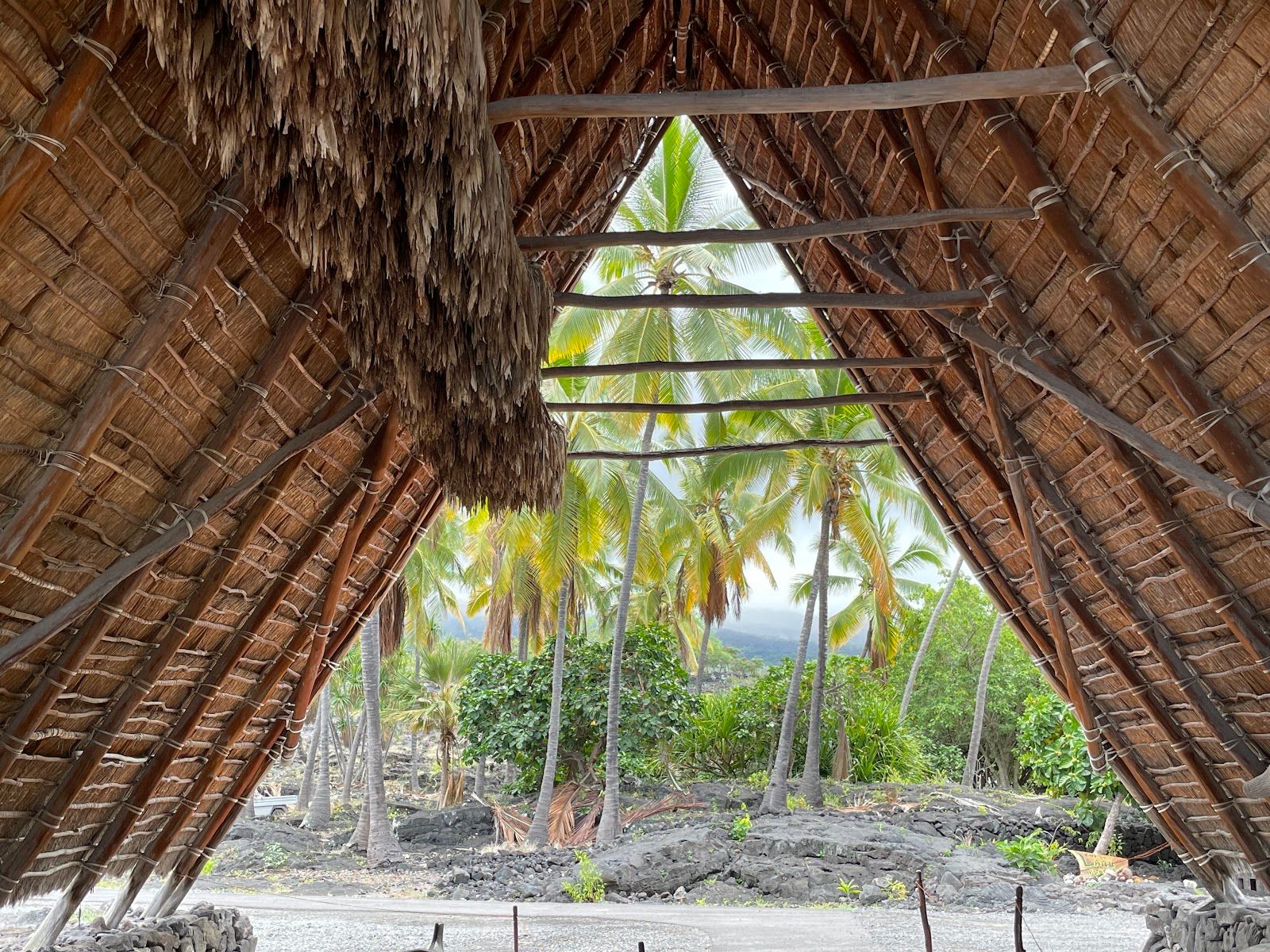
The park’s wooden kiʻi, reconstructed heiau, and shoreline setting make the story feel immediate rather than abstract. This is the kind of place where the cultural details matter: the layout helps explain how religion, politics, and daily life were once tied together on this coast.
A visit works best as a self-guided walk with time to linger
The core experience is a short self-guided walking route through the main historical areas, usually paired with a map, interpretive materials, and ranger programming when available. That format suits the park well. There is enough to see that a rushed stop feels thin, but not so much that it becomes exhausting or complicated.
Plan on a few hours rather than a drive-by. That leaves room to read the site, look out over the coast, and take in the quieter corners without hurrying through. Families can also make use of the Junior Ranger program, which makes the visit more engaging for younger travelers.
This is a strong add-on for a South Kona day, especially if paired with coffee farms, coastal viewpoints, or nearby historical sites. It also works well as the cultural anchor of a relaxed morning before moving on to snorkel or lunch elsewhere.
What to know before you go
The park is exposed and can feel hot, bright, and humid, especially in the middle of the day. Shade is limited, so water, a hat, and sun protection matter. Sturdy footwear is smart too, since the lava surfaces can be uneven and slick in places.
Respect for the site is not optional here. The grounds are sacred, and visitors should stay on marked paths, avoid leaning on or disturbing walls, and treat ceremonial areas quietly. Rock stacks and casual climbing on archaeological features are not appropriate.
A useful distinction: the park itself is not a swimming or snorkeling destination. Hōnaunau Bay sits nearby and is known for snorkeling, but that is separate from the historical park grounds. If snorkeling is the goal, build in a different stop; if culture and history are the priority, stay focused here.
Best fit for a Kona itinerary
This is a near-essential stop for travelers who want more than beaches from the Big Island. It suits history lovers, culturally curious visitors, and families looking for an experience with substance and a manageable time commitment. It is also a particularly good choice for anyone trying to understand Hawaiʻi beyond resort-side sightseeing.
Travelers who want a full beach day, a strenuous hike, or a purely recreational shoreline stop may prefer something else. But for a memorable South Kona outing that combines scenery with real historical weight, Puʻuhonua o Hōnaunau National Historical Park belongs high on the list.