
What it is
Puʻuhonua o Hōnaunau National Historical Park is a sacred and historically significant site located on the Kona Coast of the Big Island of Hawaiʻi. It was once a "place of refuge" (puʻuhonua) for ancient Hawaiians who broke kapu (sacred laws) or who were non-combatants or defeated warriors during times of war. Those who reached its boundaries could undergo rituals of absolution by a priest and avoid certain death, returning to society.
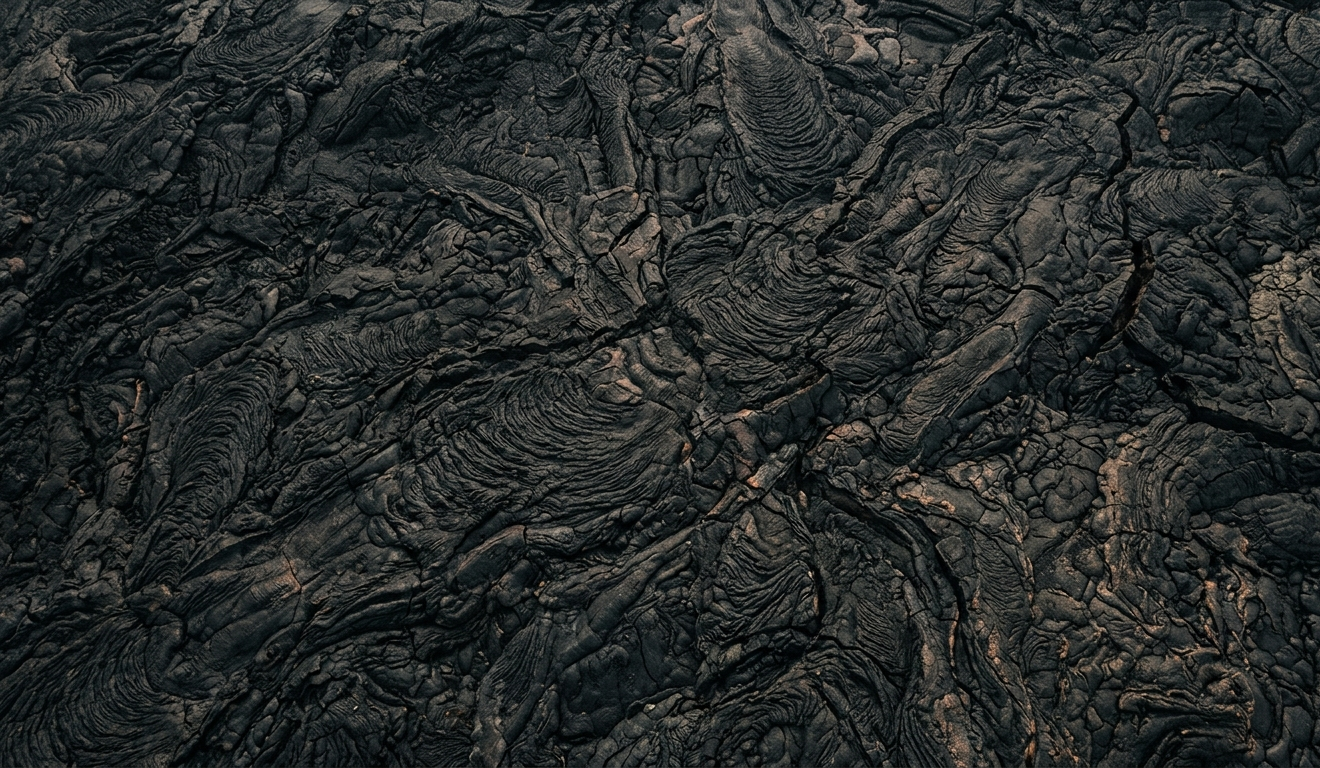
The 180-acre park preserves a complex of archaeological sites, including the Great Wall, which is a massive 1,000-foot long, 10-foot high, and 18-foot thick lava rock barrier built without mortar. Within the Royal Grounds, visitors can see reconstructed temples (heiau) like the Hale o Keawe, which housed the bones of 23 aliʻi (chiefs), believed to possess spiritual power (mana). The park features impressive wooden kii (carved images or statues of gods) that guard the sacred sites, royal fishponds, and ancient canoe landings. The park also includes the 1871 Trail, part of the larger Ala Kahakai National Historic Trail, which extends two miles from the Visitor Center along the coast.
Visitor experience
Travelers choose Puʻuhonua o Hōnaunau to immerse themselves in centuries-old Hawaiian culture and history. It offers a unique glimpse into the spiritual and cultural heritage of ancient Hawaiʻi. Visitors can take a self-guided walking tour (approximately 0.5 miles) through the Royal Grounds and the Puʻuhonua, using a park map and narrated audio tour to learn about points of interest. Ranger-led talks and cultural demonstrations, sometimes including canoe carving or other artisan work, bring the park's history to life.
The park provides a peaceful and reflective atmosphere amidst stunning coastal scenery. It's an excellent destination for those interested in authentic Hawaiian experiences and a deeper understanding of the kapu system and ancient Hawaiian way of life. The park also offers a Junior Ranger program for children and adults.
Logistics
The park is located on the western (Kona) coast of the Big Island, approximately 20 miles south of Kailua-Kona in the South Kona district. It is easily accessible via State Highway 160, off Mamalahoa Highway (Hwy 11) between mileposts 103 and 104.
Hours: The park is open daily from 8:15 am to sunset, year-round. The visitor center is open from 8:30 am to 4:30 pm.
Fees: An entrance fee is charged per private vehicle (currently $20) or per pedestrian/cyclist for a 7-day pass, valid only at Puʻuhonua o Hōnaunau. America the Beautiful National Parks Passes (Annual, Senior, Access, Military) are honored and cover the entrance fee. Payment can be made at the entrance station or via a QR code if unstaffed.
Parking: Parking is available within the park gates and is included in the entrance fee. The parking lot can fill to capacity, especially during peak times. Visitors are encouraged to arrive between 8:30 am and 10:30 am or after 2:30 pm to avoid crowds.
Duration: A visit typically takes two to three hours to explore the main sites and exhibits, making it suitable for a half-day activity.
Reservations/Permits: No reservations are required for general park entry. Permits are needed for special events or commercial tours.
Accessibility: Information on accessibility within the park is available on the NPS website.
Safety and cautions
Sun and Heat: The park can be very hot, sunny, and humid, especially during summer. Visitors should protect themselves from sun exposure and heat-related illness by staying hydrated, wearing reef-friendly sunscreen, a hat, and sunglasses. There are few shaded areas within the park. A water fountain and bottle filling station are available at the Visitor Center.
Footwear: Wear sturdy shoes due to uneven, loose, and potentially slippery lava rock surfaces, especially when walking along the coastline or accessing tidepools.
Ocean and Tidepools: The ocean can be unpredictable. When exploring tidepools, be cautious of footing and waves. Swimming or disturbing wildlife in the tidepools is not permitted. Adjacent Hōnaunau Bay is popular for snorkeling (often called "Two Step"), but it is not part of the historical park, and access is separate. No swimming or snorkeling is allowed within the historical park itself. The "Two Step" area is primarily a boat ramp, so snorkelers must be aware of boat traffic.
Cultural Sensitivity: This is a sacred site. Visitors should remain quiet during cultural ceremonies, observe from a distance, and engage respectfully with cultural demonstrators. Do not make rock stacks (cairns) or disturb archaeological sites. Stay on marked trails and avoid sitting, standing, walking on, or leaning on rock walls, as many are dry-stacked and hundreds of years old. Refrain from sunbathing or setting up beach chairs in the Royal Grounds and Puʻuhonua areas; a designated picnic area is available.
Wildlife: Wild goats can be present, especially around picnic areas.
Weather: The park may close due to high winds or dangerous storm conditions. Check alerts and current conditions on the NPS website before visiting. Tsunami surges have caused damage and closures in the past.
Editorial take
Puʻuhonua o Hōnaunau National Historical Park is a high-priority activity for travelers to the Big Island interested in Hawaiian history, culture, and spirituality. It offers an unparalleled opportunity to understand the ancient kapu system and the significance of a "place of refuge." This activity is best as a half-day experience, allowing ample time for the self-guided tour, ranger talks, and enjoying the coastal scenery.
Prioritize: History buffs, cultural enthusiasts, families (especially with the Junior Ranger program), and anyone seeking a deeper understanding of Hawaiʻi beyond its beaches. It's a key stop for those on Kona historical tours.
Skip: Travelers primarily seeking beach activities, snorkeling, or purely recreational pursuits should understand that the park itself is a cultural site, not a swimming or snorkeling destination. While Hōnaunau Bay is adjacent for snorkeling, it's accessed separately. Those with limited mobility might find the rugged lava rock trails challenging, though the main Royal Grounds area is generally accessible.
Not to be confused with:
- Hōnaunau Bay (Two Step): While adjacent, Hōnaunau Bay is a separate, popular snorkeling spot and boat launch, not part of the historical park's cultural grounds. Swimming and snorkeling are prohibited within the historical park boundaries.
- Other National Historical Parks on the Big Island: While there are other significant historical sites like Kaloko-Honokōhau National Historical Park and Puʻukoholā Heiau National Historic Site, Puʻuhonua o Hōnaunau has a distinct focus on the "place of refuge" and kapu system.
Source notes
- Puʻuhonua o Hōnaunau National Historical Park Official Website: https://www.nps.gov/puho/index.htm
- NPS Plan Your Visit - Operating Hours & Seasons: https://www.nps.gov/puho/planyourvisit/hours.htm
- NPS Plan Your Visit - Fees & Passes: https://www.nps.gov/puho/planyourvisit/fees.htm
- NPS Plan Your Visit - Safety: https://www.nps.gov/puho/planyourvisit/safety.htm
- NPS Plan Like A Park Ranger - Top 10 Tips for Visiting Puʻuhonua o Hōnaunau: https://www.nps.gov/puho/planyourvisit/top-10-tips.htm
- My Aloha Trip - Pu'uhonua O Honaunau: Appreciating Beautiful Hawaiian Culture: https://myalohatrip.com/puuhonua-o-honaunau/
- Go Hawaii - Puʻuhonua o Hōnaunau National Historical Park: https://www.goHawaii.com/big-island/regions-neighborhoods/kona/puuhonua-o-honaunau-national-historical-park
- Love Big Island - Puʻuhonua o Hōnaunau National Historic Park (Place of Refuge): https://www.lovebigisland.com/big-island-puuhonua-o-honaunau-national-historical-park/