
Best Beaches on the Big Island
Hawaiʻi Island rewards beachgoers who plan with the landscape in mind. Shorelines here aren’t interchangeable strips of sand; they’re shaped by lava flow, reef structure, prevailing winds, and seasonal swells. That means the “best beach” depends less on superlatives and more on fit: a forgiving entry for first-time snorkelers, a wide sandy run for an easy swim, or a protected lagoon that stays calm when the open ocean turns restless. This guide is built to help first-time visitors compare options quickly—then choose confidently based on conditions, access, and the kind of day they want.
Why Big Island beaches feel different
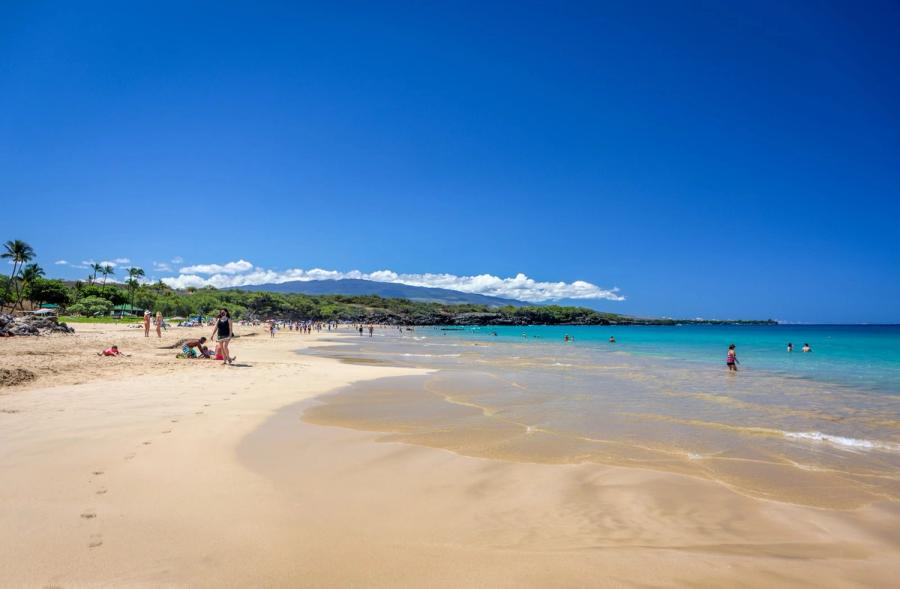
Compared with other Hawaiian Islands, the Big Island’s beaches are more varied in color, texture, and setting—often within the same day’s drive. Along the Kohala Coast, sun and shelter tend to align with classic white-sand swimming beaches, where long shorelines and clear water make for a straightforward beach day. Hapuna Beach is a strong example of that “easy yes” category: broad sand, space to spread out, and a beach profile that works well for swimmers when conditions are calm.
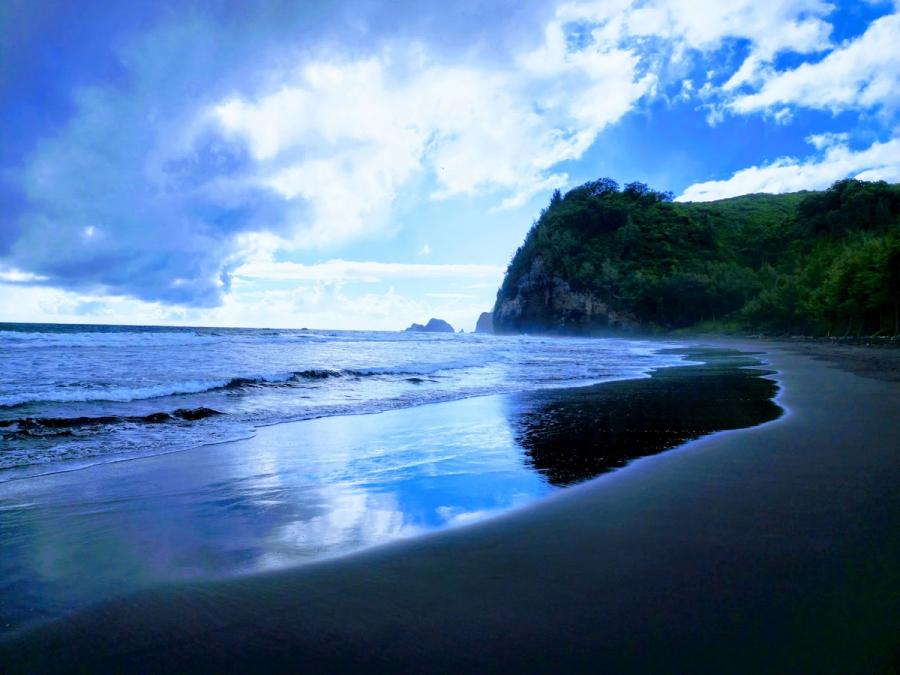
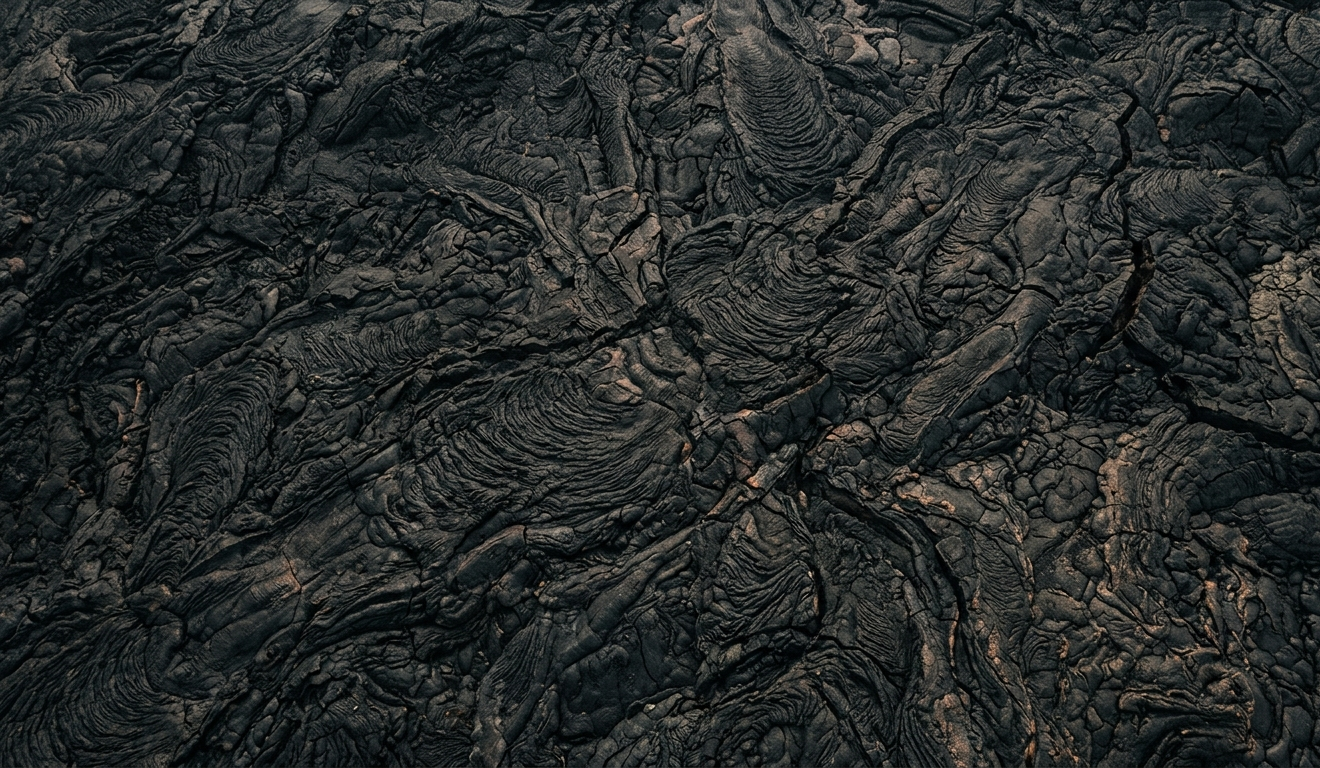
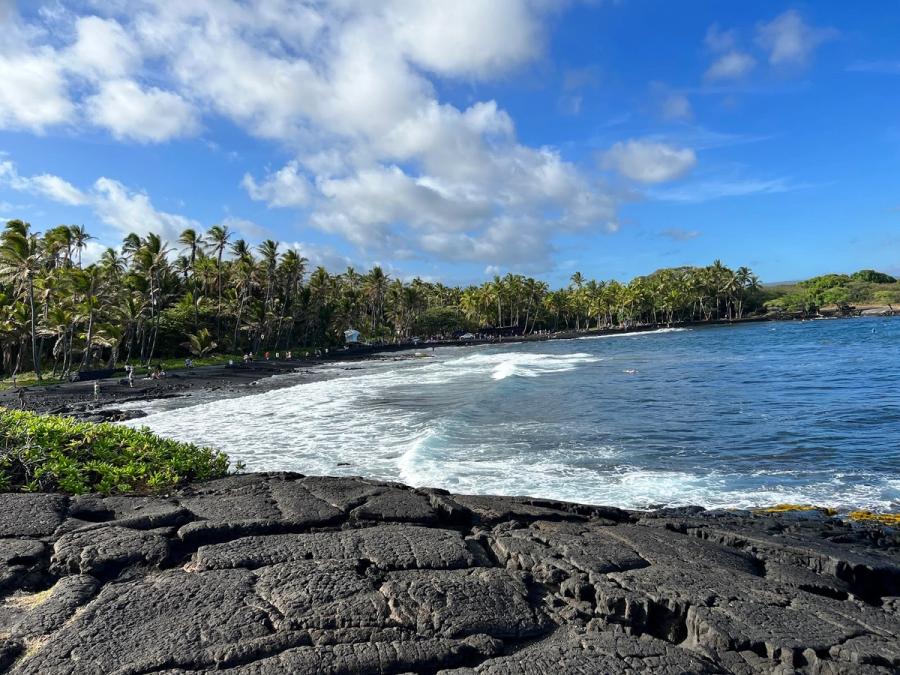
Shift south or east and the character changes. Volcanic shoreline becomes part of the experience: darker sands, sharper rock, and coves tucked into rugged terrain. In Kaʻū, beaches are often less about lounging and more about geology and wildlife; Punaluʻu Beach stands out for its black sand and the chance—at times—to spot honu (Hawaiian green sea turtles) resting near the waterline. Over on the Hilo side, the ocean can be moodier, but coastal parks often offer protected water that’s especially appealing for families who prioritize calm entry points over long sandy expanses.
The practical takeaway: treat beach selection as a combination of region, season, and daily conditions. A beach that’s ideal at 9 a.m. may be less comfortable by afternoon if trade winds pick up, and winter surf can transform exposed shores into expert-only zones.
How this list was curated
This guide focuses on beaches that consistently deliver for visitors—especially those building an itinerary for a first trip—without ignoring the realities of access and ocean safety. Each featured beach earned its place based on a few editorial standards:
- Swim and snorkel suitability (when conditions allow): Preference goes to beaches with reliable nearshore environments—reef-protected areas, gentler entries, or recognized swim zones. For approachable snorkeling, Kahalu’u Beach Park is a benchmark, thanks to its calmer waters and reef structure that often supports good visibility and marine life close to shore.
- Variety of experiences: The Big Island isn’t one-note, so the list balances classic sand beaches, family-friendly lagoons, and geologically distinctive coastlines.
- Access and logistics: Parking, walk-in difficulty, facilities, and the overall effort-to-reward ratio matter—particularly for travelers juggling limited days and multiple regions.
- Consistency and stewardship: Beaches that remain enjoyable across a range of typical conditions—while encouraging respectful use—rise to the top.
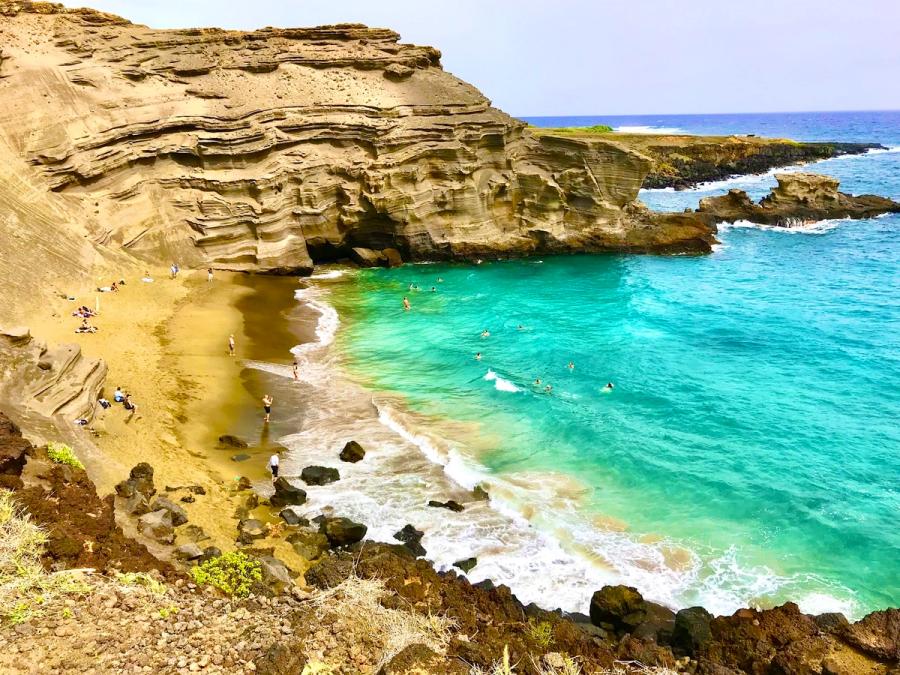
A few entries are intentionally included as “plan-ahead” options rather than casual drop-ins. Papakōlea Beach, for example, is remarkable for its green sand, but it requires preparation, good timing, and a clear understanding of the route and weather. It’s the kind of outing that works best when treated as a dedicated half-day, not a quick stop between meals.
Making the most of a Big Island beach day
Start by matching the beach to the day’s priorities: swimming, snorkeling, a sunset stroll, or simply a low-stress family outing. Morning often brings calmer water and clearer visibility, while afternoons can mean stronger breezes on west-facing shores. For snorkeling, look for a protected entry, avoid standing on coral, and give wildlife space—especially turtles. For families, prioritize parks with calmer water and easy exits, and consider the east side’s protected lagoons when the open coast feels too exposed.
Most importantly, read the shoreline before getting in: wave energy, currents, and rocky entries change quickly here. When in doubt, watch the water for a few minutes, talk with lifeguards when present, and choose a beach that matches comfort level.
Below is the curated list of the best beaches on Hawaiʻi Island—organized to help travelers quickly find the right shoreline for their itinerary, from classic white sand to volcanic coastlines.
Featured
Hapuna Beach
Hapuna earns top-beach status with long white sand and dependable swim conditions.
Hapuna Beach offers nearly a half mile of pristine white sand and clear waters on the Big Island's Kohala Coast, perfect for swimming, bodyboarding, and sunbathing with excellent family-friendly amenities.
Kaunaʻoa (Mauna Kea) Beach
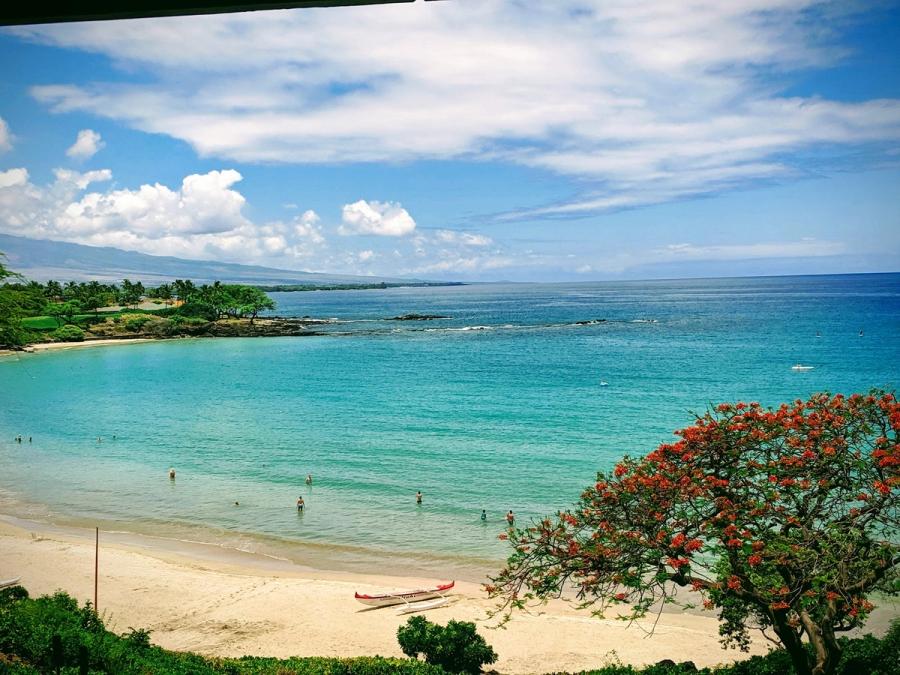
Kaunaʻoa’s sheltered crescent delivers consistently calm, clear water for easy swimming.
Kaunaʻoa (Mauna Kea) Beach is a breathtaking crescent of white sand on the Kohala Coast, offering calm, clear turquoise waters perfect for swimming, snorkeling, and relaxing in an idyllic Hawaiian setting.

Kua Bay
Kua Bay belongs for its bright sand, turquoise water, and big-sky sunsets.
Kua Bay, also known as Maniniʻōwali Beach, offers pristine white sands and clear turquoise waters on the Big Island, perfect for swimming, sunbathing, and wildlife viewing in a state park setting.
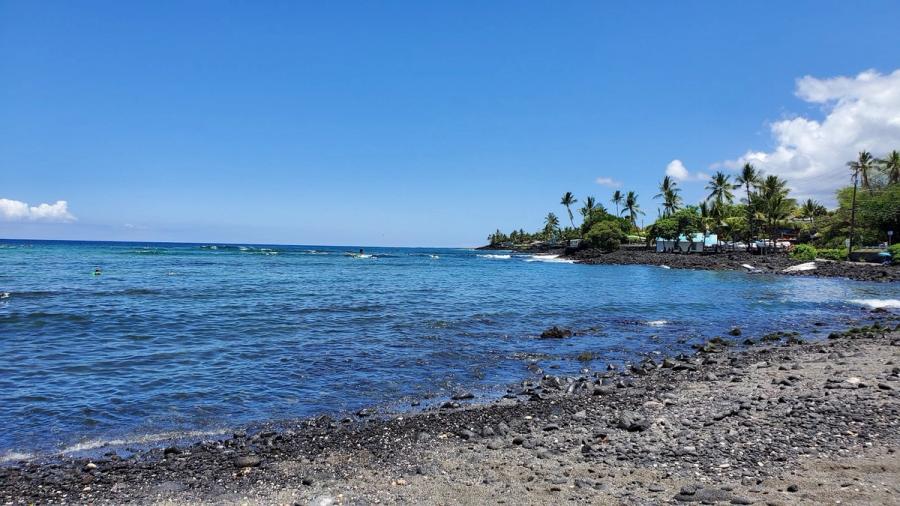
Kahalu’u Beach Park
Kahaluʻu makes the list for beginner-friendly snorkeling in protected, fish-filled shallows.
This popular Kailua-Kona beach park is ideal for families and first-time snorkelers, offering calm, protected waters teeming with tropical fish and sea turtles, plus amenities for a full day of fun.
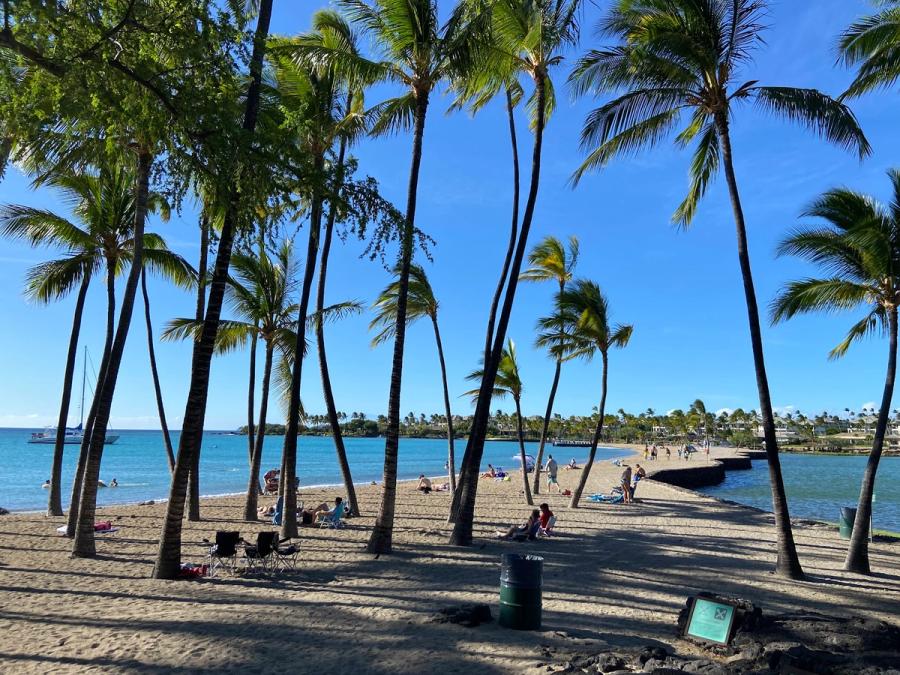
ʻAnaehoʻomalu Beach
ʻAnaehoʻomalu stands out with calm resort-side waters plus historic fishpond scenery.
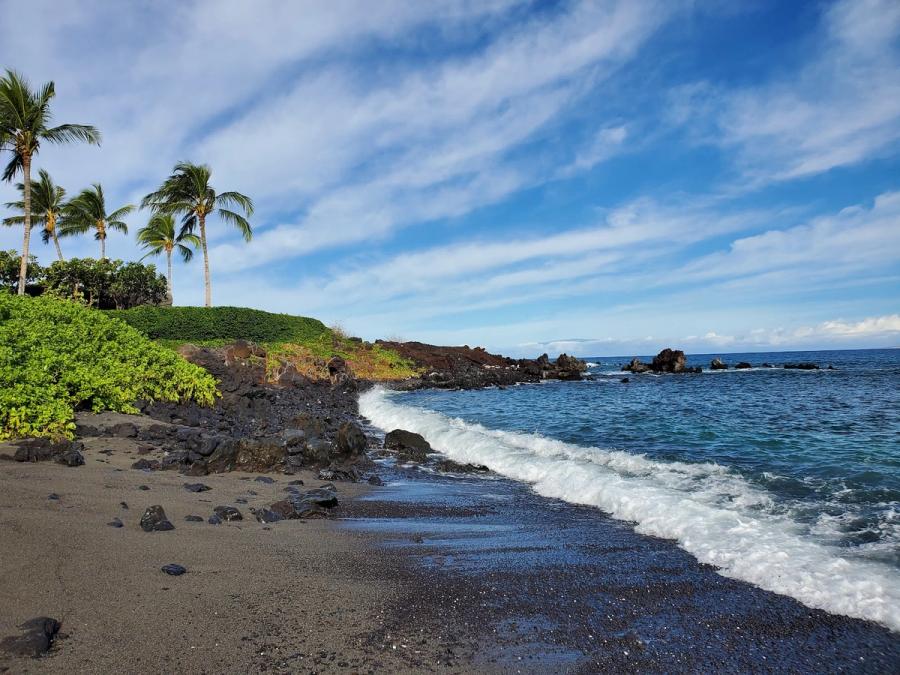
ʻAnaehoʻomalu Beach, or A-Bay, is a family-friendly Big Island beach with calm waters, salt-and-pepper sand, and historic fishponds, perfect for swimming, snorkeling, paddleboarding, and stunning sunsets.
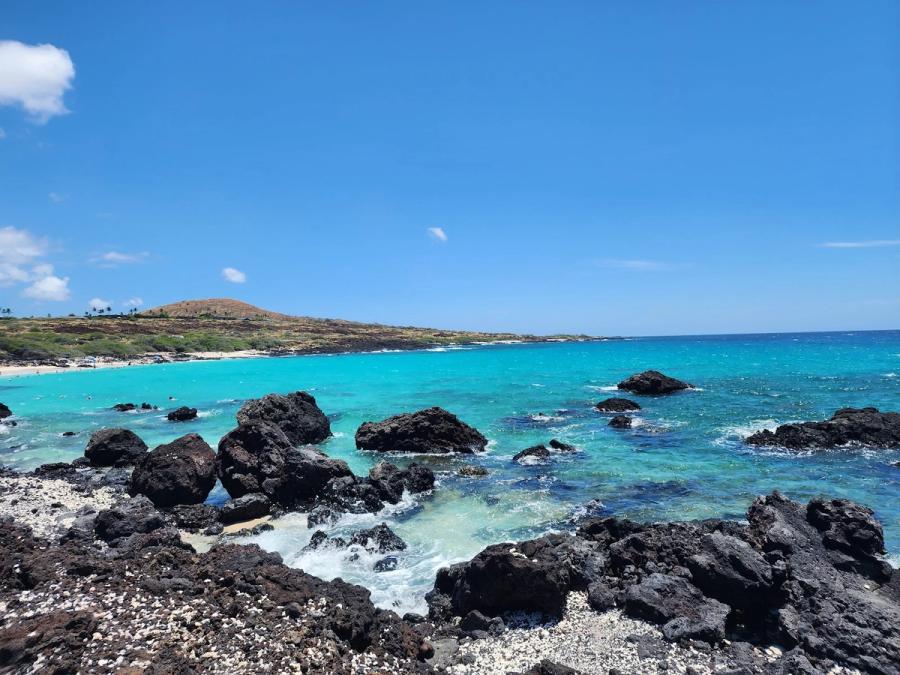
Kekaha Kai State Beach
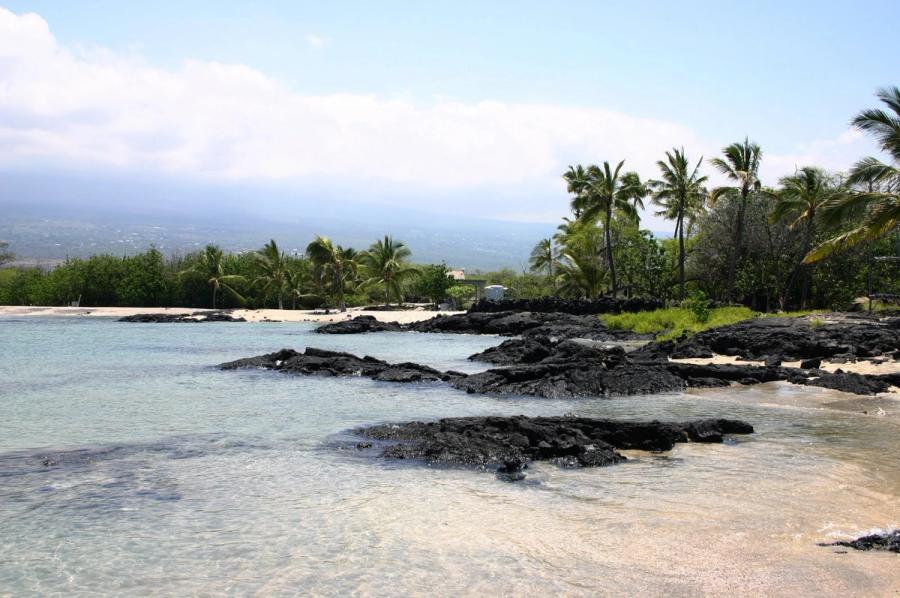
Kekaha Kai qualifies for combining swimmable coves with striking lava-backed shoreline vistas.
Kekaha Kai State Park offers pristine white sand beaches, clear turquoise waters, and dramatic volcanic landscapes, perfect for swimming, snorkeling, and coastal hiking on the Big Island.
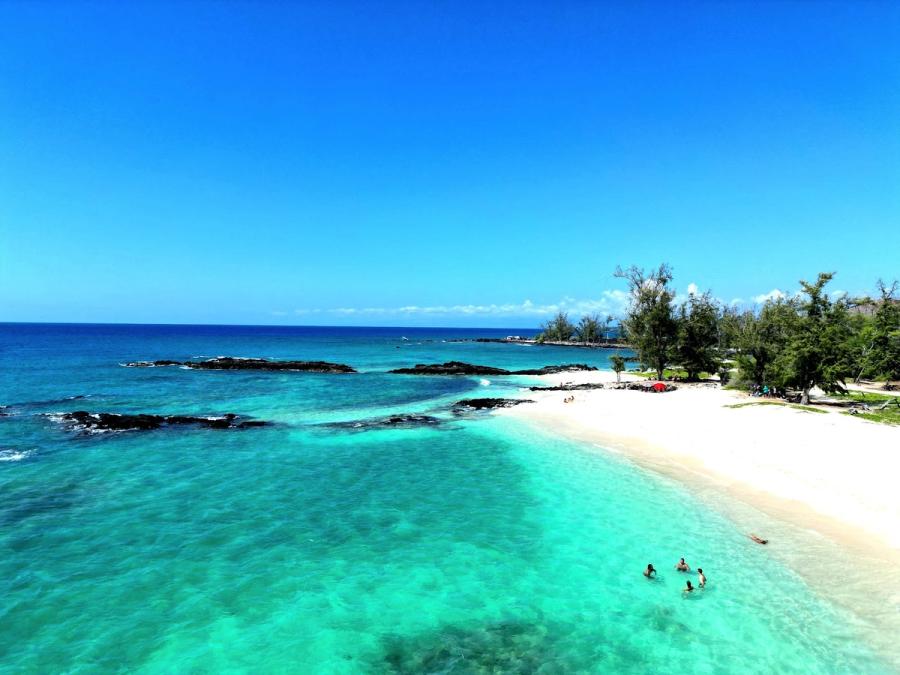
Makalawena Beach
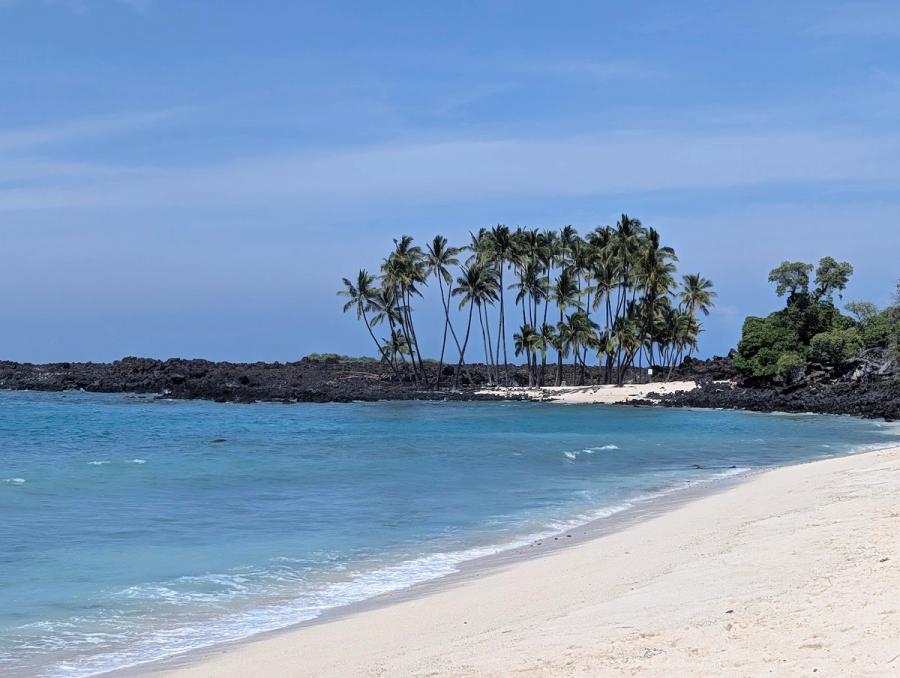
Makalawena ranks among the best for rewarding hike-in sands and clear water.
Makalawena Beach offers a pristine, secluded white sand experience with crystal-clear waters, accessible via a challenging hike through lava fields on the Big Island's Kona Coast.
Punaluʻu Beach
Punaluʻu deserves inclusion for dramatic black sand and frequent Hawaiian turtle sightings.
Punaluʻu Black Sand Beach offers a unique Big Island experience, famed for its striking jet-black sands, swaying palms, and frequent visits from endangered Hawaiian Green Sea Turtles.
Papakōlea Beach
Papakōlea earns a spot because its rare green sand showcases Big Island geology.
Papakōlea Beach is one of the world's only green sand beaches, offering a unique geological wonder after a challenging coastal hike near the Big Island's remote South Point.
Ho‘okena Beach Park
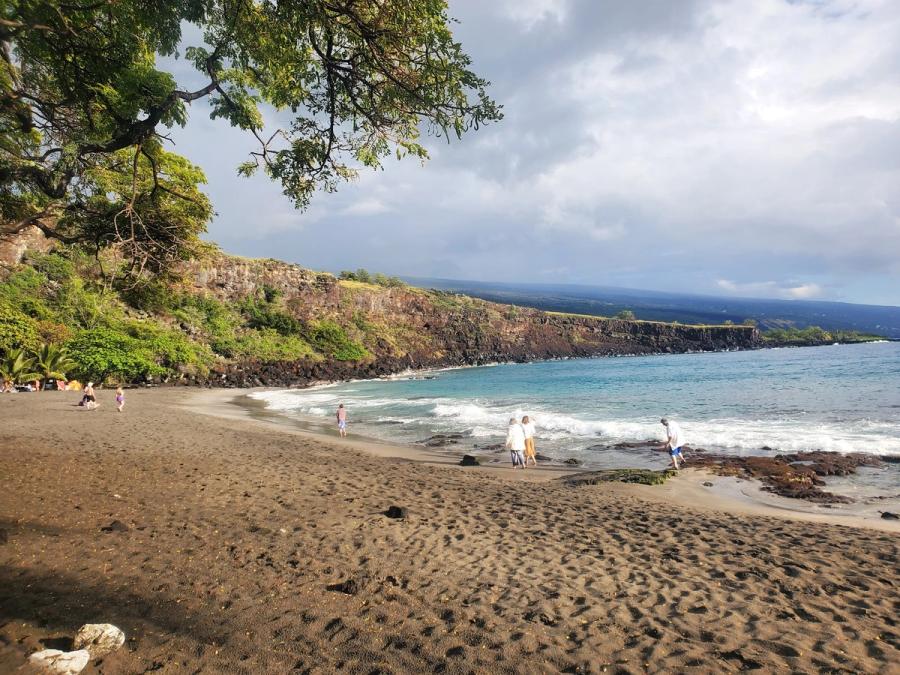
Ho‘okena belongs for calm snorkeling water plus an authentic South Kona shoreline vibe.
Ho‘okena Beach Park offers a unique Big Island experience with its calm, clear waters perfect for swimming and snorkeling, fine gray sand, and rich cultural heritage as an active Hawaiian fishing village.

Carlsmith Beach Park
Carlsmith makes best-beaches lists with spring-fed lagoons ideal for relaxed swims.
Carlsmith Beach Park offers calm, protected lagoons perfect for swimming and snorkeling, featuring unique freshwater springs and frequent sightings of Hawaiian green sea turtles.
Onekahakaha Beach Park
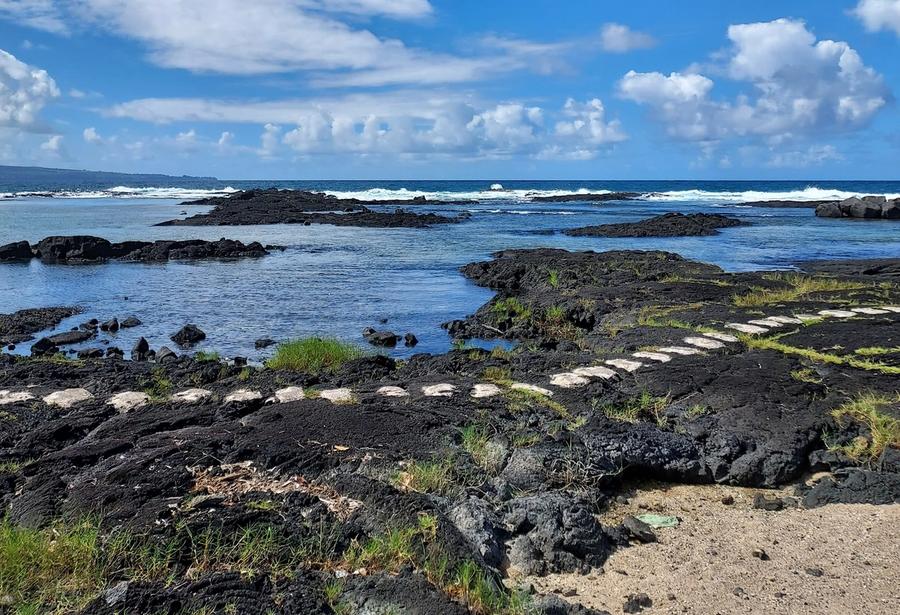
Onekahakaha is best for families, offering a shallow protected lagoon and facilities.
Onekahakaha Beach Park in Hilo offers a wonderfully protected, shallow lagoon perfect for safe family swimming and snorkeling, complete with amenities like restrooms, picnic areas, and lifeguards.