
Kailua-Kona
Kailua-Kona is the Big Island’s west-side town hub for food, services, and ocean time.
Good Fit For
- First-time Big Island bases
- Dining and sunset seekers
- Snorkel-from-shore days
- Tour and charter departures
- Mix of town and coast
Trade-offs
- Spread-out, car-dependent strip
- Traffic at peak hours
- Small, rocky beaches
- Drier, less lush scenery
Logistics & Getting Around
Kailua-Kona functions as a long coastal town zone from Historic Kailua Village through the southward corridor toward Keauhou. Expect short drives between clusters, limited parking in busy pockets, and straightforward access to Highway 11 for inland and coast
Nearby Areas in Kona
Signature Experiences in Kailua-Kona
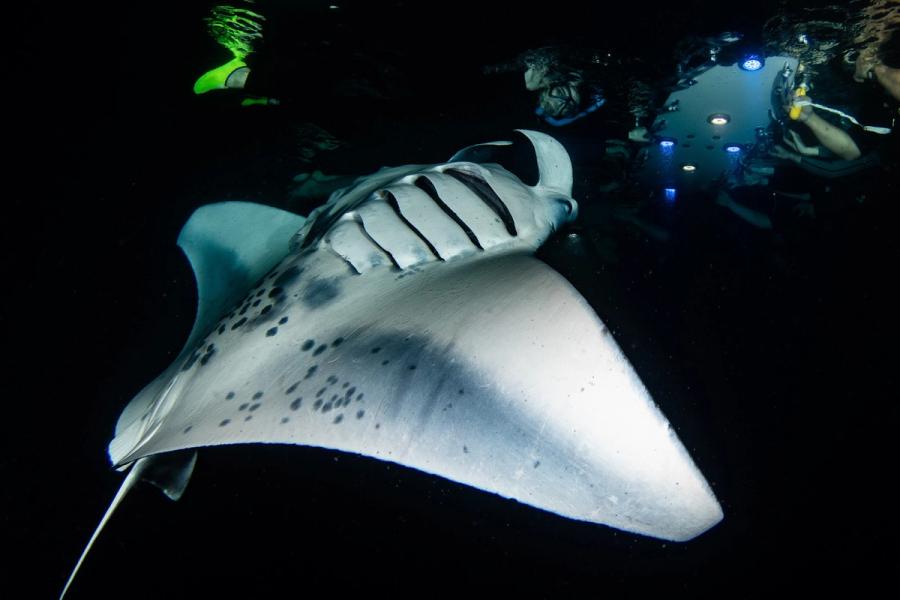
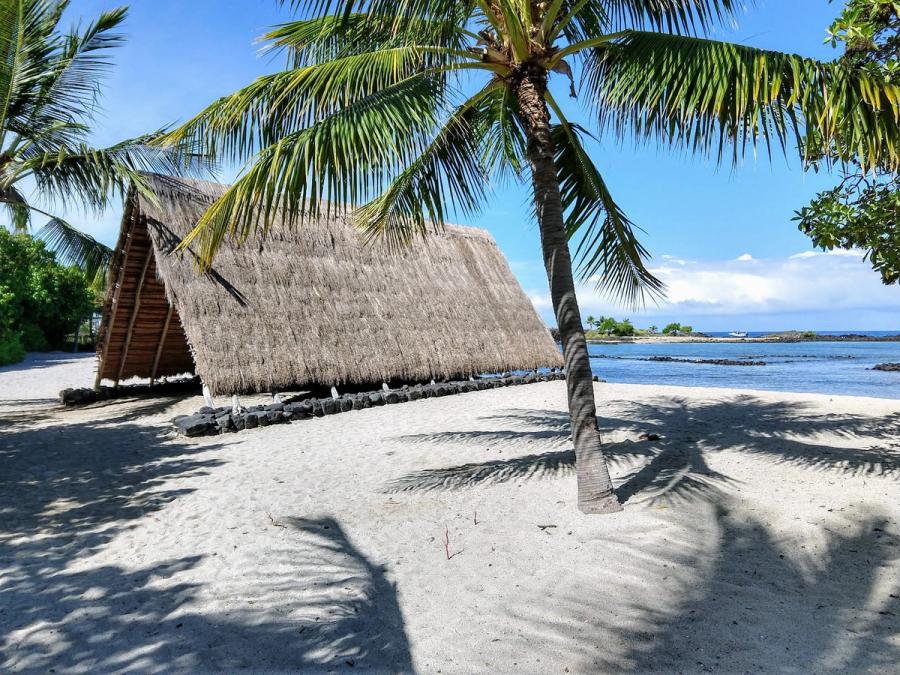
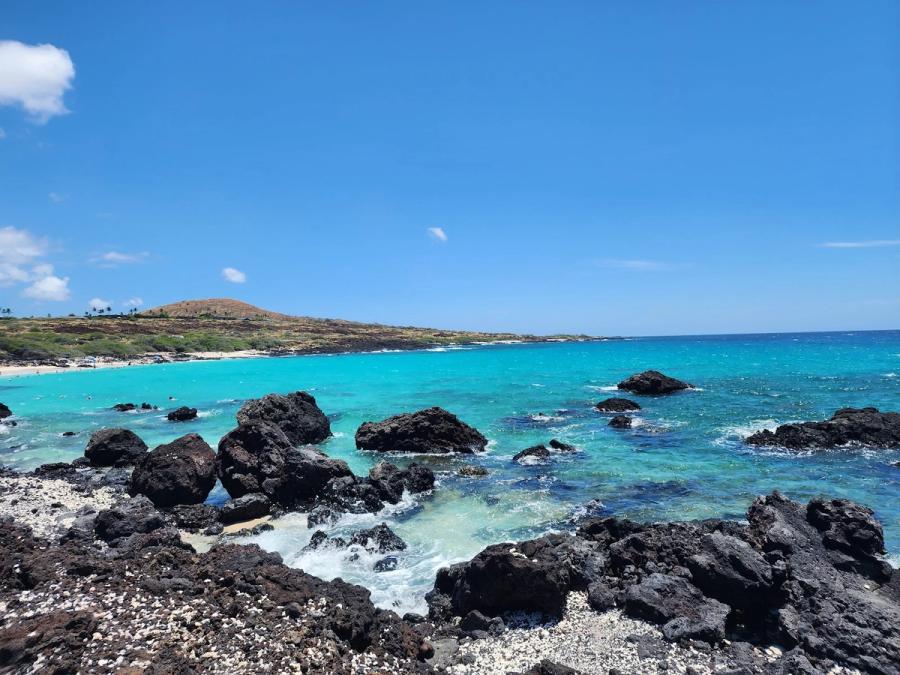
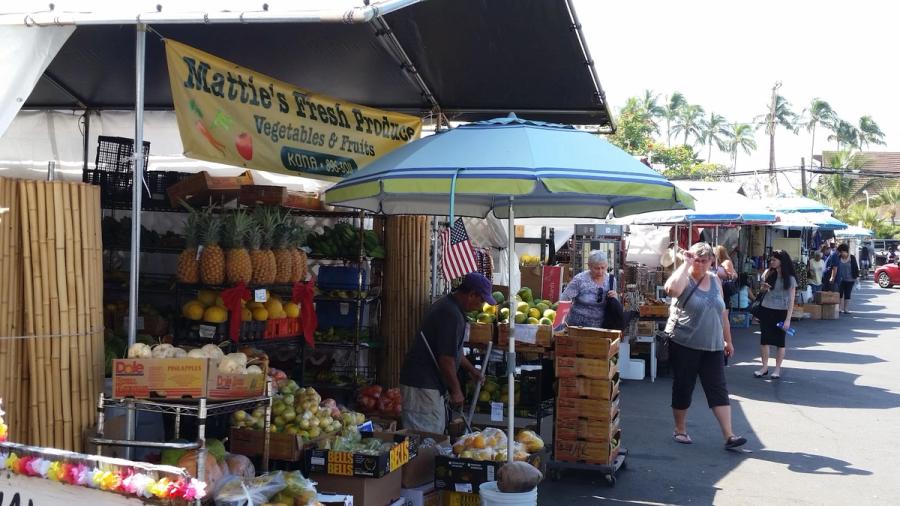
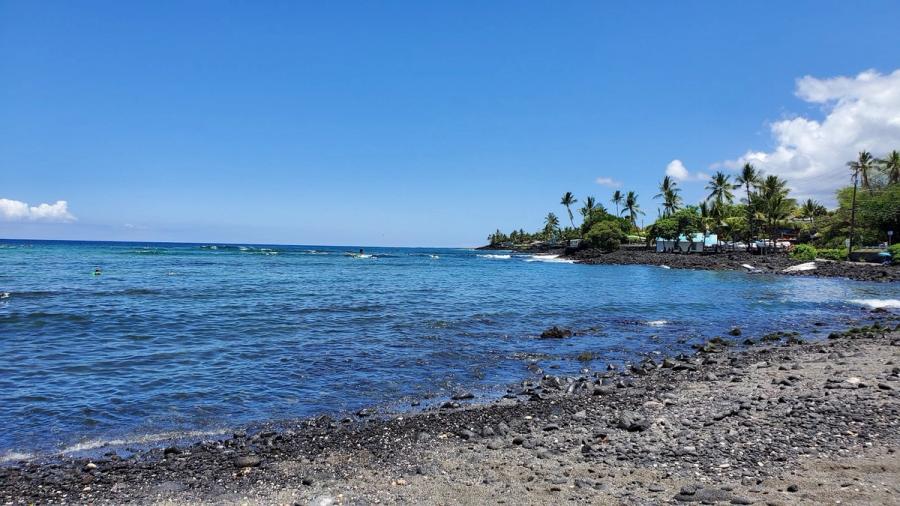


The feel: sunny waterfront town, strung along the highway
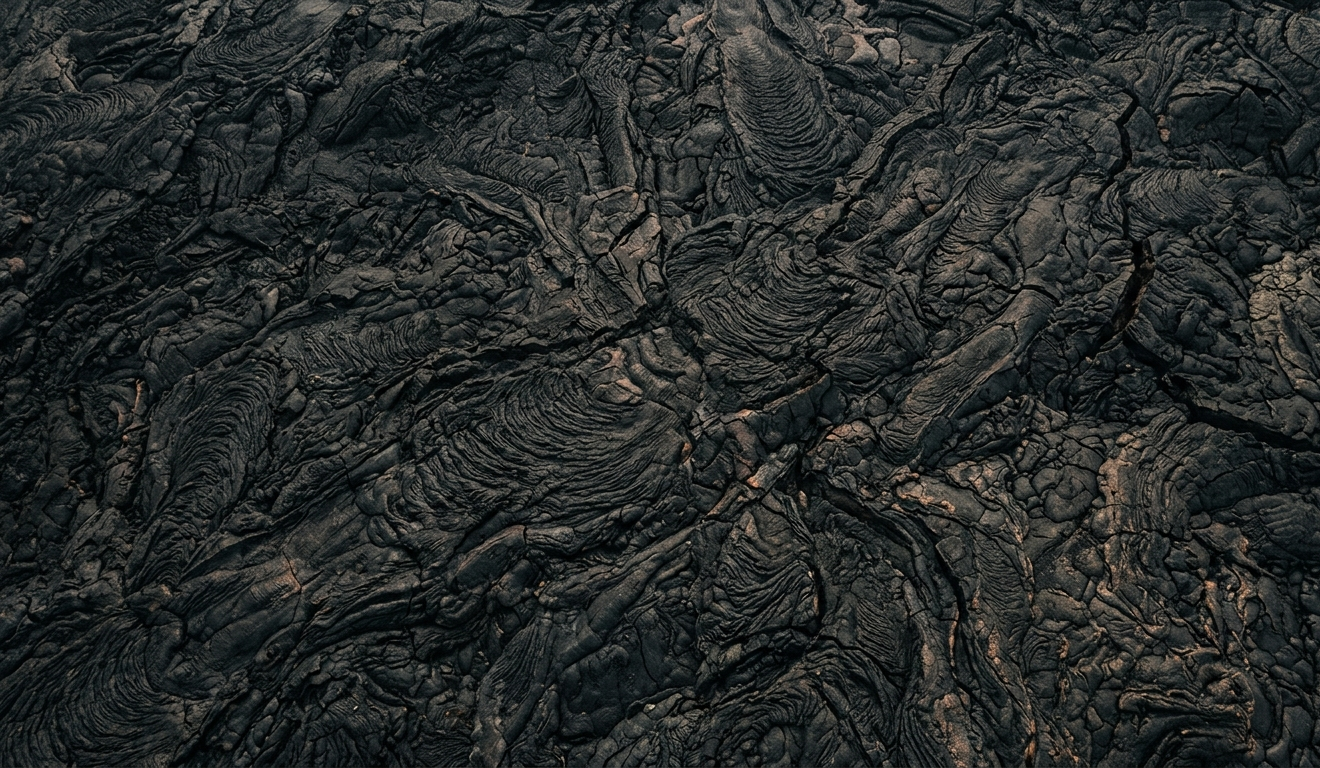
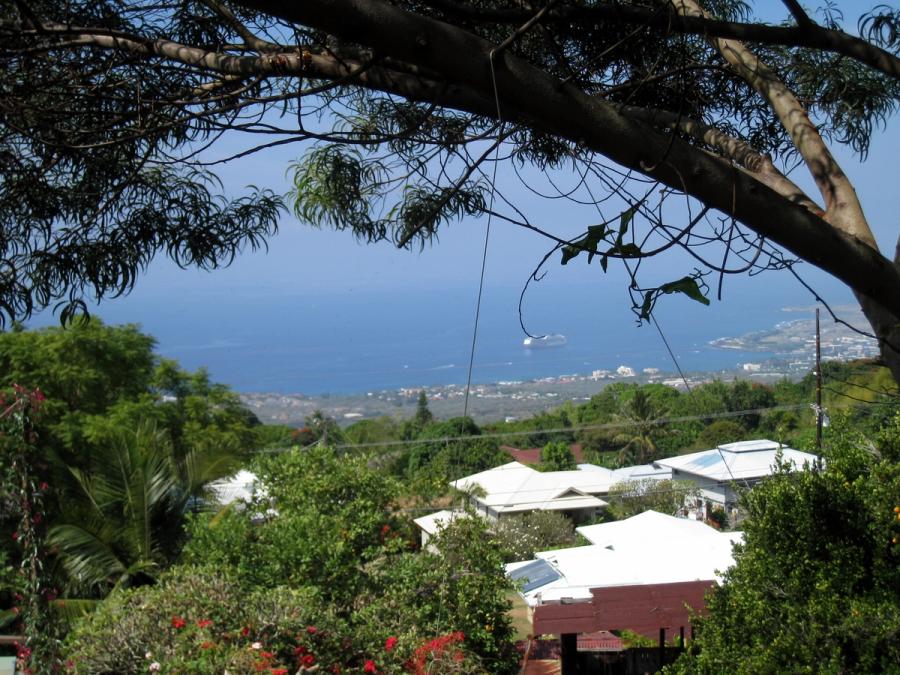
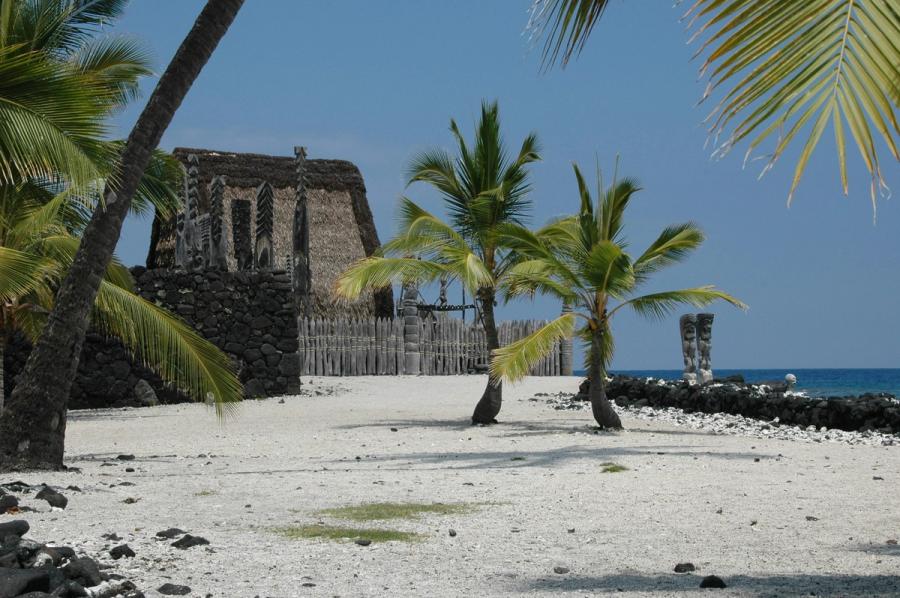
Kailua-Kona is less a single neighborhood than a sequence of coastal pockets—Historic Kailua Village at the center, then shopping, neighborhoods, and oceanfront lodging stretching south toward Keauhou. The overall mood is easygoing and sun-bright: lava rock shoreline, palms, and broad ocean horizons that deliver dependable sunsets. It’s also the Kona coast’s most “town” place—where you run errands, meet a boat, grab a casual meal, and reset between bigger drives.
Historic Kailua Village is the most walkable slice, with a compact waterfront strip that feels like the social front porch of West Hawaiʻi. Elsewhere, the experience becomes more linear: you’ll hop between viewpoints, snorkel access points, and restaurant clusters by car.
Why people base here
Kailua-Kona works because it bundles the basics close together by Big Island standards: a large share of the region’s restaurants, markets, and everyday services, plus many common departure points for ocean outings. For visitors trying to balance “do” days with “down” time, it’s easy to build a rhythm: slow morning coffee, a swim or snorkel, an afternoon errand or gallery stop, then a sunset walk.
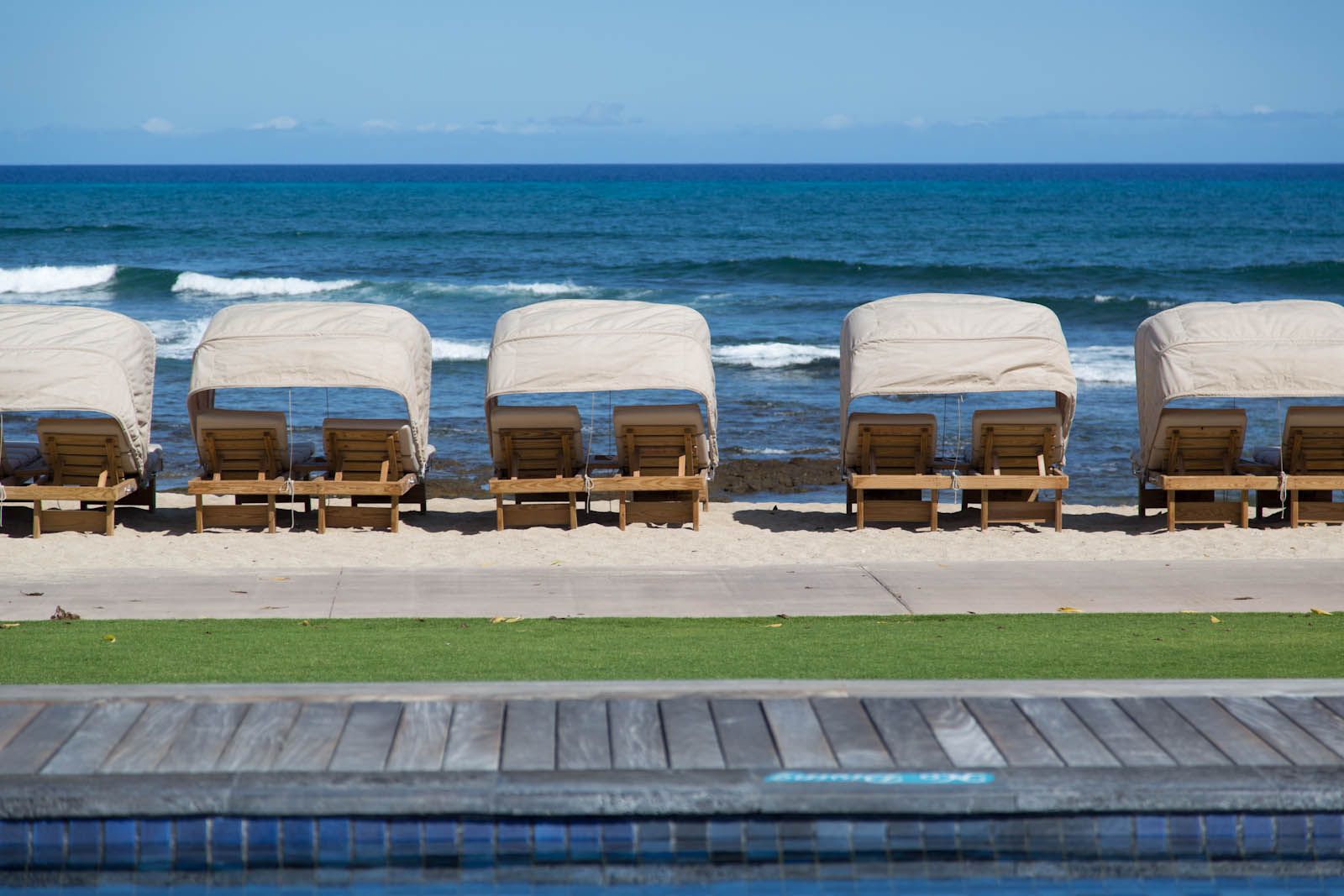
The ocean access is frequent, but the shoreline is often rocky rather than sandy. That’s why many beach days here look like short swims from small coves, lava entries, or compact pocket beaches—great for quick water time, less ideal if you’re picturing long sand stretches.
Along the coast: Village to Keauhou
As you move south, the setting stays coastal but shifts from town storefronts to resort-and-residential edges. The Keauhou and Kahaluu–Keauhou area feels like an extension of Kailua-Kona’s day-to-day pattern: convenient ocean access, a few concentrated commercial stops, and quick hops back to the village when you want more choice.
What it’s not
This isn’t the Big Island’s lush, rainforest Hawaii. The Kona side is generally drier, and the “scenic” moments are more about open water, lava contours, and big skies than waterfalls and deep green valleys. It’s also not a place where everything is a stroll: outside the historic core, distances add up and roadside traffic can shape your day.
Kailua-Kona is at its best when you treat it as a practical, lived-in hub—one that makes the rest of West Hawaiʻi easier to reach, while still giving you a satisfying slice of shoreline every day.

Can't decide where to stay? Get personalized advice.
Custom recommendations built from the web's most comprehensive Kauai guide.